
What Causes Chicken Breast to Be Chewy? Main Reasons
Chicken breast becomes chewy because of heat, timing, or meat quality. When chicken breast turns rubbery or tough, the muscle fibers tighten too much and push out moisture, which quickly changes the texture.
A tender chicken breast feels firm, moist, and easy to bite through. Dry, spongy, or dense chicken usually means something went wrong during cooking.
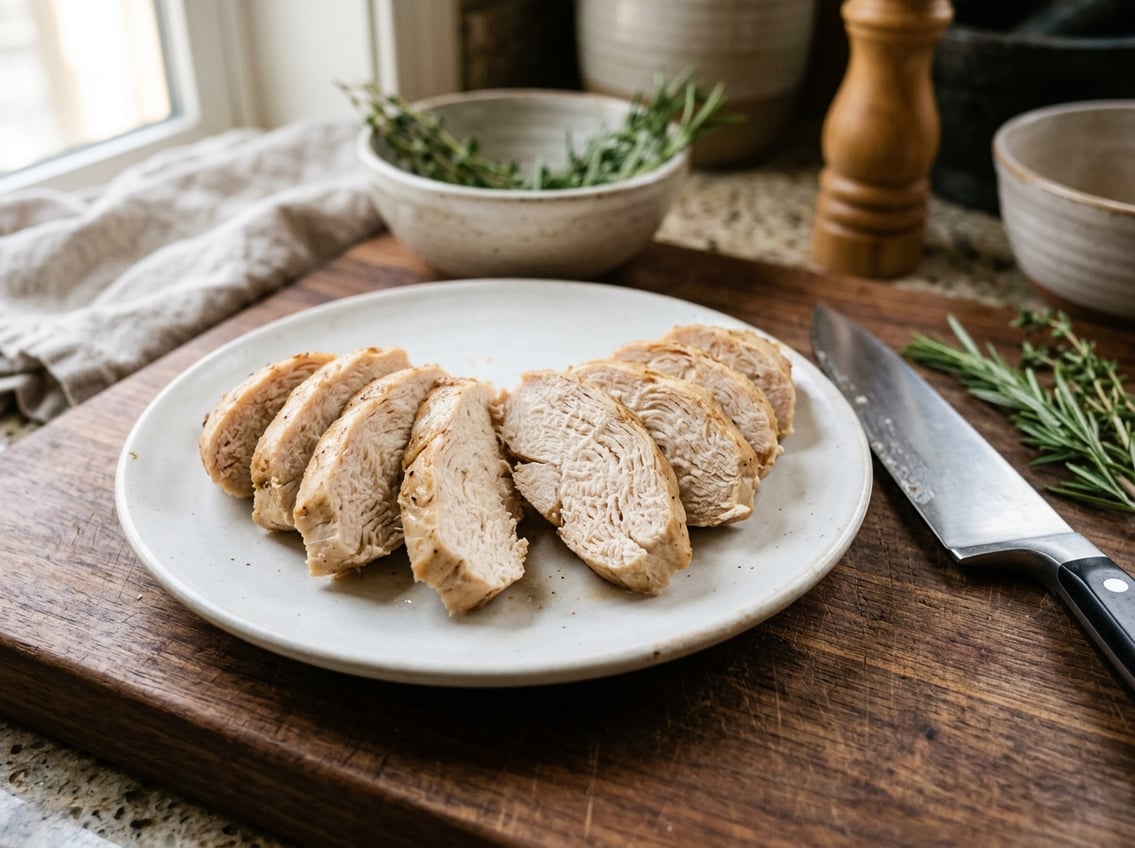
The Main Reasons Chicken Breast Turns Tough
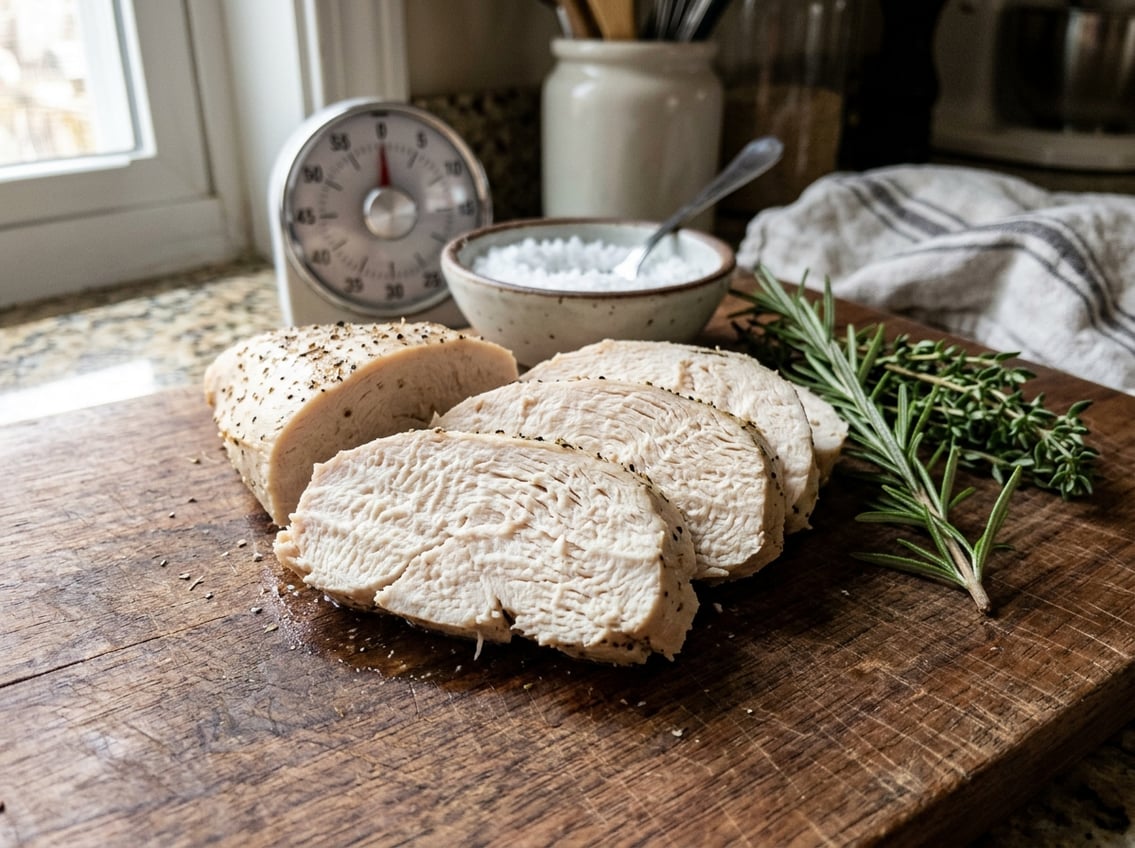
Chewy chicken breast has clear causes. The biggest issues are overcooking, undercooking, and meat quality problems like woody breast.
The way you handle heat matters most, since chicken breast is lean and can dry out quickly. Meat quality also affects the final texture because some pieces start tougher than others.
Overcooking and Moisture Loss
Overcooked chicken breast often feels dry and chewy. As the meat heats, the proteins tighten and squeeze out moisture, which leaves the chicken firm and less juicy.
Even a small difference between done and overdone can change the result a lot. Chicken breast can turn chewy when the muscle fibers tighten too much and push out juices.
Undercooked Centers and Rubbery Texture
Undercooked chicken can feel rubbery in the center, even if the outside looks cooked. The middle may stay pale, soft, glossy, or slightly slippery when you cut into it.
That uneven texture happens when the heat has not fully reached the thickest part. A piece that seems almost done can still feel unpleasant if the center is undercooked.
Woody Breast and Other Meat Quality Problems
Sometimes the issue starts with the chicken itself. Woody breast is a quality problem in some commercial chicken breasts, and it can create a dense, firm, stringy texture even when you cook it correctly.
Storage, handling, age, and breed can also affect meat quality. A breast that starts out tough will not become truly tender just from careful cooking.
How to Tell Which Problem You Have
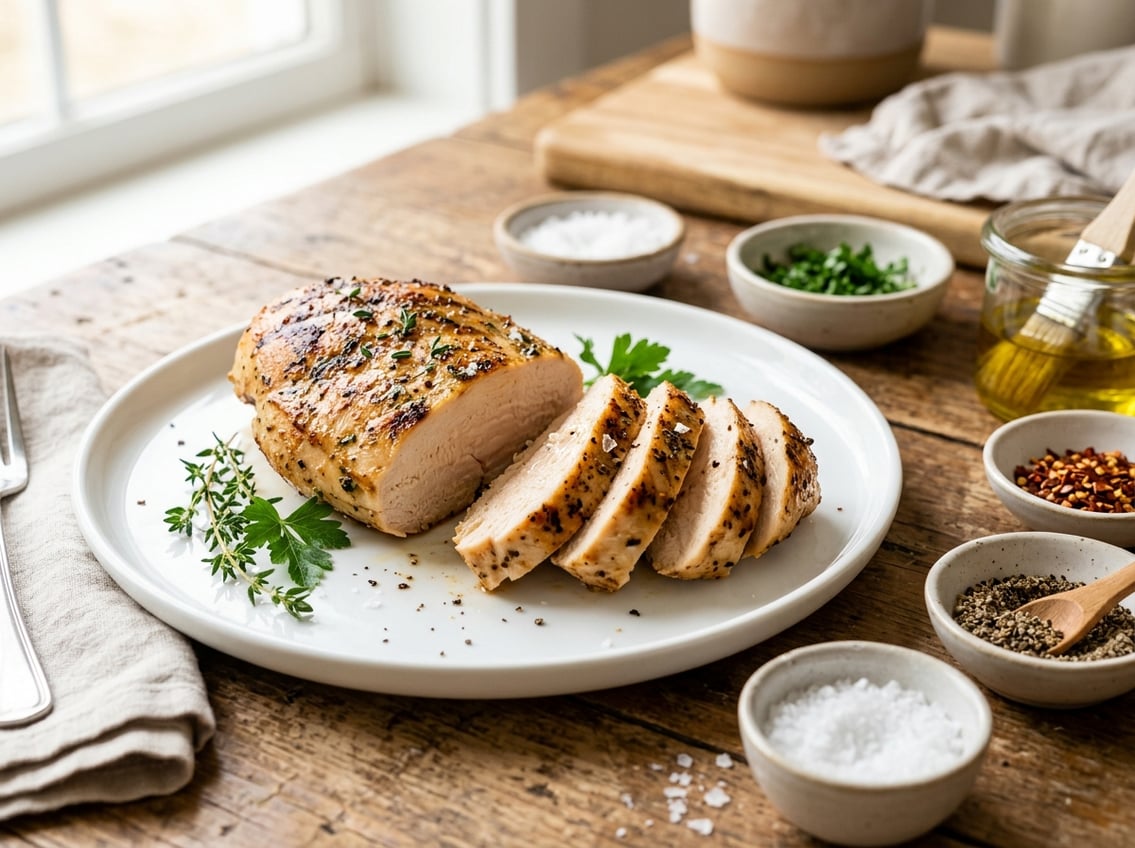
You can usually narrow it down by looking at the meat, checking the center, and using a thermometer. The texture gives you useful clues before you take another bite.
Visual Signs of Dry, Stringy Meat
Overcooked chicken breast often looks smaller, drier, and more stringy than when it started. The surface may look pale, chalky, or fibrous.
Undercooked chicken looks different. It can seem glossy or wet in the center, and the texture may feel soft or rubbery instead of firm.
Texture Clues in the Center of the Breast
Cut into the thickest part and pay attention to the middle. If the center feels slippery, spongy, or translucent, you are likely dealing with undercooked chicken.
If the whole piece feels dry and breaks into fibers when you chew, overcooked chicken breast is the more likely problem. A woody or poor-quality breast can feel dense and resistant even when the temperature is correct.
How to Check Doneness With a Thermometer
A meat thermometer removes the guesswork. Insert a meat thermometer in the thickest part of the breast, and avoid touching the pan or bone.
Chicken breast should reach 165°F in the thickest part for food safety. If the number is lower, the chicken may still be undercooked. If it climbs well above that, the chance of overcooked chicken breast goes up.
How to Fix Chewy Chicken After Cooking
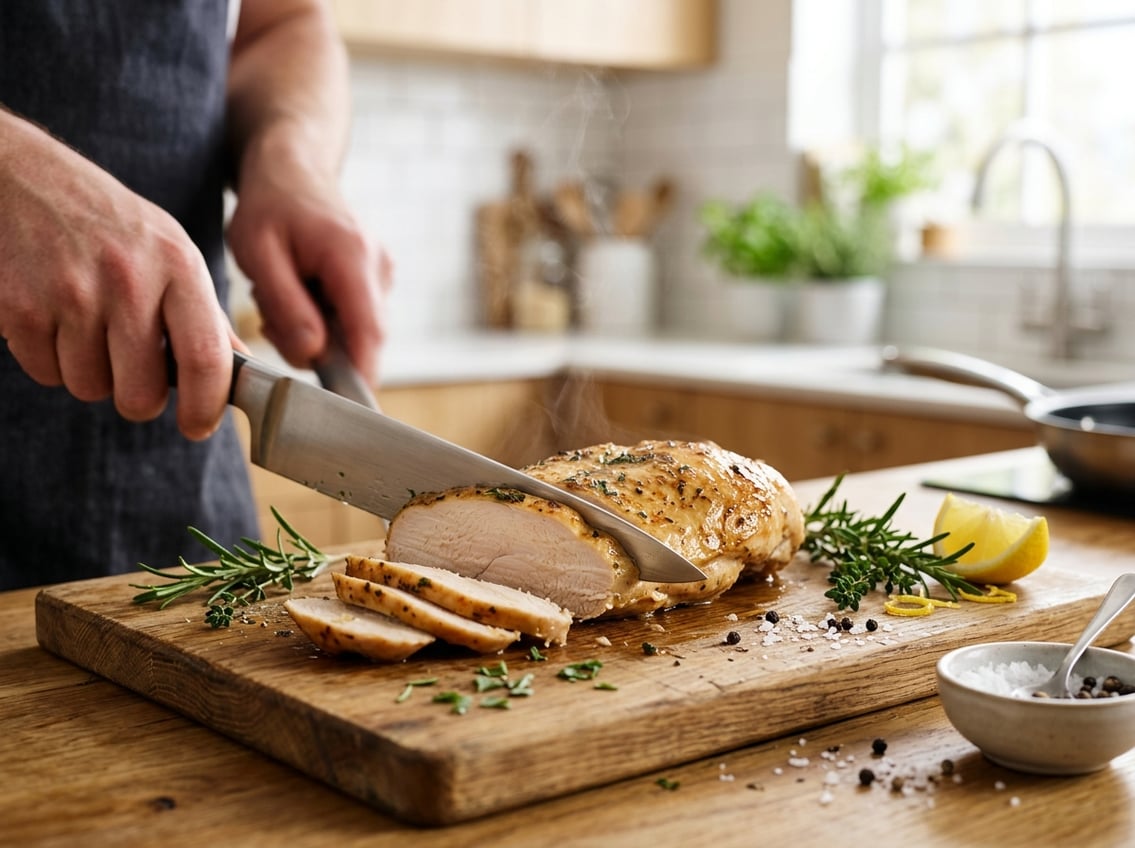
You may not be able to make chewy chicken breast taste perfect, but you can make it much easier to eat. The best fixes are gentle heat, added moisture, and smarter slicing.
When to Return It to Heat Safely
If the chicken is undercooked, return it to the heat and cook it gently until it reaches 165°F. Use moderate heat so you do not turn a small mistake into more dry, tough meat.
If the chicken is already fully cooked, do not keep heating it just to improve the texture. That usually makes the problem worse.
Ways to Add Moisture Back In
A sauce can help a lot. Broth-based gravy, pan sauce, salsa, pesto, yogurt sauce, or a light cream sauce can make a dry piece of chicken easier to swallow.
You can also serve it in moist dishes, such as soup, stew, or rice bowls with extra liquid. Using broth, sauce, or shredded chicken in warm dishes can help repurpose dry pieces.
Best Times to Slice or Shred the Meat
Slice the chicken across the grain if it is only a little chewy. That shortens the muscle fibers and makes each bite easier.
If the texture is still too firm, shred it. Shredded chicken works well in tacos, enchiladas, sandwiches, salads, and casseroles, where sauce and other ingredients help balance the texture.
How to Prevent a Bad Texture Next Time
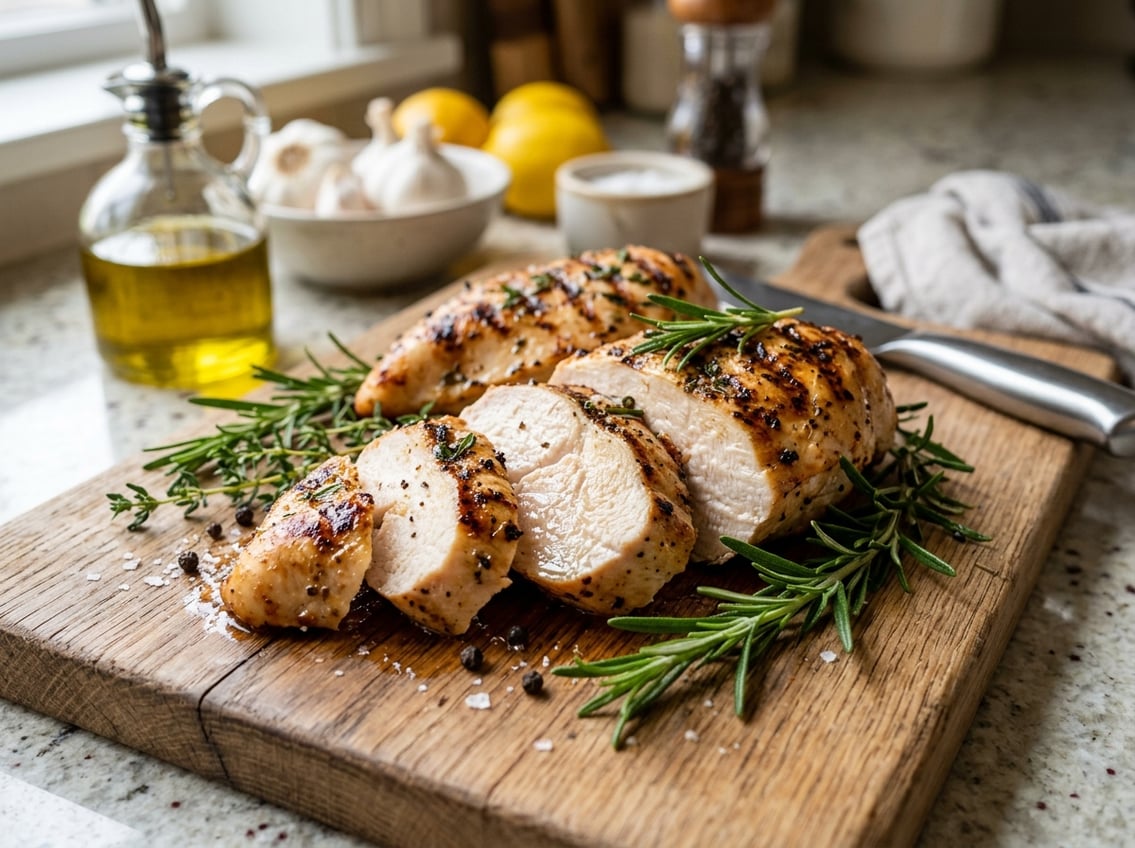
You can prevent chewy chicken with a few reliable habits before cooking starts. Even thickness, careful heat control, and better meat quality make the biggest difference.
Even Thickness, Brining, and Resting
Chicken breast cooks more evenly when the thick end and thin end are closer in size. Lightly pound it or slice it into cutlets so the whole piece cooks at the same rate.
Brining also helps. A short saltwater brine can improve moisture retention and give you a juicier chicken breast.
After cooking, let the meat rest for a few minutes so the juices stay in the meat instead of running out on the cutting board.
Smarter Heat Control for Better Results
Use steady, moderate heat instead of blasting the chicken at a very high temperature. High heat can dry out the outside before the inside is done.
A meat thermometer gives you the best control, and it helps you stop cooking at the right time. Pull the chicken when the thickest part reaches 165°F, then let it rest before slicing.
Buying Better Chicken Breast
Meat quality matters more than many people expect.
If one package keeps turning out tough, try a different brand or source.
Look for chicken breast that appears even in shape and color.
A better starting cut gives you a better chance at tender chicken breast and a juicier result after cooking.


