
How Many Chicken Breasts Come in a Pack? Size Guide
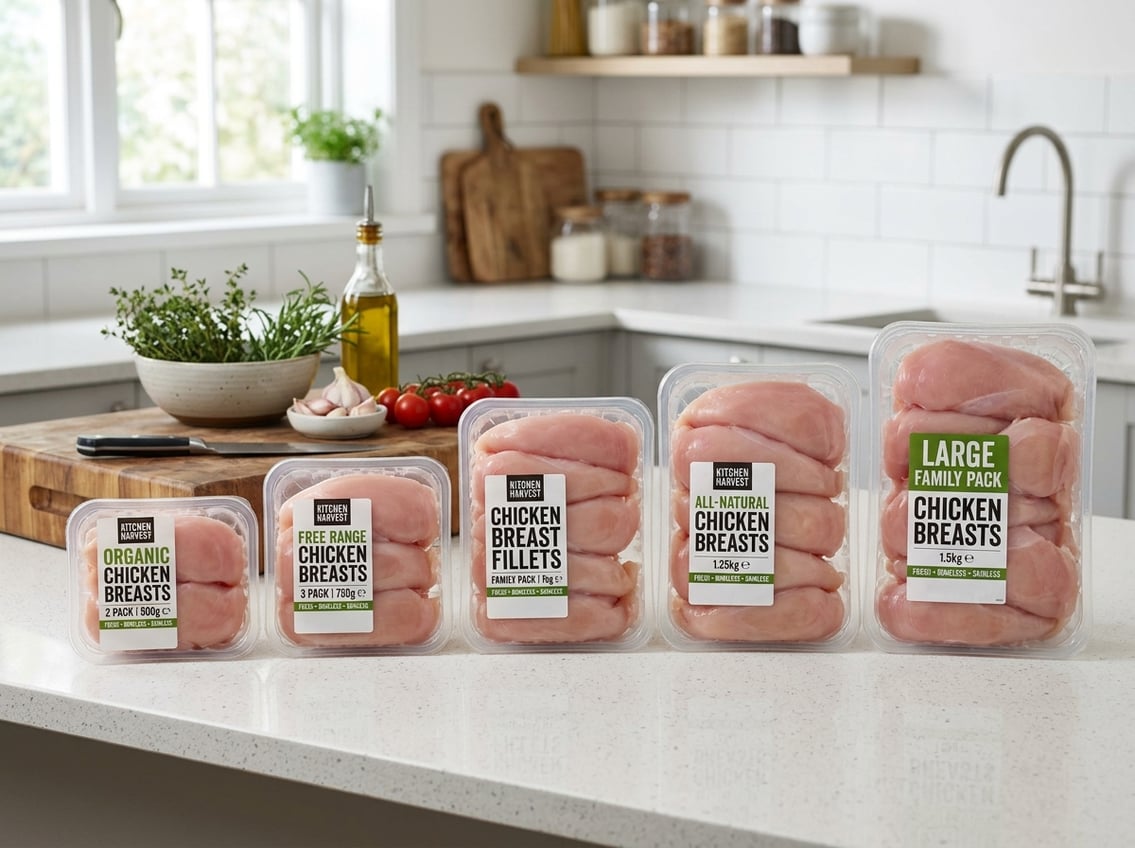
You may wonder how many chicken breasts come in a pack when you plan dinner, shop for meal prep, or compare prices. In the U.S., most standard packs of raw, boneless, skinless chicken breasts contain 4 to 6 pieces.
Larger family packs and warehouse packs can hold more.
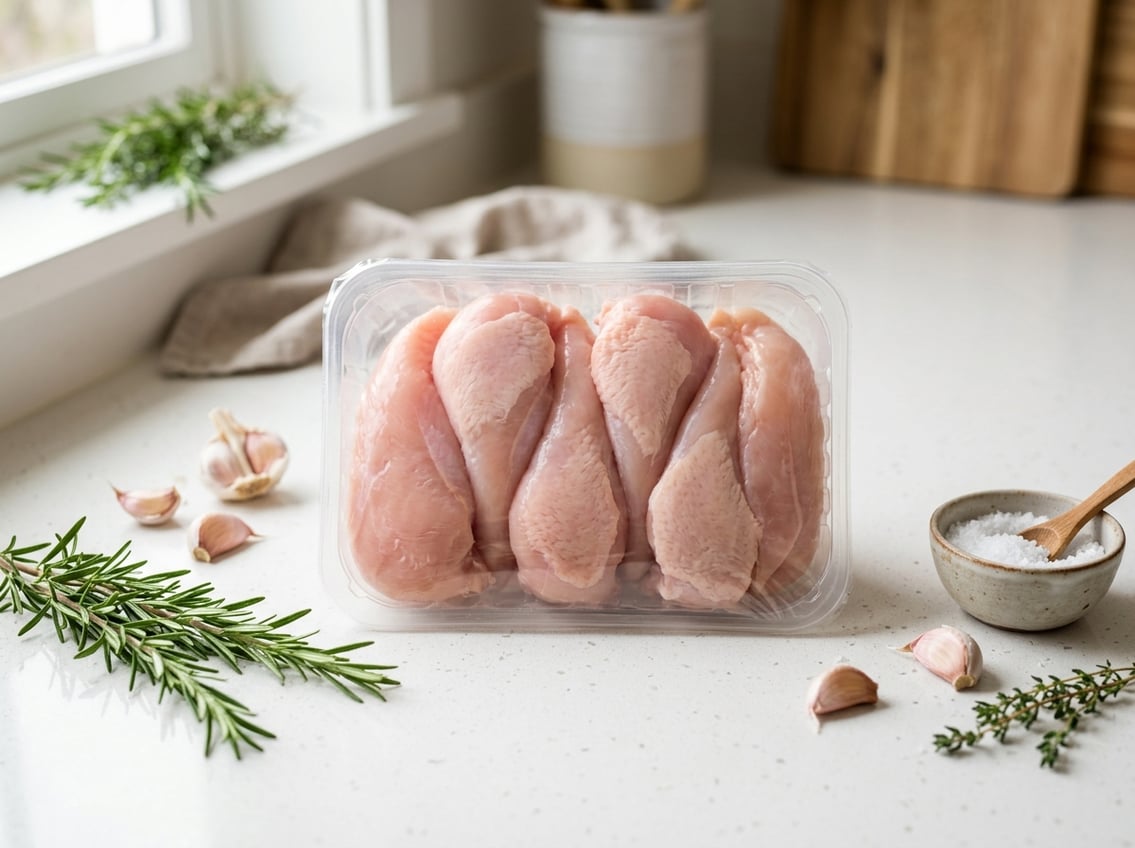
The exact count changes with the brand, the size of each breast, and whether you buy fresh, frozen, or value-sized poultry packs. The package label tells part of the story, but the weight matters just as much as the number of pieces.
When you know what to expect, you can buy the right amount for grilled chicken breasts, casseroles, or a week of lunches. You also reduce waste and avoid buying more poultry than you need.
Typical Pack Counts at a Glance
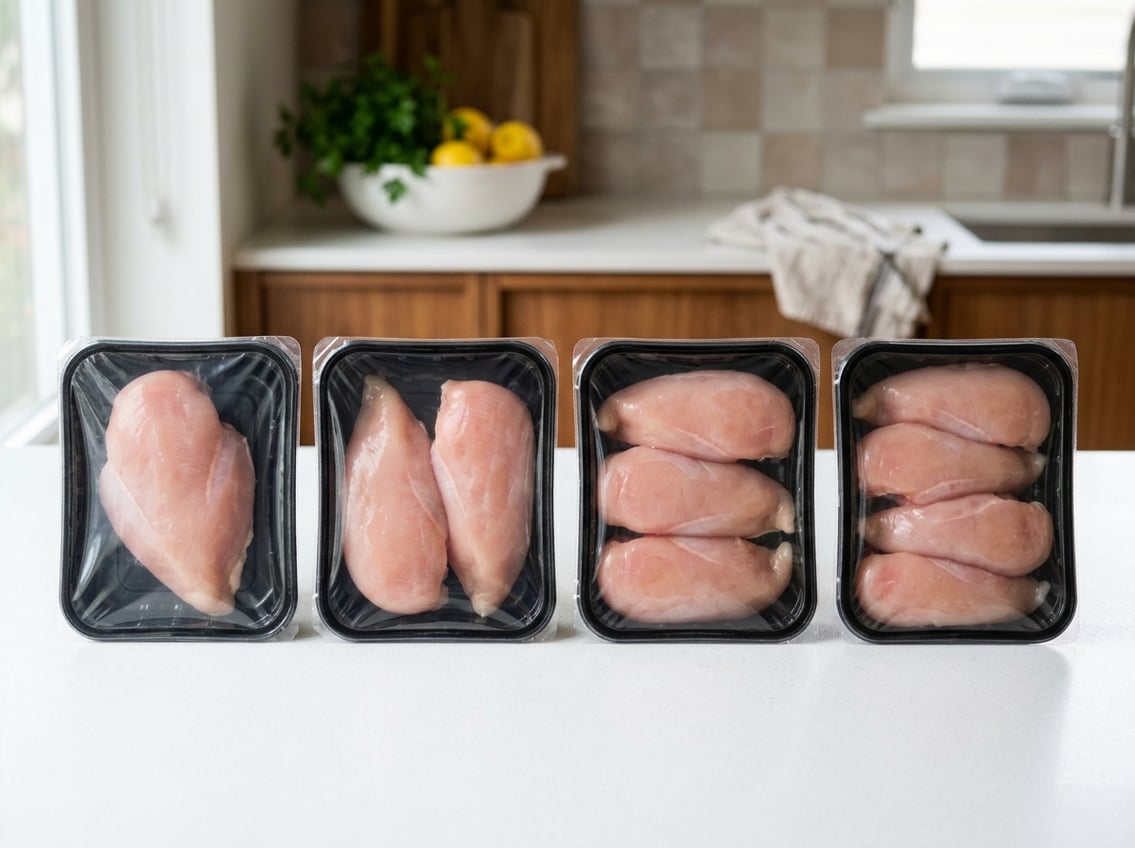
Most grocery stores sell boneless skinless chicken breasts in a few common pack sizes. You can usually spot the count on the label, but the total weight often matters more than the number alone.
Standard packs range from small two-piece trays to larger bulk packs. Resto NYC’s package-size guide notes that most standard raw packs contain 4 to 6 chicken breasts.
Standard Grocery Store Trays
A typical store tray often holds 2, 4, 5, or 6 boneless skinless chicken breasts. Small trays work well for one or two meals.
Four to six piece packs are common for families.
Stores usually sell these packs as raw chicken breast or boneless skinless chicken breast. The pieces may not all be the same size, so a 4-pack can still weigh more than another 4-pack.
Family Packs and Bulk Packs
Family packs often contain 6 to 8 breasts. Warehouse or club-size packs can hold 8 to 12 or more.
These larger packs help when you cook in batches or freeze extra portions. Bigger packs usually lower the price per pound.
That can make sense if you have enough fridge or freezer space.
Frozen Bags Versus Fresh Packs
Frozen bags often use a count-based label, such as 4-count or 6-count. Fresh packs often rely more on total weight.
Frozen chicken breasts may be individually frozen, making portioning easier. Fresh packs can vary more because the processor cuts and arranges the breasts.
Both frozen and fresh options can be useful, depending on when you plan to cook.
What Changes the Number in Each Package
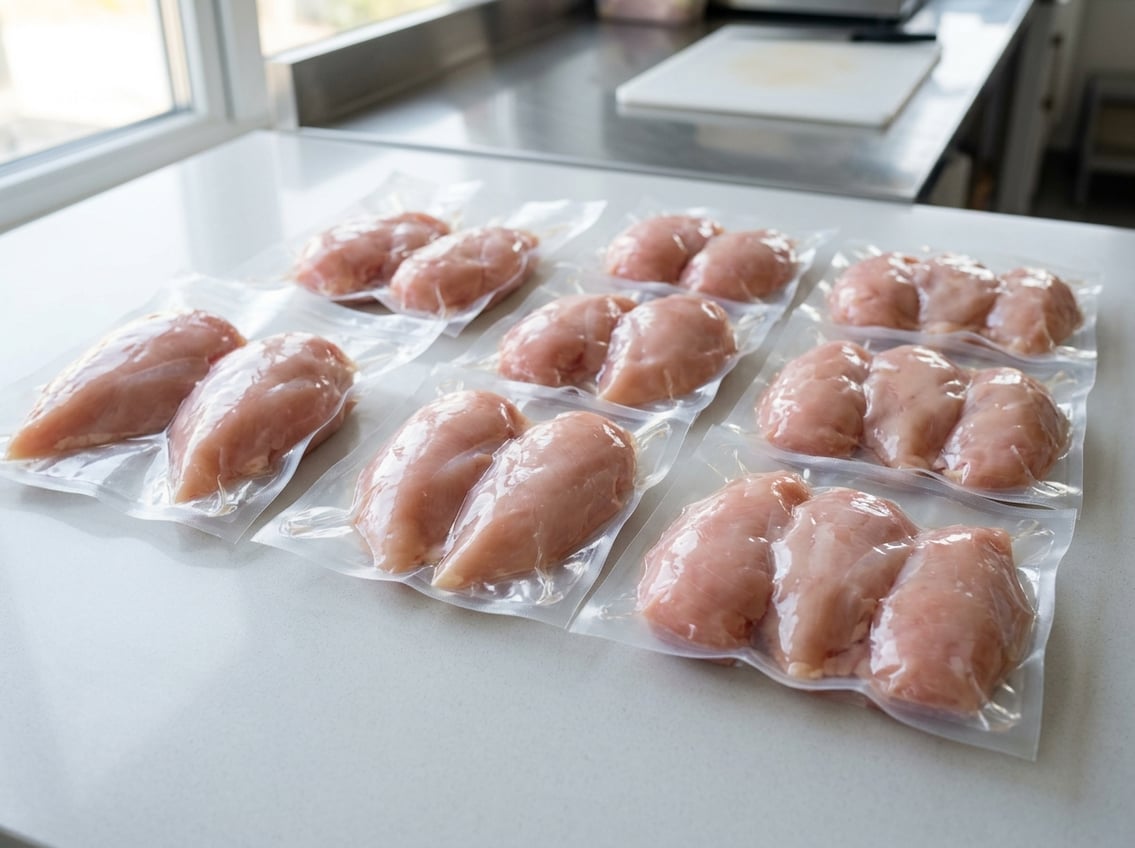
Chicken breasts are not uniform, so the number in each package changes. Weight, trimming, and store standards all affect how many pieces end up in one pack.
A package with fewer breasts can weigh more than one with more breasts if the pieces are larger. Poultry labels often show both the count and the net weight.
Breast Size and Trim Style
Larger boneless skinless chicken breasts take up more space, so fewer pieces fit in one package. Smaller breasts, split breasts, or half-breasts can increase the count.
Trim style matters too. Some packs include more fat or rib meat, while others are trimmed more closely.
That changes both the size and the final count.
Brand and Store Packaging Differences
Different stores use different pack sizes and tray shapes. One brand may sell 4-piece packs, while another sells 5-piece or 6-piece packs in the same weight range.
Private-label brands and warehouse brands may also follow different cut standards. A package from Walmart may not match a package from Costco or a local butcher, even when both say boneless skinless chicken breasts.
Fresh, Thin-Sliced, and Tenderloin Options
Fresh whole breasts usually come in the smallest count ranges because each piece is larger. Thin-sliced breasts can increase the piece count since each breast is cut into thinner portions.
Chicken tenderloins are a different cut, so the package count does not compare cleanly with whole breasts. If your recipe needs even cooking, those thinner options can be easier to portion.
How to Estimate Weight, Portions, and Meals
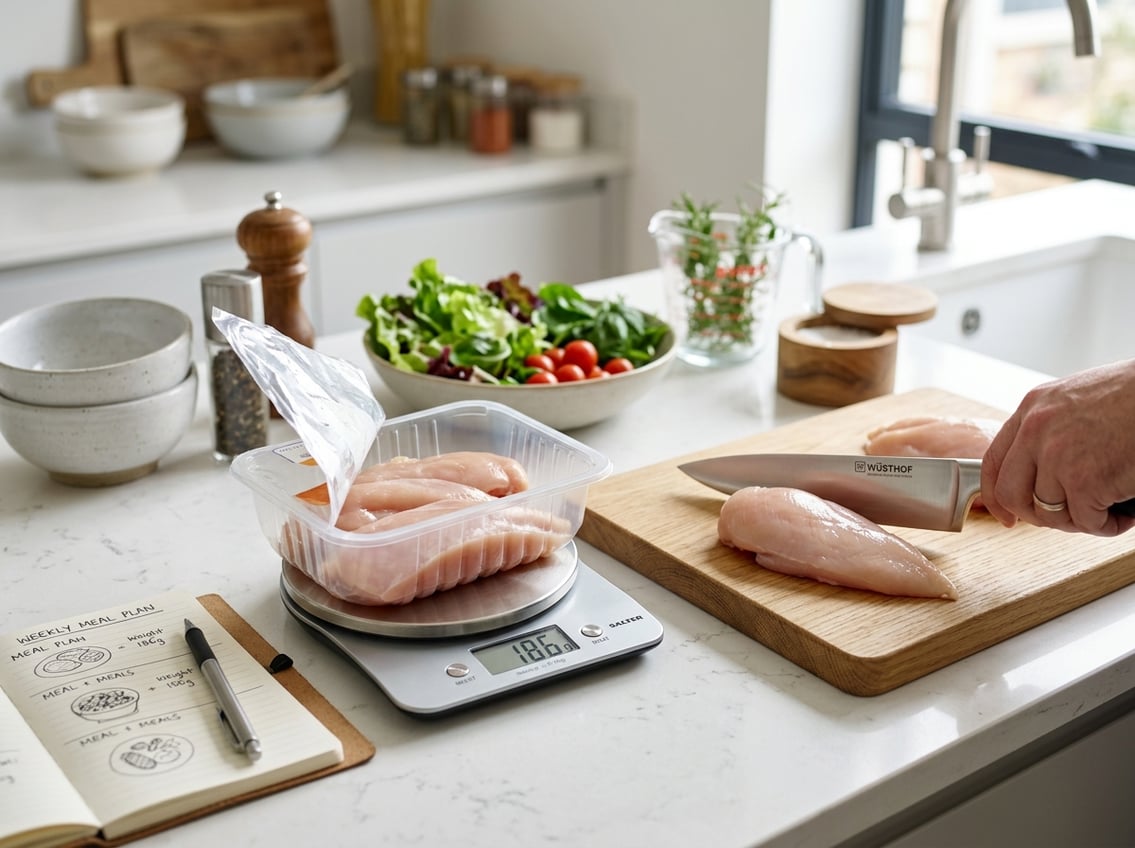
After you know the count, the next step is figuring out how much food you actually have. Weight per piece and serving size tell you whether the pack fits one dinner or several.
For recipes like chicken parmesan or grilled chicken breasts, portion size matters as much as count. A smaller number of large breasts may feed the same number of people as a larger number of smaller ones.
Average Weight Per Piece
A raw chicken breast often weighs about 6 to 8 ounces, though some are smaller or larger. Resto NYC notes that small or medium pieces may be about 1/2 pound each, while larger ones can be 3/4 pound or more.
A 4-pack might weigh around 2 pounds or more, depending on size. Always check the label for the net weight if you want a more exact estimate.
How Many Servings a Pack Makes
A common serving of cooked chicken is about 3 to 4 ounces. Based on that, a 4 to 6 breast pack can make several meals, especially if you serve rice, vegetables, pasta, or salad on the side.
You can stretch a pack of chicken breasts further when you slice, shred, or cube the meat. That works well for stir-fries, soups, wraps, and chicken salad.
Planning for Meal Prep and Family Dinners
Meal prep is easier when you think in ounces instead of just pieces. If you want lunch portions for the week, choose a pack that gives you enough cooked chicken after shrinkage.
For family dinners, one breast per person may be enough if the pieces are large. For recipes like chicken parmesan, smaller breasts or cutlets can make serving sizes more even.
Choosing the Best Pack for Your Cooking Needs
The best pack depends on how you cook and how many people you feed. If you want quick weeknight meals, pack size and breast size both matter.
Some recipes work better with chicken breasts, while others work better with chicken thighs. The cut you buy should match the dish, the budget, and the storage space you have.
When Breasts Make Sense Over Chicken Thighs
Chicken breasts are a good choice when you want leaner poultry with a mild taste. They work well for grilled chicken breasts, baked dishes, and sliced sandwich meat.
Chicken thighs are often better when you want richer flavor and more forgiving texture. If your recipe needs a cleaner shape or lower fat content, breasts are the easier pick.
Best Sizes for Everyday Recipes
For most home cooking, medium boneless skinless chicken breasts are the easiest to use. They cook evenly and fit well in recipes like chicken parmesan, tacos, and salads.
Very large breasts can be harder to cook through without drying out. If you buy them, slice them into cutlets or thin pieces to help them cook evenly.
How to Buy Extra Without Waste
Buying a little extra can save you another store trip. Store it well to keep it fresh.
Keep raw chicken cold. Use it by the date on the package or freeze what you do not need right away.
You can easily turn extra chicken breasts into leftovers. Cook once and use the meat later in soup, pasta, wraps, or grain bowls.


