
Is It Normal for Chicken Breast to Be a Little Slimy? Safety Guide
Is it normal for chicken breast to be a little slimy? Sometimes, yes. A slightly slick surface can come from moisture in the package, thawing, or natural surface juices.
A truly slimy chicken breast can point to spoilage, so you need to check smell, color, and texture before you cook it.
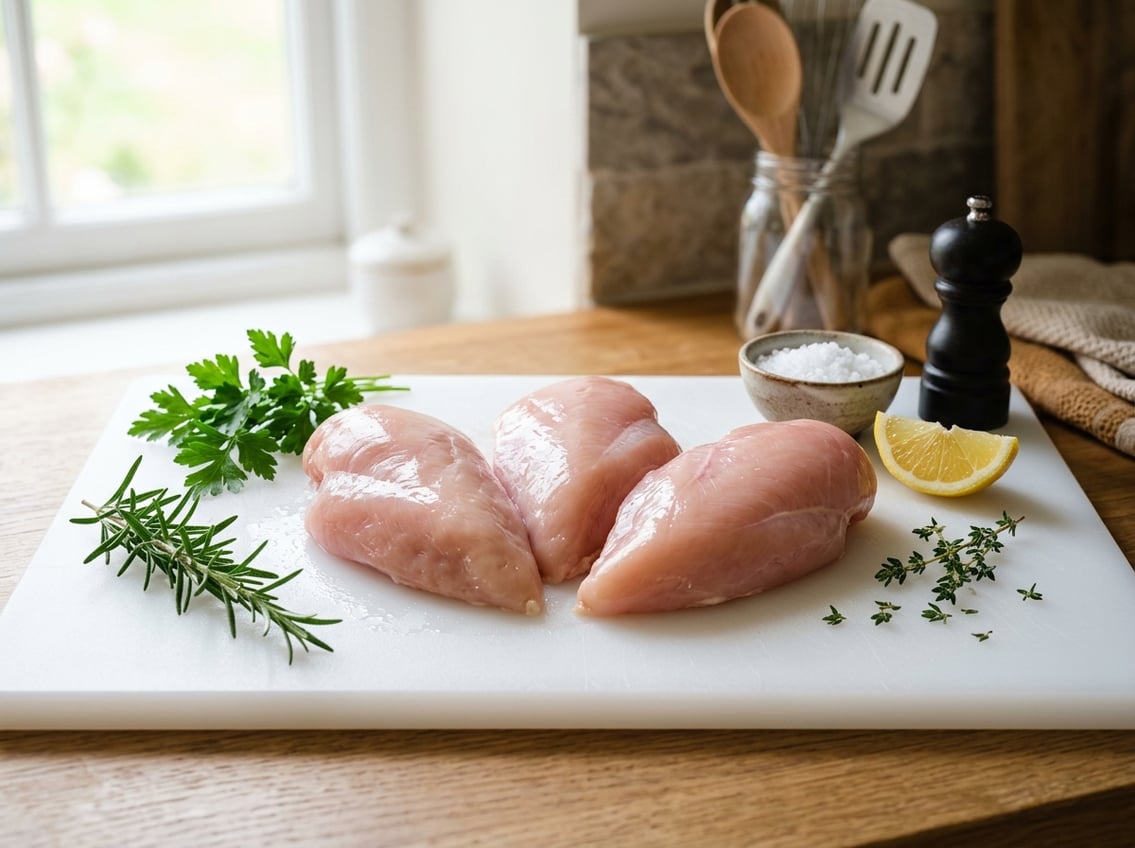
A little moisture is common, but a sticky, filmy, or odd-smelling slimy chicken breast should be thrown away.
Raw chicken should feel moist and firm, not tacky or slippery in a bad way.
If you are asking whether slimy chicken is safe to eat, the answer depends on whether the texture is just surface moisture or a sign of harmful bacteria and spoilage.
What a Slightly Slick Surface Can Mean
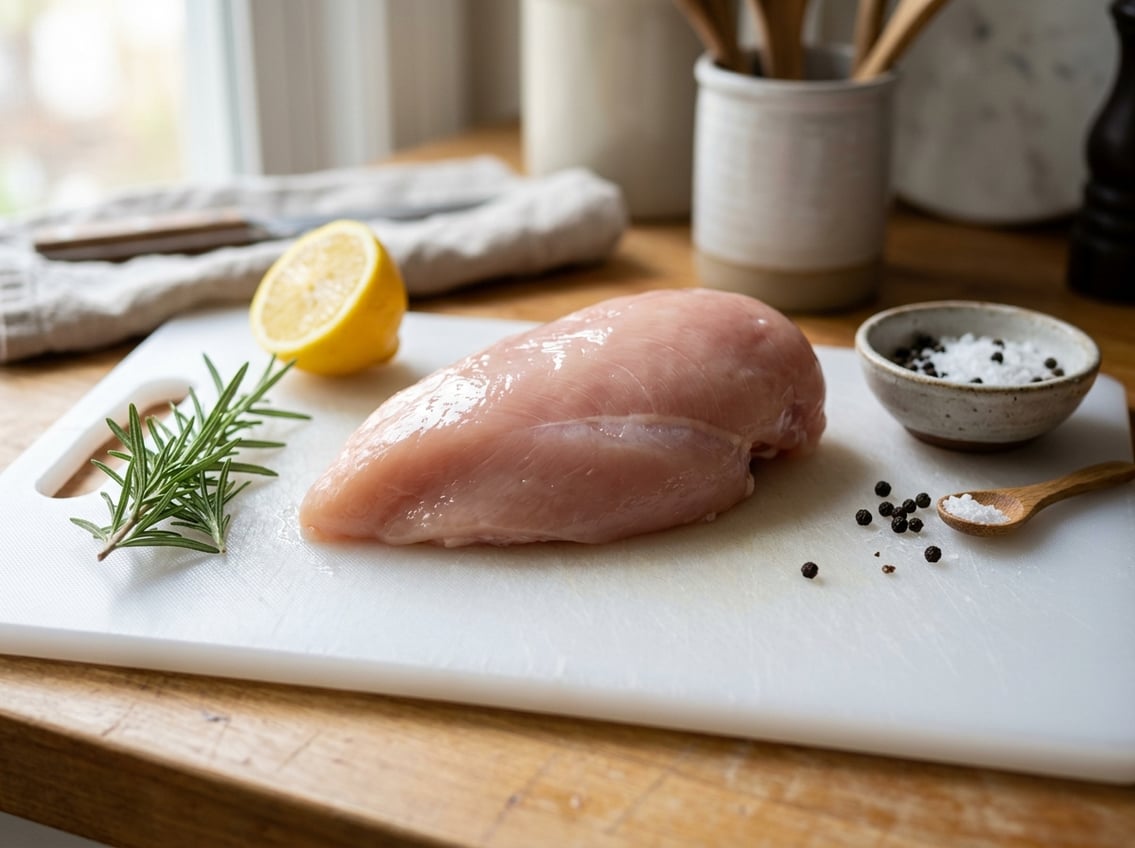
A little slickness does not always mean slime on chicken.
Raw poultry often feels damp because it is packaged with natural juices. Thawing can leave extra surface moisture that changes the chicken texture.
The key is to tell normal wetness apart from real slime on chicken.
Fresh chicken should look pink and feel moist, not sticky, fuzzy, or coated.
Normal Moisture vs. Slime on Chicken
Normal moisture usually rinses off or disappears with a paper towel.
A true slimy texture on chicken often feels slippery and leaves a film on your fingers.
That film can happen when bacteria grow on the surface. In that case, the chicken is not just wet; it may be spoiled.
How Fresh Chicken Breast Should Feel
Fresh chicken breast should feel firm, slightly damp, and clean.
It should not feel gummy or leave residue behind.
If the chicken texture feels soft, tacky, or unusually slick, check it carefully.
Fresh meat should not smell sour or look discolored.
Why Packaged or Thawed Chicken May Feel Different
Vacuum-sealed or tightly wrapped chicken can feel wetter than chicken from a tray.
After you thaw chicken, extra liquid often pools in the package and makes the surface seem slick.
That does not always mean the chicken is bad.
If the chicken breast has a foul odor or strange color, discard it.
How to Tell When Chicken Should Be Thrown Away
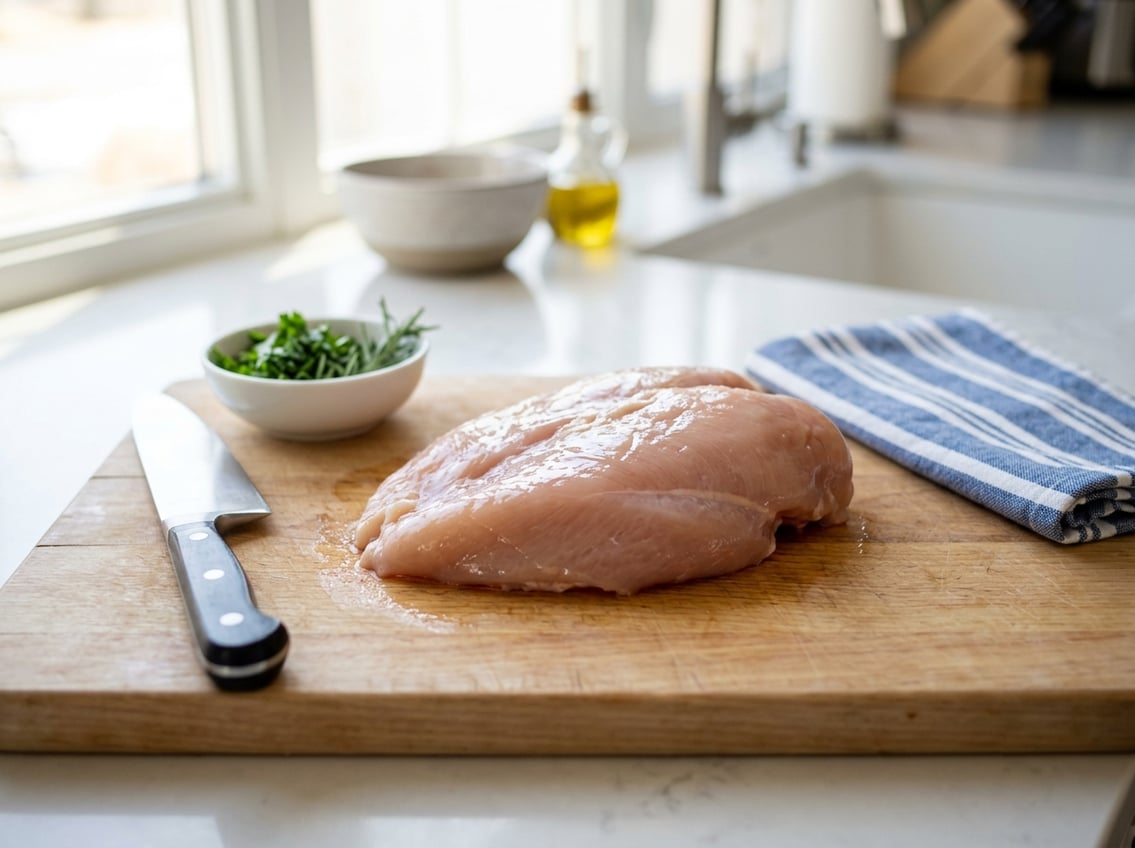
You can spot many signs of spoilage before cooking.
Check the smell, color, and surface feel, since those signs often show more than packaging date alone.
A bad smell or off color with a slimy surface is a strong warning.
Signs of Spoilage to Check First
Look for gray, green, yellow, or dull patches on the meat.
According to How to Tell If Chicken Breast Is Bad, you should discard slimy or sticky chicken, especially when the color also looks off.
Watch for mold, excessive liquid, or a surface that feels coated.
These are common signs of spoilage and can point to harmful bacteria.
Chicken Smell, Color, and Sticky Residue
Fresh chicken should smell mild or nearly neutral.
A sour, ammonia-like, or putrid chicken smell is a clear sign the meat is no longer safe.
Sticky residue is another warning sign.
If the chicken feels gummy or leaves a film after you touch it, do not cook it.
Why Chicken Turns Slimy in the First Place
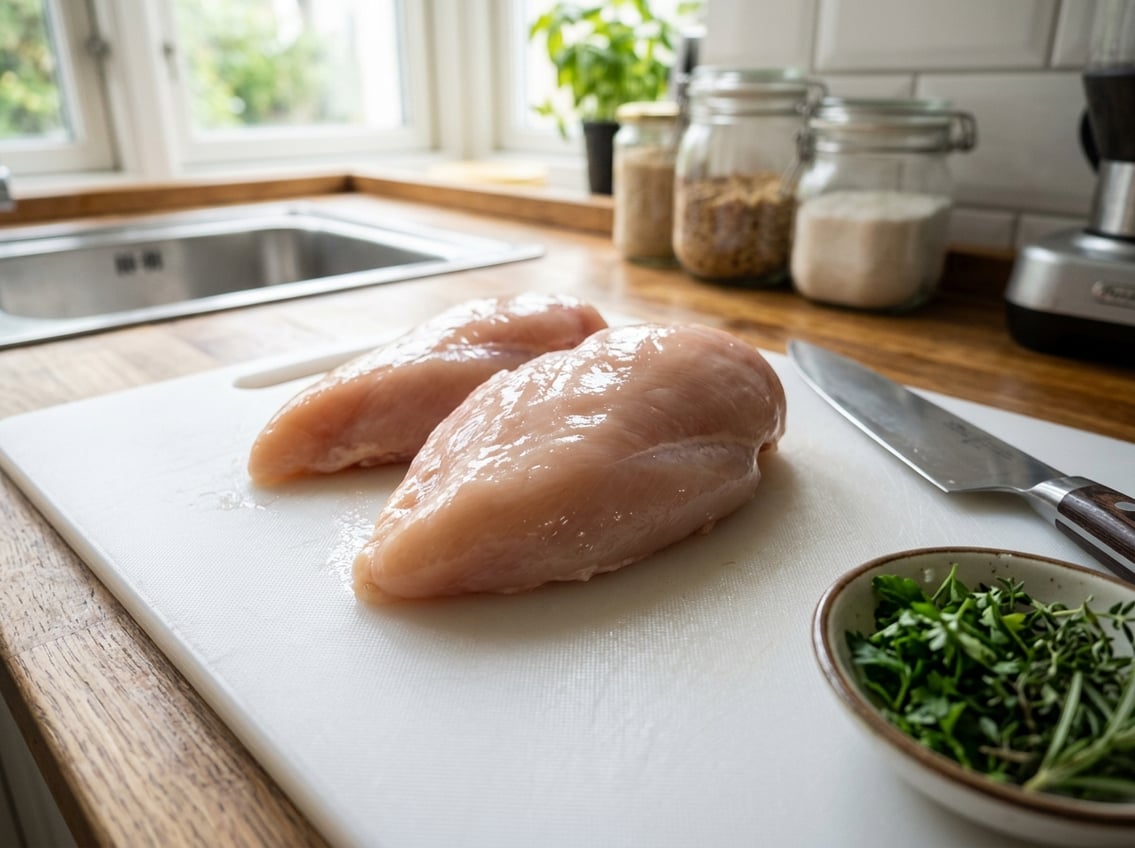
Chicken can turn slimy for different reasons, and not all of them mean the same thing.
Storage problems, thawing issues, and some marinade ingredients can all change the surface feel.
The main concern is bacterial growth.
When conditions are warm or moist for too long, bacteria can multiply and produce a film that changes the chicken texture.
Bacterial Growth and Storage Mistakes
If chicken sits too long above 40°F, bacteria can grow quickly.
Poor fridge storage, leaky packaging, and letting raw chicken sit out can all contribute to slimy chicken.
To help prevent bacterial growth, refrigerate chicken right away and keep it cold.
If you plan to freeze chicken, wrap it well so it stays protected from freezer burn and extra moisture.
Problems After Defrosting or Delayed Refrigeration
Thawed chicken often releases liquid as ice crystals melt.
That liquid can make the surface feel slick even when the meat is still safe.
Delayed refrigeration is a different problem.
If chicken stays warm after thawing or after shopping, harmful bacteria like salmonella and campylobacter can grow fast.
Marinating Chicken and Other Non-Spoilage Texture Changes
Marinating chicken can leave the surface slippery from oil, yogurt, citrus, or seasoning.
That is not the same as spoiled chicken if the smell and color are normal.
A marinade should not hide a bad odor or strange color.
If the texture seems off before marinating, do not assume the sauce fixed it.
Safe Handling Steps Before Cooking
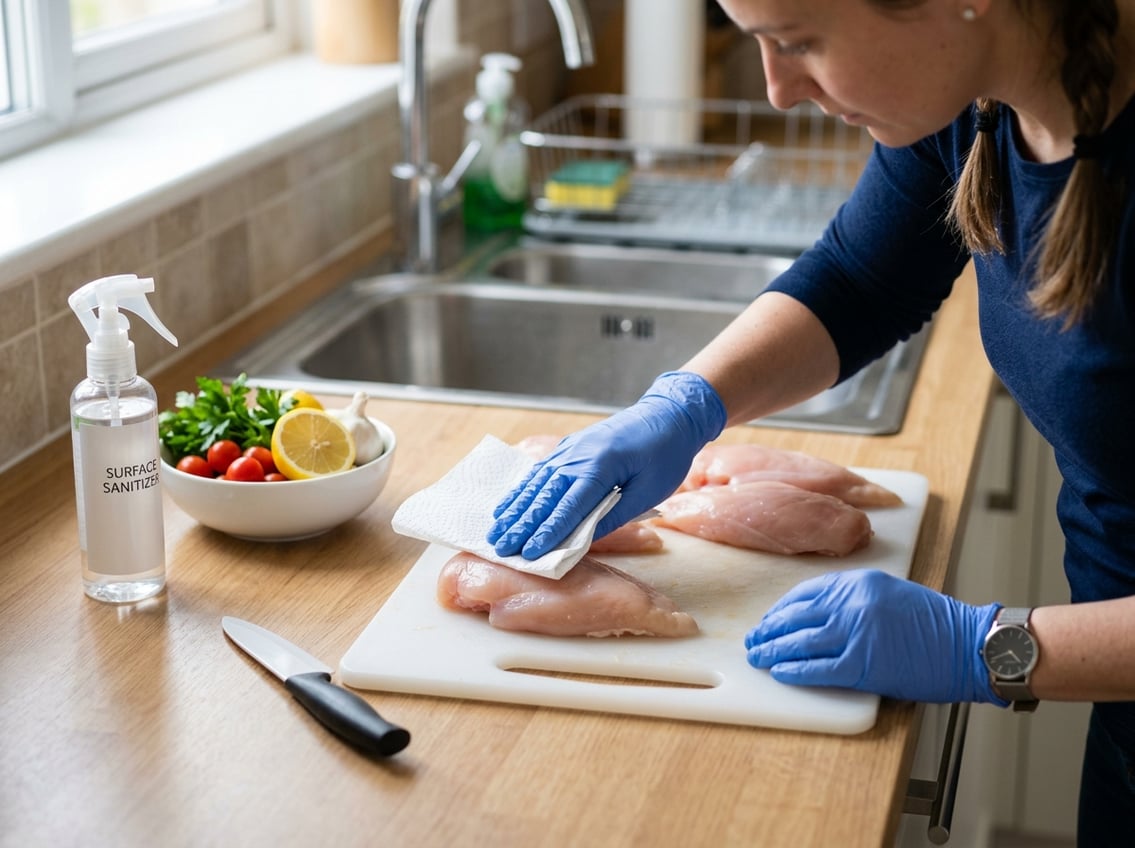
Safe handling starts the moment you notice a strange texture.
If the chicken looks or smells wrong, do not try to save it with seasoning or rinsing.
Good kitchen habits also reduce risk when the chicken is still usable.
The main goals are to avoid cross-contamination and keep raw poultry cold until cooking.
When to Discard Instead of Cooking
Throw it away if the chicken is green, yellow, black, gray, or moldy.
Discard it if it smells sour, feels very sticky, or stays slimy after blotting with a paper towel.
If the texture plus smell or color seems wrong, do not cook it.
How to Avoid Cross-Contamination in the Kitchen
Keep raw chicken on a separate plate or cutting board.
Wash your hands, knives, counters, and sink areas after touching it.
Do not let raw chicken juices touch salad, bread, fruit, or ready-to-eat food.
Store chicken on the lowest shelf in the refrigerator to avoid cross-contamination.
Why Proper Cooking Does Not Fix Spoilage
Cooking is important, but it does not solve every safety problem.
If chicken is badly spoiled, contaminated, or left too long at unsafe temperatures, it can still carry risk even if fully cooked.
Safe cooking should start with safe raw meat.
If the chicken smells bad or has a heavy slime, throw it out before it reaches the pan.


