
Why Does Chicken Breast Say With Rib Meat? Label Meaning
Why does chicken breast say with rib meat? The package contains breast meat with a small amount of meat that was naturally attached near the rib area during processing.
You are not buying a mystery filler or mechanically separated chicken.
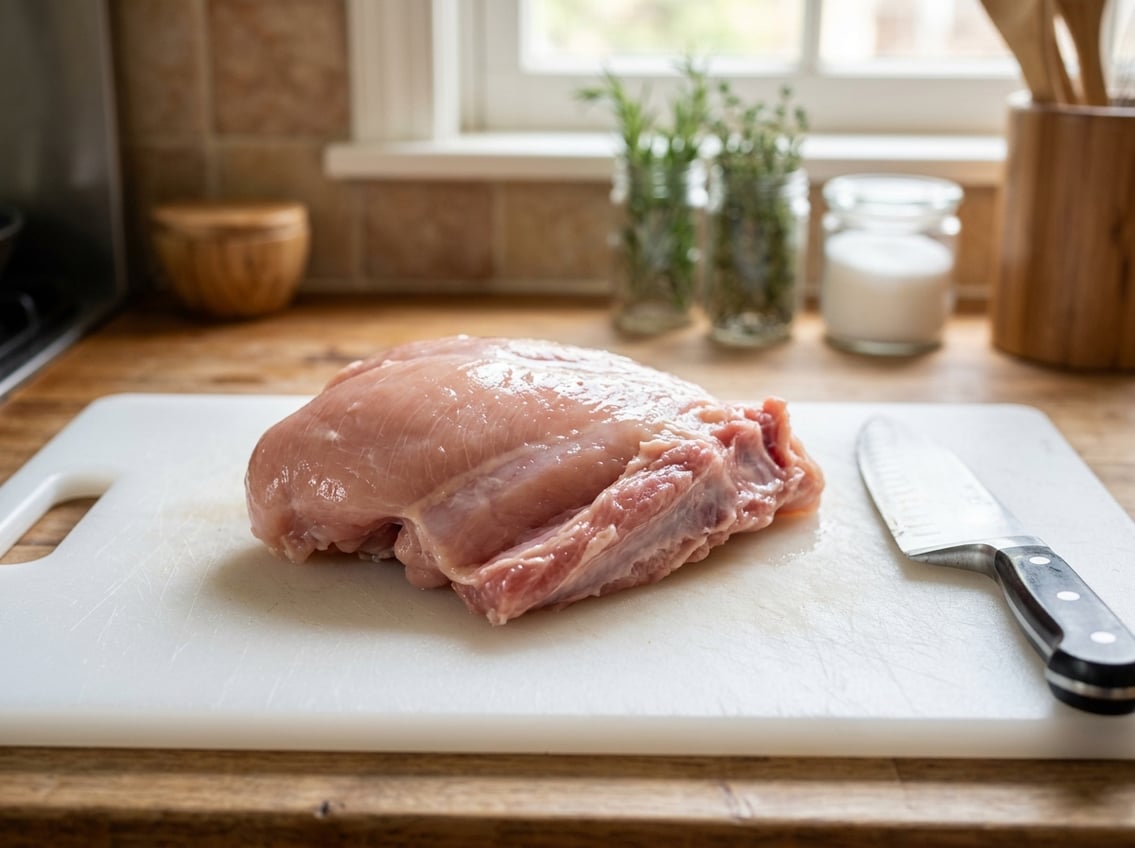
The label usually signals a normal cut choice, not a safety issue or a major drop in quality.
What changes most is the amount of fat, the texture, and sometimes the price.
If you have seen chicken breast with rib meat on nuggets, frozen fillets, or packaged breasts, the label can sound less appealing than it is.
The meaning is much simpler once you know where the meat comes from and how processors separate it.
What The Label Actually Means
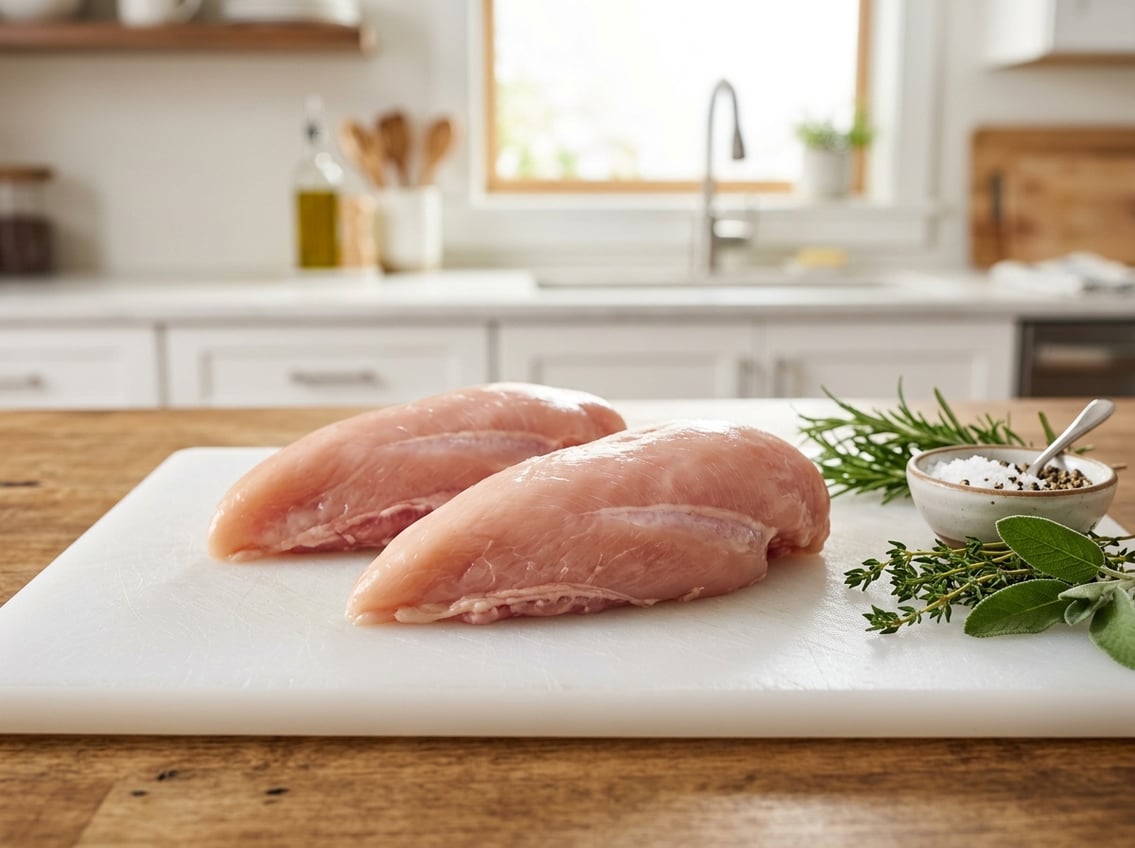
“With rib meat” means the product includes meat from the area beside the ribs, usually still attached to the breast during cutting.
This is a labeling term about cut style, not a warning about the product quality.
In many cases, boneless chicken breast products contain some breast meat and nearby connective tissue.
The label gives you a clearer picture of what is inside the package than “chicken” alone.
Where Rib Meat Comes From on the Chicken
Rib meat comes from the small muscle area attached close to the rib cage, often from the underside of the breast.
In USDA-style labeling, the term points to meat naturally connected to that region, not scraps or additives.
A useful reference on the label meaning is this explanation of chicken with rib meat, which notes that the meat is still a whole-muscle part of the bird.
That makes it closer to breast meat than to processed chicken products.
Why Processors Leave It Attached
Processors often leave rib meat attached because it improves yield.
More of the bird stays in the package, which reduces waste and can lower cost.
It also saves trimming time.
For you, that can mean a cheaper package with a little more fat and moisture than a fully trimmed boneless chicken breast.
How It Differs From Boneless, Skinless Breast
A boneless, skinless chicken breast is trimmed more cleanly, with more visible fat and extra tissue removed.
Chicken breast with rib meat may look a little irregular and may have a slightly softer bite.
That difference does not mean one is safe and the other is not.
It just means the breast was trimmed to a different standard, and the package is telling you that plainly.
What It Means for Nutrition, Flavor, and Quality
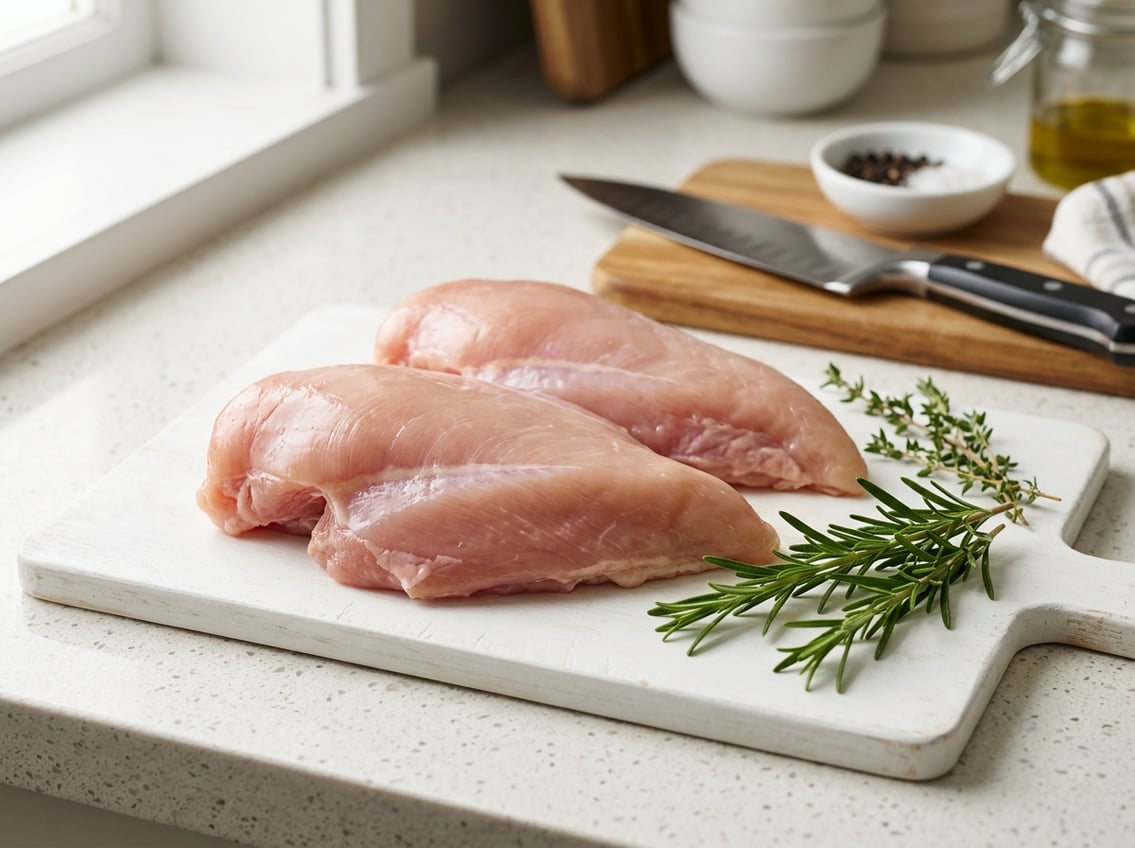
The main nutrition change is usually small.
Chicken breast stays a high-protein food, while the rib portion can add a little extra fat and a slightly richer taste.
That small change affects how the meat cooks.
It can also show up in the nutrition label, especially if the product is sold as pre-seasoned or breaded.
Protein, Fat, and Calorie Differences
Chicken breast is known for being lean and high in protein.
Chicken breast with rib meat still provides plenty of protein, and it may have a little more fat than plain breast meat.
A slightly higher fat level can raise calories a bit too.
The exact numbers depend on the brand, the trim level, and whether the package includes added water or seasoning.
The nutrition label is the best place to check.
Why Rib Meat Can Taste Juicier
Fat carries flavor and helps meat stay moist during cooking.
That is why rib meat can make chicken taste a little juicier and more like classic roasted chicken flavor.
Many people prefer that texture in baked or breaded products.
If you have ever found plain breast meat dry, the rib portion can make the bite more forgiving.
Does It Mean Lower Quality
No, not by itself.
“With rib meat” does not mean spoiled meat, low-grade trim, or a lower food-safety standard.
It usually means the product was trimmed less aggressively.
As noted in a breakdown of chicken breast and rib meat, the meat is still valuable whole-muscle chicken, just prepared differently.
How to Read the Package Before You Buy

The front label tells only part of the story.
The ingredient list and nutrition facts show whether you are buying plain chicken, a seasoned product, or a more processed item.
That matters most when you are comparing plain raw chicken to frozen breaded products.
Two packages can both say chicken breast with rib meat and still be very different foods.
What to Look for on the Ingredient List
If you want a simple product, look for a short ingredient list.
The best sign is usually a package that lists chicken breast with rib meat and little else.
Check for extra starches, breading, flavorings, or binders.
The more ingredients you see, the more likely you are looking at one of the many processed chicken products sold as nuggets, patties, or breaded fillets.
When Water, Salt, or Preservatives Are Added
Some packages add water, salt, or preservatives to improve texture, weight, or shelf life.
That is common in frozen or ready-to-cook items.
These additions are not always bad, but they do change the final product.
If you want the cleanest option, choose plain raw chicken and season it yourself.
USDA Labeling and Common Product Types
The USDA labeling rules help keep the wording consistent across products in the U.S.
You may see the phrase on frozen tenders, breaded strips, or raw retail chicken.
You will most often see it on items like chicken breast portions, nuggets, and breaded fillets.
It is less common on basic whole roasts or fully trimmed boneless chicken breast.
How to Cook and Use It
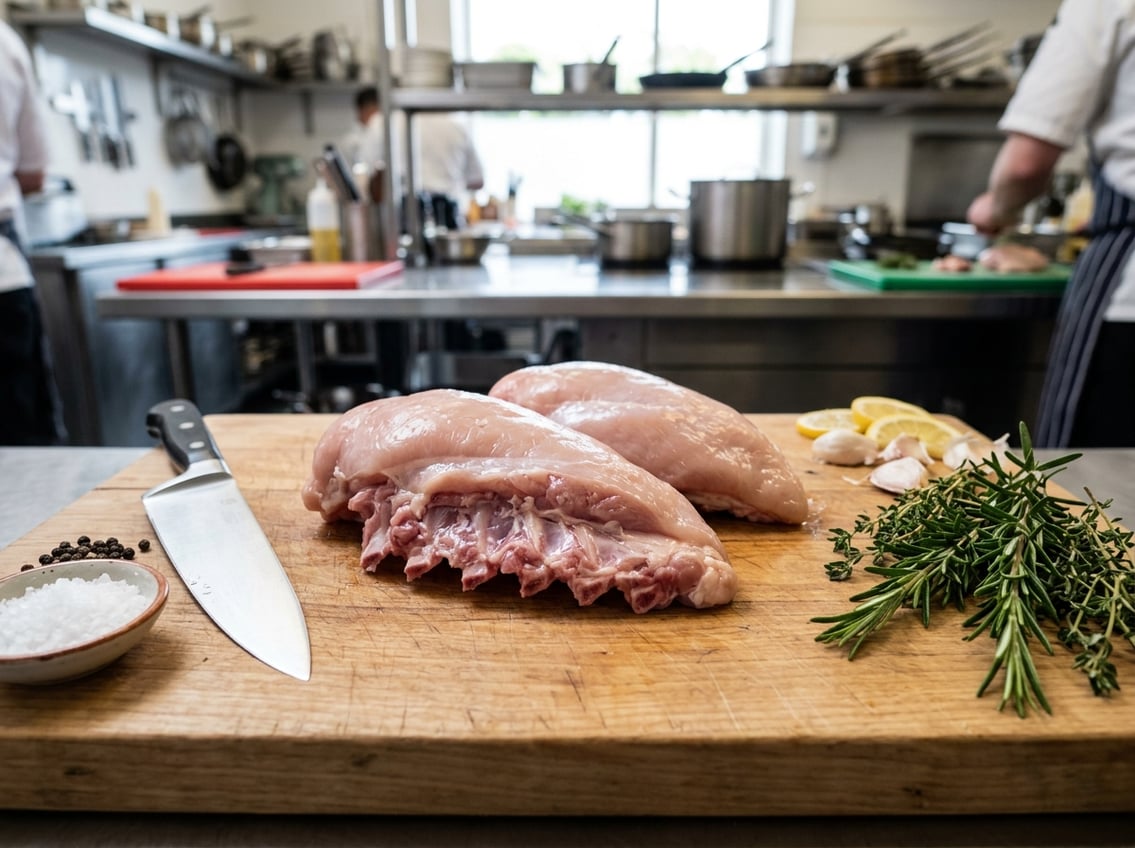
You can cook chicken breast with rib meat much like any other chicken breast.
The main difference is that it may need a little more attention if the shape is uneven or if the rib portion adds extra thickness.
That makes it useful for weeknight cooking.
It also works well in recipes where a little more moisture is helpful.
When to Treat It Like Regular Chicken Breast
Use it the same way you would use plain boneless chicken breast.
Bake it, pan-sear it, grill it, or slice it for salads and grain bowls.
If the cut looks uneven, pound it lightly or cook it by internal temperature rather than by time alone.
That helps you avoid dry meat.
Best Uses in Everyday Meals
Chicken breast with rib meat works well in casseroles, stir-fries, sandwiches, and sliced meal prep.
It also holds up in dishes where sauce adds extra moisture.
For frozen breaded items, processors often use the meat in chicken nuggets and similar products because the slightly richer texture fits that style well.
The added flavor can also help in simple recipes with mild seasoning.
When to Trim or Leave the Rib Portion
Trim any tough strip of connective tissue for a cleaner bite. This helps when you want even slices or a softer texture.
If the rib portion is small and not bothersome, leave it on. The extra fat and connective tissue help the meat stay moist. In many dishes you will not notice it after cooking.


