
Is It Necessary to Wash Chicken Breast Before Cooking?
Is it necessary to wash chicken breast before cooking? No, you do not need to wash chicken breast before cooking. Food safety experts recommend avoiding washing chicken because it can spread germs around your kitchen.
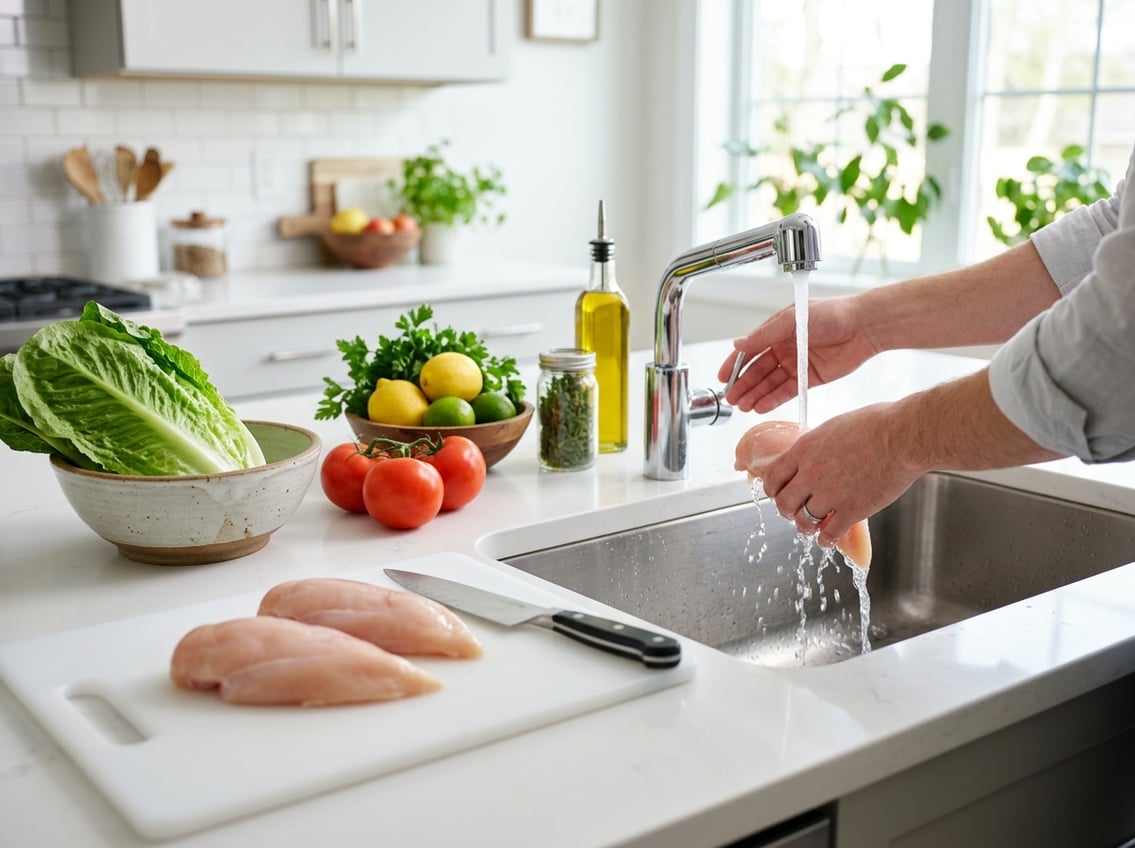
Handle raw poultry carefully, keep it separate from ready-to-eat foods, and cook it to the right internal temperature. That approach helps prevent illness more effectively than rinsing.
If you have always learned to wash raw chicken, you are not alone. Many people still wash chicken before cooking because of family habits or the idea that rinsing makes meat cleaner.
Food safety guidance in the U.S. recommends a different approach.
The Direct Answer and Why It Matters
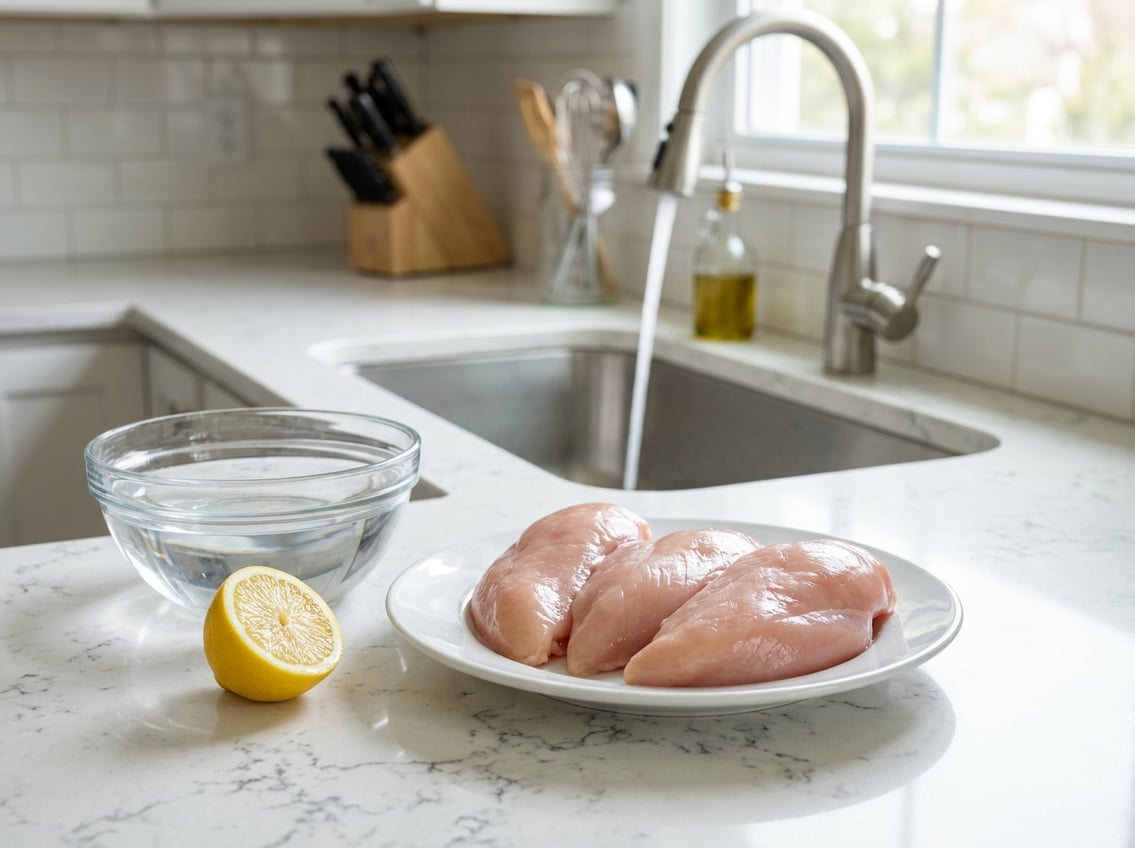
Do not wash chicken breast before cooking. The USDA’s food safety guidance on washing poultry explains that rinsing raw poultry is unsafe because water can splash bacteria onto counters, sinks, and utensils.
Why Food Safety Experts Say Not to Rinse Poultry
Raw chicken can carry bacteria such as salmonella and campylobacter. These germs can cause foodborne illness if they spread to your hands, kitchen tools, or other foods.
Washing raw chicken does not remove all bacteria. Cooking kills harmful germs, which is why food safety guidance focuses on temperature.
How Washing Raw Chicken Spreads Bacteria
When you rinse chicken, water droplets can move bacteria across your sink area. A food safety review notes that splashes can reach nearby surfaces and create cross-contamination.
You might touch a faucet handle, towel, cutting board, or spice jar after handling the chicken. Even a small amount of contamination can spread quickly in a busy kitchen.
Why Cooking Matters More Than Rinsing
Cooking chicken breast to 165°F makes it safe to eat. A thermometer gives you a clear result, while washing only changes the surface appearance.
If your goal is to prevent foodborne illness, focus on safe handling and proper cooking.
How to Prepare Chicken Breast Safely
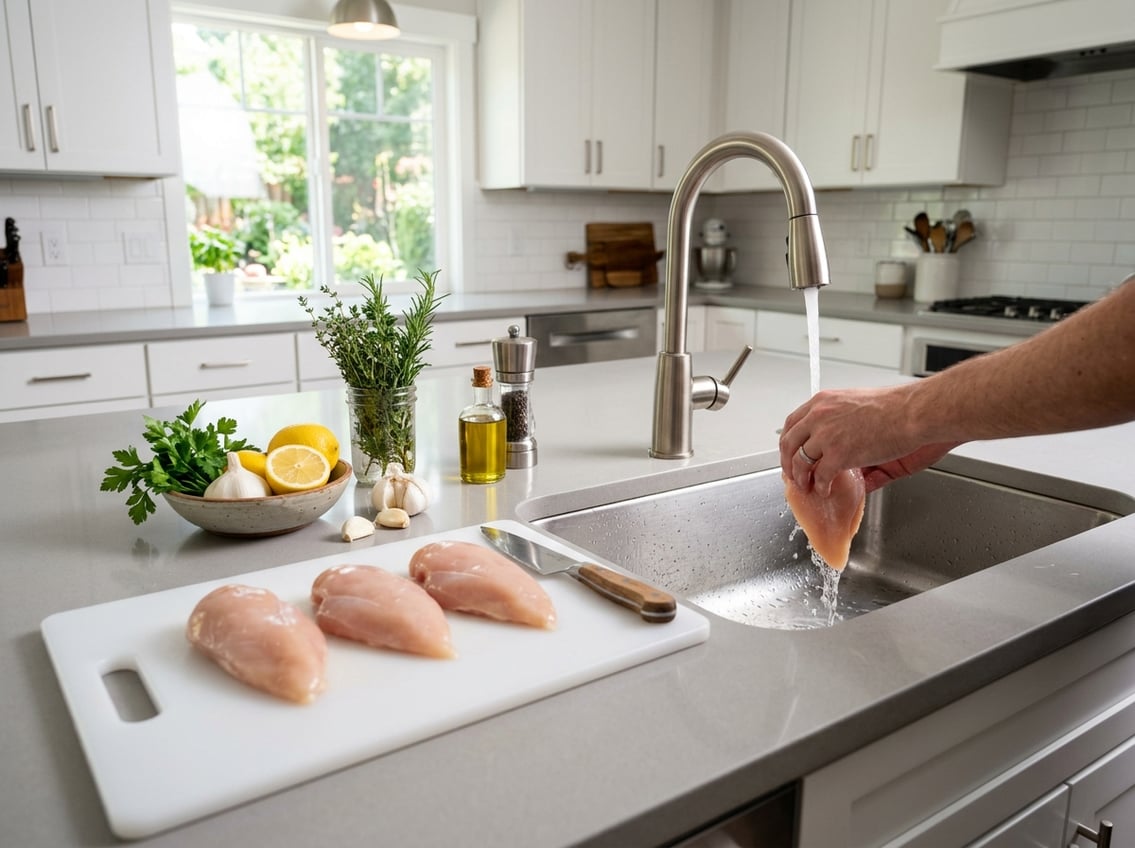
Safe prep starts before the chicken hits the pan. Keep the raw meat contained, keep your tools clean, and avoid moving juices to other surfaces.
Pat the Surface Dry Instead of Rinsing
If the chicken breast looks wet from packaging liquid, pat it dry with paper towels. This helps with browning and texture without splashing bacteria around the sink.
Throw the paper towels away right away, then wash your hands.
Handle Packaging and Juices Carefully
Open the package over the sink or a plate so any liquid stays in one place. After you discard the package, clean any surface that touched the outside of the plastic.
If juices drip onto the counter, clean and sanitize the area before you continue cooking.
Use Separate Tools for Raw Poultry
Use separate cutting boards, knives, and plates for raw chicken and ready-to-eat food. Many food safety guides recommend separate cutting boards to reduce contamination risk.
If you only have one board, wash it with hot soapy water and sanitize it before using it for salad, fruit, bread, or cooked food.
Safe Handling in the Kitchen and Fridge
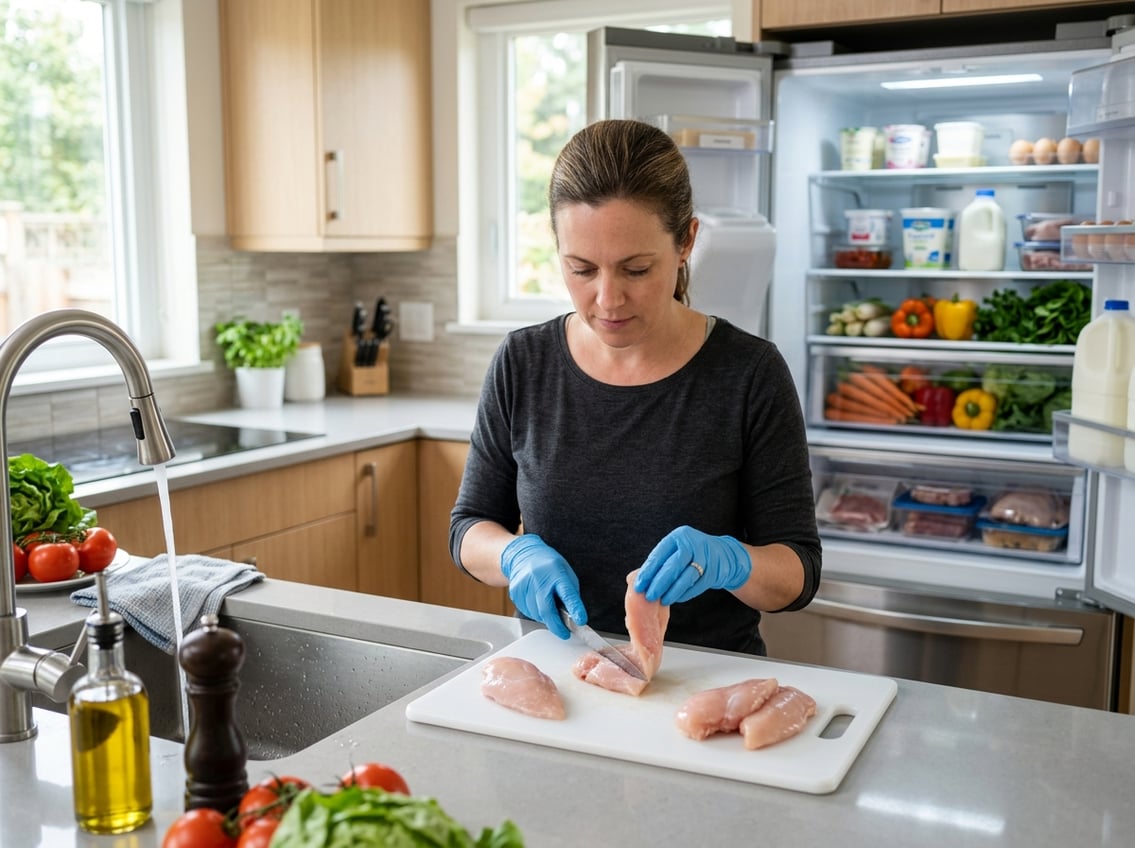
Good storage and cleanup matter as much as cooking. You can prevent many problems by keeping raw chicken sealed, cold, and away from other foods.
Clean Hands, Sinks, and Counters Thoroughly
Wash your hands with soap and warm water before and after handling raw chicken. Clean the sink, faucet, counters, and any tools that touched the chicken.
The CDC advises careful cleanup because germs can move from your hands to other surfaces.
Store Raw Chicken to Prevent Leaks and Contact
Store raw chicken in a sealed container or on a plate on the bottom shelf of your fridge. This helps prevent leaks from touching other foods.
If you are storing raw chicken for later use, keep it wrapped well and use it before the safe storage time runs out.
Keep Poultry Away From Ready-to-Eat Foods
Do not place raw chicken near salad greens, fruit, cooked leftovers, or bread. Keep separate cutting boards and separate plates for raw meat and finished food.
This habit helps prevent cross-contamination and supports food safety in a simple way.
Why People Still Wash Chicken and What to Do Instead
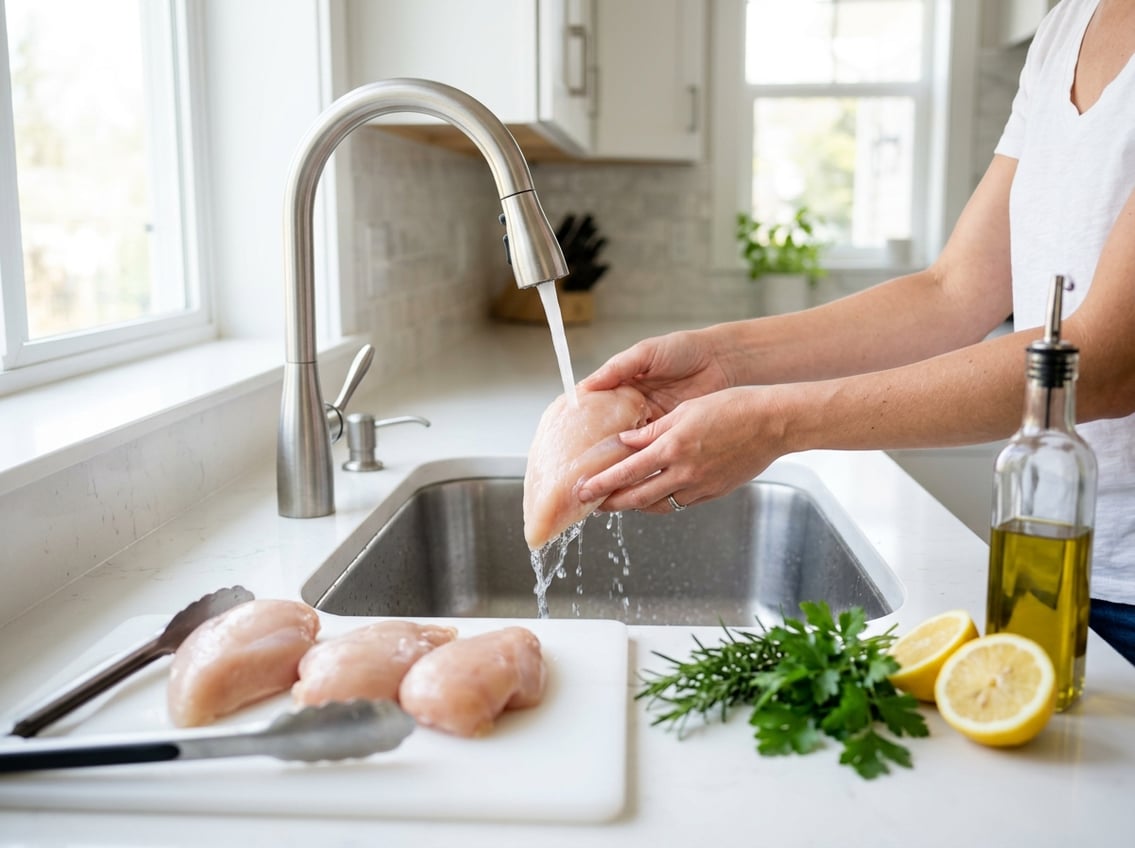
People wash chicken for practical reasons that seem sensible at first. The habit is based more on tradition than on current food safety guidance.
Old Habits, Family Advice, and Recipe Traditions
Many cooks learned to wash chicken from parents or grandparents. In some homes, washing raw chicken is tied to the idea of being thorough in the kitchen.
Some older advice came from a time when home processing was more common. Today, modern processing and safe handling practices make washing unnecessary.
What to Do if the Chicken Looks Slimy or Wet
If chicken breast feels slippery from package liquid, pat it dry with paper towels. If it smells sour, strong, or unusual, do not cook it.
A wet surface is not the same as spoiled meat, but strange odor, discoloration, or a sticky film can signal a problem. When in doubt, follow safe food handling rules and discard questionable chicken.
When Visible Debris Is the Real Concern
If you see a small bit of bone fragment, packaging material, or other visible debris, remove it with clean tongs or paper towels.
You do not need to rinse the whole breast to deal with a small surface issue.
Spot removal is safer than rinsing the meat under running water.


