
Is There a Chicken Breast Recall? What to Check
If you ask, is there a chicken breast recall, the safest answer is to check the latest FSIS notices before you cook or serve any package that looks suspicious.
Chicken breast products often get recalled for reasons like contamination, misbranding, or foreign material. You must match the details closely before you consider a product affected.
The U.S. Department of Agriculture’s Food Safety and Inspection Service (FSIS) posts current recalls and public health alerts when products may pose a risk.
Product names, package sizes, dates, lot codes, and establishment numbers can change. You should compare your package directly with the recall notice instead of guessing.
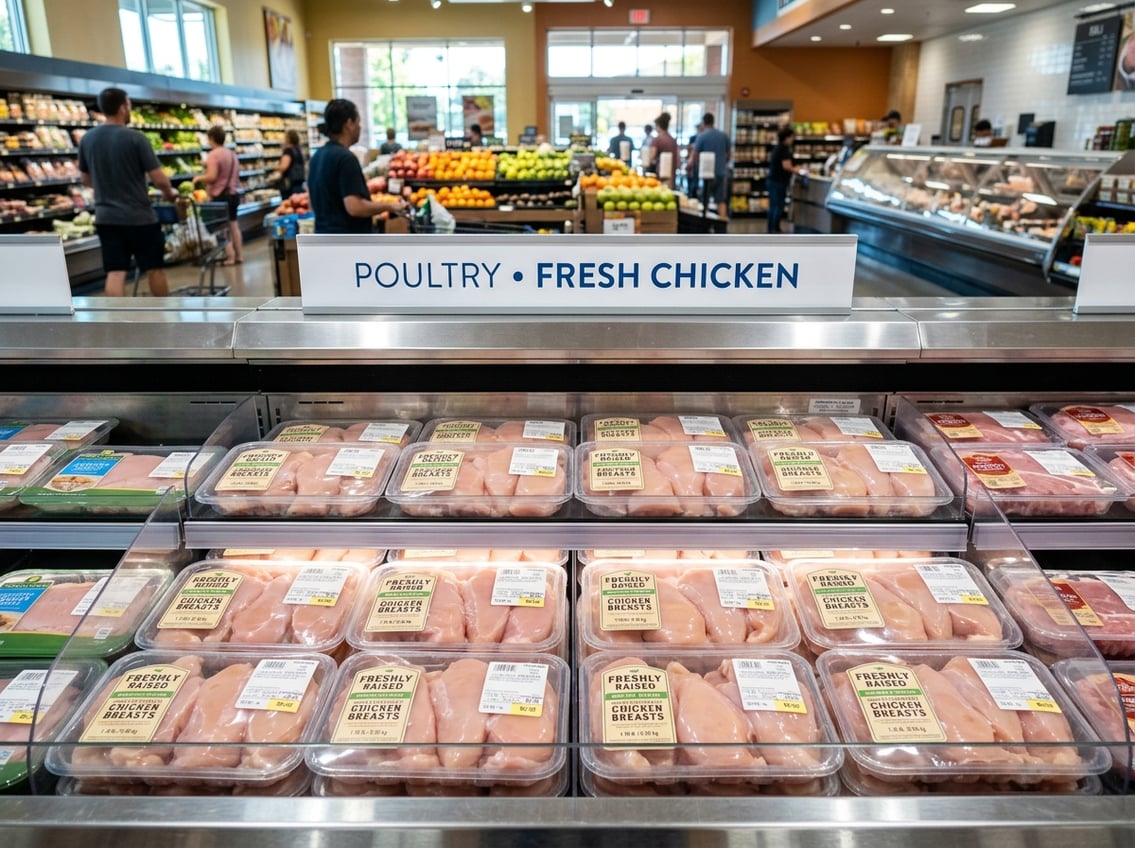
Match the label on your package to the FSIS notice exactly. Do not use the product if every required detail lines up.
Current Recall Status and Affected Product Details

FSIS posts active notices when it identifies a food safety issue.
In recent poultry notices, the agency listed products such as ready-to-eat chicken items and chicken breast fillets with rib meat or frozen chicken breast products tied to contamination or foreign material concerns.
A current FSIS example involving chicken products is the Hormel Foods Corporation recall of ready-to-eat frozen chicken products, which affected chicken breast and thigh items distributed to foodservice customers.
FSIS also issues public health alerts when it believes a product may be unsafe but a recall has not been requested.
Which Chicken Breast Products Were Flagged
The exact product name matters.
In FSIS notices, the affected item may be described as chicken breast fillets with rib meat, chicken breast products, or frozen ready-to-eat chicken items.
Read the wording carefully.
If your package name does not match the notice exactly, it is usually not part of that action.
Packaging, Lot Code, and Production Identifiers
Packaging details often decide whether a product is included.
Look for the brand name, package size, lot code, best by date, production date, item code, and establishment number.
FSIS often lists the USDA mark of inspection or an establishment number as part of the identifying information.
If the notice says a product must have a certain code or mark, that detail must be present.
Where the Product Was Distributed
Distribution can be nationwide or limited to certain states, retailers, or foodservice channels.
FSIS notices often say whether the product went to grocery stores, restaurants, institutions, or commercial kitchens.
Do not assume a product is safe because you bought it in a different state.
If the notice says nationwide distribution, the product may be in your freezer even if you purchased it elsewhere.
How to Confirm Whether Your Product Matches

Your package must match the notice exactly before you treat it as recalled.
FSIS and FoodSafety.gov both stress that recall details are specific, including the brand, product name, date codes, and EST number.
If any required detail does not match, the product is usually not covered.
Checking the label carefully matters more than checking the package by appearance alone.
How to Read the Label and Establishment Number
Start with the front label.
Check the back, side, or case label for the code information.
Look for the brand, product description, package size, sell-by or best-by date, lot code, and establishment number.
The USDA mark of inspection may include an EST number inside or near the mark.
FSIS may list that number in the recall notice, and it should match your package exactly.
What Must Match for a Product to Be Included
Every required detail in the notice must line up for a product to be included.
That usually means the same product name, same package form, same code dates, and same establishment number or mark of inspection.
If one detail is missing, different, or unreadable, keep the product aside and verify it through the notice or retailer.
If the recall notice lists a specific lot code or production date range, your package must fall within that range.
How to Check FSIS Recall Listings and Safety Alerts
Use the current FSIS recalls and public health alerts page and read the latest entry carefully.
FSIS updates notices when it finds more affected products, and it may revise labels or product lists.
A public health alert can signal a possible problem before a full recall is announced.
Check both the recall list and any related safety alerts so you do not miss an update.
What to Do If You Have the Product
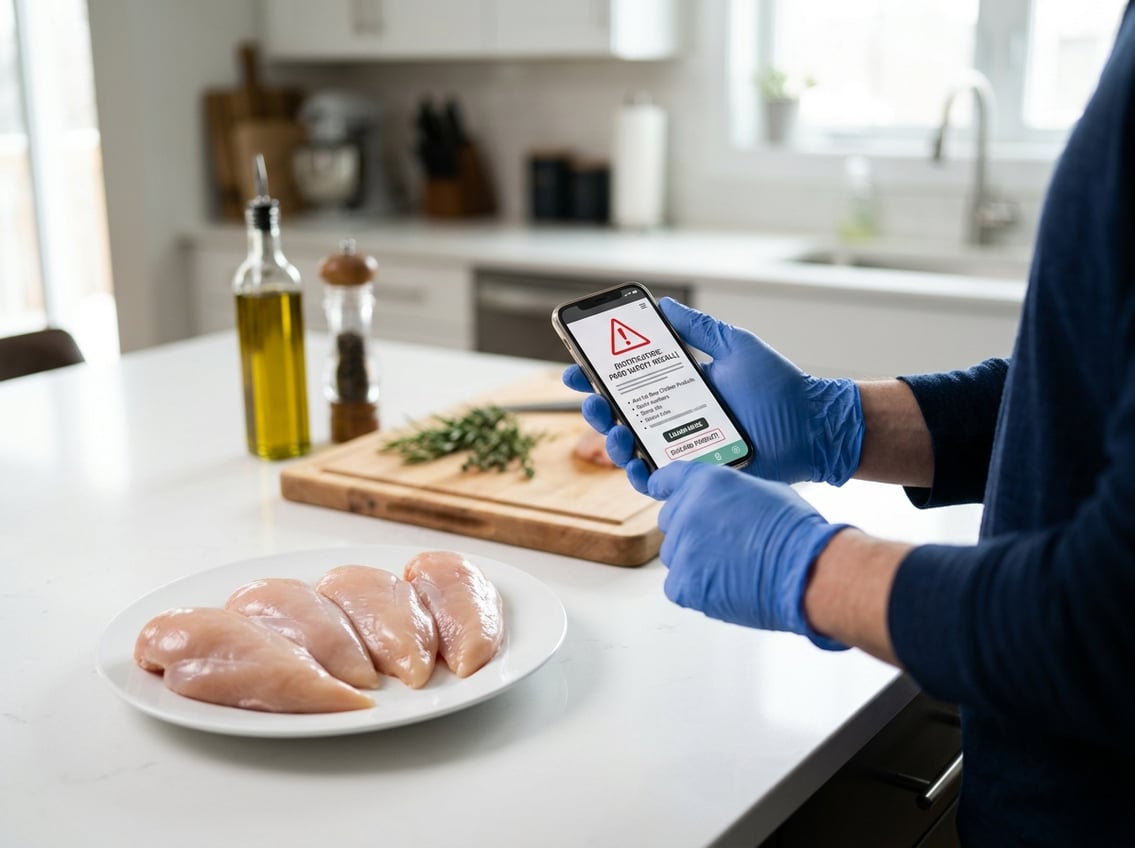
If your package matches an FSIS notice, do not eat it, serve it, or freeze it for later use.
Keep it separate from other food so it does not cross-contaminate your refrigerator, freezer, cutting boards, or utensils.
Steps for Consumers at Home
Put the product in a sealed bag or wrap it tightly.
Follow the disposal or return instructions in the notice.
If the retailer offers a refund, keep your receipt if you still have it.
Wash your hands, clean the refrigerator shelf, and sanitize any surface that touched the chicken breast product.
If raw juices leaked, clean those spots right away.
Steps for Restaurants and Foodservice Operators
Pull all matching cases, boxes, or trays from service immediately.
Check case labels, invoices, and freezer stock, since recalled chicken breast fillets with rib meat may still be in storage.
Notify staff not to use the product and keep it separated until you follow the recall instructions from FSIS or your distributor.
Save lot codes and receiving records in case you need to trace product movement.
When to Contact a Healthcare Provider
Contact a healthcare provider if you ate a recalled product and develop symptoms such as fever, vomiting, diarrhea, stomach cramps, or signs of dehydration.
Symptoms may not appear right away if the recall involves Listeria or another serious contaminant.
Get medical care quickly if you are pregnant, older, immunocompromised, or caring for a young child.
These groups face a higher risk of severe illness from contaminated poultry.


