
Why Does Chicken Breast Have So Much Protein? Explained
Chicken breast has so much protein because it is a very lean, highly used muscle with little fat and few extra calories.
You get a large amount of protein in chicken breast because most of the meat is dense muscle tissue, not fat or connective tissue.
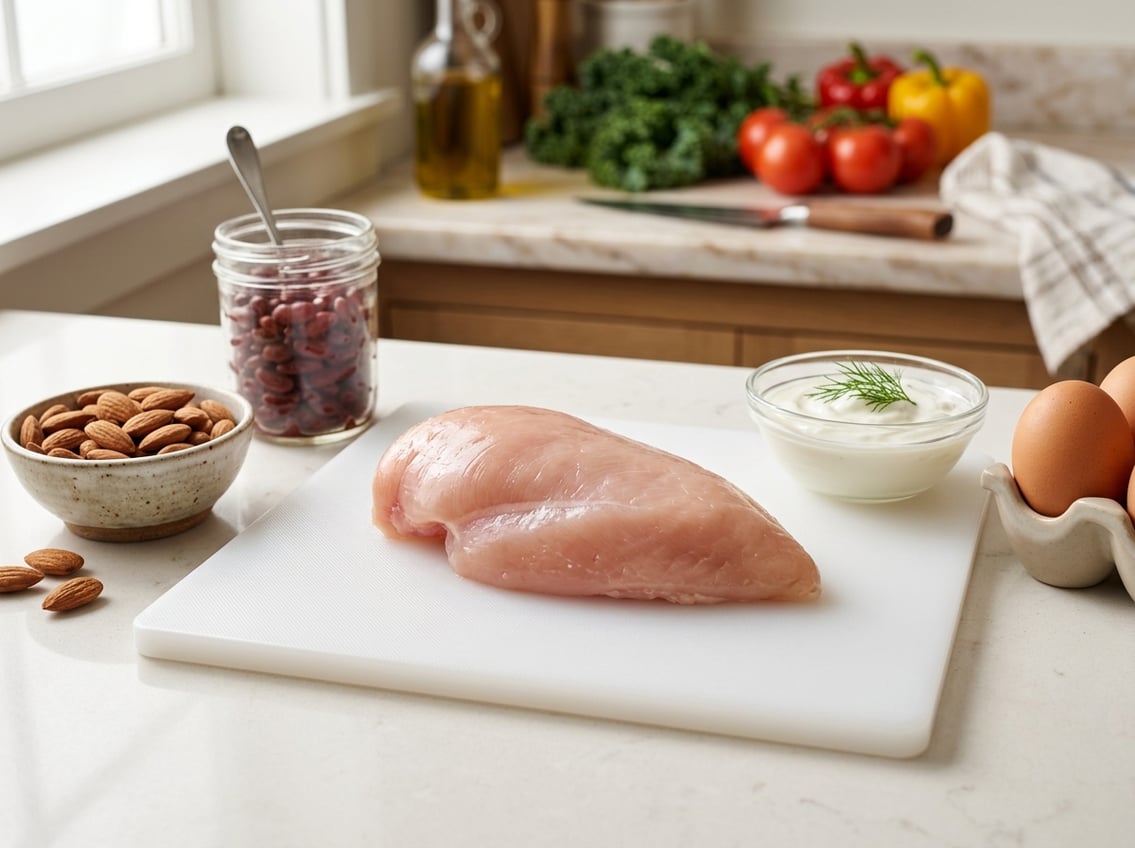
Chicken breast is one of the most popular high protein foods in the U.S. It gives you a strong protein content without adding much fat, which makes it easy to fit into many meals.
If you are trying to figure out why chicken breast has so much protein, the short answer is anatomy and composition.
The longer answer comes from how the breast muscle is built, how your body uses chicken breast protein, and how cooking and portion size affect the protein content.
Muscle Structure and Lean Composition
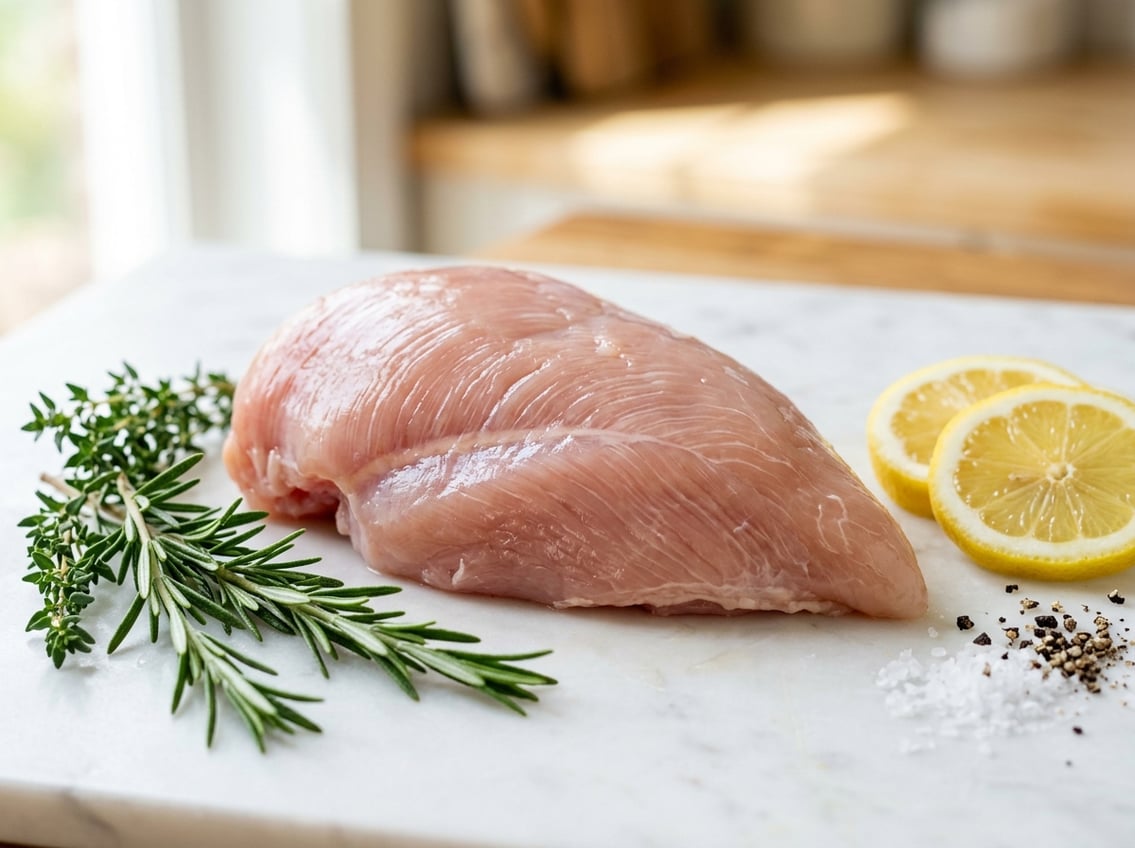
Chicken breast comes from the bird’s pectoral muscles, which are built for sustained movement.
That muscle structure creates a food that is naturally high in protein and low in fat, especially when you choose skinless chicken breast.
Why Pectoral Muscles Are Naturally Protein-Rich
The pectoral muscles in chickens support movement, so they contain a lot of structural protein.
In birds, these muscles are part of the white meat and are richer in myofibrillar proteins than fattier cuts.
The protein density is much higher in chicken breast compared with darker, fattier parts.
When you compare protein per ounce or protein per serving, chicken breast usually gives you more protein with fewer calories.
How White Meat Packs More Protein per Calorie
White meat is naturally leaner than many other cuts.
Because there is less fat, more of each bite is protein-dense food rather than energy from fat.
This makes chicken breast a common choice for low-calorie meal plans and protein-dense foods.
If you want lean protein without much added fat, chicken breast usually fits that goal better than many other lean poultry options.
Why Skinless Chicken Breast Is So Lean
Removing the skin lowers the fat content even more.
Skinless chicken breast stays one of the leanest ways to eat poultry.
It works well for people who want a high protein meal without many extra calories.
A lean cut like this gives you a strong protein per ounce result while keeping the plate simple and balanced.
Protein Quality and How the Body Uses It
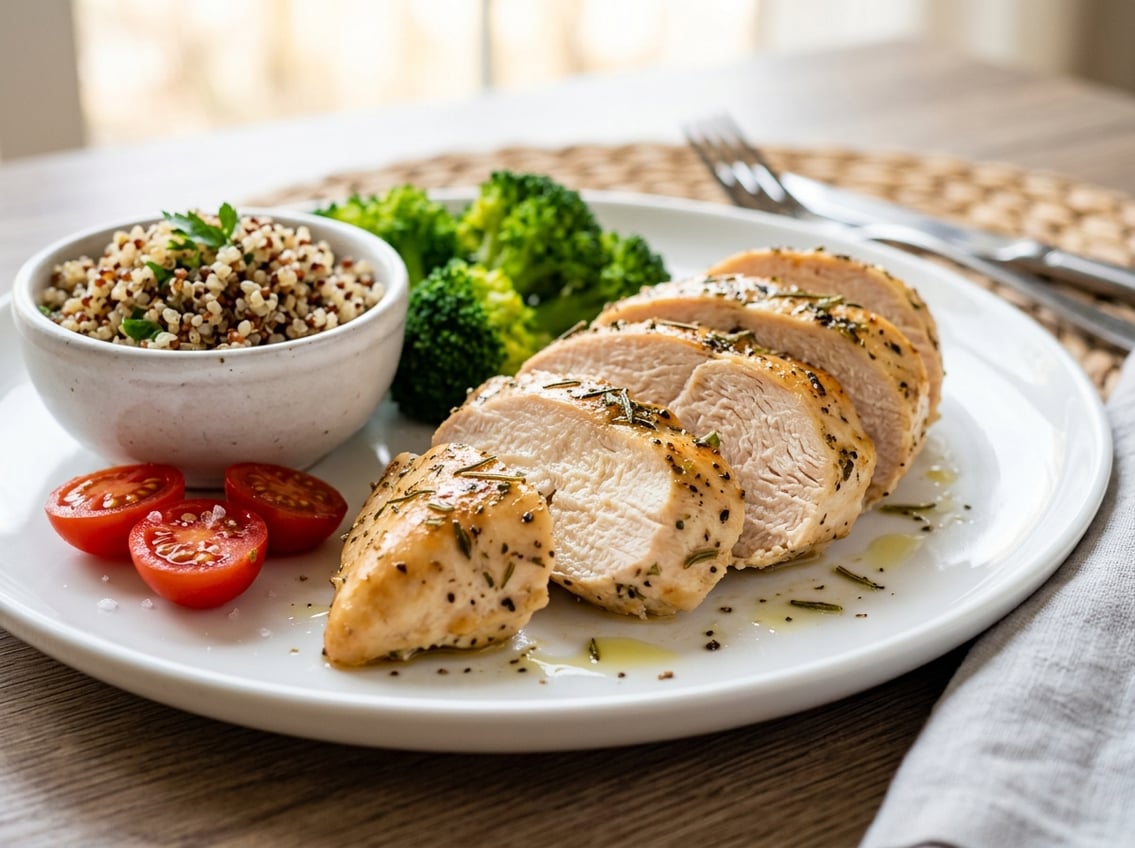
Chicken breast is not just high in protein, it also provides high-quality protein your body can use well.
The value of protein depends on both the amount and the amino acid profile.
Complete Protein and Essential Amino Acids
Chicken breast is a complete protein, which means it contains all nine essential amino acids.
Your body cannot make these on its own, so you need them from food.
This complete amino acid profile supports muscle repair, muscle growth, and lean muscle maintenance.
It also helps explain some of the benefits of chicken breast for people who want muscle building support in a simple food choice.
Leucine and Muscle Protein Synthesis
Chicken breast contains leucine, one of the key amino acids for muscle protein synthesis.
That process helps your body turn dietary protein into the material needed for muscle repair and muscle growth.
Because of that, chicken breast is common in diets aimed at lean muscle and muscle building.
It can also support bone health as part of a balanced diet with enough total protein and minerals.
Biological Value and Protein Absorption
Chicken breast has a high biological value, which means your body can use its protein efficiently.
In practical terms, more of the protein in chicken breast is available for protein absorption and tissue repair.
Protein Amounts, Serving Sizes, and Comparisons
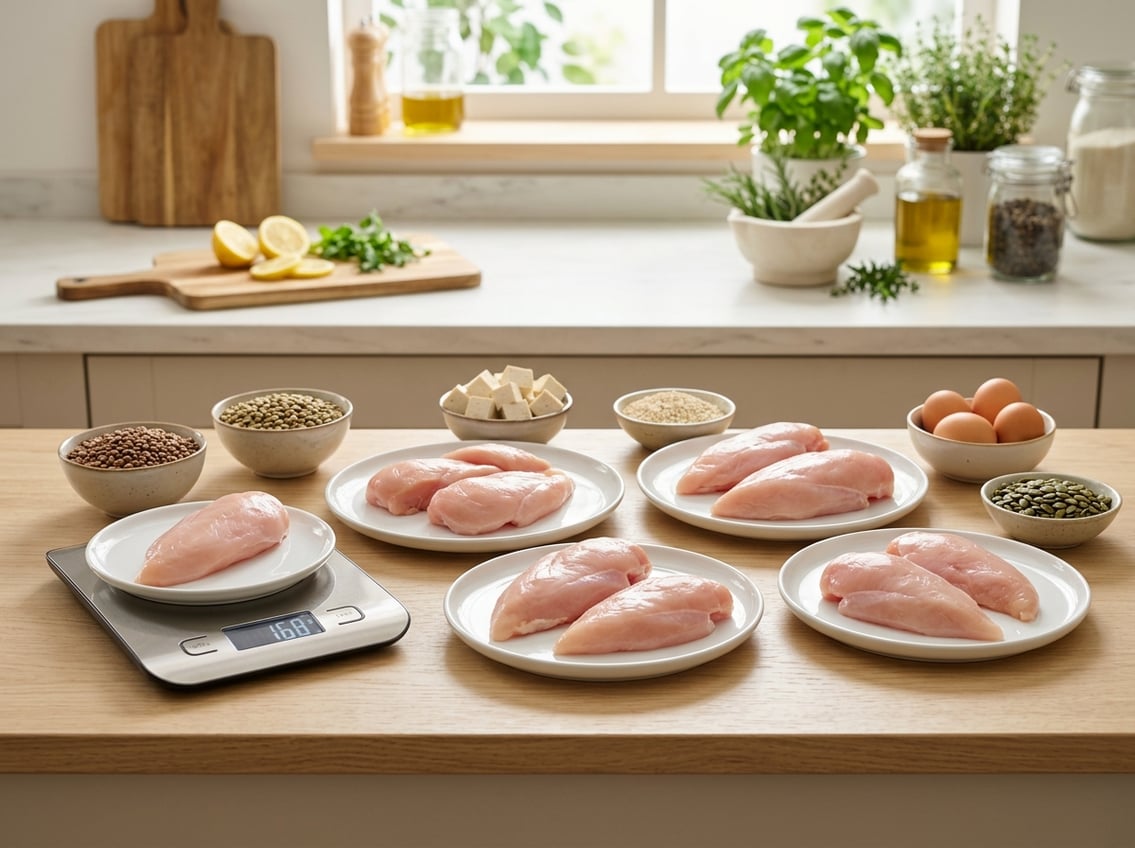
The protein content of chicken breast changes based on portion size and whether you weigh it raw or cooked.
For that reason, protein per serving is more useful than guessing from the size of the whole breast.
Protein per Ounce and per Serving
A common cooked serving of chicken breast is about 4 ounces, and that usually provides roughly 30 grams of protein, according to a protein breakdown for chicken breast.
A 3-ounce cooked portion can provide around 26 grams of protein, as noted by Health.
If you track macros, these numbers make chicken protein easy to use in meal planning.
You can also compare protein content with other protein sources to help you maximize protein intake without overshooting calories.
Raw vs Cooked Weight Differences
Raw chicken breast and cooked chicken breast do not weigh the same.
Cooking removes water, so the cooked portion looks smaller even though much of the protein remains.
Protein content of chicken breast can seem higher after cooking by weight.
The food has not gained protein, it has simply lost water, so the same protein is packed into a lighter portion.
How Chicken Breast Compares With Other Protein Sources
Chicken breast is one of the most efficient protein sources for a high-protein diet because it is lean and widely available.
Compared with fattier meats, it often gives you more protein with fewer calories.
If you want a simple way to support daily protein intake, chicken breast is a practical choice alongside fish, eggs, beans, Greek yogurt, and lean beef.
Cooking and Diet Context That Affect Its Value

Cooking methods do not remove much protein, but they do affect texture, moisture, and added fat.
The way you prepare chicken breast can change how useful it is in a balanced diet or high-protein diet.
Best Cooking Methods for Retaining Quality
Grilled chicken and baked chicken are both strong choices because they keep the meal lean.
The key is to avoid overcooking, since dry chicken is less pleasant and can be harder to chew, even when the protein remains.
Gentle cooking methods help preserve quality and make meal planning easier.
You can pair chicken breast with vegetables, grains, or beans to build a balanced plate without adding much fat.
Unprocessed Chicken vs Processed Chicken
Unprocessed chicken breast gives you the cleanest protein package.
Processed chicken products often contain added sodium, fillers, breading, or extra fats that change the nutrition profile.
If you want lean protein, plain chicken breast is usually the better option.
It gives you more control over seasoning, calories, and the rest of your meal.
How Chicken Breast Supports Weight Management
Chicken breast is popular for weight management because it is filling, high in protein, and low in calories.
Protein helps you feel satisfied longer. This makes it easier to follow a balanced diet.
Many people include chicken breast in meal planning when they want to maintain or reduce body weight.
When you want high protein without a lot of extra calories, chicken breast is a reliable food to keep on your plate.


