
Is It Normal for Chicken Breast to Be Yellow? Safety Signs
You may notice a yellow tint on chicken breast and wonder if it means the meat is bad. The answer depends on what else you see, smell, and feel.
A yellow color in chicken can be normal when it comes from diet, breed, or fat. If you find yellow chicken breast with a slimy feel, bad smell, or other spoilage signs, throw it out.
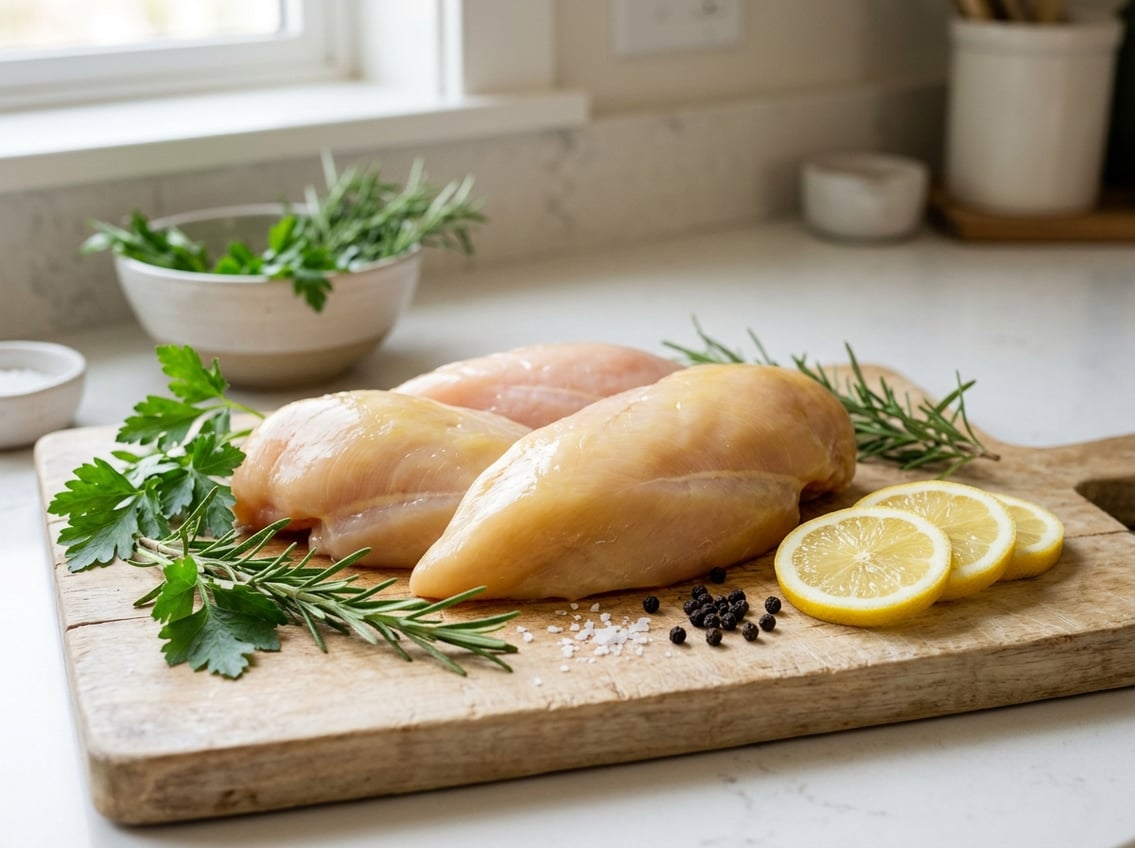
If you are asking if it is normal for chicken breast to be yellow, sometimes it is. Yellow chicken is not always unsafe, and you should decide if yellow chicken is safe to eat by looking at more than just color.
When you know what normal color changes look like, you can judge chicken more confidently. This helps you avoid wasting food that is still fine.
When Yellow Color Is Normal
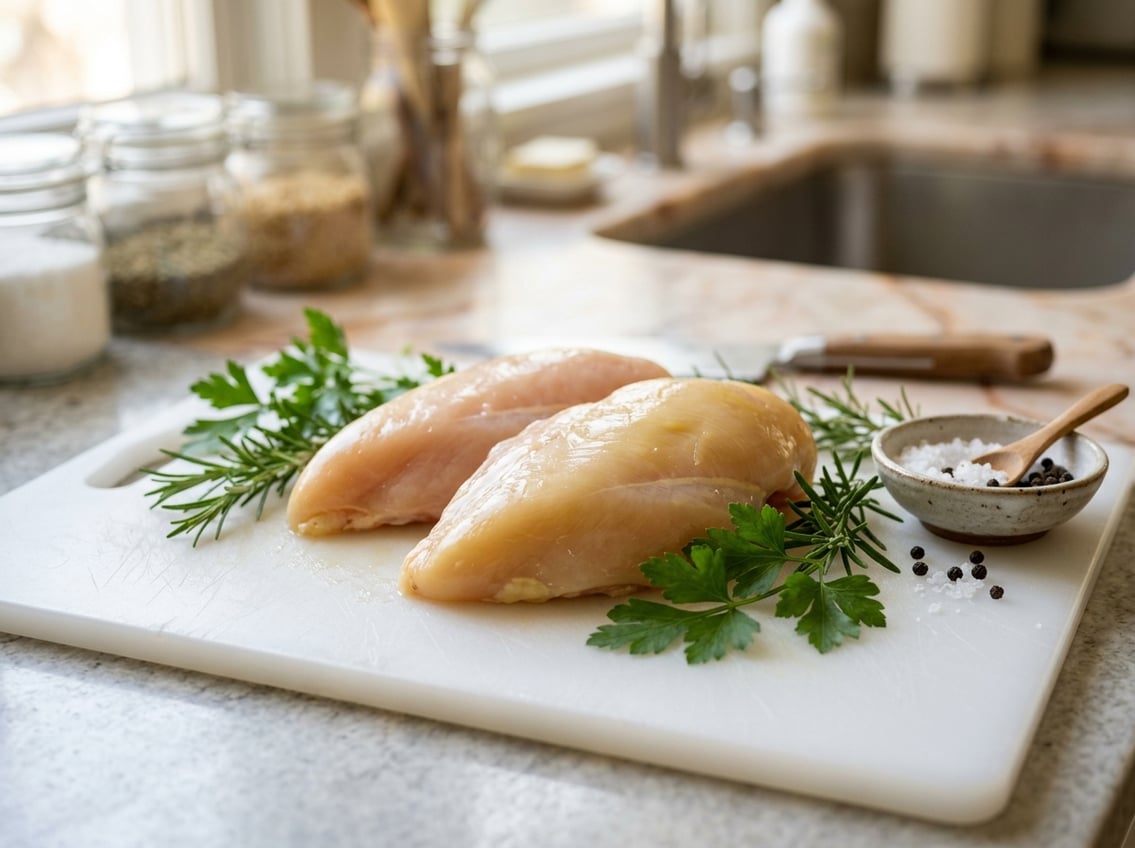
A yellow chicken breast does not always signal a problem. Chicken breast color can range from pale pink to slightly yellow, often because of feed, skin, fat, breed, or age.
The key is to look at the whole piece, not just one patch of color.
How Diet and Carotenoids Affect Color
Chickens that eat feed rich in carotenoids often show more yellow in their skin, fat, and sometimes meat. Carotenoids are natural pigments found in feed like corn and marigold petals, which can make some birds look more golden than others, as explained by The Cooking Facts.
That yellow color is usually a normal trait, not a spoilage sign. If the meat smells fresh and feels firm, the color alone does not mean it is unsafe.
Yellow Skin and Fat vs. Yellow Meat
Skin and fat pick up pigments more easily, so birds often look yellow on the outside while the breast meat stays pale. A small yellow tint in the meat can still be normal, especially if the chicken came from a feed or breed that tends to show more pigment.
The important question is whether the surface looks fresh and clean, not just whether it looks yellow.
Why Chicken Breast Color Can Vary by Breed and Age
Different breeds can have different shades of flesh. Older birds may show more variation in color.
Broilers, which are common meat chickens, often have lighter meat than heritage breeds, according to The Cooking Facts. Meat color can also change as the bird matures.
So if your chicken breast is yellow but otherwise normal, the color may reflect how the bird was raised, not a safety problem.
How to Spot Chicken That Is No Longer Safe
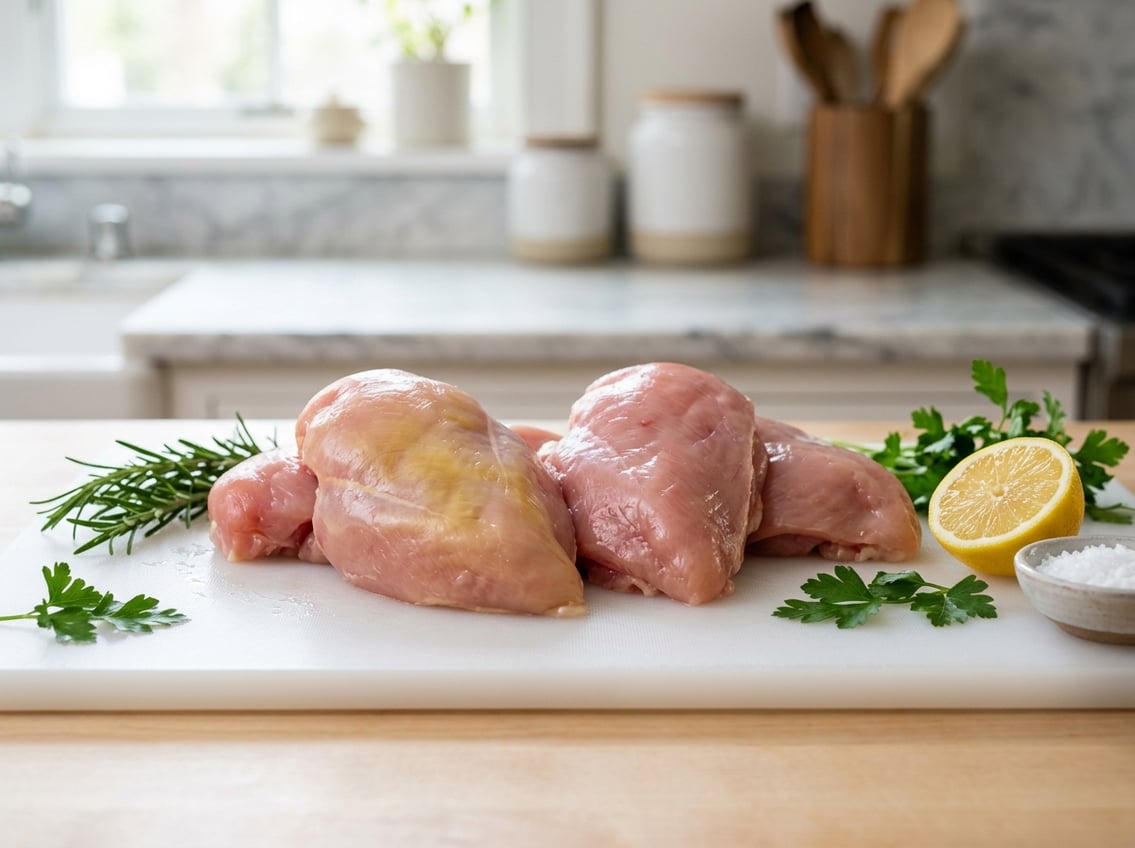
A yellow chicken breast is only one clue. Spoiled chicken usually shows more than color change, and the other signs are easier to trust than color alone.
If you notice a mix of bad color, bad smell, or strange texture, treat it as spoiled chicken.
Discoloration That Signals Spoilage
Fresh raw chicken is usually pinkish or light peach with white fat. If the meat turns gray, greenish, or dull yellow in a patchy or uneven way, that can point to spoilage, as noted by Banner Health.
A yellow chicken breast is more concerning when the color looks off in spots, spreads across the surface, or appears with other changes. Color alone is not enough, so use smell and texture too.
What Slimy Texture Really Means
Slimy chicken is not normal. Raw chicken should feel moist, not sticky, slippery, or coated with a filmy layer.
A slimy surface often means bacteria have grown on the meat. If your chicken feels slimy, do not rinse it and do not cook it, because it is no longer safe to eat.
Off Smell, Mold, and Other Red Flags
Spoiled chicken often smells sour, rotten, or like ammonia. Fresh chicken should have little to no odor, so a strong bad smell is a clear warning.
Throw it out if you see mold, unusual green or black spots, or packaging that is swollen or leaking. If you notice these signs, the answer is no, yellow chicken is not safe to eat.
Storage, Freezing, and Safe Next Steps
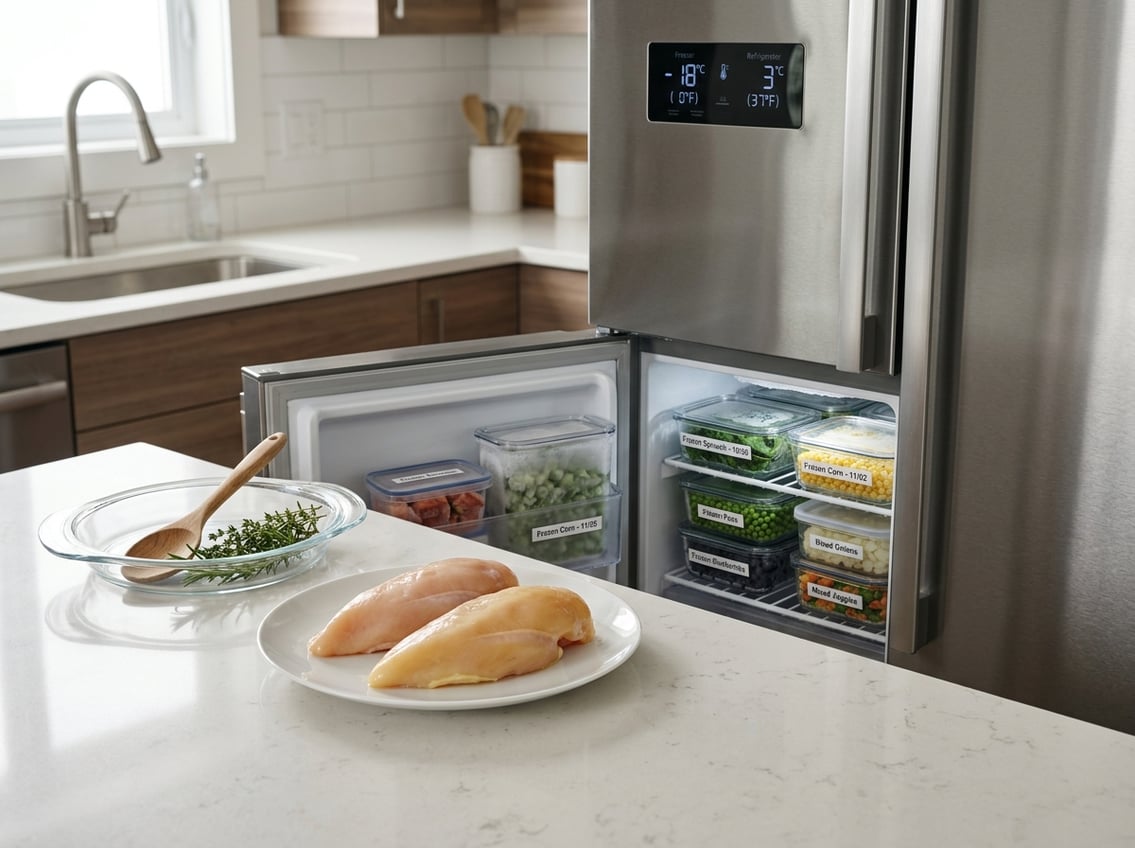
Safe storage helps you avoid confusion later. Raw chicken that sits too long in the fridge can change color, dry out, or spoil, even if it looked fine when you bought it.
If you are unsure, time and temperature matter as much as appearance.
How Long Raw Chicken Lasts in the Fridge
Raw chicken breast usually lasts only 1 to 2 days in the refrigerator, according to Cycookery. Keep it at 40°F or below and store it in a sealed container or wrap it tightly.
If the chicken has been in the fridge past that window, a yellow color in chicken may be part of normal drying or aging, or it may be the first sign that it is starting to spoil. Use smell and texture before deciding.
When to Freeze Chicken and How to Thaw It Safely
If you will not use raw chicken within 1 to 2 days, freeze chicken as soon as possible. Freezing slows bacterial growth and helps keep the meat safe for longer, as noted by Tasty Food Lovers.
Thaw frozen chicken in the refrigerator, not on the counter. Keep it in leak-proof packaging so it stays cold and does not contaminate other foods.
What to Do If You Are Unsure About a Yellow Patch
If you only notice a yellow patch, check the smell and texture first.
If the chicken smells normal and feels firm, the yellow color may be harmless.
If you notice slime, sour odor, gray spots, mold, or a sticky film, throw it away.
When you are unsure if yellow chicken is safe, discard it rather than risk eating spoiled chicken.


