
What Does It Mean When Chicken Breast Is Rubbery? Causes and Fixes
What does it mean when chicken breast is rubbery? Usually, the meat lost moisture, cooked unevenly, or started with a texture issue in the chicken itself.
In many cases, you are dealing with chicken breast that was cooked too long, cooked too hot, or both.
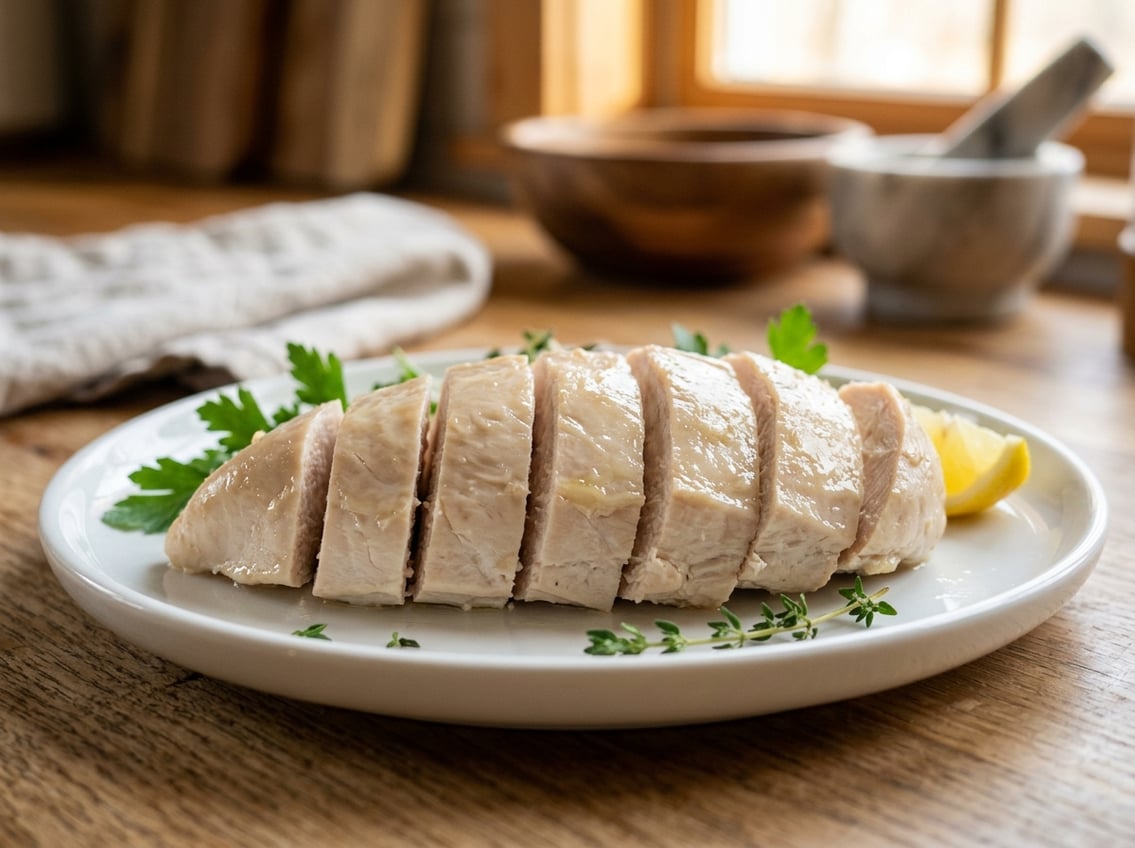
If you know why your chicken is rubbery in the first place, you can make better choices before it hits the pan, oven, grill, or air fryer.
Rubbery chicken breast is not always unsafe. The key is knowing whether the texture came from overcooking, undercooking, or a condition like woody breast.
That difference affects both safety and how you should fix it.
What a Rubbery Texture Usually Tells You
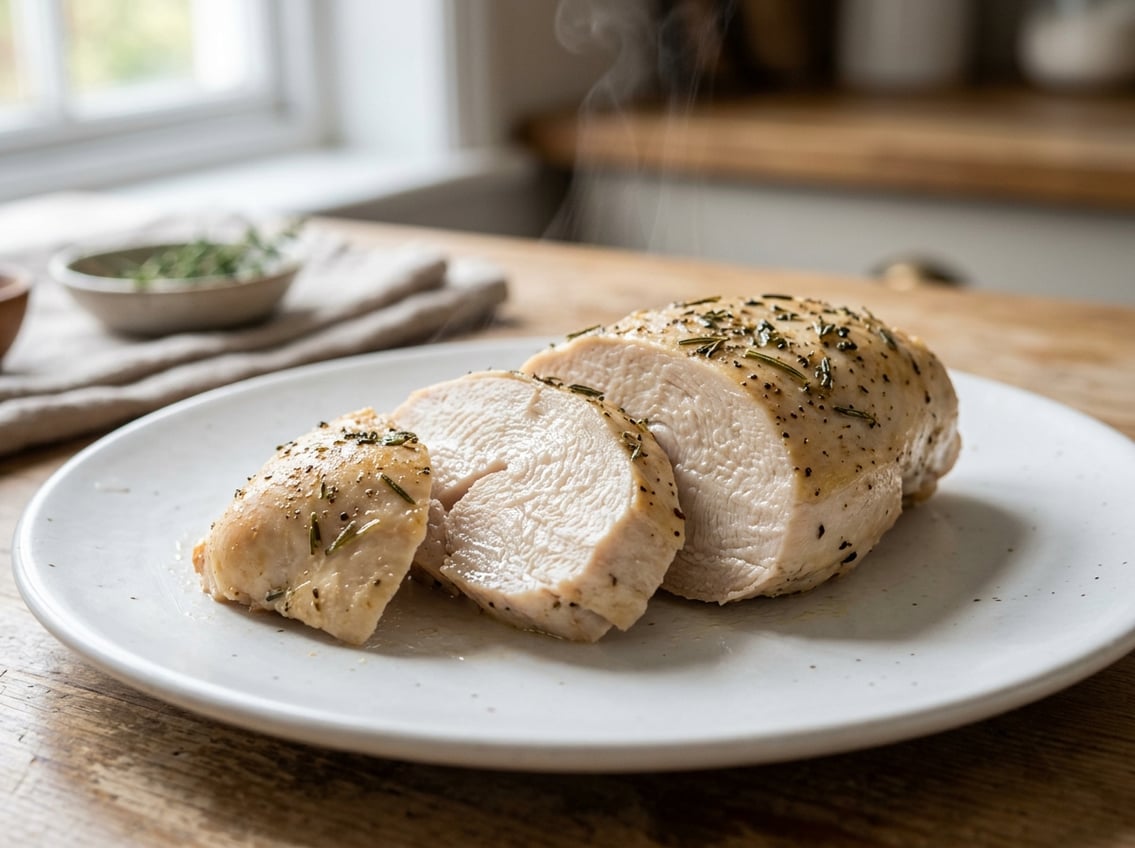
A rubbery texture usually means the muscle fibers tightened too much or the chicken did not hold enough moisture during cooking.
The most common reasons are overcooking, undercooking, or the natural leanness of chicken breast.
If you are asking if rubbery chicken is safe to eat, you need to check the center with a thermometer.
Texture alone does not tell you safety.
Overcooking and Moisture Loss
Overcooking is one of the biggest reasons chicken turns rubbery. When you cook chicken too long, the proteins tighten and squeeze out moisture, which leaves the meat tough and chewy.
This happens easily with chicken breast because it is lean and has little fat to protect it.
According to Own The Grill’s guide on rubbery chicken, cooking too long at high heat is a common cause of dry, chewy results.
How Undercooked Chicken Can Feel Rubbery
Undercooked chicken can also feel rubbery, slippery, or gelatinous. That texture can make it seem cooked enough when it is not.
For safety, chicken should reach 165°F in the thickest part.
A rubbery feel alone does not prove it is safe, so you should not rely on color or texture.
Why Lean Meat Dries Out Fast
Chicken breast is a lean meat, so it dries out faster than fattier cuts. Once the cooking time goes a little too far, the moisture loss becomes noticeable right away.
That is why chicken thighs are often more forgiving than chicken breasts.
With breast meat, even a short overcook can change the texture a lot.
When the Problem Starts With the Chicken Itself
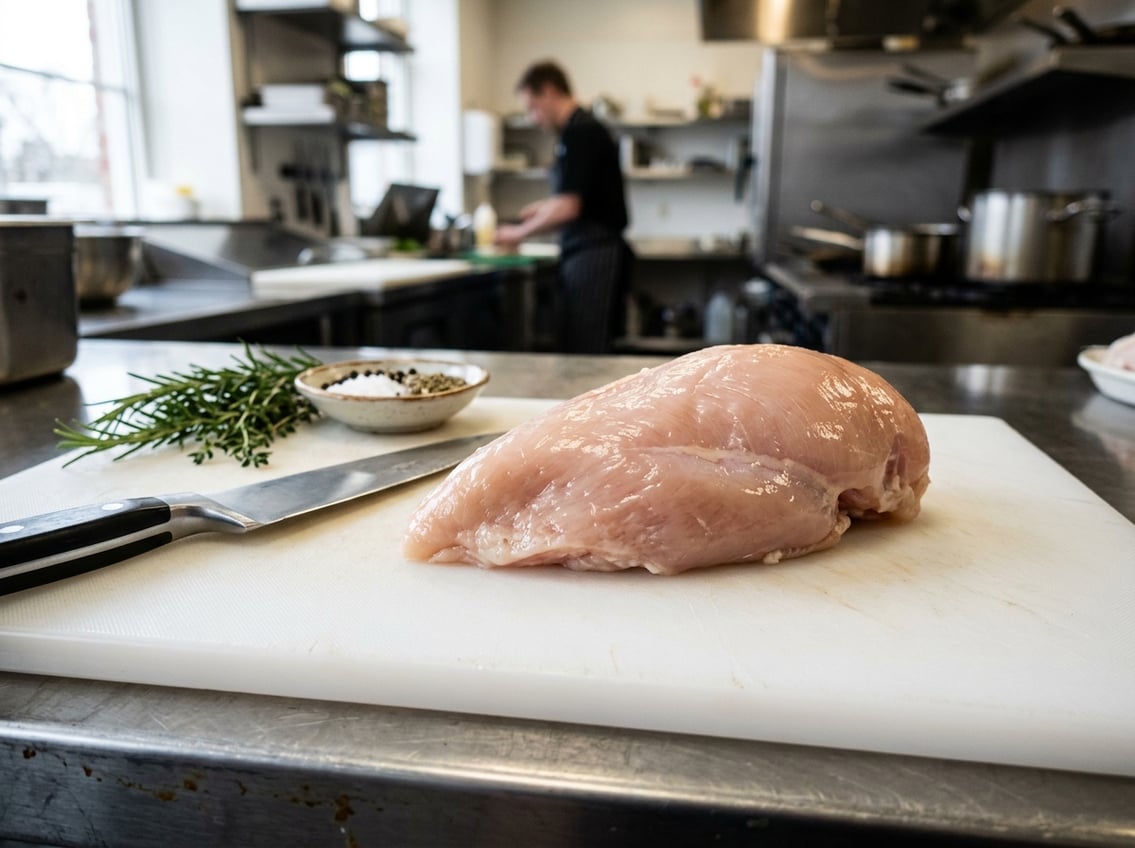
Sometimes the problem starts before cooking. A woody chicken breast, white striping, or poor texture in the raw meat can lead to a tough result even when you cook it well.
If your chicken breast feels unusually firm or stringy before cooking, the meat itself may already be the problem.
Woody Chicken Breast
Woody chicken breast, also called woody breast, is a texture defect that makes the meat unusually hard, dense, and chewy. Rapid growth in poultry causes this issue, not your cooking method.
You may notice woody chicken breasts feel firm even when raw. After cooking, they can stay tough and rubbery because the fibers are already compromised.
White Striping
White striping looks like thin white lines across the meat. This sign often points to lower texture quality and can appear along with a firmer, less tender bite.
A white striped chicken breast is not automatically unsafe, but it may cook up less pleasantly.
If you want better results, look for meat with a normal pink color and even texture.
How to Choose High-Quality Chicken
Choose chicken breast that feels even, not overly hard, and has no visible white striping. If possible, buy from brands or stores with good turnover, since fresher meat is less likely to sit for long periods.
High-quality chicken is more about texture, freshness, and consistency than one label alone.
How to Prevent Tough, Chewy Results
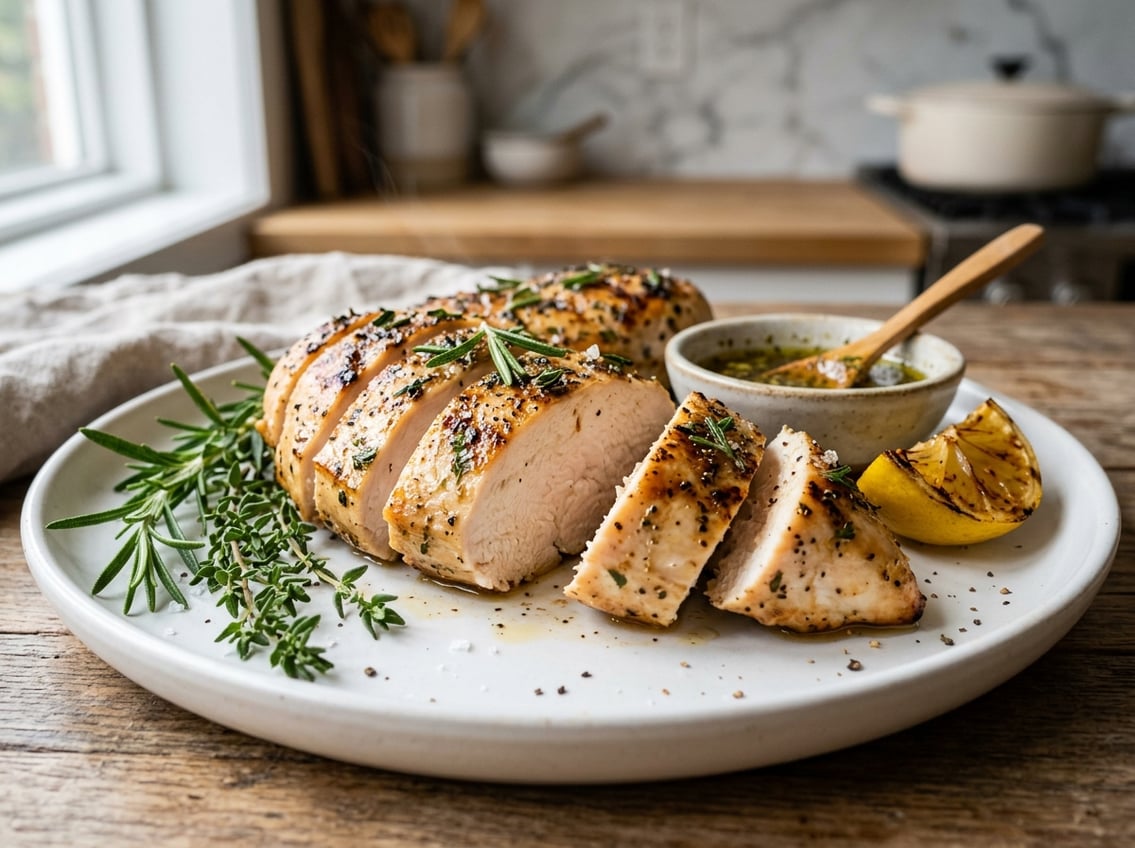
To prevent rubbery chicken, control temperature, thickness, and moisture. The right cooking methods matter, and small prep mistakes can make chicken breast tougher than it should be.
Focus on even cooking and stop guessing.
Use a Meat Thermometer
A meat thermometer is the most reliable way to prevent overcooking and undercooking. Chicken breast is done at 165°F in the thickest part, and you should pull it off the heat as soon as it reaches that point.
Chicken can go from juicy to dry very quickly. A thermometer gives you a clear stop point instead of relying on time alone.
Match Cooking Methods to the Cut
Different cooking methods work better for different cuts and thicknesses. Thin cutlets do well with quick pan cooking, while thicker chicken breasts often need moderate heat or even a brief rest after cooking.
Pound the chicken to an even thickness to help it cook more evenly. That simple step can reduce the chance of a rubbery center and dry edges.
Prep, Freezing, and Thawing Mistakes
Freezing and thawing can affect texture if you rush the process. Thaw chicken slowly in the refrigerator when you can, so the meat stays more even in texture.
Brining or lightly marinating can also help prevent rubbery chicken by adding moisture before cooking.
Feast and Slumber notes that flattening, moderate heat, and resting can make a big difference.
How to Fix or Repurpose Dry Chicken
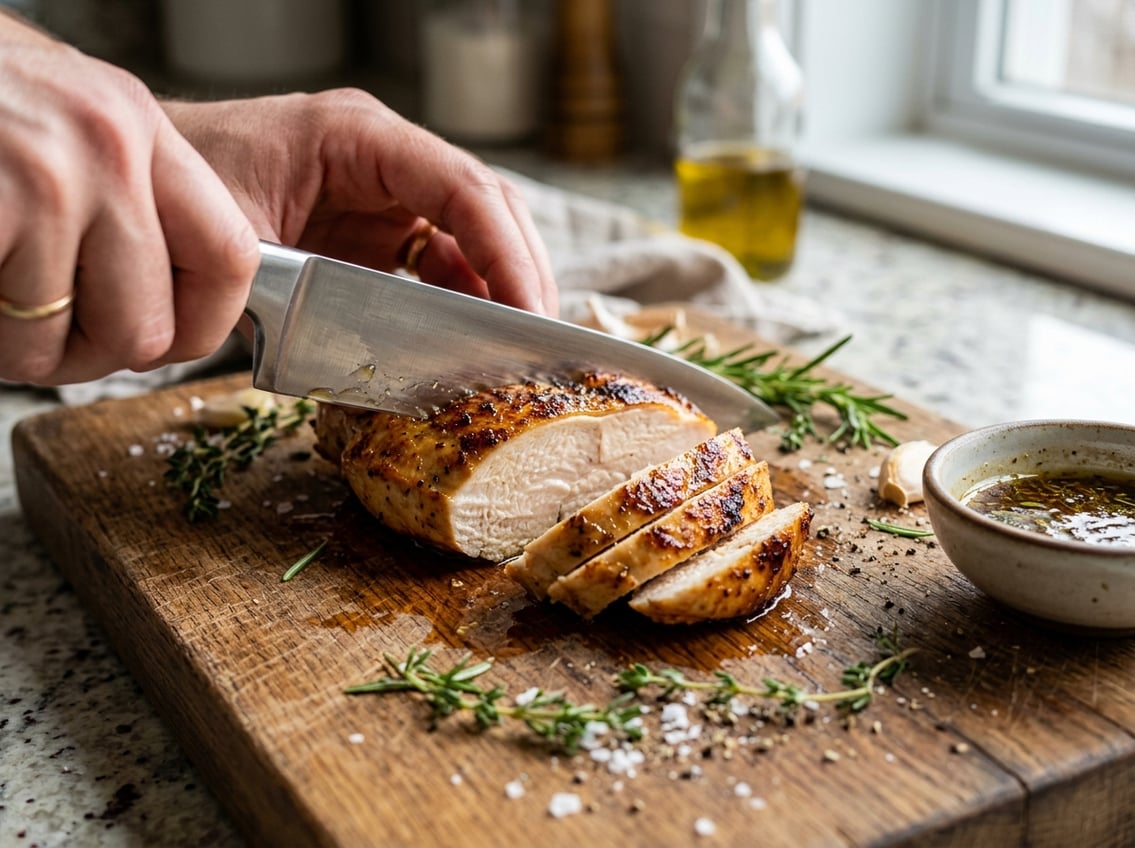
You can often fix rubbery chicken by adding moisture, changing the cut, or using it in a recipe that hides dryness.
If the chicken is fully cooked and safe, you can still salvage it.
Ways to Fix Rubbery Chicken
You can usually salvage overcooked chicken if it is not completely dried out. Slice it thin, serve it with sauce, or warm it gently in liquid.
If the chicken is undercooked, cook it to 165°F before serving so safety comes first.
Shred and Reuse It
Shredded chicken works well because smaller pieces absorb sauce better. If the breast is too firm to slice nicely, pull it apart with forks to make the texture less noticeable.
Use it in moist fillings, soups, and casseroles. Adding broth, salsa, or sauce helps balance the dryness and makes the meat easier to eat.
Recipes That Help Salvage Texture
Chicken enchiladas make it easy to use dry chicken breast. The sauce, tortillas, and cheese cover up a tough bite.
You can also use dry chicken in chicken salad with enough mayo or yogurt. Creamy pasta dishes work well too.
Moist recipes give overcooked chicken a better chance of tasting fine at the table.


