
Is It Normal for Chicken Breast to Have Blood? Safety Guide
You might notice blood in chicken breast when you open a package, trim the meat, or slice into it after cooking. In many cases, the red or pink area is not blood at all, and it does not mean the chicken is unsafe.
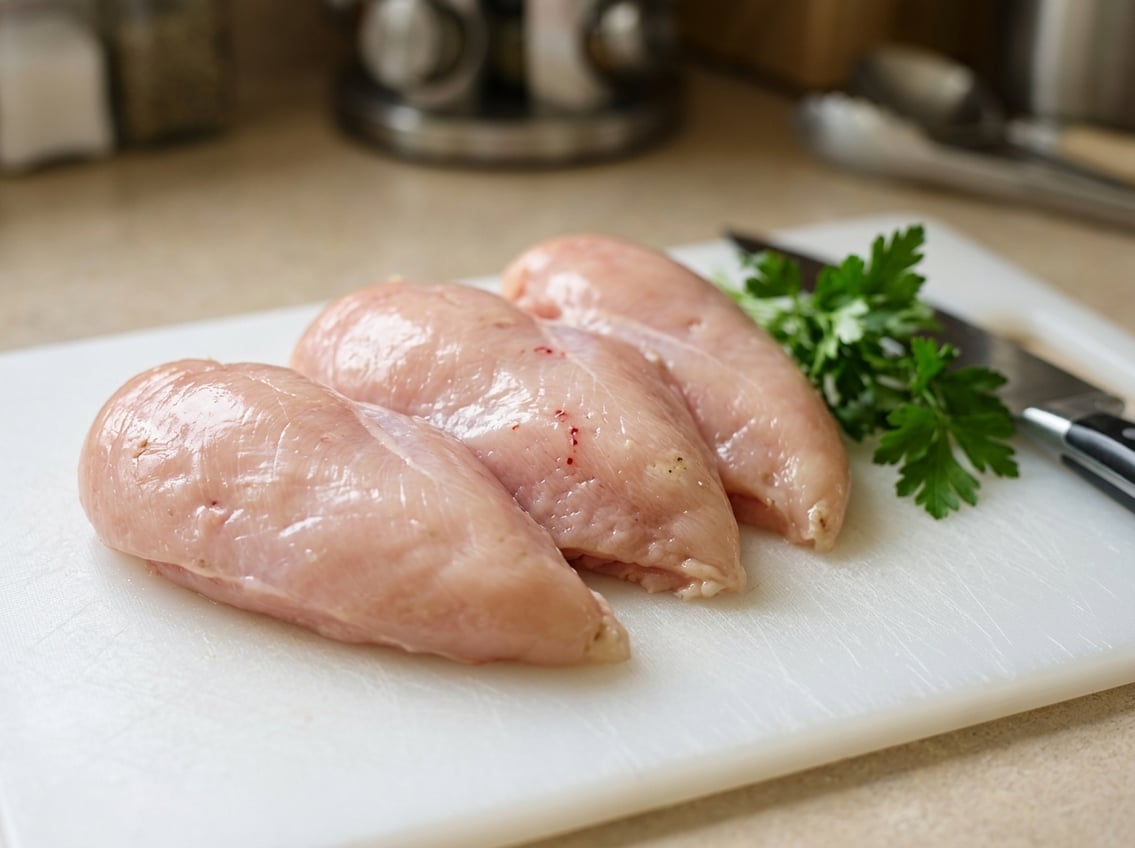
Judge chicken breast by temperature, not color. Properly cooked chicken can still look pink near the bone or in small spots.
Seeing blood in raw chicken can be normal. Pink chicken can also be normal when the meat is fully cooked.
The key is to know which signs are harmless and which signs point to undercooked chicken or spoilage.
When Red Spots in Chicken Breast Are Normal
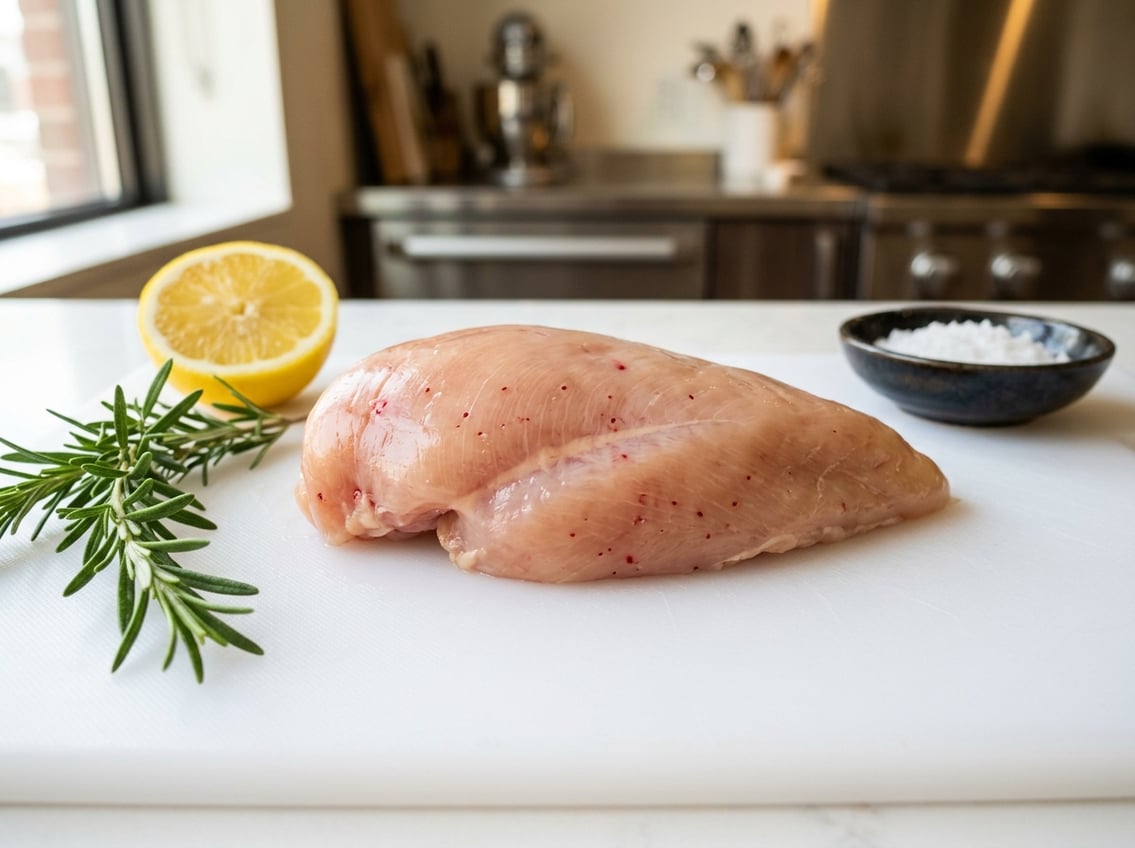
Small red spots on chicken breast often look worse than they are. Often the color comes from muscle pigment, bone marrow pigment, or tiny vessels left behind during processing.
What Looks Like Blood Is Often Muscle Pigment
Myoglobin, a natural protein in muscle tissue, often causes the red or pink tint you see in chicken. It can make meat appear red, pink, or dark even when the chicken is safe to eat, as explained in Chef’s Resource.
Blood in raw chicken is not always literal blood. A small red spot near the surface or close to the bone can be normal, especially in fresh poultry.
Why Chicken Breast Can Still Show Pink Tones
Chicken breast usually has less pigment than darker cuts, but it can still stay pink in some areas after cooking. Heat, thickness, and bone contact all affect how the color looks.
Young birds and freezing can also lead to red or pink areas that do not mean the meat is unsafe, according to Recipes Their. Color alone does not tell you whether the chicken is done.
How Bone Marrow Pigment Can Affect Nearby Meat
Bone-in chicken can show red or pink near the bone because pigment from marrow can spread into the nearby meat. This is more common in younger birds, where the bones are not fully hardened.
That tint can stay in place even after proper cooking. If the center has reached a safe temperature, the color near the bone may still look red.
How to Tell If It Is Safe to Eat
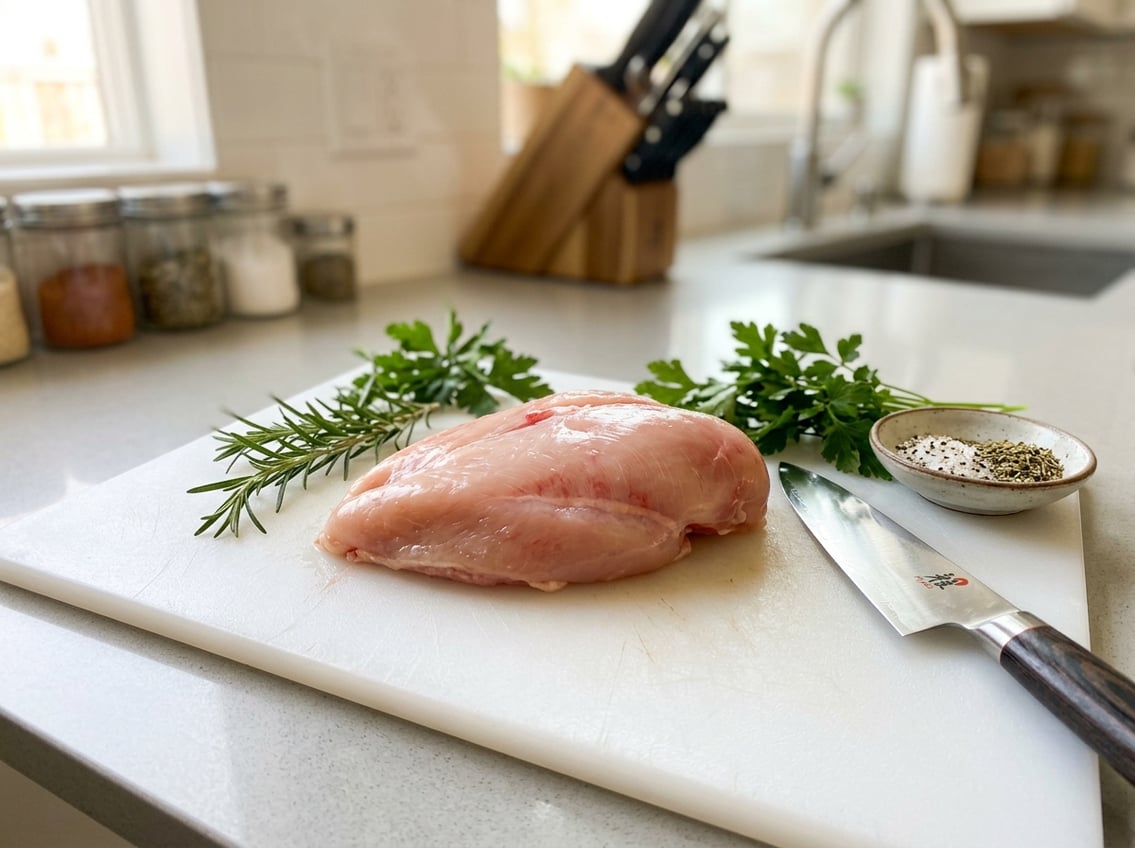
Heat and proper handling determine safety. Use a food thermometer and check texture and smell.
Why 165 Degrees Fahrenheit Matters Most
Chicken is safe when it reaches 165 degrees Fahrenheit in the thickest part. That temperature kills harmful bacteria, which is why it matters more than the final color of the meat.
The USDA’s Chicken From Farm to Table guide recommends cooking poultry to the right internal temperature, not judging by appearance alone.
Why Juices Run Clear Is Not a Reliable Test
Many cooks still look for juices that run clear, but that test can mislead you. Chicken can release slightly pink juices and still be fully cooked, especially near bones.
Color changes from myoglobin, fat, and bone marrow can make the liquid look red even when the meat is safe. A thermometer gives a much better answer than the “juices run clear” rule.
Signs That May Point to Undercooked Chicken
Undercooked chicken often feels soft and rubbery in the center. The middle may look glossy, feel cool, or tear in a wet, stringy way.
If the thickest part is still pink and the temperature is below 165 degrees Fahrenheit, keep cooking. If you are unsure, cut into the thickest area and check again with a thermometer after a few more minutes of heat.
What Raises Real Food Safety Concerns
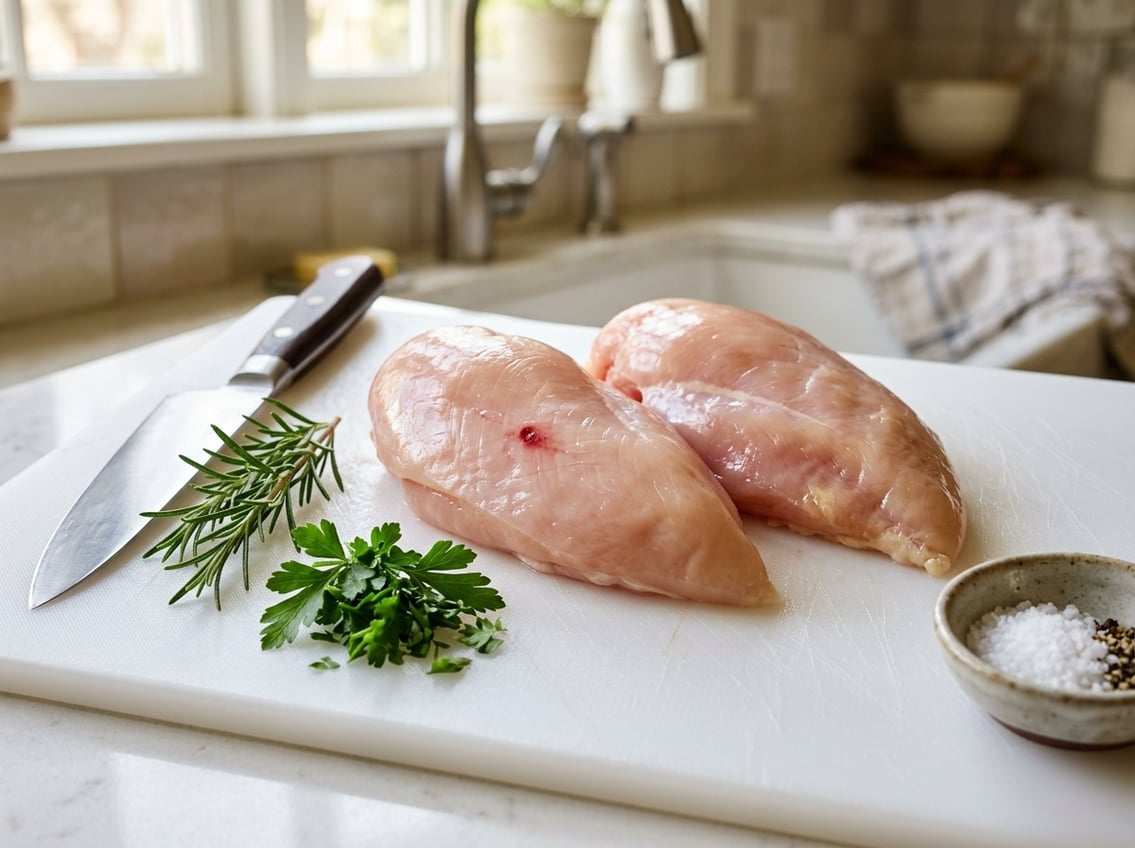
Not every red spot is a problem. Smell, texture, and doneness matter more than a small amount of blood in raw chicken.
Campylobacter and Other Poultry Risks
Raw and undercooked chicken can carry bacteria such as campylobacter. These germs can make you sick even if the meat looks normal.
Undercooked chicken is a real concern, while a small red streak by itself is not. Good cooking kills bacteria, and safe handling keeps them from spreading in your kitchen.
When Color Is Less Important Than Smell and Texture
Spoiled chicken usually smells sour, rotten, or unusually strong. The surface may feel slimy, sticky, or tacky.
A fresh package can still have blood in raw chicken and be safe to cook. If the smell or texture seems wrong, do not rely on color to reassure you.
What to Do If the Chicken Is Still Raw in the Center
If the center is still raw, return the chicken to heat right away. Keep cooking until the thickest part reaches 165 degrees Fahrenheit.
If you have already cut the chicken open, place it back in the pan or oven and let it finish cooking. Do not serve it until the middle is fully done and the texture is no longer translucent or slick.
Best Practices for Buying, Handling, and Cooking Chicken Breast
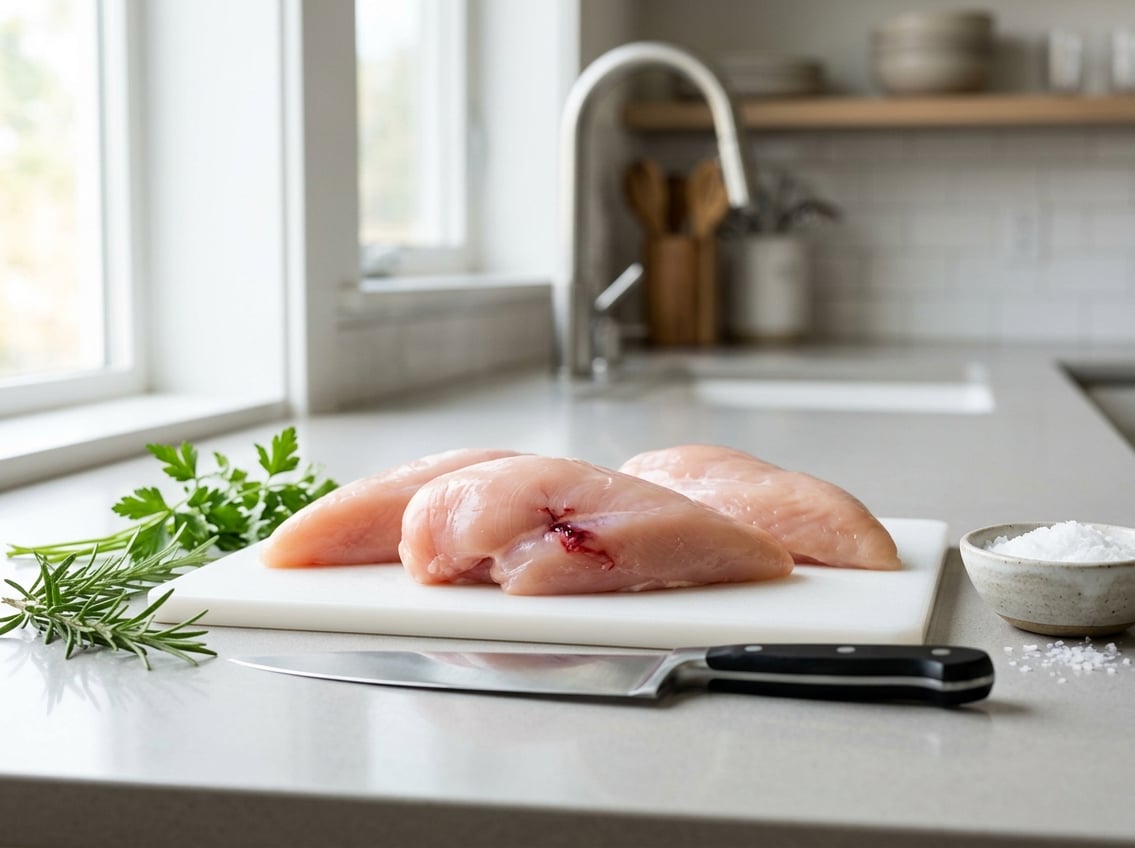
A few simple habits make chicken safer and easier to cook well. Good buying, careful handling, and accurate temperature checks all reduce confusion about blood in chicken.
What to Check Before Cooking
Choose chicken breast that is cold, properly sealed, and within date. Avoid packages with a strong odor, heavy leakage, or a slimy surface.
Thaw frozen chicken in the refrigerator or another safe method, then cook it soon after thawing. Clean handling prevents raw poultry from spreading bacteria onto hands, counters, and tools.
Where to Place a Thermometer in Breast Meat
Insert the thermometer into the thickest part of the breast. Make sure the tip is centered in the meat and not touching bone or the pan.
Bone can give a false reading, and the surface cooks faster than the center. A proper reading in the middle tells you whether the whole piece has reached 165 degrees Fahrenheit.
How to Cook Chicken Breast Thoroughly Without Drying It Out
Use even heat and avoid overcooking.
Pound the breast to a similar thickness. Cook at moderate oven heat.
Let the meat rest briefly after cooking to help it stay juicy.
Try baking, grilling, or pan-searing, then finish in the oven.
Cook it all the way through while keeping the center moist enough to eat comfortably.


