
Is There a Chicken Breast Shortage? What’s Happening
Is there a chicken breast shortage? In the U.S. market, you may see spot shortages, empty spots on shelves, and higher prices, yet that does not always mean a nationwide chicken shortage.
Usually, a mix of product-specific tightness, local supply issues, and price volatility drives these changes.
Boneless skinless chicken breast is still available more often than other cuts, while certain breast formats, especially bone-in items, can feel harder to find and cost more.
That difference matters because shoppers often read a temporary shelf gap as a broad supply collapse when the real issue may be uneven demand or processing limits.
Several forces can push chicken prices up at the same time. Feed costs, labor shortages, transport delays, and disruptions in the chicken supply chain all play a role.
Bird flu can also reduce flock numbers, which adds pressure in some periods, though it does not explain every change you see in stores.
What Shoppers Are Actually Seeing in Stores
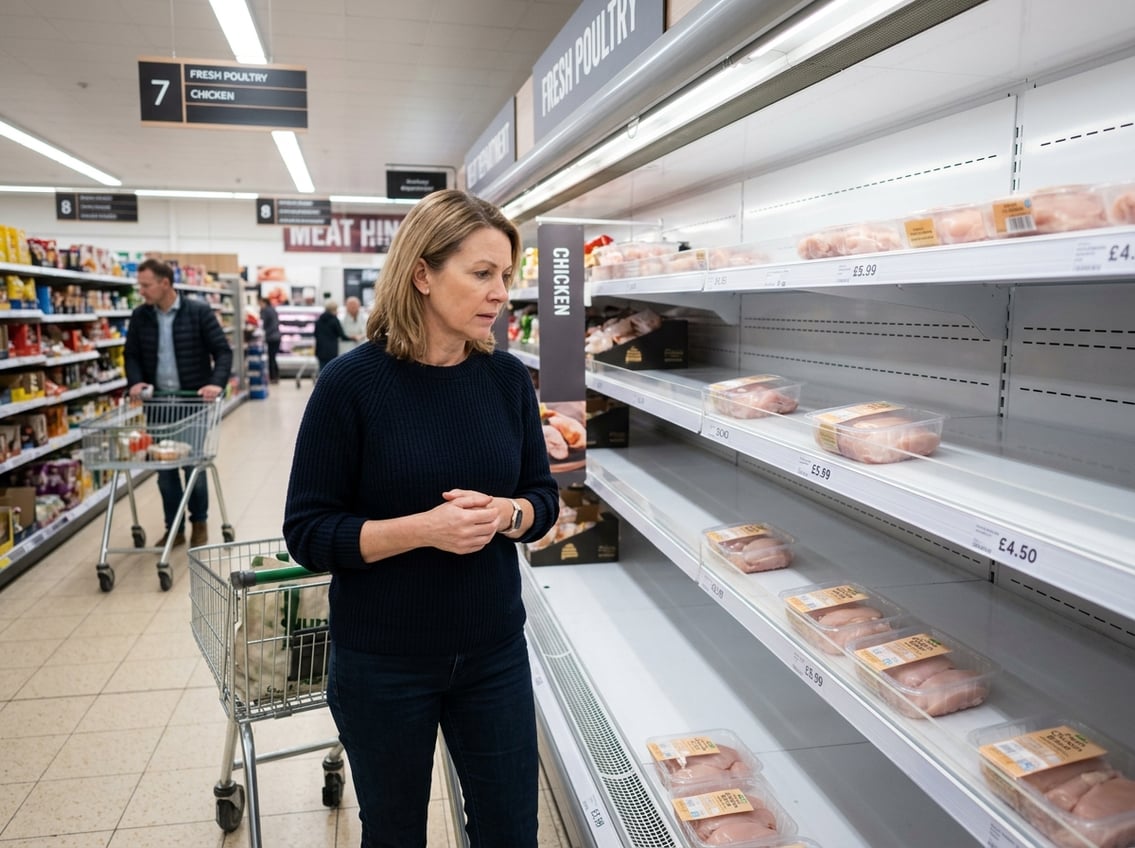
In stores, you may notice that some chicken breast packs are gone while other chicken items are still full.
That pattern is common during periods of price volatility, because retailers and processors do not run every cut in equal amounts.
Large brands such as Perdue Farms often keep core items moving through national retail channels, so boneless products can stay easier to find than niche or less popular cuts.
Local store traffic, weekly ad cycles, and regional distribution also shape what you see on the shelf.
Why Boneless Skinless Chicken Breast Is Usually Easier to Find
Boneless skinless chicken breast is one of the most common retail cuts, so producers usually keep production consistent.
It also fits meal planning for households, restaurants, and food service buyers.
Because demand is broad, processors and retailers tend to prioritize this cut.
That helps keep chicken availability steadier than for more specialized breast formats.
Why Bone-In Chicken Breast Can Feel Scarce
Bone-in chicken breast can feel harder to find because it is a smaller share of the market.
Stores often carry less of it, so a modest change in ordering can create a visible gap.
When a store sells through a smaller inventory quickly, the shelf can look empty even if chicken production is stable.
That is a display issue as much as a supply issue.
When a Shelf Gap Means Demand Shift, Not a Supply Collapse
A shelf gap can mean shoppers switched to chicken breast because beef or pork prices rose.
It can also mean a retailer under-ordered one cut while demand stayed normal or increased.
That kind of shift can create short-term local scarcity without a national chicken shortage.
A recent industry note on breast pricing points to strong demand for chicken breast in menu and retail use, which can tighten availability in some channels, as seen in industry market commentary.
What Is Driving Supply and Pricing Pressure
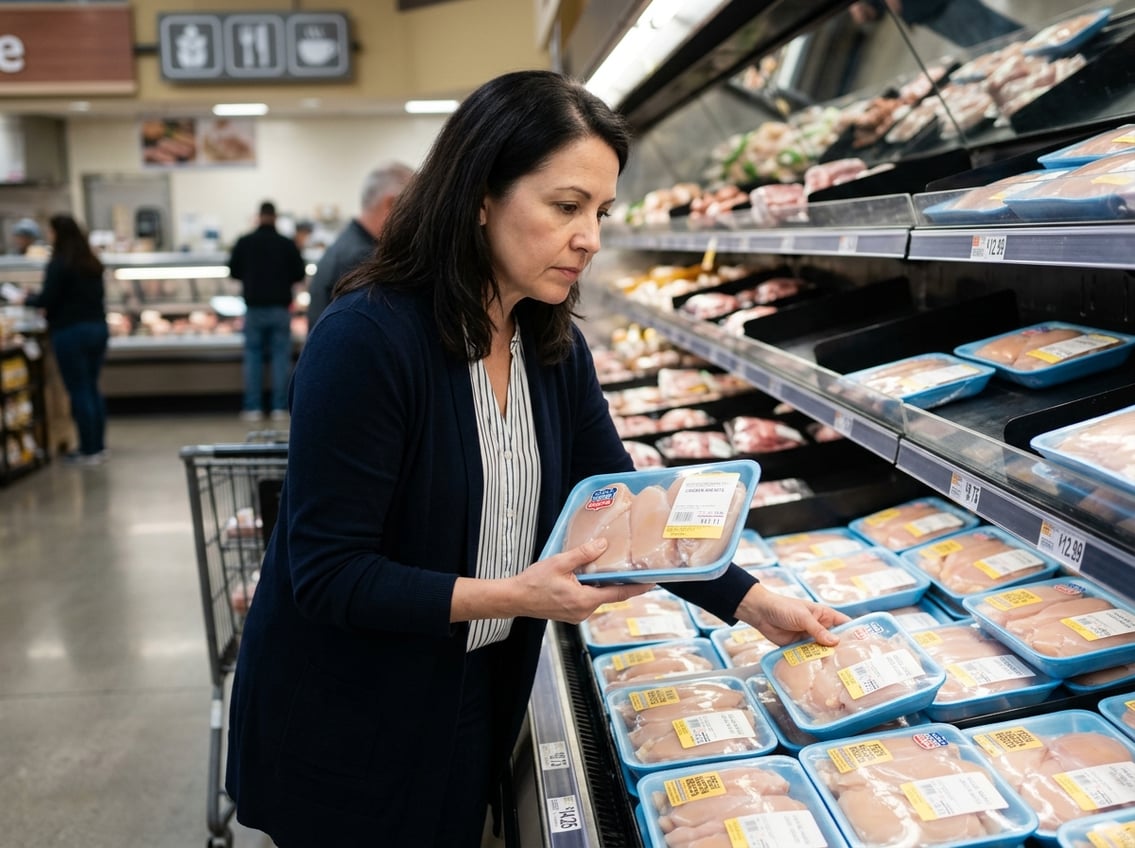
Feed, energy, labor, processing, and transport all shape chicken production and the chicken supply chain.
Each one can add pressure at the same time.
How Feed Costs and Energy Costs Raise Production Expenses
Feed is one of the biggest costs in chicken production.
When corn and soybean meal rise in price, producers pay more to raise the same bird.
Energy costs also matter because poultry houses, refrigeration, and transport all use fuel and electricity.
Higher operating costs often show up later as higher chicken prices in stores and restaurants.
How Labor Shortages and Processing Plants Affect Output
Labor shortages can slow processing plants even when farms have enough birds.
If a plant cannot debone, pack, or ship product fast enough, chicken supply tightens downstream.
That bottleneck can create uneven chicken availability by cut.
A plant might keep whole birds moving while packaged breast items lag behind.
How Supply Chain Disruptions and Trade Restrictions Tighten Supply
Transportation delays, warehouse issues, and shipping problems can all reduce the flow of product.
When trucks, cold storage, or packaging materials are in short supply, the whole chain feels it.
Trade restrictions can also affect certain inputs and export flows.
The poultry market is sensitive to these changes, which is why chicken prices can jump without a long-term shortage.
Where Bird Flu Fits Into the Picture
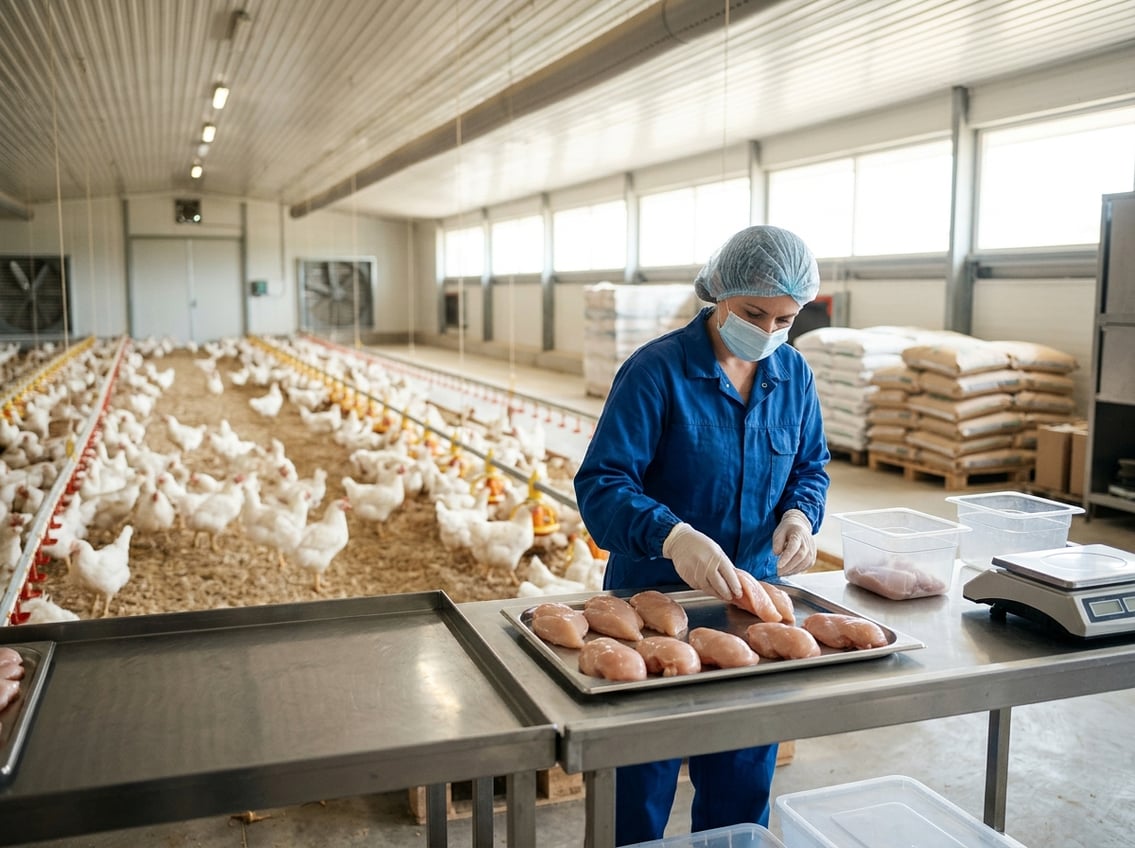
Bird flu can reduce bird numbers quickly and force producers to cull flocks.
It can also disrupt confidence in the market, even when the direct effect is limited to certain regions or types of poultry.
How Avian Influenza and Bird Flu Reduce Flock Numbers
Avian influenza, especially highly pathogenic avian influenza, can spread fast through poultry operations.
When it hits, producers may lose birds, pause movement, and disinfect facilities before restocking.
That lowers available supply in the short term.
It can also create temporary price spikes in chicken prices as buyers compete for fewer birds.
Why Highly Pathogenic Avian Influenza Does Not Explain Every Chicken Breast Shortage
Not every chicken breast shortage comes from bird flu.
Some tightness comes from demand shifts, plant slowdowns, or retailers carrying less inventory than usual.
A recent report on grocery shelf issues noted that some breast shortages were tied to market mix and product type, not a shortage of farm chickens, as described by CBS News Boston and Mashed.
That distinction matters because it changes how you read what is happening in stores.
How Biosecurity Helps Limit Future Disruptions
Biosecurity is one of the best tools for reducing bird flu risk.
It includes controlled access to barns, sanitation, equipment separation, and careful monitoring of flock health.
These steps do not remove every risk, yet they can limit spread and protect chicken production.
Strong biosecurity also helps stabilize chicken supply chain planning after an outbreak.
What This Means for Buyers and the Market Outlook
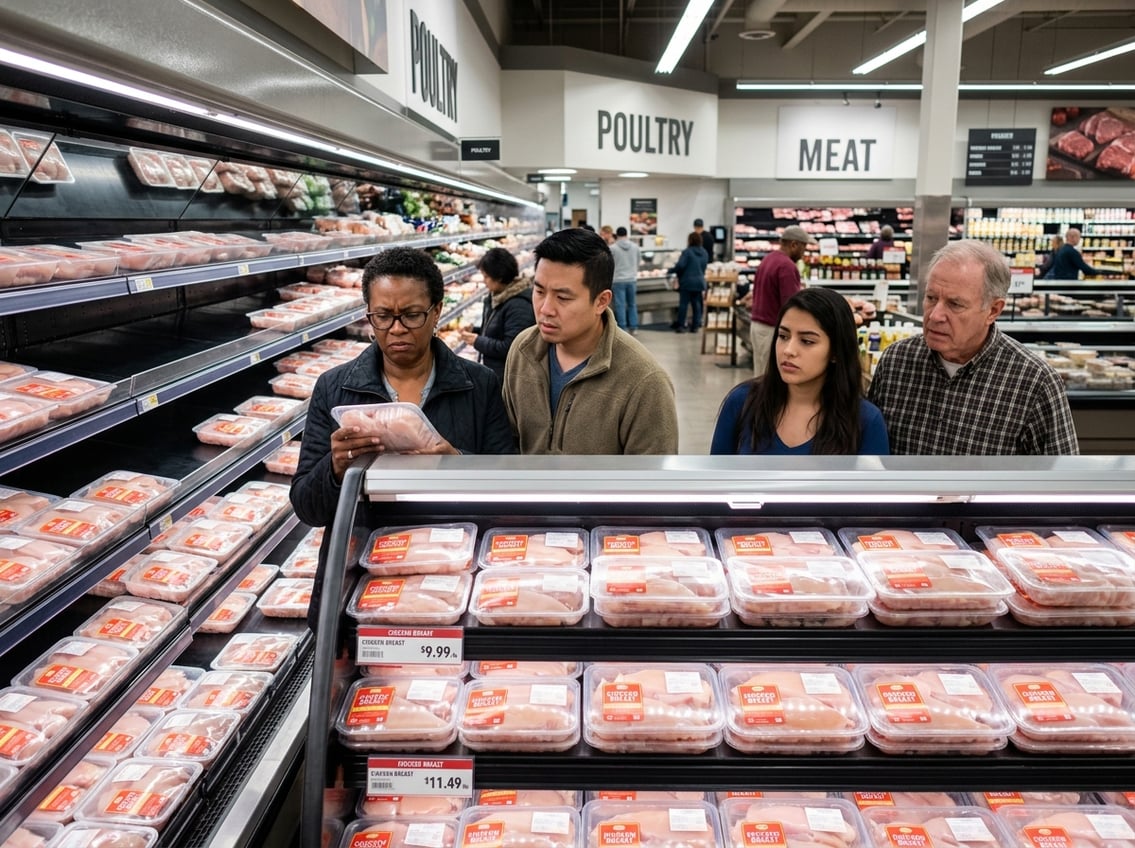
You should expect chicken availability to stay uneven by cut and region.
Prices may remain sensitive to feed, labor, and disease pressure, so price volatility can continue even when shelves look mostly normal.
What Consumers Can Expect on Availability and Prices
For most shoppers, chicken breast should remain available more often than not, with occasional gaps or higher prices.
The bigger risk is not a total shortage, it is a temporary mismatch between what stores stock and what buyers want.
If a favorite pack size is missing, a different cut or store brand may still be on hand.
In many cases, that points to retail ordering and demand shifts rather than a broad chicken shortage.
How Restaurants and Retailers Adjust Sourcing
Restaurants and retailers often switch suppliers, change portion sizes, or substitute similar cuts when breast supply tightens.
They may also promote items with better margins or steadier availability.
That flexibility helps them manage chicken prices and protect menu consistency.
You may see different cuts highlighted from one week to the next.
Why Alternative Protein Sources Gain Attention During Tight Supply
When chicken prices rise, shoppers and food buyers look harder at alternative protein sources.
Beef, pork, turkey, seafood, eggs, beans, tofu, and plant-based options can all fill part of the gap.
Alternative proteins do not replace chicken for every use.
They give buyers more room to manage cost and supply risk.
During periods of price volatility, that flexibility becomes more valuable.


