
What Is the Price of Chicken Breast? Current Cost Guide
What is the price of chicken breast in the U.S. right now? For most shoppers, the answer depends on cut, package size, and store type.
Conventional boneless chicken breast often lands in the middle of the range. Organic options usually cost more.
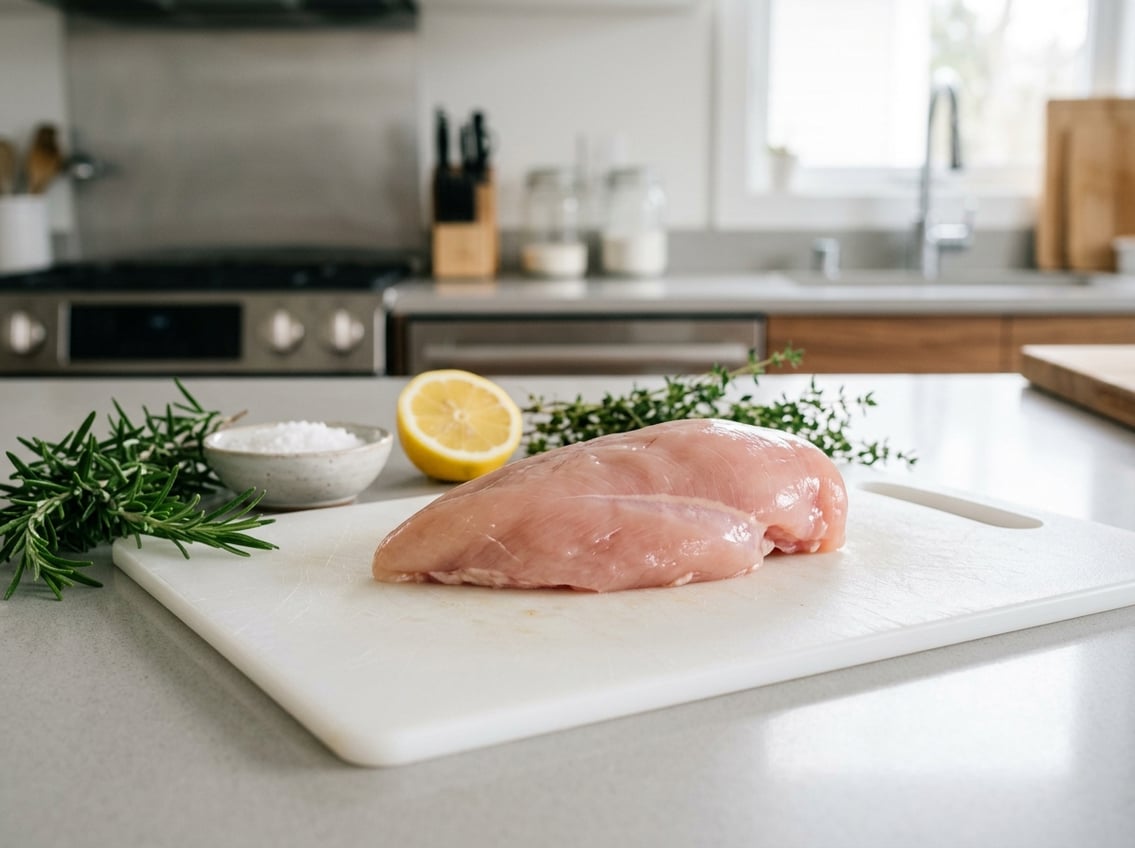
Fresh boneless chicken breast typically costs less than organic chicken breast. Bulk packs usually offer the best price per pound.
Prices change with grocery competition, supply costs, and seasonal demand. Compare the sticker price, the weight, and the type of package, not just the total amount on the shelf tag.
Current Price Ranges Shoppers Can Expect
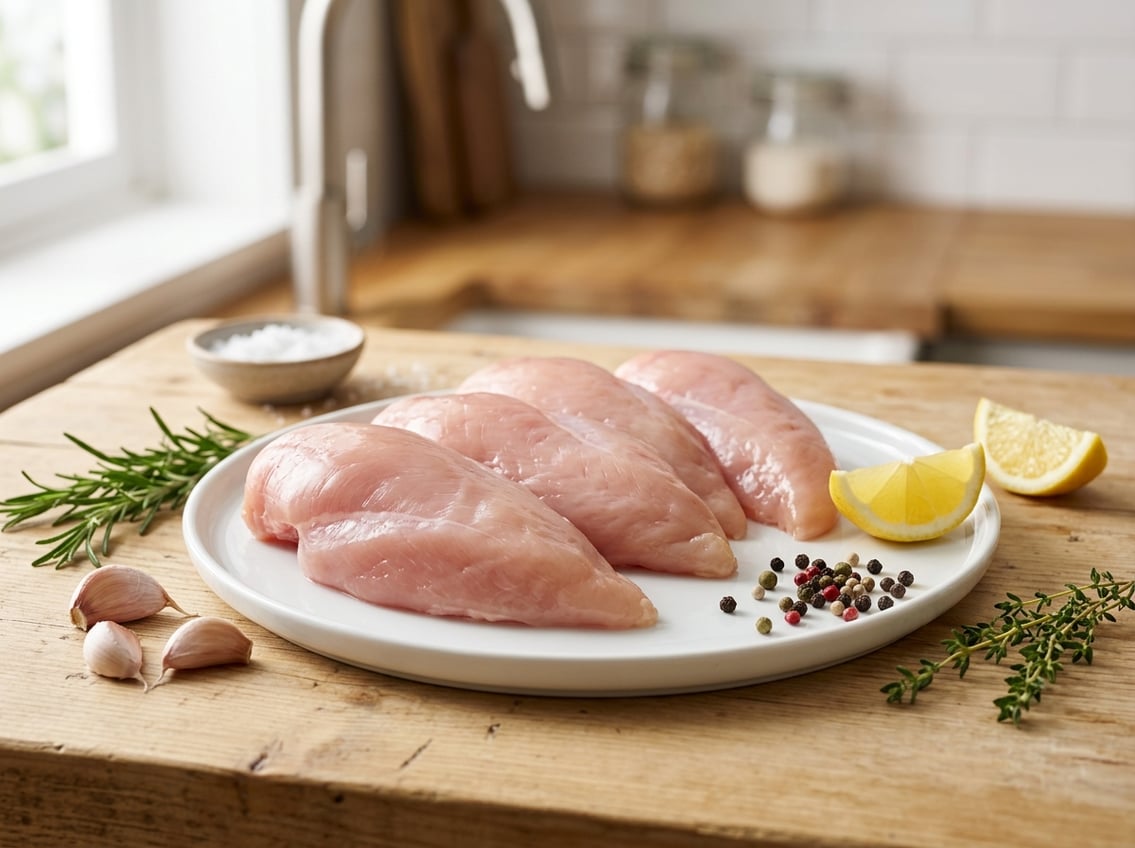
You can usually find chicken breasts in a wide range, especially when you compare conventional, fresh chicken, frozen packs, and organic labels. The biggest difference often comes from whether you buy a basic family pack or a smaller, pretrimmed package of boneless skinless chicken breast.
Typical Price Per Pound for Fresh and Frozen Options
For U.S. shoppers, conventional chicken breast often costs about $3 to $6 per pound. Organic chicken breast commonly ranges from $6 to $10 per pound, according to a 2026 pricing guide.
Frozen options can cost less if you buy larger bags or store brands. Fresh chicken usually costs a bit more when the package is smaller or trimmed for convenience.
The per-pound price matters more than the package total when comparing boneless chicken breast across stores.
How Value Packs Compare With Small Packages
Value packs of boneless skinless chicken breasts usually offer a lower price per pound than small trays. Stores move more volume in one package and spend less on packaging per pound.
Small packages may work better if you cook rarely or have limited freezer space. Larger packs usually give you better value.
National Average Benchmarks vs Store Shelf Prices
National benchmarks help you spot a fair range, but shelf prices can sit above or below that level based on region and store format. Local demand and shipping costs can make prices look high in one market and normal in another.
The U.S. grocery market changes over time. Compare shelf tags to current store promotions, not last month’s price.
If you track trends, a national grocery index like the USA TODAY grocery prices tracker can give you broader context.
How Cut, Quality, and Packaging Change the Cost
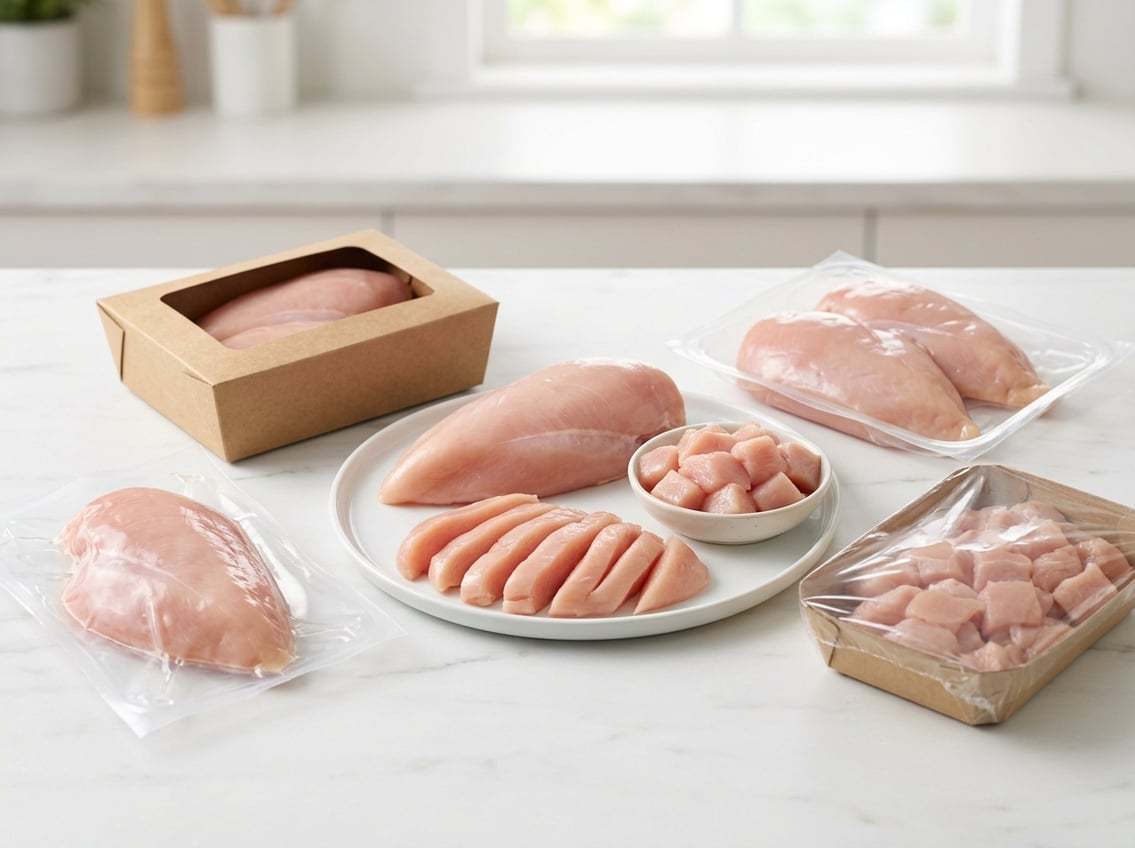
The same bird can produce different price tags once butchers trim, slice, or label it for convenience. You often pay more for labor, uniform shape, and extra packaging, even when the meat itself is similar.
Boneless Skinless Breasts vs Tenderloins and Thin-Sliced Cuts
Boneless skinless chicken breast is usually the baseline cut shoppers compare against. Chicken breast tenderloins and thin-sliced pieces often cost more per pound because they require extra processing and are ready to cook faster.
Whole boneless chicken breast is usually a better buy than pre-sliced strips or cutlets. If you want speed, the higher price may still be worth it for your kitchen routine.
Fresh, Frozen, and Organic Price Differences
Fresh chicken often looks and tastes more appealing to many shoppers, and the shelf price reflects that. Frozen chicken breast can be cheaper and easier to store, especially if you buy in larger amounts.
Organic chicken breast usually costs the most because production rules are stricter and feed costs are higher. As noted in a chicken breast cost guide, organic options often sit above conventional prices by a clear margin.
Why Convenience and Label Claims Raise the Price
Stores charge extra for claims like air-chilled, antibiotic-free, pre-marinated, or ready-to-cook. Some labels add real value for your schedule, while others mostly add marketing cost.
Packaging can raise the price too. Vacuum seals, smaller trays, and branded cartons often increase the shelf price even when the meat quality is similar to a simpler package.
Where Prices Differ by Store and Shopping Method
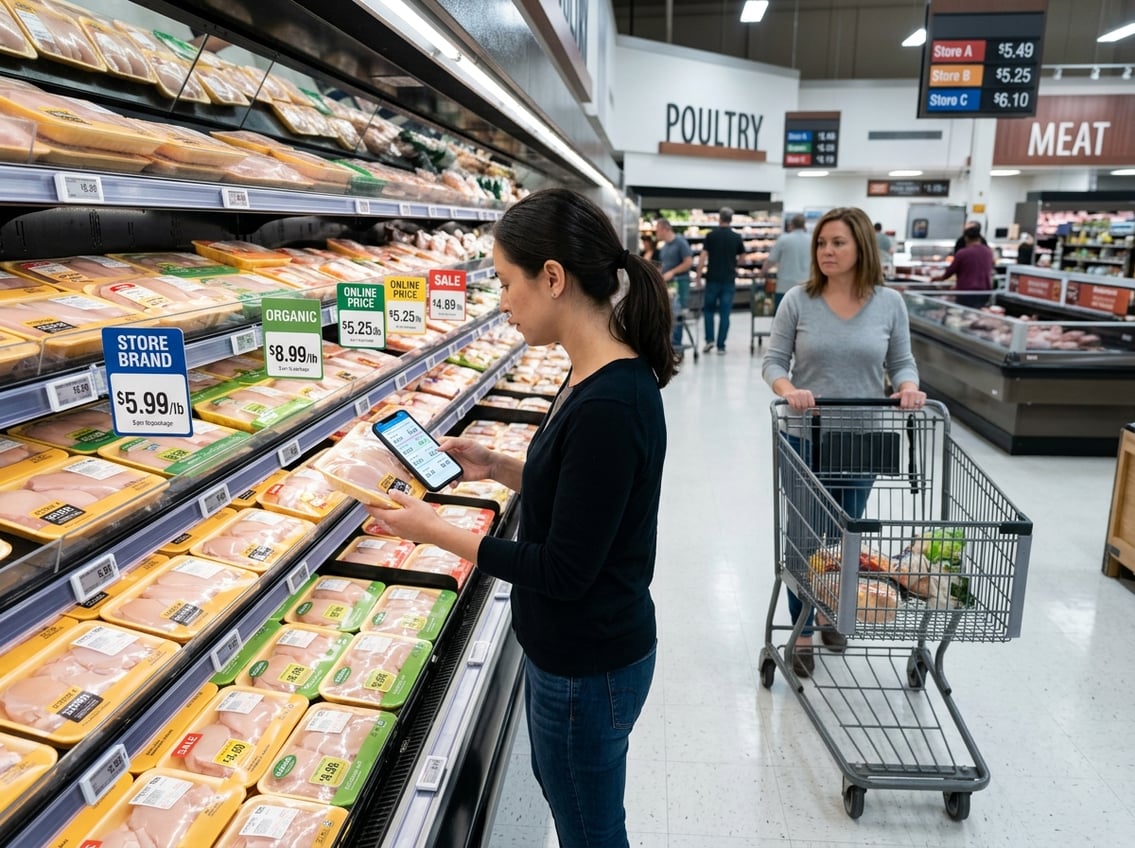
Store type can change your cost as much as cut selection. A warehouse club, big-box retailer, and neighborhood grocery often price chicken breasts differently, especially with sales and loyalty discounts.
Big-Box Retailers, Warehouse Clubs, and Traditional Grocery Stores
Big-box retailers often use chicken breast as a traffic item, so they may offer sharper prices on basic boneless chicken breast. Warehouse clubs often offer the best value per pound if you buy a larger pack.
Traditional grocery stores may charge more but run deeper weekly promotions. If you shop for convenience, the higher regular price may be partly offset by easier access and better package sizes for your household.
How Deals, Weekly Ads, and Bulk Buying Affect Value
Weekly ads can lower the price enough to beat normal shelf prices by a wide margin. The best time to buy chicken breasts is often when the store offers a short-term deal.
Bulk buying helps when you can freeze the extra meat safely. As one pricing guide notes, buying in bulk often reduces the per-pound cost.
What to Check Online for Pickup, Delivery, and Account-Based Savings
Online prices can differ from in-store shelf tags, especially for pickup and delivery orders. Before you check out, compare the listed weight, the per-pound price, and any service fees.
Some stores tie savings to your account, app, or membership. If you already use a loyalty program, that discount can change the real cost of chicken breasts more than the shelf tag does.
How to Tell if a Chicken Breast Price Is a Good Deal
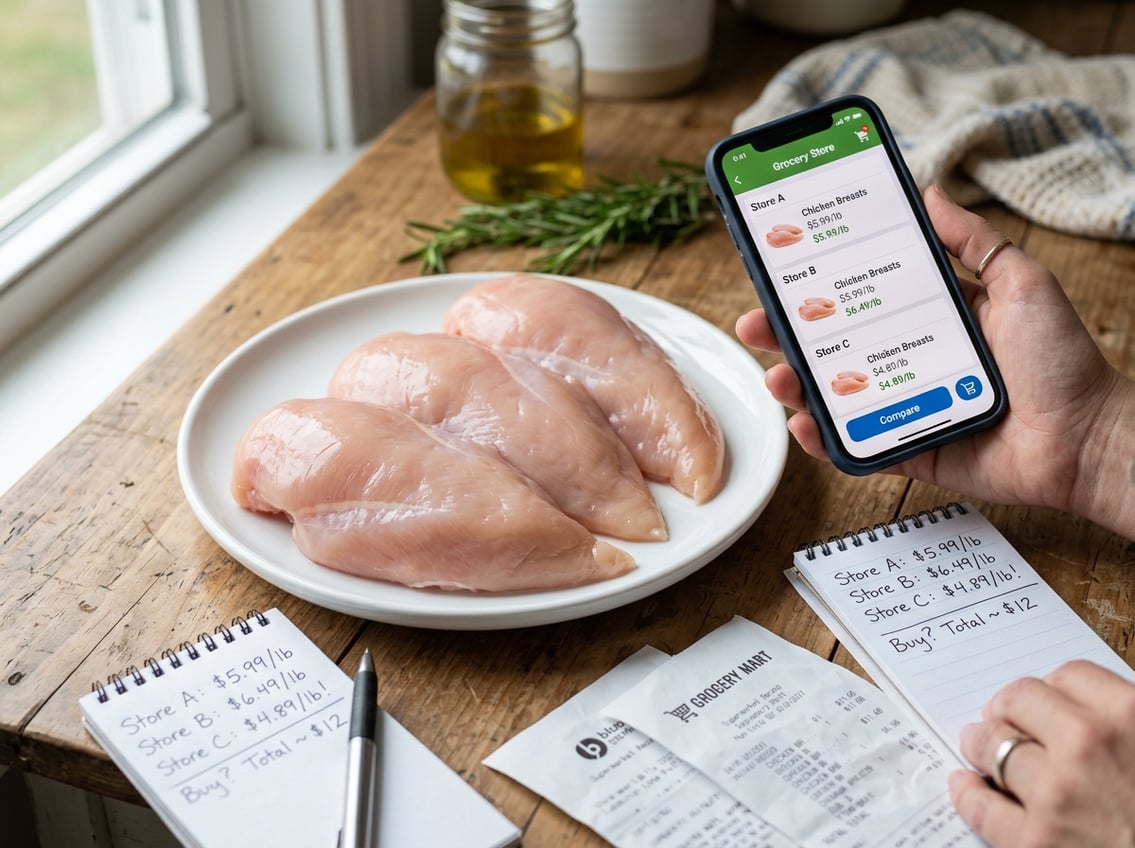
A good deal is not just the lowest number on the sign. Compare the cut, freshness, package size, and your own storage needs before you decide.
Simple Price Tiers for Budget, Average, and Premium Buys
A practical way to judge price is to sort chicken breast into three bands:
- Budget: near the low end of the normal range, often store brand or sale-priced fresh chicken
- Average: midrange conventional boneless skinless chicken breasts
- Premium: organic chicken breast, thin-sliced cuts, or specialty packs
These tiers help you compare stores without getting distracted by sale signs. If a package sits far above the usual range for its type, it is probably not a strong value.
When to Buy More and Freeze It
If you cook chicken often, buy a larger pack to save money. Split it into meal-size portions and freeze what you will not use right away.
This approach works best when your freezer space is good and you can use the meat within a safe storage window. For many households, that turns a short sale into a longer-term savings plan.
Red Flags That Make a Low Price Less Attractive
A low price loses its value if the package has very little meat, too much added solution, or poor trim.
Heavy liquid in the tray means you are paying for water weight, not just chicken breast.
Check the sell-by date and the total ounces.
A cheap price on a tiny package may cost more per pound than a larger package with a higher shelf tag.
A low sticker price matters less if you pay delivery fees, small-order fees, or extra travel costs.


