
What Is the Best Chicken Breast to Buy? A Clear Guide
If you are asking what is the best chicken breast to buy, choose one that looks fresh, feels firm, and fits how you plan to cook it.
In the U.S. market, organic or air-chilled chicken breast often gives you better flavor and texture when your budget allows. If you want value, pick a plain fresh or frozen breast with minimal added solution.
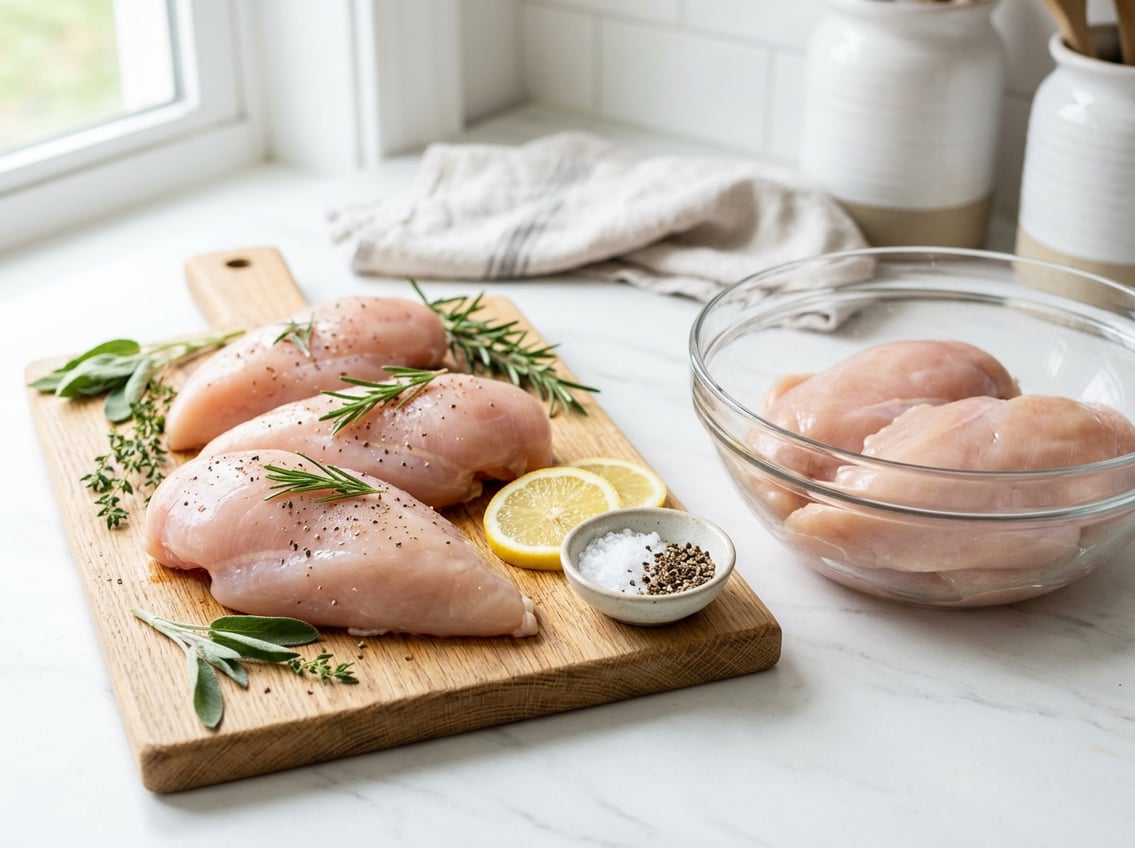
The best chicken breast is usually plump, pink, firm, and simply labeled. Organic or air-chilled options often give you a stronger starting point for flavor and texture.
You do not need the most expensive package to get good results.
Pick the right size, label, and cut for your recipe.
What Actually Makes a Chicken Breast Worth Buying
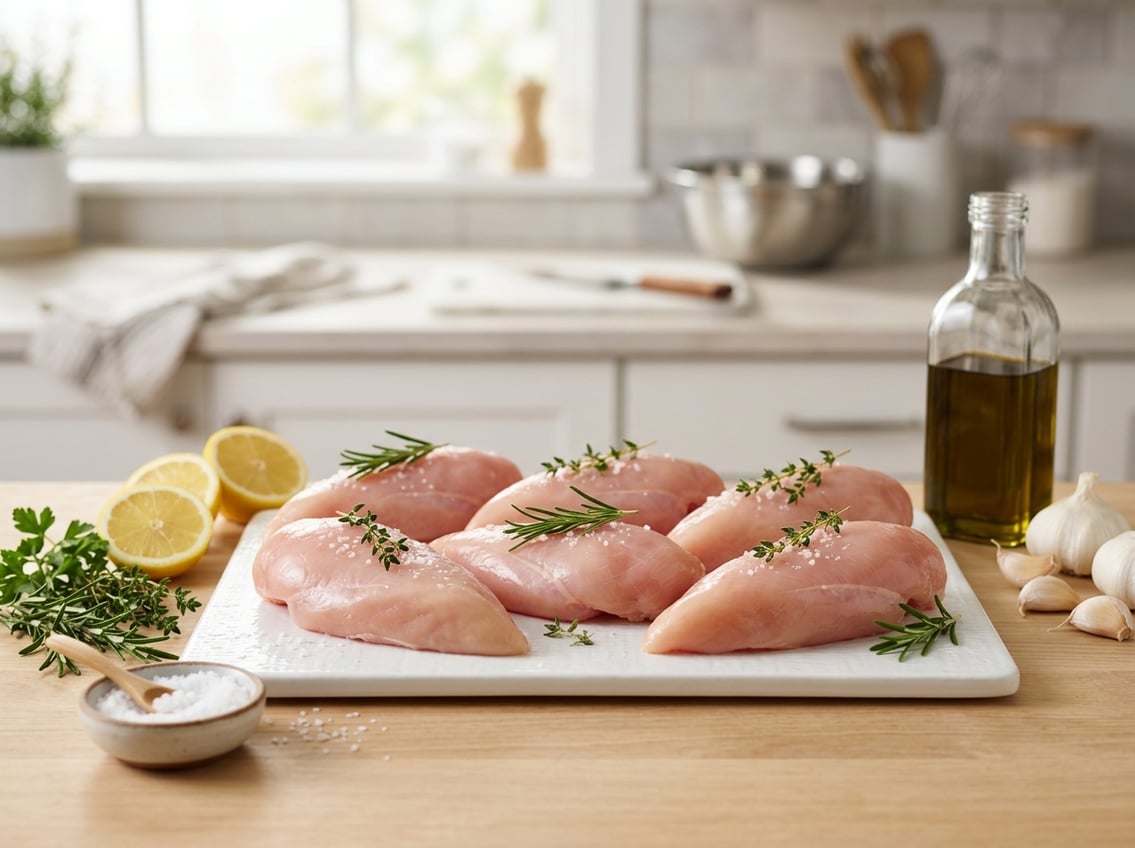
A good chicken breast looks clean, feels firm, and cooks evenly.
Labels matter, especially when you are choosing between organic, premium, or basic fresh chicken breast.
Prioritize Organic and Air-Chilled Labels First
Look for organic or air-chilled chicken if you want a strong starting point.
Organic chicken breasts come from birds raised to stricter standards, and air-chilled chicken keeps a cleaner texture because producers do not water-chill them like many conventional birds.
A label that says raised without antibiotics can also be a good sign, especially when you want fewer marketing claims and more focus on how the chicken was produced.
If you see organic chicken breast, it is often a reliable place to begin.
How Freshness, Texture, and Color Signal Quality
Fresh chicken breast should look pink, moist, and even in color.
It should feel firm, not slimy, and should not have a strong smell.
Look for chicken breasts that bounce back when pressed. That texture usually points to better handling and quality than a soft or sticky package.
Why Oversized or Water-Logged Breasts Are Red Flags
Very large chicken breasts can be a warning sign if they look unnaturally swollen or uneven.
They may cook poorly, with dry edges and a watery center.
Packages that seem heavy for their size may contain extra added moisture. That can affect flavor and texture, and it often means you are paying for water instead of meat.
If a premium chicken breast looks bloated or pale, keep looking.
How to Read Chicken Labels Without Getting Misled
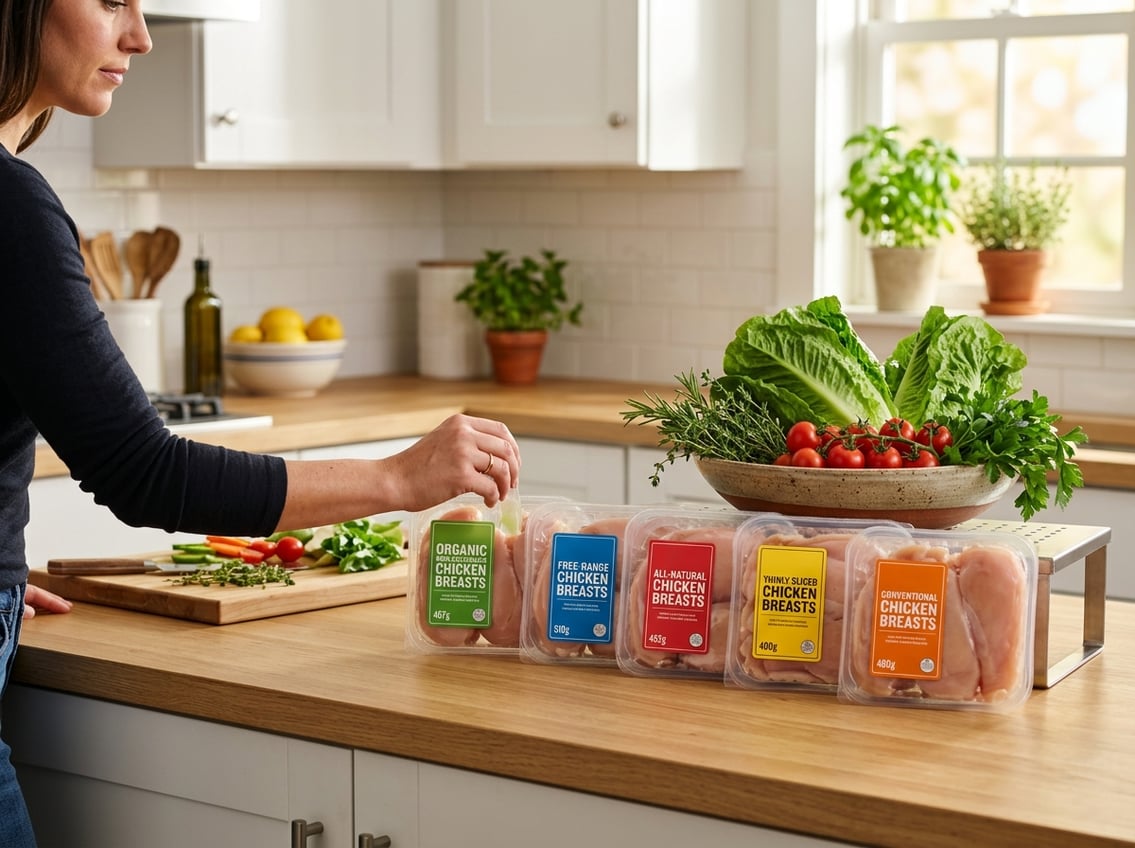
Chicken labels can help you shop well or confuse you quickly.
Some terms point to real differences in raising or handling, while others sound useful without saying much about the meat itself.
What Organic, Free-Range, and Certified Humane Really Mean
Organic chicken comes from birds raised under organic rules for feed and living conditions.
In the U.S., that label carries more weight than many vague package claims.
Free-range means the birds had access to the outdoors, though the details can vary.
Certified humane points to animal welfare standards, which can matter if that is part of your buying decision.
A label like organic chicken is often more useful if you want a clearer quality signal.
Why Hormone-Free and Natural Are Often Weak Signals
Hormone-free chicken sounds important, but hormones are not allowed in U.S. poultry production.
That makes the label less useful than it first appears.
Natural chicken is also a weak signal. It usually says more about processing than about taste, texture, or how the bird was raised.
If you are comparing natural chicken to a clearly labeled organic chicken, the organic label usually tells you more.
When Raised Without Antibiotics Matters More Than Marketing
Raised without antibiotics matters most when you want a cleaner production standard and a simpler label.
It is more meaningful than broad words like natural, and it can line up with better transparency from the brand.
Texture, freshness, and handling still matter more than slogan-like packaging.
Choose the Right Option for How You Cook
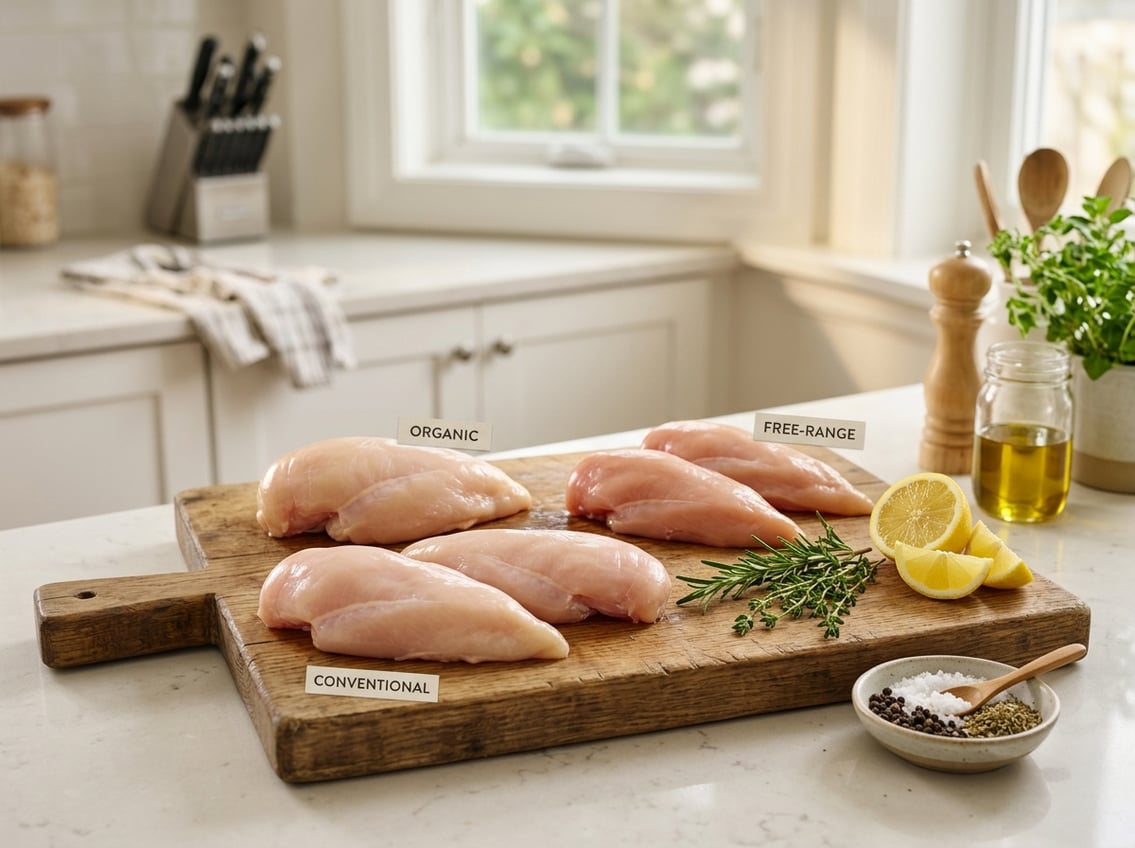
The best choice depends on whether you want speed, value, or flexibility.
Fresh chicken breast is not always the best pick, and frozen chicken breasts can be a smarter option in many kitchens.
Fresh vs Frozen for Everyday Convenience and Value
Fresh chicken breast works well when you plan to cook within a day or two.
It gives you a simple starting point for grilling, baking, or pan-searing.
Frozen chicken breasts are often better for stocking your kitchen. They can save money, reduce waste, and still work well if you thaw them safely.
For busy households, frozen chicken breasts can be the best mix of value and convenience.
When Bone-In, Whole Chicken, or Drumsticks Make More Sense
If you want more flavor, bone-in chicken can be a stronger choice than boneless chicken breast.
Whole chicken can also give you more meat for the money, especially if you use leftovers.
Drumsticks are often better for roasting or hands-on meals, and they usually stay juicy more easily than lean chicken breasts.
If your goal is cost control rather than convenience, whole chicken may be the smarter buy.
Best Times to Buy Rotisserie or Pre-Cooked Chicken Breast
Rotisserie chicken works well when you need dinner fast, even if it is not the best match for every recipe.
It can also stretch into salads, sandwiches, and soups.
Pre-cooked chicken breast works best when time matters more than raw prep.
It is a practical choice for lunches and quick dinners, as long as you check sodium and ingredient lists.
If you need a ready-to-eat protein, pre-cooked chicken breast can be worth buying.
Brands and Store Types That Often Offer Better Picks
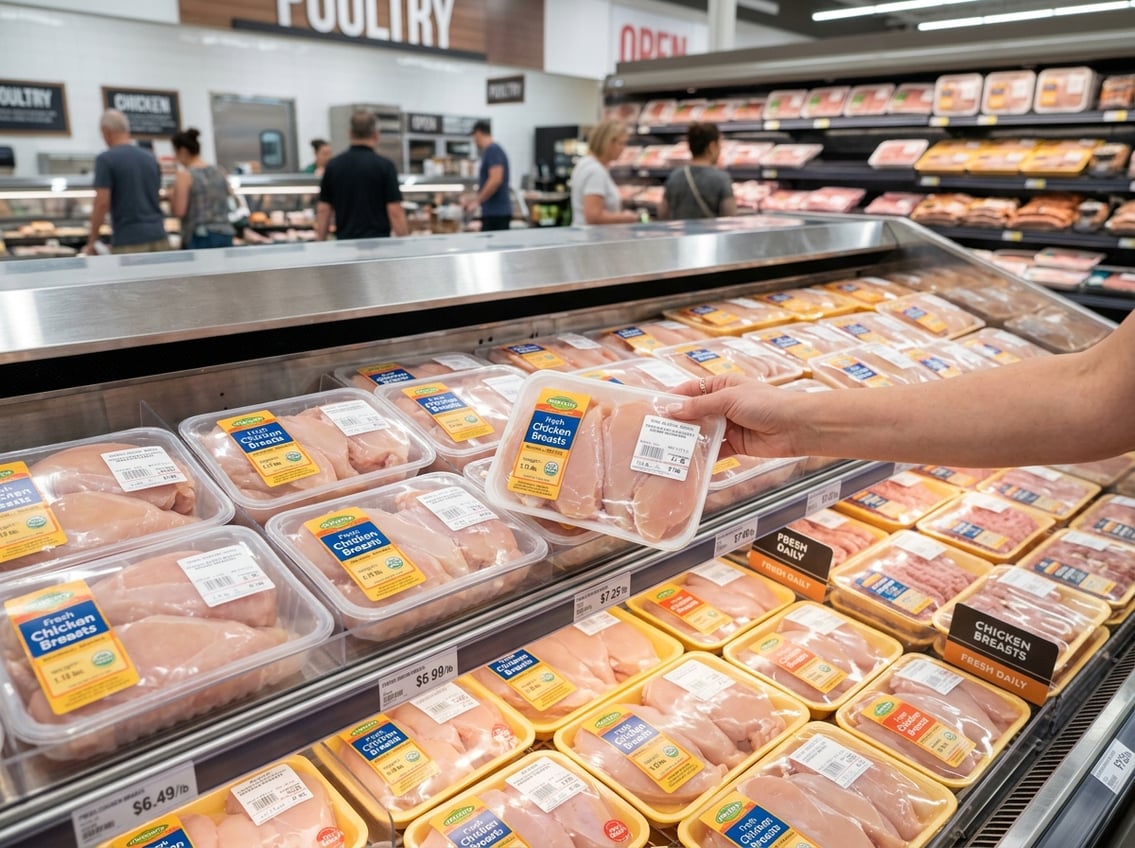
Brand choice matters less than freshness and handling.
Some names show up more often in quality discussions.
Store type matters too, since premium chicken breast options are usually easier to find in better-stocked meat departments.
Why Bell & Evans Is Frequently Recommended
Many shoppers recommend Bell & Evans chicken because the brand focuses on higher-end poultry and consistent quality.
They choose it when they want a premium chicken breast with a cleaner, more reliable texture.
Bell & Evans is a reasonable brand to compare when you want a stronger baseline for flavor and cooking performance.
If you see Bell & Evans in the case, it is worth a look.
Where Perdue Fits on Quality and Availability
You can find Perdue in many U.S. grocery stores, making it practical when you want dependable chicken breasts without hunting for specialty brands.
The quality can vary by line, so read the package carefully.
Some Perdue options focus more on value, while others are sold as organic chicken breast or better-traced products.
The brand is useful when you want easy access and decent selection.
What to Look for at Premium and Mainstream Grocery Stores
At premium stores, look for firm texture, tight packaging, and simple ingredient lists.
At mainstream stores, compare dates, color, package size, and check if the chicken looks watery.
If you want corn-fed chicken or a premium chicken breast, judge the actual package, not just the shelf tag.
A better store can make buying chicken easier, but the label and appearance still decide the final choice.
Chef-driven roundups often point to the same basic rule. Choose the bird that looks clean, feels firm, and has the least confusing label.


