
How Do Chicken Breasts Look Like? Visual Buying Guide
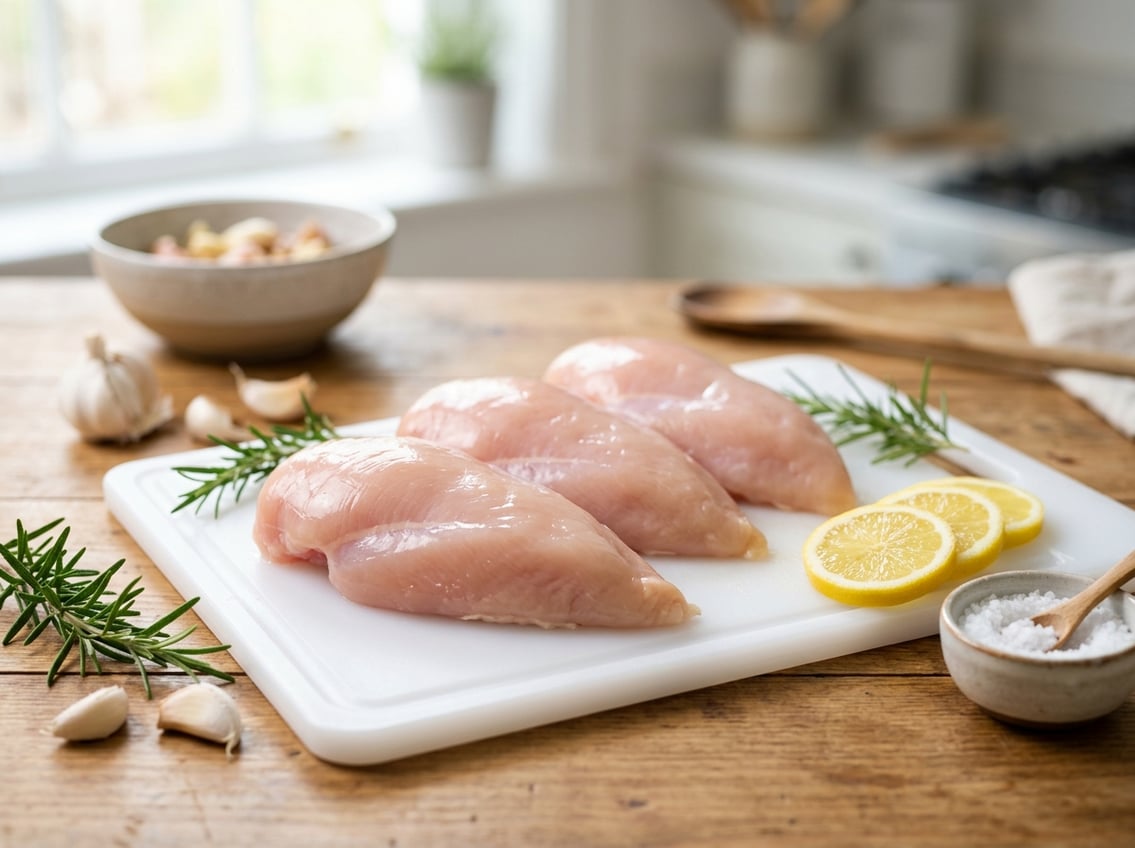
The phrase how do chicken breast look like usually refers to raw, fresh chicken breasts sold in the US. You should expect a pale pink to light pink color, a moist but not slimy surface, and a plump, oval shape that tapers at one end.
If you know the normal look of chicken breast, you can spot freshness, cut style, and signs of spoilage much faster at the store or at home.
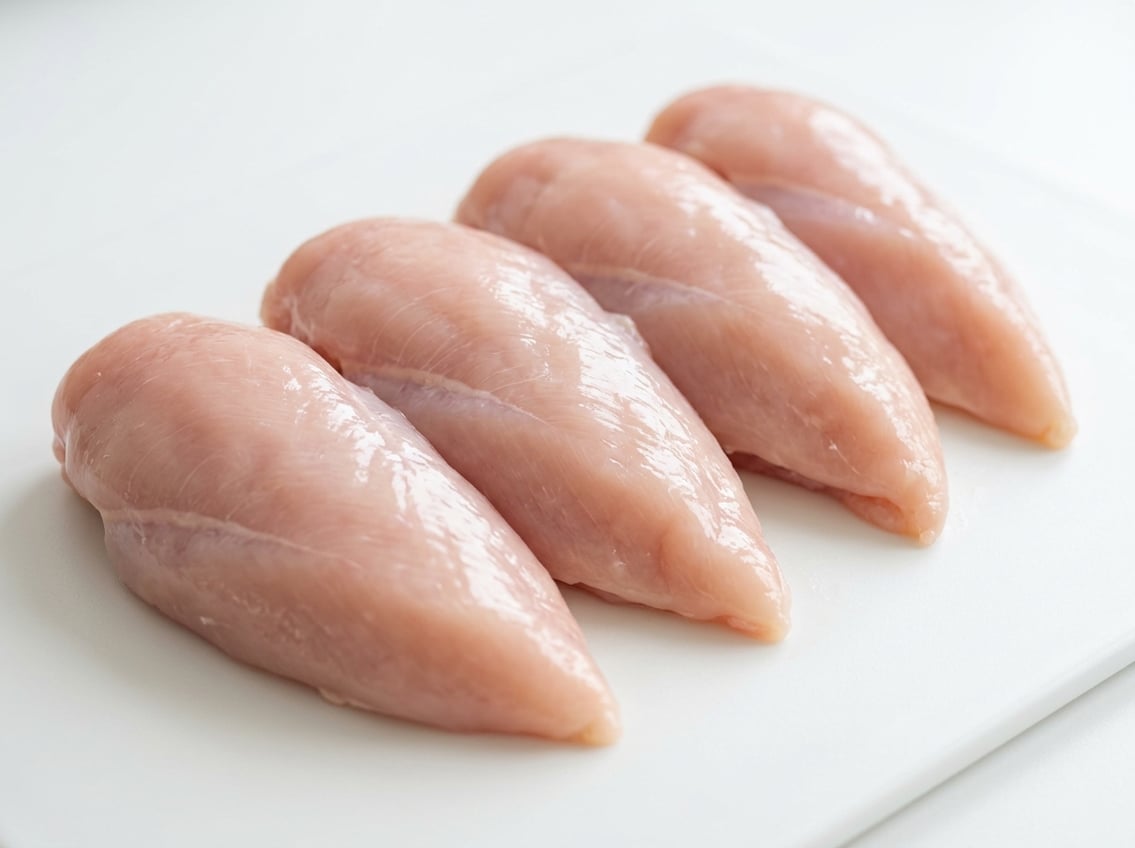
That visual check matters because chicken breast comes in different forms, from boneless skinless pieces to skin-on or bone-in cuts. A quick look helps you see if the meat matches your recipe, your budget, and your food safety needs.
What Fresh Chicken Breast Should Look For at First Glance
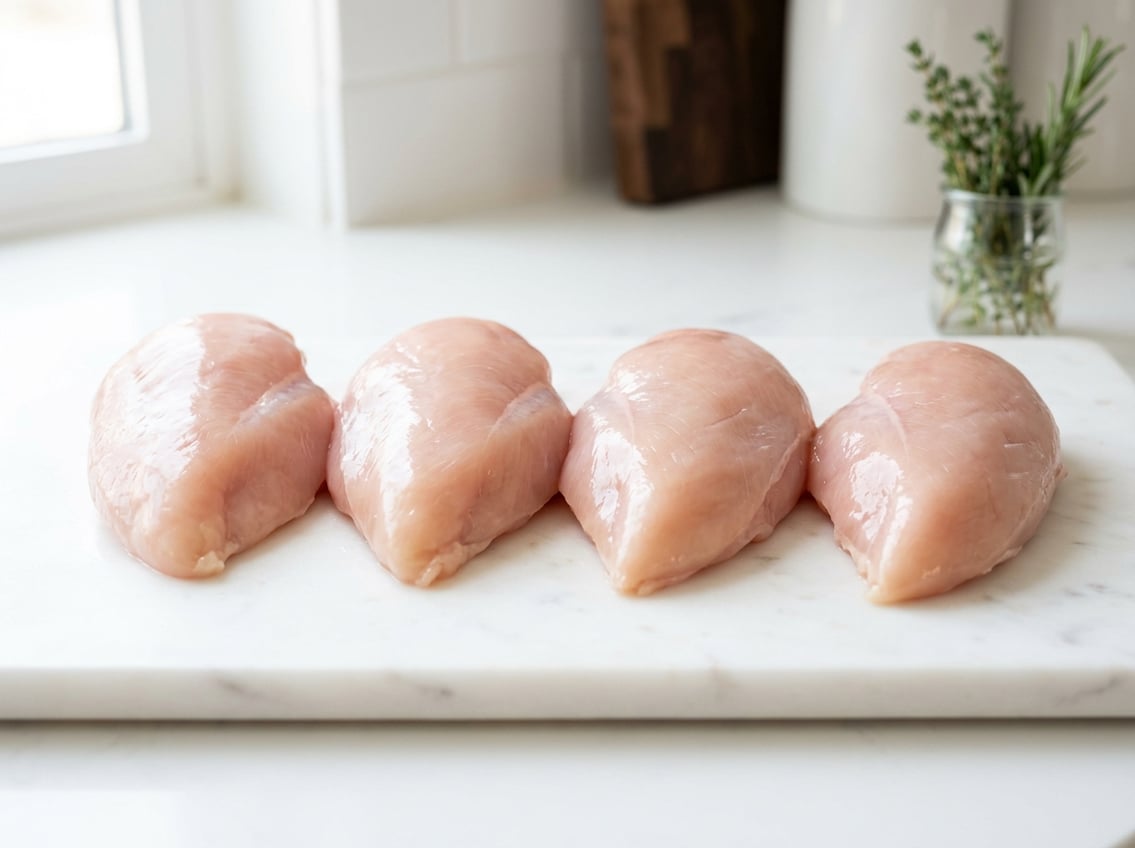
Fresh chicken breast looks clean, moist, and firm. The best pieces have a mild color, a smooth surface, and a shape that looks full rather than flattened.
Normal Color, Sheen, and Surface Texture
Fresh chicken breast is usually pale pink, light pink, or slightly peach-colored. Some areas may look a little lighter or darker because of natural variation, and that is normal.
The surface looks damp, not sticky or slimy. Packaged chicken breasts often have a slight sheen, especially boneless skinless chicken breast sold in trays or wrapped packs.
Size, Shape, and Thickness Differences
A raw chicken breast is usually large, oval-shaped, and wider at one end, then narrower at the tip. Chef’s Resource notes that it is typically plump and smooth.
In stores, one chicken breast may look much thicker than another. That is normal, since birds are not identical and some packages are trimmed more than others.
Signs of Spoilage to Avoid
Avoid chicken breasts that look gray, green, or dull brown in a way that seems off. A strong sour smell, sticky feel, or slimy coating can also point to spoilage, as noted in a fresh chicken checklist.
If the package is bloated, leaking heavily, or the liquid looks unusually cloudy, skip it. Fresh chicken should look moist, not wet in a messy or unpleasant way.
How Different Cuts Change the Appearance
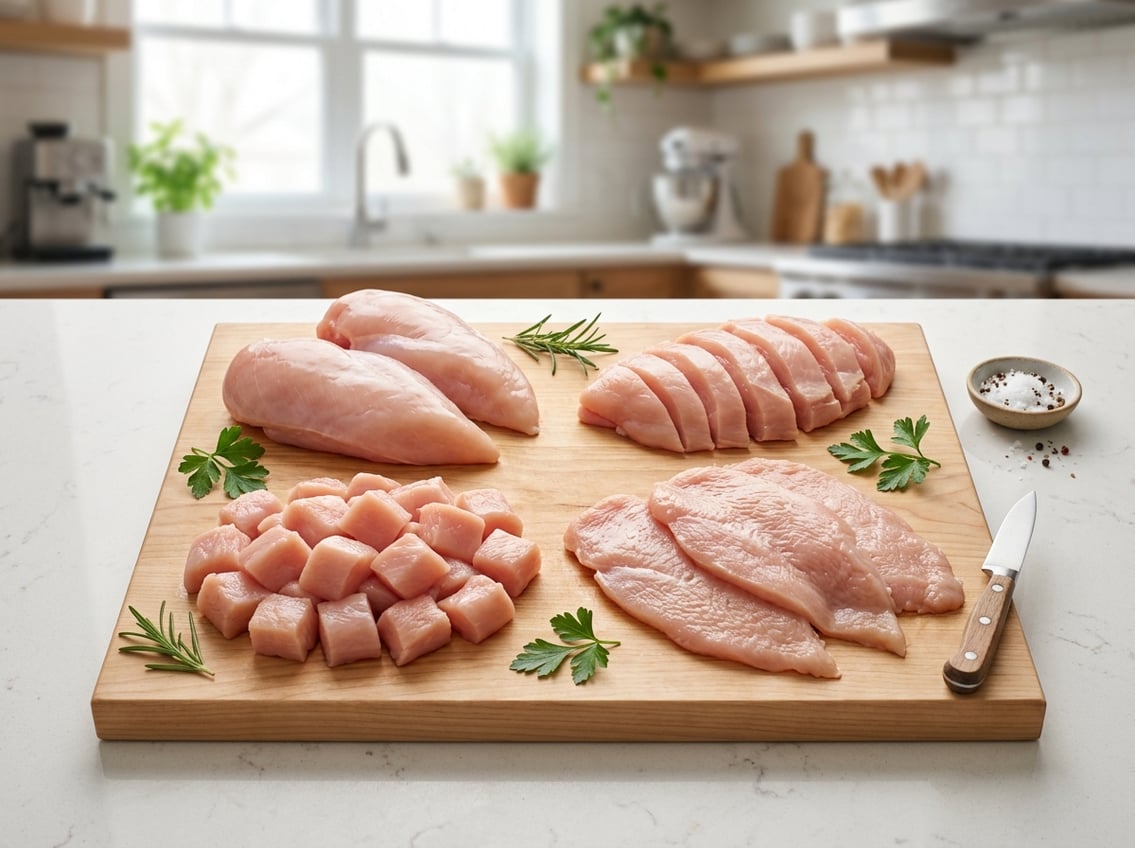
Chicken breasts can look different in the package depending on bone, skin, trimming, and labeling. The cut name gives you visual clues before you cook.
Boneless vs Bone-In Visual Differences
Boneless skinless chicken breast looks smooth, even, and easy to portion. It usually appears like a thick, flat oval with little extra surface detail.
Bone-in breast keeps the rib or breastbone attached, so you see a more uneven shape. The meat may sit higher on one side, and the bone can make the piece look larger even when the edible meat is similar.
Skinless vs Skin-On Presentation
Skinless chicken breast looks pale pink and clean, with no outer layer covering the meat. It is the most common style for everyday cooking in the US.
Skin-on chicken breast has a pale yellow or off-white skin layer on top. The skin may look smooth and slightly fatty, and it often gives the breast a more rounded appearance.
Trimmed Breasts, Tenderloins, and Package Labels
Trimmed chicken breasts usually look neater and more uniform, with less excess fat or loose edges. Tenderloins are smaller, narrow strips from the underside of the breast, so they look thinner and more finger-shaped than a full breast.
Package labels help you match the look to the cut name. If the label says “split breast,” “bone-in breast,” or “tenders,” the shape and size should fit that description.
How Chicken Breast Looks After Cooking
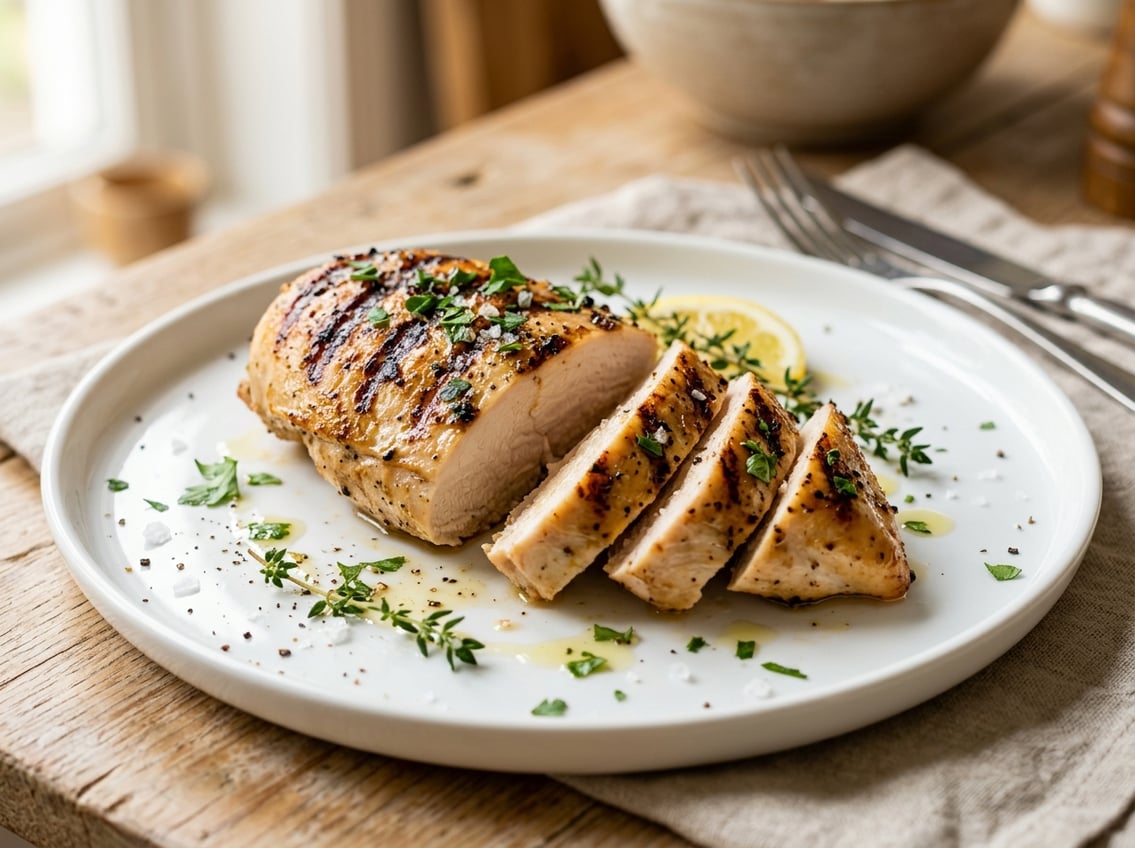
Cooking changes the color, texture, and firmness of chicken breast. The exact look depends on whether you roast, sear, grill, or bake it.
Visual Signs It Is Fully Cooked
A fully cooked chicken breast looks opaque all the way through, with no raw pink center. The outside may be white, light golden, or browned, depending on the method.
The meat should look firm and the juices should run clear or very pale. If the center still looks shiny and translucent, the chicken is likely undercooked.
Why a Meat Thermometer Matters More Than Color Alone
Color can help, but it may mislead you. Some chicken breast turns white before it reaches a safe temperature, while others stay slightly pink from seasoning, smoke, or bone contact.
A meat thermometer gives you a more reliable check. For chicken breast, the safe internal temperature is 165°F, which is the standard food safety target in the US.
How Roasting, Pan-Searing, and Grilling Affect Appearance
A roasted chicken breast usually looks evenly browned on the outside and pale white inside. Roasting gives you a drier surface and a more uniform color.
Pan-searing creates a darker crust with caramelized spots. Grilling leaves visible char lines and a deeper brown surface, while the inside should still look opaque and juicy.
How to Choose Chicken Breast for Meals and Nutrition Goals
Your best choice depends on portion size, cooking method, and nutrition goals. Chicken breast is a common lean protein, so the look you choose should match how you plan to use it.
What Lean Protein Looks Like in Practical Portions
For lean meals, look for chicken breast that is mostly pink meat with little visible fat. A smaller, evenly shaped breast can be easier to portion and cook evenly.
If you want a simple visual guide, the piece should look firm, not overly fatty, and free of large skin areas when you want a lower-fat option.
Best Appearance for Everyday Meals and Meal Prep
For meal prep, choose breasts that are similar in size and thickness. That helps them cook at the same speed and look consistent on the plate.
If one end is much thicker, you may need to pound it flat or slice it before cooking. Even thickness is one reason fresh, boneless, and skinless breasts are so common in weeknight cooking.
Examples Like Chicken Marsala and Roasted Dinners
Thinner breasts or cutlets often work best for dishes like chicken marsala because they cook quickly and stay tender.
A smooth, even surface helps the sauce coat the meat well.
For a roast dinner, a plump breast with good shape looks better on the plate after cooking.
If you want a neat presentation, choose chicken breast that is full, evenly trimmed, and close in size across the package.


