
What Does It Mean When Chicken Breast Is Slimy? Safety Signs
When you ask what does it mean when chicken breast is slimy, you often find that it points to spoilage, excess surface moisture, or bacterial growth. Fresh raw chicken can feel moist, but it should not feel thick, sticky, or slick in a way that leaves a film on your fingers.
If your chicken breast feels slimy and also smells off, looks discolored, or has been stored too long, you should throw it out. A slimy surface serves as one of the clearest warning signs before cooking.
How to Tell Whether It Is Normal or Spoiled
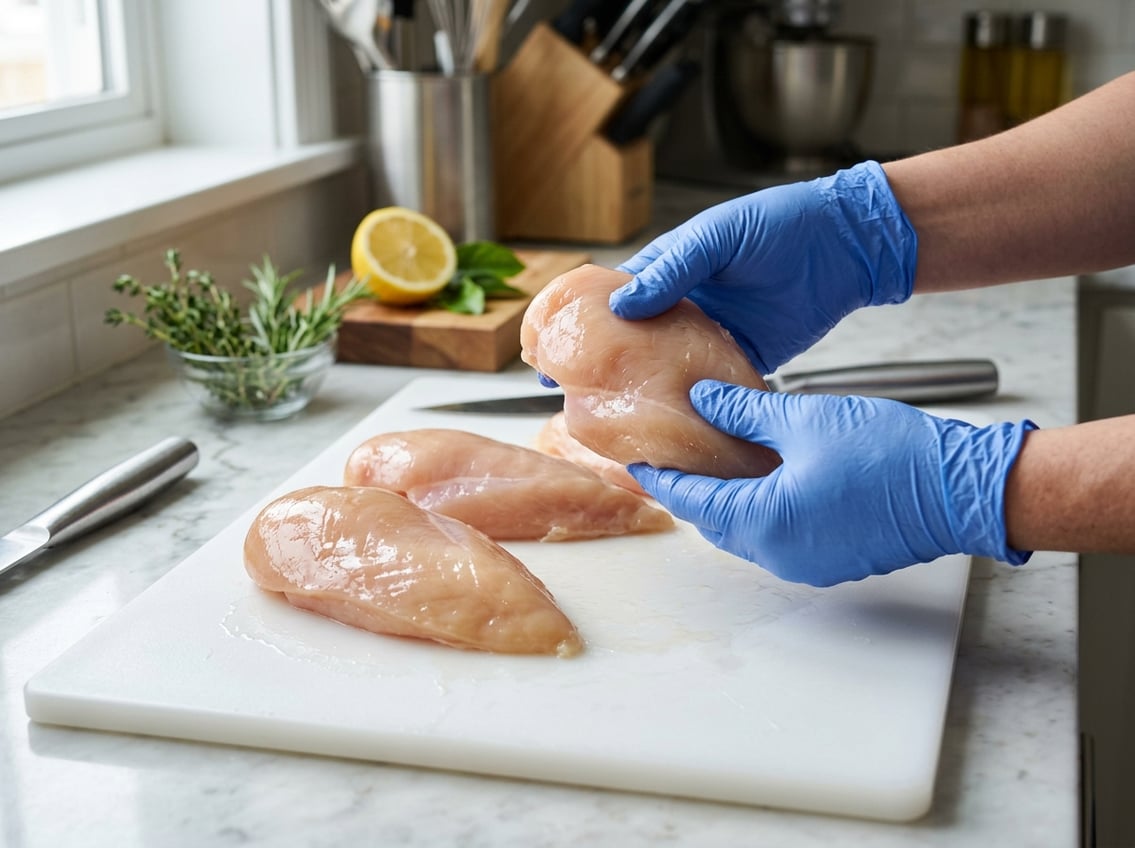
A little moisture on raw chicken is normal, especially right after opening packaging. The real clue is the feel: fresh meat feels firm and damp, not slippery or tacky.
You can use smell, color, and storage time to judge whether the slime is a normal packaging effect or a spoilage warning.
What Fresh Chicken Texture Should Feel Like
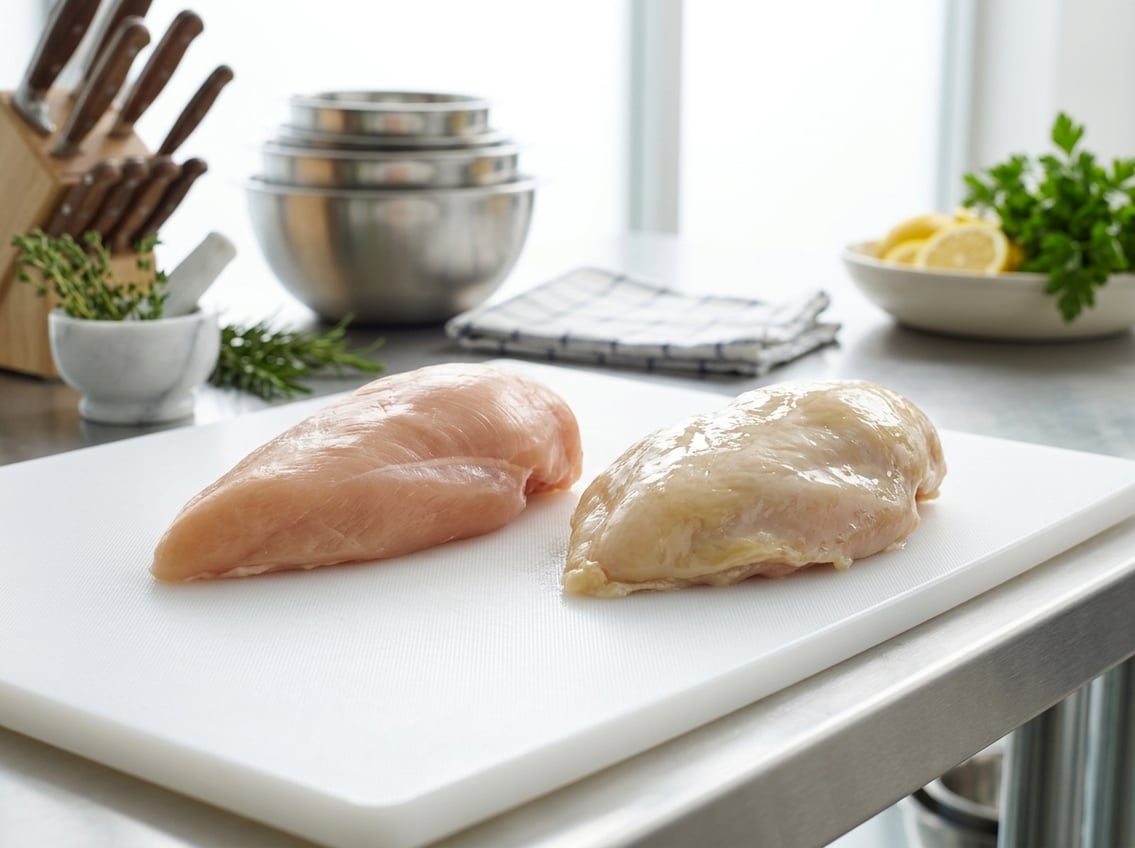
Fresh raw chicken usually feels moist, smooth, and firm. It should not leave a sticky residue or feel like it has a film over it.
If the surface is only slightly damp from packaging liquid, that can be normal. If the chicken texture feels slippery, sticky, or gummy, treat that as a warning sign.
Warning Signs Beyond a Slippery Surface
A bad smell is a major red flag. Fresh chicken has a mild odor, but spoiled chicken may smell sour, rotten, or ammonia-like.
Look at the color too. Gray, greenish, or yellow patches, plus a dull appearance, can point to spoilage.
When Slimy Chicken With No Smell Is Still a Red Flag
A lack of odor does not make slimy chicken safe. Some bacteria do not create a strong smell early on, so the surface texture can be the first warning you notice.
If the chicken feels slick or sticky and has been in the fridge for too long, you should discard it even if it does not smell bad yet.
Why Chicken Breast Gets Slimy
Sliminess can come from normal surface moisture, protein changes, or bacterial growth. It can also happen when chicken sits too long, warms up during storage, or gets contaminated by other foods.
The causes often overlap, so you should look at the full picture instead of texture alone.
Natural Surface Proteins and Packaging Moisture
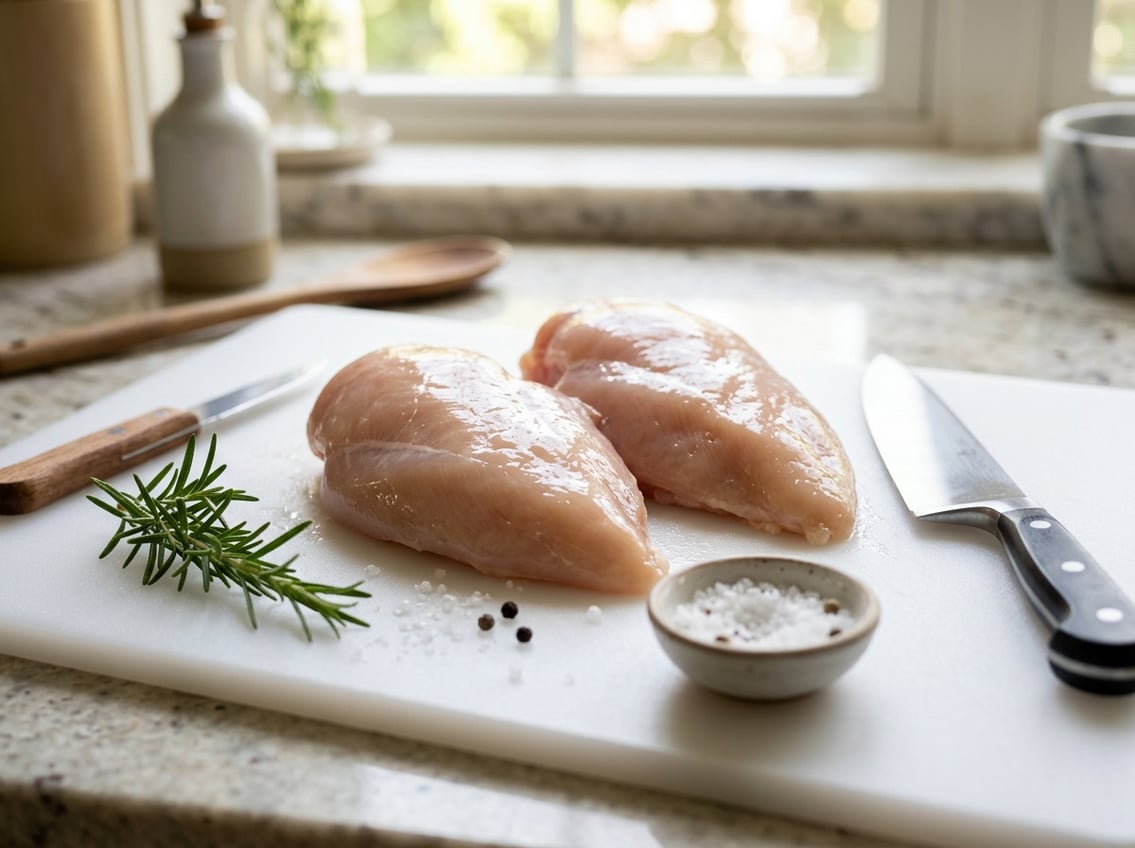
Raw chicken naturally releases moisture, and that liquid can mix with surface proteins to create a thin film. Vacuum sealing and tight packaging can make that film feel more noticeable when you open the package.
This kind of moisture may make chicken feel damp, but it should not feel thick or sticky. If the slime feels obvious, it may be from spoilage instead of normal packaging liquid.
Bacterial Growth and Biofilm Formation
Bacteria grow faster when chicken sits in the temperature danger zone or gets handled poorly. As bacteria multiply, they create a slick layer on the meat’s surface.
That layer can be part of a biofilm, which is a coating formed by microbes.
Improper Storage, Time, and Cross-Contamination
Chicken that sits too long in the fridge can break down and turn slimy even if it was fresh when bought. You should keep raw chicken cold, use it quickly, and store it away from ready-to-eat foods.
Cross-contamination from hands, cutting boards, or leaking packages can add bacteria. That extra contamination can speed up spoilage, especially when refrigeration is not consistent.
What to Know After Thawing Frozen Chicken
A thawed chicken breast can sometimes feel a little softer or wetter than fresh chicken. That does not always mean it is spoiled, but a sticky, slick, or foul-smelling surface is still a problem.
When you see chicken slimy after defrosting, check smell, color, and how it was thawed.
Why Chicken Can Feel Slimy After Defrosting
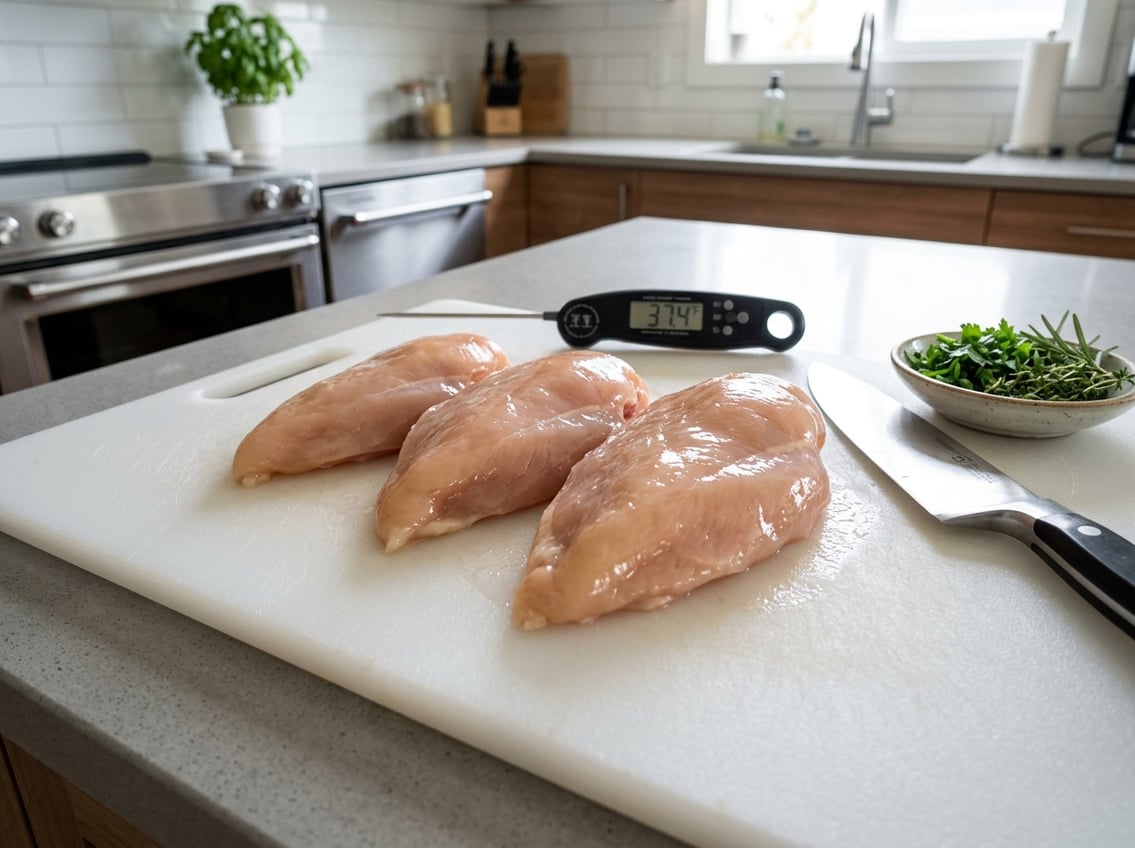
Freezing changes the water inside the meat, and thawing releases that moisture back to the surface. If you wrap chicken poorly or thaw it too fast, the surface can feel wet and slippery.
Still, a true slimy or tacky feel is not something to ignore. If the chicken stays sticky after rinsing under cold water, it is safer to throw it out.
How Refreezing Affects Safety and Texture
You can refreeze chicken only if it thawed safely in the refrigerator and stayed cold. Refreezing may hurt the texture, since ice crystals can damage the meat and make it softer or wetter after the next thaw.
Refreezing does not fix spoilage. If the chicken already smells bad or feels slimy, refreezing will not make it safe.
When to Cook, Refreeze, or Throw It Out
Cook the chicken if it thawed in the fridge, still smells normal, looks normal, and only feels slightly wet. Refreeze it if it stayed cold the whole time and you cannot use it soon.
Throw it out if it smells off, feels slimy, or sat too long at room temperature. A chicken texture change after thawing is a warning sign when it is paired with odor or discoloration.
Safe Handling and Storage Steps
Good storage helps prevent sliminess and keeps raw chicken breast safe. Cold temperatures, sealed packaging, and clean prep habits all matter.
These steps reduce the chances of spoilage before they start.
How Long Raw Chicken Breast Lasts in the Fridge
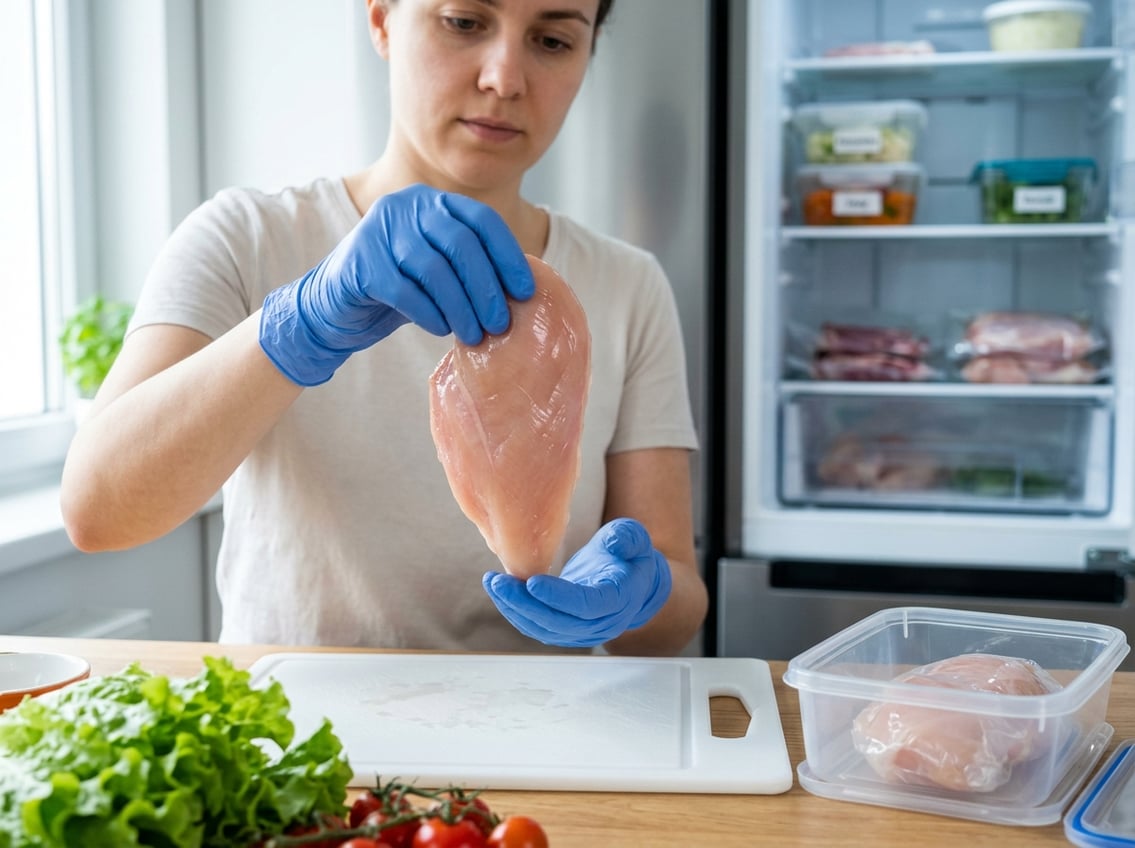
You should keep raw chicken breast in the refrigerator at 40°F or below and use it within 1 to 2 days. If you do not plan to cook it soon, freeze chicken instead of letting it sit in the fridge.
Once chicken stays in the fridge too long, sliminess becomes more likely. Time and warmth are major reasons chicken turns unsafe.
Best Practices for Refrigeration and Freezing
Keep raw chicken in its original package or move it to a sealed bag or airtight container. Place it on the bottom shelf of your fridge so juices cannot drip onto other foods.
When you plan to freeze chicken, wrap it tightly to limit air exposure and freezer burn. Label the package with the date so you can track how long it has been stored.
Why Washing Chicken Is Not Recommended
Washing raw chicken does not remove bacteria safely. Bacteria can splash onto sinks, counters, clothes, and nearby food.
Cooking chicken to a safe internal temperature kills harmful bacteria. Washing only increases cleanup risk and spreads germs that may be tied to slimy chicken breast.


