
Does Chicken Breast Work as Bait for Catfish?
Does chicken breast work as bait for catfish? Yes, it can, and in the right conditions it can be very effective.
You can use it as a simple, low-cost option when you want a bait that is easy to buy, easy to cut, and easy to keep on the hook.
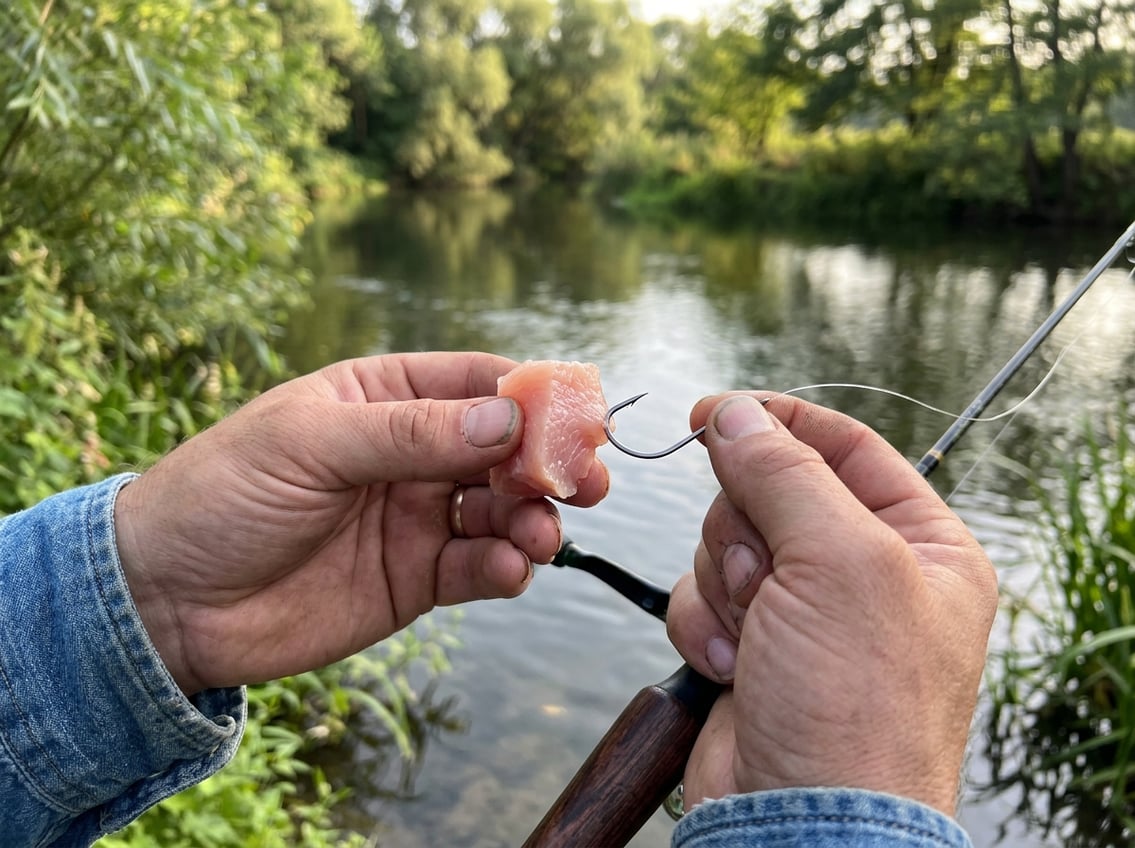
For catfish, chicken breast works best as a fresh, firm, bottom-fished bait that stays on the hook and creates an easy meal to find.
Many anglers use chicken for catfish because it is available at almost any grocery store and does not require you to spend time catching live bait first.
Guides have reported strong results with plain chicken breast, including trophy blue catfish catches on light tackle, as described by RealTree’s catfish chicken breast article.
If you want a bait for catfish that is cheap, quick to prepare, and reliable enough for casual trips, chicken breast is worth testing.
It is not always the best choice, but it can be a smart option when bait availability, time, or water conditions favor it.
When Chicken Breast Works Best
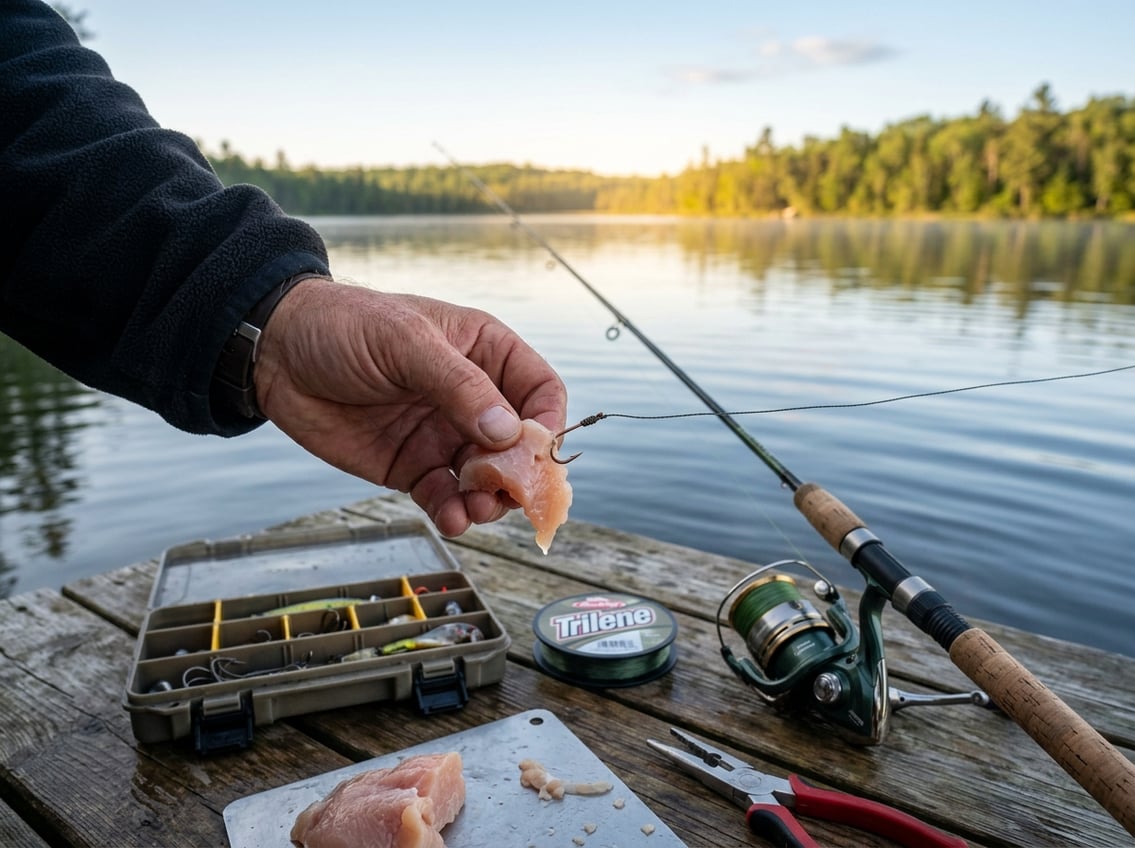
Chicken breast for catfish works best when you want a fresh bait that is simple, dense, and easy to fish near the bottom.
It shines when you need fast bait readiness and do not want to spend time catching cut bait or keeping live bait alive.
The key is bait presentation.
Chicken for catfish often works because it can drift or sit naturally in the water when you use little weight and keep the rig simple.
Why Catfish Hit Plain Chicken Breast
Catfish are opportunistic feeders, and they will eat dead meat that comes by in a way that looks natural.
In RealTree’s report on chicken breast as bait, the author notes that chicken breast works well because it is dense, sinks on its own, and can be drifted with very little weight.
Plain chicken breast can also stand out by color and shape.
A clean white piece may be easier for catfish to notice in stained water, especially when the bait moves slowly and stays close to the bottom.
Best Situations for Fast, Easy Bait
Chicken is a strong choice when time matters.
If you are fishing after work, heading out for a short trip, or trying to keep your setup simple, using chicken as bait saves effort.
It also helps when fresh bait is hard to find.
You do not need a cast net, livewell, or bait bucket, which makes it useful for quick trips and for anglers who want a dependable backup.
What to Expect by Catfish Species
Blue catfish often respond well to chicken breast, especially in moving water or tailwaters.
Channel catfish can also bite it, especially when they are feeding near bottom structure.
Flatheads are less predictable on chicken breast than blues or channels.
They usually show more interest in live bait or cut bait, so your results may be lighter if flatheads are the main target.
How It Compares With Other Baits
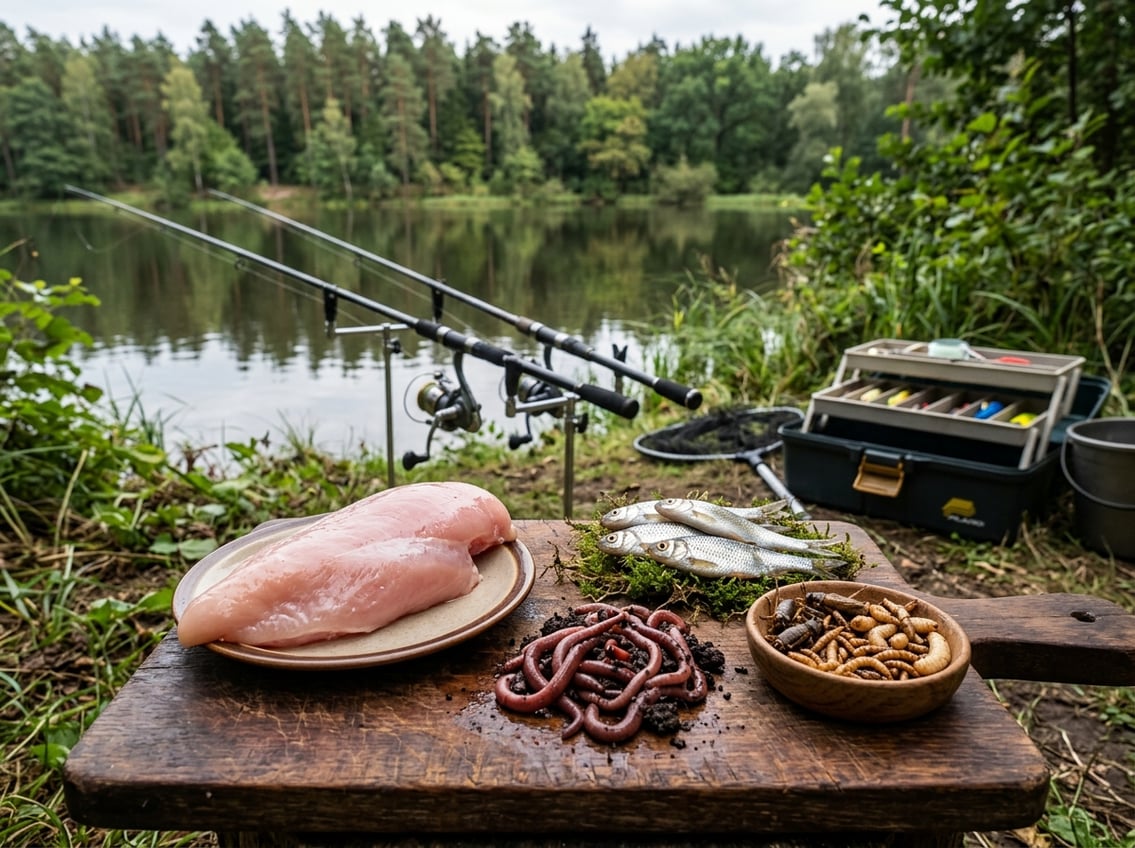
Chicken breast is not the top bait in every situation, yet it compares well on convenience and cost.
When you weigh it against cut bait and live bait, chicken often wins for ease of use, while other baits can still have a scent or action edge.
Fresh bait matters a lot in catfish fishing.
The stronger the natural smell and motion, the better your odds in many waters.
Chicken Breast vs Cut Bait
Cut bait usually gives off a stronger scent trail than plain chicken breast.
That can matter in muddy water, cold water, or places where catfish are keying in on a natural fish smell.
Chicken breast has the advantage of staying on the hook well and being easy to store.
In RealTree’s comparison of chicken bait to fresh bait, the bait’s toughness and reuse value are strong selling points.
Chicken Breast vs Live Bait
Live bait adds movement that chicken cannot match.
If catfish are feeding aggressively on active prey, live bait can draw faster strikes.
Chicken breast is simpler and cleaner to handle.
You do not need to keep bait alive, and you can still fish effectively when live bait is hard to get or too time-consuming.
Where Gizzard Shad Still Has the Edge
Gizzard shad still has a major edge when catfish are focused on a natural forage base.
In many waters, shad is a top bait for bigger fish because it matches what they already eat.
Chicken can still be useful when you need a quick backup or when you want a bait that does not spoil as fast as fresh shad.
If the fish are picky, shad often wins.
How to Prepare and Rig It Properly
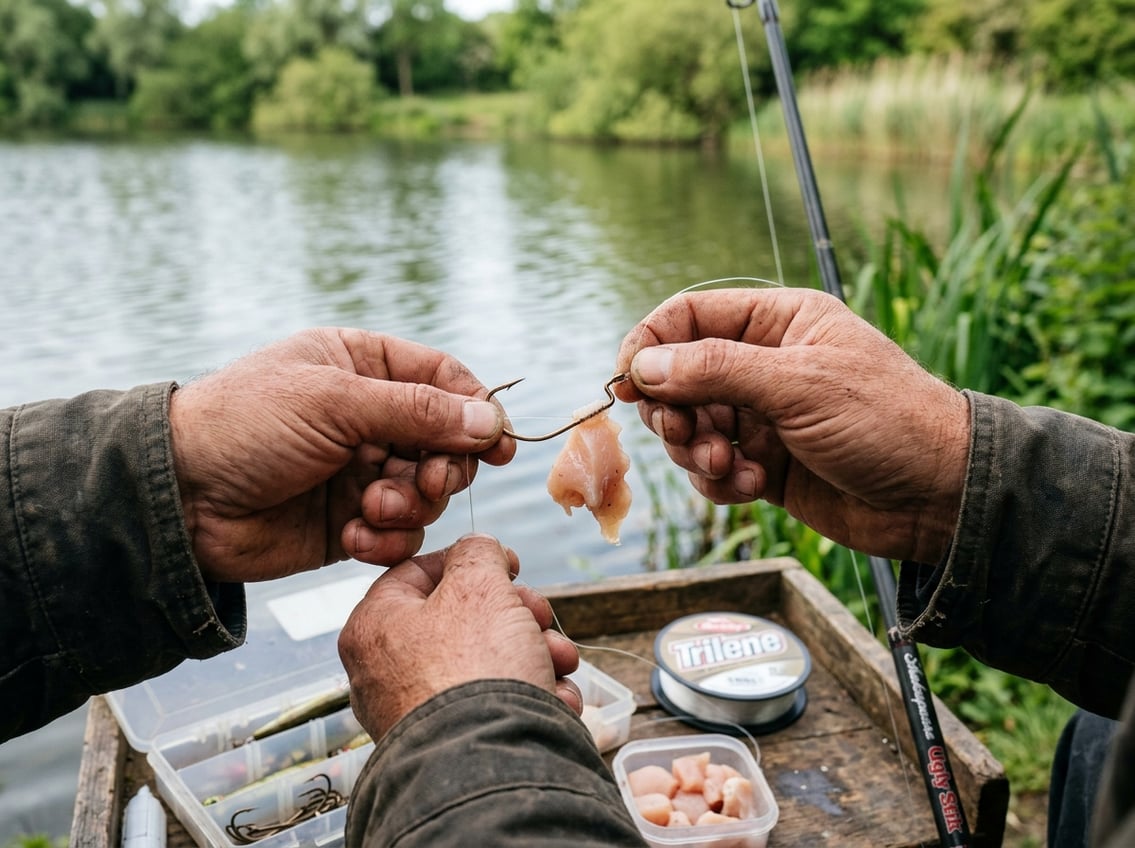
Good preparation matters as much as the bait itself.
If you cut the chicken right, hook it securely, and keep the rig simple, your bait presentation will look more natural and stay in place longer.
You do not need a complicated recipe.
Fresh chicken breast, a solid hook, and the right bottom rig are enough for most trips.
Best Piece Size and Hooking Method
A piece about thumb size is a good starting point.
Smaller pieces help you get bites faster, while larger chunks can keep small fish from stealing the bait.
Hook the chicken firmly so it covers part of the hook shank but does not block the point.
As noted by a catfish bait guide using chicken breast, chunk-sized pieces are common because they are easy to handle and still draw strikes.
Using a Carolina Rig for Bottom Fishing
A Carolina rig works well because it keeps the bait near the bottom while still allowing some natural movement.
That makes it a solid choice for chicken breast for catfish, especially in rivers, channels, and deeper holes.
Use enough weight to stay in contact with bottom.
Keep the rest of the setup simple.
Too much weight can make the bait look stiff and unnatural.
Simple Add-Ons Like Skin, Salt, or Garlic
Some anglers add skin, salt, or garlic to make chicken bait firmer or more noticeable.
A little extra toughness can help the bait stay on the hook longer, and added scent may help in some waters.
Plain chicken breast can work well on its own.
The simplest version often gives you the easiest starting point, and you can change it later if the bites slow down.
Common Mistakes and Smart Alternatives
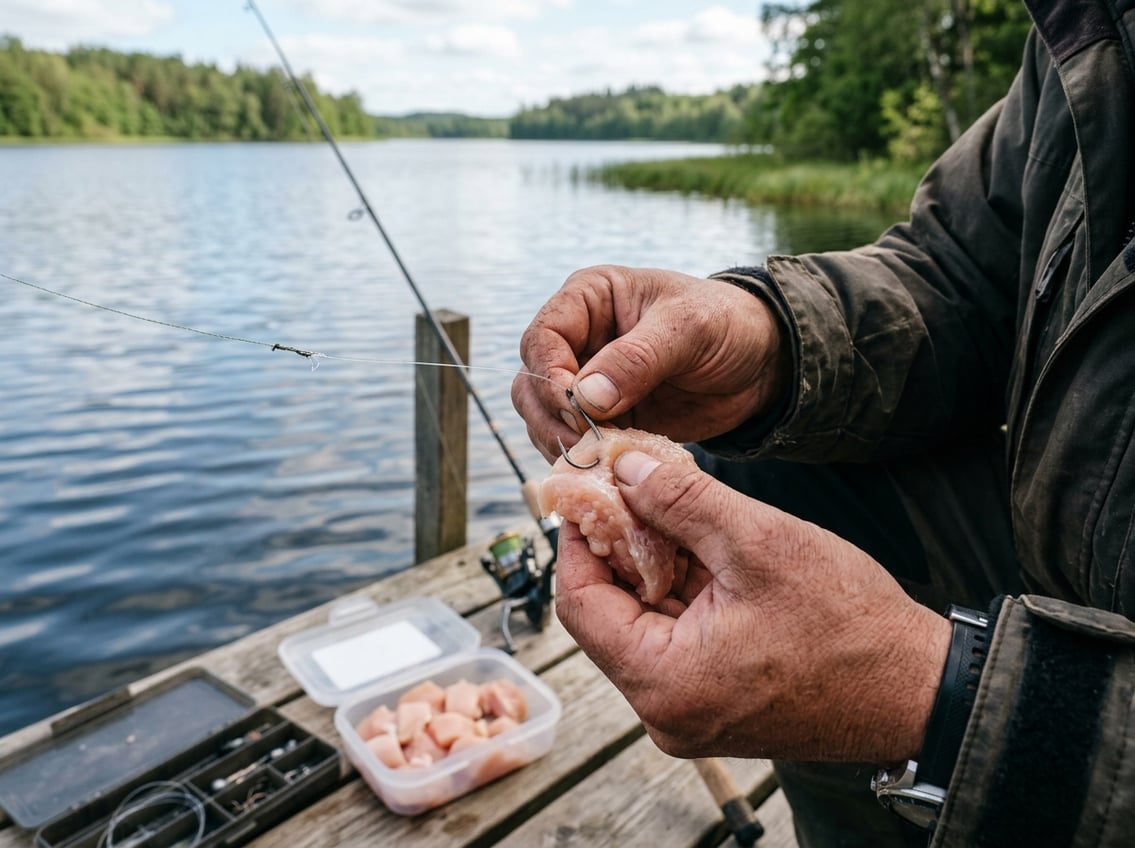
Most problems with chicken as bait come from poor presentation, not from the bait itself.
If you use the wrong size, too much weight, or the wrong target species, your results can drop fast.
You also need to know when to switch.
Chicken is useful, yet it should not be your only option every time you go catfishing.
Why You May Get Few Bites
If you get few bites, the bait may be too large, too dry, or too stiff on the hook.
Heavy sinkers can also hurt your presentation by making the bait look unnatural.
Water type matters too.
In some spots, catfish respond better to stronger-smelling fresh bait, and chicken may not be enough on its own.
When to Switch to Liver, Gizzards, or Fish Bait
If chicken for catfish is not producing, try liver, gizzards, or fish bait.
These options can add more scent or a different texture that catfish may prefer on that day.
Liver can work well when fish want a strong smell.
Gizzards and fish bait can also help when you need a tougher or more natural option for local catfish.
What Not to Borrow From Carp Tactics Like Boilies
Do not assume carp tactics will automatically work for catfish fishing.
Boilies suit carp, not most catfish situations. They usually are not the best starting point for catfish bait.
Catfish respond better to simple, natural meat baits. Focus your setup on scent, size, and bottom presentation instead of using a carp system that may not fit your target.


