
What Are the Benefits of Eating Chicken Breast? Key Facts
Chicken breast is one of the simplest ways to add high-quality protein to your meals. It gives you a lot of protein with relatively few calories, plus useful vitamins and minerals that fit well into a healthy diet.
Chicken breast works well for many people because it is a lean protein that supports muscle, fullness, and daily nutrition without adding much saturated fat when you choose skinless cuts and smart cooking methods.
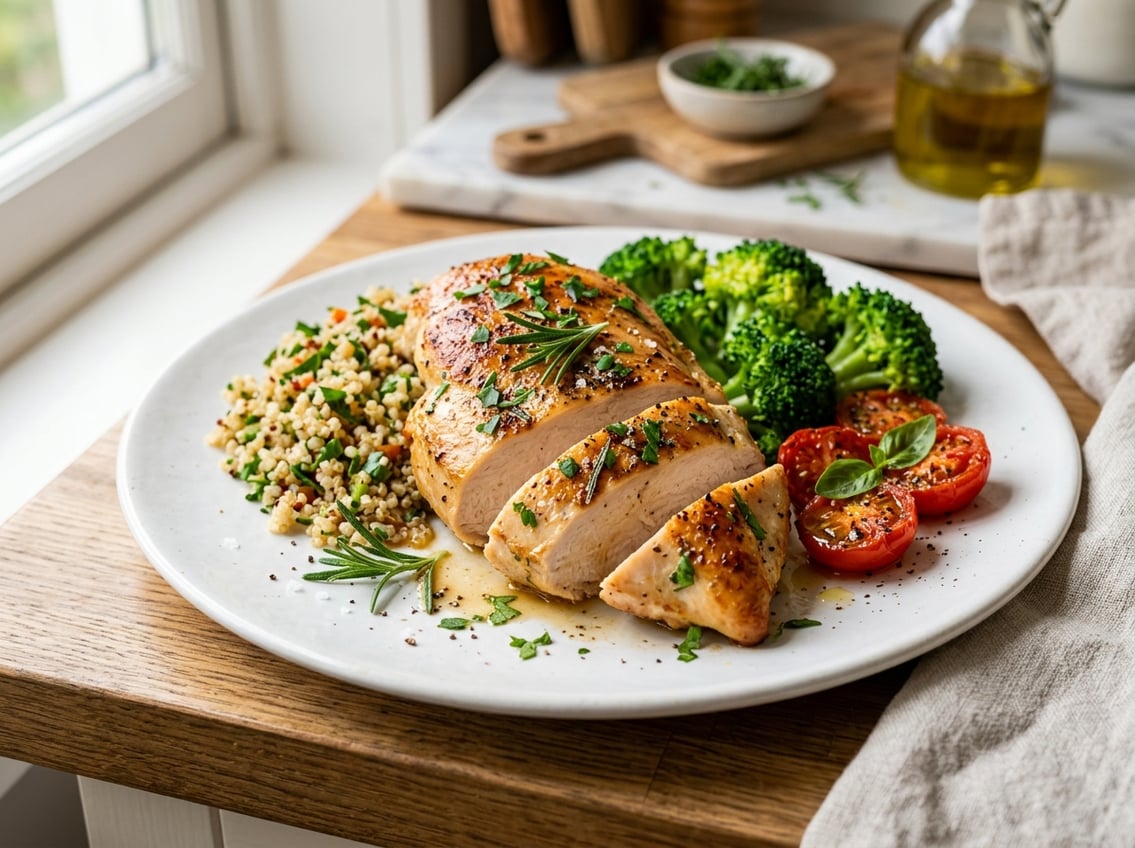
You can pair it with vegetables, rice, beans, potatoes, or salads and build balanced, filling meals.
Why Chicken Breast Is a Strong Everyday Protein
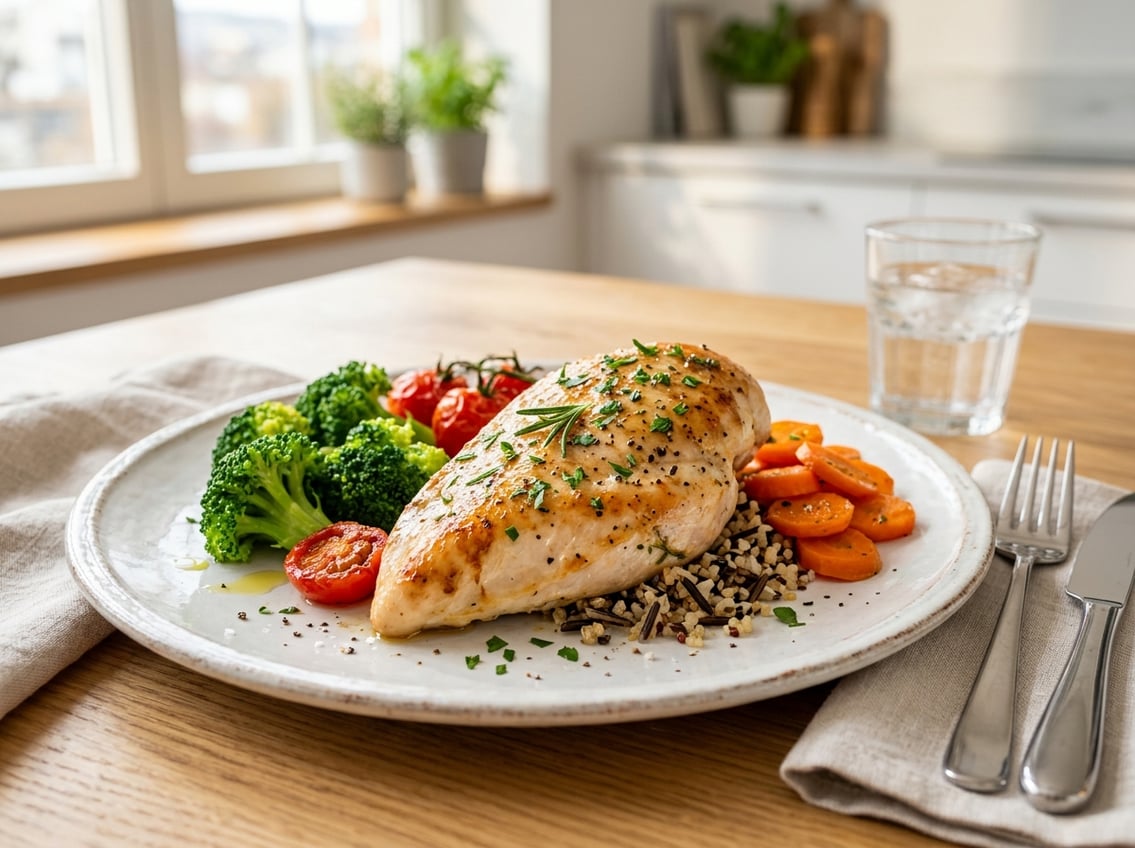
Chicken breast is a strong choice when you want a reliable protein source that fits many meal styles. Skinless chicken breast is especially popular because it is a lean poultry option that gives you a lot of nutrition without much fat.
High Protein With Relatively Few Calories
A boneless, skinless chicken breast is a high-protein food with a modest calorie count. WebMD lists a raw, boneless skinless chicken breast fillet at about 120 calories and 26 grams of protein, which is a strong protein-to-calorie ratio for everyday eating.
That makes it easier to meet your protein needs without pushing calories too high.
Complete Protein and Essential Amino Acids
Chicken breast gives you complete protein, which means it contains all of the essential amino acids your body needs from food. Amino acids help build and repair muscle, tissues, enzymes, and other important body structures.
Your body cannot make essential amino acids on its own, so getting them from foods like chicken breast is important.
Why White Meat Is Leaner Than Dark Meat
Chicken breast is white meat, and it is usually leaner than dark meat cuts like chicken thighs. Dark meat tends to have more calories and fat, while skinless chicken breast is lower in saturated fat.
If you are watching fat intake or trying to keep meals lighter, chicken breast is a good choice. Choosing chicken breast instead of darker cuts is a healthier way to use chicken in place of red meat. Chicken health benefits and nutrition facts
Main Health Advantages for Weight, Muscle, and Metabolic Health

Chicken breast can support fullness, muscle repair, and healthy eating patterns across many ages. It also fits into plans focused on body weight and metabolic health.
Satiety and Weight Management Support
Protein helps you feel full, and chicken breast is a high-protein food that can make meals more satisfying. WebMD notes that 25 to 30 grams of protein per meal may help people feel fuller, which can support weight management.
That fullness can make it easier to avoid extra snacking or oversizing portions later.
Muscle Maintenance, Recovery, and Healthy Aging
Your muscles need amino acids for repair and maintenance, especially after exercise and as you get older. Chicken breast provides those essential amino acids in a form your body can use well.
This makes it helpful for recovery after physical activity and for supporting muscle maintenance as you age.
Cardiovascular Health and Type 2 Diabetes Risk
Chicken breast can support cardiovascular health when you replace higher-fat meats in your diet. Lower saturated fat intake is often part of heart-friendly eating patterns, and skinless chicken breast fits that approach well.
Balanced meals that include lean protein may also help with blood sugar control and may support lower type 2 diabetes risk as part of an overall healthy eating plan. The key is to keep portions sensible and pair chicken with fiber-rich foods.
Nutrients Beyond Protein
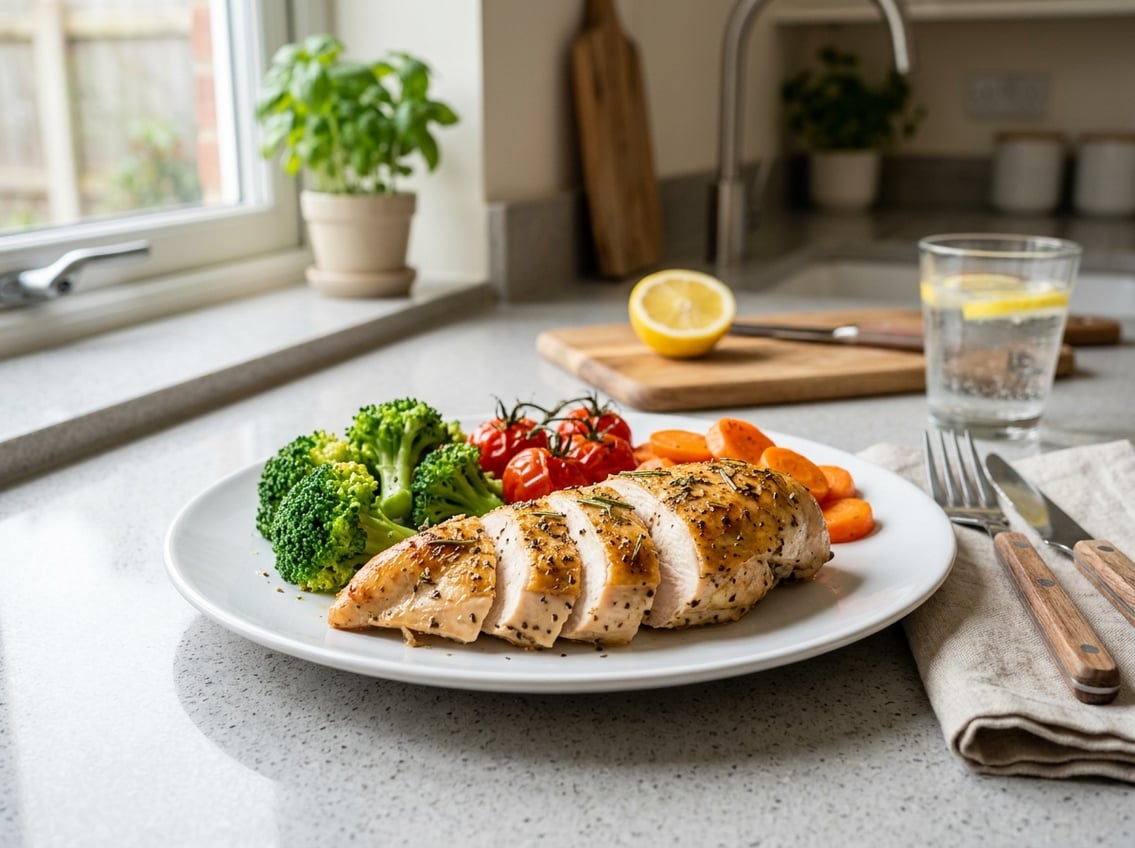
Chicken breast nutrition is not only about protein. It also gives you several vitamins and minerals that support energy use, immune function, and normal body processes.
B Vitamins, Niacin, and Vitamin B12
Chicken breast contains B vitamins, especially niacin and vitamin B12. These nutrients help your body turn food into energy and support nerve function and red blood cell formation.
Niacin is especially important for energy metabolism. Vitamin B12 is also valuable because many people need animal foods or fortified foods to get enough of it in a regular diet.
Selenium, Zinc, and Iron in Context
Chicken breast also provides selenium, zinc, and iron. Selenium supports antioxidant activity, zinc helps with immune function and healing, and iron helps carry oxygen in your blood.
The amounts are not as high as in some other foods, yet they still add useful support to your daily intake.
How Skin-On Chicken Changes the Nutrition Profile
Skin-on chicken adds more fat and calories to the meal. It also raises saturated fat compared with skinless chicken breast.
If you want the leanest version, choose skinless chicken breast and keep the skin off before or after cooking.
How Preparation Affects the Final Health Value
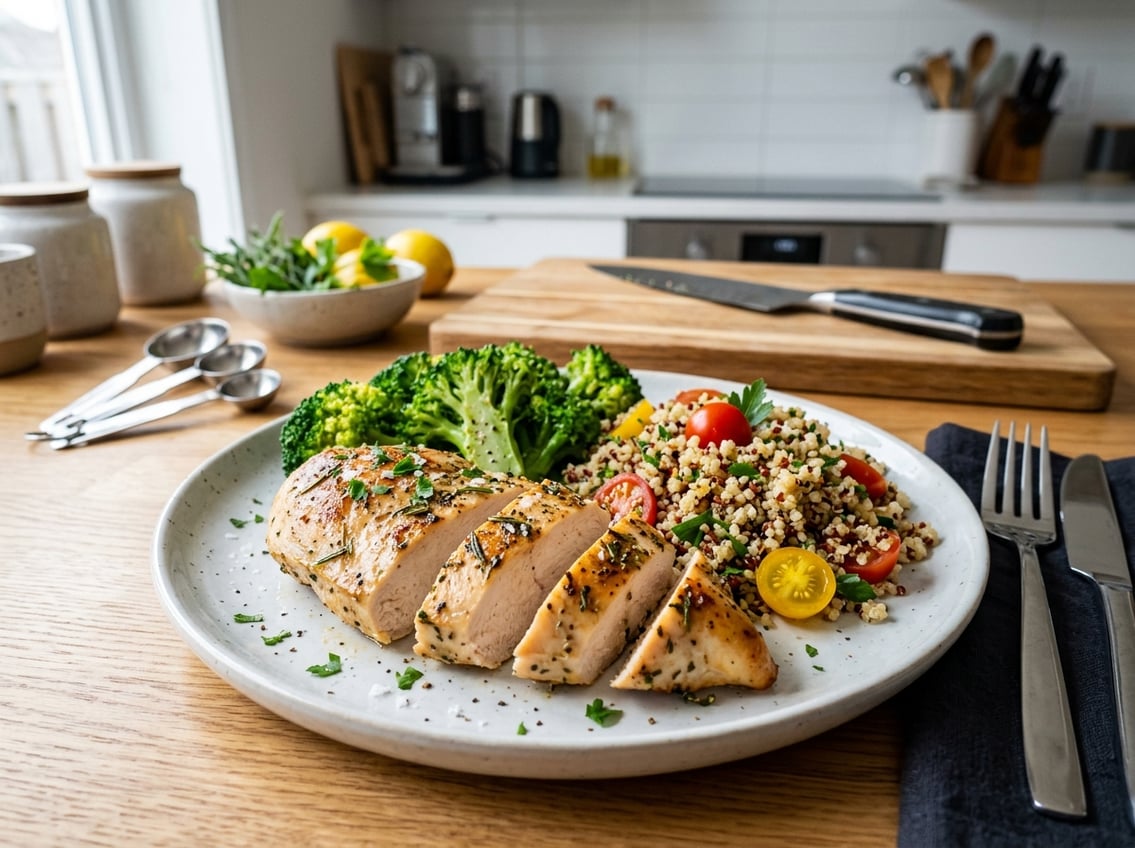
How you cook chicken breast changes its final health value as much as the cut itself. Lighter cooking methods keep it closer to a lean protein, while breading, frying, and sugary sauces add calories, fat, and extra compounds from high heat.
Grilled Chicken Breast and Baked Chicken as Lighter Options
Grilled chicken breast and baked chicken are usually the best choices when you want to keep meals lighter. These cooking methods do not require much added fat, so the meal stays closer to the natural nutrition of the meat.
WebMD notes that baking chicken breasts at 350 degrees Fahrenheit is a common method. Grilling also works well for simple meals.
Seasoning with herbs, spices, citrus, or garlic can add flavor without making the dish heavy.
What Frying Chicken and Heavy Sauces Add
Frying chicken adds extra fat and calories, especially if the coating absorbs oil. Skin-on cooking and breaded dishes can also raise saturated fat, which is less helpful for a heart-friendly diet.
Heavy sauces can change the meal too. Maple-glazed chicken, chicken parmesan, and some restaurant-style chicken fajitas may taste great, yet they can add sugar, cheese, sodium, or refined carbs that make the dish less lean.
Balanced Meal Ideas That Keep It Nutritious
Pair chicken breast with foods that add fiber and vitamins to keep it nutritious.
Try grilled chicken breast with vegetables or baked chicken with roasted potatoes.
Add sliced chicken breast to a salad for a fresh option.
Use chicken breast in a wrap with salsa and hummus or serve it with rice and broccoli.


