
Is It Ok to Eat Chicken Breast Daily? What to Know
You may ask, is it ok to eat chicken breast daily? For many people, the answer is yes if you keep portions sensible, choose skinless chicken breast, and balance it with other foods.
Daily chicken breast can fit a healthy diet, but your long-term health depends on how you cook it, how much you eat, and what else you eat with it.
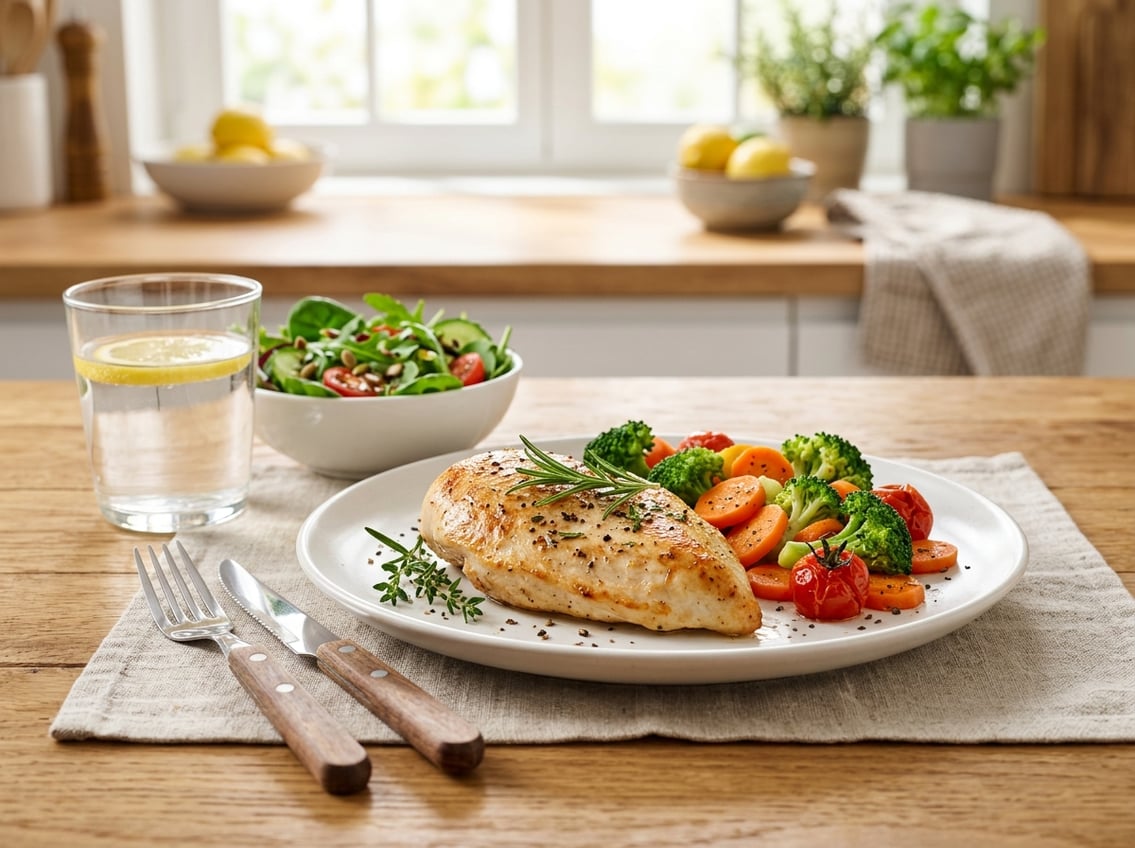
Chicken breast is popular because it is high in protein and low in fat when you prepare it without skin. It works well for meal prep, muscle goals, and simple weeknight meals.
If you eat chicken breast every day and never vary your protein sources, you might crowd out other useful foods.
When Daily Chicken Breast Fits a Healthy Diet
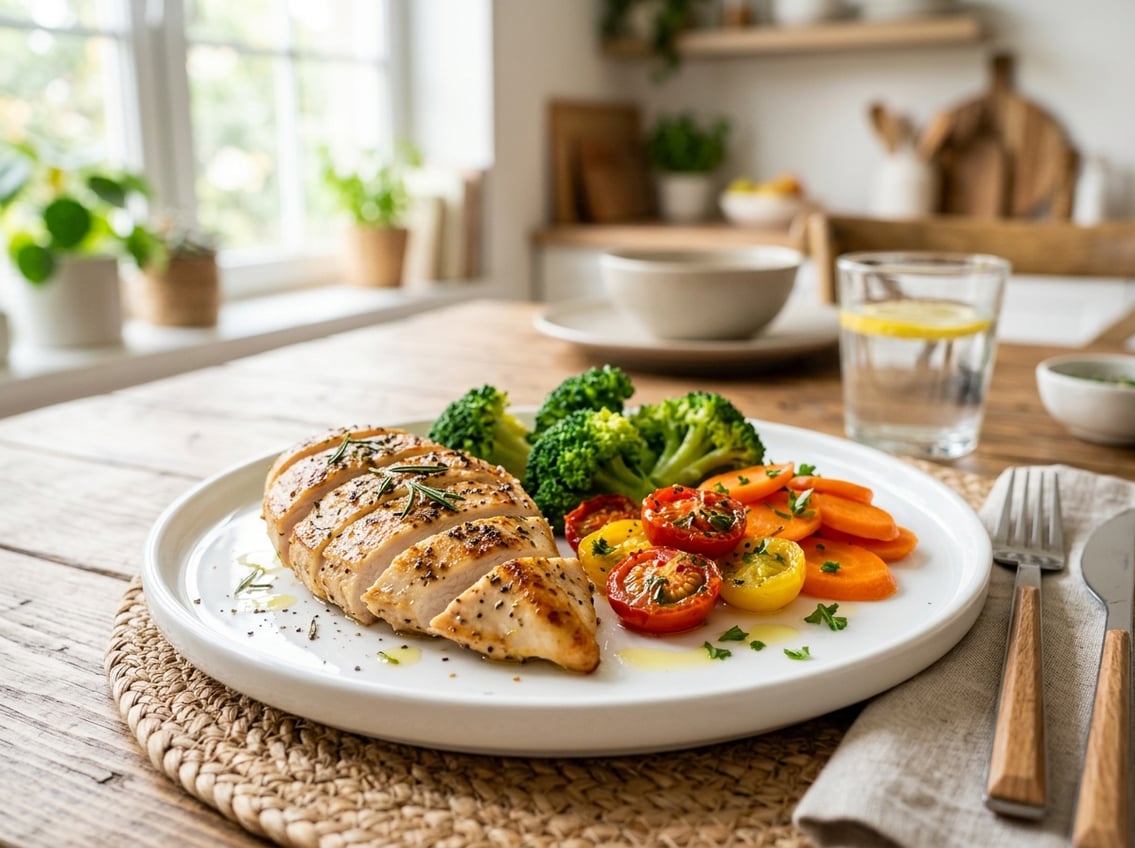
Skinless chicken breast can fit well into a balanced eating pattern, especially when you need a lean protein that is easy to cook and portion. Daily chicken breast makes the most sense when your meals also include vegetables, whole grains, healthy fats, and other protein sources during the week.
Why Skinless Chicken Breast Is Considered a Lean Protein
Skinless chicken breast gives you a lot of protein with relatively little fat. You can prepare it in a way that keeps calories lower than fried or breaded chicken.
That makes skinless chicken a practical choice if you want to manage weight, support exercise, or keep meals simple. Many people use chicken breast in healthier meal patterns as noted here.
How Much Protein a Typical Serving Provides
A cooked serving of chicken breast gives a large amount of protein for the calories. In a research summary, 100 grams of cooked, skinless chicken breast provides about 31 grams of protein.
That is enough to help you build a meal around it without needing a huge portion. For many adults, one serving can support a high-protein lunch or dinner without pushing fat intake too high.
Who May Benefit Most From Regular Intake
You may benefit most if you are physically active, trying to build muscle, recovering from illness, or aiming for better fullness at meals. Chicken breast also works well if you want a simple protein that is easy to repeat during a busy week.
Older adults who need enough protein to maintain muscle can also benefit, as long as the rest of the diet stays varied. People with kidney disease or other medical needs should ask a clinician before making any protein food a daily habit.
Main Benefits and Nutritional Limits
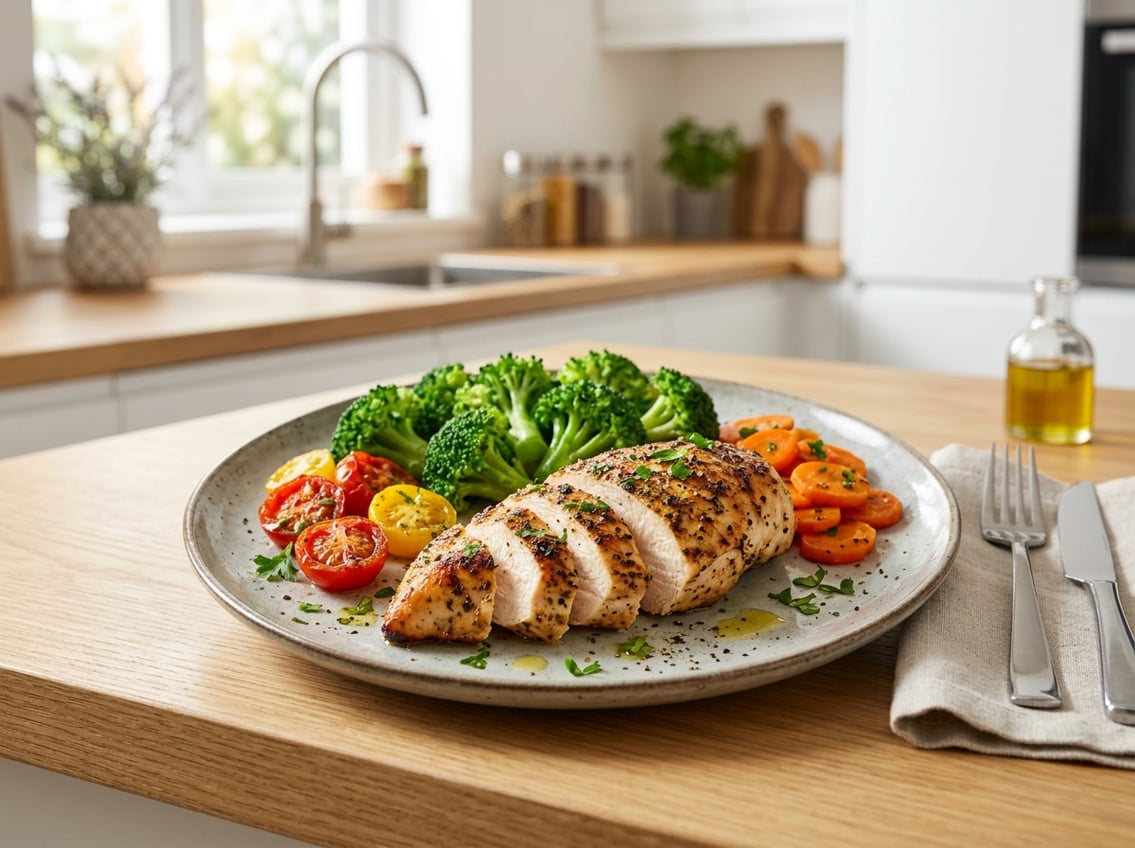
Chicken breast gives you useful nutrients, especially if you cook it simply. It can support protein goals, but it does not cover every nutrient you need.
Muscle Maintenance, Fullness, and Weight Goals
Chicken breast is a strong choice for muscle maintenance because it provides complete protein. That matters if you lift weights, walk often, or want to preserve lean mass while losing fat.
High-protein meals tend to keep you satisfied longer, which may make it easier to avoid constant snacking.
B Vitamins, Selenium, and Other Key Nutrients
Chicken breast provides B vitamins like niacin and B6, which help your body turn food into energy. It also gives you selenium, phosphorus, zinc, and other nutrients that support normal body function.
These nutrients add value when you eat chicken breast as part of a balanced plate. The nutrient profile in the research summary shows why chicken is often seen as a practical everyday protein in this overview.
What Chicken Breast Lacks Compared With Other Proteins
Chicken breast is low in fiber and has little to no omega-3 fatty acids. It also gives you fewer plant compounds than plant-based proteins such as beans, lentils, tofu, and soy foods.
If you eat chicken breast every day, you may miss chances to get the benefits of fish, legumes, nuts, and seeds. Mixing different protein sources during the week gives you a broader nutrient range.
Risks, Safety, and What Can Go Wrong

Eating chicken breast daily is not just about protein. Repeating the same food too often can create nutrient gaps, and raw poultry also carries food safety risks.
Diet Variety and Nutrient Gaps From Overreliance
If you eat chicken every day as your main pattern, you may leave out fiber-rich foods, healthy fats, and plant nutrients. That can make your meals less balanced over time.
A review of regular chicken eating warns that overreliance on animal protein can crowd out plant-based foods like beans, lentils, and tofu as discussed here.
Food Safety Risks Such as Campylobacter
Raw or undercooked chicken can carry bacteria such as campylobacter. If you do not cook it fully, you raise your risk of food poisoning, which can cause diarrhea, fever, stomach pain, and dehydration.
Wash your hands, clean surfaces, avoid cross-contamination, and cook chicken to 165°F. Safe handling matters just as much as the cut you buy.
Sourcing Questions Including Antibiotics in Chicken
Some people worry about antibiotics in chicken. In the U.S., regulators oversee antibiotic use in poultry, but farming practices differ.
Choose chicken from trusted brands and use a variety of proteins to reduce concerns about relying on one source. If you want a broader diet, mix in fish, eggs, beans, and other proteins during the week.
How to Make It a Smarter Daily Habit
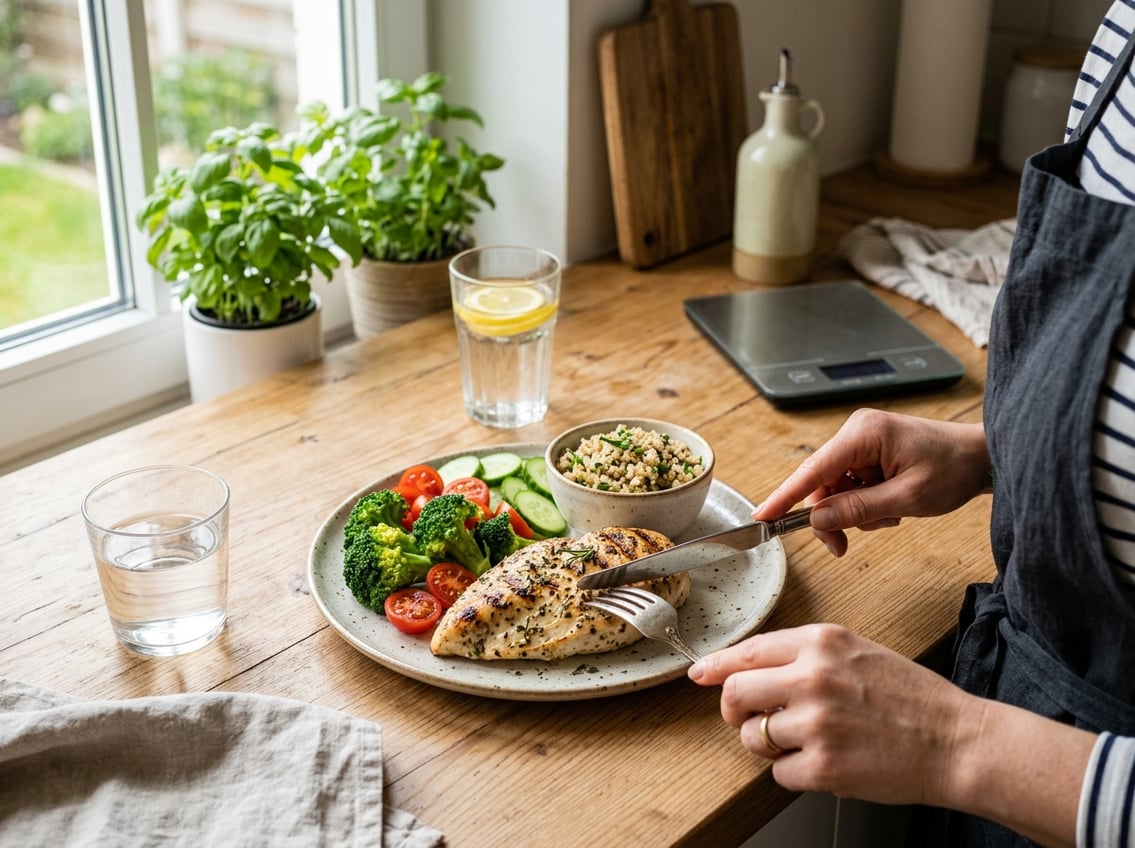
You can make chicken breast a healthier daily habit by keeping the cooking method simple and rotating in other protein foods. Small changes can improve flavor, nutrition, and long-term balance.
Best Cooking Methods for Grilled Chicken and Other Lower-Fat Options
Grill, bake, roast, or poach chicken for better results than frying. These methods keep added fat and calories lower while still giving you a filling meal.
If you use skinless chicken breast, you also reduce saturated fat. That makes it easier to fit into a heart-conscious eating pattern.
How to Marinate Chicken Breast Without Overloading Calories
You can marinate chicken breast with citrus, vinegar, garlic, herbs, mustard, and spices for flavor without adding many calories. A small amount of olive oil can help, as long as you do not use heavy amounts of sugary sauce.
Simple marinades also make grilled chicken breast more tender. That helps you keep meals enjoyable without turning them into high-calorie dishes.
When to Rotate in Fish, Beans, and Plant-Based Proteins
If you eat chicken breast daily, try to include fish sometimes for omega-3 fatty acids.
Salmon, sardines, and trout offer more healthy fats.
Beans, lentils, tofu, and other plant-based proteins add fiber and different nutrients that chicken does not provide.
A steady mix of chicken breast, fish, and plant-based proteins gives you better coverage across the week.


