
Is It OK to Eat Chicken Breast Before Bed? What to Know
You may wonder if eating chicken breast before bed is OK when you feel hungry at night. In many cases, a small portion works fine, especially if you keep it light, eat it well before sleep, and avoid heavy add-ons that can hurt sleep quality.
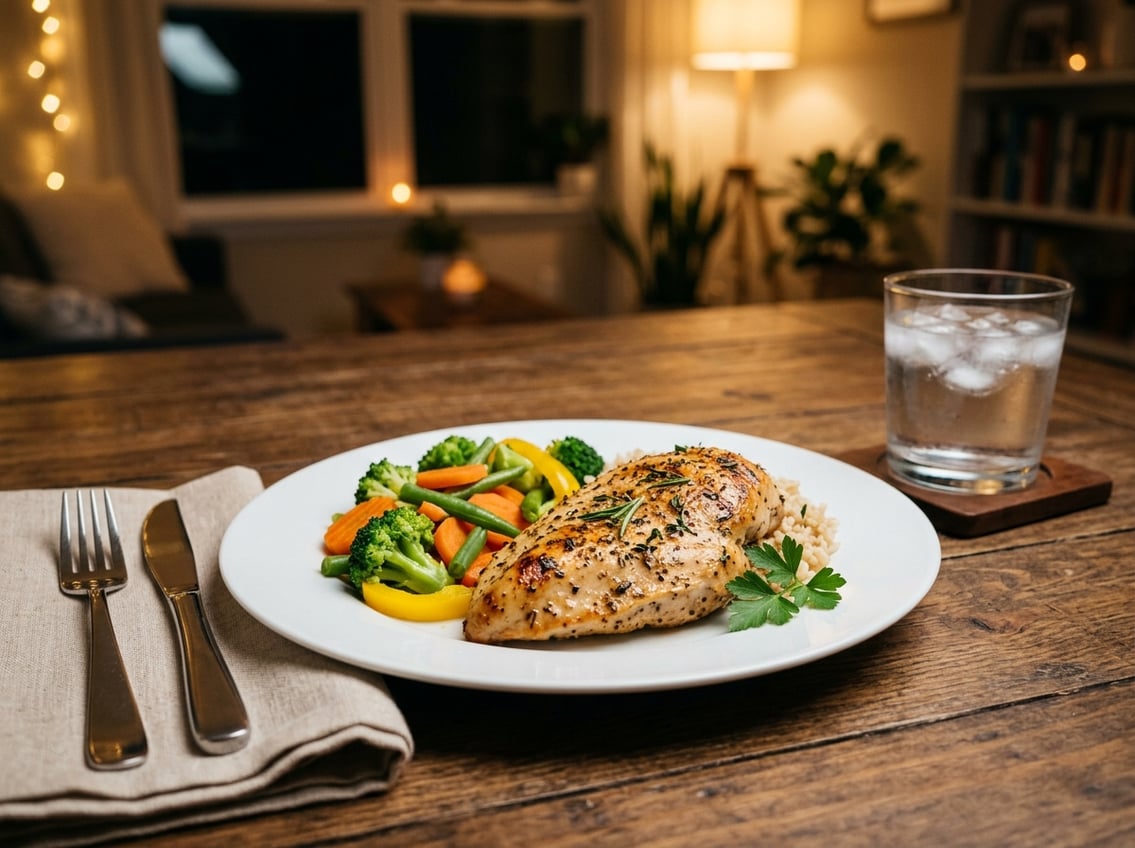
Chicken breast provides lean protein, so you can include it in a sensible late-night snack. The main issue is not chicken itself, but portion size, timing, and how your body tolerates eating before bed.
If you are only mildly hungry, a small serving of chicken breast can be a practical option. If you eat from habit, stress, or boredom, it may work against sleep quality and weight management.
When a Small Portion Can Make Sense
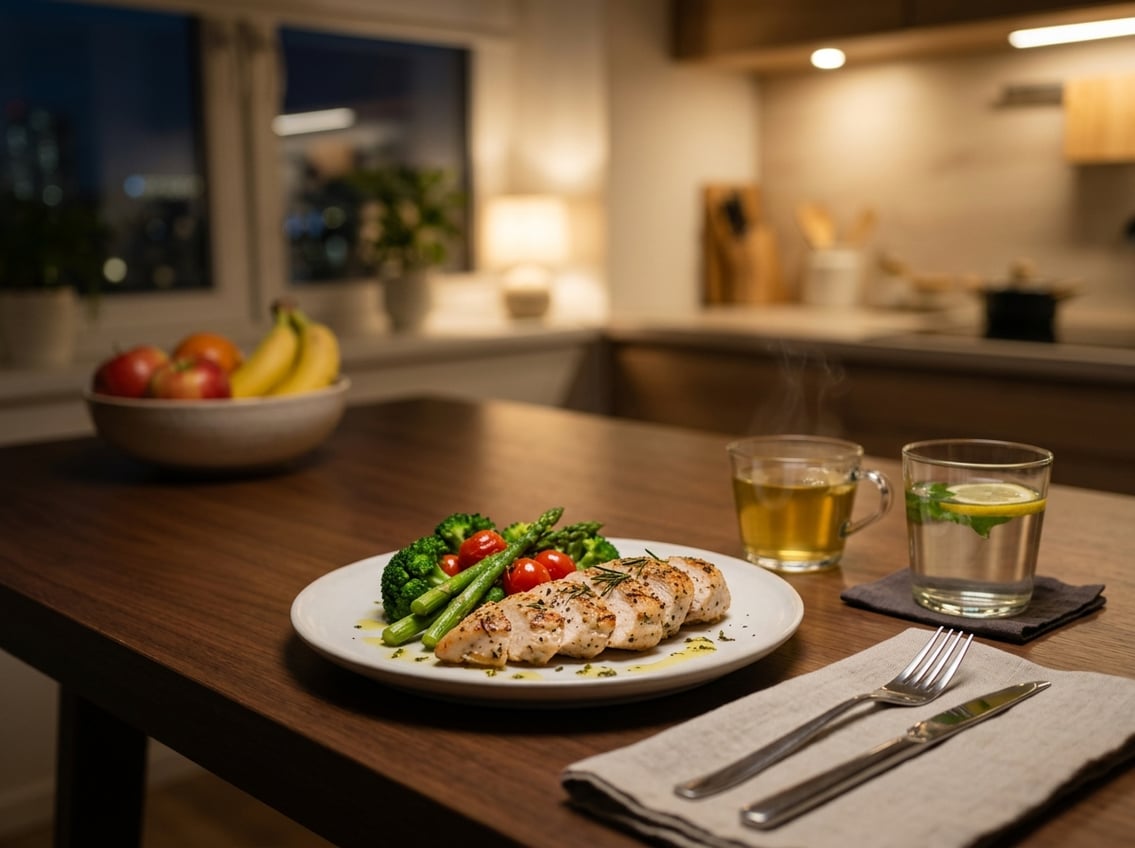
A light snack before bed can work when you need something satisfying but not heavy. Chicken breast gives you lean protein, and a small portion may fit into a calm bedtime routine without affecting blood sugar much.
How Chicken Breast Fits Into a Light Bedtime Snack
Chicken breast is one of the leanest protein choices you can eat at night. According to Stellina Marfa, poultry contains tryptophan, and people often find chicken easier to digest than fattier meats.
A small serving gives you protein without much fat. That matters if you want nutrient-dense foods that do not sit heavily in your stomach.
Potential Sleep Benefits of Protein and Tryptophan
Chicken breast contains tryptophan, which your body uses in pathways related to serotonin and melatonin. These compounds play a role in sleep, but chicken is not a magic sleep food.
Protein can help you feel satisfied, which may reduce snacking later in the evening. If you are truly hungry, that can support sleep quality more than going to bed hungry.
Why Pairing It With Complex Carbohydrates May Work Better
A small amount of complex carbohydrates can make the snack feel more balanced. Whole grains may help with satiety and support the way tryptophan is used in the body.
Try chicken breast with whole-grain crackers, brown rice, or a small slice of whole-grain toast. You can also add a few almonds for a simple mix of protein, fat, and crunch.
The Main Risks of Eating Too Close to Sleep

Eating close to bedtime can cause problems when the portion is large, the food is greasy, or the meal happens right before lying down. The biggest concerns are indigestion, reflux, and extra calorie intake from late-night snacking.
Why Heavy Portions Can Trigger Indigestion and Discomfort
A large chicken breast dinner can feel too heavy before sleep, especially if you also eat fries, cheese, or creamy sauces. Your digestive system still works, which can leave you uncomfortable in bed.
Chicken is lean, but a big serving can still be too much at night. Sleep Advisor recommends light snacks over large meals close to sleep.
How Acid Reflux and Heartburn Get Worse at Night
When you lie down, acid can move upward more easily, making acid reflux and heartburn worse. That is a bigger issue if you already have gastroesophageal reflux disease, also called GERD.
Late-night eating can raise the chance of reflux because your stomach has less time to empty before you sleep. The Kitchn notes that large meals close to bedtime can increase the risk of reflux when lying down.
What Late Calories Mean for Weight Gain Over Time
Late calories are not automatically stored as fat just because you eat them at night. The real issue is that nighttime eating often adds extra food on top of what you already ate during the day.
If that pattern repeats, calorie intake can rise enough to affect weight gain and obesity risk. The habit, not the clock, usually drives the result.
Who Should Be More Cautious

Some people do fine with a small snack before bed, while others should be more careful. If you already have reflux, sleep issues, or blood sugar concerns, timing matters more.
People With GERD or Frequent Reflux Symptoms
If you have GERD or gastroesophageal reflux disease, eating before bed can be a problem even with a lean food. Chicken breast may be gentler than fried meat, but any food can worsen acid reflux if you eat too close to lying down.
If heartburn shows up often, keep your last meal earlier in the evening. A smaller, earlier snack is easier on the stomach than a plate of food right before bed.
Those Managing Blood Sugar, Insulin Resistance, or Type 2 Diabetes
If you manage blood sugar, insulin resistance, or type 2 diabetes, late-night snacking can change how your body handles glucose overnight. The food choice and timing both matter.
Chicken breast may be better than sugary snacks, since it is low in carbs, but a full meal before bed still adds calories. If you track blood sugar, a consistent evening routine is usually more helpful than random eating before sleep.
Anyone Prone to Mindless Night Snacking or Insomnia
If you have insomnia, late eating can become part of a restless pattern. You may keep reaching for food when the real issue is stress, boredom, or a poor sleep routine.
That can hurt weight management if nighttime eating turns into an extra meal every day. Even a healthy food can become a habit you do not need.
How to Do It Without Disrupting Sleep

If you want to eat chicken breast before bed, keep it small, simple, and earlier than your actual sleep time. Aim to support sleep quality, not to turn a late-night snack into a second dinner.
Best Timing Before Bed
Finish eating at least 2 to 3 hours before you sleep. That gives your body time to digest and lowers the chance of reflux or a heavy feeling in bed.
If you are truly hungry closer to bedtime, keep it small. A modest snack is easier to handle than a full plate of food right before lights out.
Smart Portion Size and Cooking Choices
Stick to about 3 to 4 ounces of chicken breast, which is close to a deck of cards. Many store-bought chicken breasts are much larger, so one whole breast may already be too much.
Choose baked, grilled, or roasted chicken instead of fried chicken. Simple seasoning is best, since creamy sauces, spicy rubs, and extra oil can make the snack harder to digest.
What to Pair With Chicken and What to Avoid
Pair chicken breast with complex carbohydrates like whole grains. You can also add nutrient-dense foods such as a small serving of vegetables or almonds.
These choices make the snack feel complete without being heavy.
Avoid fried sides, sugary desserts, alcohol, and very spicy foods late at night.
If you want a midnight snack, keep it plain and light so your bedtime routine stays calm and your sleep quality does not suffer.


