
What Is Chicken Breast in French? Best Translations
What is chicken breast in French? The most common translation is poitrine de poulet.
In many everyday settings, you may also see blanc de poulet, which is especially common on menus and in grocery labels.
If you want the safest all-purpose answer, use poitrine de poulet for “chicken breast” and poulet for “chicken.”
French food words can shift a little based on context, so the best choice depends on whether you are ordering at a restaurant, shopping for meat, or reading a recipe.

That distinction matters because French often uses more specific food terms than English.
You will also see words like volaille for poultry in general, which covers chicken and other birds, not just chicken breast.
The Most Accurate French Terms
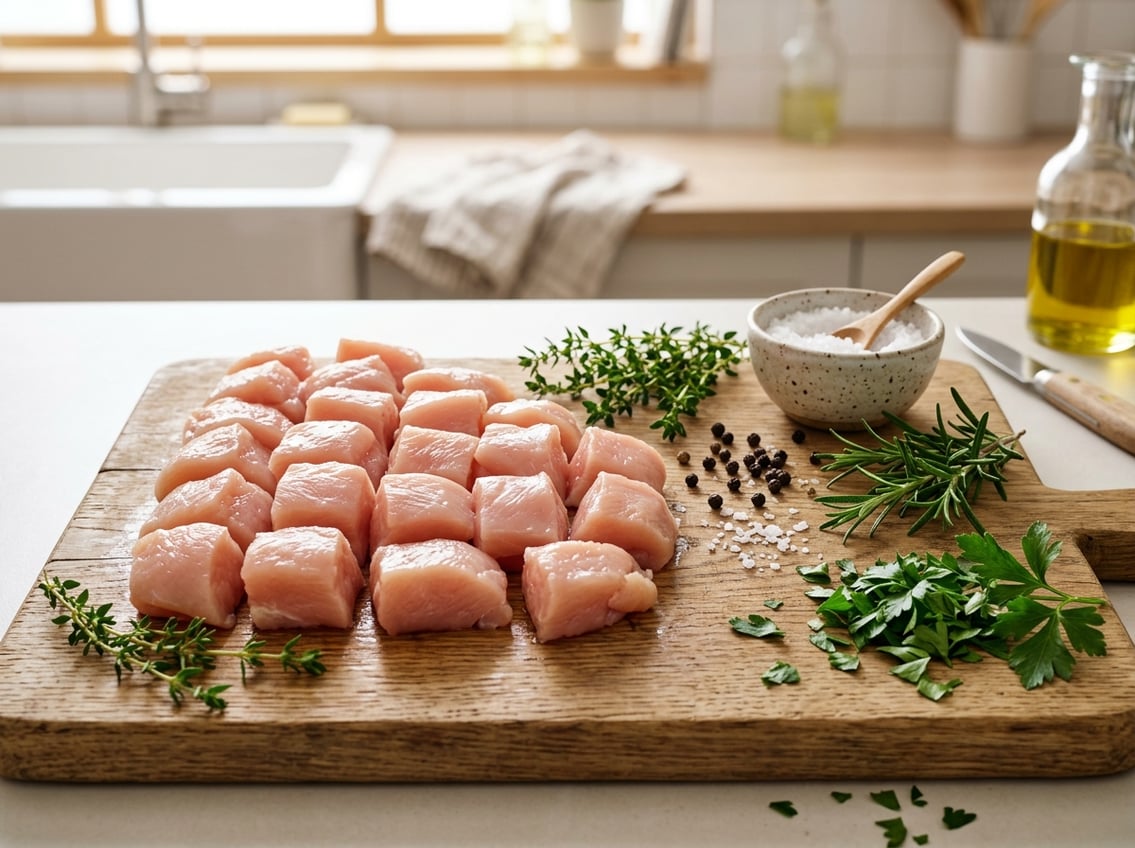
For what is chicken breast in French, the most accurate direct translation is poitrine de poulet.
It is clear, literal, and widely understood.
You may also see blanc de poulet, which is very common in France.
Both terms can point to chicken breast, though the wording may vary by region, menu style, or packaging.
As Chef’s Resource notes, poitrine means breast, while poulet means chicken, and volaille is the broader poultry category.
When To Use Poitrine De Poulet
Use poitrine de poulet when you want the most direct translation.
It works well in recipes, simple translation, and general food conversation.
If you are telling someone exactly what cut you want, this phrase is clear.
It is also a good choice if you want to avoid confusion with other chicken parts.
When To Use Blanc De Poulet
Use blanc de poulet when you are speaking in a more natural French food context.
You will often see it in supermarkets, butcher shops, and casual meal planning.
This phrase is especially useful in everyday speech because many French speakers use it for the white meat portion of the chicken.
It is a practical term for buying or asking for breast meat.
How Filet De Poulet Differs In Usage
Filet de poulet can also appear, but it does not always mean a strict breast cut.
People often use it to refer to a boneless piece or a trimmed fillet of chicken breast.
That makes it useful when the meat is prepared for quick cooking.
If you see filet de poulet, think of a cleaner, ready-to-cook cut rather than the whole breast as it appears on the bird.
How the Term Changes by Context
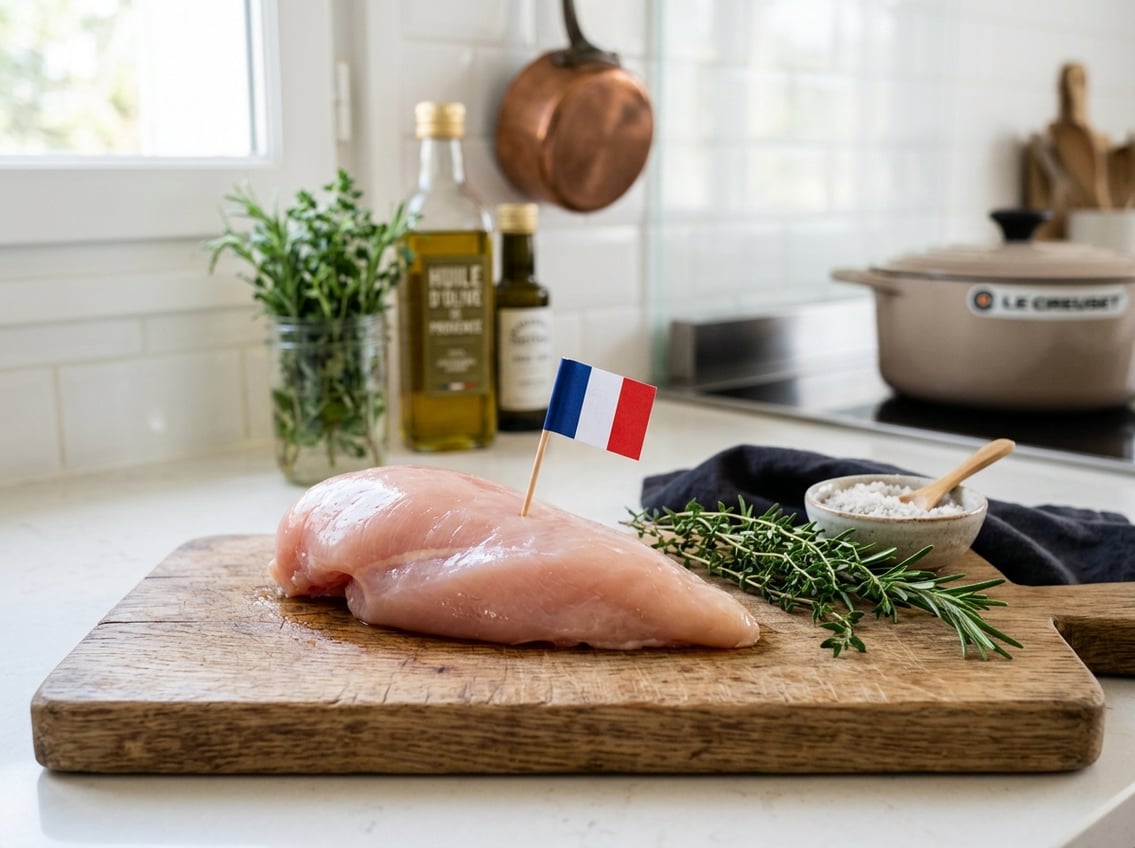
The best French term changes depending on where you see it.
A menu, a grocery label, and a home recipe may all choose different wording for the same cut of poulet.
In some cases, the label may highlight the form of the meat more than the anatomy.
That is why you may see blanc de poulet, poitrine de poulet, or filet de poulet used with similar meaning.
On Restaurant Menus
On menus, blanc de poulet is common because it sounds natural and food-focused.
You may also see dishes described with cooking style, such as grilled, roasted, or breaded chicken breast.
Menus often use the term that best fits the dish, not the most literal translation.
If a sauce is involved, the breast cut may be implied rather than written out.
In Grocery Stores And Packaging
In grocery stores, you may see blanc de poulet or poitrine de poulet on packaging.
Labels often aim for the clearest consumer wording, especially for boneless, skinless products.
If the meat is sold ready to cook, the package may also say skinless chicken breast in English-facing labels or use French equivalents that point to the same cut.
French food labeling tends to be practical, so the phrasing may vary by store and supplier.
In Recipes And Home Cooking
In recipes, poitrine de poulet is the most useful literal term.
It fits well when you are comparing ingredients across languages or following a French recipe.
Home cooks may use blanc de poulet when talking casually about dinner.
In everyday speech, it feels simple and familiar, especially when the breast is being sliced, stuffed, or cooked in sauce.
Related Food Terms You May See

French food labels often include related words that describe cut, texture, or processing.
These terms help you tell plain chicken breast apart from breaded, shaped, or heavily prepared products.
The most useful words are the ones that separate fresh meat from packaged items.
That matters when you want simple chicken, not a finished product.
Boneless, Skinless, And Fillet Vocabulary
If you see skinless chicken breast, the French label may still point to blanc de poulet or poitrine de poulet with an added note about the skin being removed.
For a boneless cut, filet de poulet is common in everyday use.
You may also see wording that describes the meat as trimmed or ready to cook.
These labels are helpful when you want a cut that cooks quickly and evenly.
Breaded And Prepared Chicken Terms
Breaded chicken products use different wording from plain breast meat.
A package of chicken nuggets may appear as nuggets de poulet, which is the usual French form noted by Chef’s Resource.
Prepared items can also include coated cutlets, patties, or formed pieces.
These are not the same as fresh breast meat, even if they started as chicken.
How Processed Labels Can Differ
You may see labels for processed chicken products or further processed chicken when companies shape, season, bread, or cook the meat in advance.
In French, the broader category word volaille may appear in ingredient lists or product descriptions.
That label matters because volaille covers poultry in general, not only chicken.
If you want plain breast meat, check that the product names poulet or a specific breast cut, rather than a mixed or prepared poultry item.


