
Is It Good to Eat Chicken Breast Everyday? Pros and Risks
Is it good to eat chicken breast everyday? For many people, it can be a smart, simple way to meet protein needs, especially if you choose skinless chicken breast and prepare it in a healthy way.
It gives you high protein with relatively little fat. It fits easily into a balanced diet.
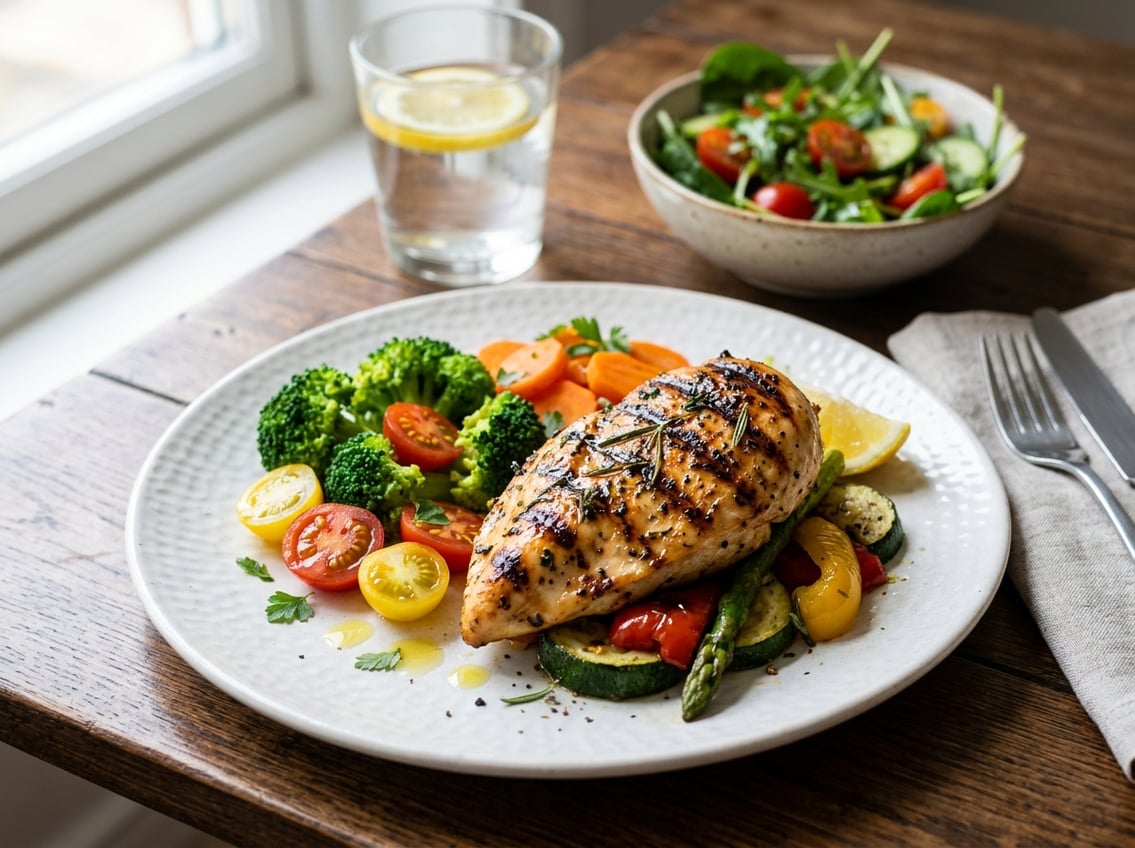
The main question is not whether chicken breast is healthy at all. It is whether eating chicken every day leaves enough room for other protein sources, healthy fats, and key nutrients your body also needs.
If your meals rely too heavily on daily chicken breast, the diet can become narrow. You may still get enough protein, yet miss the variety that supports nutrition and long-term balance.
What Daily Chicken Breast Does for Your Body
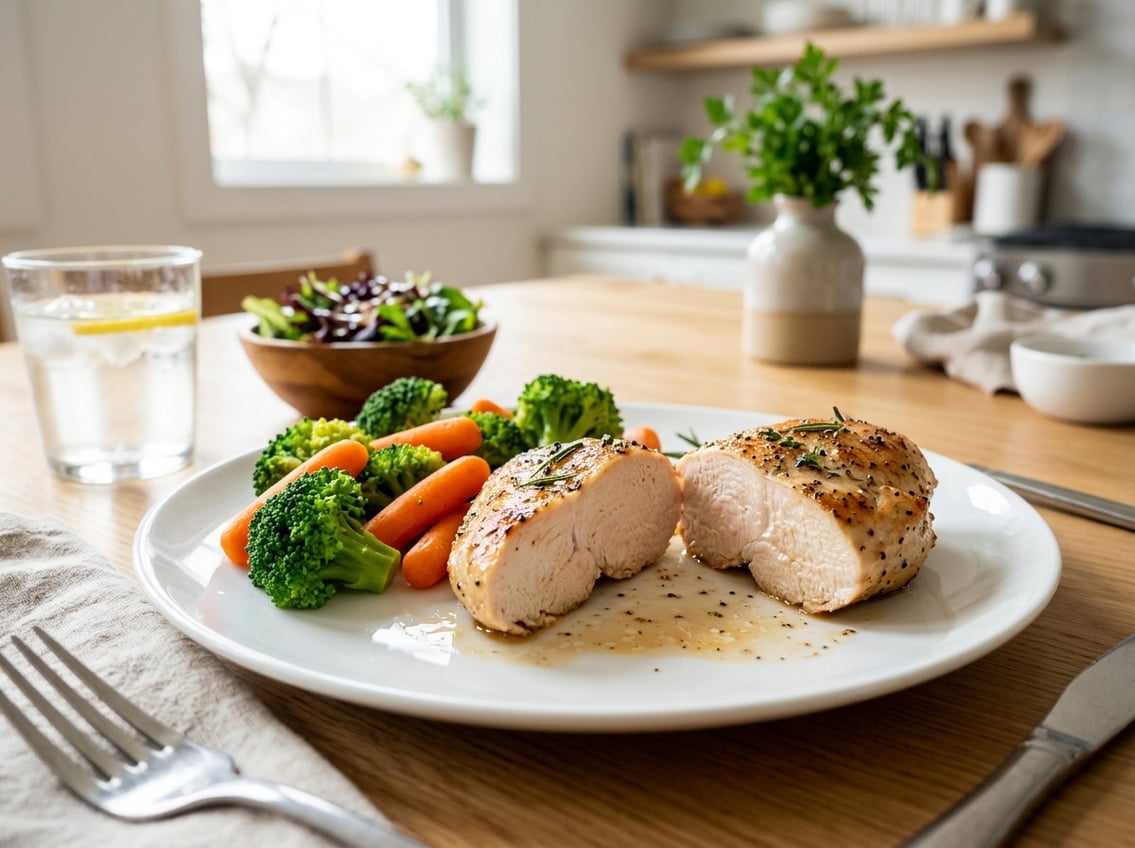
Chicken breast is a lean protein that can help you meet daily protein intake goals without adding much fat. A skinless chicken breast also gives you essential amino acids, which your body uses for muscle repair, muscle mass, and many other jobs.
How Much Protein It Adds to Your Day
Chicken is a high protein food, and even a modest serving can make a big difference. According to EatingWell’s review of eating chicken every day, a 4-ounce serving can provide about 35 grams of lean protein.
That makes chicken breast useful if you are trying to meet the general protein target of about 0.8 grams per kilogram of body weight. Your exact needs may be higher if you are active, older, pregnant, or trying to build muscle.
Muscle Repair, Muscle Mass, and Essential Amino Acids
Protein helps repair tissue after exercise, illness, or normal daily wear and tear. Chicken breast is a complete protein source, which means it contains all nine essential amino acids your body cannot make on its own.
Regular protein intake supports your body’s needs for cells, hormones, and immune function. It also helps you maintain muscle mass over time.
Satiety, Weight Management, and Weight Loss
Protein can help you feel full longer than many lower-protein foods. That can support satiety, which may make weight management easier and help with weight loss goals when your total diet is well planned.
The key is to pair chicken with enough vegetables, fiber, and other foods so your meals stay balanced.
Key Nutrients in Skinless Chicken Breast
Skinless chicken breast provides more than just protein. It also gives you niacin, selenium, phosphorus, and vitamin B6, along with other B vitamins that support energy use and metabolism.
Chicken breast is naturally low in fiber and very low in healthy fats. Those nutrients are useful, but they do not replace the full range of nutrients found across different protein foods.
When a Good Habit Can Become Too Narrow
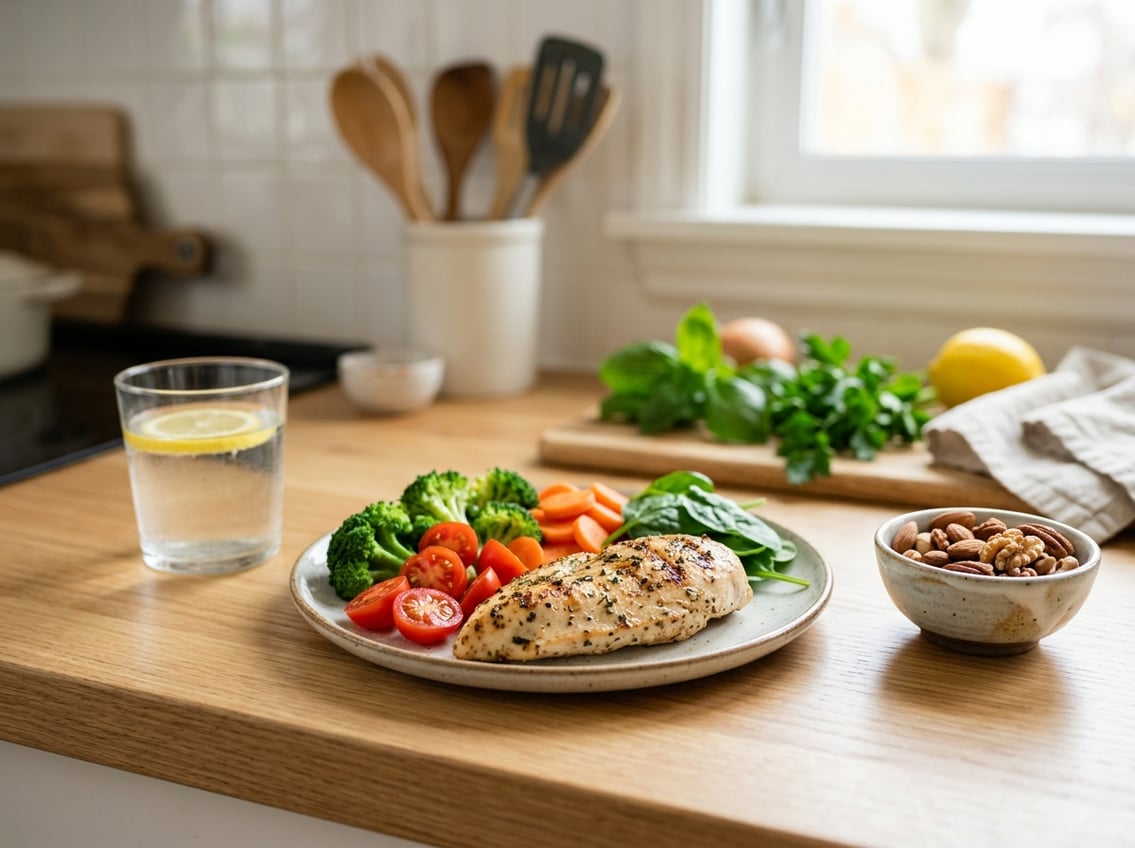
Eating chicken breast every day can work, yet a very narrow protein pattern can leave gaps in your diet. You may miss nutrients that come more easily from salmon, tofu, beans, lentils, eggs, shrimp, and other plant-based proteins.
Nutrients You May Miss by Relying on One Protein
A varied protein plan gives you more than protein alone. Foods like salmon add omega-3 fatty acids, beans and lentils add fiber, and eggs and dairy can bring other vitamins and minerals.
If you eat only chicken as your regular protein, your diet may contain less healthy fats and less fiber. Beans, lentils, and peas also offer iron and potassium, which help round out a balanced diet.
Cholesterol, High Cholesterol, and Heart Health Context
Chicken breast is usually lower in saturated fat than many other meats, especially when you remove the skin. That makes it a better choice than fried or heavily processed options for many people.
Your total diet still matters for heart health. If you already have high cholesterol, you may need to watch portion sizes, cooking methods, and the rest of your meals, not just the chicken itself.
Antibiotics in Chicken and Sourcing Concerns
Some people worry about antibiotics in chicken and where the bird came from. You can reduce concern by choosing chicken from reputable US suppliers and handling it safely.
Buy from brands and stores that follow clear food safety and animal care standards. Good sourcing helps you avoid unnecessary risk.
Foodborne Illness Risks From Salmonella and Campylobacter
Raw chicken can carry harmful bacteria such as salmonella and campylobacter. Proper cooking and clean handling matter every time you prepare it.
Wash your hands, keep raw chicken away from ready-to-eat foods, and cook it to a safe internal temperature. These steps lower the risk of foodborne illness.
How to Make It a Healthy Everyday Choice
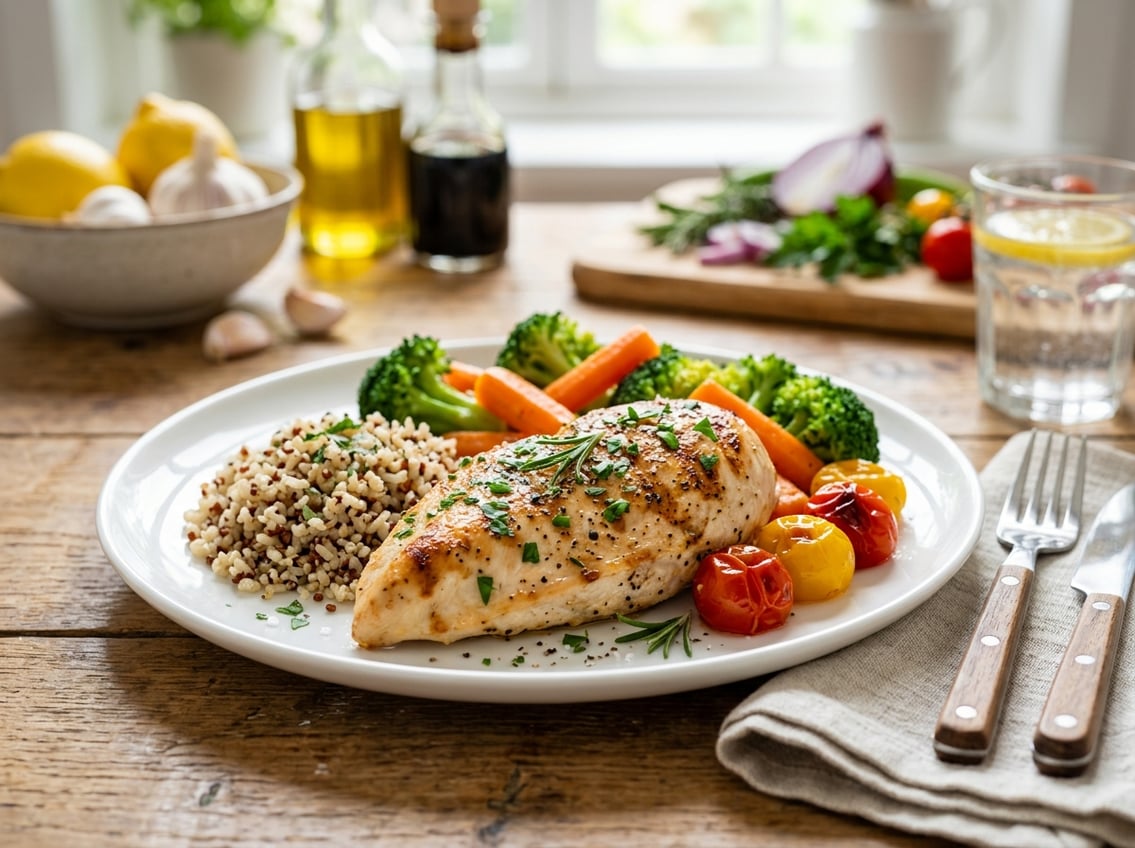
You can make chicken breast a healthy daily food if you pay attention to portion size, cooking method, and what you eat with it. The best approach is simple, not extreme.
Best Portion Size and Meal Frequency
A practical portion is often around 3 to 5 ounces cooked per meal, depending on your protein needs. If you eat chicken breast every day, you do not need it at every meal.
Spacing protein across the day can help you meet your needs without crowding out other foods. That makes it easier to keep your diet varied.
The Healthiest Way to Cook Chicken
Grill, bake, or poach chicken for the healthiest results. EatingWell notes that baked, grilled, or roasted chicken is a better choice than fried chicken for keeping saturated fat lower.
Keep the chicken breast skinless when possible. You can still get good flavor without adding a lot of extra fat.
Smart Pairings With Vegetables, Whole Grains, and Healthy Fats
Chicken breast works well with vegetables, whole grains, olive oil, and avocado. These foods add fiber, healthy fats, and more vitamins and minerals to your plate.
A simple meal like grilled chicken breast, brown rice, and roasted vegetables is more balanced than chicken alone. That kind of plate supports better nutrition and can help keep meals satisfying.
Flavor Without Overdoing Sodium or Heavy Sauces
You do not need heavy sauces to make chicken taste good.
Marinate chicken or season it with garlic, lemon, herbs, or spice blends to add flavor with less sodium.
If you use sauce, watch your portions.
Choose lighter options when possible.


