
Is It Chicken Breast Piece or Chest Piece? Explained
If you are asking is it chicken breast piece or chest piece, the standard cooking and retail term is chicken breast piece.
“Chest piece” is not the usual label in US grocery stores, butcher shops, or recipes.
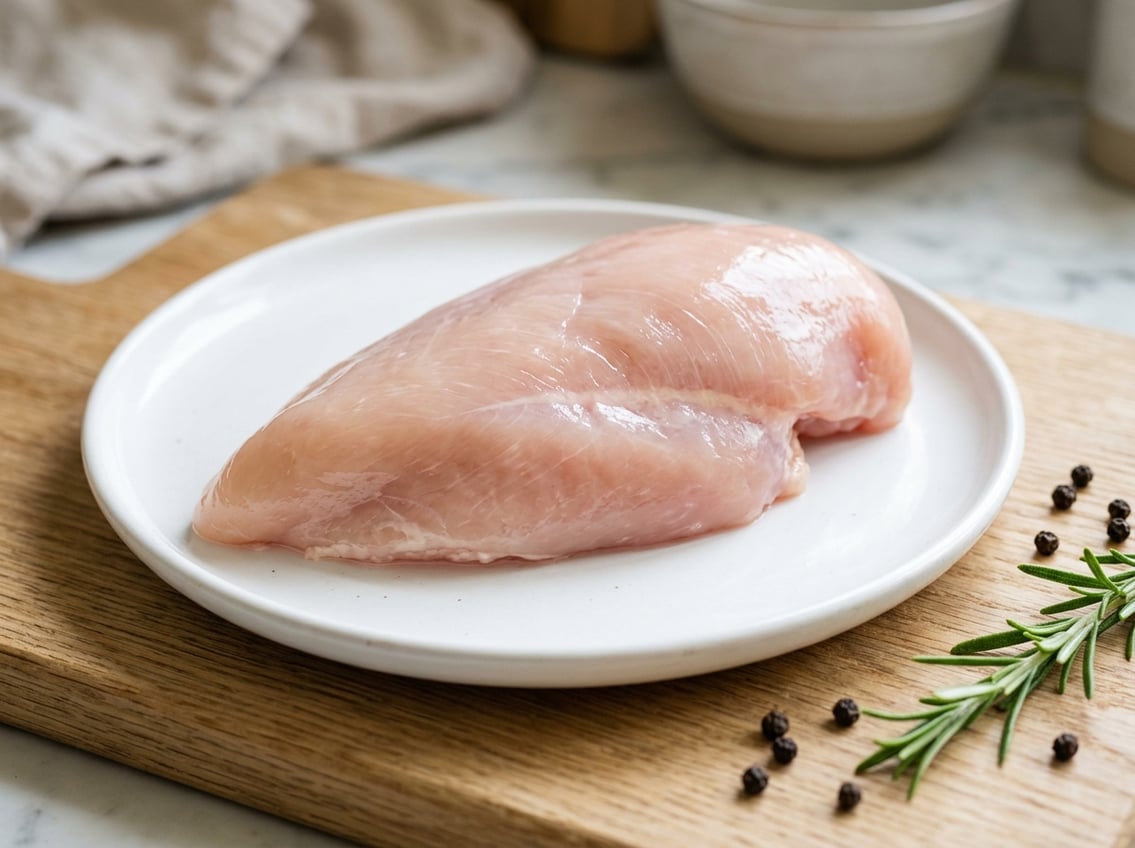
People may say “chest” because the breast comes from the front of the bird, and the words can sound close in casual speech.
In plain food language, chicken breast is the clear and correct term for the cut you cook.
The difference between chicken breast and chicken chest is mostly about wording, not a separate grocery item.
When you know the common chicken cuts, labels like breast fillet, split breast, and breast quarter make more sense at the store.
The Correct Term in Cooking and Meat Retail
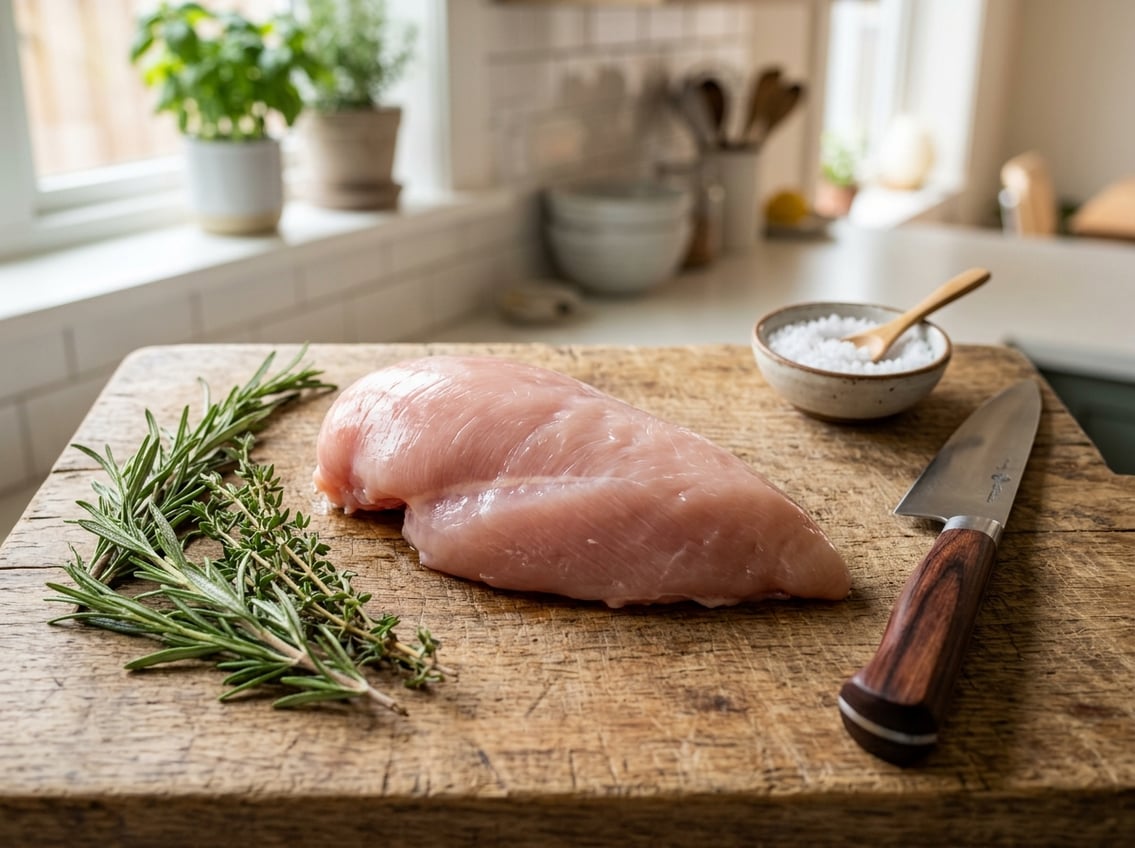
US meat retailers use chicken breast as the correct and standard label.
You will see this term on packaging, menus, and recipes when the cut is the lean white meat from the front of the bird.
The wording matters because chicken breast and chicken chest are not treated the same in food labeling.
Retail names are meant to be clear, so you can cook chicken breast with the right method and keep it juicy.
Why ‘Chicken Breast Piece’ Is the Standard Name
“Chicken breast piece” is standard because it points to a specific cut, not a general body area.
In the US, chicken cuts are usually labeled by the part you buy, such as breast, thigh, drumstick, or wing.
A chicken cuts guide explains that the breast is one of the main standard cuts.
It is sold as a recognizable retail item, which makes shopping easier and helps you match the cut to the recipe.
When People Say ‘Chest Piece’ and What They Usually Mean
When people say “chest piece,” they usually mean the breast, not a separate cut.
The phrase is common in casual speech, especially when someone is describing where the meat sits on the bird.
In technical or retail use, “chest” is broader and less exact.
A recent explanation from My Kitchen Gallery notes that chicken breast is the specific meat from the chest area, while “chicken chest” is not the standard culinary term.
How Labels Like Breast Fillet, Split Breast, and Breast Quarter Fit In
Breast fillet usually means a boneless breast portion, often trimmed and ready to cook.
Split breast means a breast cut with the bone still attached, often from a whole bird that has been divided.
A breast quarter usually includes the breast with part of the back and wing attached.
Breast with ribs means the breast meat is still attached to rib bones.
These labels tell you how much bone is left on the cut, which affects cook time and flavor.
What Part of the Bird These Terms Refer To
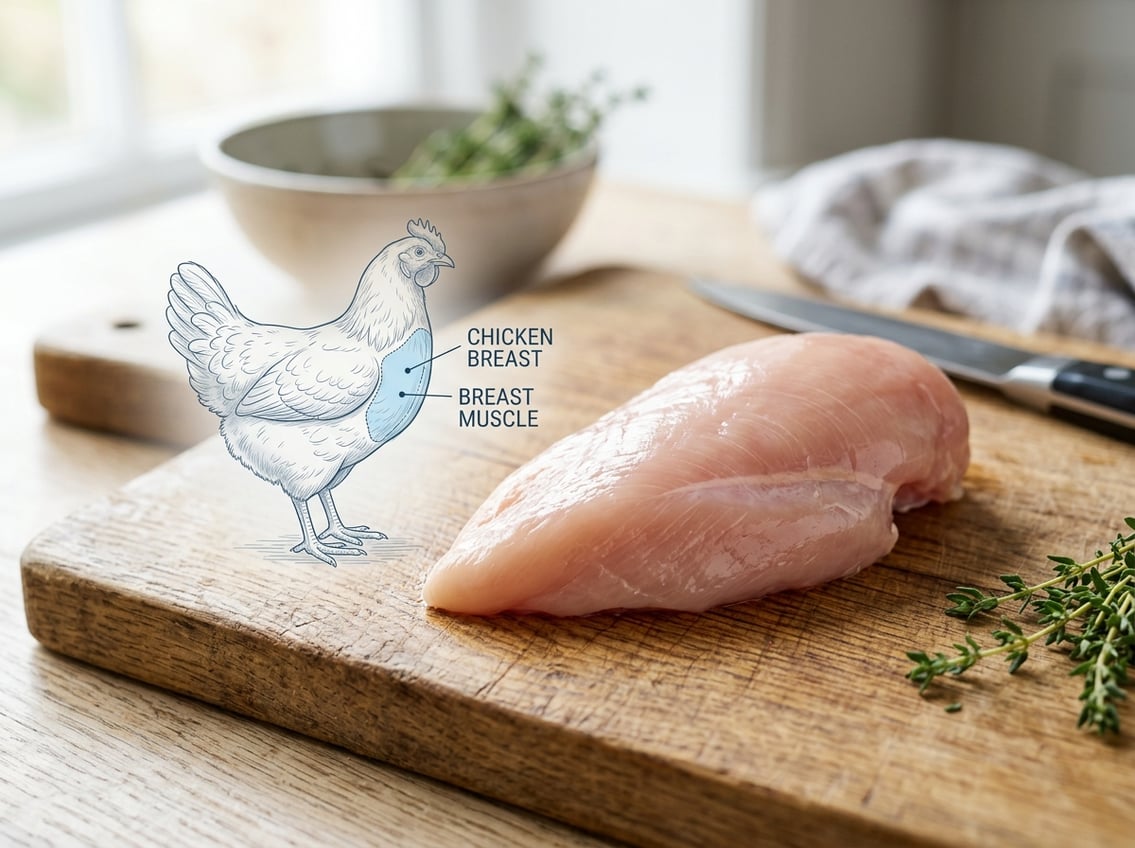
Chicken anatomy helps explain why the terms get mixed up.
The breast sits on the front of the bird, while the chest is the larger body area that contains the breast meat and nearby structures.
The breast is the part most cooks mean when they say chicken breast.
The chest structure includes more than the edible meat, so the words are not exact matches.
Breast Meat vs the Chest Structure
In chicken anatomy, the breast meat is the thick white muscle on the front of the bird.
The chest structure is the full front section, which includes muscle, bone, cartilage, and connected tissue.
The breast is the cut you eat, while the chest is the body area where that cut comes from.
Pectoralis Major, Pectoralis Minor, and Tenderloin
The main breast muscle is the pectoralis major, which makes up most of the chicken breast.
The smaller pectoralis minor sits underneath it and is often called the tenderloin or tender.
Some stores remove the tenderloin and sell it separately, while others leave it attached to the breast.
A chicken breast description notes that the tenderloin is the smaller strip on the underside of the breast.
The Role of the Keel Bone in Identifying the Cut
The keel bone runs along the center of the breast area and helps you identify bone-in breast cuts.
When stores sell the breast as breast with ribs, they leave the bones and cartilage attached, which can add flavor during cooking.
Bone-in cuts usually take a little longer to cook than boneless breast fillets.
They can also stay moist better if you use steady heat and avoid overcooking.
How Breast Compares With Other Common Chicken Cuts
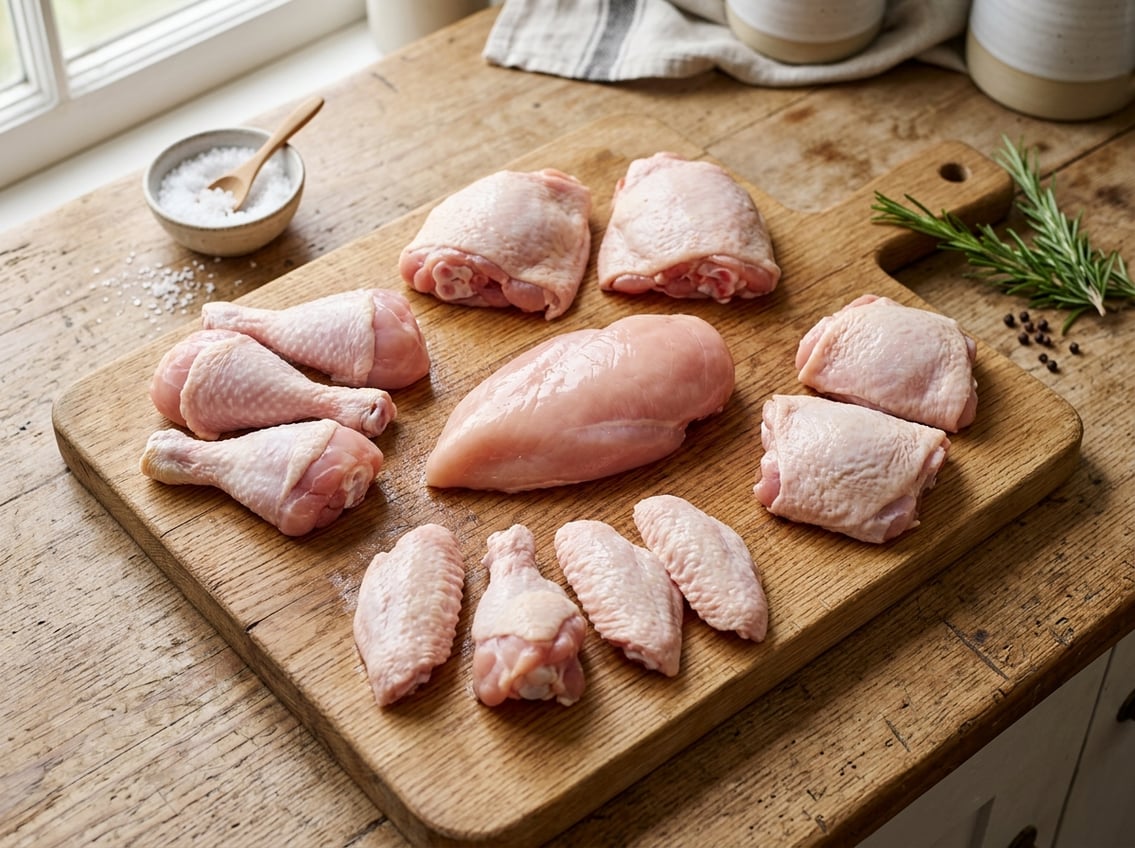
Chicken breast is only one of several standard chicken cuts.
To shop and cook well, you need to know how it differs from thigh, drumstick, whole leg, leg quarter, whole wing, and wing drumette.
The main differences are texture, fat content, and cooking time.
Breast is leaner and milder, while dark meat cuts usually have more fat and richer flavor.
Breast vs Thigh and Drumstick
Chicken breast is lean white meat, while thigh and drumstick are darker cuts with more fat and stronger flavor.
Breast cooks faster and can dry out sooner if the heat is too high or the cook time is too long.
Thigh and drumstick are often more forgiving because the extra fat helps keep them moist.
If you want a lighter, milder cut, breast is the usual choice.
How Whole Leg and Leg Quarter Differ From Breast Cuts
A whole leg includes both the thigh and drumstick.
A leg quarter usually includes the thigh, drumstick, and part of the back or body attached together.
These cuts are very different from breast cuts because they come from the lower part of the bird.
A whole leg or leg quarter is better for roasting, braising, or grilling when you want more flavor and a longer cook.
Why Whole Wing and Wing Drumette Are Separate From the Breast
A whole wing comes from the upper limb of the chicken, not the chest.
The wing drumette is the first wing segment, and stores often sell it separately from the flat and tip.
These cuts are separate from the breast because they serve different cooking purposes.
Wings are often used for frying, baking, or saucing, while breast is used for quick pan cooking, roasting, or slicing.
Practical Buying and Cooking Notes

When you shop, the best choice depends on how you plan to cook chicken breast.
Boneless breast, split breast, and tenderloin each work best in different recipes.
If you choose the right cut and cooking method, you are more likely to get a juicy chicken breast.
Small changes in temperature and timing make a big difference with lean meat.
How to Choose Between Boneless Breast, Split Breast, and Tenderloin
Choose boneless breast when you want fast, even cooking and easy slicing.
Choose split breast when you want more flavor from the bone and skin, and choose tenderloin for quick sautés, breading, or small portions.
A breast fillet is often the easiest option for weeknight meals because it is already trimmed.
A split breast gives you more flexibility if you want to roast it or cook it on the bone.
Best Ways to Cook Chicken Breast Without Drying It Out
To cook chicken breast well, use moderate heat and stop cooking as soon as it reaches a safe internal temperature.
A thermometer helps you avoid overcooking, which is the main reason breast meat turns dry.
Simple methods work best, such as pan-searing, baking, grilling, or poaching.
Brining, marinating, or cooking bone-in cuts can also help keep the meat moist.
Why Hen and Rooster Terms Do Not Change the Cut Name
The words hen and rooster describe the bird’s sex, not the retail cut. A hen breast and a rooster breast are both called chicken breast, even if the birds differ in size or age.
The cut name stays the same in the store and in recipes. You choose based on whether you want breast fillet, split breast, tenderloin, or another chicken cut, not based on the bird’s sex.


