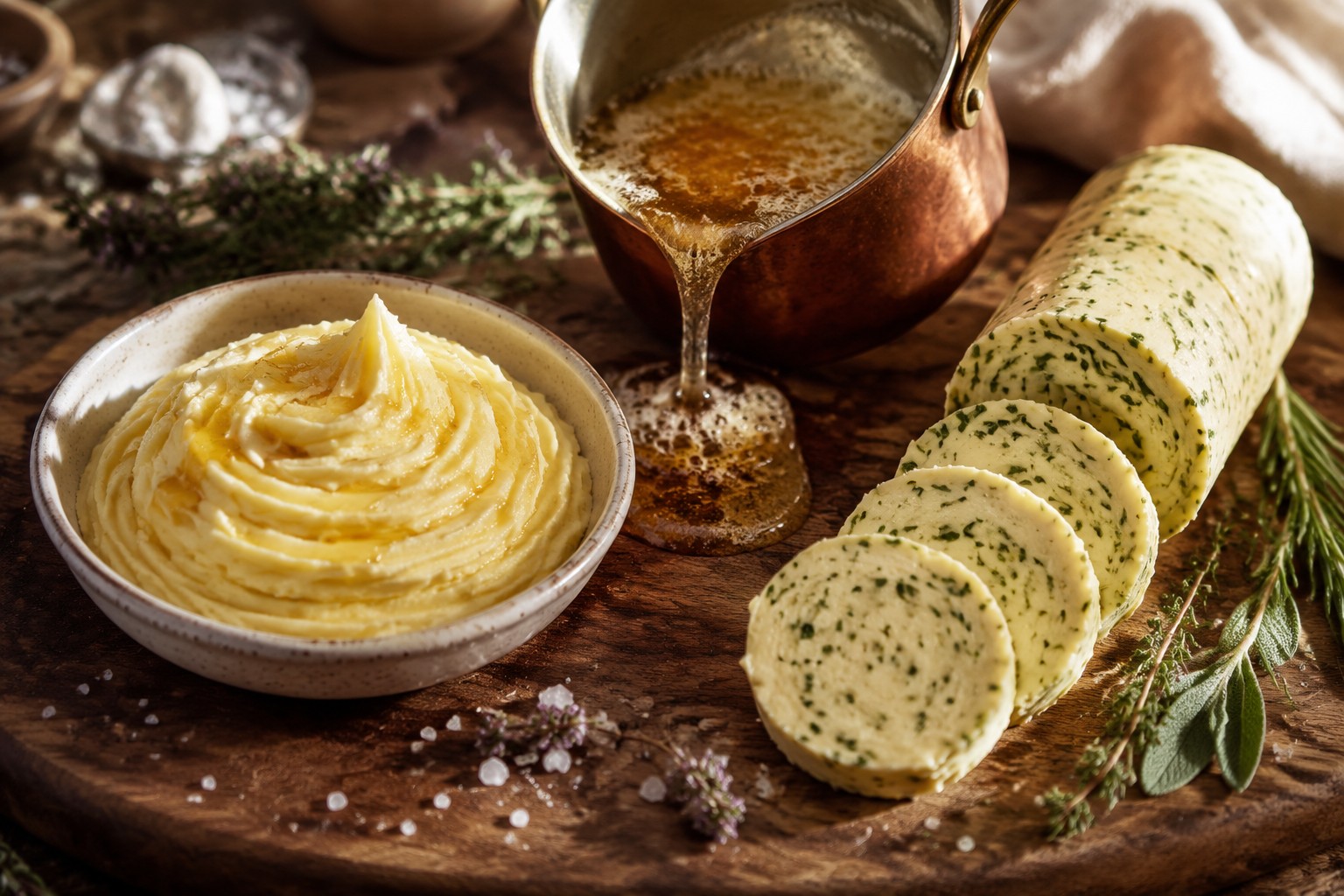
Butter Renaissance: Whipped, Burnt, and Flavored Butter Recipes for Grills, Bakes, and Toast in 2026
Last updated: June 3, 2026
Butter production jumped 8.1% year over year in spring 2026, while retail sales of butter, margarine, and spreads topped $6 billion—a 24% increase that signals butter’s return as a premium finishing ingredient and flavor driver in home kitchens. The Butter Renaissance: Whipped, Burnt, and Flavored Butter Recipes for Grills, Bakes, and Toast in 2026 reflects a shift from butter as a background fat to a star ingredient that delivers umami depth, rich texture, and restaurant-quality results on everything from fire-cooked steaks to morning toast.
Key Takeaways
- Butter sales surged 24% in 2026, driven by demand for premium, grass-fed, and flavored varieties that elevate everyday cooking.
- Whipped butter spreads easily straight from the fridge and incorporates air for a lighter texture, making it ideal for toast and quick baking applications.
- Burnt butter (beurre noisette) adds nutty, caramel notes to cookies, pasta, vegetables, and sauces when milk solids are toasted to golden brown.
- Flavored compound butters transform grilled meats and vegetables with herb, garlic, citrus, or spice blends that melt into a rich finishing sauce.
- Homemade flavored butter lasts 1-2 weeks refrigerated or up to 3 months frozen when wrapped tightly in parchment and foil.
- Common whipping mistakes include using cold butter or over-beating, which can turn the mixture grainy or separate into butterfat and liquid.
- Whipped butter is not lower in calories per serving but spreads thinner, so you may use less per slice of toast.
- Burnt butter turns black if overheated; watch for a golden-brown color and nutty aroma, then remove from heat immediately.
- Room-temperature butter (65-68°F) whips best, creating stable air pockets without melting or separating.
- Gourmet flavored butters are available online from specialty dairies, farmers’ markets, and retailers like Whole Foods, which featured Regenerative Organic Certified Maple Butter in its 2026 trend forecast.
What Is the Butter Renaissance Trend in 2026?
The butter renaissance in 2026 is a culinary and retail movement that positions butter as a premium, flavor-forward ingredient rather than a basic cooking fat. USDA production data shows an 8.1% year-over-year increase in spring butter output, while retail sales of the butter/margarine/spreads category exceeded $6 billion, up 24% from the previous year. This growth reflects consumer demand for richer, more traditional fats and a cultural shift away from margarine and low-fat spreads.
Why butter is back:
- Premium positioning: Grass-fed, cultured, and organic butter products command higher prices and shelf space in grocery stores.
- Flavor-first cooking: Home cooks are using butter as a finishing ingredient on grilled meats, roasted vegetables, and artisan toast, not just as a baking fat.
- Dairy butter blends: Sales of butter blends rose from $382 million in 2022 to over $436 million in 2026, a 13.9% gain, as consumers seek spreadable convenience without sacrificing butter flavor.
- Restaurant techniques at home: Techniques like whipped butter, burnt butter, and compound butter—once reserved for fine dining—are now standard in home kitchens.
Choose butter renaissance recipes if you want to add depth and richness to everyday dishes. Skip them if you prefer lighter, oil-based cooking or need dairy-free alternatives.
How to Make Whipped Butter at Home
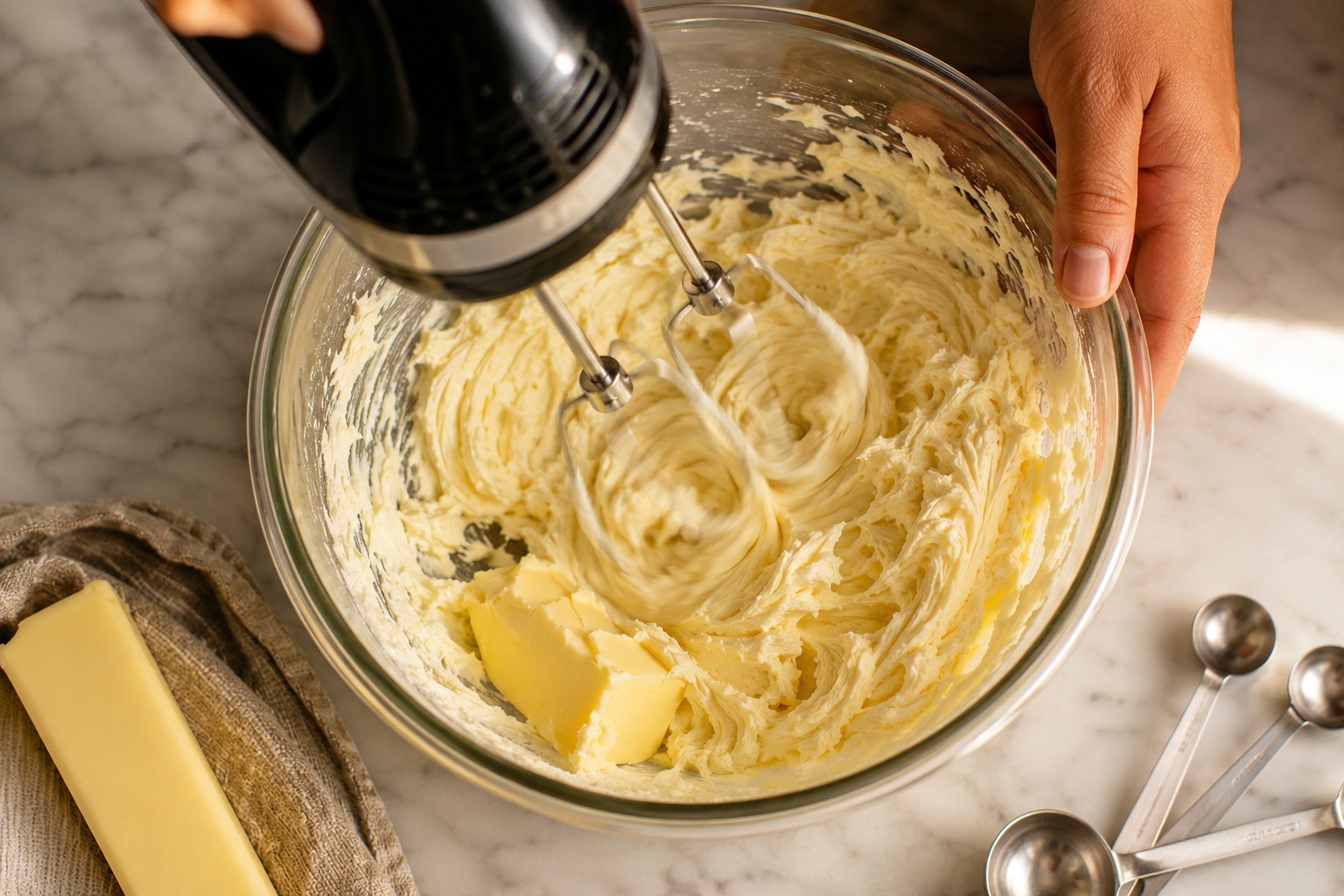
Whipped butter is made by beating softened butter with an electric mixer until it incorporates air and becomes light, fluffy, and easy to spread. Start with room-temperature butter (65-68°F), place it in a mixing bowl, and beat on medium-high speed for 3-5 minutes until the texture turns pale and cloud-like. You can add a pinch of salt, honey, cinnamon, or citrus zest during the final minute of whipping.
Step-by-step whipped butter:
- Soften the butter: Leave butter on the counter for 30-60 minutes until it yields to gentle pressure but isn’t greasy or melted.
- Beat on medium-high: Use a stand mixer or hand mixer. Start slow to avoid splattering, then increase speed.
- Whip for 3-5 minutes: The butter will lighten in color and double in volume as air is incorporated.
- Add flavorings (optional): Fold in honey, maple syrup, herbs, garlic, or spices in the last minute.
- Transfer and chill: Spoon into a serving dish or roll into a log using parchment paper. Refrigerate for 1-2 hours to firm up.
Common mistake: Using cold butter straight from the fridge. Cold butter won’t incorporate air and will stay dense. If you’re short on time, cut butter into small cubes and microwave for 5-10 seconds (not until melted, just softened).
Whipped butter spreads easily on toast and muffins, and it’s a great base for flavored spreads. For more ideas on keeping ingredients moist and flavorful, see our guide on how to keep chicken breast from drying out.
What Is Burnt Butter and How Do You Make It?
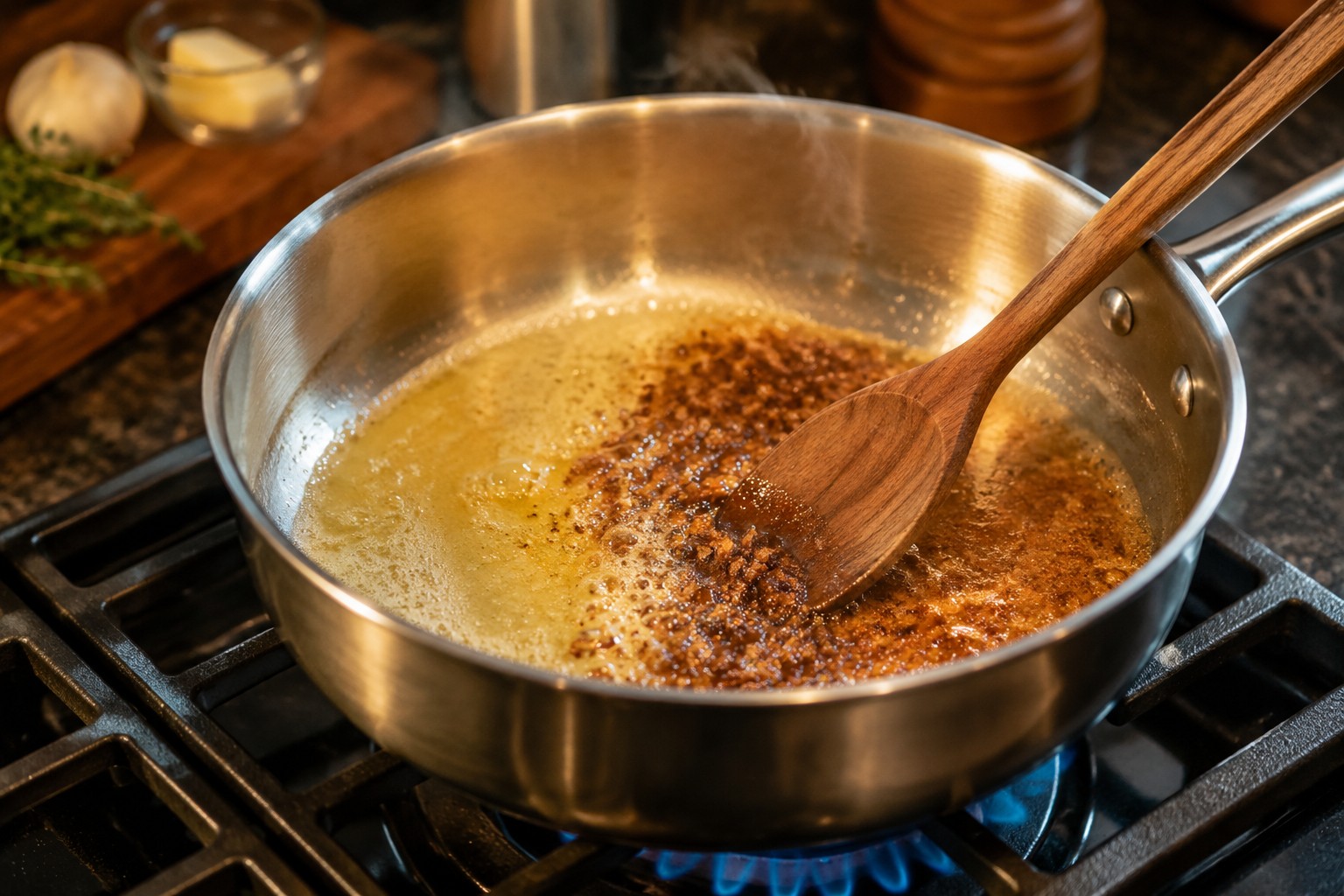
Burnt butter, also called beurre noisette (French for “hazelnut butter”), is butter that has been heated until the milk solids turn golden brown and develop a nutty, caramel aroma. To make it, melt butter in a light-colored saucepan over medium heat, swirl occasionally, and cook for 5-7 minutes until the foam subsides and the solids at the bottom turn amber. Remove from heat immediately and pour into a heatproof bowl to stop the cooking.
How to make burnt butter:
- Use a light-colored pan: Stainless steel or white enamel lets you see the color change clearly.
- Melt over medium heat: Don’t rush with high heat, or the butter will burn before the solids brown.
- Watch for foam: Butter will foam as water evaporates. Once the foam settles, the browning begins.
- Swirl the pan: This helps the milk solids brown evenly and prevents scorching.
- Look for golden-brown color and nutty smell: When the butter smells like toasted hazelnuts and the solids are amber, remove from heat.
- Transfer immediately: Pour into a bowl to stop the cooking process.
Edge case: If your burnt butter turns black instead of brown, you’ve overheated it. The milk solids have burned, and the butter will taste bitter. Start over with fresh butter and lower the heat.
Burnt butter is excellent in cookies, pasta sauces, drizzled over roasted vegetables, or brushed on grilled corn. It adds depth to baked goods and savory dishes alike.
Whipped Butter vs Regular Butter for Baking
Whipped butter contains more air than regular butter, which changes the density and volume in baking recipes. One cup of whipped butter weighs less than one cup of regular butter, so substituting whipped butter in a recipe that calls for regular butter can result in less fat and a drier, less rich final product. For best results, use regular butter in baking recipes unless the recipe specifically calls for whipped butter, or measure whipped butter by weight rather than volume.
Key differences:
| Aspect | Regular Butter | Whipped Butter |
|---|---|---|
| Density | Dense, solid | Light, airy |
| Volume | 1 cup = ~227g | 1 cup = ~150g |
| Best for | Baking, cooking | Spreading, toast |
| Substitution | Use as-is | Measure by weight |
Decision rule: Use regular butter for cakes, cookies, pastries, and any recipe where fat content is critical. Use whipped butter for spreading on toast, pancakes, or muffins where texture and ease of use matter more than precision.
If you’re baking chicken breast and want a rich, buttery finish, regular butter works better for basting. Learn more in our article on the best way to bake chicken breast.
Best Flavored Butter Recipes for Grilling Steak
Flavored compound butters are a simple way to add restaurant-quality finish to grilled steak, chicken, or vegetables. The best grilling butters combine softened butter with bold ingredients like garlic, herbs, citrus zest, or spices, then are chilled into a log and sliced into rounds that melt over hot meat. Popular combinations include garlic-herb butter, blue cheese butter, chili-lime butter, and rosemary-thyme butter.
Top flavored butter recipes for grilling:
- Garlic-herb butter: 1/2 cup softened butter, 3 cloves minced garlic, 2 tbsp chopped parsley, 1 tbsp chopped chives, 1/2 tsp salt. Mix, roll into a log, chill, and slice.
- Blue cheese butter: 1/2 cup butter, 1/4 cup crumbled blue cheese, 1 tbsp chopped chives, black pepper to taste. Great on ribeye or strip steak.
- Chili-lime butter: 1/2 cup butter, zest of 1 lime, 1 tsp chili powder, 1/2 tsp cumin, pinch of salt. Perfect for grilled chicken or corn.
- Rosemary-thyme butter: 1/2 cup butter, 1 tbsp fresh rosemary (minced), 1 tbsp fresh thyme, 1 clove garlic, 1/2 tsp sea salt. Ideal for lamb or beef.
How to use: Grill your steak or chicken to desired doneness, then place a 1/2-inch slice of compound butter on top while the meat rests. The butter melts into a rich, flavorful sauce. For grilling tips, see our guide on the best way to grill chicken breast.
Common mistake: Adding too much salt to the butter. Remember that steak is usually seasoned before grilling, so go light on salt in the compound butter to avoid over-seasoning.
Can You Use Burnt Butter in Cookies?
Yes, burnt butter is excellent in cookies and adds a nutty, caramel flavor that elevates classic recipes like chocolate chip, sugar, and oatmeal cookies. Substitute an equal amount of cooled burnt butter for regular melted butter in any cookie recipe. Let the burnt butter cool to room temperature before mixing with sugar and eggs to prevent scrambling. Burnt butter cookies often have a deeper, more complex flavor and a slightly chewier texture.
Tips for burnt butter cookies:
- Cool completely: Hot burnt butter will melt sugar too quickly and change the cookie texture.
- Use light or dark brown sugar: The molasses notes complement the nutty butter flavor.
- Add a pinch of flaky sea salt: This balances the richness and enhances the caramel notes.
- Chill the dough: Burnt butter dough can be softer than regular dough, so chilling for 30 minutes helps cookies hold their shape.
Example: For classic chocolate chip cookies, brown 1 cup (2 sticks) of butter, cool for 15 minutes, then proceed with your favorite recipe. The result is a cookie with toffee-like depth and a golden-brown edge.
Burnt butter also works in brownies, blondies, and shortbread. It’s a simple upgrade that makes a noticeable difference in flavor.
How Long Does Homemade Flavored Butter Last in the Fridge?
Homemade flavored butter lasts 1-2 weeks in the refrigerator when stored in an airtight container or wrapped tightly in parchment paper and foil. For longer storage, freeze flavored butter for up to 3 months. Wrap the butter log in parchment, then in foil or a freezer bag, and label with the date and flavor. Slice off portions as needed and return the rest to the freezer.
Storage guidelines:
- Refrigerator: 1-2 weeks in an airtight container or wrapped tightly.
- Freezer: Up to 3 months in parchment and foil or a freezer-safe bag.
- Room temperature: Not recommended for flavored butter with fresh herbs or garlic, as these ingredients can spoil quickly.
Signs of spoilage: Off smell, mold, or a rancid taste. Fresh herbs in butter can turn brown after a week, but this doesn’t always mean the butter is bad—use your nose and taste a small amount.
Pro tip: Roll compound butter into a log using parchment paper, twist the ends like a candy wrapper, then wrap in foil. This makes it easy to slice off rounds as needed. For more food storage tips, see our article on how long chicken breast can stay in the fridge uncooked.
What Are Common Mistakes When Making Whipped Butter?
The most common mistakes when making whipped butter are using cold butter, over-beating, and adding liquid ingredients too quickly. Cold butter won’t incorporate air and will stay dense. Over-beating can cause the butter to separate into butterfat and liquid, resulting in a grainy texture. Adding honey, maple syrup, or other liquids too fast can also cause separation.
Common whipped butter mistakes:
- Using cold butter: Butter must be room temperature (65-68°F) to whip properly. Cold butter stays dense and won’t fluff.
- Over-beating: Whipping for more than 5-7 minutes can cause the butter to separate. Stop when the texture is light and fluffy.
- Adding too much liquid: Honey, maple syrup, or citrus juice should be added slowly (1 tablespoon at a time) and beaten just until incorporated.
- Using a bowl that’s too small: Butter expands as it whips, so use a large mixing bowl to avoid splattering.
- Not scraping the bowl: Butter can stick to the sides. Scrape down the bowl halfway through whipping to ensure even texture.
Fix for separated butter: If your whipped butter looks grainy or separated, chill it for 10 minutes, then beat again on low speed. This can sometimes bring it back together.
Whipped butter is forgiving, but these mistakes can affect texture and spreadability. Stick to room-temperature butter and stop beating as soon as the texture is light and airy.
Is Whipped Butter Healthier Than Regular Butter?
Whipped butter is not inherently healthier than regular butter in terms of fat or calorie content per gram, but because it contains air, a tablespoon of whipped butter has fewer calories than a tablespoon of regular butter. One tablespoon of regular butter has about 100 calories and 11 grams of fat, while one tablespoon of whipped butter has about 65-70 calories and 7-8 grams of fat. However, if you measure by weight rather than volume, the calorie content is the same.
Calorie comparison (by volume):
| Type | Calories per tbsp | Fat per tbsp |
|---|---|---|
| Regular butter | ~100 | ~11g |
| Whipped butter | ~65-70 | ~7-8g |
Why the difference?: Whipped butter is about 30-40% air by volume, so a tablespoon of whipped butter contains less actual butter than a tablespoon of regular butter.
Decision rule: If you’re trying to reduce calories, whipped butter can help because it spreads thinner and you may use less per serving. But if you’re measuring by weight for a recipe, whipped butter offers no calorie advantage.
Whipped butter is a good choice for spreading on toast or muffins where you want easy application and lighter coverage. For cooking and baking, regular butter is more predictable.
Why Does Burnt Butter Turn Black Instead of Brown?
Burnt butter turns black instead of brown when it is heated too quickly or left on the heat too long, causing the milk solids to burn rather than toast. The ideal temperature for browning butter is medium heat, which allows the water to evaporate and the milk solids to caramelize slowly. High heat or inattention can push the solids past golden brown into black, resulting in a bitter, acrid flavor.
How to prevent black burnt butter:
- Use medium heat: High heat burns the solids before they can brown evenly.
- Watch the color: Once the foam subsides, the browning happens quickly. Stay at the stove and watch for a golden-amber color.
- Swirl the pan: This distributes heat evenly and prevents hot spots that can scorch the solids.
- Remove from heat immediately: As soon as you see golden-brown solids and smell a nutty aroma, take the pan off the heat and pour the butter into a bowl.
Edge case: If you’re using a dark or non-stick pan, it’s harder to see the color change. Use a light-colored stainless steel or white enamel pan so you can monitor the browning process.
If your butter does turn black, discard it and start over. There’s no way to salvage burnt butter once the solids have burned—it will taste bitter and ruin your dish.
Best Butter for Toast Toppings and Spreads
The best butter for toast in 2026 is whipped butter or cultured butter, both of which offer easy spreading and rich flavor. Whipped butter spreads smoothly straight from the fridge, making it ideal for morning toast, while cultured butter has a tangy, complex flavor that pairs well with artisan bread and simple toppings like flaky sea salt or honey. Grass-fed butter is also popular for its deeper yellow color and richer taste.
Top butter choices for toast:
- Whipped butter: Light, airy, easy to spread cold. Great with honey, cinnamon, or jam.
- Cultured butter: Tangy, slightly sour flavor. Excellent with sourdough or rye bread.
- Grass-fed butter: Rich, golden color, deeper flavor. Pairs well with sea salt or avocado.
- Salted butter: Classic choice for sweet or savory toast. Use flaky sea salt for a gourmet touch.
Flavor add-ins for toast butter:
- Honey butter: Whipped butter + honey + a pinch of cinnamon.
- Herb butter: Softened butter + chopped chives, parsley, or dill.
- Cinnamon sugar butter: Whipped butter + cinnamon + a touch of brown sugar.
- Citrus butter: Softened butter + lemon or orange zest + a pinch of salt.
Pro tip: Keep a small dish of whipped butter on the counter for 10-15 minutes before breakfast so it’s soft enough to spread without tearing the bread.
For more breakfast and cooking ideas, see our guide on what to do with a lot of chicken breast.
Where to Buy Gourmet Flavored Butter Online
Gourmet flavored butter is available online from specialty dairies, artisan food retailers, and major grocery chains with e-commerce platforms. Whole Foods, which featured Regenerative Organic Certified Maple Butter in its 2026 trend forecast, offers a range of premium butters online and in stores. Other sources include farmers’ market vendors with online shops, specialty cheese and dairy sites, and subscription boxes focused on artisan foods.
Where to buy flavored butter online:
- Whole Foods Market: Organic, grass-fed, and flavored butters, including maple and herb varieties.
- Murray’s Cheese: Cultured and European-style butters, plus compound butters with truffles or herbs.
- Vital Farms: Pasture-raised butter available on their website and Amazon.
- Local dairies: Many small dairies sell flavored butter online and ship nationwide. Check farmers’ market websites for links.
- Amazon: Wide selection of grass-fed, cultured, and flavored butters from multiple brands.
- Subscription boxes: Artisan food boxes like Mouth.com or Goldbelly often feature small-batch flavored butters.
What to look for: Check for grass-fed, organic, or pasture-raised labels if you want premium quality. Read reviews to confirm flavor and freshness, especially for herb or garlic butters that can vary in intensity.
Price range: Expect to pay $8-$15 for 8 ounces of gourmet flavored butter, compared to $4-$6 for standard supermarket butter.
Can You Freeze Whipped Honey Butter?
Yes, you can freeze whipped honey butter for up to 3 months without significant loss of texture or flavor. Wrap the butter tightly in parchment paper, then in foil or a freezer-safe bag, and label with the date. When ready to use, thaw in the refrigerator overnight or let sit at room temperature for 30-60 minutes. The texture may be slightly less fluffy after freezing, but a quick re-whip with a fork or mixer will restore the airy consistency.
How to freeze whipped honey butter:
- Portion into servings: Scoop into small containers or roll into a log and slice before freezing.
- Wrap tightly: Use parchment paper, then foil or a freezer bag to prevent freezer burn.
- Label and date: Write the flavor and date on the package.
- Freeze for up to 3 months: Beyond that, the butter may develop off flavors or freezer burn.
- Thaw in the fridge: For best texture, thaw slowly in the refrigerator overnight.
Pro tip: Freeze whipped honey butter in ice cube trays for individual portions. Once frozen, pop the cubes into a freezer bag. This makes it easy to grab a single serving for toast or pancakes.
Freezing is a great way to preserve seasonal or bulk-made flavored butters. Just be sure to wrap tightly to avoid absorbing freezer odors.
What Temperature Should Butter Be for Whipping?
Butter should be at room temperature, around 65-68°F (18-20°C), for whipping. At this temperature, butter is soft enough to incorporate air but firm enough to hold its structure. If butter is too cold, it won’t fluff. If it’s too warm or greasy, it will separate into butterfat and liquid instead of forming stable air pockets.
How to bring butter to the right temperature:
- Leave on the counter: Set butter out 30-60 minutes before whipping, depending on room temperature.
- Cut into cubes: Smaller pieces soften faster. Cut a stick of butter into 8-10 cubes and let sit for 20-30 minutes.
- Microwave (carefully): Microwave on 10% power for 5-10 seconds at a time, checking after each interval. Stop when the butter yields to gentle pressure but isn’t melted or shiny.
Test for readiness: Press your finger into the butter. It should leave an indent without your finger sinking all the way through. The butter should not be greasy or melted.
Common mistake: Microwaving butter on full power, which melts it unevenly. Use low power and short intervals to avoid turning butter into liquid.
Room-temperature butter is also key for creaming butter and sugar in baking. For more cooking tips, see our guide on the best way to make chicken breast.
FAQ
What is the butter renaissance in 2026?
The butter renaissance is a culinary trend where butter is used as a premium, flavor-forward ingredient rather than just a cooking fat. Retail sales of butter and spreads exceeded $6 billion in 2026, up 24% from the previous year, driven by demand for grass-fed, cultured, and flavored varieties.
How long does whipped butter last in the fridge?
Whipped butter lasts 1-2 weeks in the refrigerator when stored in an airtight container. For longer storage, freeze it for up to 3 months wrapped tightly in parchment and foil.
Can you substitute whipped butter for regular butter in baking?
Not directly by volume. Whipped butter contains air and weighs less per cup than regular butter, so substituting it can result in less fat and a drier final product. Measure whipped butter by weight for accurate substitution.
What does burnt butter taste like?
Burnt butter has a nutty, caramel flavor with toasted hazelnut notes. It adds depth and complexity to cookies, pasta, vegetables, and sauces.
Why did my burnt butter turn black?
Burnt butter turns black when heated too quickly or left on the heat too long, causing the milk solids to burn instead of brown. Use medium heat and watch the color closely.
Is whipped butter lower in calories?
Whipped butter has fewer calories per tablespoon (about 65-70 calories) than regular butter (about 100 calories) because it contains air. However, by weight, the calorie content is the same.
What are the best flavored butters for grilled steak?
Garlic-herb butter, blue cheese butter, chili-lime butter, and rosemary-thyme butter are all excellent choices. They melt over hot steak to create a rich, flavorful sauce.
Can you freeze compound butter?
Yes, compound butter freezes well for up to 3 months. Wrap it tightly in parchment and foil, then slice off portions as needed.
What temperature should butter be for whipping?
Butter should be at room temperature, around 65-68°F (18-20°C), for whipping. It should be soft enough to leave an indent when pressed but not greasy or melted.
Where can I buy gourmet flavored butter?
Gourmet flavored butter is available online from Whole Foods, Murray’s Cheese, Vital Farms, Amazon, and local dairies with e-commerce platforms. Expect to pay $8-$15 for 8 ounces.
Can you use burnt butter in cookies?
Yes, burnt butter is excellent in cookies and adds a nutty, caramel flavor. Substitute cooled burnt butter for melted butter in any cookie recipe.
How do you store homemade flavored butter?
Store homemade flavored butter in an airtight container or wrapped tightly in parchment and foil in the refrigerator for 1-2 weeks, or freeze for up to 3 months.
Conclusion
The Butter Renaissance: Whipped, Burnt, and Flavored Butter Recipes for Grills, Bakes, and Toast in 2026 is more than a trend—it’s a return to rich, traditional fats that deliver depth, umami, and restaurant-quality results at home. With butter production up 8.1% and retail sales topping $6 billion, consumers are embracing whipped, burnt, and compound butters as finishing ingredients that transform grilled meats, baked goods, and simple toast into memorable dishes.
Your next steps:
- Start with whipped butter: Soften a stick of butter to room temperature, beat for 3-5 minutes, and add honey or cinnamon for an easy toast spread.
- Try burnt butter in your next batch of cookies: Brown 1 cup of butter, cool, and substitute for melted butter in your favorite recipe.
- Make a compound butter for grilling: Mix softened butter with garlic, herbs, and salt, roll into a log, and freeze. Slice off rounds to melt over grilled steak or chicken.
- Experiment with flavors: Add citrus zest, chili powder, blue cheese, or maple syrup to create custom butters for different dishes.
For more cooking techniques and recipe ideas, explore our guides on the best way to grill chicken breast and how to keep chicken breast from drying out. Whether you’re finishing a steak, baking cookies, or spreading butter on morning toast, the butter renaissance offers simple, flavorful upgrades that make every meal better.
SEO Meta Title: Butter Renaissance 2026: Whipped, Burnt & Flavored Recipes
SEO Meta Description: Discover whipped, burnt, and flavored butter recipes for grills, bakes, and toast in 2026. Tips, techniques, and storage for premium butter at home.