
What Is the Best Way to Make Chicken Breast? Methods Compared
If you want to know the best way to make chicken breast, use a method that keeps the meat protected and stop cooking before it dries out.
For most home cooks, finishing in a covered pan or using a careful oven method with a thermometer works best.
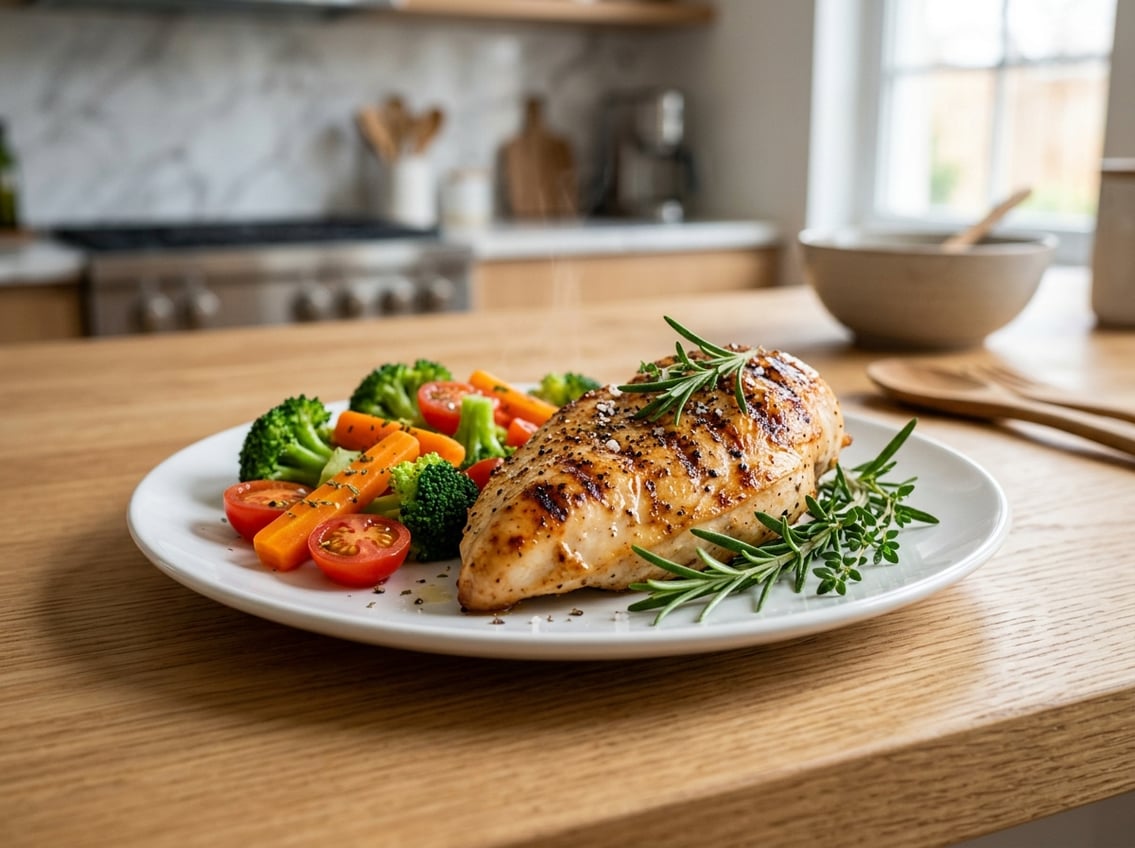
Chicken breasts are lean and lose moisture fast.
That is why many people end up with dry chicken instead of a juicy or tender result.
The Most Reliable Method for Juicy Results
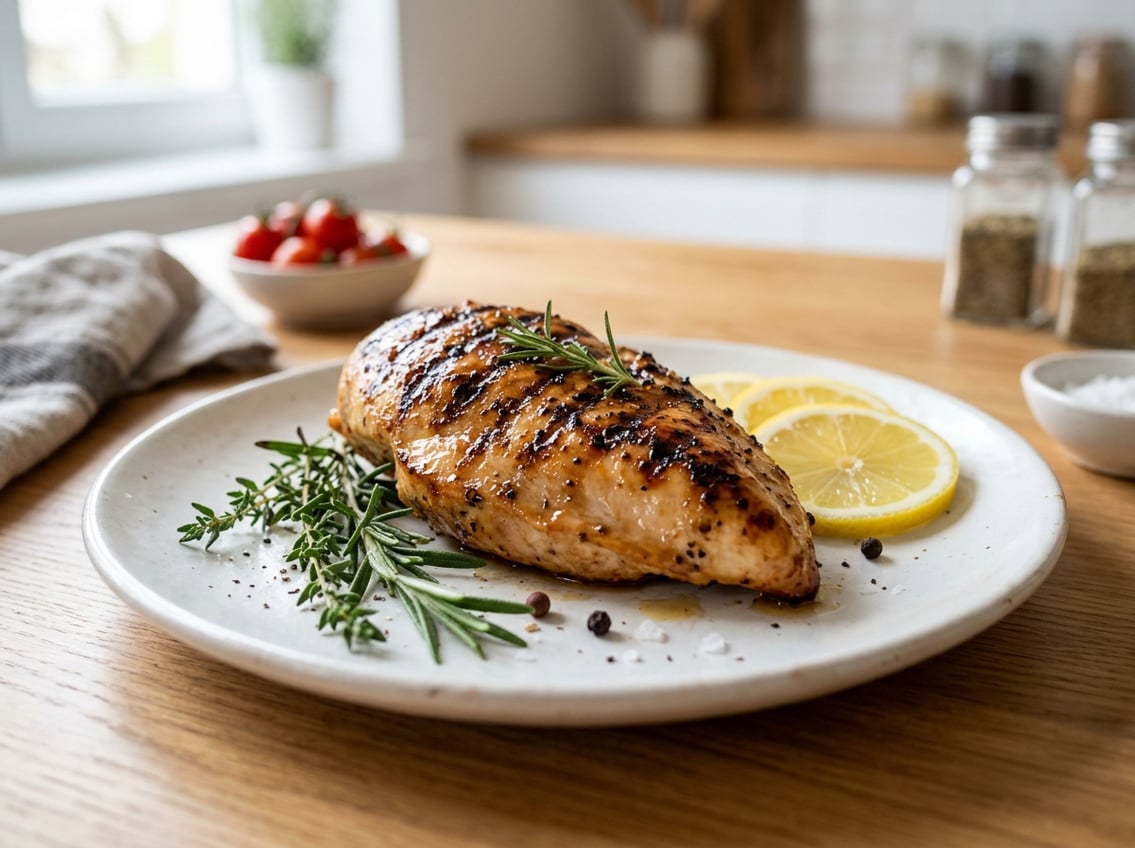
For boneless skinless chicken breast, combine strong seasoning, controlled heat, and a meat thermometer for the most reliable results.
This works whether you bake chicken breast or finish it in a skillet after a brief oven stay.
Chef advice from Simply Recipes recommends brining and then cooking quickly over high heat, letting rest time finish the job. This approach suits boneless skinless chicken breasts, which dry out fast if cooked too long.
Why Covered Pan Cooking Works So Well
A covered pan traps heat and steam, helping a skinless chicken breast cook evenly without losing as much moisture.
You get more control than cooking in a dry pan the whole time.
This method works well when you want to cook chicken breast quickly on a weeknight.
Start with a hot skillet, then cover briefly so the center cooks through before the outside turns tough.
When High-Heat Oven Roasting Is the Better Choice
If you want to bake chicken breast, high heat is often better than a slow oven.
A hotter oven shortens the cooking time, which limits moisture loss and helps baked chicken breasts stay more tender.
When baking chicken breast, focus on speed and temperature, not just time.
A short roast at a high temperature works well when your boneless skinless chicken breast pieces are similar in size.
How a Meat Thermometer Prevents Dry Chicken
A meat thermometer removes the guesswork.
Chicken is safe at 165°F, but chicken breast can keep cooking after you pull it from the heat, so removing it a little early helps protect the texture.
For juicy chicken breast, pull it around 150°F to 155°F and let carryover heat finish the job.
That small timing change can be the difference between tender chicken breast and dry meat.
Prep Steps That Matter More Than the Cooking Method
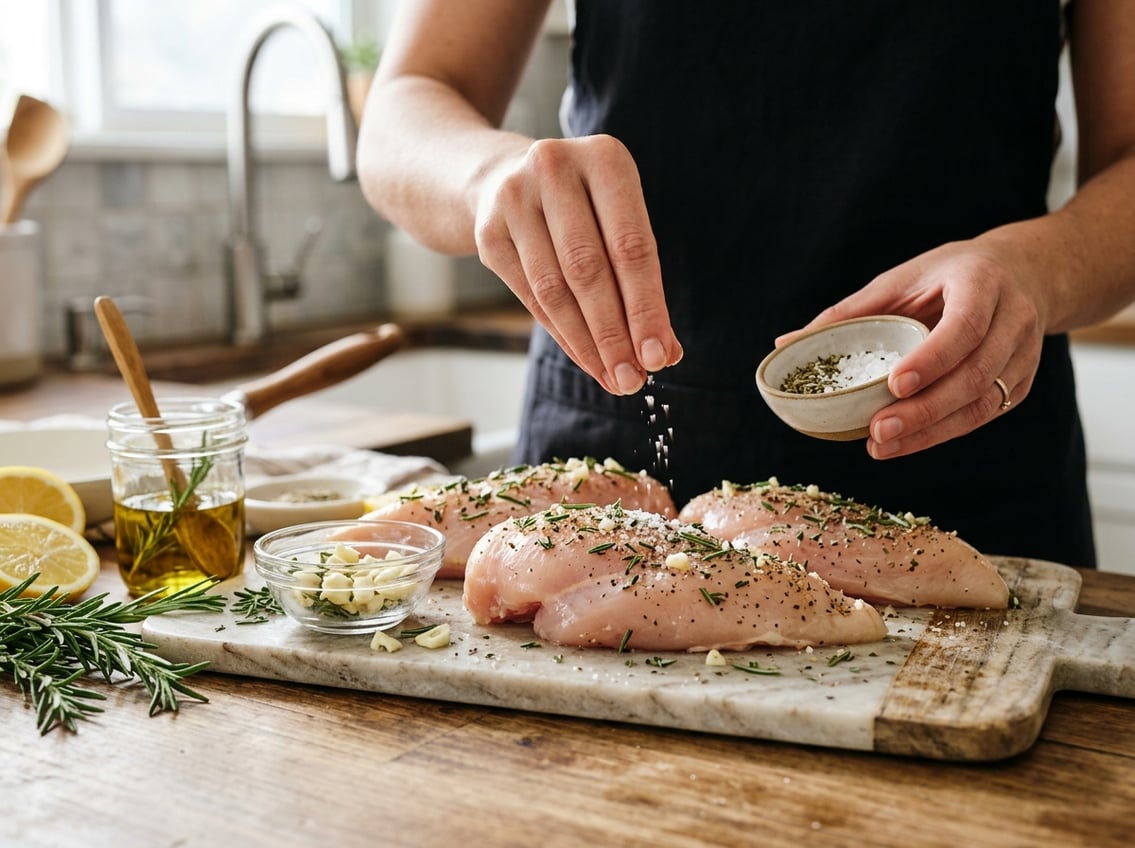
How you prep chicken breasts often matters more than whether you roast, grill, or pan-cook them.
Salt, thickness, and cut style all affect moisture and texture.
Start by choosing the right cut for the meal and giving it enough time to season.
These steps help every method work better.
Choosing Between Boneless, Bone-In, and Skin-On Cuts
Boneless chicken breast cooks fast and is easy to slice, making it a common choice for everyday meals.
Bone-in and skin-on chicken breasts usually stay more forgiving because the bone and skin help protect the meat.
If you want the most flavor, choose skin-on chicken.
If you need speed, boneless chicken breast is easier as long as you watch the temperature closely.
Quick Brine vs Overnight Brine
A quick salt brine helps if you only have 20 to 30 minutes.
An overnight brine gives more time for the salt to season the meat and improve texture, which is why many chefs recommend it.
An overnight brine works well when you plan ahead.
A quick brine is better when dinner is already moving and you need a faster fix for a tender chicken breast.
Why Even Thickness and Resting Change the Outcome
Uneven chicken breasts cook unevenly.
If one end is thick and the other is thin, the thin side dries out before the thick side is done.
Pound the breast to an even thickness so the whole piece finishes at the same time.
Rest the meat after cooking so the juices settle back into the chicken instead of running out on the cutting board.
Best Alternatives for Specific Situations
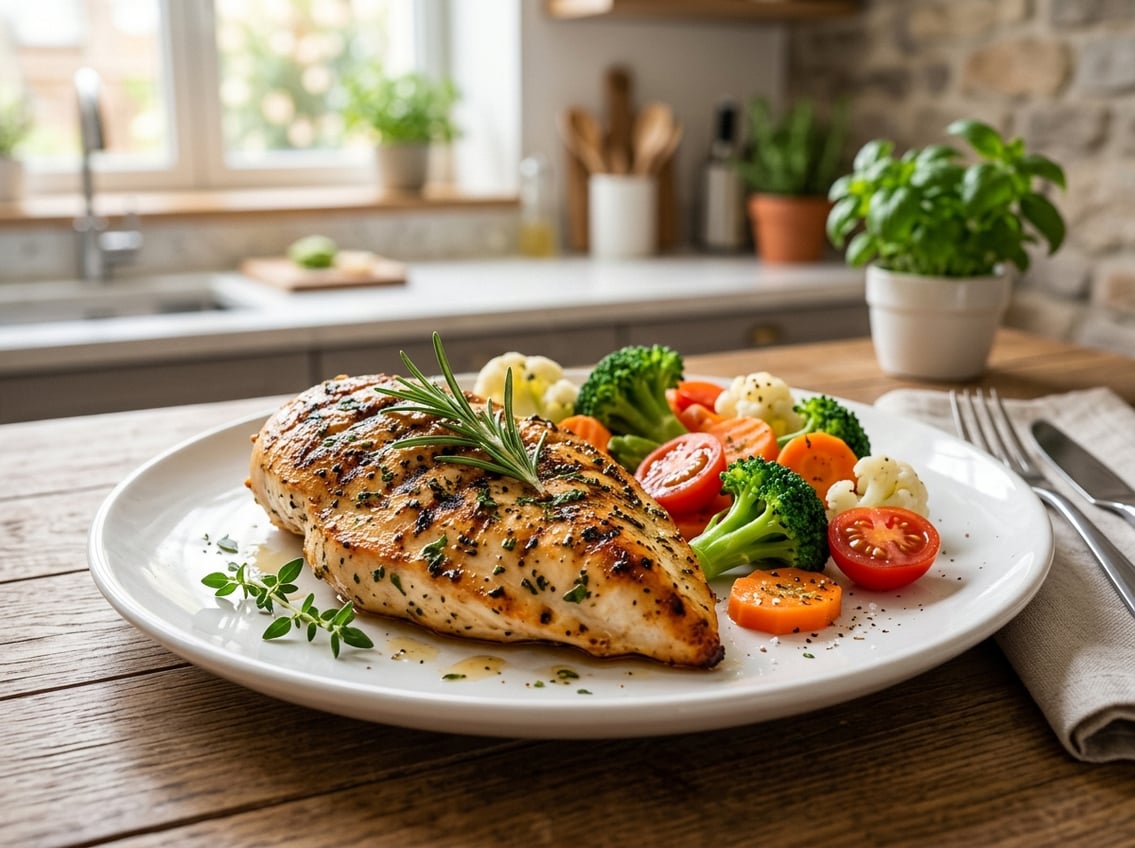
Some methods are better for flavor, while others are better for texture or meal prep.
The best choice depends on how you plan to serve the chicken breasts.
Match the method to the dish for better results with less effort.
When to Grill for Flavor and Char
Grill chicken breast when you want smoky flavor and grill marks.
This works best if the pieces are even in thickness and lightly coated with oil so they do not stick.
Watch the heat closely when grilling.
Grilled chicken breast can go from done to dry fast, so use a thermometer and pull it as soon as it reaches the right temperature.
When to Poach for Salads and Meal Prep
Poach chicken breast when you want mild flavor and a soft texture.
This method is useful for shredded chicken, wraps, and recipes where the chicken gets mixed with sauce or dressing.
Keep the liquid at a gentle simmer, not a hard boil, when poaching chicken.
That helps the meat stay tender and makes it a good fit for chicken salad and meal prep.
Which Method Fits the Dish You Are Making
Choose baked chicken breasts when you want an easy hands-off dinner.
Pick grilled chicken breast when you want char and a stronger cooked flavor.
Use poached chicken for cold dishes or soups, or when you want the chicken to blend in.
Match your cooking method to your goal and stop at the right temperature to keep the meat from overcooking.


