
Why Is It Called Chicken Breast and Not Chest? Explained
Why is it called chicken breast and not chest? “Breast” is the culinary name for the meat on the front of the bird, while “chest” points more directly to the body structure underneath it.
In everyday cooking, you name the edible muscle, not the bones and cartilage that make up the front of the chicken.
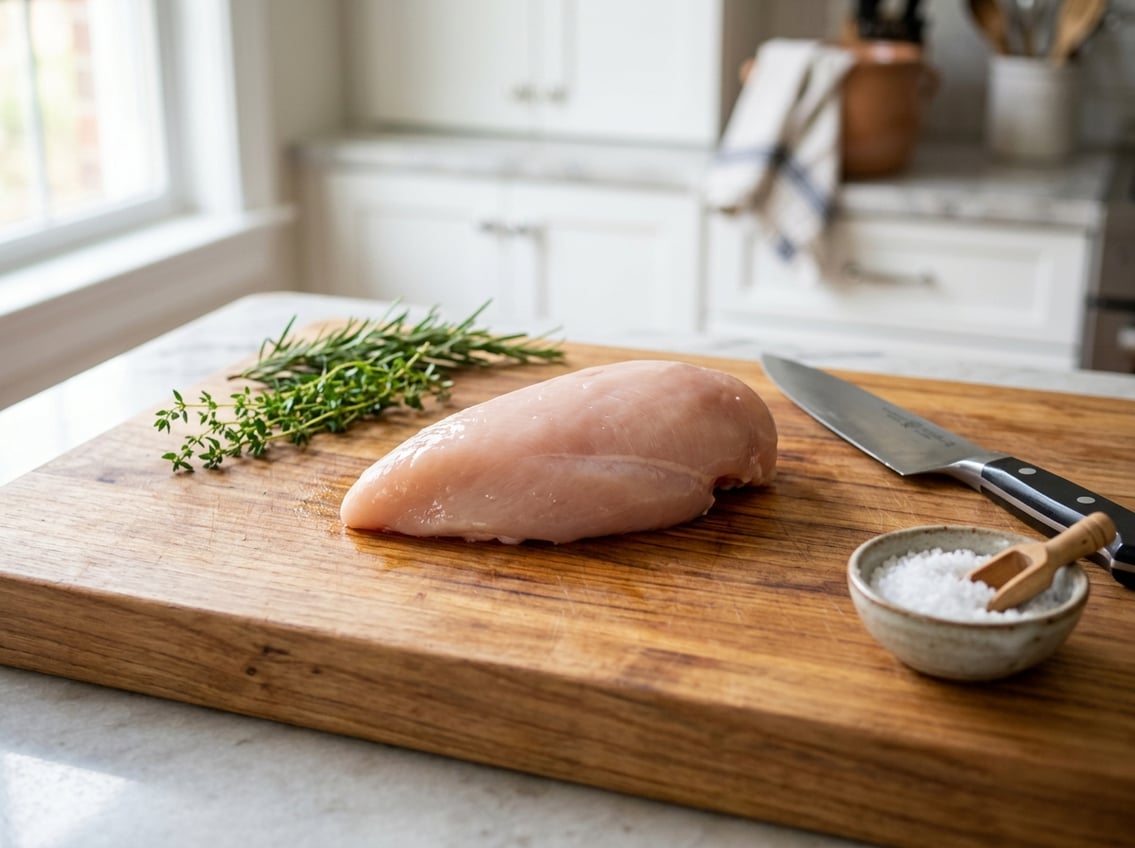
That naming choice matters because it helps you tell the difference between the soft, lean cut you cook and the broader front section of the bird.
If you are shopping, reading a recipe, or comparing cuts, the word “breast” gives you a clearer idea of what you will get.
When you hear “chicken breast,” you are hearing a cooking term for the main pectoral meat on the bird, not a literal reference to the chest as an anatomical whole.
The Short Answer: What The Name Refers To
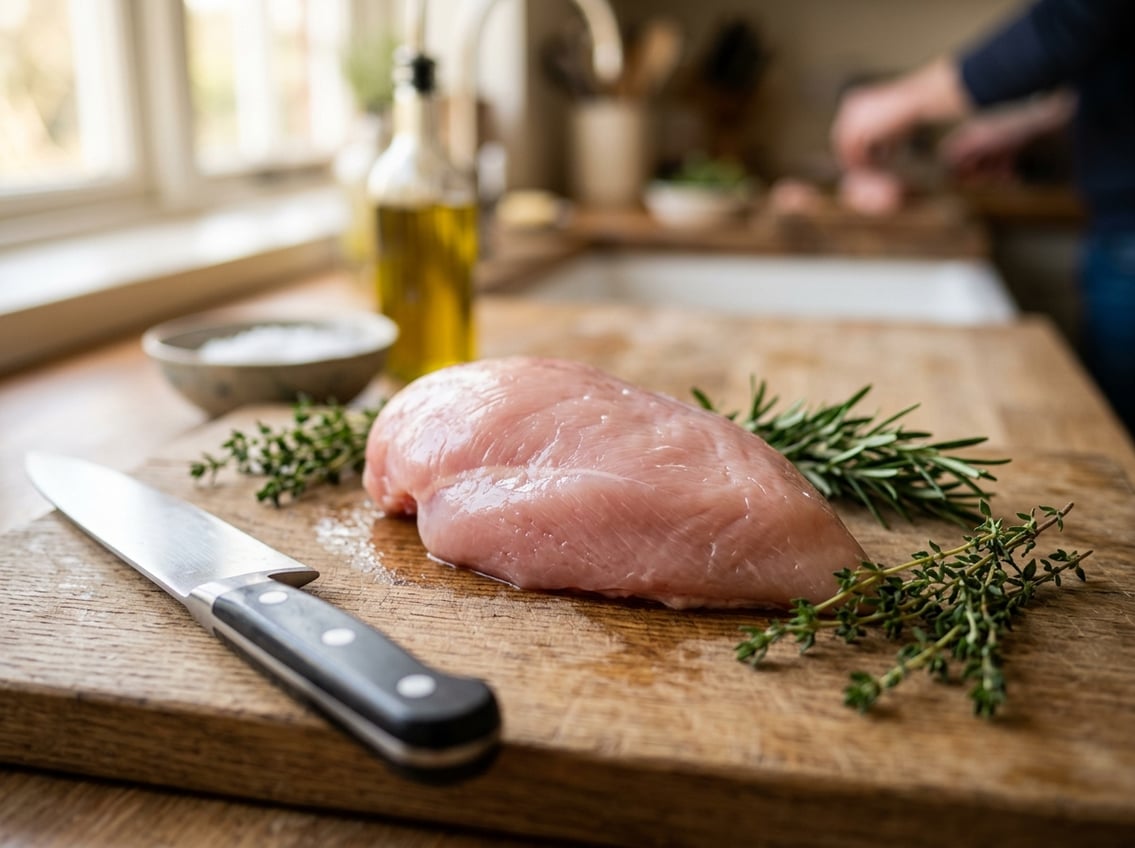
The difference between chicken breast and chicken chest comes down to language. Chicken breast means the edible breast meat, while chicken chest sounds like the front body structure, which includes bone, cartilage, and muscle attachment points.
In kitchen language, the meat is the part that matters most.
Why “Breast” Became The Common Culinary Term
“Breast” became the standard term because it points to the cut you buy and cook. Recipes that say chicken breast usually mean the boneless or bone-in breast meat from the front of the bird.
That is the part most people want when they are looking for lean protein.
The phrase fits the way butchers and markets label poultry. In the U.S., packaging and menus use the cut name that matches how the meat is sold, not the full anatomy of the bird.
What People Mean When They Say “Chest”
When people say “chest,” they often mean the front of the body in a general sense. That term is more common in anatomy, not in grocery stores or recipe cards.
For chickens, “chest” can also sound like the sternum area, which is not the same thing as the meat you cook.
That is why “chicken chest” can confuse readers. It suggests bone and structure, while “chicken breast” tells you the cut is meat-forward and ready for the pan, oven, or grill.
How Everyday Usage Differs From Butchery And Anatomy
Everyday cooking language favors simple cut names. Butchery language does the same, because people need fast, clear labels.
Anatomy uses more exact terms, such as pectoral region, sternum, and rib cage.
According to a culinary explanation from Anna Tastes, the breast is the muscle portion, while the chest refers more to the sternum and the front structure.
That distinction is why the two terms are not used the same way in the kitchen.
Chicken Anatomy Behind The Terminology
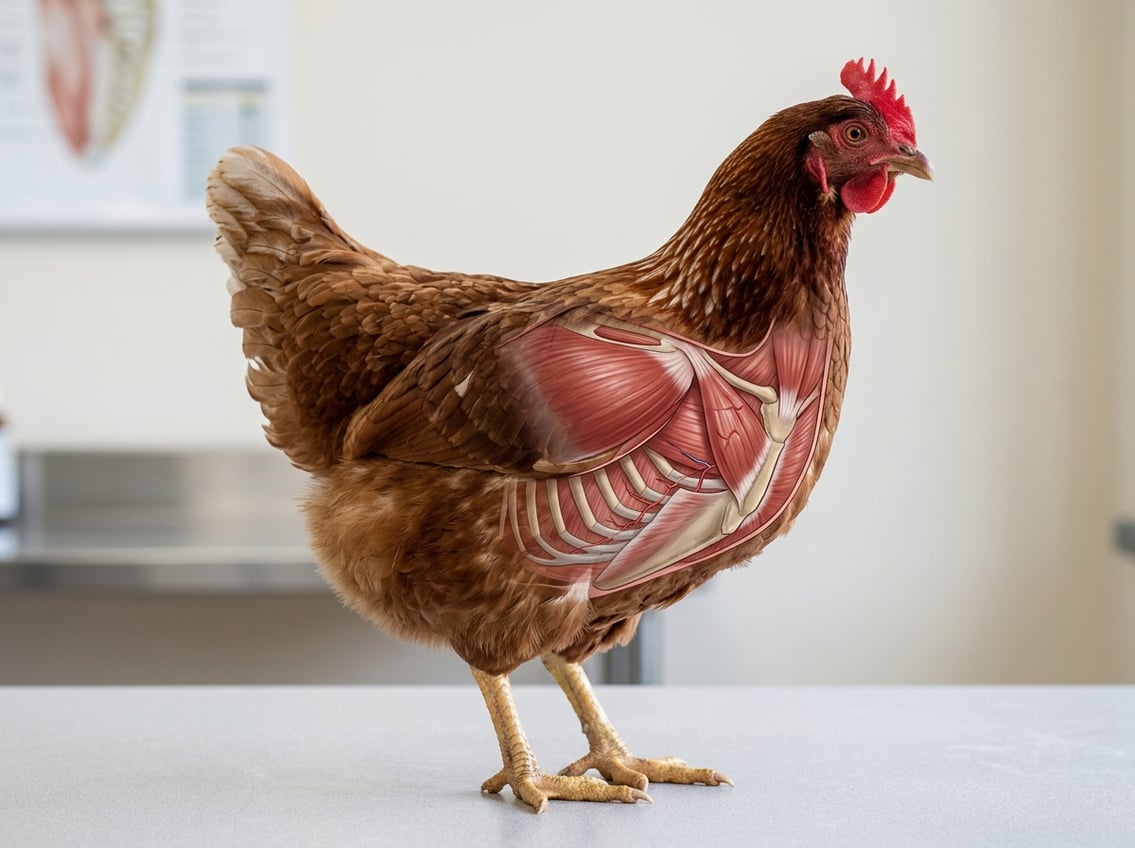
Chicken anatomy explains the name choice. The breast area sits on the front lower part of the bird, and it is made mostly of muscle.
The chest, in a broader anatomical sense, includes the sternum, ribs, and other support structures around that muscle.
Where The Breast Sits On The Bird
The breast is the large, meaty section on the front underside of the chicken. It runs along both sides of the body and is one of the biggest cuts you can buy.
This part of the bird is easy to recognize once the chicken is butchered. It is the white meat most people think of when they hear “chicken breast.”
The Sternum, Ribs, And The Broader Chest Structure
The chest area is wider than the breast meat alone. It includes the sternum, rib cage, and nearby connective tissue.
The chest is the framework, while the breast is the meat sitting on top of it.
A chicken anatomy explanation from Anna Tastes describes the chest as the sternum area and notes that it is mostly bone and cartilage.
That is very different from a boneless breast fillet.
Why Breast Meat And Chest Structure Are Not The Same Thing
If you call the whole front of the bird “chest,” you blur the line between meat and structure. That is not helpful in cooking, where you need to know whether you are buying flesh, bone-in pieces, or a carcass for stock.
The breast is the meat you eat. The chest structure supports the bird and contributes to bone flavor when cooked in broths or soups.
Why The Distinction Matters In The Kitchen

The difference matters because recipes, cook times, and results change based on the cut. When you cook chicken breast, you expect a lean, mild piece of meat that cooks quickly.
When bone and cartilage are involved, the cooking method shifts toward stock, soup, or slow simmering.
What Cooks Expect When A Recipe Calls For Chicken Breast
When a recipe says chicken breast, you usually expect a boneless or bone-in cut that can be grilled, baked, pan-seared, or roasted. You also expect a fairly lean cut with a mild flavor.
Cooks often treat chicken breast as a simple protein base. It works well in salads, sandwiches, pasta dishes, and meal prep.
How Bone, Cartilage, And Meat Change Flavor And Texture
Bone and cartilage change both texture and flavor. They add more richness to liquid dishes, especially when simmered for a long time.
The tradeoff is that the meat can be tougher and less tender than pure breast meat.
If you are trying to cook chicken breast as a quick main course, extra bone structure gets in the way. If you want a deeper broth, those same parts can help.
Culinary Implications For Stock, Soup, Grilling, And Roasting
For stock and soup, a bony front section can be useful because it adds body and flavor to the liquid. For grilling and roasting, breast meat is easier to portion and finish evenly.
A culinary breakdown from Anna Tastes notes that breast meat works for grilling, baking, and pan-frying, while chest structure is better for soup and stock.
Labeling, Nutrition, And Common Misunderstandings
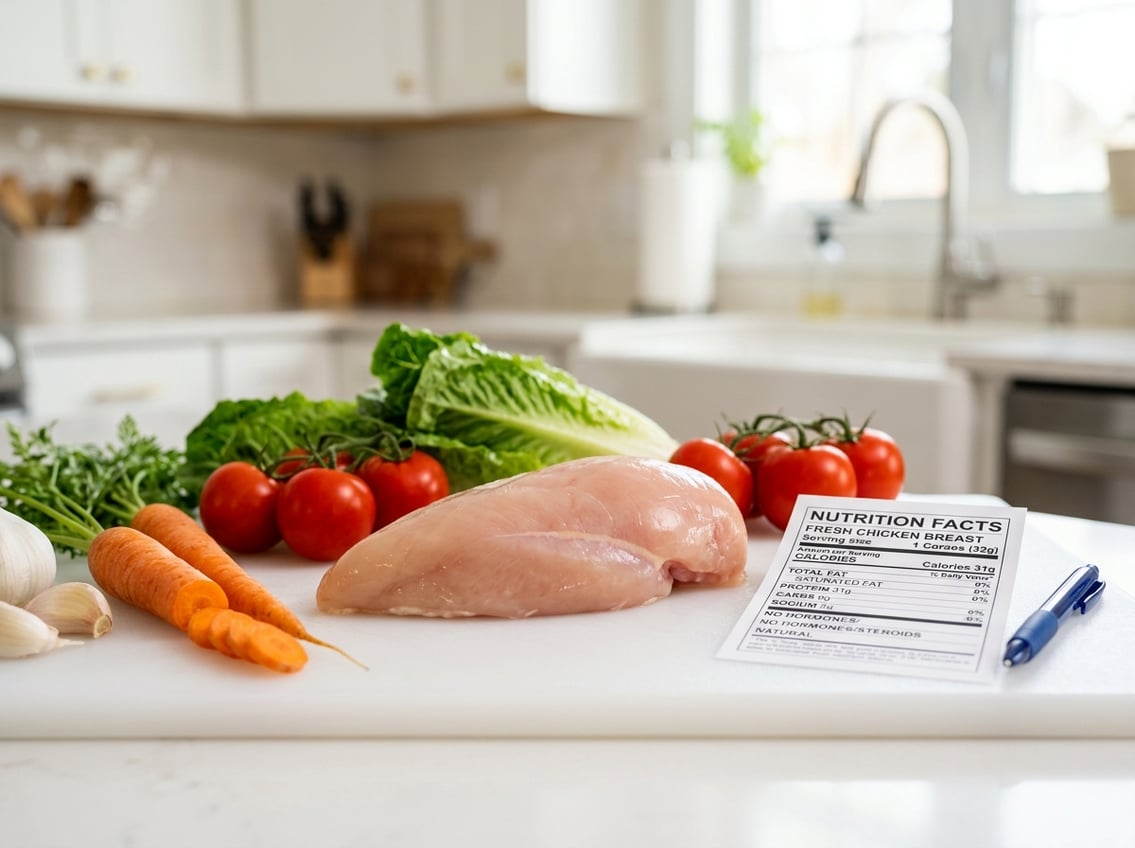
In stores, you almost always see chicken breast, not chicken chest. Labels are built around the cut you can buy, the nutrition you can compare, and the meal you plan to make.
The term also fits how people think about lean protein and skinless chicken.
Why Stores Market Breast More Often Than Chest
Retail labels focus on the edible cut, since that is what shoppers need to identify quickly. Chicken breast is easy to market because it is familiar, versatile, and widely used.
Food labeling rules push products toward clear, simple names. Resources from the USDA’s consumer information and food labeling show how labels are meant to give buyers useful product details, while Nutrition.gov explains that labels help people make informed choices.
How Skinless Chicken Breast Became A Lean Protein Staple
Skinless chicken breast became popular because it is easy to portion and widely seen as a lean protein. Removing the skin lowers the fat content compared with skin-on cuts, which is one reason it shows up so often in health-focused meal plans.
Nutrition labeling also plays a role in that popularity. If you are comparing packaged proteins, the chicken breast label gives you a familiar standard for calories, protein, and fat.
Misconceptions To Avoid When Comparing The Terms
Do not assume chicken chest is a separate grocery cut that equals breast meat.
In most U.S. cooking, people do not use the term that way.
Do not assume the words are fully interchangeable either.
The difference between chicken breast and chicken chest is mostly about anatomy versus culinary language. This small shift changes how you shop, cook, and read recipes.


