
Which Is the Best Chicken Breast to Buy? Smart Picks
You usually get the best results from organic, air-chilled, boneless skinless chicken breast when freshness, texture, and label claims all check out. That choice gives you cleaner flavor, firmer texture, and fewer added liquids than many standard packages.
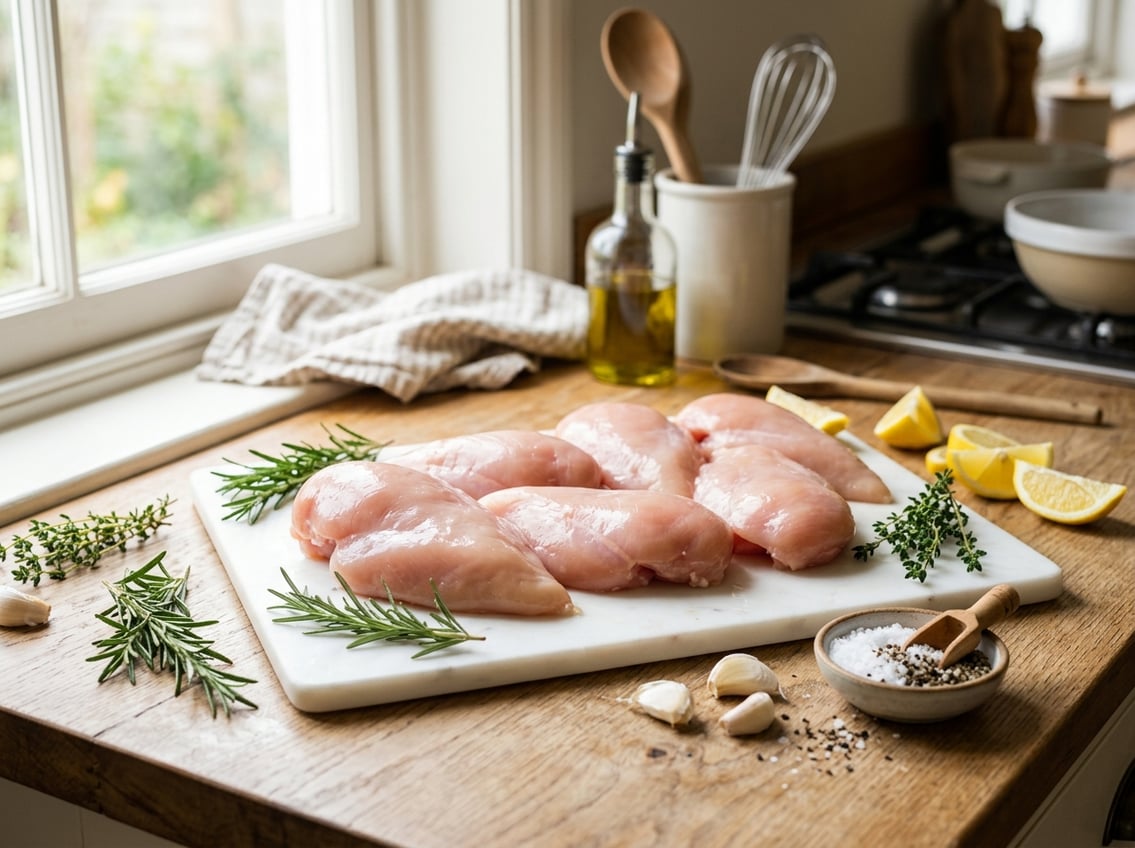
If you want the smartest buy, choose chicken breasts that are fresh, firm, pink, and clearly labeled. Match the cut to how you plan to cook it.
Buying chicken breast is easier when you know what to look for. You do not need the most expensive package; you need the one that gives you the best mix of quality, safety, and convenience for your meal.
What to Buy First
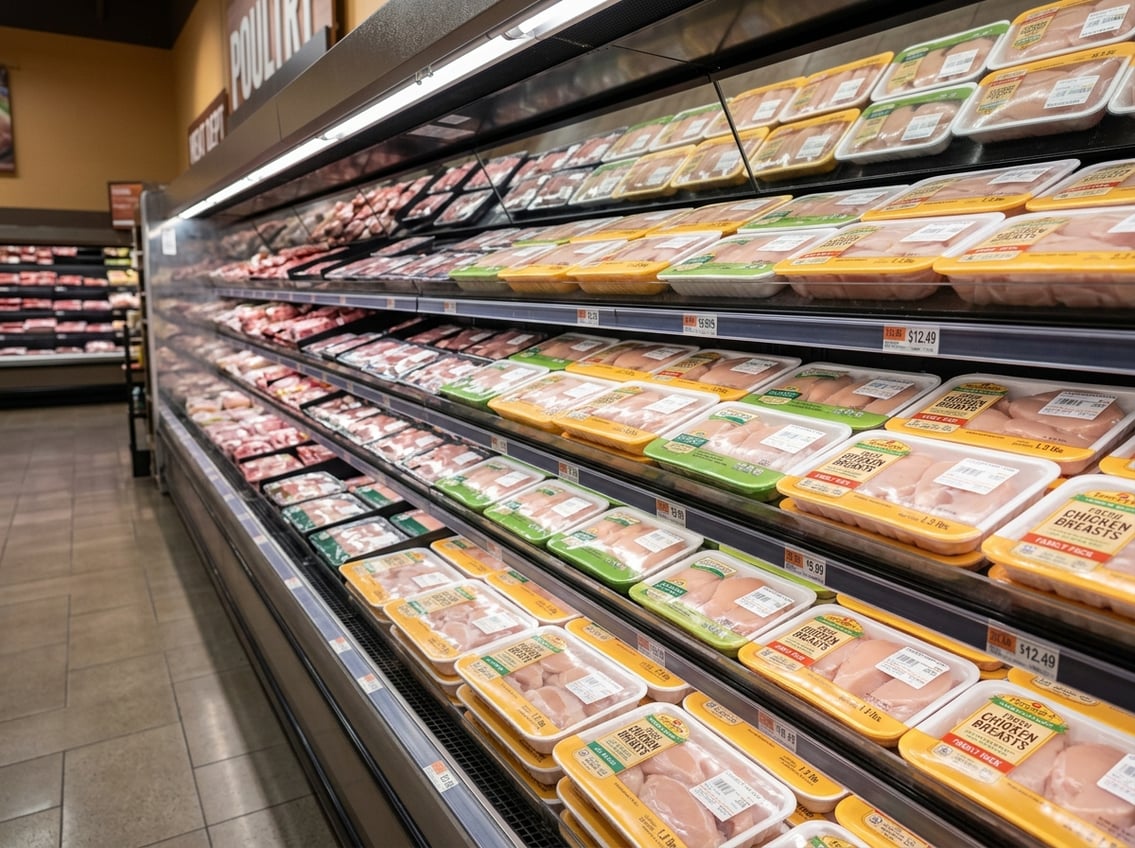
Start with the simplest choices that give you the cleanest ingredient list and the least watery texture. In many U.S. stores, look at organic chicken breast, air-chilled chicken, or a good conventional chicken breast that is firm and well packed.
Why Organic and Air-Chilled Usually Win
Organic chicken and organic chicken breasts usually top the list because they meet strict feed and care rules. Air-chilled chicken avoids the extra water pickup that happens with water-chilling.
That matters if you want better browning and a firmer bite. A package labeled organic boneless skinless chicken breast, or free-range chicken with air-chilled processing, is often a strong premium choice.
When Conventional Packs Are Good Enough
A conventional chicken breast can be a good buy if it looks fresh, feels firm, and the price fits your budget. Judge the meat itself first, rather than just the label.
Boneless chicken breast and boneless skinless chicken breast are the most common options for quick meals. If the package is clean, sealed, and within date, a standard pack of chicken breasts can work well for weeknight cooking.
Fresh, Frozen, and Canned Options
Fresh chicken breast is the best pick when you plan to cook soon and want the best texture. Frozen chicken breast works better when you want flexibility or a backup protein source.
Canned chicken and canned chicken breast are useful for fast salads, casseroles, and shelf-stable meals. Chunk chicken breast is practical when you need a minimally processed option that stores well and saves time.
How to Read Labels
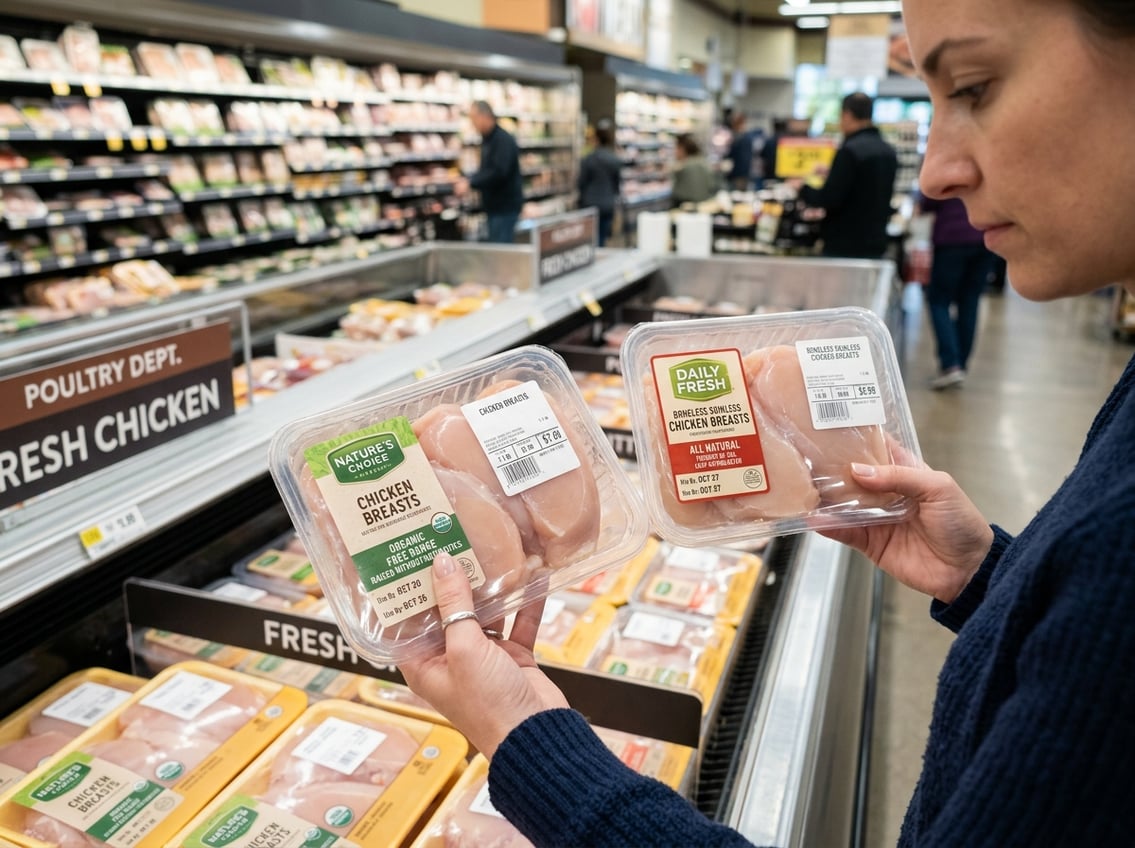
Chicken labels can look impressive, but not every claim means much. The most useful labels tell you how the bird was raised, what it was fed, and how the meat was processed.
What USDA Organic, No Antibiotics Ever, and Certified Humane Mean
USDA organic and certified organic mean the chicken met federal organic rules, including organic feed and limits on many synthetic inputs. If the package says no antibiotics or no antibiotics ever, that means the bird did not get antibiotics during its life.
That can matter to you if antibiotic resistance is a concern. Animal welfare certified labels such as Global Animal Partnership or Certified Humane may give you more confidence in how the bird was raised, though the standards vary by program.
Hormone-Free and No Added Hormones
Hormone-free chicken and no added hormones do not separate one chicken breast from another in a meaningful way. In the U.S., hormones are not allowed in poultry production, so the wording offers no real quality signal.
Natural chicken and minimally processed chicken may sound healthier, but those terms do not guarantee better taste, better welfare, or fewer additives. Treat them as limited clues, not proof of quality.
Some products may include sodium phosphate, which can hold extra moisture and change the texture.
Free-Range, Animal Welfare, and Processing Claims
Free-range chicken suggests access to the outdoors, but the exact amount of space and time can vary. Free-range chicken is useful information, not a final answer.
Air-chilled chicken is more about texture than lifestyle claims. Water-chilling adds surface moisture, while air-chilling often leaves a drier exterior and better searing potential.
Spotting Quality by Cut, Texture, and Brand
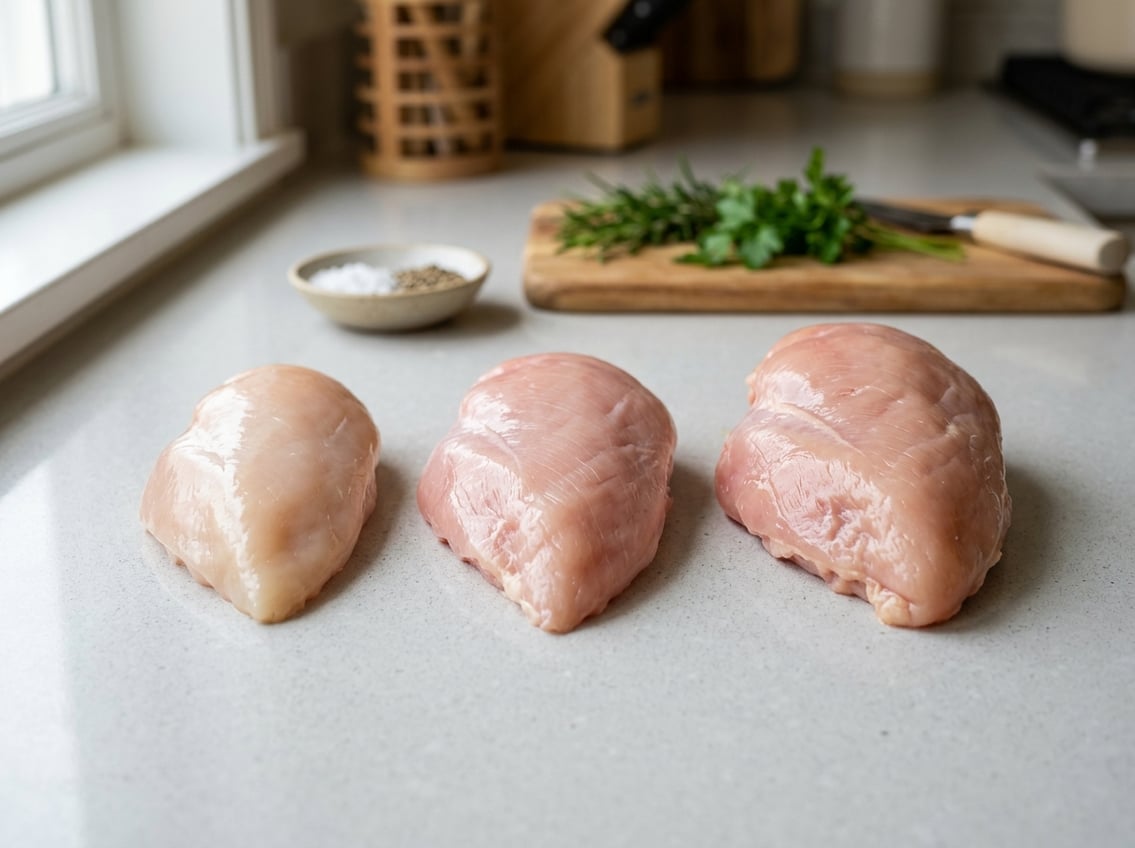
Pick a cut that fits your recipe, then look for clear signs of freshness and a brand you trust.
Choosing Between Fillets, Cutlets, Bone-In, and Skin-On
Chicken breast fillets work well when you want even thickness and easy portioning. Chicken cutlets are thinner and cook fast, which helps for quick pan meals.
Bone-in chicken breast and skin-on chicken usually hold more moisture during cooking. Thicker cuts work best for grilling or roasting.
Freshness Clues
Fresh chicken breast should look pink, feel firm, and smell clean. Too much liquid in the tray, a slimy surface, or gray spots can signal trouble.
Check the sell-by date, and pick the package with the longest safe window if you plan to refrigerate it for a day or two. Choose packages that are cold, sealed tightly, and free of leaks.
Brands and Store Options
Bell & Evans and Perdue often come up in quality-focused shopping, and Bell & Evans chicken is frequently associated with air-chilled products. Kirkland Signature chicken breast is a practical bulk choice at Costco.
Store-brand chicken can be a smart value buy if the texture looks good and the package is well handled. Heritage breed chicken is a niche option, and rotisserie chicken is worth considering for ready-to-eat convenience.
Match Your Purchase to How You Cook and Store It
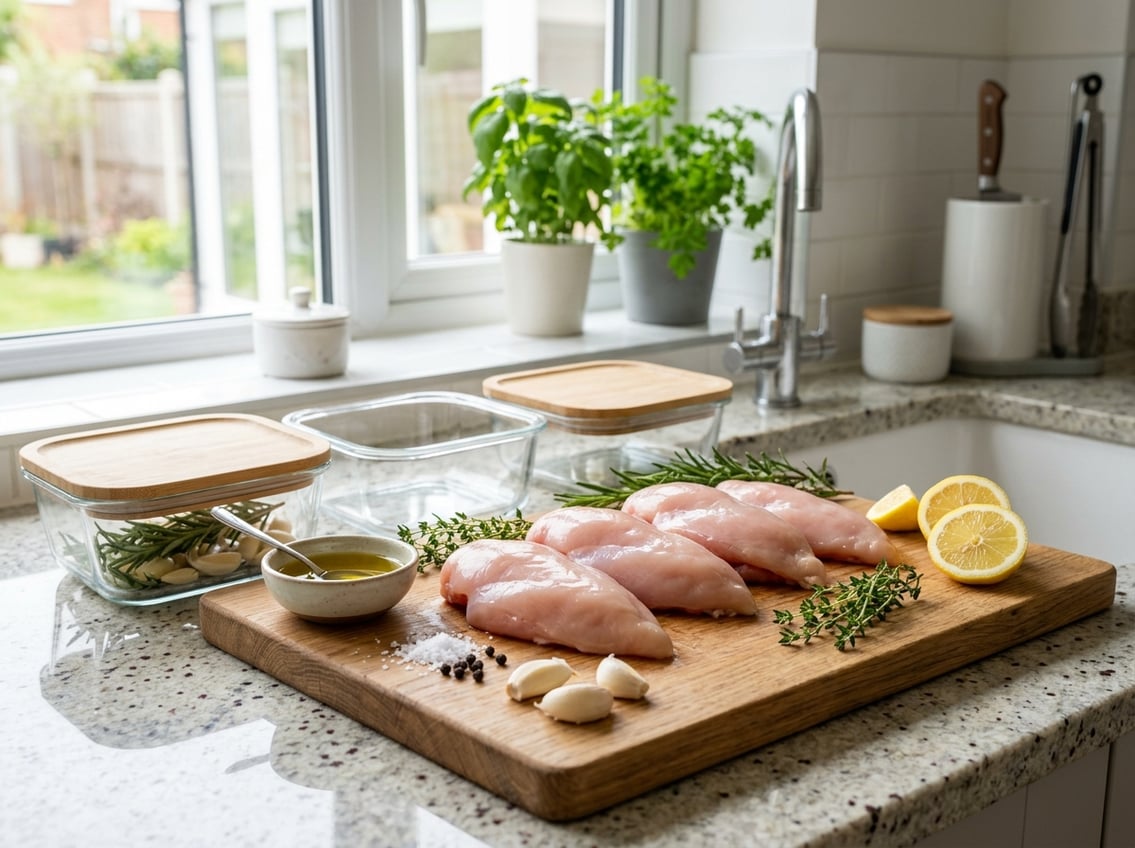
Buy the cut that fits your cooking plan. The best choice for grilling is not always the best choice for meal prep or a fast pantry meal.
Best Picks for Grilling, Pan-Searing, Baking, and Meal Prep
For grilling and baking, thicker cuts, bone-in chicken breast, or skin-on chicken often stay juicier. For pan-searing, chicken cutlets and boneless skinless chicken breast cook faster and more evenly.
For meal prep, boneless skinless chicken breast gives you the most flexibility. Use a meat thermometer and cook chicken breast to 165°F to avoid dry meat and guesswork.
How to Store Chicken Breast Safely
Store chicken breast in the coldest part of your fridge and use it before the date on the package. If you are not cooking soon, move it to the freezer right away.
When you freeze chicken breast, wrap it well to reduce freezer burn. Keep it sealed tightly, label the date, and thaw it in the refrigerator when you are ready to cook.
When Frozen, Rotisserie, or Canned Chicken Makes Sense
Frozen chicken breast provides a reliable protein source when you want to avoid rush shopping.
It serves as a good backup for busy weeks.
Rotisserie chicken offers cooked chicken instantly when you do not want to wait.
Canned chicken, including chunk chicken breast, suits quick recipes, pantry meals, and situations when fresh meat is not practical.


