
Where Can I Buy Chicken Breast Near Me: Best Local Options
You can find chicken breast at major grocery chains, warehouse clubs, local butcher shops, and same-day delivery apps.
The best choice depends on whether you want the lowest price, the freshest cut, or the fastest pickup.
If you are asking where to buy chicken breast near you, start by checking large grocery stores, grocery pickup apps, and local meat markets.
Then, compare price per pound, package type, and stock status.
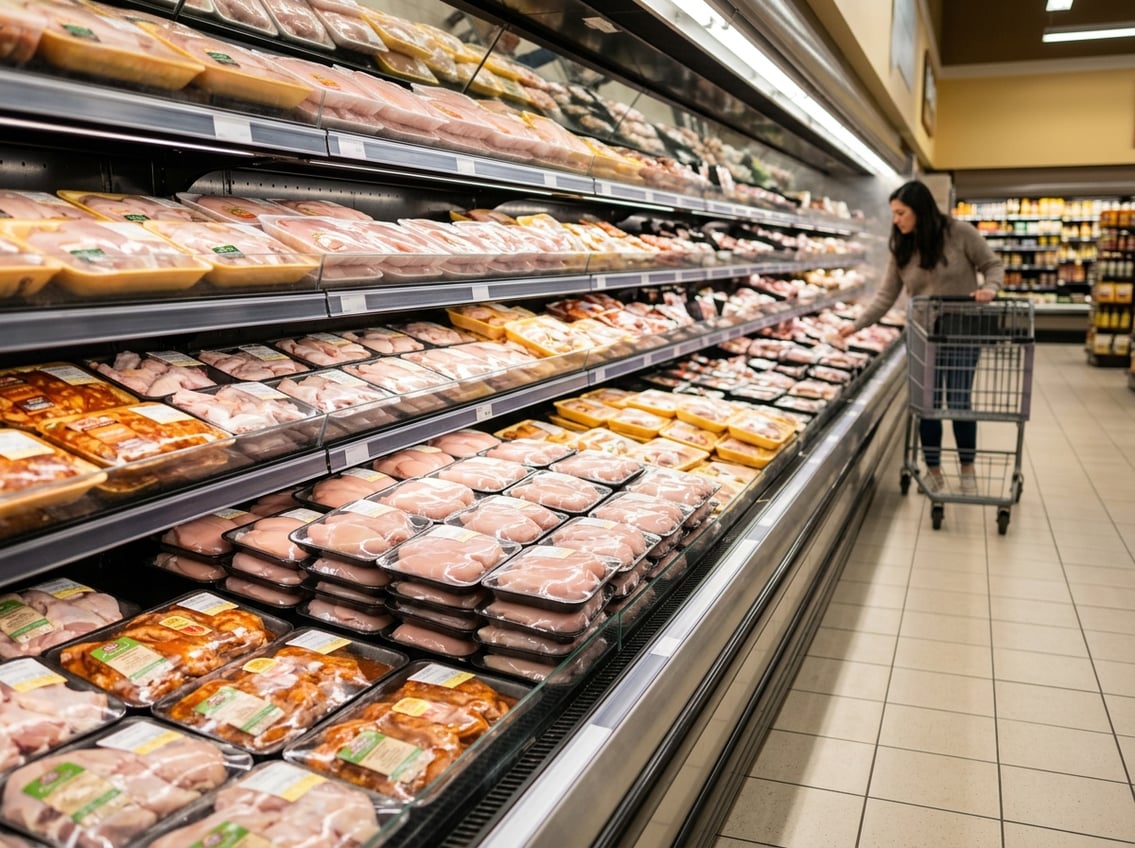
Stores sell chicken breast as whole breasts, boneless chicken breast, skinless chicken breast, and pre-trimmed chicken breasts in family packs.
You can save money by checking weekly deals, store apps, and local ads before you buy.
Best Places To Check First
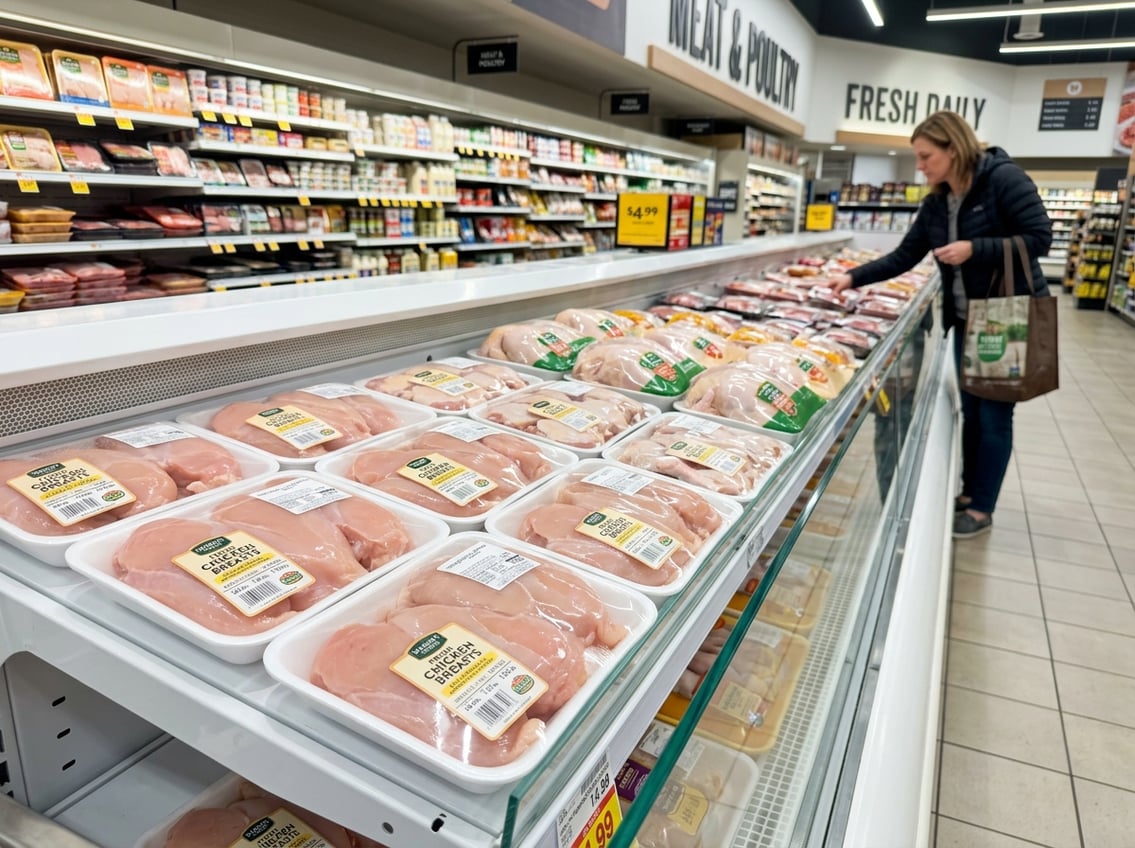
Stores that stock a wide range of fresh meat every day usually have chicken breast.
You can use delivery and pickup apps when you need chicken breasts fast or want to compare deals without driving around.
Major Grocery Stores and Supercenters
Start with national grocery chains, supercenters, and warehouse stores.
Kroger offers fresh chicken breast for pickup or delivery.
Target sells fresh, frozen, boneless chicken breasts and value packs with different label options.
Costco offers fresh boneless skinless chicken breasts for same-day delivery or curbside pickup.
Local stores often carry both boneless and skinless chicken breast in standard grocery sizes.
If you want to compare retailers, Google Shopping helps you see where local and online sellers list chicken breast near you.
Same-Day Delivery and Pickup Apps
Delivery and pickup apps help you get chicken today.
Instacart lists chicken breast from local and national retailers with same-day delivery or pickup.
Grubhub delivers or offers pickup for chicken breasts in many areas.
These apps help you compare sizes, brands, and package types before you order.
Brand and Product Locator Tools
Brand and store locator tools narrow your search if you want a specific label or cut.
Many grocery sites let you search by ZIP code.
Some local farms list chicken through their own storefronts or online ordering.
Shops like Bagley Farms Meat Market and farm sellers such as Little Blue’s Farm offer chicken from nearby butcher markets and farms.
These options can be useful when you want smaller batches or a more direct farm-to-table purchase.
How To Choose The Right Cut In Store
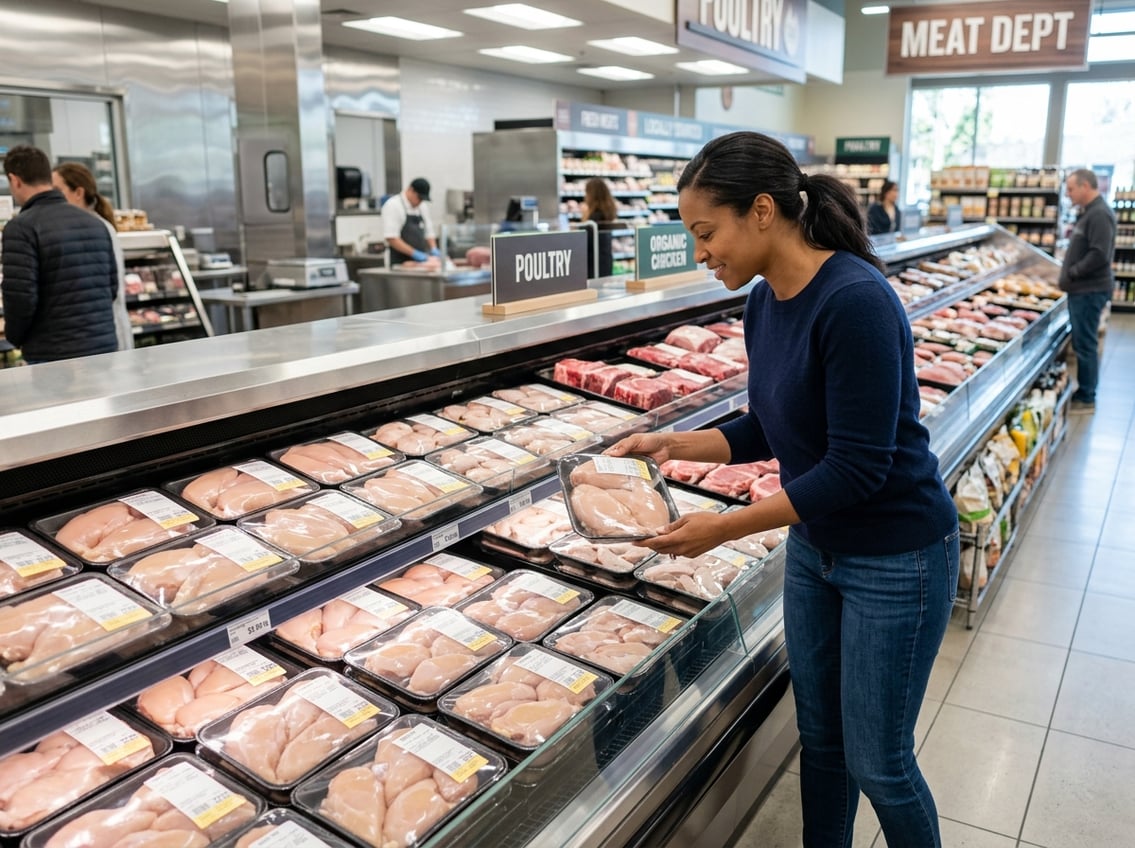
The cut you choose affects cooking time, texture, and price.
Some packs are ready for quick meals, while others are better for grilling, slicing, or freezing for later.
Boneless and Skinless Options
Boneless chicken breast is easier to slice, cube, and cook evenly.
Skinless chicken breast is common in lean meal plans because it trims away extra fat and skin.
You will often see boneless skinless chicken breasts labeled as family packs, bulk packs, or value packs.
These are useful if you cook large batches or want to freeze portions.
Fillets, Thin-Sliced Packs, and Tenderloins
Chicken breast fillets are thin pieces cut from the breast, so they cook fast.
Thin-sliced packs are useful for stir-fries, pan-searing, and sandwich fillings.
Chicken breast tenderloins are smaller strips from the breast area.
They work well when you want quick-cooking pieces that stay tender and are easy to portion.
Fresh Versus Frozen Family Packs
Fresh chicken breast gives you more immediate cooking flexibility.
Frozen packs can be a better backup option.
Frozen chicken breasts are often sold in larger family packs, which can lower the cost per pound.
Fresh packs are good when you plan to cook within a day or two.
Frozen packs make sense when you want to stock up during a sale and keep chicken on hand longer.
How To Compare Price, Quality, and Availability
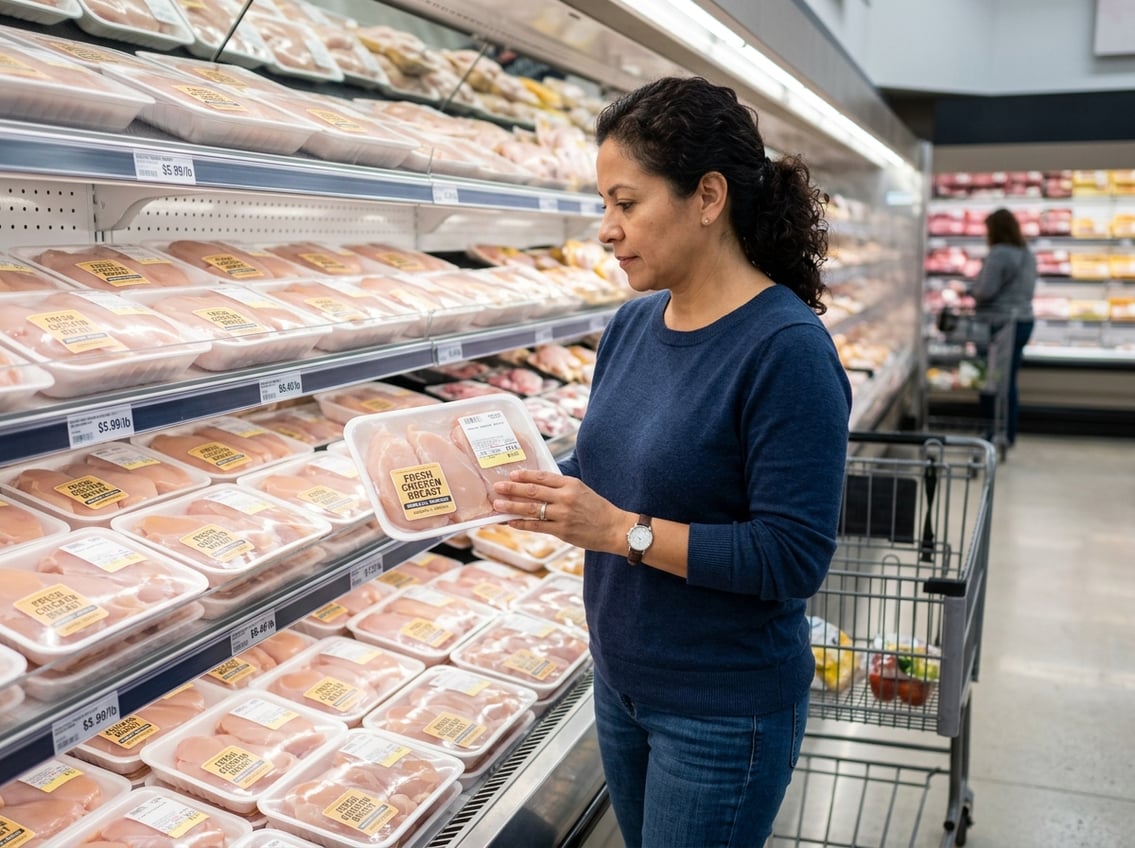
Price is only part of the decision.
You also need to compare package weight, cut style, and whether the store has chicken breasts in stock for pickup or delivery.
Reading Price Per Pound and Value Packs
Price per pound is the clearest way to compare chicken breasts across stores.
A lower package price can still be expensive if the pack is very small.
Value packs of boneless skinless chicken breasts can cost less per pound than single trays.
That matters if you buy in bulk and freeze what you do not use right away.
Spotting Weekly Sales and Local Deals
Weekly ads often show short-term deals on chicken breast at big grocery chains.
A deal site such as weekly-ads.us lists chicken breast sales and coupons in one place, making it easier to spot low prices.
Store apps can also show member pricing, digital coupons, and pickup discounts.
Checking those offers before you shop can save you a separate trip.
Checking Pickup, Delivery, and Stock Status
Stock status matters when you need chicken breast today.
Grocery sites such as Kroger and Target show whether items are available for pickup or delivery.
That step can save time if a store has good pricing but no stock on the shelf.
It also helps you compare the nearest location before you leave home.
What To Inspect Before You Buy
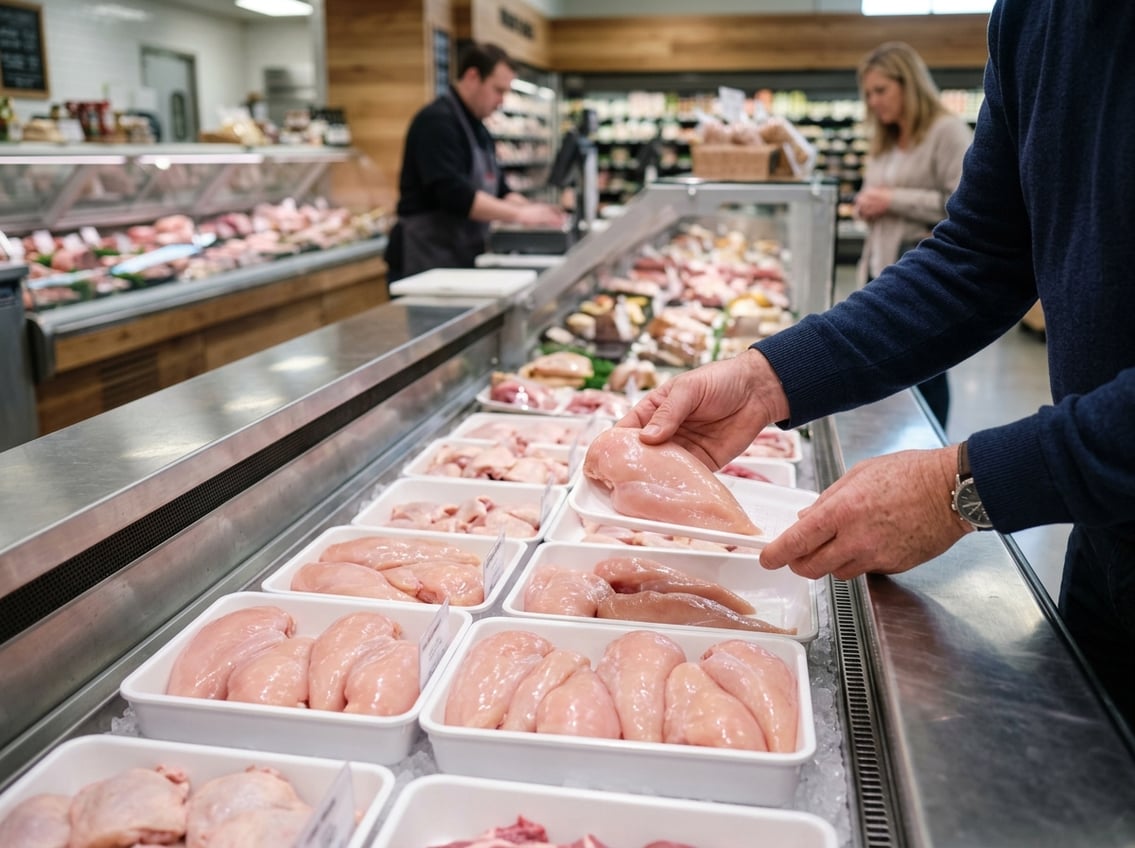
A quick inspection helps you avoid poor texture, short shelf life, or a cut that does not fit your recipe.
Look at the label, the package size, and the appearance of the meat before you place it in your cart.
Packaging Dates and Safe Handling Basics
Check the sell-by or use-by date first.
A recent guide on poultry shopping also recommends paying attention to dates and handling details before buying raw chicken, as noted in Yahoo Lifestyle.
The package should be cold, sealed, and free of leaks.
After you buy chicken breast, keep it cold and handle it carefully to reduce cross-contamination.
Portion Size, Thickness, and Recipe Fit
Choose the size that matches the meal you plan to cook.
Thick boneless skinless chicken breast is better for stuffing, roasting, or slicing after cooking.
Thinner pieces work better for fast pan cooking.
Chicken breast tenderloins are a good fit for quick meals and kid-friendly portions.
If you need even cooking, look for packs with similar-sized chicken breasts.
When To Choose Organic, Antibiotic-Free, or Conventional
You may prefer organic or antibiotic-free labels if you care about production methods. Target highlights antibiotic-free and value pack options in its chicken breast listings, which shows how these labels often appear in retail aisles.
Many shoppers still choose conventional chicken breast as a standard, practical option. Consider your budget, label preferences, and the recipe you plan to make when picking the best option.


