
Where Can I Buy Chicken Breast in Bulk? Best Options
If you want to buy chicken breast in bulk, you have several options in the U.S., including warehouse clubs, foodservice distributors, and online meat delivery services.
Your best choice depends on how much you need, how often you cook, and whether you want fresh, frozen, or individually portioned packs.
Buying bulk chicken breast usually saves money per pound. You also get more control over quality, packaging, and storage.
If you compare case sizes and choose the right seller, you can order bulk chicken that fits your home kitchen or business.
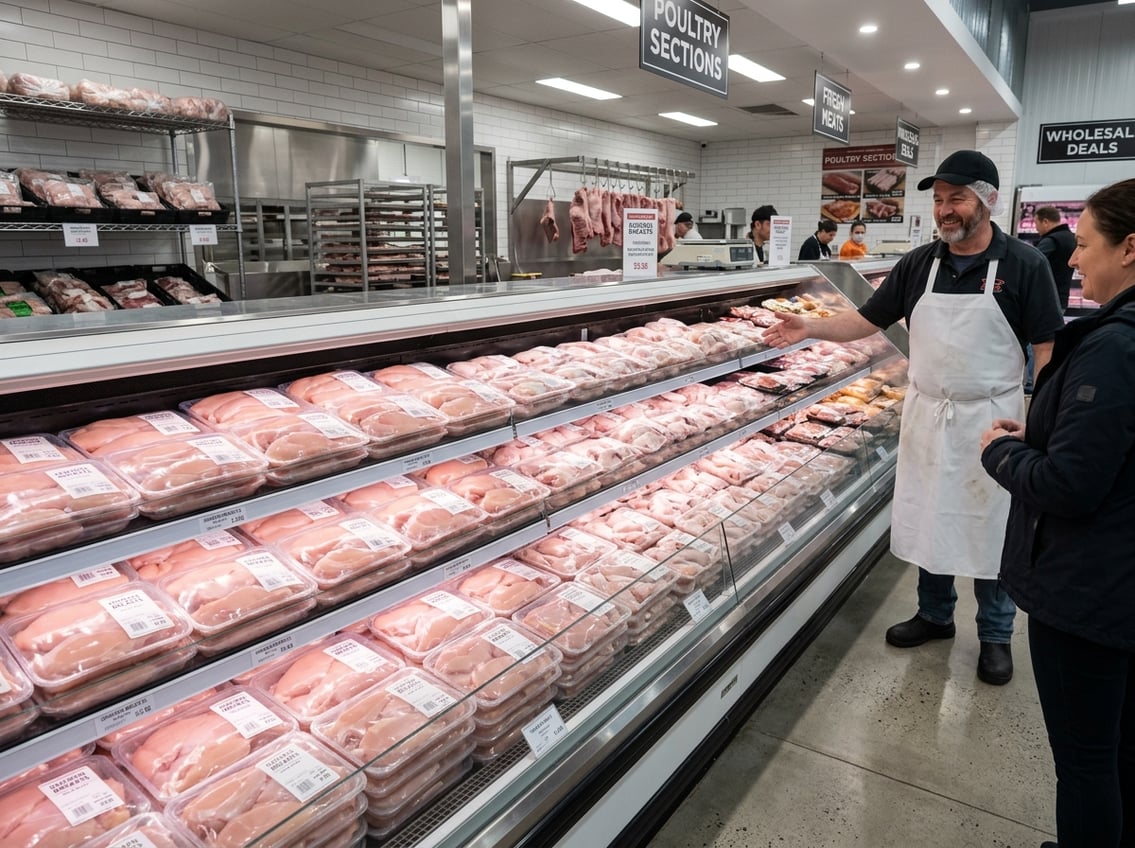
Best Places to Buy in Larger Quantities
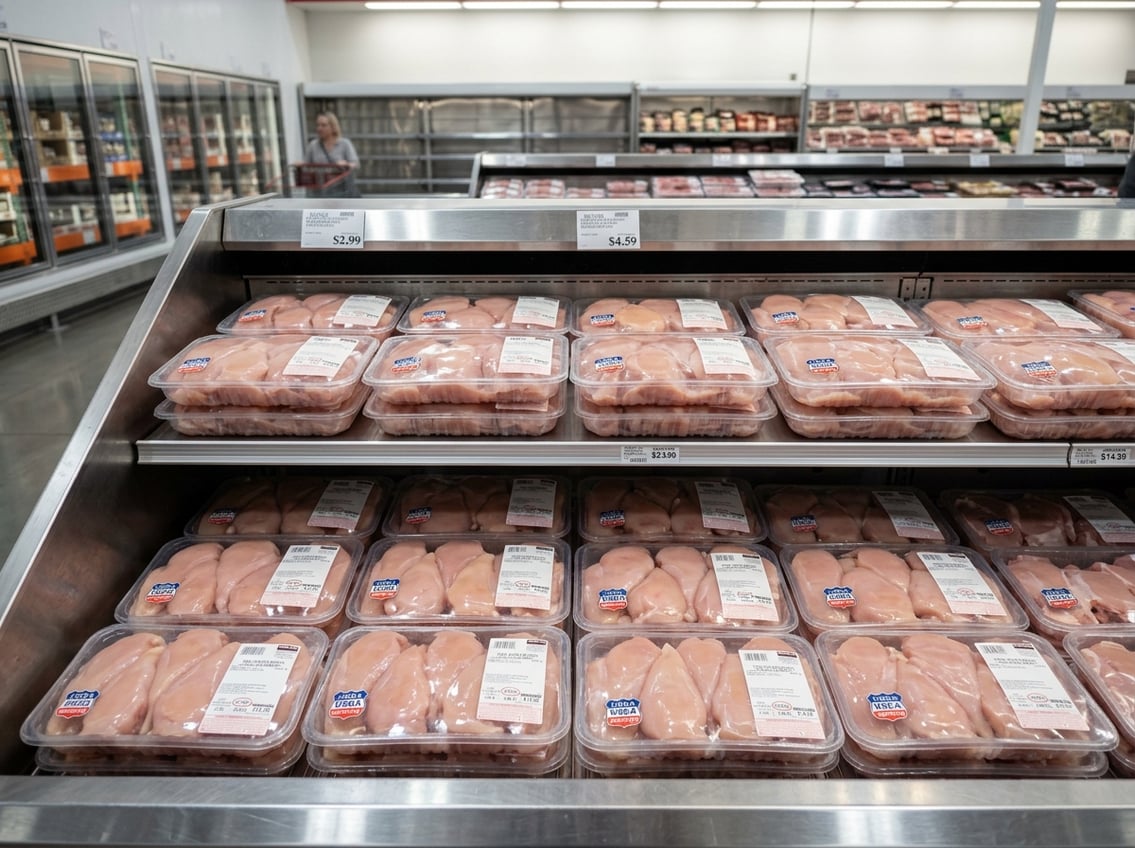
Your budget, storage space, and convenience needs determine the best place to buy bulk chicken breast.
Many shoppers choose warehouse clubs, online sellers, local butcher shops, or regional farms.
Wholesale clubs often offer the best mix of price and convenience.
Online sellers may provide better packaging or specialty options. Local suppliers can give you more direct information about sourcing and freshness.
Wholesale Clubs and Restaurant Suppliers
Warehouse clubs like Costco, Sam’s Club, and BJ’s Wholesale Club offer family-sized packs and frozen cases at competitive prices. These clubs work well if you prefer to shop in person.
Restaurant suppliers such as Sysco, US Foods, or Restaurant Depot serve larger orders. Businesses, church groups, or large events often use these suppliers.
These suppliers focus on case pricing and foodservice packaging.
Online Meat Delivery Services
Online retailers deliver bulk chicken breast with predictable packaging. Sellers like Perdue Farms’ bulk organic chicken breasts bundle pack breasts in smaller portions for easier thawing.
Online grocery and business sellers also offer bulk options, including Walmart’s business chicken section and Amazon.
This option works well if you want to order bulk chicken without visiting a warehouse store.
Local Butcher Shops and Regional Farms
Local butcher shops can special-order premium chicken breasts in larger amounts.
Regional farms supply local sourcing or specific raising methods.
These sellers may cost more than warehouse clubs. However, they provide more detail on feed, processing, and handling.
They make sense if you want affordable chicken only in the right case size, rather than small retail packs.
How to Compare Price, Quality, and Packaging
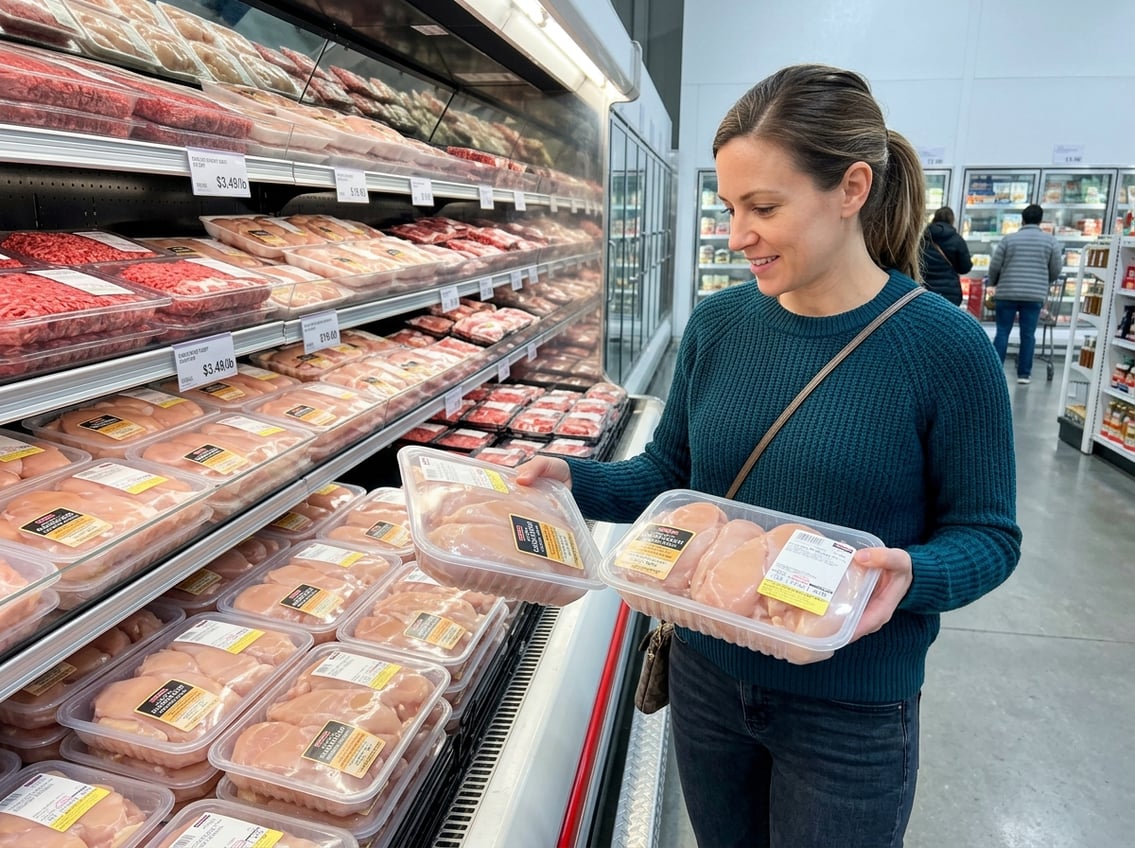
Price alone does not determine the best value for bulk chicken.
You should also look at cut quality, packaging style, and how the product fits your freezer and meal plan.
A lower sticker price can turn into a poor deal if the case is oversized, poorly packed, or hard to portion.
Premium chicken breasts may cost more, but they can save time and reduce waste.
Cost Per Pound and Case Sizes
Always compare cost per pound, not just the total case price.
A larger case can seem cheaper, but may end up more expensive per usable pound after trimming, shrink, or waste.
Bulk sellers offer cases of 10 to 40 pounds or more.
Check if the listed weight is net weight and whether the case includes fixed-size pieces or random pack sizes.
Fresh, Frozen, and IQF Formats
Fresh chicken breasts work best if you plan to cook soon.
Frozen chicken gives you more storage time and often suits bulk shopping.
IQF, or individually quick frozen, lets you take out only what you need. This format is practical for meal prep and for households that do not want to thaw a full case at once.
USDA Inspection, Antibiotic Policies, and Sourcing
Buy USDA-inspected products when possible, especially from large suppliers.
USDA inspection shows the product passed basic safety checks.
Compare antibiotic-free, organic, free-range, or conventional claims. These labels affect price and sourcing, so review them closely.
Target, for example, lists fresh, frozen, and antibiotic-free chicken breast options, showing the variety within the same product category.
Choosing the Right Cuts for Your Needs
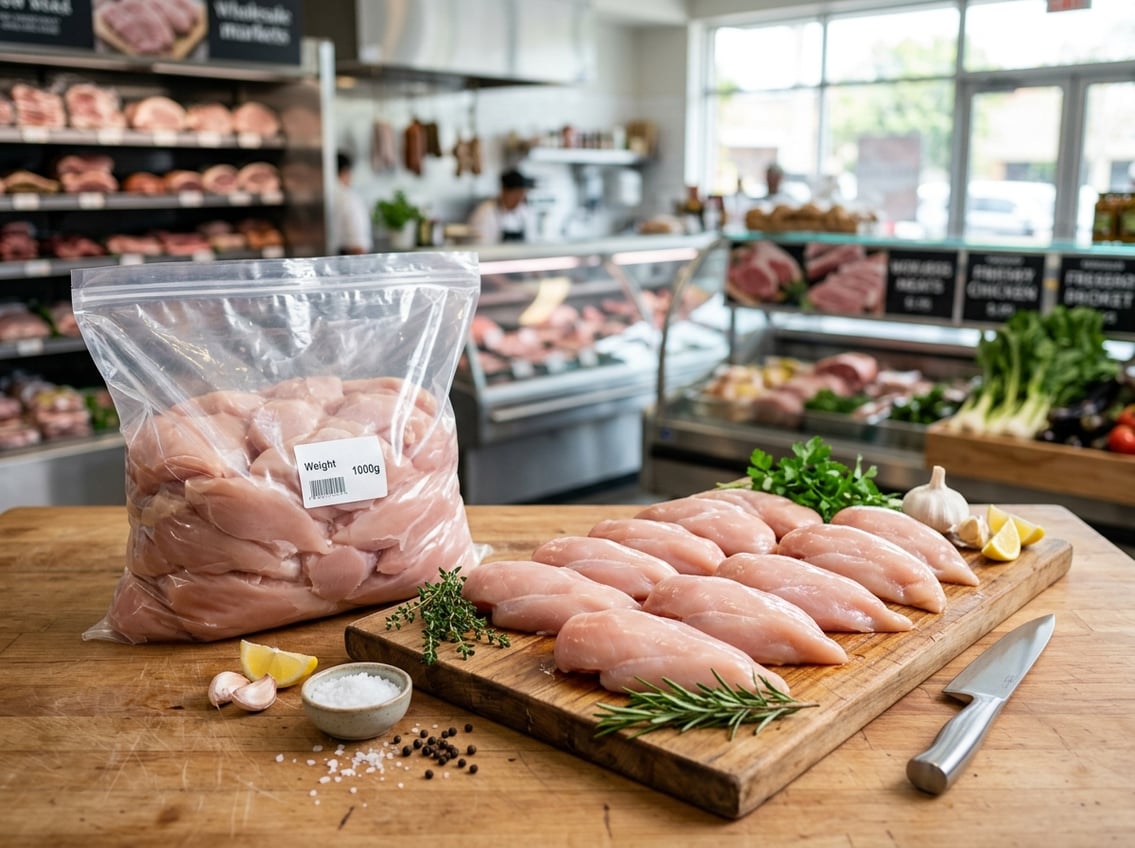
The best cut depends on your cooking style and how many people you feed.
Chicken breasts are lean and easy to portion.
Thighs and wings often give you better value for certain recipes.
Your choice should match your cooking habits, not just the per-pound price.
When Boneless Skinless Breasts Make the Most Sense
Boneless skinless chicken breasts work well for fast cooking, simple seasoning, and easy portion control.
They are a good choice for salads, wraps, grilled meals, and high-protein meal prep.
If your household prefers lean meat, boneless skinless breasts make sense.
When you buy in bulk, you can split them into meal-sized bags and freeze for later.
When Chicken Thighs or Chicken Wings Offer Better Value
Chicken thighs usually cost less than breasts and stay juicy during roasting, braising, and slow cooking.
Chicken wings work well for feeding a crowd or making appetizers.
If you care more about value than leanness, thighs may be the better bulk purchase.
For the lowest cost per serving in a casual meal, wings can also be a smart buy.
Portion Sizes for Families, Meal Prep, and Foodservice
For a family, 4 to 8 ounces per adult meal is a common portion range.
Meal prep buyers often prefer evenly sized breasts for consistent cooking.
Foodservice buyers need more consistency in size and packaging.
Many restaurants and caterers order bulk chicken in case packs and sort by use, such as grilled entrées, soups, or sliced sandwiches.
Storage, Ordering, and Delivery Considerations

Before you order bulk chicken breast, consider storage space, delivery timing, and how you will portion the product.
Good planning helps you avoid spoilage and keeps your freezer organized.
Freezer Space, Repacking, and Portioning
Chicken breasts take up more room than many shoppers expect.
Measure your freezer space before placing a large order, especially if the product arrives in bulky cases.
Repack the chicken into meal-sized portions as soon as possible if it is not already divided.
Vacuum sealing or sturdy freezer bags help reduce freezer burn and make it easier to use what you need.
Minimum Orders, Shipping Timing, and Local Pickup
Many online sellers set minimum order sizes and may charge more for small shipments.
Check shipping windows carefully if you need the chicken for a specific event or weekly meal plan.
Local pickup can be a better choice if you want to avoid thawing risk during transit.
It also lets you inspect packaging before taking it home.
How to Avoid Waste When You Order Bulk Chicken
Order only what you can store and use within your usual cooking schedule.
You can save money on bulk chicken breast, but you might lose those savings if the chicken spoils.
Start with a smaller case if you are new to bulk buying.
Adjust your next order based on how much you actually cooked, froze, and used in time.


