
What to Do if Chicken Breast Is Dry: Quick Fixes
If your chicken breast is dry, act fast to add moisture and gentle heat. You can rescue dry chicken breast with broth, sauce, resting time, or by shredding it into another meal.
The key is to stop more moisture from escaping, then add back liquid in a way that matches how you plan to serve the chicken.
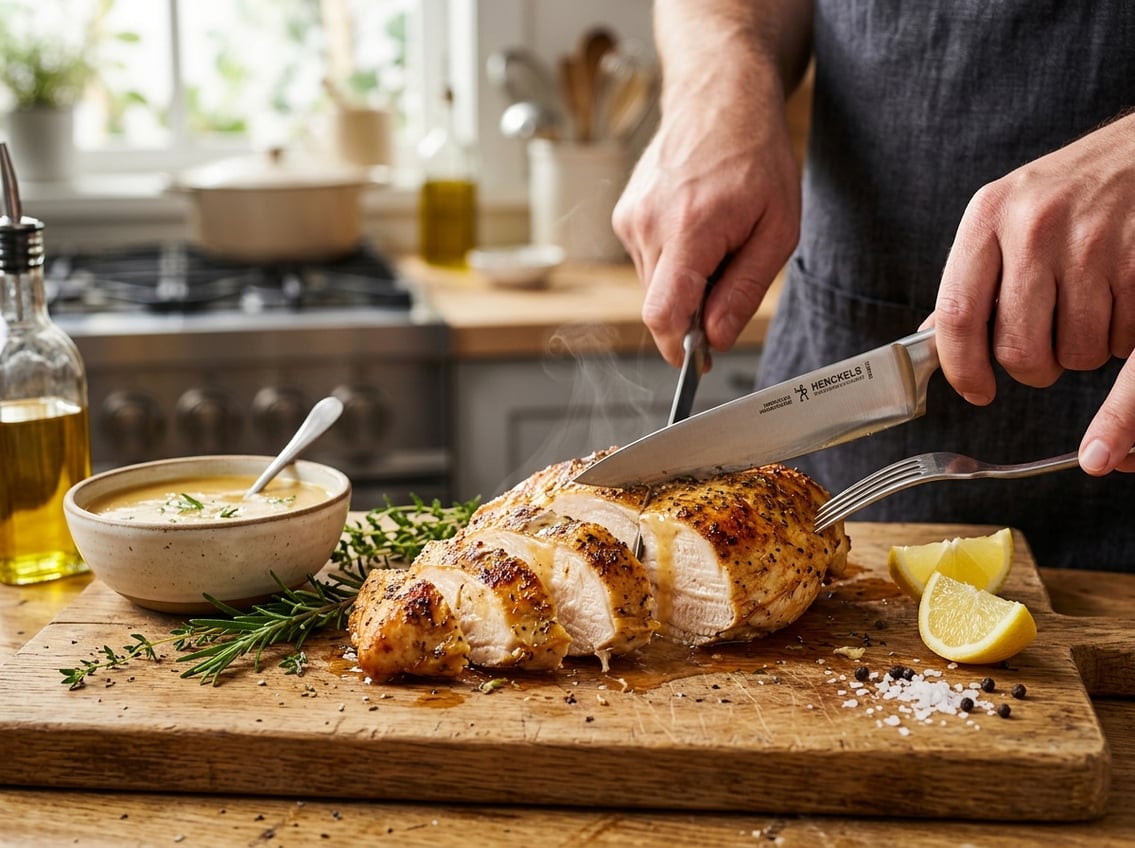
Dry chicken is frustrating, especially when it was close to being right but missed the mark by a little. You can still rescue dry chicken breast in many cases without starting over.
The best fix depends on whether the chicken is still warm or already cold. A warm piece is easier to revive, while leftovers work better in sauces, salads, or shredded dishes.
Fix It Right Away
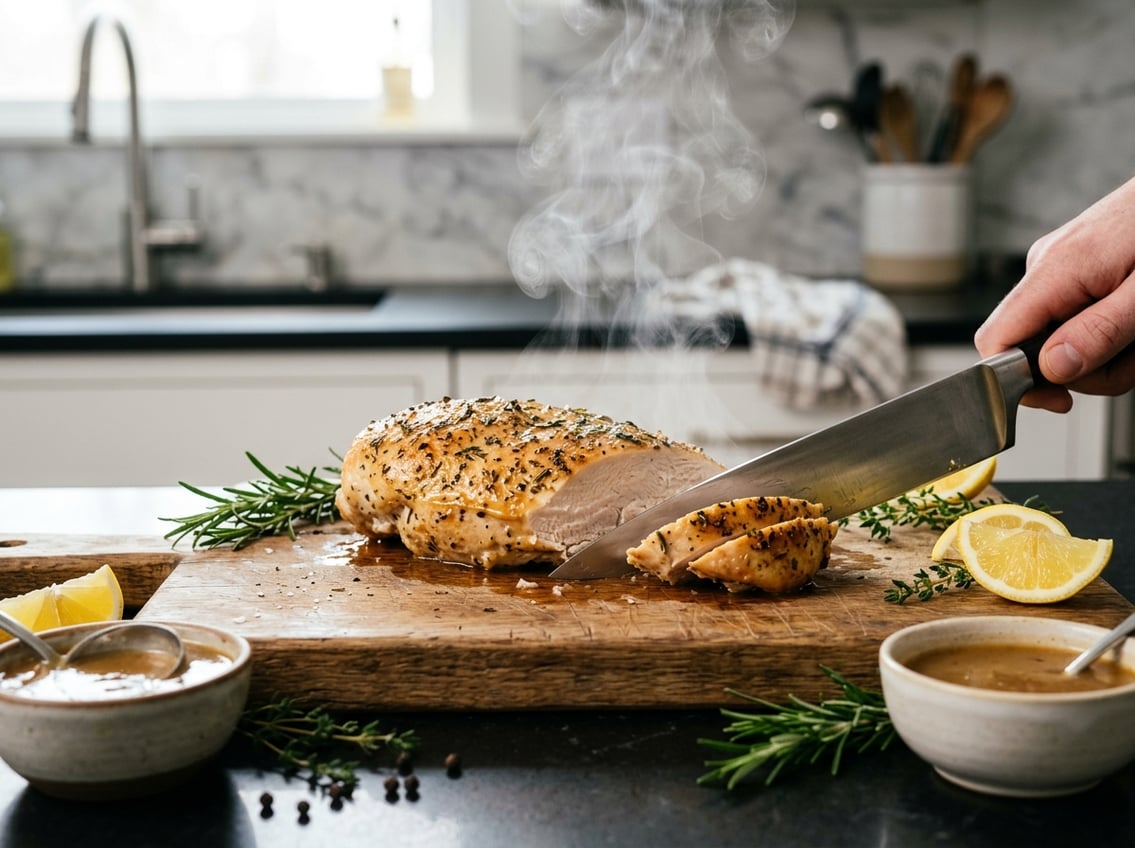
A hot, overcooked chicken breast still has a chance to soften up if you act quickly. Slow down moisture loss, then add liquid and use low heat so the meat does not tighten further.
Let Residual Heat and Resting Work First
If the chicken just came off the heat, cover it loosely and let residual heat work. Resting helps juices settle back through the meat, which can help keep the chicken moist.
Do not leave it uncovered on a plate. A loose tent of foil or a lid traps steam and may help revive dry chicken breast before you serve it.
Add Broth or Water Before Reheating
Add a few spoonfuls of broth or water before you reheat. Place the chicken in a covered pan, baking dish, or skillet with enough liquid to create steam, not submerge the meat.
A light misting or splash of broth can help when the chicken is still warm. Use this step to rescue dry chicken, not to cook it further.
Use Low Heat to Bring Back Moisture
High heat makes dry chicken breast worse. Use low heat and keep the chicken covered so the steam can soften the surface while the inside warms gently.
If you use a stove, add a small amount of broth in the pan. If you use an oven, set it low and keep the chicken wrapped or covered until it is just heated through.
Best Rescue Methods for Different Meals
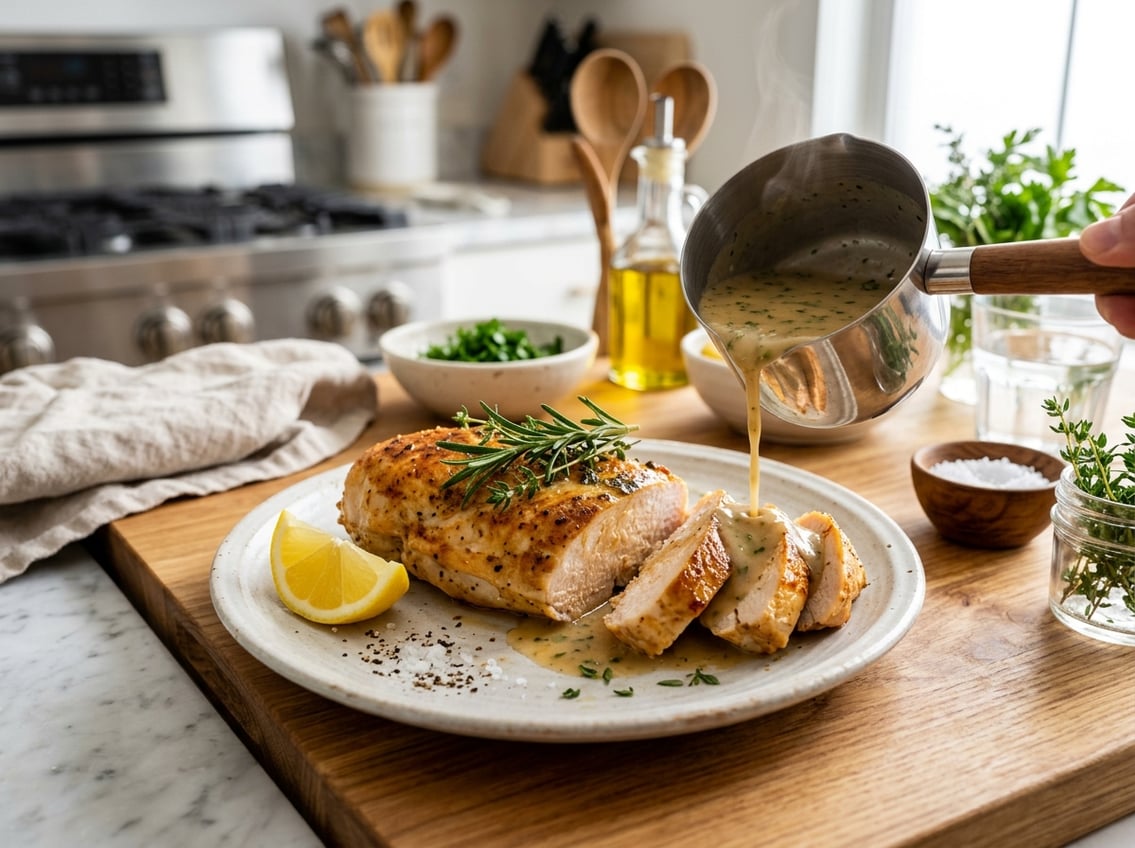
Some dry chicken is easiest to fix by changing the texture instead of trying to make it feel freshly cooked again. Once you match the chicken to the right meal, it becomes much easier to use.
Shred It for Better Texture
Shredding chicken hides dryness better than thick slices. When you pull the meat apart, the smaller pieces mix more easily with sauce, dressing, or broth.
Use shredded chicken in tacos, quesadillas, soups, or casseroles. This works well when the chicken is already cooked through and just needs help tasting moist again.
Turn It Into Chicken Salad
Chicken salad is one of the best uses for dry chicken. Mayo, yogurt, mustard, celery, onion, and herbs all add moisture and flavor, and the mix softens the dry texture.
This is a smart option when you have leftover chicken breast that is too dry to serve plain. It also works well with shredded chicken because the dressing coats every piece.
Simmer It in Sauce, Gravy, or Broth
Sauce is one of the most reliable ways to revive dry chicken breast. A creamy sauce, tomato sauce, gravy, or broth adds moisture and gives the meat something to absorb.
Let the chicken sit in the sauce over low heat for a few minutes. Too much cooking can make dry chicken worse, while a short gentle bath can improve flavor and texture.
Why Chicken Breast Dries Out So Easily
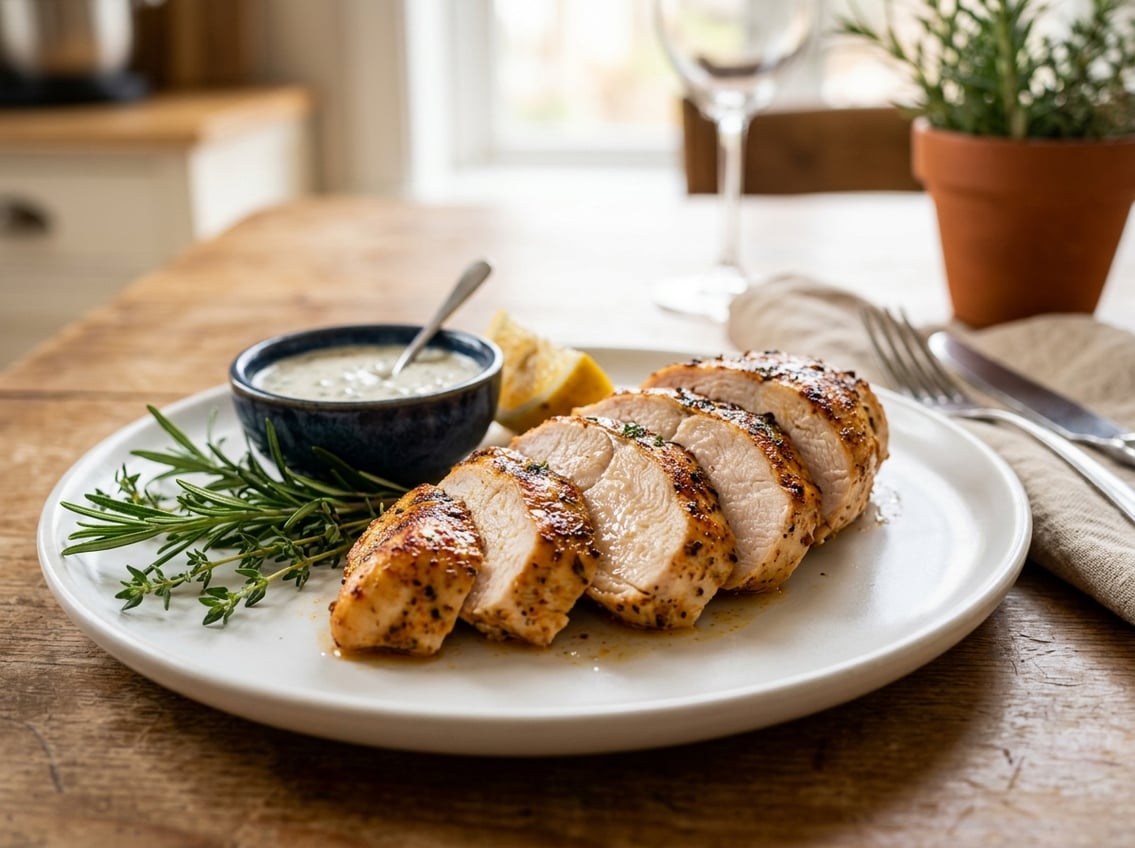
Chicken breast dries out faster than many other cuts because it is lean and cooks quickly. A few small mistakes, like extra heat or uneven thickness, can turn juicy chicken into something stringy and dry.
How Lean Meat Loses Moisture
Chicken breast has less fat than dark meat, so it does not hold moisture as easily. When heat pushes water out of the muscle, you get dry chicken breast instead of moist chicken.
Even a short cooking error can change the texture a lot. The more direct heat the meat gets, the more likely it is to dry out.
What Overcooking Does to the Proteins
Overcooking causes the proteins in chicken breast to tighten and squeeze out liquid. Lean muscle past a safe temperature pushes liquid out of the fibers, which is why the meat turns dry.
Once that happens, the texture becomes firm and less juicy. That is why temperature control matters.
Why Uneven Thickness Creates Dry Spots
A thick end and a thin end do not cook at the same rate. By the time the thick part is done, the thin part may already be overcooked and dry.
Pound the chicken to an even thickness so it cooks evenly. You get a better chance of juicy chicken across the whole piece.
How to Keep the Next Batch Tender
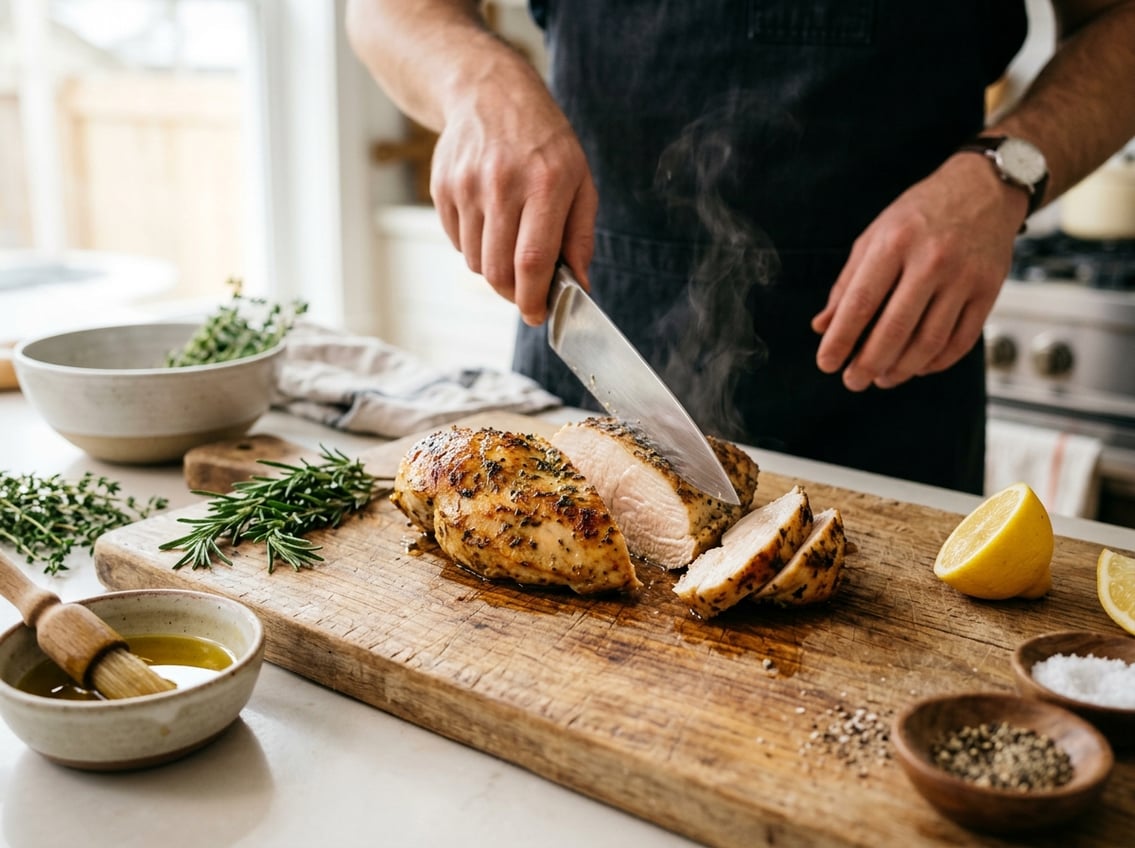
The best way to avoid dry chicken is to check temperature, stop cooking at the right moment, and prep the meat so it cooks evenly. A few simple habits can help you avoid dry chicken more often.
Use a Thermometer Instead of Guessing
A thermometer gives you a clear reading, so you do not have to rely on color or timing alone. This is the easiest way to avoid dry chicken breast, especially if your oven or pan runs hot.
Check the thickest part of the chicken breast. When you cook by temperature instead of guesswork, you have a much better chance of keeping the meat moist.
Pull It Early and Rely on Carryover Cooking
Chicken keeps cooking after you remove it from the heat. Carryover cooking, also called residual heat, can finish the job while the meat rests.
Pull the chicken a little early and let it rest before slicing. This simple step can help keep the final texture from turning dry.
Prep for Even Cooking With Brining or Pounding
Brining helps the meat hold more moisture. Pounding evens out the thickness.
You can also marinate the chicken for more flavor and moisture. These prep steps give you a better starting point before you start cooking.


