
What Is the Meaning of Tender Chicken Breast? Explained
The meaning of tender chicken breast comes down to texture, moisture, and how easily the meat breaks apart when you bite it.
A tender chicken breast feels soft, slices cleanly, and is easy to chew, while still holding enough structure to stay satisfying.
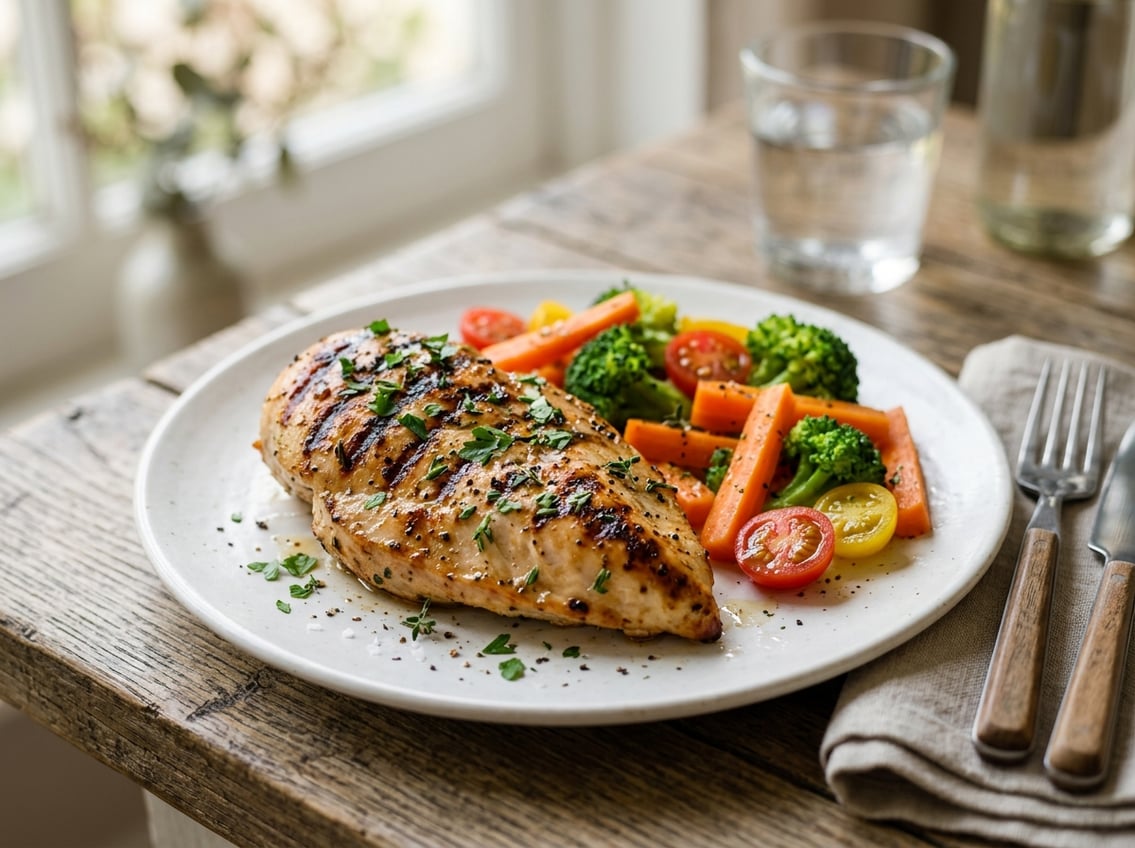
Tender chicken breast does not always mean juicy chicken breast, and it does not guarantee a flavorful result unless you cook and handle it well.
A chicken breast can be tender because of the cut itself, the cooking method, or how much moisture it keeps during cooking.
People often use tender chicken, juicy chicken breast, and tender chicken breast as if they mean the same thing.
They are related, yet each one points to a different part of the eating experience.
What Tenderness Means in Chicken Breast
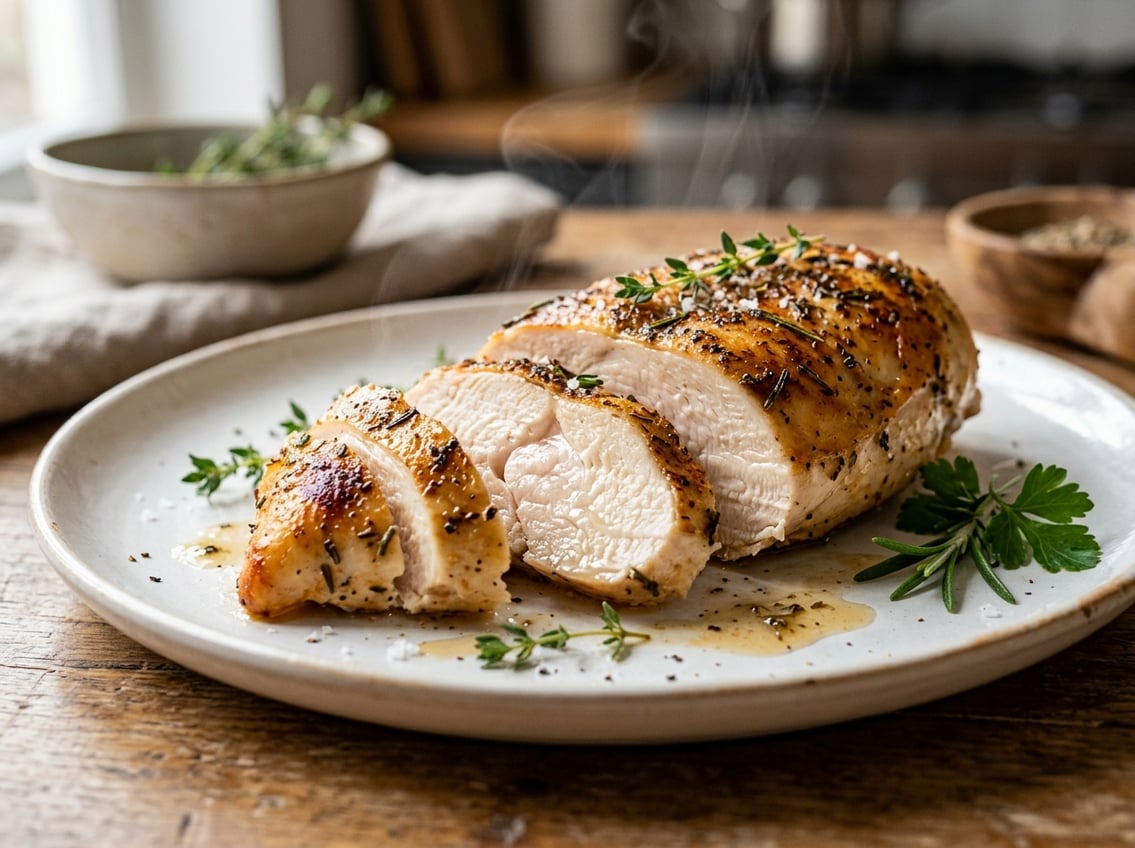
Tenderness is about how the meat feels when you chew it, not just how cooked it looks.
A chicken breast can be a lean cut and still feel soft if the muscle fibers stay intact and the meat keeps enough moisture.
Tenderness depends on bite, moisture, and fiber structure.
White meat has less natural fat than dark meat, so it can turn dry faster, even when the texture starts out tender.
How Texture, Moisture, and Bite Define Tenderness
When you cut into a tender chicken breast, the meat should feel firm yet easy to separate.
It should not seem stringy, rubbery, or tough.
Moisture matters because dry meat often reads as less tender, even if the muscle itself is not tough.
A juicy chicken breast usually feels softer in the mouth, which is why people often connect juiciness with tenderness.
Why Chicken Breast Can Be Tender but Still Dry
Chicken breast has very little intramuscular fat compared with richer cuts.
That means it can stay tender in structure while losing moisture during cooking.
If you cook it too long, the fibers tighten and squeeze out liquid.
The result is meat that can still be sliced easily, yet tastes dry and feels less pleasant to eat.
How White Meat Differs From Dark Meat
White meat from the breast works less during the bird’s life than dark meat from the legs.
That is one reason it starts out lean and mild.
Dark meat usually contains more connective tissue and fat, so it can taste richer and stay moist longer.
Chicken breasts can be tender too, but they need more careful timing to avoid dryness.
Where the Tender Texture Comes From
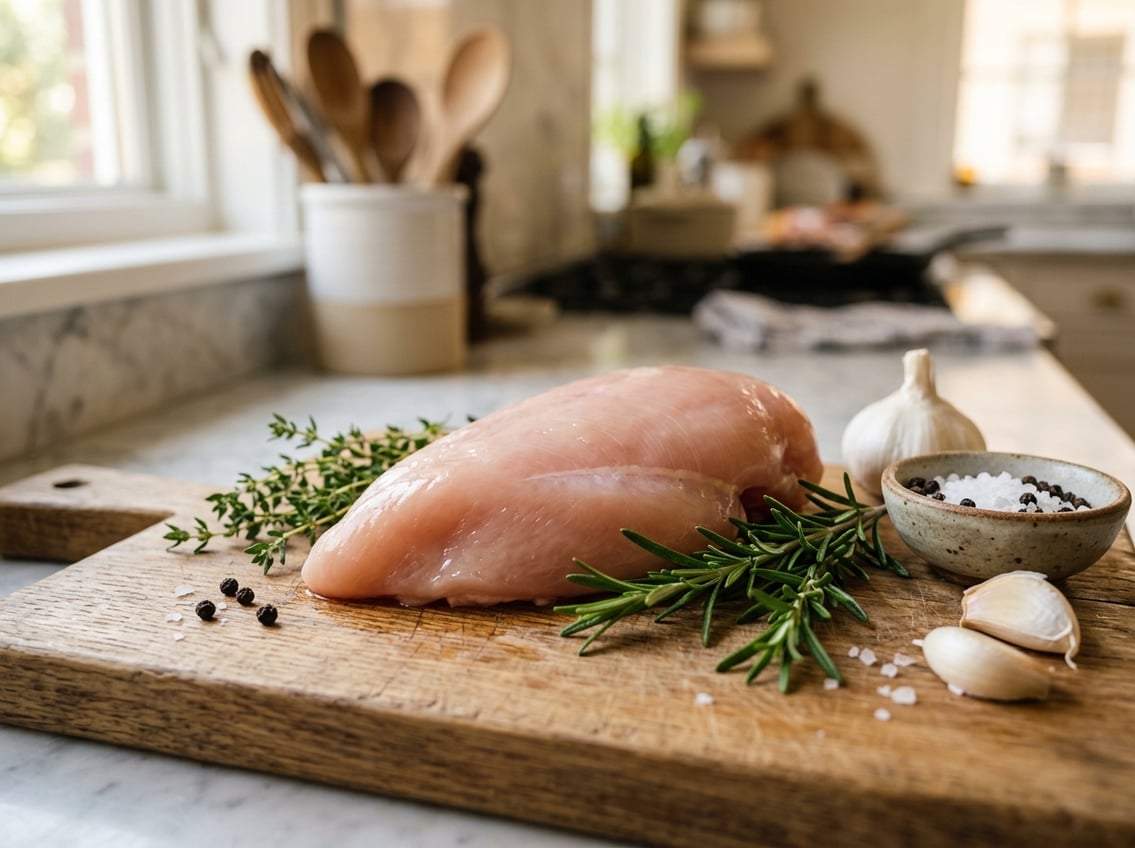
The chicken’s anatomy, especially the smaller muscle under the breast, gives the breast its tender texture.
That muscle is naturally soft, while the larger breast muscle is firmer and more likely to dry out.
Commercial birds such as cornish cross chickens grow quickly and develop large breast meat, which affects how you need to cook them.
The cut matters, because chicken tenderloin and full chicken breasts do not behave the same way in the pan or oven.
Chicken Anatomy and the Breast Muscles
The breast has two main parts, the larger pectoral muscle and the smaller inner muscle.
The smaller one does less work, so it stays naturally tender.
The larger white meat portion is still usable and popular, yet it has a denser texture.
That is why a breast can taste good and still need careful cooking to stay soft.
Chicken Tenderloin vs. Breast Meat
A chicken tenderloin, also called a chicken tender, is the small strip tucked beneath the breast.
According to Chef’s Resource, it is a strip of tender white meat from the pectoral muscle area, and it is naturally more tender than the main breast meat.
Chicken tenderloins cook quickly and stay soft with less effort.
Full chicken breasts can also be tender, yet they usually need better control over heat and time.
Why Chicken Tenders and Chicken Fingers Are Not the Same Cut
Chicken tenders come from the bird, while chicken fingers often describe the shape or style of the cooked food.
Many chicken fingers are breaded strips made from breast meat, and some are shaped pieces rather than true tenderloin.
The name on the menu does not always tell you the cut.
If you want naturally tender meat, chicken tenders or chicken tenderloins are the closest match.
What Makes Chicken Breast More or Less Tender
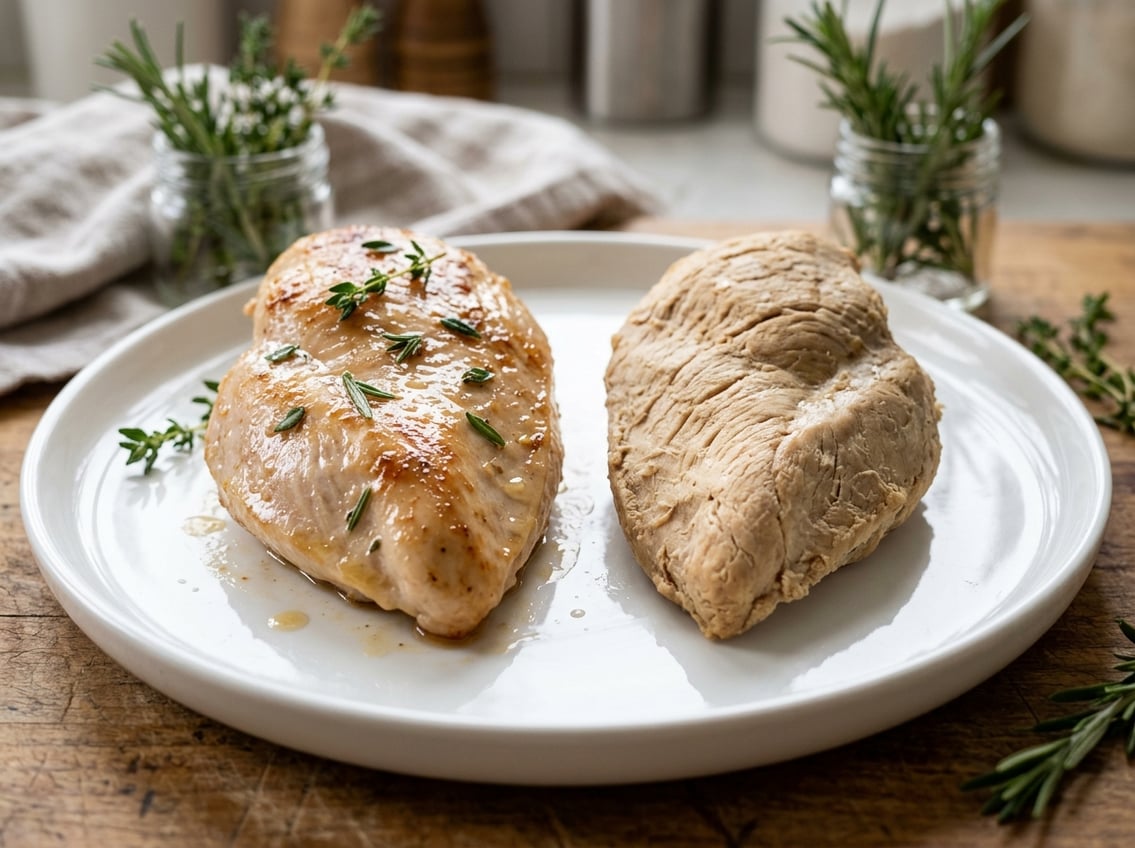
Heat, thickness, seasoning, and resting all affect the final bite.
The same chicken breast can seem tender in one meal and dry in another if the cooking method changes.
Brining, marinating chicken, and even pounding chicken with a meat mallet can help improve texture.
The key is to control moisture loss and even out the shape before the meat goes into the pan or oven.
How Overcooking Changes Juiciness and Softness
Overcooking causes chicken breast to turn dry.
As the temperature climbs too far, the fibers contract and push out moisture.
An instant-read thermometer gives you a reliable check, since color alone is not enough.
Once the chicken breast reaches a safe internal temperature and rests, you can stop before it becomes overly firm.
Why Thickness and Pounding Chicken Matter
A thick chicken breast often cooks unevenly, so the outside dries before the center is ready.
Pounding chicken to an even thickness helps the whole piece cook at the same pace.
A meat mallet works well for this, and a rolling pin can do the job too.
Even thickness makes tender chicken breasts more likely because you reduce the chance of overcooked edges.
How Brining and Marinating Chicken Help
Brining adds salt and water balance to the meat, which helps it stay juicy during cooking.
Marinating chicken can add flavor and, in some cases, a softer texture.
A simple marinade with olive oil, acid, and seasoning can help, especially when you do not leave the breast on the heat too long.
The best results come when the seasoning method matches the cooking time.
Why Resting and Slicing Affect Final Texture
Resting gives the juices time to settle back into the meat.
If you slice too soon, more liquid runs onto the cutting board instead of staying in the chicken breast.
Slice across the grain when possible.
That shortens the muscle fibers in each bite and makes even a well-cooked chicken breast feel more tender.
Best Cooking Methods for a Juicy Result
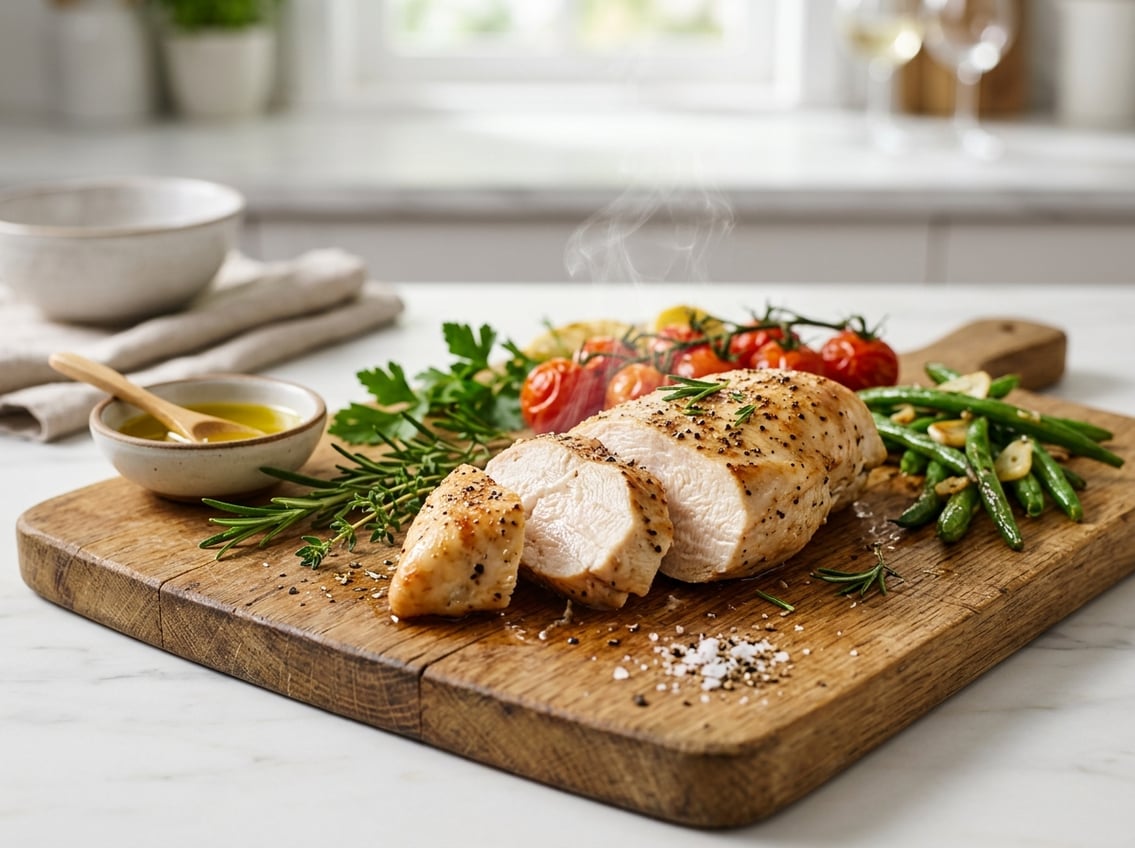
The best methods keep the outside from drying out before the center is done.
Pan-searing, grilling, and baking can all work well when you use steady heat and check temperature carefully.
Some recipes work better with chicken tenderloin because they are smaller and naturally tender.
Full chicken breasts are better when you want larger portions for classic chicken breast recipes.
Pan-Searing Without Drying Out the Meat
Pan-searing gives you a browned surface and fast cooking.
It works best when the breast is even in thickness and the heat is controlled.
Use a little olive oil and avoid moving the meat too much.
Once the center reaches a safe temperature on an instant-read thermometer, take it off the heat right away.
Grilled Chicken Done With Temperature Control
Grilling can add a lot of flavor, yet the high heat can dry out a chicken breast fast.
Medium heat and careful flipping help the meat cook through without losing too much moisture.
This approach also works well for seared chicken when you finish it gently.
If you want juicy chicken breast, do not rely on color alone, since grill marks can appear before the center is ready.
When Tenderloin Works Better Than Full Breasts
Chicken tenderloin is often the better choice for quick meals.
They cook fast, stay soft, and fit well in smaller dishes.
You can use them for chicken tenders, salads, wraps, or simple skillet meals.
Full chicken breasts are a better fit when you want larger slices or stuffed chicken dishes.
Popular Dishes That Depend on Tender Breast Meat
Many chicken breast recipes need a tender result. Chicken parmesan and breaded chicken tenders are good examples.
Cooks often choose brining, careful pan-searing, or moderate-heat grilling for these meals. Tender chicken lets the breading, sauce, and seasoning work much better.


