
What Is the Function of Chicken Breast? Anatomy and Uses
Chicken breast is more than just a common grocery item. Its function starts in the bird as the main chest muscle, built to power wing movement.
That same structure is why it is sold as a lean, high-protein food.
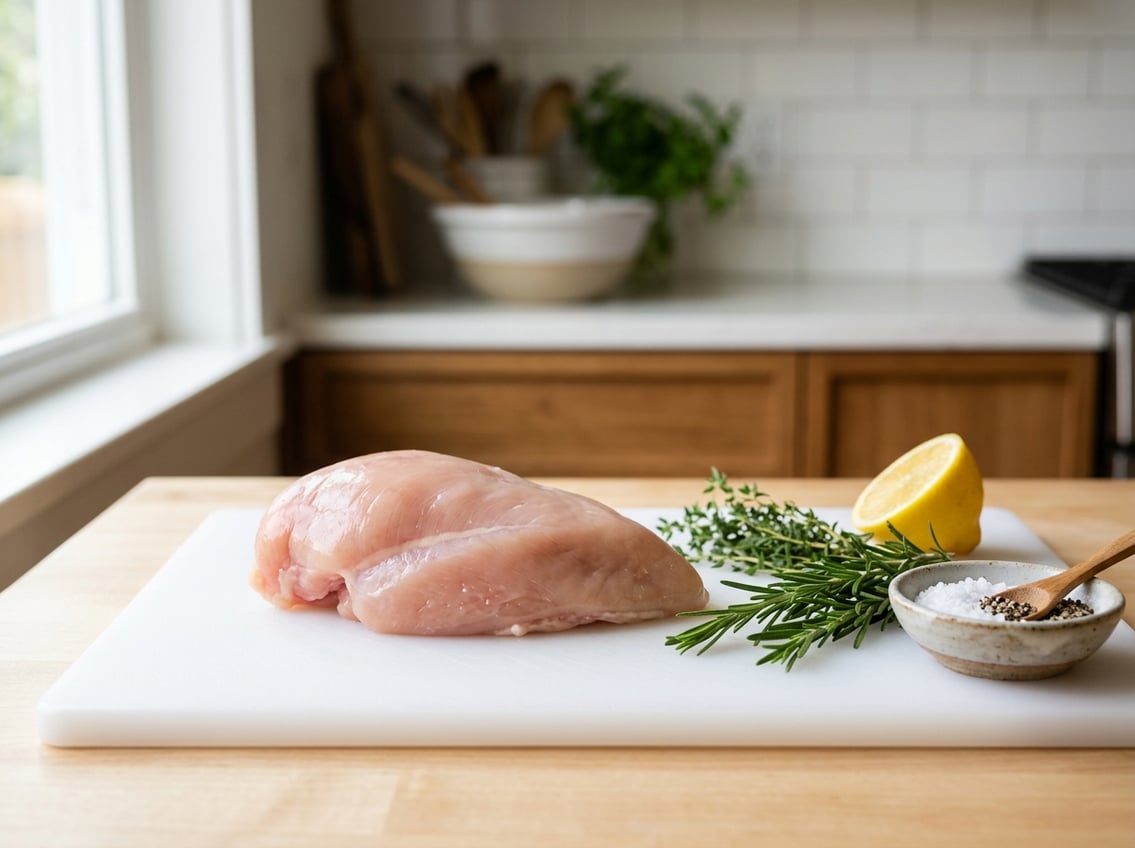
When you know how chicken breast works in the bird, you also understand why it is lean, mild, and useful in so many meals.
This link between anatomy and cooking keeps this cut popular in the U.S.
Chicken breast stands out for its nutrition. It is a type of white meat that gives you lean protein with useful nutrients such as niacin, phosphorus, selenium, vitamin B6, pantothenic acid, and zinc.
What the Breast Muscle Does in the Bird
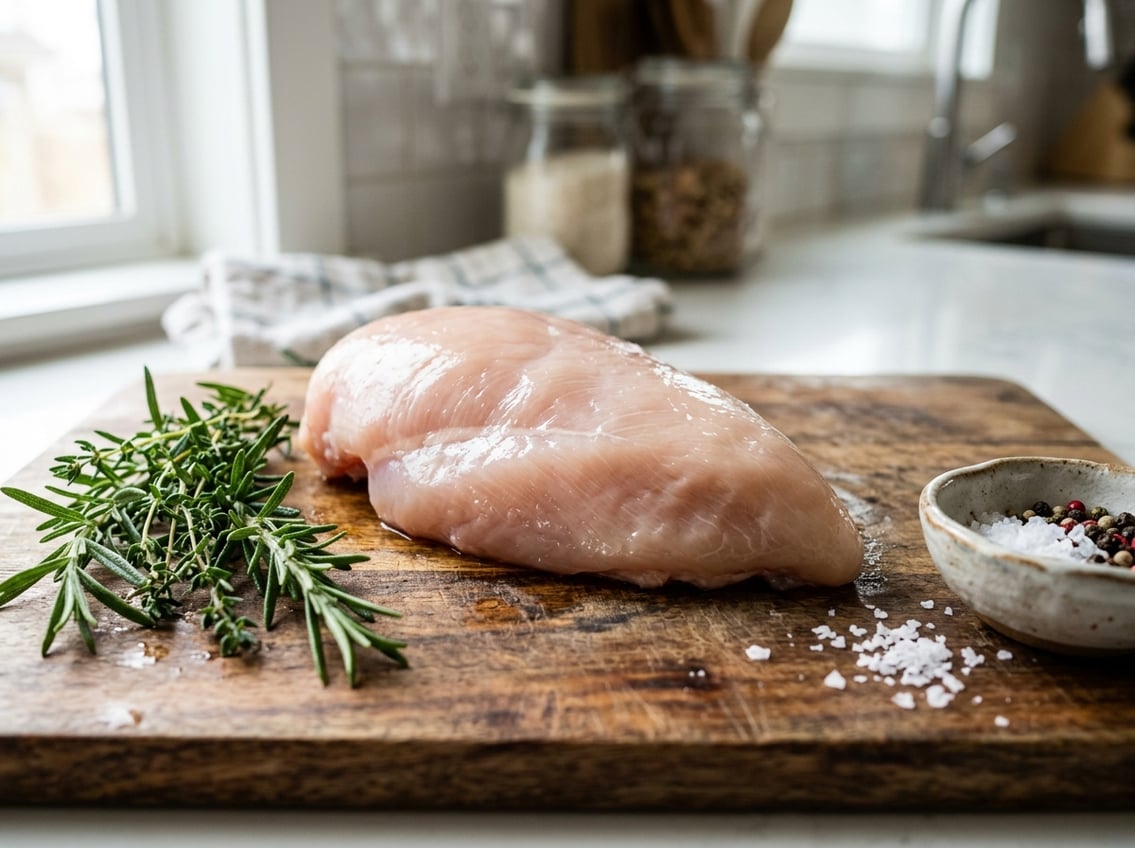
The chicken breast is the bird’s largest chest muscle, called the pectoralis major. It helps move the wings, which makes it important in the chicken’s body.
That muscle structure gives you the mild taste and pale color people call white meat.
How the Pectoralis Major Powers Wing Movement
The pectoralis major pulls the wing downward during movement. This downward stroke is the main force that helps with short bursts of flight, balance, and quick movement.
Because the chicken uses this muscle for power, not long-distance flight, the breast is large and dense.
A pectoral muscle in chickens is built for strength, not endurance.
Why Chicken Breast Is Classified as White Meat
Chicken breast is white meat because it has less myoglobin than dark meat. Myoglobin is the pigment that gives muscles a darker color and is more common in muscles that do more steady work.
That lower pigment level makes the breast look lighter when raw and cooked. It also helps explain the milder flavor.
How Limited Flight Shapes the Muscle’s Structure
Domestic chickens do not fly long distances, so their breast muscles are not built for heavy endurance use.
According to poultry anatomy and movement notes, these breast muscles rely heavily on white fibers that support short bursts of movement.
That structure gives you a cut that is lean and firm. The meat can dry out faster than darker, fattier cuts if you overcook it.
Why This Cut Is Valued as Food
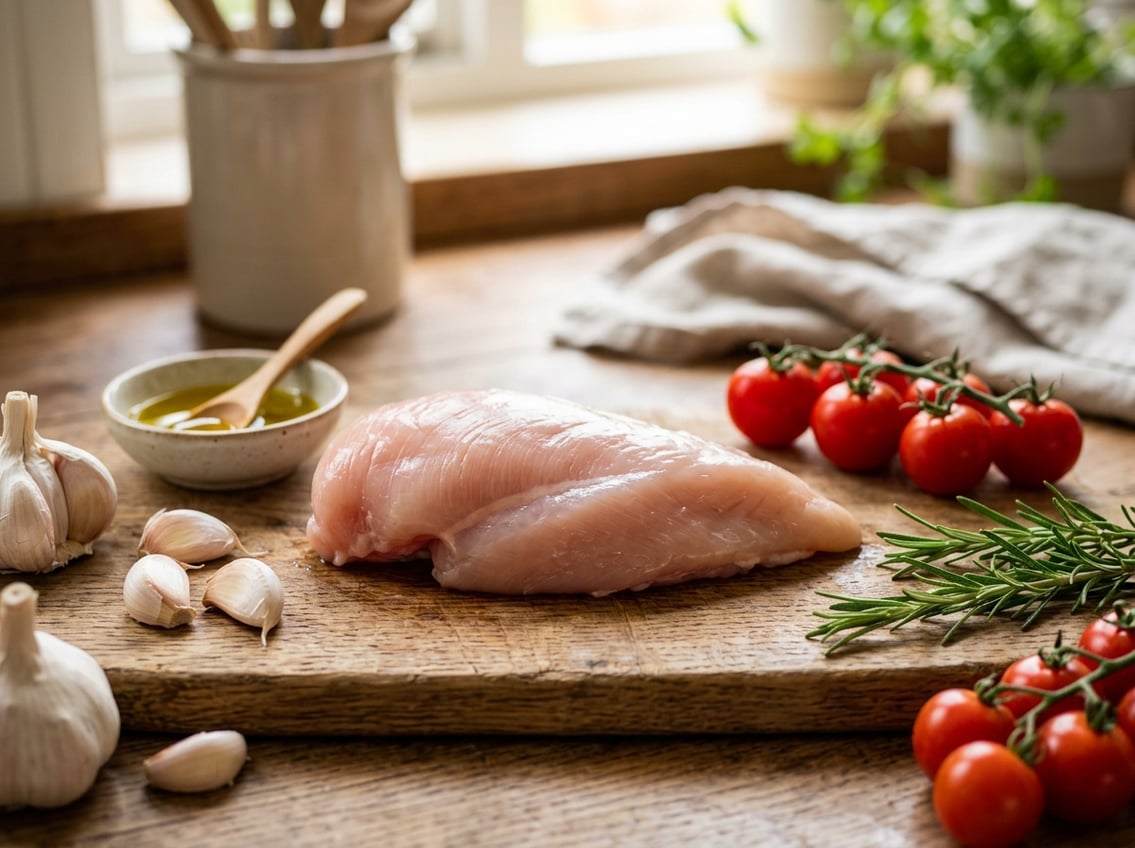
Chicken breast gives you a lot of protein with relatively little fat. It fits many eating styles, from simple home cooking to meal prep, and works well with sauces, spices, and marinades.
Its nutrition profile makes it easy to compare with other lean protein foods.
Protein Content and the Role of Lean Protein
Chicken breast is one of the most common high-protein foods people choose for meals. A boneless, skinless serving gives you a strong protein base without much fat.
That is part of the reason skinless chicken breast is so common in U.S. kitchens. It supports simple meals, post-workout plates, and lunch prep without adding much extra fat.
Key Nutrients in Chicken Breast Nutrition
Chicken breast nutrition is not just about protein. It also provides selenium, phosphorus, niacin, vitamin B6, pantothenic acid, and zinc, which support normal body functions.
A standard portion of cooked chicken breast can fit well into a balanced meal when paired with vegetables, grains, or legumes.
For general nutrition guidance, USDA-based resources like Nutrition.gov are useful for building healthy meal patterns.
How Skinless Cuts Change Fat and Calorie Levels
Skinless chicken breast and skinless chicken in general are leaner than versions with the skin left on. Removing the skin lowers the fat and calorie level, which is why many people choose boneless skinless chicken breast for everyday cooking.
A 4-ounce chicken breast is often described as high in protein and low in fat.
When you cook chicken breast with the skin on, you keep more moisture and flavor. Skinless chicken breast gives you a lighter option.
How Function Affects Texture and Cooking
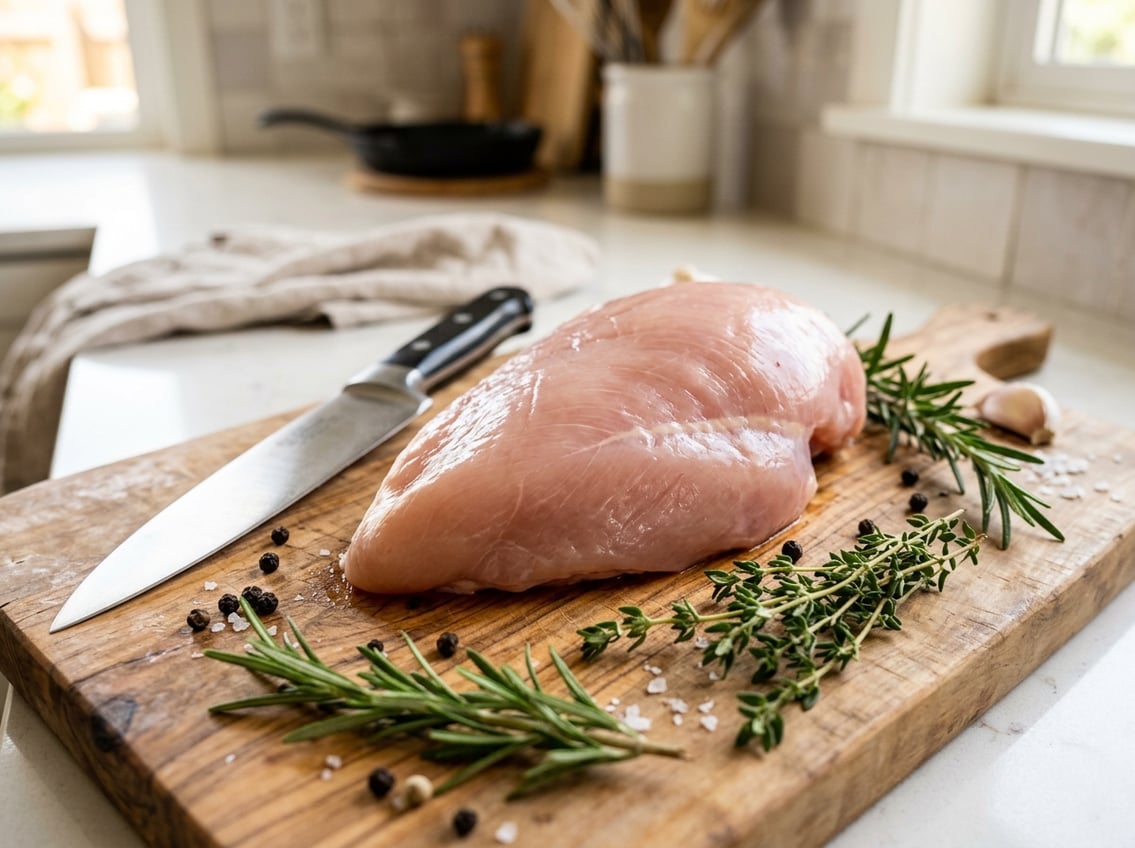
The same traits that make chicken breast useful in the bird also affect how it cooks. Because it is lean and made for short bursts of force, it cooks faster than darker cuts and can turn dry if you go past the right temperature.
That is why cooking chicken breast works best when you focus on thickness, heat, and timing.
Why Chicken Breast Cooks Faster Than Dark Meat
Chicken breast has less fat and a different muscle structure than thighs or drumsticks. Lean meat heats through quickly, so a cooked chicken breast can go from tender to dry in a short time.
Boneless chicken breast cooks even faster than bone-in pieces because there is less mass to heat. A guide to cooking chicken breast and keeping it moist notes that cooking time changes with thickness and method.
How to Keep It Moist When Cooking Chicken Breast
For better texture, start with even pieces. You can pound, butterfly, or slice boneless chicken breast so it cooks at a steady rate.
Use a thermometer and remove the meat when it reaches 165°F in the thickest part. Let cooked chicken breast rest before slicing, since that helps the juices stay in the meat.
Best Uses for Grilled, Baked, and Sliced Breast Meat
Grilled chicken breast works well when you want a quick main dish with a browned outside. Baked chicken breast is a good choice when you want steady heat and less hands-on cooking.
Sliced chicken breast fits salads, wraps, pasta, and sandwiches because it stays easy to serve. It also pairs well with bold sauces, since the meat itself has a mild flavor.
How People Use It in Everyday Meals and Buying Choices

You see chicken breast in many familiar U.S. meals because it is flexible and easy to season. It also gives you a predictable protein choice when you shop for dinner or meal prep.
Your buying choices can change quality, flavor, and ethics, depending on how the bird was raised.
Popular Dishes That Rely on Breast Meat
Chicken breast is common in chicken parmesan, chicken piccata, chicken salad, and chicken fajitas. Those dishes work well because the meat slices cleanly and takes on sauces and spices easily.
You also see it in grilled chicken sandwiches, casseroles, and meal-prep bowls. The cut holds its shape and fits both hot and cold meals.
How Age and Raising Practices Can Influence Quality
The age of the bird can affect texture. Younger birds usually have more tender meat, while older birds may be firmer.
Raising practices also matter. Feed, space, and overall care can affect growth and the final quality of the chicken breast you buy.
What Animal Welfare and Organic Feed Mean for Shoppers
Animal welfare labels usually show how the birds lived and how handlers treated them. These labels may indicate more space or better living conditions.
Organic feed means the birds ate ingredients that meet organic rules. If these claims matter to you, look for clear label language and certification. Choose the chicken breast that fits your values and budget.


