
What Does It Mean Chicken Breast Halves? Quick Guide
Chicken breast halves are two matching pieces split from a single chicken breast, usually along the center line. Grocery stores often use this term to label a cut that gives you one side of the breast, not the entire piece.
Chicken breast halves are common in the U.S. market, and the name can feel confusing if you are used to hearing only “chicken breast” or “boneless skinless chicken breasts.”
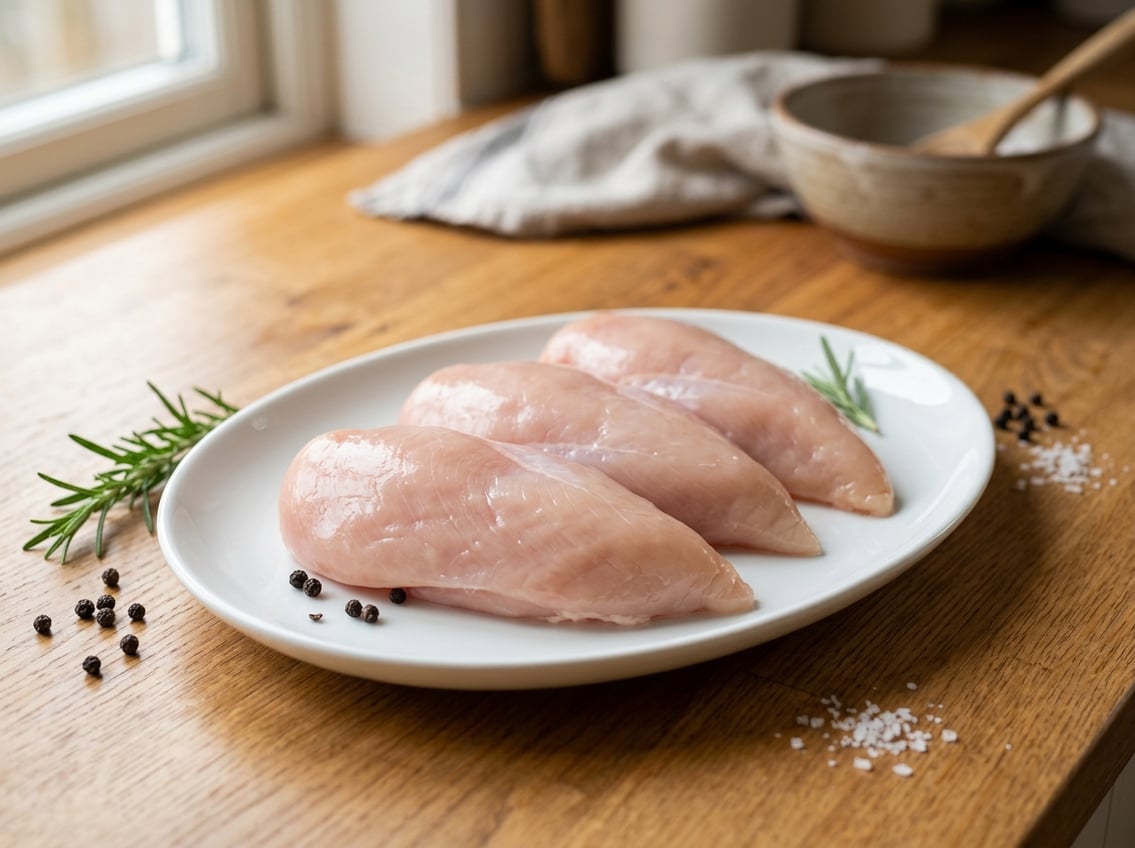
What the Label Refers To
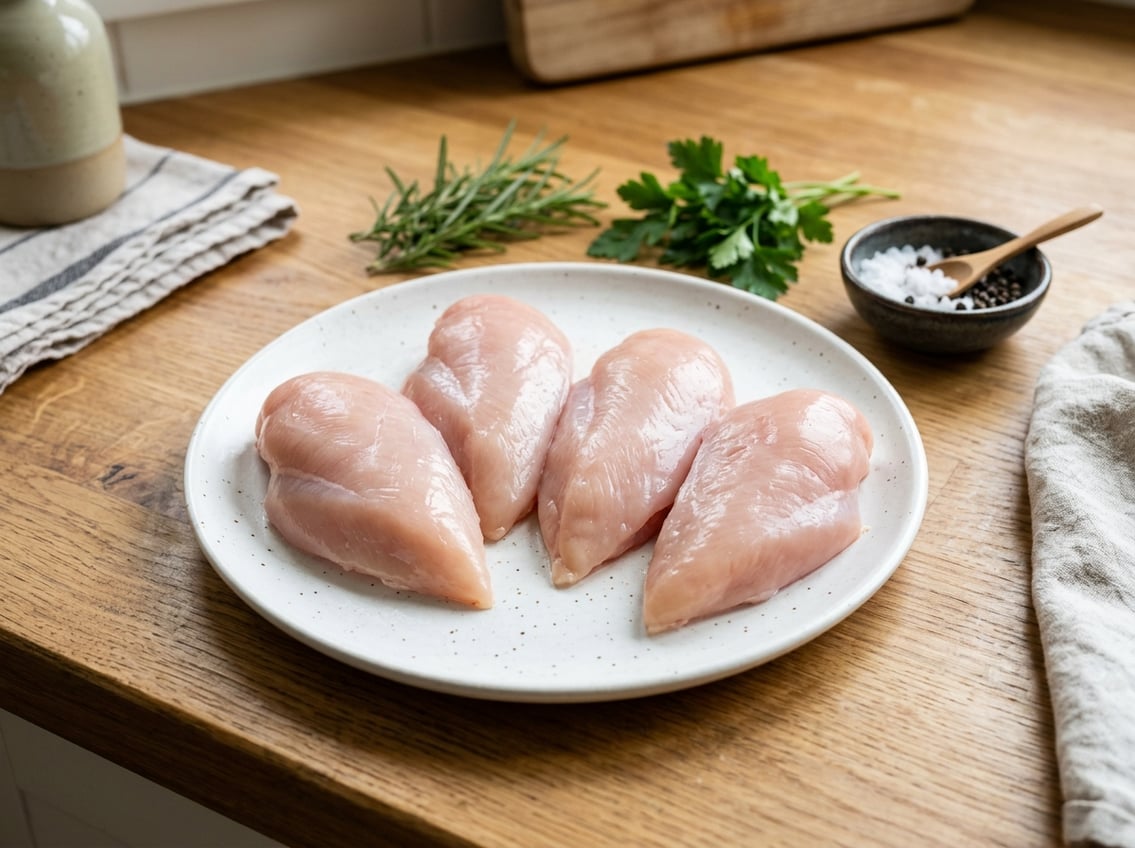
A chicken breast half is one side of the breast from a single chicken. Since a chicken has two sides to the breast area, you get two breast halves from one whole chicken breast.
Meat labeling uses this wording, which can sound strange at first. Stores may use “chicken breast halves,” “chicken breast,” or “whole chicken breast” in different ways depending on the cut style.
According to Chicken Breast Halves vs. Chicken Breasts: What’s the Difference?, chicken breast halves are usually larger, while chicken breasts are often sold as the full breast split into two pieces or as boneless, skinless portions.
How One Whole Chicken Breast Becomes Two Portions
A whole breast sits across the front of the bird and has two symmetrical sides. When you split it down the middle, each side becomes a breast half.
A package with two pieces may represent one whole breast in processing terms.
This matters when you are planning servings. If the pieces are large, one half may be enough for a meal, while smaller halves may be closer to a single serving each.
Chicken Breast Half vs. Chicken Breast vs. Whole Chicken Breast
The names can overlap in stores, so the cut style matters more than the label alone. A whole chicken breast usually means both sides together.
A chicken breast half means one side only. A standard chicken breast in many U.S. stores often means a boneless, skinless piece that is already separated from the other half.
As Resto NYC notes, the anatomy starts with two breast halves on opposite sides of the breastbone.
Bone-In and Boneless Forms You May See
You may find breast halves sold bone-in and skin-on or boneless and skinless. Bone-in pieces usually cook a little more slowly and can stay juicier if you manage the heat well.
Boneless, skinless pieces are easier to portion, season, and cook quickly. Always check the package photo and the fine print before you buy.
How to Recognize and Buy the Right Cut
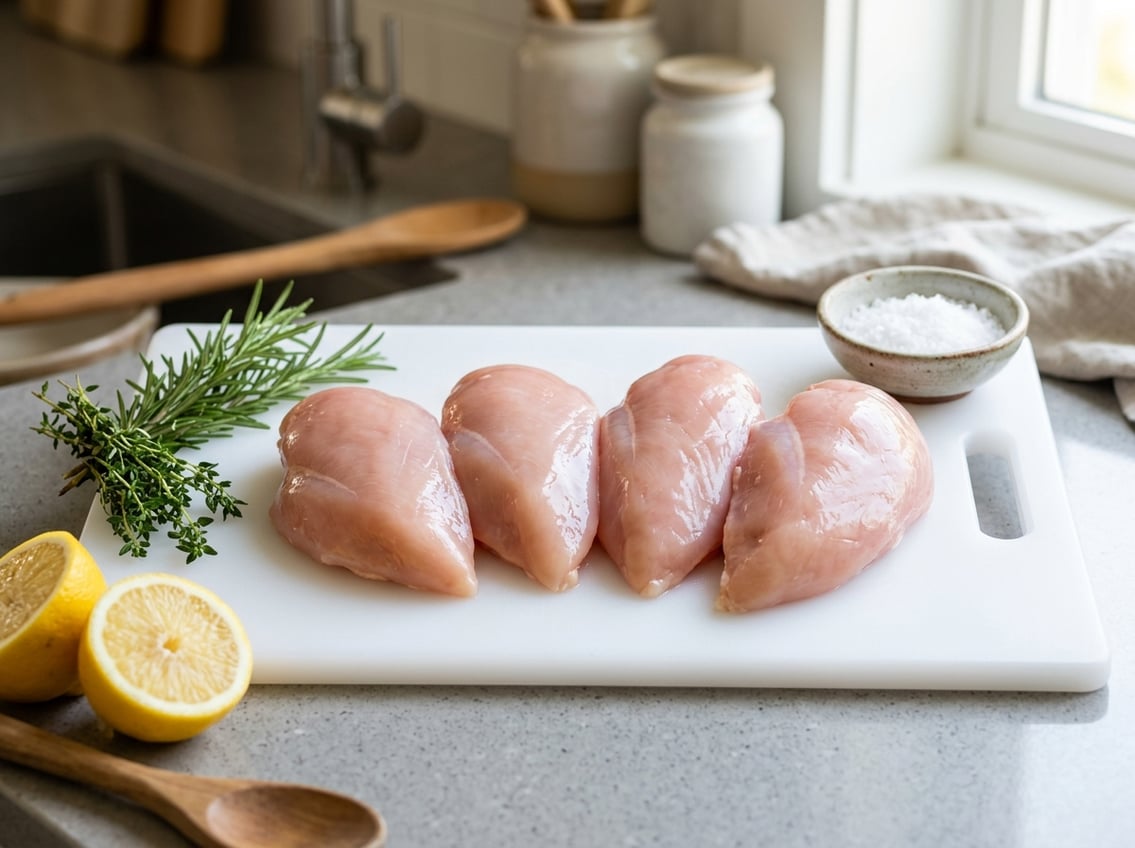
When you buy chicken, the package name is only part of the story. You also need to look at size, whether the meat is bone-in or boneless, and whether the pieces are skinless.
A few quick checks can help you pick the cut that fits your recipe.
What Packages Usually Mean at the Grocery Store
At the grocery store, chicken breast halves often appear as two large pieces in one package. The label may also say boneless, skinless, or bone-in, and those details change how you cook them.
If the package says chicken breasts, it often means the pieces are already trimmed for home cooking. If the label says breast halves, the pieces may be larger or more uneven in shape.
That distinction matters for baking, grilling, and slicing.
Size, Weight, and Appearance Clues
Look for pieces that are pink and clean-looking, with no strong smell. The size should match your plan, since a thick breast half takes longer than a thin one.
A skinless chicken breast will look smooth and pale pink. A bone-in piece will have a more defined shape and may include the skin attached.
If you want even cooking, choose pieces that are close in size and thickness.
When Organic or Premium Options Make Sense
Organic chicken breast halves may make sense when you want a specific production standard or a package that fits your buying preferences. Premium labels can also be useful if you want better consistency in size or trimming.
For everyday cooking, the best choice is the one that matches your recipe and budget.
How This Cut Is Prepared Before Cooking
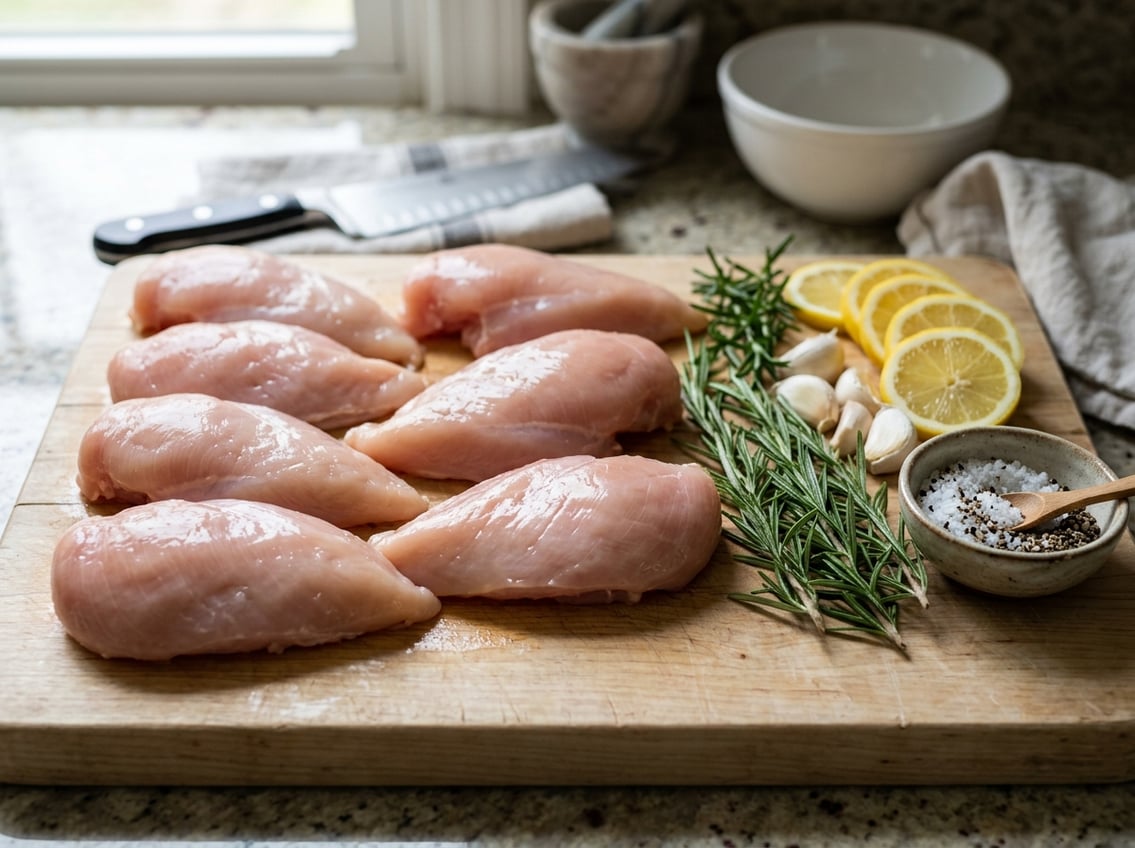
How you prep the meat changes how it cooks. You can keep a chicken breast half whole, split it again, or flatten it into a thinner piece for faster cooking.
The best method depends on thickness and on the dish you are making.
When to Leave It Whole and When to Split It
Leave the piece whole when you want a thicker center, such as for roasting or stuffing. Split it when the breast is very thick and you want faster, more even cooking.
Cutting a thick breast in half can shorten cooking time and help prevent dry edges. Thin, even pieces work better for quick sautés and pan sauces.
Butterflied Pieces and Chicken Cutlets Explained
A butterflied chicken breast is cut or opened like a book so it lays flatter. That gives you a wider piece that cooks more evenly.
Chicken cutlets are thinner pieces, usually made by slicing or pounding the breast. They are useful for fast recipes like breaded cutlets, quick pan-frying, and layered sauces.
If you want a very even thickness, butterflying or pounding helps a lot.
How to Avoid Dry Meat During Prep and Cooking
Dry chicken usually comes from overcooking or uneven thickness. Use a meat thermometer and cook to a safe internal temperature without going much higher than needed.
Try to keep the piece at a similar thickness from end to end. If one side is much thicker, pound it lightly or slice it.
Salt and marinade help with flavor, but even heat control matters most.
Best Uses in Everyday Recipes
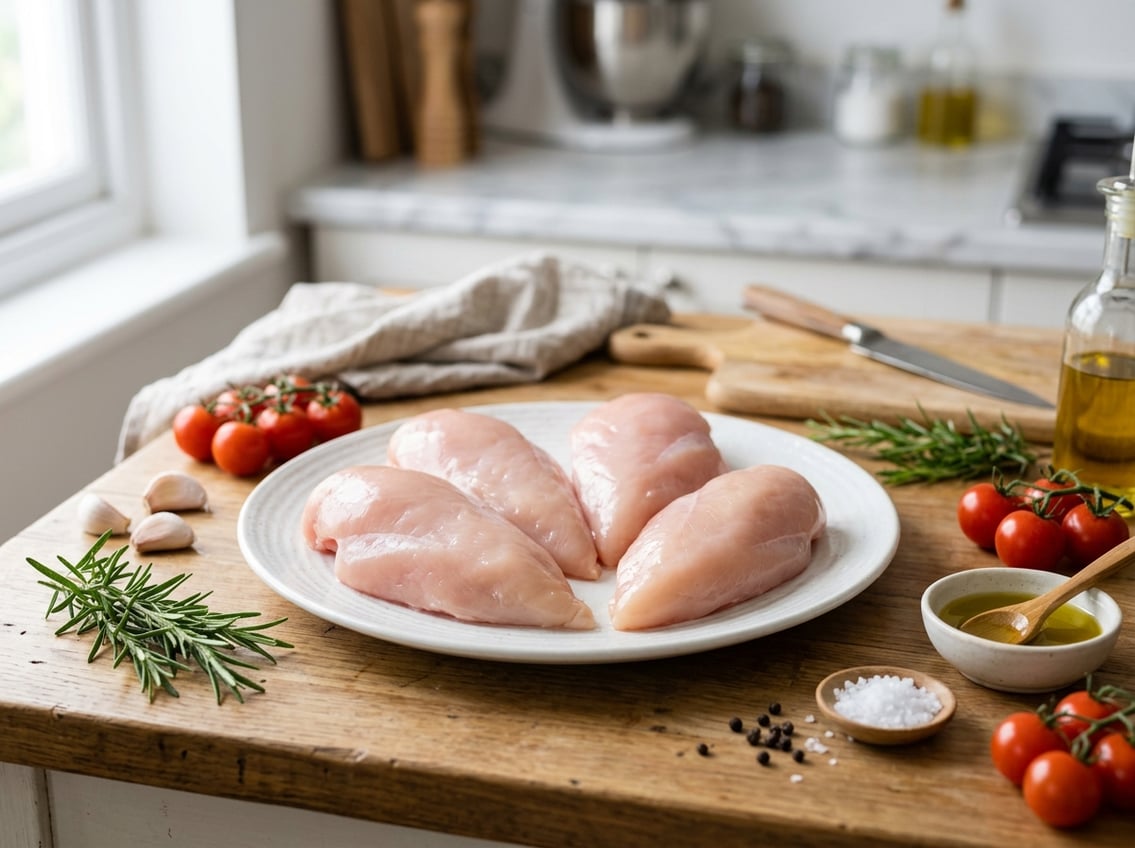
Chicken breast halves work well in many weeknight meals because they are flexible and easy to season. Thicker pieces hold up best in baked dishes, while thinner pieces fit fast stovetop recipes.
The shape of the cut affects the result more than the name.
Best Dishes for Thicker Pieces
Thicker chicken breast halves are a strong fit for stuffed chicken breast, baked dishes, and seared mains with sauce. They also work well in grilled chicken breast recipes when you want a juicy center and light char.
You can use them in chicken parmesan when you want a substantial breaded portion. They also do well in chicken piccata if you slice them after cooking or pound them to an even thickness first.
Best Dishes for Thin or Flattened Pieces
Thin or flattened pieces are ideal for fast cooking. They fit chicken stir-fry, quick skillet dinners, and recipes that need fast browning.
Chicken cutlets are also a good match for breaded dishes because they cook quickly and evenly. If you want a lighter meal, thin pieces are easier to serve with vegetables or grains.
Flavor Profiles That Work Especially Well
Simple seasonings usually work best with chicken breast halves.
Lemon herb chicken offers a strong choice because acid and herbs add brightness without masking the meat.
Garlic, Parmesan, and Italian-style seasoning also pair well.
This is why garlic parmesan chicken remains a common use.
If you want the cleanest result, keep the seasoning direct.
Use a sauce or marinade that supports the cut rather than overwhelms it.


