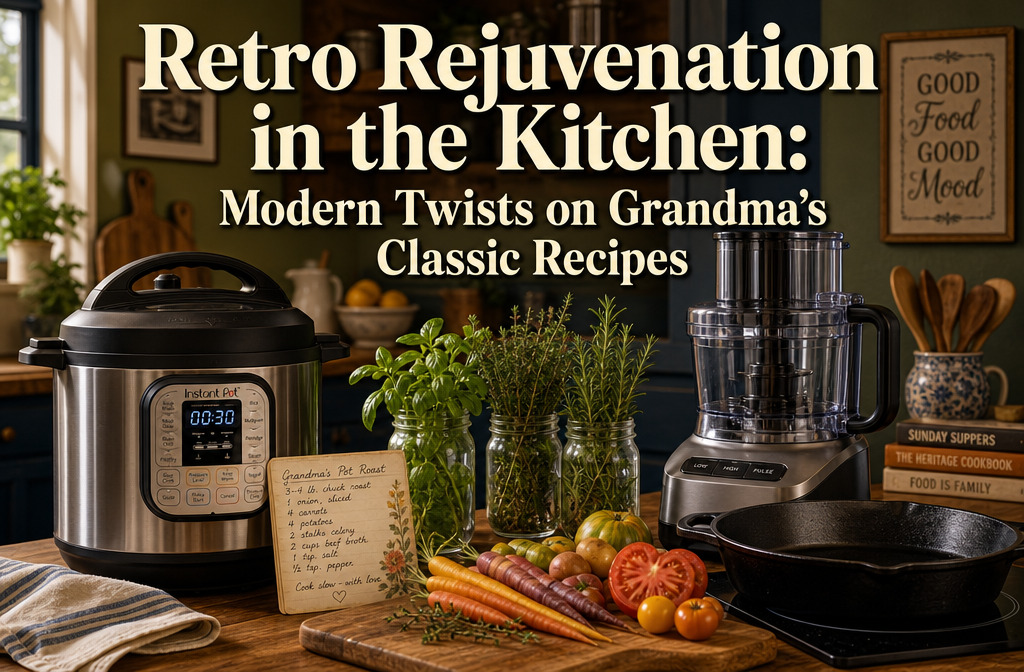
Retro Rejuvenation in the Kitchen: Modern Twists on Grandma’s Classic Recipes
Last updated: May 5, 2026
Quick Answer
Retro Rejuvenation in the Kitchen: Modern Twists on Grandma’s Classic Recipes represents a growing culinary movement where home cooks blend traditional family recipes with contemporary cooking techniques like fermentation, sous vide, and air frying. This approach preserves nostalgic flavors while incorporating health-conscious modifications, modern appliances, and updated cooking methods that make classic dishes more accessible, nutritious, and aligned with today’s dietary preferences.
Key Takeaways
- Nostalgic cooking is trending: Younger generations are rediscovering family recipes and adapting them with modern techniques and healthier ingredients
- Modern appliances speed up classics: Instant Pots, air fryers, and sous vide machines reduce cooking time for traditional slow-cooked dishes
- Health-conscious modifications work: Reducing sugar, using whole grains, and adding fermented elements update recipes without losing flavor
- Fermentation adds depth: Incorporating sourdough starters, kimchi, and kombucha into traditional recipes boosts nutrition and flavor complexity
- Presentation matters: Contemporary plating techniques make comfort food Instagram-worthy while honoring its roots
- Kitchen design reflects the trend: Warm wood tones, sage green finishes, and vintage-inspired hardware create spaces that celebrate both eras
- Recipe documentation preserves heritage: Digitizing handwritten recipe cards and creating video tutorials ensures family culinary traditions survive
What Is Retro Rejuvenation in the Kitchen?
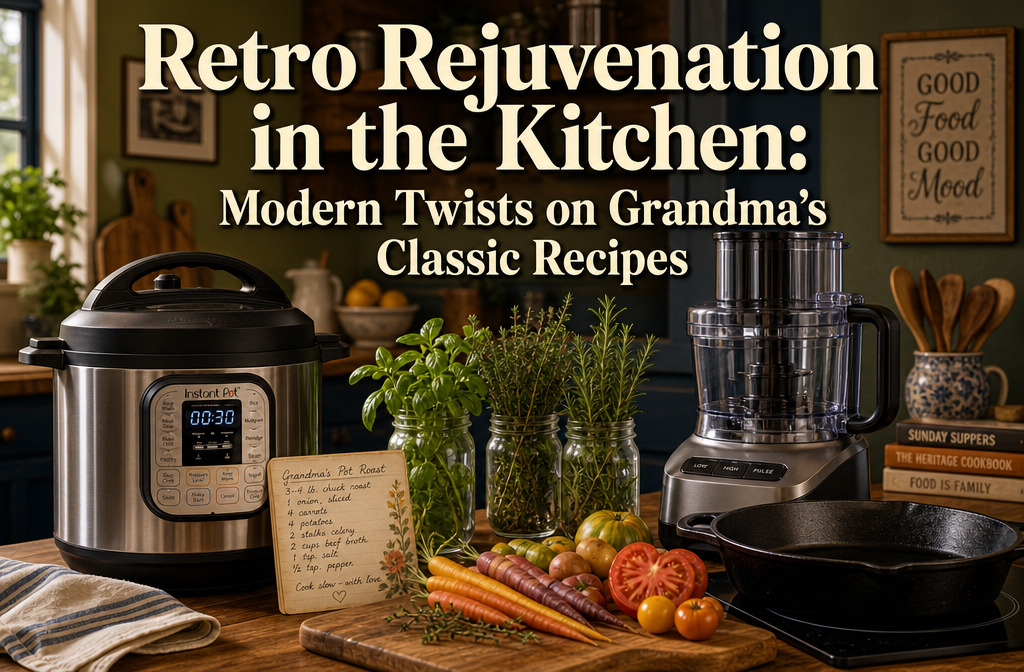
Retro Rejuvenation in the Kitchen: Modern Twists on Grandma’s Classic Recipes is the practice of updating traditional family recipes using contemporary cooking methods, modern appliances, and health-conscious ingredient swaps while maintaining the nostalgic flavors and emotional connections these dishes provide. This movement bridges generational cooking wisdom with current culinary innovation.
The trend goes beyond simply following old recipes. It involves:
- Technique upgrades: Using pressure cookers instead of slow simmers, or air fryers instead of deep frying
- Ingredient modifications: Swapping refined flour for whole grain alternatives, reducing sodium, or using natural sweeteners
- Flavor enhancements: Adding fermented elements, fresh herbs, or global spices to deepen traditional flavor profiles
- Equipment adaptation: Translating stovetop recipes to Instant Pot or slow cooker versions for busy schedules
Choose this approach if you want to honor family culinary traditions while making them fit modern dietary needs, time constraints, or cooking skill levels. It works best when you respect the original recipe’s intent but aren’t afraid to experiment with methods and minor ingredient changes.
Why Are Home Cooks Embracing Traditional Recipes Now?
Home cooks are returning to grandmother’s recipes because these dishes offer comfort, connection, and authenticity in an era of processed convenience foods. Younger generations particularly value the stories and heritage embedded in family recipes, viewing them as edible links to their cultural identity.
Several factors drive this revival:
Pandemic cooking shifts: Extended time at home during 2020-2021 prompted many people to explore family recipe boxes and connect with older relatives about cooking traditions
Social media influence: Platforms like TikTok and Instagram celebrate “grandma cooking” content, with videos of elderly cooks preparing traditional dishes garnering millions of views
Health awareness: Traditional recipes often use whole ingredients and simple preparation methods, contrasting with ultra-processed modern foods
Economic considerations: Classic recipes typically feature affordable, accessible ingredients and minimize food waste through nose-to-tail or root-to-stem cooking
Emotional value: Cooking grandmother’s recipes provides tangible connection to family members who may have passed away or live far away
The movement also reflects broader design trends. Kitchen spaces now feature warm wood tones, sage green and deep blue finishes, and traditional hardware with rubbed and aged finishes—all creating environments that honor both past and present cooking traditions.
How Do Modern Cooking Techniques Transform Classic Recipes?
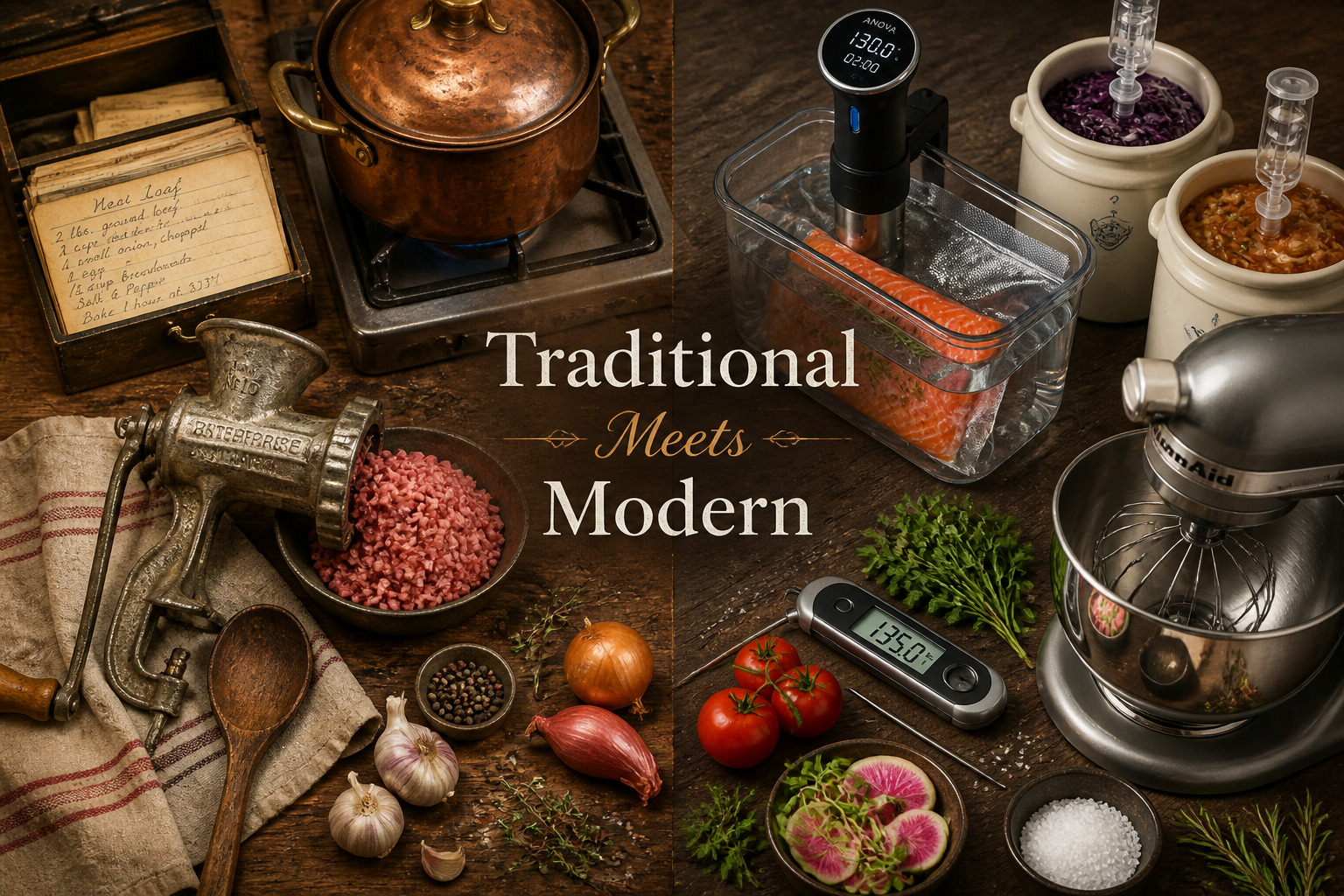
Modern cooking techniques preserve the essence of classic recipes while improving texture, reducing cooking time, and enhancing nutritional value. The key is understanding which methods work best for specific dishes.
Pressure Cooking for Slow-Cooked Classics
What it does: Instant Pots and electric pressure cookers reduce cooking time by 60-70% for traditionally slow-cooked dishes like pot roast, beans, and stews.
Best applications:
- Beef stew (6 hours → 45 minutes)
- Dried beans (overnight soak + 2 hours → 30 minutes, no soak)
- Chicken stock (4 hours → 1 hour)
- Braised short ribs (3 hours → 50 minutes)
Common mistake: Opening the pressure cooker too early releases steam and extends cooking time. Always allow natural pressure release for meats to stay tender.
Sous Vide for Perfect Proteins
What it does: Precise temperature control ensures proteins cook evenly throughout, eliminating the guesswork from grandmother’s “cook until done” instructions.
Best applications:
- Chicken breast at 145°F for 1.5 hours stays incredibly moist
- Pork chops at 140°F prevent the dry, tough texture common in traditional pan-frying
- Pot roast at 135°F for 24 hours creates fork-tender results impossible with conventional methods
Choose this if you struggle with dry chicken breast or overcooked proteins. The technique guarantees consistent results every time.
Air Frying for Healthier Comfort Foods
What it does: Circulating hot air creates crispy exteriors using 70-80% less oil than traditional deep frying.
Recipe transformations:
- Fried chicken: 2 cups oil → 1 tablespoon oil spray
- Potato croquettes: Deep fryer → air fryer basket at 375°F
- Breaded pork cutlets: Pan-fried → air-fried with similar crunch
Limitation: Air fryers work best for foods that benefit from dry heat. Wet batters don’t crisp properly—use breadcrumb coatings instead.
Fermentation for Depth and Nutrition
What it does: Controlled fermentation adds probiotic benefits, complex flavors, and improved digestibility to traditional recipes.
Modern applications:
- Sourdough starter replaces commercial yeast in grandmother’s bread recipes
- Fermented hot sauce adds tang to traditional condiments
- Kimchi or sauerkraut incorporated into potato dishes or casseroles
- Kombucha used as braising liquid for meats
Time consideration: Fermentation requires advance planning (2-7 days typically) but minimal active work.
What Ingredient Swaps Keep Recipes Healthy Without Losing Flavor?
Smart ingredient substitutions maintain the soul of classic recipes while addressing modern nutritional concerns. The goal is enhancement, not elimination of flavor.
Strategic Swaps That Work
| Traditional Ingredient | Modern Alternative | Benefit | Best Use Case |
|---|---|---|---|
| White flour | Whole wheat pastry flour (50/50 blend) | Added fiber, nutrients | Biscuits, pancakes, quick breads |
| White sugar | Coconut sugar or date paste | Lower glycemic impact | Baked goods, sauces |
| Heavy cream | Greek yogurt + milk | Protein boost, less saturated fat | Creamy soups, mashed potatoes |
| Vegetable oil | Avocado or olive oil | Healthy fats | Sautéing, roasting |
| Salt | Herbs, citrus zest, miso paste | Reduced sodium, added complexity | Seasoning throughout |
| Butter (in baking) | Applesauce or mashed banana (partial) | Moisture with less fat | Quick breads, muffins |
Protein Upgrades
Classic recipes often feature tougher, fattier cuts because they were economical. Modern alternatives include:
- Chicken breast instead of thighs in some applications (though chicken thighs offer more flavor for certain dishes)
- Ground turkey (93% lean) mixed with mushrooms for meatloaf or meatballs
- Lentils or beans added to ground meat dishes to stretch protein and add fiber
Important consideration: Don’t swap all fat. Some recipes need butter or cream for proper texture and flavor. Start with 25-50% substitutions and adjust based on results.
When NOT to Substitute
Certain recipes depend on specific ingredients for chemical reactions:
- Yeast breads: Flour protein content matters for gluten development
- Custards and puddings: Eggs and dairy create specific textures that alternatives can’t replicate
- Caramelization: Sugar alternatives don’t caramelize the same way
- Flaky pastries: Butter creates steam pockets that shortening or oil cannot
How Can You Adapt Grandma’s Recipes for Modern Appliances?
Converting traditional recipes to modern appliances requires understanding heat distribution, moisture retention, and timing differences. Most adaptations follow predictable patterns once you know the principles.
Instant Pot Conversions
Basic formula: Reduce liquid by 25%, cut cooking time to 30-40% of original, use high pressure for most applications.
Step-by-step example (Pot Roast):
- Original recipe: 3 lbs chuck roast, 2 cups broth, 3 hours at 325°F
- Instant Pot version: 3 lbs chuck roast, 1.5 cups broth, 50 minutes high pressure
- Add vegetables in last 15 minutes to prevent mushiness
- Natural release for 15 minutes, then quick release
Common mistake: Overfilling the pot beyond the max fill line prevents proper pressure buildup and extends cooking time significantly.
Slow Cooker Adaptations
Basic formula: Low setting = 200°F (6-8 hours), High setting = 300°F (3-4 hours). Add delicate ingredients in final hour.
Best for: Stews, soups, braised meats, casseroles Not ideal for: Dishes requiring browning, crispy textures, or precise timing
Pro tip: Brown meats and sauté aromatics in a pan first, then transfer to slow cooker. This extra step adds depth that slow cooking alone can’t achieve.
Air Fryer Guidelines
Temperature adjustment: Reduce oven temperature by 25°F and check 20% earlier than original timing.
Example conversions:
- Oven-fried chicken: 400°F for 40 minutes → 375°F for 25-30 minutes, flipping halfway
- Roasted vegetables: 425°F for 30 minutes → 400°F for 15-20 minutes, shaking basket twice
Batch cooking consideration: Air fryers work best with single layers. Cook in batches rather than overcrowding for crispy results.
What Classic Recipes Benefit Most from Modern Updates?
Certain traditional dishes transform dramatically with contemporary techniques while others are best left unchanged. Understanding which recipes to update helps you invest effort where it matters most.
High-Impact Updates
Fried chicken: Air frying or oven “frying” with proper brining techniques delivers crispy skin with minimal oil. The texture rivals traditional frying when you use cornstarch in the coating and spray with oil before cooking.
Mashed potatoes: Adding roasted garlic, Greek yogurt, or cauliflower (50/50 blend) maintains creaminess while boosting nutrition. Using a ricer instead of masher creates restaurant-quality texture.
Beef stew: Sous vide the beef separately at 135°F for 24 hours, then combine with traditionally cooked vegetables. This creates impossibly tender meat while vegetables retain their shape.
Bread and rolls: Incorporating sourdough starter adds complex flavor and improves digestibility. The fermentation process breaks down gluten and phytic acid, making nutrients more bioavailable.
Casseroles: Swapping canned cream soups for homemade béchamel with added vegetables (pureed cauliflower or butternut squash) eliminates processed ingredients while maintaining creamy texture.
Recipes to Leave Mostly Unchanged
Some classics work because of their specific techniques:
- Pie crust: Cold butter and minimal handling create flakiness that shortcuts can’t replicate
- Yeast cinnamon rolls: The rise time develops flavor; rushing with rapid-rise yeast produces inferior results
- Slow-simmered tomato sauce: Hours of cooking concentrate flavors in ways pressure cooking doesn’t match
- Roasted whole chicken: Traditional roasting creates crispy skin and pan drippings for gravy
Decision rule: Update recipes where the traditional method creates problems (too much fat, too much time, inconsistent results). Leave unchanged when the traditional method produces superior results and fits your schedule.
How Do You Balance Authenticity with Modern Preferences?
Maintaining recipe authenticity while accommodating contemporary tastes requires thoughtful choices about which elements to preserve and which to update. The emotional connection to traditional recipes matters as much as the food itself.
The 80/20 Approach
Keep 80% authentic: Preserve the core flavors, main ingredients, and overall character that make the dish recognizable and meaningful.
Update 20% strategically: Modify cooking methods, reduce problematic ingredients, or adjust portions to fit modern needs.
Example (Chicken and Dumplings):
- Keep: Chicken, vegetables, creamy broth, fluffy dumplings, one-pot presentation
- Update: Use boneless chicken breast for convenience, Greek yogurt instead of heavy cream, whole wheat flour in dumplings, pressure cooker instead of stovetop
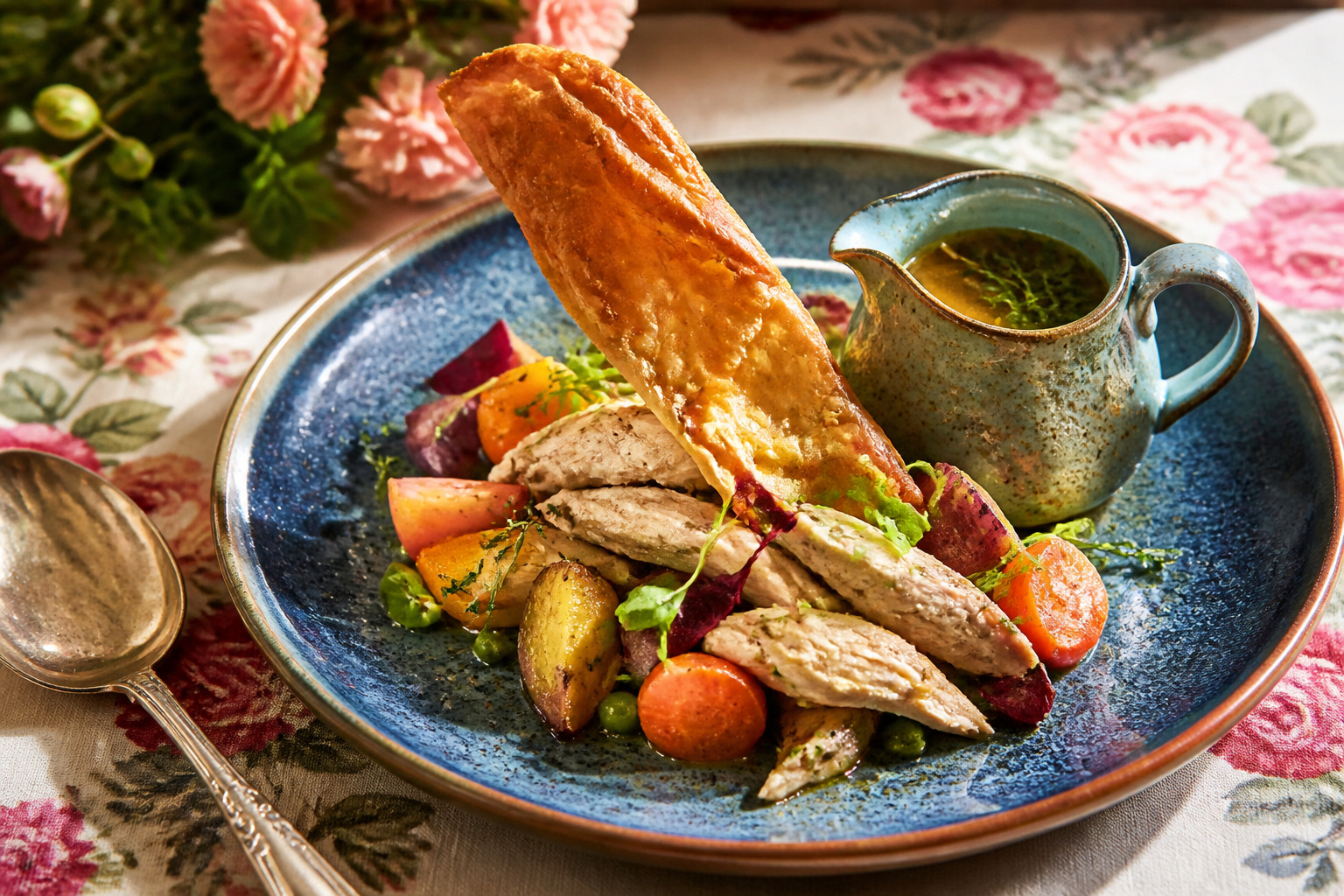
Presentation Matters
Modern plating elevates comfort food without changing its essence:
- Serve individual portions in shallow bowls instead of family-style casserole dishes
- Garnish with fresh herbs, microgreens, or edible flowers
- Use white or neutral plates that highlight food colors
- Add texture contrasts (crispy onions on green bean casserole, toasted breadcrumbs on mac and cheese)
Cultural consideration: Some families view recipe changes as disrespectful to the original cook’s memory. In these cases, make your version alongside the traditional preparation and let people choose.
Documenting Your Adaptations
Create a “living recipe” approach:
- Original version: Transcribe grandmother’s recipe exactly as written
- Your adaptation: Note all changes, substitutions, and technique modifications
- Tasting notes: Record what worked, what didn’t, and ideas for next time
- Family feedback: Document which family members prefer which version
This documentation preserves culinary heritage while allowing evolution. Future generations can choose to make either version or create their own adaptations.
What Kitchen Design Elements Support This Cooking Style?
The physical kitchen space influences how we cook and connect with food traditions. Design choices that blend vintage aesthetics with modern functionality create environments where retro rejuvenation thrives.
Functional Vintage Elements
Open shelving: Displays grandmother’s serving pieces, vintage cookware, and recipe card boxes while keeping them accessible for regular use.
Farmhouse sinks: Deep basins accommodate large pots and roasting pans common in traditional cooking.
Butcher block counters: Warm wood surfaces create prep areas that feel connected to earlier eras while providing durable work surfaces.
Pot racks: Hanging cast iron skillets and copper pots honors traditional cookware while freeing cabinet space for modern appliances.
Modern Conveniences
Induction cooktops: Precise temperature control helps replicate grandmother’s intuitive heat adjustments with measurable accuracy.
Smart appliances: Programmable pressure cookers and ovens allow traditional recipes to cook while you’re away from home.
Appliance garages: Hide modern gadgets when not in use, maintaining a cleaner aesthetic that doesn’t clash with vintage elements.
Task lighting: Under-cabinet LEDs provide better visibility than traditional overhead lighting, making detailed prep work easier.
Color and Finish Trends
Current kitchen design favors:
- Sage green and deep blue cabinet finishes instead of stark white
- Warm wood tones in flooring and accents rather than cool grays
- Brass and bronze hardware with aged finishes replacing polished chrome
- Curved elements (rounded islands, arched doorways) softening sharp modern lines
These choices create “gathering kitchens” that function as social spaces where cooking becomes a shared activity rather than isolated meal prep.
How Can You Preserve Family Recipes for Future Generations?
Documenting family recipes ensures culinary traditions survive beyond individual memories. Modern technology makes preservation easier and more comprehensive than ever.
Digital Documentation Methods
Recipe apps and websites: Platforms like Paprika, Cookpad, or personal blogs organize recipes with photos, notes, and scaling features.
Video tutorials: Record yourself or older relatives making signature dishes. Capture not just steps but also techniques, tips, and stories behind the recipes.
Photo documentation: Take step-by-step photos during cooking, plus final plating shots. These visual guides help future cooks troubleshoot.
Voice recordings: Interview family members about recipe origins, ingredient sources, and memories associated with specific dishes.
Physical Preservation
Recipe card scanning: Digitize handwritten cards using smartphone scanner apps, preserving both the recipe and the handwriting.
Recipe books: Create printed family cookbooks through services like Blurb or Shutterfly, combining recipes with family photos and stories.
Shadow boxes: Frame original recipe cards alongside photos of the dish and the person who created it.
Teaching the Next Generation
Cooking together: Involve children and young adults in preparing traditional recipes, allowing them to ask questions and develop muscle memory.
Adaptation projects: Challenge younger cooks to create their own modern versions, fostering creativity while maintaining connection to tradition.
Recipe exchanges: Organize family gatherings where everyone brings a traditional dish and shares copies of the recipe.
Seasonal traditions: Tie specific recipes to holidays or events, creating annual opportunities to practice and pass down techniques.
FAQ
What’s the difference between updating a recipe and ruining it? Updating preserves the dish’s essential character and flavor profile while improving health, convenience, or accessibility. Ruining happens when changes eliminate the qualities that made the recipe special. Test modifications incrementally and get feedback from people who know the original.
Can I use an Instant Pot for all of grandmother’s slow-cooked recipes? Most braised meats, stews, and bean dishes convert well to pressure cooking. However, recipes requiring evaporation (thick sauces, reduced liquids) or delicate textures (flaky fish, tender vegetables) may not work. Slow cooker mode on Instant Pots better replicates traditional slow cooking when needed.
How do I make fried foods healthier without losing the crispy texture? Air frying, oven “frying” with oil spray, or shallow pan-frying in minimal oil all work. The key is using cornstarch or panko breadcrumbs in coatings, ensuring food is dry before breading, and cooking at high enough temperatures (375-400°F) to create crispy exteriors.
What if my family resists changes to traditional recipes? Make both versions available and let people choose. Frame updates as “inspired by” rather than “replacing” the original. Focus first on recipes where the traditional method creates genuine problems (too time-consuming, too unhealthy) rather than dishes that work fine as-is.
How can I reduce sodium in recipes that depend on salt for flavor? Build flavor through other means: roast vegetables to concentrate sweetness, use citrus juice and zest for brightness, incorporate umami-rich ingredients (mushrooms, tomato paste, miso), toast spices before adding, and use fresh herbs generously. Reduce salt gradually over several cooking sessions so taste buds adjust.
Are modern cooking techniques actually better or just different? Both. Sous vide creates textures impossible with traditional methods. Pressure cooking genuinely saves time without sacrificing quality. However, some traditional techniques (slow roasting, long simmering) develop flavors that shortcuts can’t replicate. Choose based on your priorities for each specific dish.
What’s the best way to convert oven temperatures for different appliances? Convection ovens: reduce temperature by 25°F. Air fryers: reduce by 25°F and check 20% earlier. Instant Pots: use high pressure for most applications, reducing liquid by 25%. Slow cookers: low = 200°F, high = 300°F. Always check doneness earlier than expected when first converting.
How do I know which ingredient substitutions will work? Start with 25-50% substitutions rather than complete replacements. Understand the ingredient’s role (structure, moisture, flavor, fat) and choose alternatives that serve similar functions. Test one change at a time so you can identify what works. Some substitutions (Greek yogurt for sour cream) work universally; others (alternative flours) require recipe-specific testing.
Can fermented ingredients really improve traditional recipes? Yes, when used thoughtfully. Sourdough adds complex flavor to breads. Miso deepens savory dishes. Kimchi or sauerkraut adds probiotic benefits and tang to casseroles or potato dishes. Start with small amounts (1-2 tablespoons) and increase based on taste. Fermented ingredients also improve digestibility and nutrient absorption.
What should I do if I don’t have grandmother’s exact recipe written down? Interview family members who remember the dish, asking about ingredients, techniques, and distinctive flavors. Search for similar recipes from the same region or ethnic background as starting points. Experiment with versions, taking notes on what tastes closest to memory. Sometimes recreating the feeling of a dish matters more than exact replication.
How do I adapt recipes for dietary restrictions without losing authenticity? Focus on the dish’s defining flavors and textures rather than specific ingredients. Gluten-free versions need binders (xanthan gum) to replace gluten’s structure. Dairy-free versions benefit from cashew cream or coconut milk for richness. Vegan versions require umami boosters (nutritional yeast, mushrooms) to replace meat depth. Test thoroughly and be honest that adaptations create different but still delicious results.
Is it worth investing in modern cooking appliances for occasional use? Consider frequency and space. Instant Pots justify their cost if you make pressure-cooked dishes weekly. Air fryers work well for small households cooking 2-4 servings. Sous vide machines suit precision-focused cooks willing to plan ahead. Start with one appliance that addresses your biggest cooking challenge, then expand if you use it regularly.
Conclusion
Retro Rejuvenation in the Kitchen: Modern Twists on Grandma’s Classic Recipes represents more than a cooking trend—it’s a meaningful bridge between generations, honoring culinary heritage while embracing contemporary needs. By thoughtfully combining traditional recipes with modern techniques, health-conscious modifications, and updated appliances, home cooks create dishes that satisfy both nostalgia and current lifestyle demands.
The most successful approach balances authenticity with adaptation. Keep the core elements that make recipes special—the flavors, the stories, the emotional connections—while updating methods and ingredients that improve health, save time, or increase accessibility. Whether you’re using an Instant Pot to speed up pot roast, incorporating fermented ingredients for added nutrition, or simply cooking chicken breast with techniques that prevent dryness, each modification should enhance rather than erase the original dish’s character.
Take action today:
- Choose one family recipe to update this week, focusing on a single modification (cooking method, ingredient swap, or presentation style)
- Document the process with photos and notes, creating a record for future reference and sharing
- Involve family members in tasting and feedback, making recipe evolution a collaborative experience
- Explore one new technique (pressure cooking, air frying, or fermentation) that addresses a specific cooking challenge you face
- Create a recipe preservation plan by scanning handwritten cards, recording cooking videos, or starting a family cookbook project
The kitchen remains what it’s always been—a gathering place where food connects us to each other and to our past. By embracing retro rejuvenation, you ensure that grandmother’s recipes continue feeding both bodies and souls for generations to come, adapted for modern life but never stripped of their essential meaning.