Is Lasagne Healthy
Last updated: May 4, 2026
Quick Answer
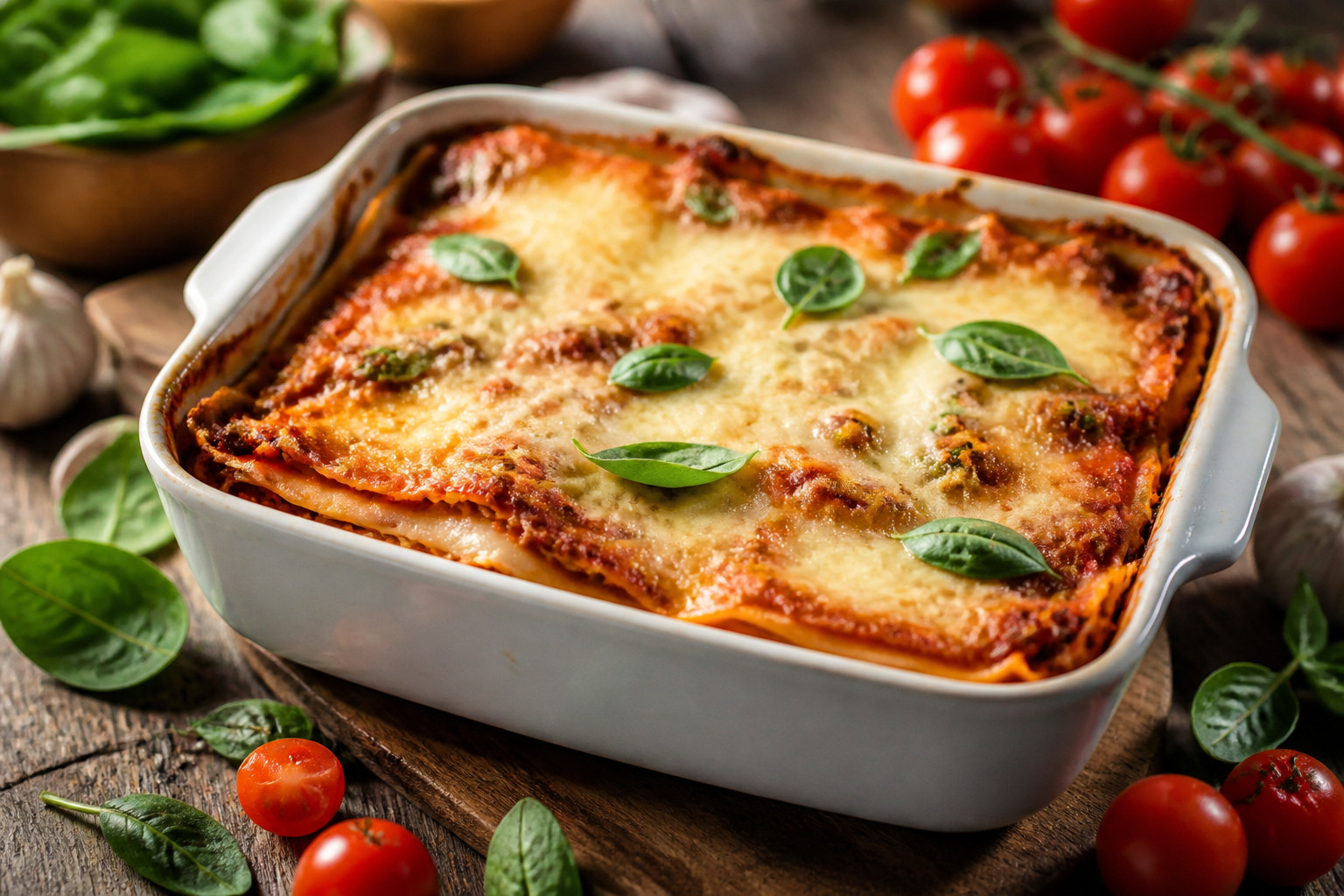
Lasagne can absolutely be healthy when prepared with thoughtful ingredient choices. A well-made lasagne using lean proteins, plenty of vegetables, moderate cheese portions, and whole grain or regular pasta provides balanced nutrition with protein, fiber, vitamins, and minerals. Traditional restaurant or frozen versions tend to be high in calories, saturated fat, and sodium, but homemade lasagne gives complete control over nutritional quality while keeping the comforting flavors intact.
Key Takeaways
- Homemade lasagne beats store-bought versions for controlling calories, sodium, and fat content while maximizing nutrient density
- Lean proteins like 93% lean ground beef, turkey, or chicken keep protein high (around 24 grams per serving) while reducing saturated fat significantly
- Vegetable additions like spinach, mushrooms, zucchini, and bell peppers boost fiber, vitamins, and minerals without compromising taste
- Cottage cheese mixed with smaller amounts of mozzarella and parmesan creates a lighter cheese layer compared to traditional ricotta-heavy recipes
- Heart-healthy lasagne versions provide roughly 299 calories per serving with 7 grams of fiber, making them suitable for cardiovascular health goals
- Homemade tomato sauce using crushed tomatoes and herbs eliminates hidden sugars and excess sodium found in jarred sauces
- Portion control matters since even healthy lasagne remains calorie-dense due to pasta and cheese components
- Freezer-friendly nature makes batch cooking practical for maintaining healthy eating habits throughout busy weeks
What Makes Traditional Lasagne Unhealthy?
Traditional lasagne earns its reputation as an indulgent dish primarily because of how it’s typically prepared in restaurants and sold as frozen meals. The standard recipe layers regular ground beef (often 80% lean or less), full-fat ricotta cheese, generous amounts of whole-milk mozzarella, and white pasta noodles, all bound together with sauce that frequently contains added sugar and high sodium levels.
A single restaurant serving can easily exceed 600-800 calories with 30-40 grams of fat, much of it saturated. The sodium content often reaches 1,000-1,500 milligrams per portion, which represents a significant chunk of the recommended daily limit. Frozen supermarket lasagne tends to follow similar patterns, prioritizing shelf stability and rich flavor over nutritional balance.
The pasta-to-filling ratio in commercial versions often skews heavily toward refined carbohydrates with minimal vegetable content. Many recipes use three or four layers of pasta with only token amounts of vegetables, if any appear at all. The cheese layers frequently contain two to three cups of full-fat cheese per pan, distributed across relatively few servings.
Common mistake: Assuming all lasagne is equally unhealthy. The preparation method and ingredient quality create massive nutritional differences between a restaurant lasagne and a thoughtfully prepared homemade version with lean proteins and vegetables.
Is Lasagne Healthy When Made at Home?
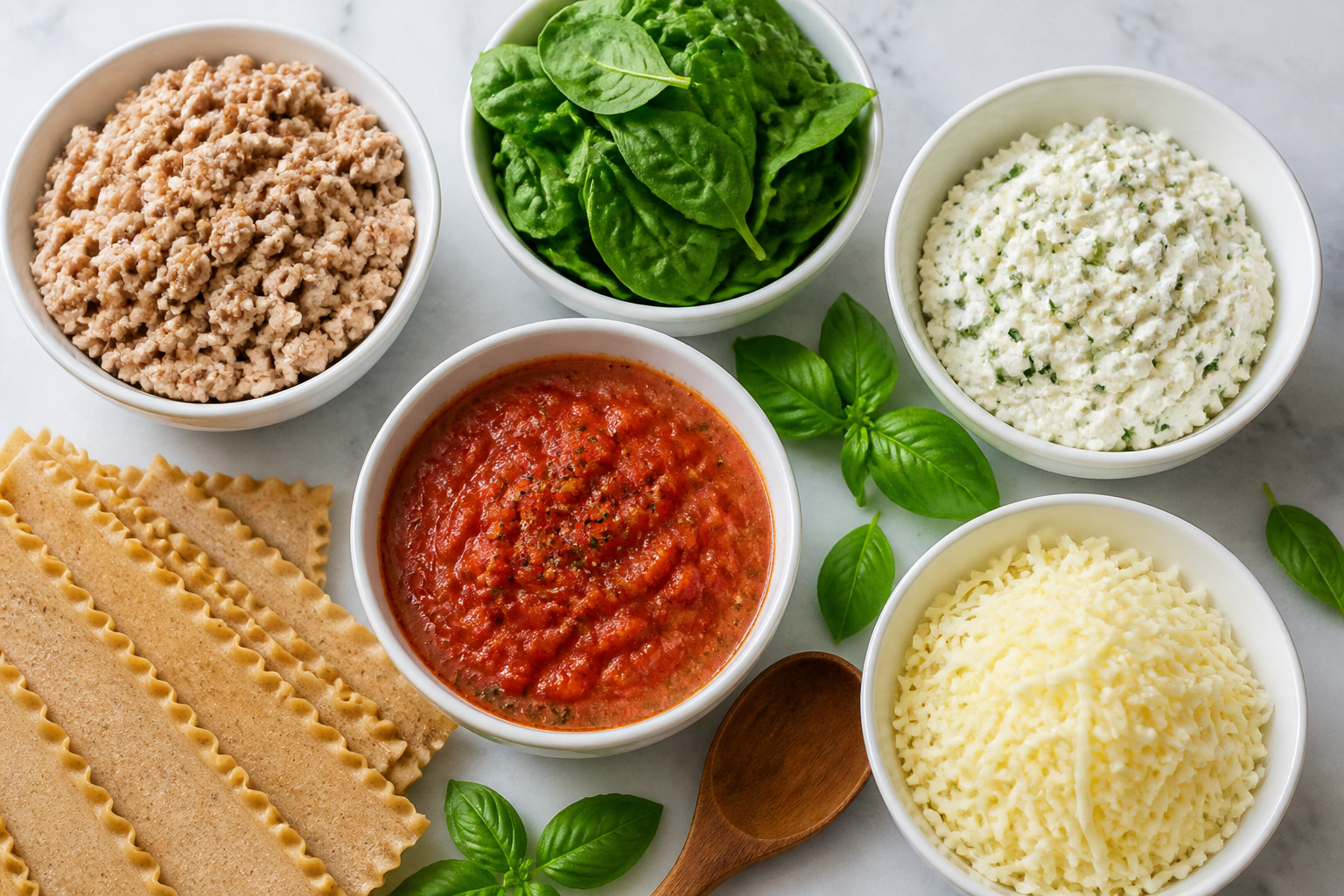
Homemade lasagne transforms into a genuinely nutritious meal when built with better ingredients and balanced proportions. Using 93% lean ground beef or ground turkey maintains the meaty satisfaction while cutting saturated fat dramatically compared to regular ground beef. These lean proteins still deliver around 24 grams of protein per serving, supporting muscle maintenance and satiety.
The cheese component becomes much lighter when cottage cheese forms the base layer, mixed with smaller measured amounts of part-skim mozzarella and parmesan. This combination keeps the creamy texture and savory flavor while reducing overall calories and fat. Adding an egg, minced garlic, and fresh or frozen spinach to the cottage cheese mixture boosts nutrition further without adding significant calories.
Homemade tomato sauce made from crushed tomatoes, tomato paste, tomato sauce, balsamic vinegar, and Italian seasonings simmered for 15-20 minutes creates rich flavor from natural ingredients. This approach eliminates the added sugars and excessive sodium found in many jarred sauces, giving complete control over the final taste and nutritional profile.
Vegetable additions integrate seamlessly into lasagne structure. Spinach, mushrooms, zucchini, bell peppers, and shredded carrots all work beautifully between layers, adding fiber, vitamins, minerals, and antioxidants while increasing the volume of each serving without proportionally increasing calories. A vegetable-heavy lasagne can easily provide 7 grams of fiber per serving compared to 2-3 grams in traditional versions.
Choose homemade lasagne if: you want to control exactly what goes into your meal, need to manage specific dietary concerns like sodium or saturated fat, or want to increase vegetable intake for family members who might otherwise resist eating them.
How Does Protein Choice Affect Lasagne Nutrition?
The protein source in lasagne creates one of the biggest nutritional differences between versions. Ground beef at 80% lean contains roughly 20 grams of fat per 4-ounce serving, with about 8 grams being saturated fat. Switching to 93% lean ground beef drops total fat to around 8 grams with only 3-4 grams saturated, while maintaining similar protein content.
Ground turkey and ground chicken offer comparable benefits, typically providing 93-99% lean options that keep the dish light and flavorful. These poultry options also reduce red meat consumption, which many health organizations recommend limiting for cardiovascular and overall health. Turkey and chicken absorb seasonings beautifully, so the flavor difference becomes minimal when properly seasoned with Italian herbs, garlic, and onion.
For vegetarian versions, eliminating meat entirely and replacing it with additional vegetables, lentils, or plant-based proteins creates the lowest-calorie, lowest-fat option. Vegetable-only lasagne works particularly well for people managing specific health conditions like high cholesterol or those following plant-based diets. Lentils add substantial protein and fiber while maintaining a hearty texture similar to ground meat.
The protein content remains important because it contributes to satiety and helps balance the carbohydrates from pasta. A serving with 20-24 grams of protein keeps blood sugar more stable and extends the feeling of fullness compared to a carbohydrate-heavy version with minimal protein.
Decision rule: Choose 93% lean beef or turkey for the best balance of familiar taste and improved nutrition. Select vegetable or lentil-based versions when reducing calories and fat takes priority, or when following plant-based eating patterns.
Can Lasagne Fit Into a Heart-Healthy Diet?
Lasagne absolutely fits into heart-healthy eating patterns when prepared with cardiovascular health in mind. Heart-healthy versions typically provide around 299 calories per serving with 24 grams of protein and 7 grams of fiber, meeting the criteria that organizations like the American Heart Association use for endorsing recipes.
The key modifications for heart health focus on reducing saturated fat and sodium while increasing fiber and beneficial nutrients. Using lean proteins eliminates much of the saturated fat that contributes to elevated LDL cholesterol. Choosing low-fat or part-skim cheese in measured amounts rather than unlimited full-fat cheese further reduces saturated fat intake.
Sodium control comes primarily from making sauce from scratch rather than using jarred versions, which often contain 400-600 milligrams of sodium per half-cup serving. Homemade sauce with crushed tomatoes, herbs, and minimal added salt might contain only 100-200 milligrams per equivalent serving. This difference becomes substantial when sauce appears in multiple layers throughout the dish.
The fiber content from whole wheat pasta (if used), vegetables, and tomato sauce supports heart health by helping manage cholesterol levels and promoting healthy digestion. Vegetables like spinach provide potassium, which helps counterbalance sodium and supports healthy blood pressure.
Edge case: People with severe heart conditions or very strict sodium restrictions should still monitor portion sizes and may need to reduce cheese further or use salt-free tomato products, even in homemade versions.
What Vegetables Work Best in Healthy Lasagne?
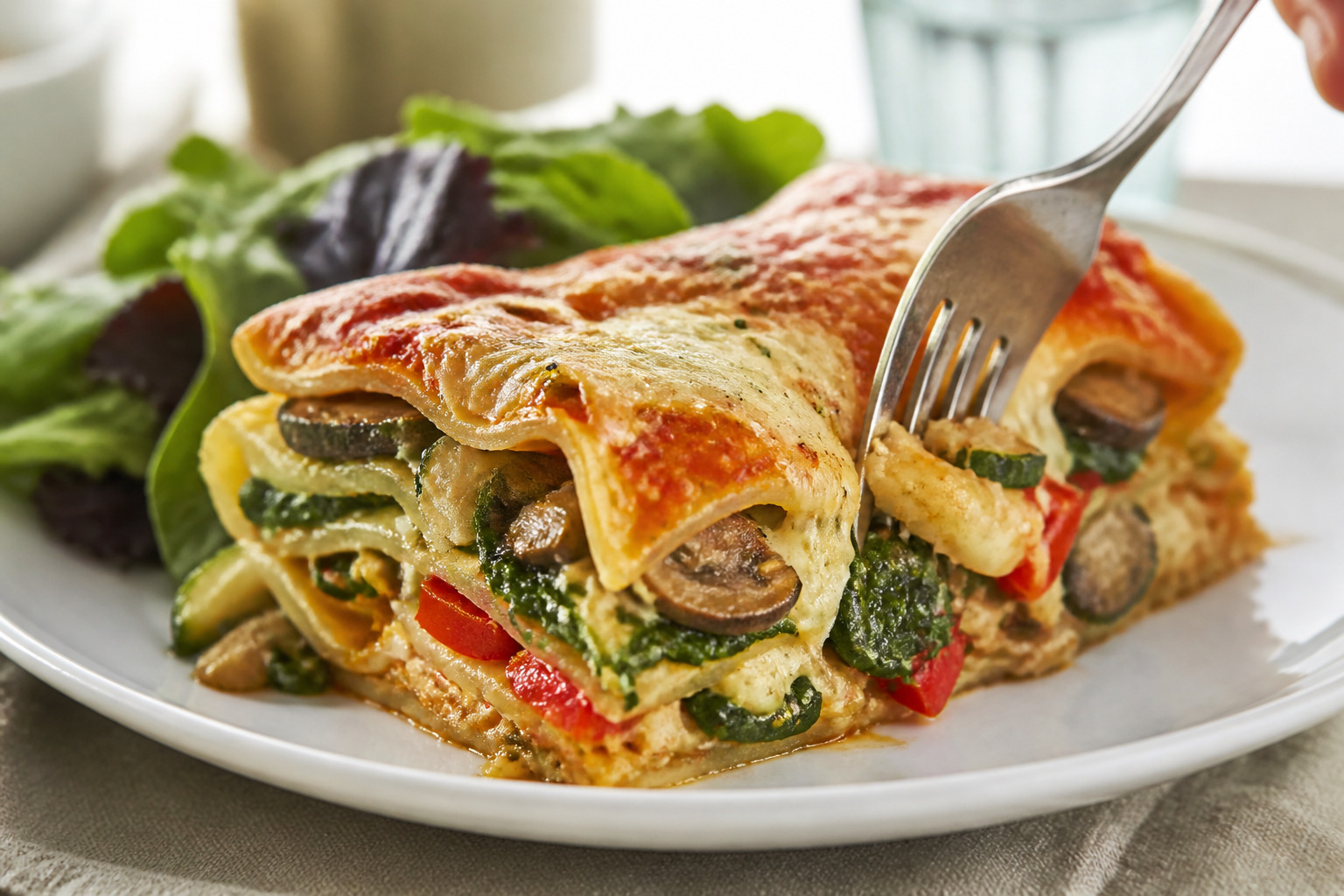
Spinach ranks as the most popular vegetable addition to lasagne because it wilts down significantly, integrates smoothly into cheese layers, and provides iron, calcium, and vitamins A and K without altering the traditional flavor profile. Fresh spinach works well, but frozen spinach (thawed and squeezed dry) offers convenience and consistent results year-round.
Mushrooms add umami depth and meaty texture while contributing B vitamins and selenium. Sliced button mushrooms, cremini, or a mix of varieties can be sautéed with garlic before layering, or mixed raw into the sauce where they’ll cook during baking. Their savory quality actually enhances the overall taste rather than making the dish taste “vegetable-heavy.”
Zucchini and yellow squash contribute moisture and mild flavor that blends seamlessly with other ingredients. Thinly sliced or shredded, these summer squashes add bulk and nutrients without overwhelming other flavors. Salting and draining sliced zucchini before use prevents excess moisture from making the lasagne watery.
Bell peppers (red, yellow, or orange) provide sweetness, crunch, and vitamin C. Diced small and sautéed briefly, they distribute throughout the dish and add color contrast. Shredded carrots work similarly, adding natural sweetness and beta-carotene while remaining nearly invisible to vegetable-resistant eaters.
Roasted eggplant creates a more substantial vegetable lasagne when used as a replacement for some or all pasta layers. This approach dramatically reduces carbohydrates while adding fiber and creating a unique texture that still feels substantial and satisfying.
Common mistake: Adding too many watery vegetables without proper preparation. Always sauté mushrooms until their moisture releases and evaporates, squeeze frozen spinach completely dry, and salt and drain zucchini to prevent a soggy final dish.
How Do Cheese Choices Impact Lasagne Health?
Cheese provides calcium, protein, and the creamy, savory quality that makes lasagne comforting, but it also contributes significant calories and saturated fat when used without restraint. Traditional lasagne recipes often call for 2-3 cups of ricotta, 2-3 cups of mozzarella, and a cup of parmesan per 9×13 pan, creating extremely rich layers.
Cottage cheese offers a lighter alternative to ricotta, providing similar protein content with fewer calories and less fat. A cup of low-fat cottage cheese contains roughly 160 calories and 2.5 grams of fat, compared to whole milk ricotta at 430 calories and 32 grams of fat. The texture difference becomes minimal when cottage cheese is mixed with egg, seasonings, and a smaller amount of mozzarella and parmesan.
Part-skim mozzarella reduces calories and fat compared to whole milk versions while still melting beautifully and providing that characteristic stretchy, gooey quality. Using 1.5 cups of part-skim mozzarella instead of 3 cups of whole milk mozzarella cuts roughly 400 calories and 30 grams of fat from the entire pan.
Parmesan adds intense flavor in small amounts, so a quarter to half cup distributed throughout the dish provides plenty of savory depth without excessive calories. Its strong taste means a little goes a long way, making it an efficient choice for flavor impact relative to nutritional cost.
Measuring cheese portions precisely ensures the dish remains delicious while keeping calories reasonable. The goal isn’t to eliminate cheese entirely but to use enough for satisfaction without excess.
Decision rule: Use cottage cheese as the base layer mixed with egg and seasonings, add 1-1.5 cups part-skim mozzarella distributed between layers and on top, and finish with 1/4-1/2 cup parmesan for flavor intensity.
Does Pasta Type Matter for Healthy Lasagne?
Regular lasagna noodles made from refined wheat flour work perfectly fine in healthy lasagne when the overall recipe includes lean protein, vegetables, and moderate cheese. The pasta contributes carbohydrates for energy and creates the structural layers that define the dish, but it doesn’t need to be the nutritional star.
Whole wheat lasagna noodles add fiber and slightly more protein compared to regular noodles, contributing to better blood sugar control and increased satiety. The taste difference is noticeable but not overwhelming, especially when the noodles are surrounded by flavorful sauce, cheese, and other ingredients. Whole wheat noodles work best for people already accustomed to whole grain products.
No-boil lasagna noodles offer convenience without nutritional compromise. These noodles absorb moisture from the sauce during baking, eliminating the pre-cooking step and saving time. They work with both regular and whole wheat varieties, and the final texture is virtually identical to traditional boiled noodles when adequate sauce is present.
Vegetable-based alternatives like zucchini slices, eggplant rounds, or even thinly sliced sweet potato can replace some or all pasta layers for people reducing carbohydrate intake or following low-carb eating patterns. These substitutions dramatically change the nutritional profile, reducing calories and carbs while increasing vegetable servings.
The pasta-to-filling ratio matters more than pasta type for most people. A lasagne with thin pasta layers and generous vegetable and protein filling provides better nutrition than one with thick pasta layers and minimal filling, regardless of whether the pasta is regular or whole wheat.
Choose whole wheat pasta if: you’re already comfortable with whole grain products and want to maximize fiber intake. Stick with regular pasta if taste preference is paramount and other recipe elements already provide good nutrition.
What About Store-Bought Sauce Versus Homemade?
Store-bought lasagna sauce varies dramatically in quality and nutritional content. Some brands offer relatively clean ingredient lists with tomatoes, herbs, and minimal additives, while others contain added sugars, excessive sodium, and various preservatives. Reading labels becomes essential when choosing jarred sauce, looking specifically at sodium content (aim for less than 300 milligrams per half-cup) and added sugars (ideally zero or minimal).
Homemade sauce takes only 15-20 minutes of active time and provides complete control over ingredients. A basic recipe combines crushed tomatoes, tomato sauce, tomato paste, balsamic vinegar, garlic, onion, Italian seasoning, and a small amount of salt. Simmering these ingredients together builds rich, complex flavor from natural sources without hidden additives.
The sodium difference between homemade and store-bought sauce can be substantial. Many jarred sauces contain 400-600 milligrams of sodium per half-cup serving, and a lasagne recipe might use 3-4 cups of sauce total. Homemade sauce with controlled salt might contain 100-200 milligrams per serving, reducing total sodium by 1,000-1,500 milligrams for the entire pan.
Sugar content in jarred sauce often surprises people. Some brands add 6-8 grams of sugar per serving to balance acidity and enhance flavor, but this adds unnecessary calories and can affect blood sugar. Homemade sauce uses a small amount of balsamic vinegar or a pinch of sugar if needed, keeping added sugars minimal.
Time-saving approach: Make a double or triple batch of homemade sauce and freeze it in portions. This provides the convenience of store-bought with the quality of homemade for future lasagne or other pasta dishes.
How Should Portion Sizes Be Managed?
Lasagne remains calorie-dense even when prepared with healthy ingredients, so portion awareness helps maintain balanced nutrition. A reasonable serving size is typically one-twelfth of a 9×13 inch pan, which measures roughly 3×4 inches and about 1.5 inches thick. This portion provides 250-350 calories depending on specific ingredients, along with adequate protein and other nutrients.
Pairing lasagne with a large green salad or roasted vegetables creates a complete meal that feels substantial while keeping total calories moderate. The vegetables add volume, fiber, and nutrients while extending the meal satisfaction without adding significant calories. A simple salad with mixed greens, tomatoes, cucumbers, and a light vinaigrette complements lasagne perfectly.
The satisfying nature of lasagne means one properly-sized portion typically provides good satiety, especially when the recipe includes adequate protein and fiber. Eating slowly and mindfully allows time for fullness signals to register, reducing the temptation to take a second serving immediately.
Freezing individual portions makes portion control easier for future meals. Cutting the lasagne into twelve pieces, wrapping them individually, and freezing them creates ready-made meals with pre-determined portions. This approach works particularly well for people living alone or managing specific calorie goals.
Common mistake: Cutting lasagne into six or eight large pieces instead of ten to twelve moderate portions, which can double the calorie content per serving and make it harder to fit into balanced eating patterns.
Can Lasagne Support Weight Management Goals?
Lasagne can absolutely fit into weight management plans when prepared thoughtfully and portioned appropriately. A serving of healthy lasagne providing 250-350 calories with 20-24 grams of protein and 5-7 grams of fiber creates good satiety relative to its calorie content, which helps prevent overeating later.
The protein content particularly supports weight management by preserving muscle mass during calorie restriction and increasing the thermic effect of digestion. Protein requires more energy to digest than carbohydrates or fat, meaning the body burns more calories processing a high-protein meal.
Batch cooking lasagne on weekends provides healthy, portion-controlled meals throughout the week, which helps avoid the temptation of less nutritious convenience foods when time is limited. Having a homemade lasagne portion ready to reheat makes healthy eating more practical during busy weekdays.
The comfort food quality of lasagne addresses psychological aspects of sustainable eating patterns. Completely eliminating favorite foods often leads to feelings of deprivation that undermine long-term adherence to healthy eating. Including modified versions of beloved dishes like lasagne makes eating plans more enjoyable and sustainable.
Vegetable-heavy versions create even better options for weight management by increasing the volume of food per calorie. A lasagne packed with spinach, mushrooms, zucchini, and peppers provides a larger, more filling portion for the same or fewer calories compared to a meat-and-cheese-heavy version.
Decision rule: Include lasagne in weight management plans by preparing healthy versions, measuring portions carefully, pairing with vegetables, and planning it as part of weekly meal prep rather than an unplanned indulgence.
Frequently Asked Questions
Is lasagne good for building muscle? Healthy lasagne provides 20-24 grams of protein per serving when made with lean meat or poultry, which supports muscle building when combined with resistance training. The carbohydrates from pasta help replenish glycogen stores after workouts, making it a reasonable post-workout meal option.
Can diabetics eat lasagne? Diabetics can include lasagne in their meal plans by choosing versions with whole wheat pasta, plenty of vegetables for fiber, and lean protein to slow carbohydrate absorption. Pairing a moderate portion with a large salad and monitoring blood sugar response helps determine individual tolerance.
Is vegetarian lasagne healthier than meat lasagne? Vegetarian lasagne typically contains fewer calories and less saturated fat than meat versions, but the difference depends on cheese amounts. A vegetable lasagne with excessive cheese might not be healthier than a lean-meat version with moderate cheese. Both can be nutritious when balanced properly.
How long does homemade lasagne last in the refrigerator? Properly stored homemade lasagne lasts 3-5 days in the refrigerator when covered tightly and kept at 40°F or below. For longer storage, freeze individual portions for up to 3 months, which maintains quality and provides convenient future meals.
Does lasagne have enough vegetables to count as a serving? Lasagne can provide 1-2 vegetable servings per portion when packed with spinach, mushrooms, peppers, and other vegetables. However, pairing it with a side salad or additional vegetables ensures adequate total vegetable intake for the meal.
Is frozen lasagne from the store healthy? Most frozen store-bought lasagne contains high sodium (800-1,200 milligrams per serving), significant saturated fat, and fewer vegetables than homemade versions. Some brands offer healthier options, but reading nutrition labels carefully is essential for making informed choices.
Can lasagne be made ahead for meal prep? Lasagne is ideal for meal prep because it assembles easily, freezes beautifully, and reheats well. Prepare it on weekends, cut into portions, and freeze individually for convenient healthy meals throughout the month without daily cooking.
What makes lasagne high in calories? Traditional lasagne becomes high in calories primarily from generous cheese amounts (often 4-6 cups per pan), fatty ground beef, and large portion sizes. Reducing cheese to 2-3 cups total, using lean protein, and cutting appropriate portions significantly lowers calories.
Is lasagne inflammatory? Lasagne isn’t inherently inflammatory, but versions high in saturated fat from full-fat cheese and fatty meat may contribute to inflammation in some people. Using lean proteins, moderate cheese, and plenty of anti-inflammatory vegetables like spinach and tomatoes creates a less inflammatory option.
How many calories are in a typical serving of healthy lasagne? A serving of healthy homemade lasagne typically contains 250-350 calories, depending on specific ingredients and portion size. This compares favorably to restaurant or traditional versions that often exceed 500-700 calories per serving.
Can you make lasagne without cheese? Lasagne can be made without cheese by using cashew cream, tofu-based ricotta alternatives, or simply layering pasta with robust meat sauce and vegetables. The result differs from traditional lasagne but can still be satisfying and flavorful for people avoiding dairy.
Does lasagne provide enough nutrition for a complete meal? Healthy lasagne with lean protein, vegetables, and moderate cheese provides protein, carbohydrates, fiber, calcium, iron, and various vitamins. Adding a side salad or vegetables creates a more complete nutritional profile with additional vitamins, minerals, and fiber.
Conclusion
Lasagne transforms from indulgent comfort food to genuinely nutritious meal when prepared with intention and quality ingredients. The question “is lasagne healthy” doesn’t have a simple yes or no answer because the preparation method determines the nutritional outcome. Restaurant and frozen versions typically deserve their reputation as high-calorie, high-sodium indulgences, but homemade lasagne built with lean proteins, abundant vegetables, moderate cheese, and homemade sauce provides balanced nutrition that fits comfortably into health-conscious eating patterns.
The beauty of lasagne lies in its flexibility. Swapping regular ground beef for 93% lean beef or turkey, replacing ricotta with cottage cheese, packing layers with spinach and mushrooms, and controlling cheese portions creates a dish that delivers around 300 calories per serving with substantial protein and fiber. These modifications don’t sacrifice the comforting, satisfying qualities that make lasagne beloved—they simply optimize the nutritional profile while maintaining delicious flavor.
Take action this week: Choose a weekend afternoon to prepare a healthy lasagne using the principles outlined here. Select lean protein, load up on vegetables, measure cheese portions, and make a simple homemade sauce. Cut the finished lasagne into twelve portions, freeze what you won’t eat within three days, and enjoy having nutritious, home-cooked meals ready whenever needed. This single cooking session provides multiple satisfying meals that support health goals while delivering the comfort and flavor that make lasagne a timeless favorite.