10 Exciting High-Protein Recipes That Feel Like Indulgent Treats, Not Meal Prep
Last updated: May 3, 2026
Quick Answer
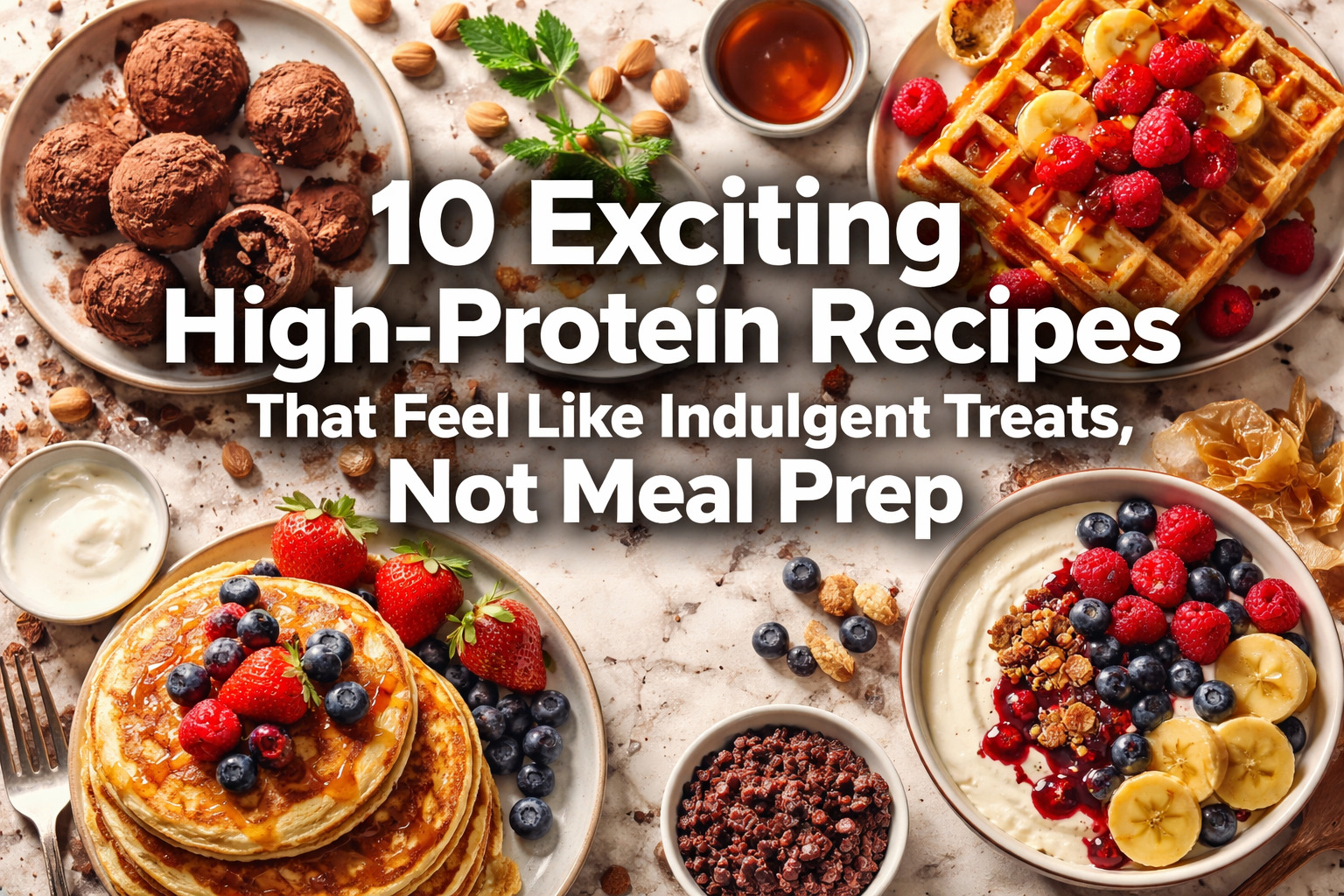
The 10 exciting high-protein recipes that feel like indulgent treats include chicken waffles, cottage cheese pancakes, protein overnight oats, chocolate truffles, mini cheesecakes, cookies and cream bowls, stuffed strawberries, protein tiramisu, blueberry pie bowls, and high-protein lasagna soup. These recipes deliver 20-35g of protein per serving while tasting like desserts and comfort foods, not bland meal prep containers.
Key Takeaways
- Breakfast treats like chicken waffles and cottage cheese pancakes pack 25-35g protein while tasting like weekend brunch indulgences
- Dessert-style recipes including protein truffles and mini cheesecakes use cottage cheese and Greek yogurt bases for guilt-free sweetness
- Creative formats transform everyday proteins into stuffed strawberries, cheesecake bowls, and tiramisu-style treats
- Make-ahead options like overnight oats and lasagna soup save time without sacrificing flavor or protein content
- Portion control built into recipes like cheesecake for two and individual truffles prevents overindulgence
- Customizable bases allow flavor variations to match personal preferences and dietary needs
- 2026’s protein-first trend emphasizes flavor and satisfaction over restrictive diet culture
- Real ingredients replace protein bars and shakes with whole foods that actually taste good
- Quick prep times range from 5-30 minutes for most recipes, making them practical for busy schedules
- Family-friendly options mean everyone can enjoy these recipes, not just fitness enthusiasts
What Makes These High-Protein Recipes Different from Traditional Meal Prep?
These recipes prioritize taste and presentation over bulk cooking efficiency. Traditional meal prep often means eating the same grilled chicken and rice from plastic containers for five days straight. The 10 exciting high-protein recipes that feel like indulgent treats transform protein sources into formats you’d order at a restaurant or bakery.
Key differences include:
- Creative presentations – Protein comes in dessert cups, stuffed fruits, and layered bowls instead of divided meal prep containers
- Indulgent textures – Creamy, crispy, fluffy, and rich mouthfeel rather than dry and repetitive
- Dessert-first approach – Many recipes satisfy sweet cravings while delivering 20+ grams of protein
- Single-serve or small-batch – Recipes designed for immediate enjoyment, not week-long storage
- Restaurant-quality flavors – Recipes use spices, sauces, and layering techniques that create complex taste profiles
Choose these recipes if you’re tired of forcing down boring chicken breast, need motivation to hit protein goals, or want to enjoy food while building muscle or losing weight. Skip them if you prefer ultra-simple cooking with minimal ingredients or need recipes that feed a family of six from one batch.
How Do High-Protein Breakfast Recipes Taste Like Weekend Brunch?
High-protein breakfast recipes use clever ingredient swaps to mimic indulgent brunch favorites while tripling the protein content. Cottage cheese pancakes, chicken waffles, and protein overnight oats deliver 25-35g protein per serving compared to 5-8g in traditional versions.[1]
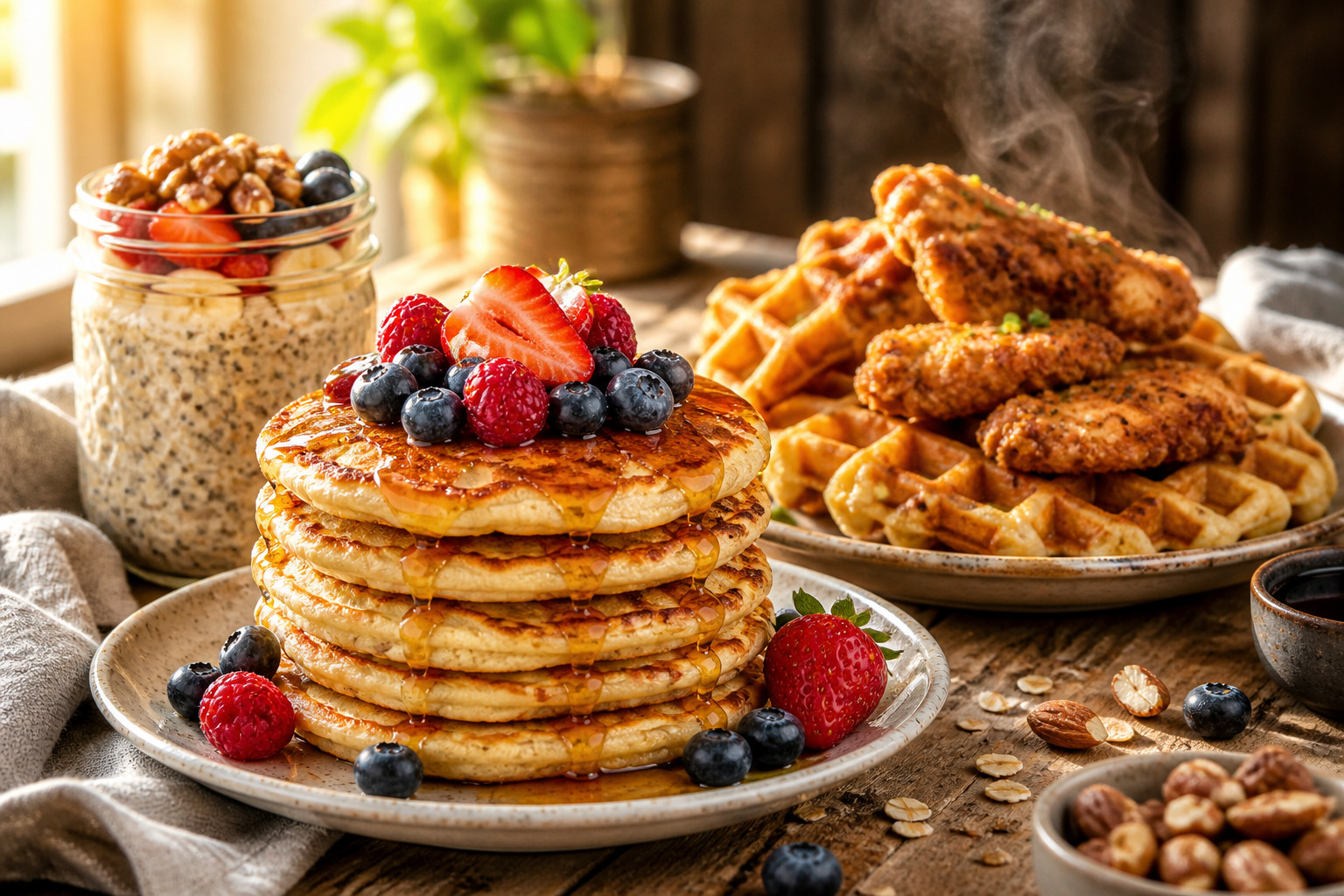
Cottage Cheese Pancakes blend cottage cheese directly into the batter, creating fluffy pancakes that keep you full for hours. The cottage cheese adds moisture and protein without the chalky taste of protein powder. Top with fresh berries and a drizzle of maple syrup for a stack that rivals any diner.[1]
High-Protein Waffles Made with Chicken incorporate shredded or ground chicken into crispy waffle batter. This sounds unusual but tastes like savory chicken and waffles from upscale brunch spots. The chicken provides complete protein while the waffle format feels like a treat, not a meal prep staple.[1]
High-Protein Overnight Oats combine oats with Greek yogurt, protein powder, and mix-ins like chocolate chips or peanut butter. Prepare them the night before and wake up to a ready-made breakfast that tastes like dessert. Customize with different flavor combinations to prevent breakfast boredom.[1]
Common mistake: Adding too much protein powder creates a gritty, artificial taste. Start with half the recommended amount and increase gradually, or rely on whole food protein sources like Greek yogurt and cottage cheese instead.
What Are the Best High-Protein Dessert Recipes That Don’t Taste Healthy?
The best high-protein desserts use cottage cheese, Greek yogurt, and strategic sweeteners to create treats that taste indulgent while delivering 15-25g protein per serving. These recipes satisfy sweet cravings without derailing nutrition goals.
Sugar-Free Chocolate Protein Truffles feature a cottage cheese base blended smooth with cocoa powder and sweetener. Roll them in cocoa or crushed nuts for a two-bite treat at just 2 WW points each. The cottage cheese creates a creamy truffle texture identical to traditional ganache-based versions.[1]
Healthy Cheesecake for Two combines cottage cheese and Greek yogurt for a high-protein dessert that serves two people perfectly. This prevents the temptation to eat an entire cheesecake over several days. The small batch feels special and intentional rather than restrictive.[1]
Cookies and Cream Cheesecake Bowl packs Greek yogurt, protein powder, and crushed Oreos into a no-bake dessert bowl. The recipe delivers high protein while including real cookies, proving you don’t need to eliminate favorite foods to hit nutrition goals.[2]
Protein Tiramisu layers coffee-soaked ladyfingers with a high-protein mascarpone mixture made from Greek yogurt and cottage cheese. The result tastes like authentic Italian tiramisu with triple the protein and half the calories.[3]
Decision rule: Choose cottage cheese-based desserts if you want maximum protein with minimal added sugar. Pick Greek yogurt bases if you prefer tangier flavors and smoother textures without blending.
How Can You Turn Fruit into High-Protein Treats?
Fruit becomes a high-protein treat when hollowed out and filled with protein-rich mixtures, creating poppable bites that look and taste like fancy desserts. This technique works best with strawberries, peaches, and berries that have natural sweetness.
Hollowed Strawberries with Protein Filling remove the strawberry centers and fill them with a mixture of Greek yogurt, cream cheese, and vanilla protein powder. Top with crushed graham crackers for a cheesecake-inspired bite. These look impressive at parties and satisfy sweet cravings with built-in portion control.[2]
Blueberry Pie Bowls layer Greek yogurt with fresh blueberries, granola, and a drizzle of honey to mimic blueberry pie filling. The yogurt provides 15-20g protein while the layered presentation makes it feel like a special dessert rather than a snack.[3]
Emergency Peach Cobbler combines canned or fresh peaches with a high-protein topping made from oats, protein powder, and a touch of butter. Bake for 20 minutes for a warm cobbler that delivers comfort food satisfaction with 20g protein per serving.[3]
Edge case: Very ripe or soft fruit doesn’t hold up well when hollowed. Choose firm strawberries and slightly underripe peaches for best results. Frozen fruit works for cooked recipes like cobbler but not for filled presentations.

What High-Protein Dinner Recipes Feel Like Restaurant Meals?
High-protein dinner recipes that feel like restaurant meals use creative formats and bold flavors to transform everyday proteins into exciting dishes. These recipes prove that hitting protein goals doesn’t mean eating plain grilled chicken every night.
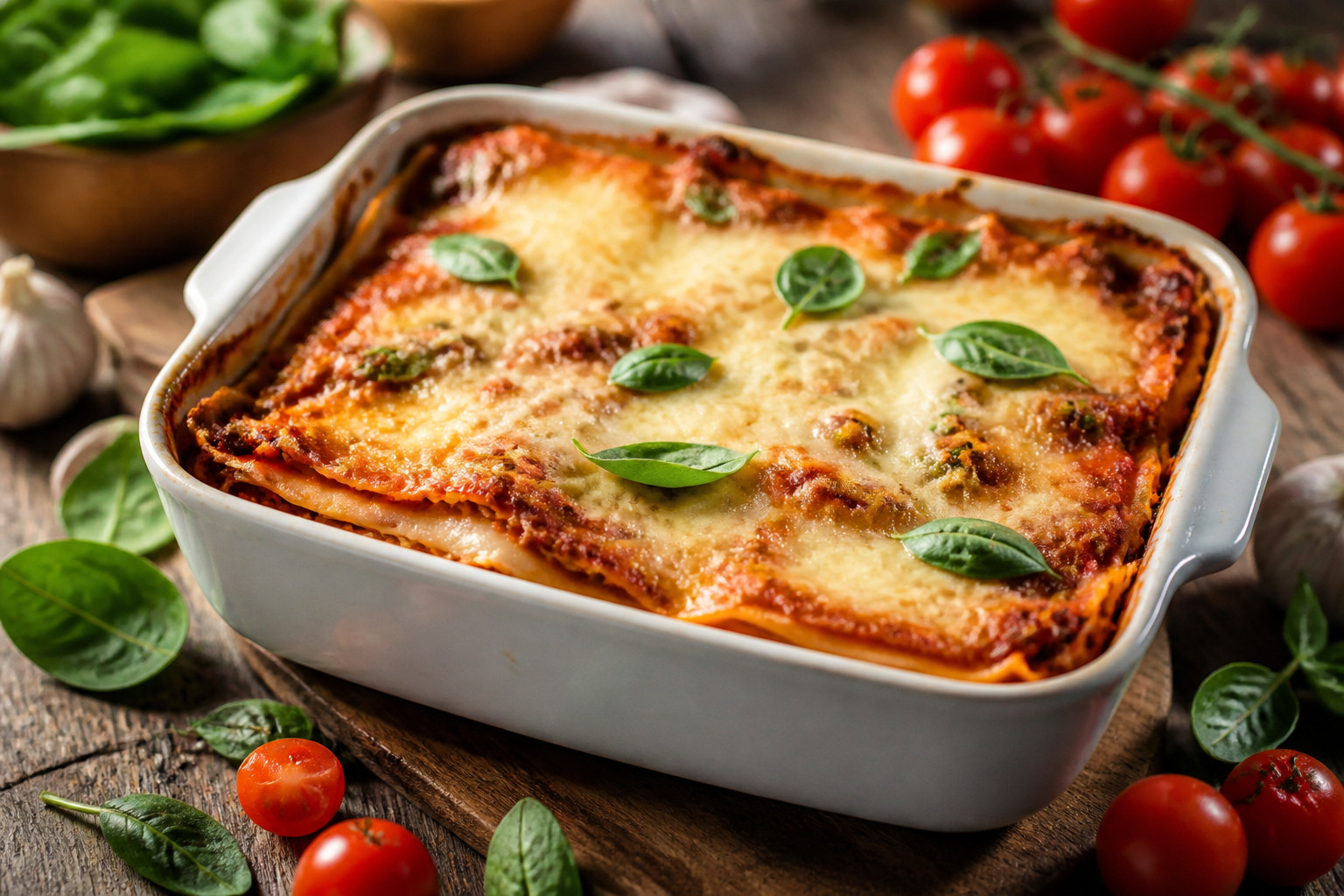
High-Protein Lasagna Soup uses ground beef, broken lasagna noodles, and dairy-free ricotta in one pot for a creamy, cozy meal with 30g protein per serving. The soup format makes it lighter than traditional lasagna while maintaining all the comfort food appeal. This 2026 recipe has become popular for its convenience and restaurant-quality taste.[4]
Healthy Green Goddess Chicken Salad packs protein from rotissery chicken, healthy fats from avocado, and crispy chickpeas with an herb-forward dressing. The combination of textures and the vibrant green dressing make it feel like a $15 café salad, not a diet meal.[4]
Protein-packed variations of classic comfort foods work well for dinner. Consider high-protein versions of:
- Stuffed bell peppers with ground turkey and quinoa
- Chicken enchilada casserole with Greek yogurt sauce
- Beef and broccoli with extra lean beef and cauliflower rice
- Salmon poke bowls with edamame and avocado
Choose dinner recipes if you need 30-40g protein in one meal, cook for a family, or prefer savory over sweet. These recipes scale better than individual desserts and provide complete meals rather than snacks.
How Do You Customize High-Protein Recipes for Different Dietary Needs?
Customizing high-protein recipes for different dietary needs requires strategic ingredient swaps that maintain protein content while accommodating restrictions. Most recipes adapt easily with the right substitutions.
For dairy-free diets:
- Replace cottage cheese with silken tofu blended smooth
- Swap Greek yogurt for coconut yogurt plus protein powder
- Use dairy-free cream cheese in cheesecake recipes
- Choose plant-based protein powder (pea, rice, or hemp)
For gluten-free needs:
- Use gluten-free oats in overnight oats and pancakes
- Replace regular flour with almond flour or gluten-free blends
- Choose gluten-free ladyfingers for tiramisu
- Verify protein powder is certified gluten-free
For vegan preferences:
- Substitute tofu or tempeh for chicken in savory recipes
- Use aquafaba (chickpea liquid) as egg replacement in baking
- Choose plant-based protein sources like lentils, beans, and quinoa
- Replace honey with maple syrup or agave
For low-carb or keto:
- Increase protein and fat ratios in recipes
- Use almond or coconut flour instead of oats
- Choose sugar-free sweeteners like erythritol or monk fruit
- Add extra nuts, seeds, and healthy fats
Common mistake: Replacing too many ingredients at once changes the recipe’s fundamental structure. Make one or two swaps per recipe and test before making larger batches.
What Kitchen Tools Make These High-Protein Recipes Easier?
Essential kitchen tools streamline preparation and improve results for high-protein recipes. You don’t need expensive equipment, but a few key items save time and frustration.
Must-have tools:
| Tool | Why It Helps | Best For |
|---|---|---|
| Blender | Smooths cottage cheese, mixes protein powder without lumps | Truffles, pancake batter, smoothie bowls |
| Waffle maker | Creates crispy texture for chicken waffles | Breakfast recipes, creative protein formats |
| Mason jars | Perfect for overnight oats, layered desserts, portion control | Make-ahead breakfasts, grab-and-go meals |
| Food scale | Ensures accurate protein measurements | Tracking macros, consistent results |
| Silicone molds | Shapes truffles and mini cheesecakes uniformly | Desserts, portion-controlled treats |
| Immersion blender | Blends directly in containers, less cleanup | Soups, sauces, quick mixing |
Nice-to-have upgrades:
- Mini food processor for small batches
- Piping bags for filling strawberries neatly
- Ramekins for individual dessert portions
- Meal prep containers with compartments
Budget tip: Start with a basic blender and mason jars. These two tools handle 80% of the recipes and cost under $50 total. Add specialized equipment only after you’ve made recipes multiple times and know you’ll use them regularly.
How Do You Meal Prep These Recipes Without Losing the Indulgent Feel?
Meal prepping high-protein treats requires different strategies than traditional meal prep to maintain their indulgent quality. The goal is convenience without sacrificing taste or presentation.
Prep strategies that work:
Batch components, not complete dishes – Make protein pancake batter and store it for 3-4 days, cooking fresh pancakes each morning. Prepare overnight oats in individual jars for grab-and-go breakfasts. Mix dry ingredients for waffles and add wet ingredients when ready to cook.
Freeze in single servings – Protein truffles, pancakes, and waffles freeze beautifully. Wrap individually and reheat as needed. This prevents eating an entire batch in one sitting while maintaining freshness.
Assemble fresh – Prep components like cooked chicken, washed berries, and portioned yogurt separately. Assemble cheesecake bowls and stuffed strawberries right before eating to maintain texture and visual appeal.
Use quality storage – Glass containers prevent odor absorption and keep desserts looking appetizing. Mason jars showcase layered desserts beautifully, making meal prep feel less utilitarian.
Timing guide:
- Overnight oats: 5 days refrigerated
- Protein truffles: 1 week refrigerated, 3 months frozen
- Pancakes/waffles: 3 days refrigerated, 2 months frozen
- Cheesecake bowls: Assemble fresh, store components 3-4 days
- Lasagna soup: 4 days refrigerated, 3 months frozen
Edge case: Recipes with fresh fruit toppings don’t store well assembled. Keep toppings separate and add right before eating to prevent sogginess.
What Are Common Mistakes When Making High-Protein Treats?
Common mistakes when making high-protein treats stem from treating them like regular recipes without accounting for how protein powder and high-protein ingredients behave differently. Understanding these pitfalls improves results dramatically.
Mistake #1: Adding too much protein powder creates dry, chalky textures. Protein powder absorbs liquid differently than flour. Start with the recipe amount and add extra liquid if the batter seems too thick. For every additional scoop of protein powder, add 2-3 tablespoons of liquid.
Mistake #2: Not blending cottage cheese smooth leaves lumpy textures in desserts. Blend cottage cheese for 60-90 seconds until completely smooth before adding to recipes. This creates the creamy texture that makes these treats feel indulgent.
Mistake #3: Overmixing protein pancake batter develops gluten and makes pancakes tough. Mix just until combined, leaving small lumps. Let batter rest 5 minutes before cooking for fluffier results.
Mistake #4: Using low-quality protein powder affects taste significantly. Cheap protein powders often have artificial aftertastes that ruin desserts. Invest in a protein powder you’d drink on its own, or rely on whole food protein sources like Greek yogurt and cottage cheese.
Mistake #5: Skipping the salt in sweet recipes makes them taste flat. A pinch of salt enhances sweetness and balances flavors, especially in chocolate recipes.
Mistake #6: Not adjusting cooking temperatures for high-protein batters. Protein-rich pancakes and waffles burn more easily than traditional versions. Cook at medium heat and watch carefully.
Quick fix checklist:
- ✓ Blend cottage cheese until smooth
- ✓ Add liquid gradually when using protein powder
- ✓ Don’t overmix batters
- ✓ Include salt in sweet recipes
- ✓ Cook at medium heat, not high
- ✓ Taste and adjust sweetness before finishing
How Much Protein Do You Actually Need for These Recipes to Be Effective?
The amount of protein needed depends on your goals, body weight, and activity level. These recipes work best when they contribute to a daily protein target of 0.7-1.0 grams per pound of body weight for muscle building or 0.5-0.7 grams per pound for general health.
Protein targets by goal:
For muscle building: Aim for 25-40g protein per meal, 4-5 times daily. The high-protein recipes in this collection fit perfectly as main meals or substantial snacks that contribute meaningfully to daily totals.
For weight loss: Target 20-30g protein per meal to increase satiety and preserve muscle mass. These treat-style recipes help adherence by making protein intake enjoyable rather than a chore.
For general health: Consume 15-25g protein per meal for basic maintenance. Even the dessert recipes provide enough protein to count as a protein-rich snack.
Recipe protein breakdown:
- Chicken waffles: 30-35g per serving
- Cottage cheese pancakes: 25-30g per serving
- Overnight oats: 25-35g per serving
- Protein truffles: 5-8g per truffle (eat 2-3 for a snack)
- Mini cheesecake: 20-25g per serving
- Lasagna soup: 30-35g per bowl
- Stuffed strawberries: 3-5g per strawberry (eat 4-5 for a snack)
Decision rule: If a recipe provides less than 20g protein, pair it with another protein source or eat multiple servings. Recipes with 25g+ protein work as standalone meals or substantial snacks.
Reality check: You don’t need to hit exact protein targets every single day. Consistency over weeks matters more than daily perfection. These recipes make it easier to average your protein goals without feeling restricted.
Frequently Asked Questions
Can you make high-protein recipes without protein powder?
Yes, use Greek yogurt, cottage cheese, eggs, chicken, and lean beef as whole food protein sources. These ingredients provide complete protein without the need for supplements and often taste better in recipes.
Do high-protein treats actually help with weight loss?
High-protein treats support weight loss by increasing satiety, preserving muscle mass during calorie deficits, and providing satisfying alternatives to high-calorie desserts. They work when part of an overall calorie-controlled diet.
How long do homemade protein treats stay fresh?
Most protein treats last 3-5 days refrigerated or 2-3 months frozen. Recipes with fresh fruit should be consumed within 1-2 days. Always store in airtight containers to maintain freshness.
Are these recipes suitable for kids?
Yes, most recipes work well for kids, especially pancakes, waffles, and fruit-based treats. Adjust sweetness to taste and skip artificial sweeteners for children under 12.
Can you use plant-based protein in these recipes?
Plant-based protein works in most recipes with minor adjustments. Pea protein works best for baking, while rice protein suits smoothies and no-bake treats. Add extra liquid as plant proteins absorb more moisture.
What’s the best protein powder for dessert recipes?
Whey isolate or casein protein in vanilla or chocolate flavors work best for desserts. Choose brands with minimal ingredients and no artificial aftertaste. Taste the powder mixed with water before using in recipes.
How do you prevent protein pancakes from being rubbery?
Don’t overmix the batter, cook at medium heat, and add a tablespoon of oil or melted butter to the batter. Let the batter rest 5 minutes before cooking for fluffier texture.
Can you meal prep these recipes for the entire week?
Some recipes work for weekly meal prep (overnight oats, frozen waffles, truffles) while others are best made fresh or assembled daily (stuffed strawberries, cheesecake bowls). Prep components separately for best results.
Do these recipes work for keto or low-carb diets?
Many recipes adapt to keto with substitutions like almond flour for oats and sugar-free sweeteners. Focus on recipes using eggs, cheese, and meat as primary ingredients for lowest carb counts.
What if you don’t like cottage cheese?
Blend cottage cheese completely smooth to eliminate texture issues, or substitute with Greek yogurt, ricotta, or silken tofu. The blended cottage cheese tastes neutral and creamy in most recipes.
How much do these recipes cost compared to regular treats?
High-protein recipes cost $2-5 per serving compared to $1-3 for regular treats. The higher cost comes from quality protein sources but provides better nutrition and satiety per dollar spent.
Can you make these recipes without a blender?
Some recipes work without a blender (pancakes, waffles, overnight oats) while others need blending for smooth textures (truffles, cheesecakes). A $20 immersion blender handles most recipes adequately.
Conclusion
The 10 exciting high-protein recipes that feel like indulgent treats prove that hitting protein goals doesn’t require sacrificing flavor or eating boring meal prep. From chicken waffles and cottage cheese pancakes to protein truffles and mini cheesecakes, these recipes deliver 20-35g protein per serving while tasting like weekend brunch and fancy desserts.
Start with these action steps:
- Choose 2-3 recipes that appeal to your taste preferences and match your cooking skill level
- Stock your pantry with cottage cheese, Greek yogurt, and quality protein powder as versatile bases
- Invest in basic tools like a blender and mason jars to streamline preparation
- Prep components rather than complete dishes to maintain freshness and indulgent quality
- Track your results for two weeks to see how these recipes affect your energy, satiety, and progress toward goals
The key to success with high-protein treats is consistency without perfection. Make these recipes part of your regular rotation rather than special occasion foods. When protein tastes this good, hitting your daily targets becomes something to look forward to rather than a nutritional obligation.
Transform your approach to high-protein eating in 2026 by prioritizing flavor and satisfaction. These recipes work because they don’t feel like sacrifices—they feel like the treats they are.
References
[1] High Protein Recipes Guide – https://mycuratedtastes.com/high-protein-recipes-guide/
[2] High Protein Snacks Sweets Recipes – https://www.delish.com/cooking/recipe-ideas/g70408862/high-protein-snacks-sweets-recipes/
[3] High Protein Dinners – https://pinchofyum.com/high-protein-dinners
[4] 20 Healthy Recipes For 2026 – https://rachaelsgoodeats.com/20-healthy-recipes-for-2026/