
Pros and Cons of Chicken Breast for Your Diet
Chicken breast is a common choice when you want a high-protein food that fits many diets. The cut is lean, filling, and easy to prepare, yet it can also become bland, dry, or less nutritious depending on how you buy and cook it.

If you want a simple protein source for meals, chicken breast can help with satiety and calorie control. Cooking method and variety are important to get the most benefit.
For many people in the U.S., chicken breast is a practical staple. It works in meal prep and higher-protein eating plans.
It also has limits, especially if you eat it too often or rely on heavily processed versions.
What Chicken Breast Offers Nutritionally
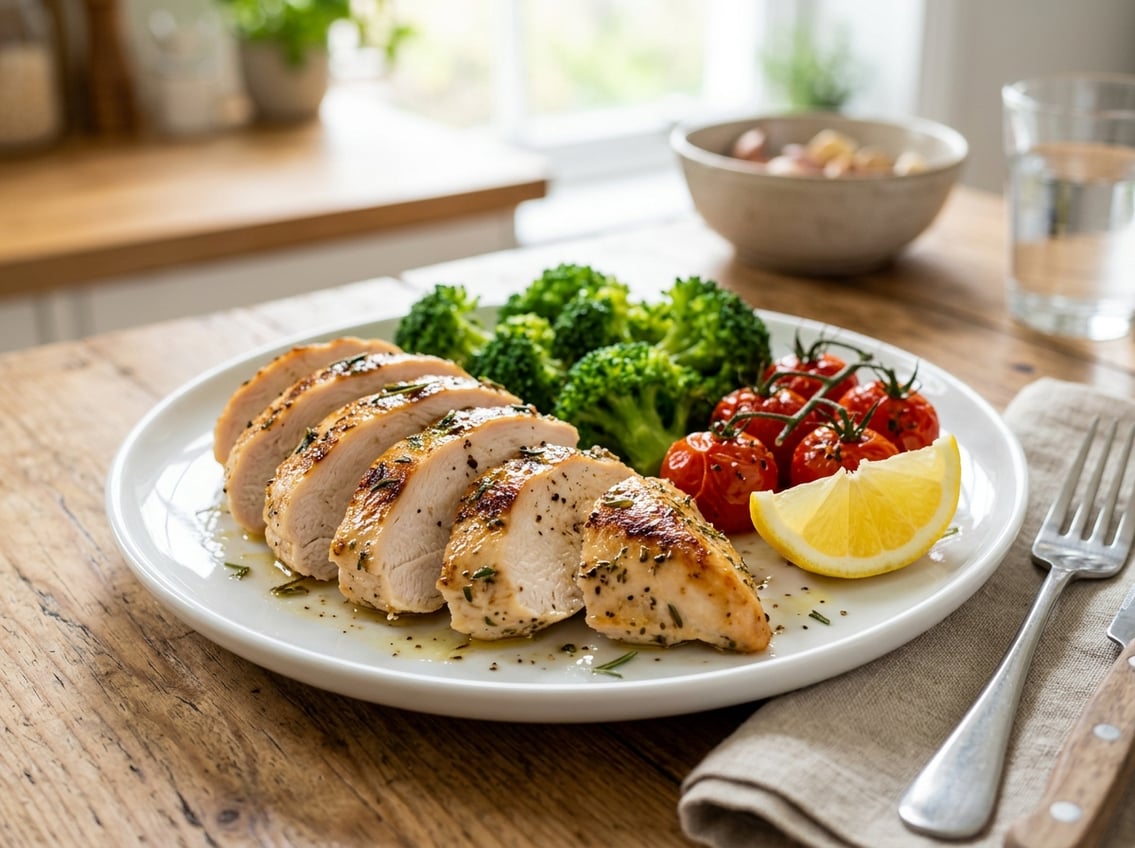
Chicken breast offers lean protein with very little carbohydrate and modest fat. A skinless, cooked serving is strong in protein, which is part of its appeal.
Protein, Calories, and Fat at a Glance
A 100-gram serving of cooked, skinless chicken breast has about 165 calories, 31 grams of protein, and about 3.6 grams of fat. It contains almost no carbs.
That protein density makes chicken breast a classic lean protein choice. If you want a filling food that supports higher protein intake without adding many calories, this cut works well.
Key Vitamins, Minerals, and Amino Acids
Chicken breast gives you complete protein, containing all essential amino acids. It also provides B vitamins such as niacin, vitamin B6, and B12.
You also get minerals like selenium and a small amount of iron. These nutrients support energy use, tissue repair, and immune function.
Skinless vs. Skin-On Differences
Skinless chicken breast is the leanest version and usually fits better if you want lower fat and fewer calories. Skin-on chicken breast adds more fat and calories, and some of that fat is saturated fat.
The choice changes the final nutrition profile of the meal. Taste and satisfaction also matter.
Where Chicken Breast Can Support Health Goals

Chicken breast works well when you want a filling protein that is easy to portion. White meat like chicken breast can fit a lot of goals, from higher protein eating to simpler calorie control.
Satiety, Weight Management, and Muscle Maintenance
Protein keeps you full longer than refined carbs or low-protein snacks. Chicken breast helps you stay satisfied between meals.
It supports muscle repair and maintenance. This matters if you lift weights, stay active, or want to preserve lean mass while losing body fat.
Heart Health and Lower Saturated Fat Intake
Chicken breast is usually lower in saturated fat than many cuts of red meat. That can help if you want to keep your diet lighter in saturated fat while still eating enough protein.
Grilled and baked chicken breast avoid added frying fat. The leaner cut can fit a heart-conscious eating pattern more easily than fried or heavily processed meats.
How It Compares With Red and Processed Meats
Chicken breast is not the only healthy protein, but it can be a simpler option than red or processed meats. Red meat may offer more iron, and fish can offer omega-3 fats.
Chicken breast gives you a lean, versatile protein with fewer calories. If you eat a lot of processed meats, chicken breast is usually the better everyday swap.
Variety still matters, and no single protein should carry your whole diet.
Potential Drawbacks and Common Concerns

Chicken breast is useful, but it is not a perfect food. The main concerns come from the cooking method, the level of processing, and how often you depend on it.
When Chicken Breast Becomes Less Healthy
Breaded, fried, or creamy chicken breast dishes add more calories and fat. Chicken breast can shift from lean to less healthy when you prepare it this way.
Pre-cooked options like some rotisserie chicken and deli-style chicken products may also carry more sodium than a plain home-cooked breast. That matters if you watch blood pressure or total sodium intake.
Antibiotics, Farming Practices, and Label Confusion
Concerns about antibiotics in poultry often come up, especially with conventionally raised chicken. In the U.S., labels can be confusing, and terms like organic, natural, pasture-raised, and antibiotic-free do not all mean the same thing.
Read labels carefully and choose trusted brands when possible. Food safety and proper cooking matter more than marketing claims.
Nutrient Limits and Why Variety Still Matters
Chicken breast is strong in protein, but it is not rich in every nutrient your body needs. It has less iron than red meat and does not provide omega-3 fats like fatty fish.
If you eat chicken breast every day, you may crowd out beans, seafood, eggs, dairy, and other proteins with different benefits. A varied diet gives you a wider mix of nutrients and keeps meals more interesting.
Best Ways to Choose and Prepare It

The way you choose and cook chicken breast affects both taste and nutrition. Simple methods usually give you the best balance of flavor, texture, and health value.
Healthier Cooking Methods Like Baking and Grilling
Baking, grilling, roasting, and air-frying keep chicken breast lighter than pan-frying in a lot of oil. These methods make it easier to control portions and added fat.
Cook chicken to a safe internal temperature of 165°F. That protects food safety and keeps the meat usable for meal prep, salads, wraps, and grain bowls.
How Seasoning, Breadings, and Sauces Change the Nutrition
Seasoning with herbs, garlic, paprika, lemon, or pepper changes flavor with little impact on calories. Breadings, sugary glazes, and creamy sauces add more calories, sodium, or fat.
You do not need plain chicken every time. Choose extras that match your goal, whether that is weight management, muscle gain, or just a balanced meal.
Smart Buying Tips for Fresh, Frozen, and Pre-Cooked Options
Fresh and frozen chicken breast are both good choices. Frozen chicken provides similar nutrition and helps reduce waste if you do not cook it right away.
Check the sodium and ingredient list before you buy pre-cooked foods like rotisserie chicken. Plain skinless chicken breast gives you the most control over nutrition.


