
Is It Good to Smoke Chicken Thighs? Flavor, Technique, and Tips
Smoking chicken thighs gives you juicy, forgiving meat that soaks up smoke without drying out. You get rich flavor and tender texture from the thigh’s higher fat and collagen, and with the right temperature and prep you can also achieve pleasantly crispy skin.
That combination makes smoked chicken thighs a dependable choice whether you’re feeding a crowd or cooking for yourself.
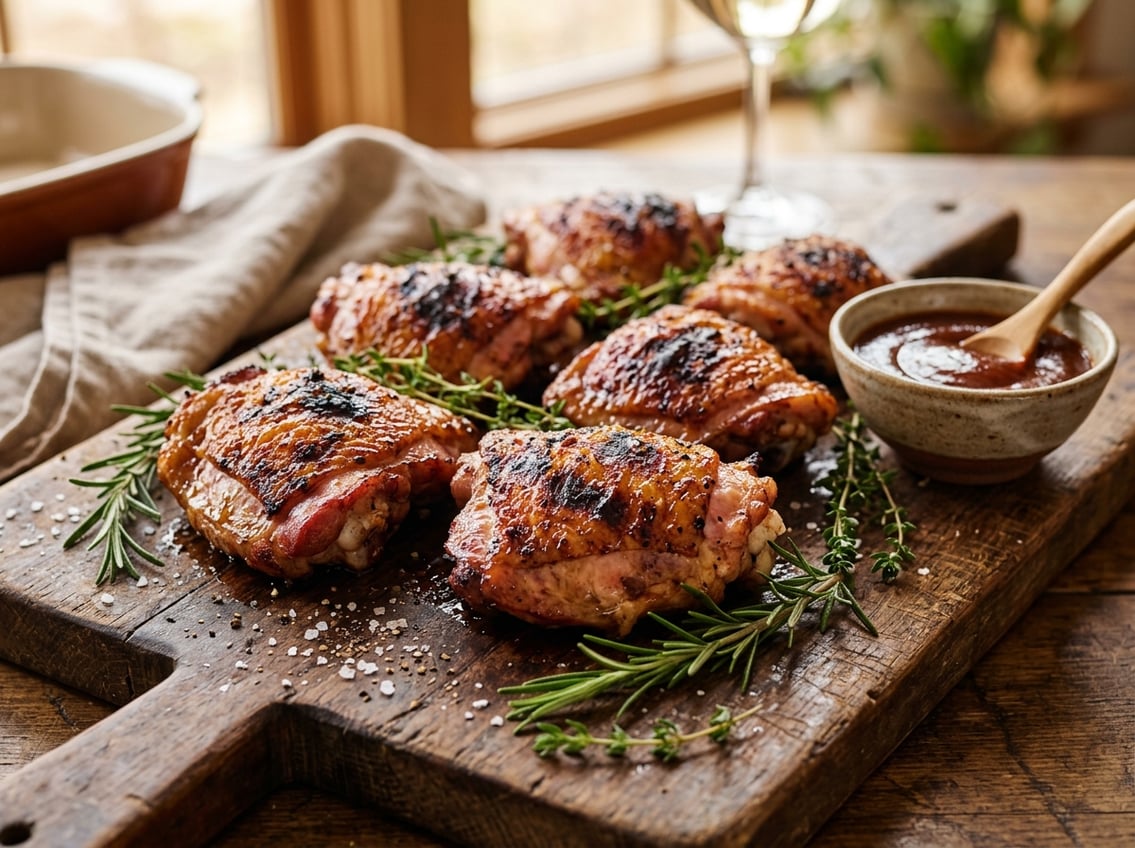
You’ll learn why thighs perform better than lean white meat under low-and-slow heat. You’ll also see how bone-in and skin-on pieces change flavor and cooking time, and which prep steps and temperature strategies give the best results.
You’ll get clear guidance on smoking methods, wood choices, finishing techniques for crisp skin, and practical serving and storage ideas.
Why Chicken Thighs Excel in Smoking
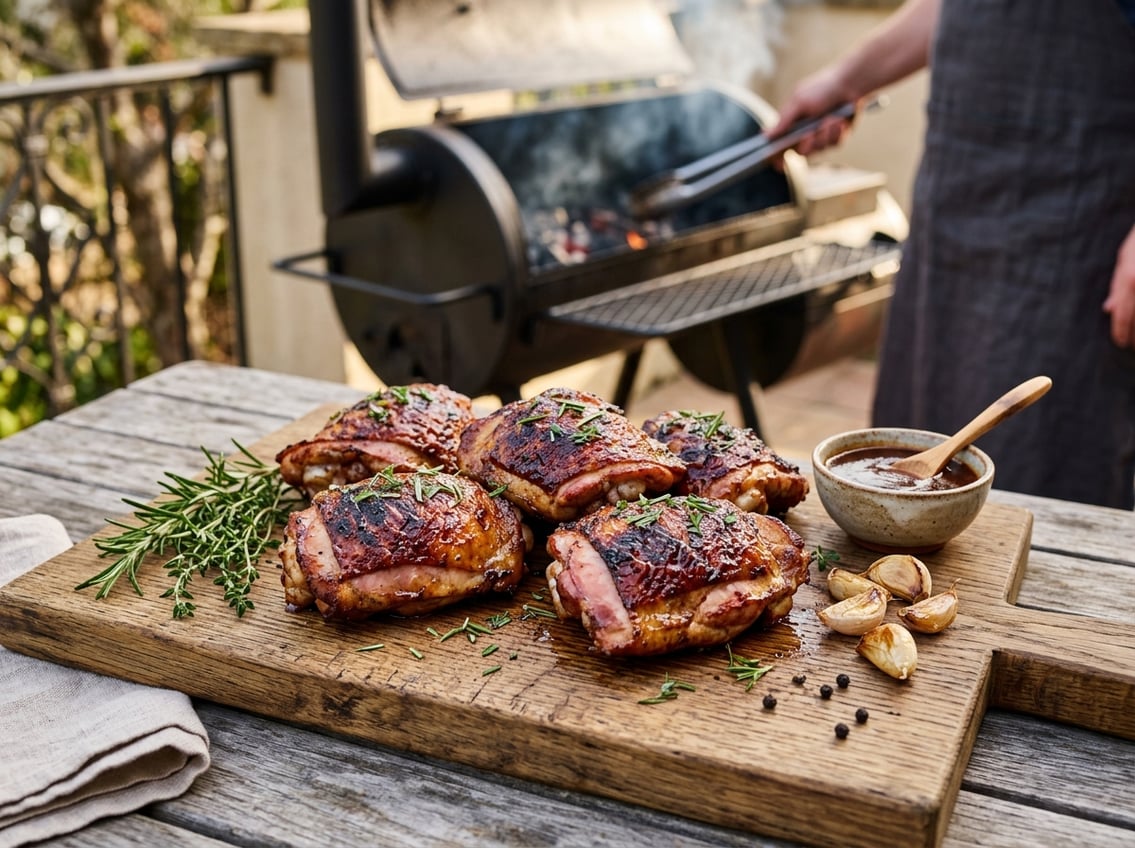
Smoked chicken thighs reward you with deep flavor, forgiving cooking margin, and skin that can crisp when finished properly.
The following sections explain why thighs outperform other cuts in smoke retention, how bone and skin affect results, and why the meat stays juicy and tender through long cooks.
Advantages of Thighs Over Other Cuts
Thighs contain more intramuscular fat and connective tissue than breast meat, so they tolerate higher final internal temperatures without drying. You can take bone-in chicken thighs to 175–180°F to convert collagen to gelatin and achieve silky texture, while breasts dry out well before that point.
You also get stronger smoke absorption. The darker meat and higher fat content hold smoke compounds better, giving smoked chicken thighs a richer profile with less risk of a dry bite.
For mid-temperature cooks (225–275°F), thighs let you prioritize smoke depth or skin rendering depending on the temperature you choose.
Thighs are forgiving of timing variability. If your smoker temperature fluctuates, thighs recover better than lean cuts.
Benefits of Bone-In and Skin-On Options
Bone-in chicken thighs add flavor and help regulate cooking speed. The bone conducts heat differently than muscle, slowing the center’s rise in temperature.
That gives the surrounding meat more time to render fat and break down collagen, improving mouthfeel and flavor transfer from the marrow.
Skin-on thighs protect the meat from direct smoke exposure and act as a fat reservoir that bastes the meat as it renders.
Proper prep—drying the skin and optionally dry-brining—lets you get a nicely browned, firm skin after a high-heat finish. If you plan to use sauce, apply it only in the final 5–15 minutes to avoid softening the skin.
Boneless thighs cook faster and are easier to portion, but they lose a bit of marrow-driven depth. Choose boneless for quick feeds; pick bone-in, skin-on for the fullest smoked chicken experience.
Juiciness and Texture in Smoked Chicken
Convert collagen into gelatin while allowing fat to render into the muscle to keep smoked chicken thighs juicy. Aim for an internal temperature of roughly 175–180°F for bone-in, skin-on thighs to reach that sweet spot where meat becomes tender and moist instead of rubbery.
Control your smoker temperature to influence texture. Lower temps (225–250°F) increase smoke uptake and tenderness over a longer period but usually require a high-heat finish for crisp skin.
Higher temps (275°F or above) speed rendering and can produce better natural skin texture during the cook, though with slightly less smoke intensity.
Use a reliable probe thermometer and rest the thighs 5–10 minutes after pulling. Resting redistributes juices so each bite stays moist.
Choosing Chicken Thighs: Bone-In, Skin-On, or Boneless
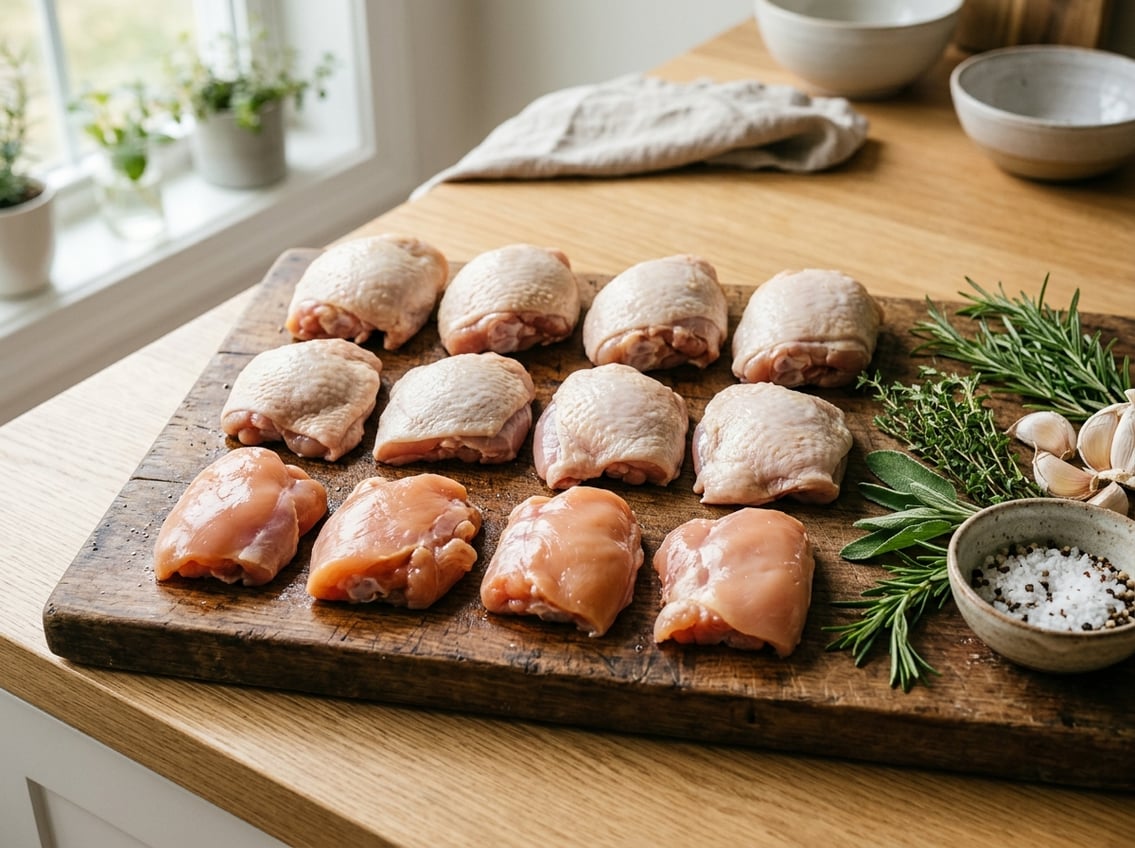
Pick thighs based on time, texture, and how much hands-on finishing you plan to do. Bone-in, skin-on thighs give richer flavor and more forgiveness; boneless/skinless cooks faster and needs closer monitoring to avoid dryness.
Comparing Bone-In and Boneless Cuts
Bone-in chicken thighs carry more flavor because the bone and marrow release compounds during a long cook. The bone also slows heat into the center, so you can push internal temperature to 175–180°F for gelatinized collagen without drying the meat.
Expect about 30–45 minutes longer cook time than boneless at the same smoker temp.
Boneless chicken thighs cook faster and are easier to serve. They reach target temperature sooner and work well for higher-temp or mixed-grill cooks.
Without the bone’s insulation they can dry if you overshoot 180°F, so pull them earlier (around 175°F) and use a consistent smoker temp.
Handling Skin-On vs. Skinless Thighs
Skin-on chicken thighs protect the meat and give you the option of crispy skin if you finish with high heat. Dry-brine the skin, pat it completely dry, and consider a brief 400–425°F sear or a 275°F cook to render fat.
Apply sauce only in the last 5–15 minutes to avoid burned sugars.
Skinless or boneless skinless thighs lose that protective fat layer and need careful timing or added fat (butter, oil, or a light glaze) to stay juicy.
Use a slightly higher smoker temp or finish with a short pan sear, and rest the meat 5–10 minutes after pulling to redistribute juices.
Essential Preparation and Seasoning Steps
Trim the thighs, optionally brine, and coat them so they hold moisture and develop a flavorful crust while smoking. Focus on skin condition, salt level, and a balanced rub that includes sweet, savory, and smoky notes.
Trimming and Brining Techniques
Trim excess fat and any loose skin to prevent flare-ups and uneven rendering. Leave the skin intact and remove only ragged edges; the skin helps keep the meat moist and promotes a crisp exterior when smoked.
For brining, dissolve 1 cup kosher salt and 1 cup brown sugar per gallon of water; chill the brine before submerging the thighs.
Brine 1–2 hours for standard-size thighs; longer (up to 4 hours) can over-tenderize. Rinse briefly after brining and pat completely dry with paper towels to ensure smoke adhesion and proper crust formation.
If you skip brining, rub the thighs with a light coating of olive oil to help the dry rub stick. Keep thighs at room temperature for 20–30 minutes before placing in the smoker so they cook evenly.
Applying the Perfect Dry Rub
Start with a base of kosher salt and garlic powder; these anchor flavor and improve moisture retention. Use roughly 1 tablespoon of rub per thigh and massage it into the skin and crevices to promote adhesion.
A reliable rub ratio: 2 parts paprika (use smoked paprika for extra depth), 1 part brown sugar, 1 part garlic powder, 1 part black pepper, and a pinch of cayenne pepper for heat.
Add Italian seasoning sparingly—1–2 teaspoons per pound—if you want herb notes without overpowering smoke. Brown sugar helps caramelize the skin; avoid excessive sugar if your smoker runs hot.
Apply the rub 30–60 minutes before smoking for immediate flavor penetration. Lightly coat with olive oil first if the skin feels dry; this aids browning and helps form a crisp, seasoned crust.
Key Ingredients for Flavorful Results
Kosher salt, brown sugar, paprika, smoked paprika, and garlic powder form the core flavor profile you’ll use in most smoked chicken thighs recipes. Kosher salt seasons evenly; brown sugar balances savory spices and promotes a golden crust.
Smoked paprika and your choice of wood (apple, hickory, or pecan) reinforce the smoky character—use smoked paprika when you want smoke without stronger wood flavors.
Cayenne pepper adds controlled heat; adjust from a pinch to 1/4 teaspoon per pound depending on your tolerance.
Olive oil acts as a binder and promotes even browning. For 4–6 thighs use about 2 tbsp paprika (half smoked if desired), 1 tbsp brown sugar, 2 tsp garlic powder, 2 tsp kosher salt, and 1/4–1/2 tsp cayenne.
Smoking Methods and Temperature Control
Choose a temperature strategy based on how much smoke flavor you want, how crispy you want the skin, and how much time you have. Control the smoker’s air flow and wood load to keep temps steady and avoid repeated lid openings.
Recommended Smoking Temperatures
Aim for 225°F, 250°F, or 275°F depending on priorities.
- 225°F gives maximum smoke absorption and a gentle cook; expect about 2–2.5 hours for average bone-in thighs.
- 250°F balances smoke and time; plan roughly 1.75–2.25 hours.
- 275°F speeds the cook and helps skin render; bone-in thighs often finish in 1–1.5 hours.
If you want crispier skin without a separate finish, choose 275°F or higher. Use mild fruitwoods (apple, cherry) and add small amounts of wood every 45–60 minutes to maintain consistent smoke without overpowering the meat.
Employing the Two-Stage Cook Method
Start at a lower temp to maximize smoke, then finish high for texture.
- Stage 1: Smoke at 225–250°F until thighs register 150–155°F internal. This typically takes 60–120 minutes depending on temperature and thigh size.
- Stage 2: Increase smoker or move to a 400–425°F grill for 10–15 minutes. This step renders subcutaneous fat and crisps skin without overcooking the interior.
Place thighs skin-side up during the low phase and flip to skin-side down during the high-heat finish if using a direct-heat surface. Apply sauce only in the final 5–10 minutes to avoid burning sugars.
Best Timing and Internal Temperature for Smoked Thighs
Use probe thermometers instead of relying on time alone. Target 175–180°F internal for optimal texture.
- Bone-in thighs: typically 1–2.5 hours depending on smoker temp.
- Boneless thighs: 45–90 minutes at higher temps.
Insert the probe into the thickest part, avoiding bone contact. If you prefer very tender, pull toward 185–195°F for fall-off-the-bone results, but expect slightly drier meat with boneless pieces.
Always rest thighs 5–10 minutes tented to let juices redistribute before serving.
Selecting the Best Wood for Smoking
Choose woods that add clear, complementary smoke without overpowering the thigh’s natural fattiness. Fruitwoods give mild sweetness and color; stronger hardwoods add depth but require restraint.
Apple, Cherry, and Hickory Wood Options
Apple wood delivers a mild, sweet smoke that highlights the thigh’s juicy texture without masking seasoning. Use chunks or pellets and expect subtle fruit notes; it pairs well with mustard- or maple-based rubs.
Apple is especially forgiving if you run the smoker at 275–300°F.
Cherry wood adds a sweeter, slightly tart smoke and gives thighs a noticeable reddish hue. It brightens fattier cuts and works well with herb-forward rubs or glazes.
Combine cherry with apple to balance color and sweetness.
Hickory provides a stronger, bacon-like smoke. Use it sparingly—either in short bursts or blended 25–50% with a fruitwood—to avoid bitter, overpowering flavors.
Hickory suits bold, savory spice rubs and longer smokes when you want a pronounced smoky backbone.
Pairing Woods With Chicken Thighs
Match wood to the flavor intensity you plan to build. For delicate herb or citrus profiles, pick apple or apple–cherry blends so the smoke supports rather than dominates.
If you use sweeter glazes—honey, maple, or fruit-based—lean toward cherry or cherry+apple to amplify caramelization and color.
When you want a deep, savory result, add up to 30–50% hickory with a fruitwood base. That ratio gives hickory’s richness without turning thighs bitter.
Maintain 275–325°F and monitor smoke density: thin blue smoke yields clean flavor; thick white smoke creates acrid off-notes.
Achieving Crispy Skin and Final Touches
Focus on drying the skin, rendering fat through low-and-slow smoking, then finishing with high heat to crisp. Use a controlled final blast and small adjustments (oil, baking powder, placement) to avoid sogginess and keep meat juicy.
Avoiding Rubbery Skin
Pat thighs completely dry with paper towels. Salt them with 1 teaspoon per pound, then refrigerate uncovered on a rack for at least 1 to 12 hours to tighten the skin.
Dry brining and air exposure remove surface moisture that causes steam during smoking. Smoke at 225°F to 250°F on a pellet grill or traditional smoker until the internal temperature reaches about 160 to 165°F so fat under the skin renders.
Expose the skin to circulating air and avoid foil or tight pans that trap steam. If the skin still feels soft, finish with a 5 to 10 minute high-heat pass at 400°F to 450°F on the grill or under a broiler.
Lightly dust the skin with a teaspoon of baking powder (not baking soda) to help browning. Brush with a high-smoke-point oil just before the final blast.
Monitor closely during the high heat step, since the skin can go from crisp to burnt in minutes.
Tips for a Juicy Finish
Target a final internal temperature of 165°F in the thickest part of each thigh for food safety while preserving juiciness. Pull thighs a few degrees early at 160 to 162°F, then tent loosely for 5 to 10 minutes so carryover cooking raises them to the safe range.
Use indirect smoking first to infuse flavor. Hickory, apple, or oak on a pellet grill gives consistent smoke without drying.
During the low-and-slow phase, keep temperatures steady and avoid overcooking past 170°F, which dries dark meat. If you want extra moisture, apply a light mop or spritz (apple juice or apple-cider vinegar diluted 1:4) during the last 30 to 45 minutes.
Finish skin-side up on a hot grate or under a broiler for 2 to 6 minutes to crisp without losing internal moisture.
Serving, Storing, and Creative Uses
Smoked chicken thighs stay juicy, develop crisp skin, and pair well with both bright and rich flavors.
Ideal Sides and Serving Suggestions
Serve smoked chicken thighs with sides that balance smoke and fat. Try a crisp slaw made from shredded cabbage, apple, and a light vinegar dressing to cut richness.
Roasted sweet potatoes or charred corn bring sweetness that complements fruitwoods like apple or cherry. For starches, offer buttery mashed potatoes or a simple rice pilaf to soak up pan juices and any finishing sauce.
Add a green vegetable, such as sautéed green beans with lemon zest or steamed broccoli, for color and freshness. Finish plates with a sauce option like tangy mustard BBQ, chimichurri, or a yogurt-herb sauce, depending on your smoked chicken recipe’s spice profile.
Storing and Reheating Smoked Thighs
Cool smoked thighs to room temperature for no more than two hours. Refrigerate in shallow airtight containers.
Stored properly, they keep 3 to 5 days in the fridge or up to 3 months frozen. Label containers with the date and cut into portions for faster reheating.
Reheat gently to preserve moisture. Use a low oven at 275 to 300°F (135 to 150°C) covered with foil for 15 to 20 minutes, or warm in a skillet over medium-low with a splash of stock.
If using a microwave, cover and heat in short intervals to avoid drying. Internal temperature should reach 165°F (74°C) before serving.
Incorporating Smoked Thighs Into Other Dishes
Smoked thighs work well in many recipes and help you get more out of your smoked chicken.
Shred warm thighs for tacos. Top them with pickled onions, avocado, and a squeeze of lime.
Dice thighs and use them in a hearty chicken and white bean chili. The smoky flavor adds depth.
Fold shredded smoked meat into pasta with a cream sauce and peas. This makes a quick weeknight meal.
Add chunks to grain bowls with farro and roasted vegetables. Finish with a lemon-tahini dressing for balanced texture.
For salads, cool and slice thighs over mixed greens. Add roasted beets, goat cheese, and walnuts.


