
Is Chicken Breast Good for Weight Loss? What to Know
If you are asking is chicken breast good for weight loss, the short answer is yes, it can be. Chicken breast is a lean protein that gives you a lot of protein for relatively few calories, which can make it easier to stay full and stay within your calorie goals.
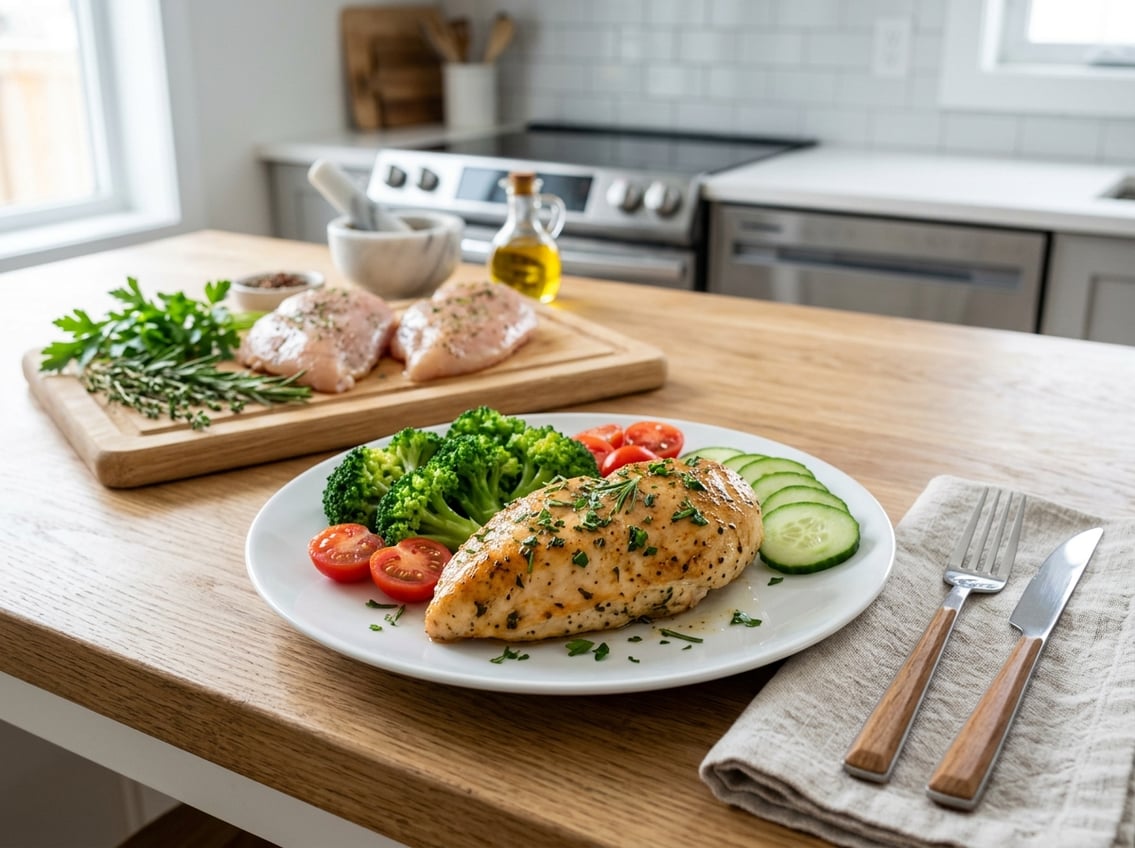
Chicken breast helps most when you eat the right portion, cook it with minimal added fat, and pair it with other filling foods. A plain chicken breast is very different from fried chicken, creamy chicken dishes, or oversized portions with heavy sauces.
Chicken breast fits into a calorie deficit without forcing you to eat tiny meals. When your meals contain enough protein, vegetables, and fiber-rich sides, weight loss tends to feel more manageable and less restrictive.
Why Chicken Breast Supports Fat Loss
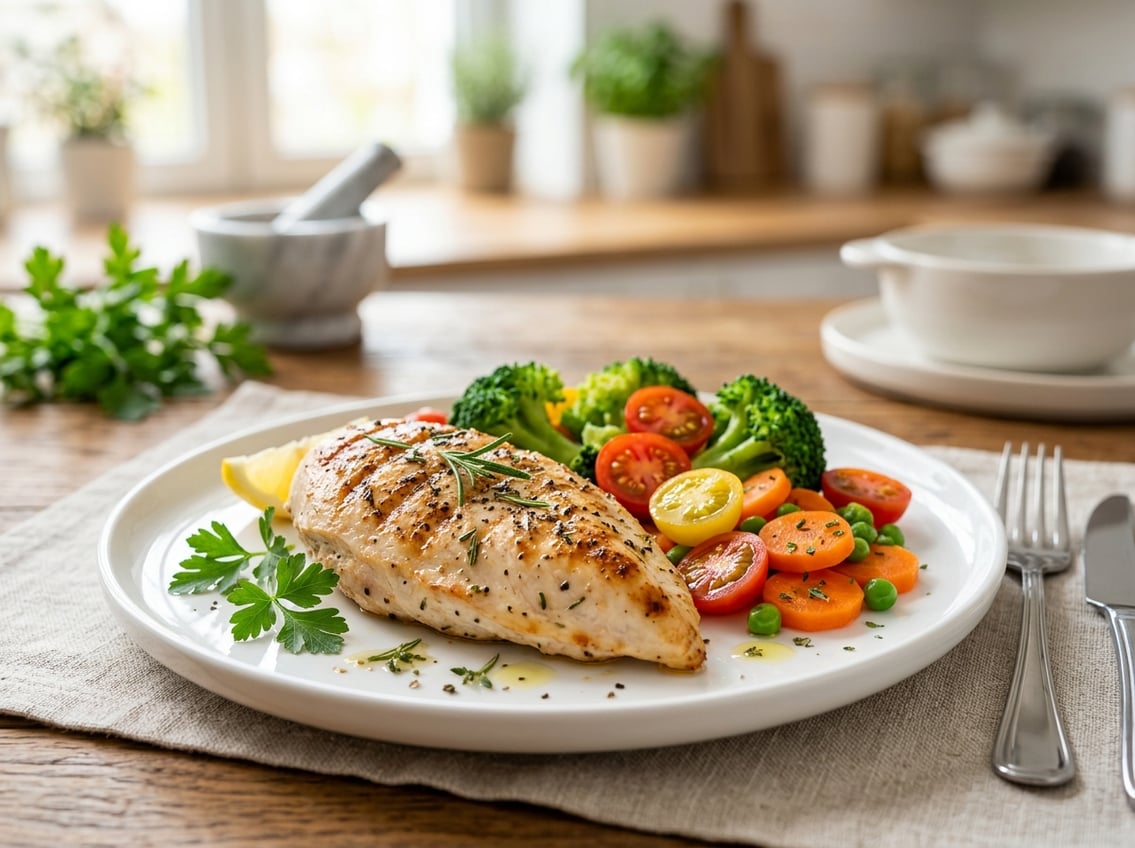
Chicken breast supports fat loss because it is a lean protein with a strong protein-to-calorie ratio. That makes it easier to manage calories without feeling as hungry between meals.
The benefit comes from both fullness and muscle support. High-protein foods help you keep lean mass while you lose weight, which matters when you are trying to lose fat rather than muscle.
How Lean Protein Affects Fullness And Muscle Retention
Lean protein helps you feel satisfied for longer than many refined carbs or snack foods. Chicken breast provides that protein in a compact serving, so you get a useful amount without a large calorie load.
Protein supports muscle retention during weight loss. When you eat enough protein during a calorie deficit, your body is more likely to hold onto muscle while it uses stored fat for energy.
Why Low Calories Make Calorie Control Easier
Chicken breast is naturally low in calories compared with many other animal proteins. According to Noom, a cooked, boneless, skinless chicken breast has about 165 calories and 31 grams of protein per 100 grams.
That low-calorie profile makes calorie control simpler. You can build a filling meal around chicken breast without using up most of your daily calories in one sitting.
Where Chicken Breast Fits In A Calorie Deficit
A calorie deficit means you eat fewer calories than your body uses. Chicken breast lets you keep protein high while keeping calories moderate.
It is especially useful when you want simple meals that are easy to track. If you pair chicken breast with vegetables or other low-calorie sides, you can stay in a deficit more comfortably.
Nutrition, Portions, And Meal Balance
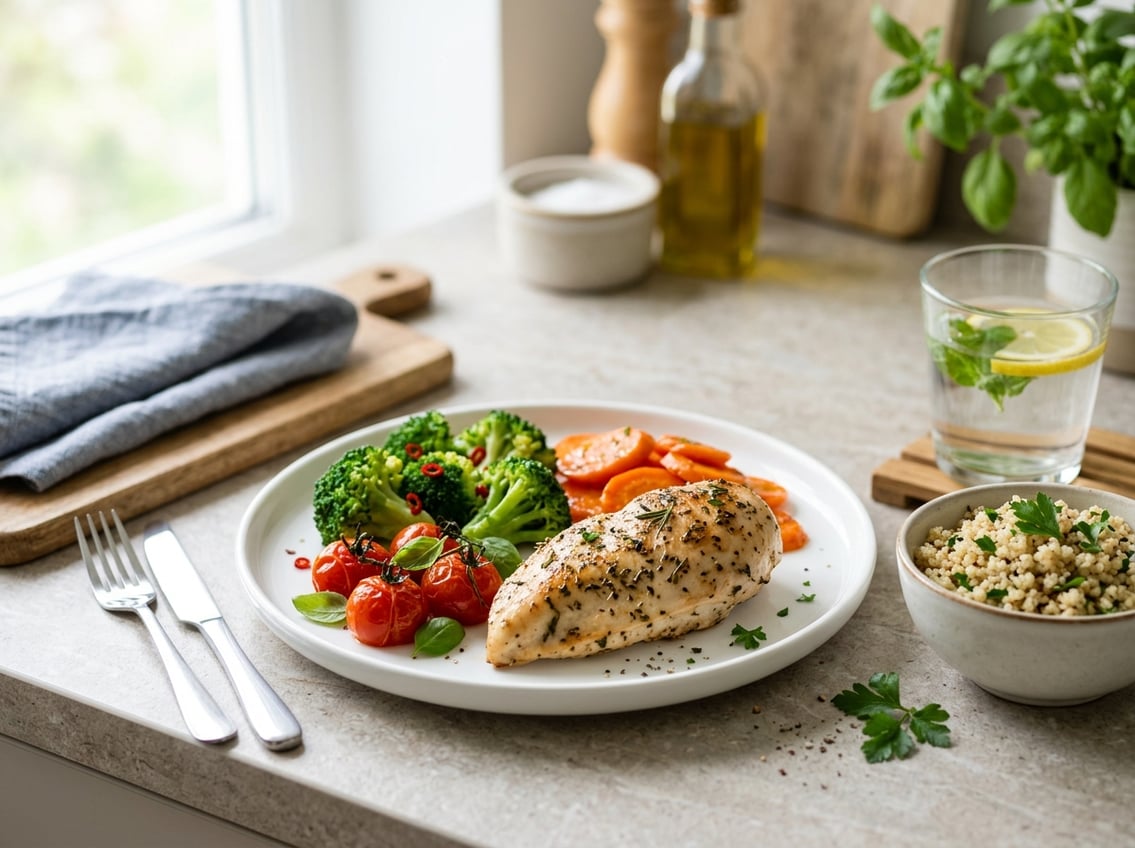
Chicken breast is useful for weight loss, yet portion size still matters. A balanced meal with protein, fiber, and some healthy fat usually works better than focusing on chicken alone.
The goal is not to eat chicken at every meal in large amounts. Use it as a lean base that fits your calorie needs and supports your broader balanced diet.
Calories And Protein In A Standard Serving
A standard serving is often about 3 to 4 ounces cooked, which is roughly the size of a deck of cards. That amount gives you a solid protein boost without a large calorie hit, according to The Perfect Portion guide.
This serving size works well for most weight-loss meals. If your plate is much larger, the calories can rise quickly, even with lean food.
Why Portion Size Still Matters
Chicken breast is lean, but it is not calorie-free. A larger breast can easily become two servings, especially after cooking.
Portion control helps you leave room for other foods. If you fill your plate with nothing but chicken, you may miss fiber and key nutrients from plants, whole grains, and healthy fats.
Building A Balanced Diet With Whole Grains And Healthy Fats
A balanced diet gives you better staying power during weight loss. Whole grains can add fiber and steady energy, while healthy fats can improve meal satisfaction.
Try pairing chicken breast with brown rice, quinoa, oats, beans, avocado, olive oil, nuts, or seeds. This kind of plate supports calorie control while keeping meals more complete and easier to stick with.
Best Ways To Cook It Without Adding Extra Calories
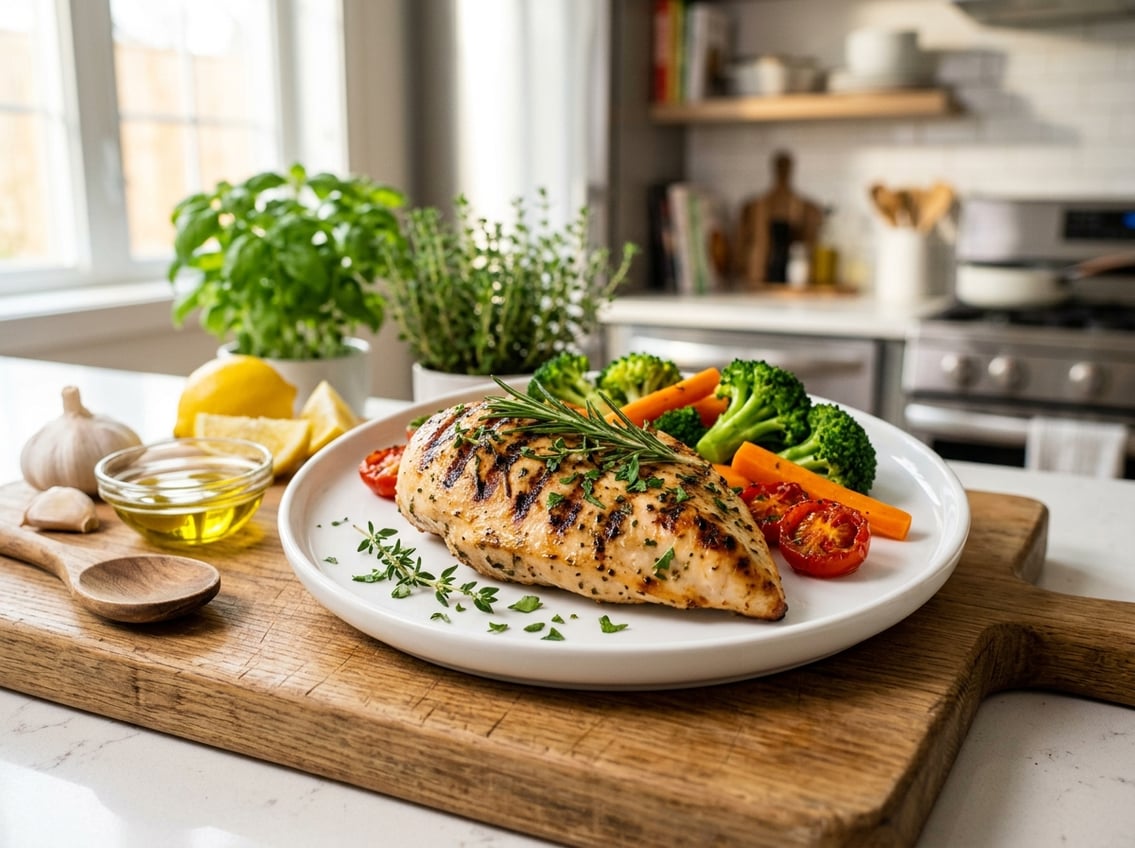
The way you cook chicken breast can change its calorie count a lot. Dry heat methods and simple seasoning keep the meal weight-loss friendly.
Added fat from frying, heavy marinades, and thick sauces can turn a lean protein into a much higher-calorie meal.
Healthy Cooking Methods That Keep It Weight-Loss Friendly
You can bake, roast, grill, air fry, poach, or steam chicken breast to keep it lean. These methods let you cook chicken breast without adding much fat.
Simple seasonings such as garlic, pepper, paprika, lemon, herbs, and salt add flavor without many calories. That helps you keep meals enjoyable while staying focused on calorie control.
Baked Chicken And Roasted Chicken Compared
Baked chicken and roasted chicken are both strong choices for weight loss. The main difference is usually the cooking setup, not the basic nutrition, as long as you avoid extra oil or skin.
Both methods create tender chicken breast when cooked correctly. For easy meal prep, baked chicken often works well because you can cook several pieces at once.
Cooking Mistakes That Can Undercut Results
Frying chicken breast adds a lot of extra fat and calories. Breading, butter-heavy pans, creamy sauces, and sugary glazes can do the same.
Overcooking can make chicken dry, which may push you toward richer sauces to improve taste. Keeping the chicken moist with careful cooking and simple marinades helps you stay on track.
When Chicken Breast Helps Less Than Expected
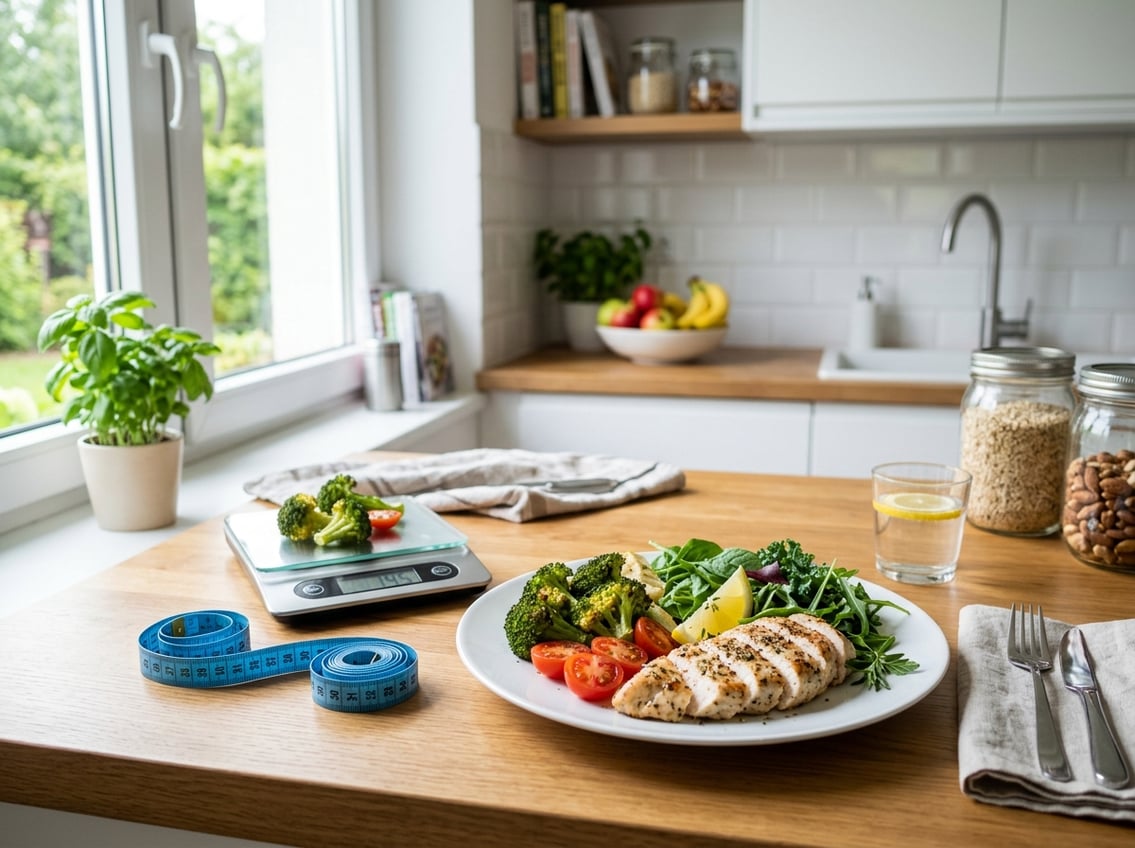
Chicken breast supports weight loss, but it is not a complete strategy by itself. Your results depend on your full eating pattern, activity level, and whether you stay in a calorie deficit.
What you add to the chicken matters. Sauces, oils, and breading can change a lean meal into a much richer one.
Why Eating Only One Food Is Not A Smart Strategy
Eating only chicken breast is not a balanced diet. Your body still needs fiber, vitamins, minerals, and healthy fats from other foods.
You also need meal variety to keep your plan sustainable. Even a very healthy food becomes less useful if it crowds out vegetables, fruit, whole grains, and other protein sources.
Hidden Calories From Sauces, Breading, And Oils
Extras can add a lot of calories fast. Creamy sauces, breading, cheese, and large amounts of oil often make chicken meals much higher in calories.
Plain chicken breast may fit your plan well, while the same chicken covered in sauce may not.
When Other Protein Sources May Make Sense
Chicken breast is not the only good choice for fat loss.
You can also include eggs, Greek yogurt, fish, turkey, tofu, beans, and lean cuts of meat in a healthy plan.
Rotating protein sources makes your meals more balanced.
A mix of protein foods can support your balanced diet and help you stay consistent.


