Ingredient Storytelling Dinners: Sourcing and Recipes for Regional Narratives in 2026
Last updated: July 13, 2026
Quick Answer: Ingredient Storytelling Dinners: Sourcing and Recipes for Regional Narratives in 2026 is a dining movement where chefs and home cooks craft multi-course meals around the cultural origins, farming practices, and historical significance of specific regional ingredients. Each dish serves as a chapter in a larger narrative about place, tradition, and the people who grow or harvest the food. The experience combines sourcing transparency, recipe development that honors heritage techniques, and storytelling that connects diners to unsung food regions.
Key Takeaways
- Ingredient storytelling dinners focus on the cultural and geographic origins of each component, not just farm-to-table freshness
- Regional narratives highlight lesser-known food regions, Appalachian heritage grains, Gulf Coast fishing communities, Indigenous Three Sisters crops
- Sourcing verification requires direct relationships with producers, documented provenance, and transparent supply chains
- Cost ranges from $75-$250 per person at restaurants; home versions cost $30-$60 for a four-course meal for four
- Recipe development emphasizes simple preparations that let ingredient stories shine rather than complex techniques that obscure origins
- Dietary accommodations are easier than expected because regional cuisines often feature plant-forward traditions and naturally gluten-free staples
- Common mistakes include over-complicating dishes, choosing trendy regions over authentic connections, and neglecting to share the actual stories
- Best regions for 2026 include Oaxacan heirloom corn, Appalachian ramps and pawpaws, Pacific Northwest seaweed, and Great Plains bison
What Is Ingredient Storytelling in Dining
Ingredient storytelling in dining is the practice of building a meal around the cultural history, geographic origin, and human stories behind each ingredient rather than simply focusing on flavor profiles or cooking techniques. A storytelling dinner might feature Appalachian hickory nuts and explain how Cherokee communities have harvested them for centuries, or showcase Gulf shrimp while sharing the Vietnamese-American fishing families who catch them.
This approach differs from standard fine dining because the ingredient’s narrative becomes as important as its taste. Chefs research heritage seed varieties, interview farmers about their land stewardship practices, and document traditional preparation methods that have been passed down through generations.
Key elements of ingredient storytelling:
- Provenance documentation, Specific farm names, harvest dates, and growing conditions
- Cultural context, Historical uses, traditional recipes, and community significance
- Human connection, Stories of the farmers, foragers, fishers, or artisans who produced the ingredient
- Regional specificity, Focus on micro-regions rather than broad geographic areas (e.g., “Skagit Valley tulip bulbs” not “Pacific Northwest produce”)
The storytelling happens through menu descriptions, verbal presentations between courses, printed materials about each producer, or even video introductions from the farmers themselves. The goal is to make diners feel connected to the land and people who created their meal.
How Do Restaurants Source Ingredients for Storytelling Dinners
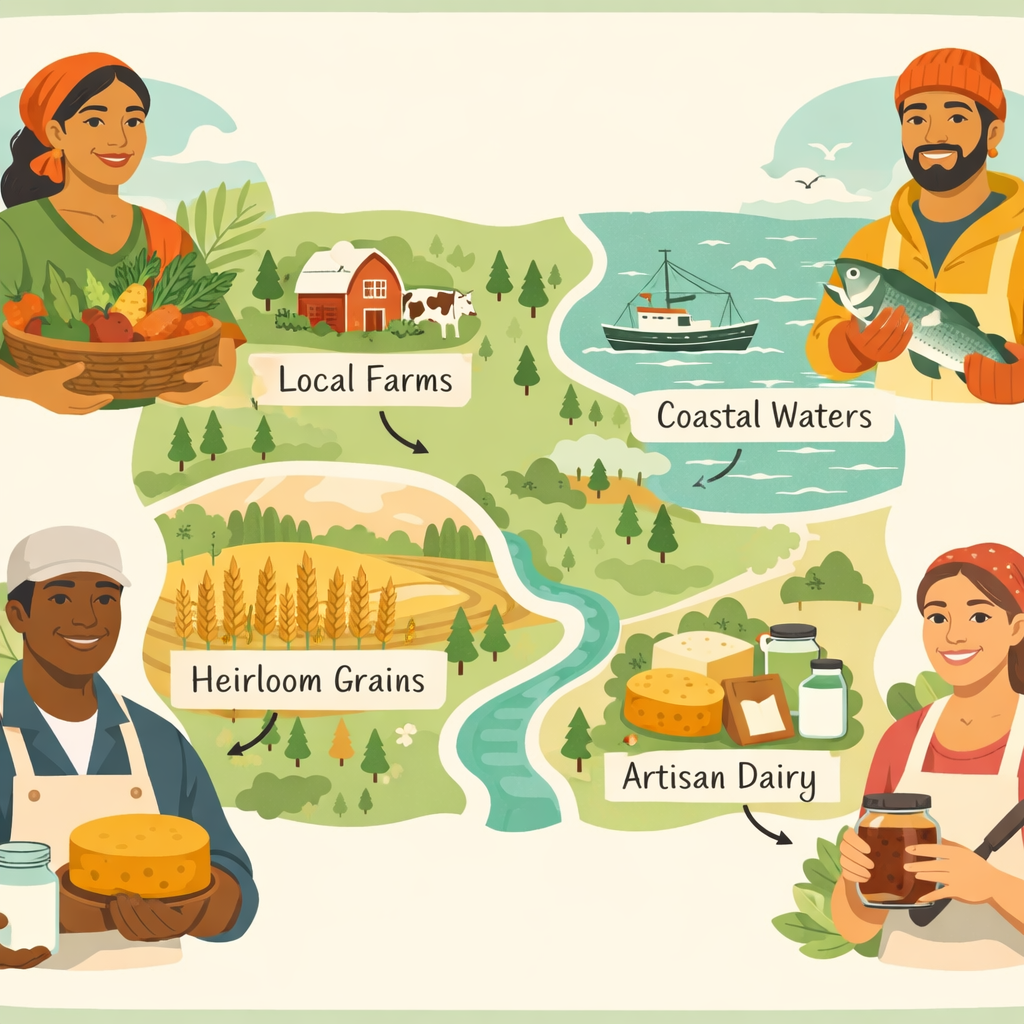
Restaurants source ingredients for storytelling dinners through direct relationships with small-scale producers, regional food hubs, Indigenous food networks, and heritage seed preservation organizations. The sourcing process starts months before the dinner, with chefs identifying a regional narrative they want to explore and then building a network of suppliers who can provide ingredients with documented stories.
Sourcing channels for storytelling ingredients:
- Direct farm partnerships, Chefs visit farms during growing season, learn cultivation methods, and pre-order specific varieties
- Regional food hubs, Aggregators like Appalachian Harvest or Native American Food Sovereignty Alliance connect restaurants with multiple small producers
- Forager networks, Professional foragers who harvest wild ingredients (ramps, mushrooms, seaweed) and can document exact harvest locations
- Heritage seed organizations, Groups like Seed Savers Exchange or Native Seeds/SEARCH provide heirloom varieties with cultural histories
- Fishing cooperatives, Community-supported fisheries that track catch methods and fishing families
- Artisan producer guilds, Cheesemakers, millers, and fermenters who use traditional methods
The verification process requires documentation: farm addresses, harvest dates, seed variety names, and ideally photos or videos of the producers. Many restaurants now include QR codes on menus that link to producer profiles, farm photos, and harvest stories.
Common mistake: Sourcing from large distributors who claim “local” without specific farm names. True storytelling requires knowing exactly who grew the ingredient and being able to share their specific story, not just a regional label.
Ingredient Storytelling Dinner vs Farm to Table Difference
Ingredient storytelling dinners and farm-to-table dining differ primarily in intent and narrative depth. Farm-to-table emphasizes freshness, seasonality, and local sourcing, the ingredient’s quality and proximity. Ingredient storytelling goes further by centering the cultural history, traditional uses, and human stories behind each component, treating the meal as an educational and emotional experience about place and heritage.
Key differences:
| Aspect | Farm-to-Table | Ingredient Storytelling |
|---|---|---|
| Primary focus | Freshness and local sourcing | Cultural narrative and heritage |
| Geographic scope | Usually within 100-200 miles | Can include specific micro-regions or Indigenous territories |
| Menu descriptions | Farm name and ingredient type | Full story including cultural significance, traditional uses, producer background |
| Recipe approach | Chef’s creative interpretation | Often honors traditional preparation methods |
| Diner experience | Quality-focused meal | Educational journey through a region’s food culture |
A farm-to-table restaurant might serve “local heirloom tomatoes from Smith Farm.” An ingredient storytelling dinner would serve “Cherokee Purple tomatoes from Smith Farm in Swain County, NC, a variety preserved by the Craig family since the 1920s, originally cultivated by Cherokee farmers in the Smoky Mountains and known for its resistance to late blight in humid climates.”
Both approaches value quality and sustainability, but storytelling dinners explicitly aim to preserve food knowledge and honor the people who maintain heritage food traditions. Choose farm-to-table if you want fresh, seasonal food; choose ingredient storytelling if you want to learn about food cultures and support heritage food preservation.
Where to Find Ingredient Storytelling Dinners Near Me 2026
Finding ingredient storytelling dinners near you in 2026 requires searching beyond standard restaurant review sites because many of these events are pop-ups, private dinners, or special series rather than permanent restaurant offerings. The best discovery channels include regional food preservation organizations, Indigenous food sovereignty groups, heritage grain networks, and chef-driven supper clubs.
Where to search:
- Slow Food chapter events, Local Slow Food conviviums host storytelling dinners focused on Ark of Taste ingredients
- Indigenous food networks, Organizations like I-Collective, Native American Food Sovereignty Alliance, and Tocabe host cultural food events
- Heritage grain collaborations, Mills like Anson Mills or Barton Springs Mill partner with restaurants for grain-focused dinners
- Chef supper clubs, Search Instagram and Eventbrite for “storytelling dinner,” “heritage dinner,” or “regional narrative” plus your city name
- Food museum programs, Culinary museums and food history centers often host educational dinner series
- Farm dinner series, Some farms host on-site dinners where the entire meal comes from their land and tells their story
- Culinary schools, Student-run restaurants sometimes feature storytelling dinners as educational projects
For home cooks interested in creating their own storytelling dinners, regional food hubs and heritage seed catalogs provide ingredients with documented stories. Organizations like Seed Savers Exchange and Slow Food USA offer resources for sourcing story-rich ingredients.
Pro tip: Search for dinners during heritage food weeks or cultural celebrations (Indigenous Peoples’ Day, Juneteenth, Appalachian Heritage Month) when storytelling events are most common.
How Much Do Ingredient Storytelling Dinners Cost
Ingredient storytelling dinners at restaurants typically cost between $75-$250 per person depending on the ingredient rarity, number of courses, and whether beverages are included. Home versions cost approximately $30-$60 for ingredients to serve four people for a four-course meal, plus time investment for research and sourcing.
Restaurant pricing breakdown:
- $75-$125, Four to six courses, regional ingredients, basic storytelling with printed materials
- $125-$175, Six to eight courses, rare heritage ingredients, chef presentations between courses, beverage pairings
- $175-$250, Eight to ten courses, extremely rare ingredients (wild-foraged, Indigenous heirlooms), producer videos, farm visits included, premium beverage pairings
Home dinner costs (for four people):
- Ingredients: $30-$60 (heritage varieties cost 20-40% more than conventional)
- Printed materials: $5-$15 if you create menu cards with stories
- Time investment: 3-5 hours for research, 2-4 hours for cooking
The premium over standard dining comes from several factors: smaller-scale producers charge more for heritage varieties, ingredient sourcing requires more time and relationships, and the educational component adds value. Many diners find the cost justified because they’re supporting heritage food preservation and small-scale farmers while gaining cultural knowledge.
Budget tip: Start with a three-course home dinner focusing on one region’s ingredients. A simple Appalachian menu (ramp pesto, heritage bean stew, pawpaw dessert) costs about $35 for four people and tells a compelling regional story. For inspiration on building satisfying meals with specific ingredients, explore high-protein comfort bowl recipes that can be adapted with regional proteins.
Best Regions for Ingredient Storytelling Dinner Experiences
The best regions for ingredient storytelling dinner experiences in 2026 are those with strong food preservation movements, active Indigenous food sovereignty work, and communities maintaining heritage agricultural practices. Top regions include Oaxaca (Mexico) for heirloom corn and mole traditions, Appalachia for ramps and heritage beans, the Pacific Northwest for Indigenous seaweed and salmon, and the Great Plains for bison and Indigenous Three Sisters crops.
Top storytelling regions and their signature ingredients:
Oaxaca, Mexico
- Heirloom corn varieties (Bolita, Zapalote Chico)
- Traditional mole preparations with 20+ ingredients
- Mezcal production stories
- Indigenous Zapotec and Mixtec food traditions
Appalachia (Tennessee, Kentucky, West Virginia, North Carolina)
- Ramps (wild leeks) with Cherokee harvest traditions
- Heritage beans (Greasy Beans, October Beans)
- Hickory nuts and pawpaws
- Sorghum syrup production
Pacific Northwest (Washington, Oregon, British Columbia)
- Indigenous seaweed varieties (bull kelp, sea lettuce)
- Wild salmon and traditional preservation methods
- Camas bulbs and wapato roots
- Huckleberries and traditional berry cakes
Great Plains (Dakotas, Nebraska, Kansas)
- Bison from Indigenous-managed herds
- Three Sisters (corn, beans, squash) intercropping
- Wild prairie turnips
- Chokecherries and traditional pemmican
Gulf Coast (Louisiana, Mississippi, Alabama)
- Vietnamese-American fishing community shrimp
- Gullah Geechee rice traditions
- Wild oysters with reef restoration stories
- Creole and Cajun spice blends
Choose a region based on proximity (easier sourcing), personal heritage connection, or curiosity about a specific food culture. Each region offers enough ingredient diversity for a complete multi-course meal with deep cultural narratives.
How to Create a Regional Narrative Menu at Home
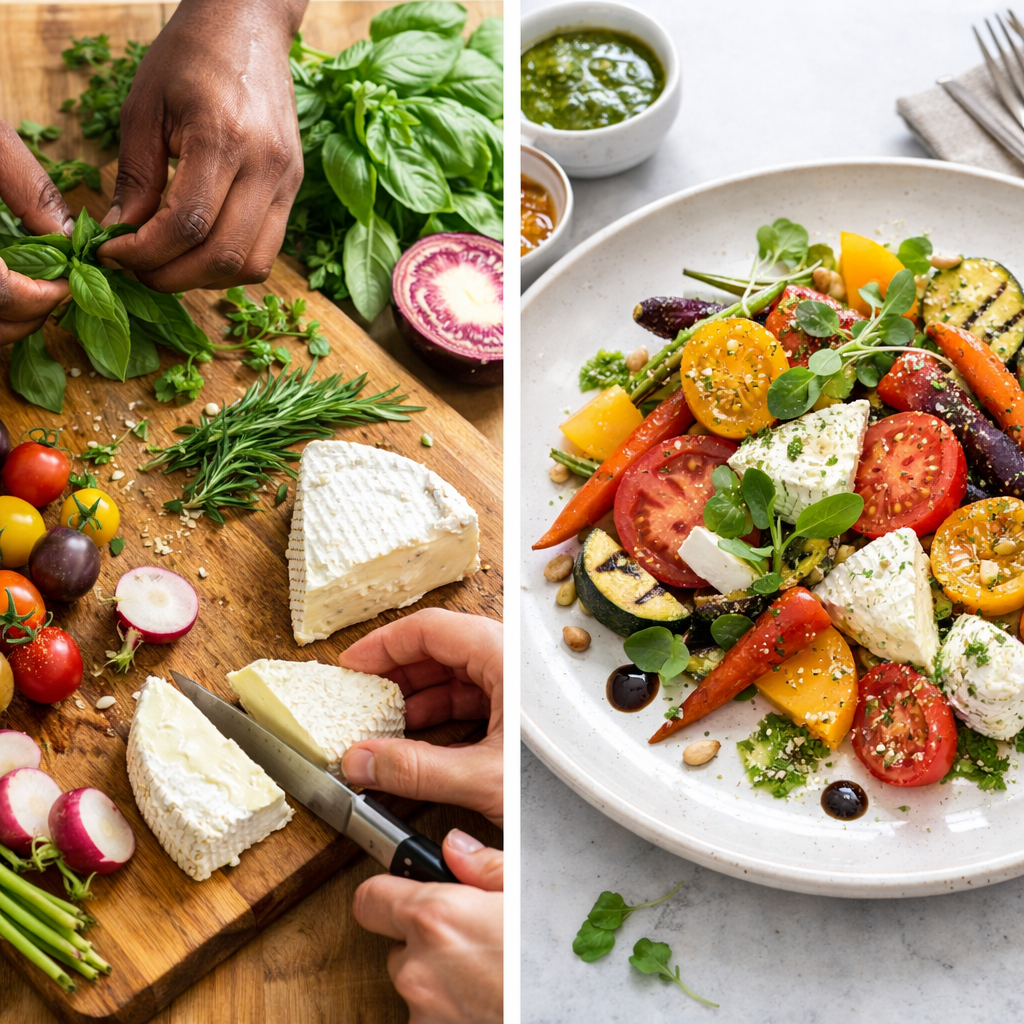
Creating a regional narrative menu at home requires four steps: selecting a specific region with personal or cultural significance, researching heritage ingredients and their stories, sourcing from documented producers, and developing simple recipes that honor traditional preparation methods while remaining accessible to home cooks.
Step-by-step process:
1. Choose your region and narrative focus
- Pick a specific micro-region (e.g., “Skagit Valley” not “Pacific Northwest”)
- Identify 3-5 signature ingredients with documented cultural histories
- Decide on your narrative thread (Indigenous foodways, immigrant community traditions, heritage seed preservation)
2. Research ingredient stories
- Use heritage seed catalogs for variety histories
- Read regional food history books and oral history archives
- Contact local food preservation organizations
- Interview farmers or producers if possible
3. Source ingredients with documentation
- Order from heritage seed companies or regional food hubs
- Request variety names and origin stories from farmers
- Document your sources (farm names, locations, harvest dates)
- Take photos of ingredients and packaging for your menu materials
4. Develop your menu structure
- Plan 3-5 courses that showcase different ingredients
- Use simple preparations that highlight ingredient quality
- Include at least one traditional preparation method
- Balance flavors and textures across courses
5. Create storytelling materials
- Write menu cards with ingredient origins and cultural significance
- Print producer photos or farm information
- Prepare brief verbal introductions for each course
- Consider creating a simple handout guests can take home
Sample Appalachian storytelling menu:
Course 1: Ramp pesto on heritage grain crackers (story: Cherokee spring harvest traditions)
Course 2: Greasy Bean soup with hickory nut garnish (story: Appalachian seed saving networks)
Course 3: Sorghum-glazed heritage pork with wild mushrooms (story: traditional sorghum syrup production)
Course 4: Pawpaw custard (story: America’s forgotten native fruit)
Common mistake: Choosing too many regions or ingredients in one meal. A focused narrative around 3-5 ingredients from one region creates a more coherent and memorable experience than a scattered global tour.
For additional inspiration on working with seasonal regional ingredients, explore spring bean recipes or fermented vegetable preparations that honor traditional preservation methods.
Common Mistakes Chefs Make with Ingredient Storytelling
The most common mistakes chefs make with ingredient storytelling are over-complicating preparations that obscure the ingredient’s identity, choosing trendy regions without authentic connections, and failing to verify producer stories or share them meaningfully with diners. These errors undermine the educational and cultural preservation goals of storytelling dinners.
Top mistakes and how to avoid them:
1. Over-complicated preparations
- Mistake: Using so many techniques or ingredients that the featured item becomes unrecognizable
- Fix: Use simple preparations that highlight the ingredient’s unique characteristics; save complex techniques for supporting elements
2. Fake or unverified stories
- Mistake: Repeating romantic narratives about ingredients without verifying facts or producer claims
- Fix: Document every story with producer names, dates, and verifiable details; admit when you don’t know something
3. Cultural appropriation without credit
- Mistake: Using Indigenous or immigrant community recipes without acknowledging origins or compensating knowledge holders
- Fix: Partner with community members, pay for recipe knowledge, credit specific people and communities, share profits when appropriate
4. Choosing trendy over authentic
- Mistake: Selecting regions or ingredients because they’re fashionable rather than because of genuine connection or story
- Fix: Focus on regions where you have personal heritage, have spent significant time, or have built real relationships with producers
5. Neglecting the actual storytelling
- Mistake: Sourcing heritage ingredients but failing to share their stories with diners
- Fix: Create multiple storytelling touchpoints (menu descriptions, verbal presentations, printed materials, producer videos)
6. Ignoring seasonal realities
- Mistake: Promising specific ingredients without backup plans when seasonal availability changes
- Fix: Build flexibility into menus; have alternative ingredients from the same region with equally good stories
7. Making it exclusive or pretentious
- Mistake: Presenting storytelling dinners as elite experiences only for food experts
- Fix: Use accessible language, welcome questions, make guests feel comfortable regardless of food knowledge
The best storytelling dinners feel like an invitation into a community’s food traditions rather than a performance of culinary expertise. Authenticity and humility matter more than technical perfection.
Is Ingredient Storytelling Dining Worth the Price
Ingredient storytelling dining is worth the price for people who value cultural education, want to support heritage food preservation, and find meaning in understanding where their food comes from and who produces it. It’s not worth the premium if you’re primarily interested in innovative cooking techniques, large portions, or simply filling hunger without the educational component.
Who benefits most:
- Cultural heritage explorers, People interested in food history and traditional foodways
- Conscious consumers, Diners who want to support small-scale farmers and heritage seed preservation
- Educators and students, Those studying food systems, anthropology, or culinary history
- Home cooks, People looking to expand their ingredient knowledge and cooking repertoire
- Heritage community members, Individuals reconnecting with their own cultural food traditions
Who might not find value:
- Efficiency-focused diners, Those who view meals primarily as fuel
- Technique enthusiasts, Diners who prioritize molecular gastronomy or complex preparations
- Budget-conscious eaters, People for whom the 30-50% premium over standard dining is prohibitive
- Picky eaters, Those uncomfortable with unfamiliar ingredients or traditional preparations
The value extends beyond the meal itself. Many diners report that storytelling dinners change how they shop, cook, and think about food long-term. Learning about a heritage bean variety might lead to supporting seed preservation organizations, seeking out farmers markets, or researching your own family’s food traditions.
Value calculation: If a $150 storytelling dinner introduces you to five new heritage ingredients, teaches you about a food culture, and inspires you to source differently for months afterward, the cost-per-impact is reasonable. If you forget the experience by the next day, it’s expensive entertainment.
Who Should Try Ingredient Storytelling Dinners
People who should try ingredient storytelling dinners include anyone curious about food cultures, home cooks wanting to expand their ingredient knowledge, individuals exploring their own heritage, food professionals seeking inspiration, and conscious consumers who want their dining dollars to support heritage food preservation and small-scale agriculture.
Ideal candidates:
Heritage explorers, You’re curious about traditional foodways and want to learn about ingredients beyond supermarket offerings. Storytelling dinners provide structured education about regional food cultures.
Home cooking enthusiasts, You want to improve your cooking by understanding ingredients deeply rather than just following recipes. Learning an ingredient’s story often reveals its best uses. For example, understanding how traditional Mexican cooking honors specific ingredients can transform your approach to proteins.
Cultural reconnection seekers, You’re interested in reconnecting with your own heritage through food or learning about your partner’s or friends’ cultural backgrounds. Food stories create emotional connections to ancestry.
Sustainability-minded diners, You want your food choices to support environmental stewardship and small-scale farmers. Heritage ingredients often come from producers using traditional, sustainable methods.
Educators and students, You’re studying food systems, anthropology, history, or culinary arts and want hands-on learning about food cultures.
Gift-givers, You’re looking for meaningful experiences to share with food-loving friends or family. Storytelling dinners create shared memories and learning.
Not ideal for:
- Very young children (unless it’s a family-focused event)
- People with severe food allergies who need extensive modifications
- Diners uncomfortable with unfamiliar ingredients or textures
- Those seeking primarily entertainment or social atmosphere over education
Start with a single storytelling dinner or create a simple three-course version at home before committing to expensive multi-course restaurant experiences. The format isn’t for everyone, but those who connect with it often become passionate advocates for heritage food preservation.
How to Verify Authentic Regional Ingredient Sourcing
Verifying authentic regional ingredient sourcing requires asking specific questions about provenance, requesting documentation, researching producer backgrounds, and when possible, visiting farms or production sites. True verification goes beyond “local” or “organic” labels to confirm the ingredient’s specific variety, exact origin, and cultural authenticity.
Verification checklist:
1. Ask specific questions
- What is the exact variety name? (e.g., “Cherokee Purple tomato” not just “heirloom tomato”)
- Who grew or produced it? (specific farm or producer name)
- Where exactly was it grown? (city/county, not just state)
- When was it harvested?
- What growing or production methods were used?
2. Request documentation
- Farm address and contact information
- Seed source or variety certification
- Harvest date records
- Photos of the farm or production site
- Producer story or background
3. Research the producer
- Search for the farm or producer online
- Check if they’re registered with heritage seed organizations
- Look for third-party verification (Slow Food Ark of Taste, heritage breed registries)
- Read reviews or articles about their work
4. Verify cultural claims
- If an ingredient is described as Indigenous or culturally significant, confirm the producer has authentic connection to that community
- Check if Indigenous producers are compensated and credited
- Look for partnerships with cultural organizations or tribal entities
5. Check for red flags
- Vague descriptions (“local,” “artisan”) without specific details
- Inability to provide producer names or contact information
- Claims that sound too good to be true (extremely rare ingredients available year-round)
- Cultural appropriation (non-Indigenous producers claiming Indigenous varieties without permission or credit)
Verification resources:
- Seed Savers Exchange, Database of heritage seed varieties and their origins
- Slow Food Ark of Taste, Catalog of endangered heritage foods
- Native Seeds/SEARCH, Indigenous crop varieties and their cultural contexts
- Heritage breed registries, Livestock Conservancy for heritage animal breeds
For home cooks, buying directly from farmers markets allows face-to-face conversations about sourcing. Ask farmers about their seed sources, growing practices, and variety histories. Legitimate heritage producers are usually enthusiastic about sharing detailed information.
Common verification mistake: Assuming “organic” or “local” automatically means heritage or culturally authentic. These labels address different concerns (chemical use, transportation distance) but don’t verify variety authenticity or cultural significance.
What Happens If Seasonal Ingredients Aren’t Available for Storytelling Menu
When seasonal ingredients aren’t available for a storytelling menu, the best approach is to substitute with another ingredient from the same region that has an equally compelling story rather than sourcing the original ingredient out of season from distant locations. This maintains the regional narrative integrity while respecting seasonal realities and sustainable sourcing principles.
Backup strategies:
1. Build menu flexibility from the start
- Plan menus around 3-4 core ingredients with 2-3 backup options
- Choose regions with diverse ingredient options across the same season
- Communicate to diners that menus may shift based on availability
2. Substitute within the same regional narrative
- If Appalachian ramps aren’t available, use wild watercress or spring nettles from the same region
- If a specific heirloom bean variety is sold out, source a different heritage bean from the same seed-saving network
- Maintain the story thread (e.g., “wild spring greens foraged by Appalachian communities”) even if the specific plant changes
3. Shift the narrative focus
- If spring ingredients fail, pivot to a different season’s story from the same region
- If one region’s ingredients are unavailable, shift to a different region you’ve researched
4. Be transparent with diners
- Explain substitutions and why they were necessary
- Share the story of the replacement ingredient
- Frame it as part of the authentic experience of seasonal eating
5. Preserve ingredients when abundant
- Ferment, pickle, dry, or freeze heritage ingredients during peak season
- Use preserved versions in off-season dinners with stories about traditional preservation methods
- This approach actually adds another layer of cultural authenticity (most traditional cuisines rely heavily on preservation)
What NOT to do:
- Don’t source the “correct” ingredient from industrial farms or distant locations just to match your menu
- Don’t serve conventional ingredients while claiming they’re heritage varieties
- Don’t skip the storytelling component just because you had to substitute
The substitution itself can become part of the story. Traditional foodways have always adapted to seasonal realities, crop failures, and changing availability. Explaining how communities historically dealt with ingredient scarcity adds depth to the narrative.
For home cooks, building a pantry of preserved regional ingredients extends storytelling possibilities year-round. Learn traditional preservation methods like fermentation that honor cultural practices while ensuring ingredient availability.
Ingredient Storytelling Dinner Recipes for Beginners
Beginner-friendly ingredient storytelling dinner recipes focus on simple preparations that highlight one or two heritage ingredients per course, require basic cooking techniques, and come with accessible sourcing options. A successful first storytelling dinner might include three courses featuring ingredients from a single region, each with a clear cultural narrative and straightforward preparation.
Beginner Appalachian storytelling menu:
Course 1: Ramp Pesto Crostini
Story: Ramps (wild leeks) have been harvested by Cherokee communities in the Smoky Mountains for centuries during early spring. The annual ramp harvest marks the end of winter and the return of fresh greens.
Ingredients:
- 1 cup ramps (bulbs and leaves), roughly chopped
- 1/3 cup hickory nuts or walnuts
- 1/3 cup olive oil
- 1/4 cup grated Parmesan
- Salt to taste
- Heritage grain bread, sliced and toasted
Preparation:
- Blend ramps, nuts, oil, and cheese until smooth
- Season with salt
- Spread on toasted heritage grain bread
- Garnish with a small ramp leaf
Sourcing: Order ramps from Appalachian food hubs during April-May, or substitute with wild garlic and share its story instead.
Course 2: Heritage Bean and Sorghum Soup
Story: Greasy Beans (also called Greasy Cut Shorts) are an Appalachian heirloom variety maintained by seed-saving families for over 150 years. The beans get their name from their smooth, “greasy” texture when cooked. Sorghum syrup has been produced in Appalachia since the 1850s as a local sweetener.
Ingredients:
- 2 cups dried heritage beans (Greasy Beans, October Beans, or similar), soaked overnight
- 1 onion, diced
- 2 carrots, diced
- 4 cups vegetable or chicken stock
- 2 tablespoons sorghum syrup
- Salt and pepper
- Fresh thyme
Preparation:
- Simmer soaked beans in stock with onion and carrots for 1.5-2 hours until tender
- Stir in sorghum syrup
- Season with salt, pepper, and thyme
- Serve with cornbread
Sourcing: Order heritage beans from Anson Mills, Rancho Gordo, or Seed Savers Exchange. Buy sorghum syrup from Appalachian producers online.
Course 3: Pawpaw Custard
Story: Pawpaws are North America’s largest native fruit, historically eaten by Indigenous peoples and early settlers throughout Appalachia. The fruit tastes like a cross between banana and mango but grows wild in temperate forests. Pawpaw trees were nearly forgotten but are experiencing a revival through forager networks and heritage food advocates.
Ingredients:
- 1 cup pawpaw pulp (fresh or frozen)
- 2 cups whole milk
- 1/2 cup sugar
- 4 egg yolks
- 2 tablespoons cornstarch
- 1 teaspoon vanilla
Preparation:
- Whisk egg yolks, sugar, and cornstarch
- Heat milk until steaming
- Slowly whisk hot milk into egg mixture
- Return to pot and cook, stirring constantly, until thickened
- Remove from heat and stir in pawpaw pulp and vanilla
- Chill for at least 2 hours
Sourcing: Order frozen pawpaw pulp from Integration Acres or other Appalachian food producers. Fresh pawpaws are available September-October from specialty foragers.
Menu presentation tips:
- Print simple menu cards with ingredient stories
- Include the producer’s name and location for each ingredient
- Prepare a brief verbal introduction for each course
- Encourage guests to ask questions about the ingredients
This menu costs approximately $40-50 for four people and requires only basic cooking skills. The stories are accessible and the ingredients, while heritage varieties, are available through online ordering from reputable sources.
For additional recipe inspiration that honors ingredient quality, explore butter preparation techniques or umami-rich ingredients that can be incorporated into regional narratives.
Are Ingredient Storytelling Dinners Good for People with Dietary Restrictions
Ingredient storytelling dinners can be excellent for people with dietary restrictions because many regional cuisines feature naturally plant-forward traditions, gluten-free staples, and simple preparations that make modifications easier than complex modern cuisine. However, success depends on choosing the right regional narrative and communicating restrictions clearly with the chef or host.
Why storytelling dinners often work well for restricted diets:
Plant-based diets, Many traditional foodways center vegetables, beans, and grains with meat as accent rather than centerpiece. Indigenous Three Sisters cuisine (corn, beans, squash) is naturally plant-based. Appalachian bean traditions offer rich vegetarian storytelling options.
Gluten-free diets, Numerous heritage grains and starches are naturally gluten-free: corn (especially heirloom varieties), rice (Gullah Geechee traditions), buckwheat, amaranth, and quinoa. Many regional narratives can be built entirely around gluten-free staples.
Dairy-free diets, Traditional cuisines often used dairy sparingly or not at all. Indigenous foodways, many Asian traditions, and Gulf Coast Creole cooking offer dairy-free storytelling possibilities.
Allergy accommodations, Simple preparations make ingredient substitutions more straightforward than in complex modern dishes. A heritage bean soup can easily swap one bean variety for another while maintaining the regional story.
Strategies for dietary restrictions:
Choose compatible regional narratives, If you’re gluten-free, focus on corn-based cuisines (Oaxacan, Southern, Indigenous). If vegetarian, explore bean-centric traditions (Appalachian, Southwestern).
Communicate early, Contact restaurants when booking or inform dinner party hosts well in advance. Heritage ingredients often require advance ordering, so last-minute changes are difficult.
Focus on naturally compatible ingredients, Build your menu around ingredients that fit your restrictions rather than trying to modify every dish.
Embrace traditional alternatives, Many cultures have traditional substitutes (e.g., Indigenous communities used hickory nut milk before dairy was available).
Accept some limitations, Some regional narratives are harder to adapt (e.g., Gulf Coast seafood traditions for someone with shellfish allergies). Choose a different region rather than forcing modifications.
Challenges to consider:
- Heritage meat breeds are central to some regional stories (bison, heritage pork)
- Cross-contamination risks may be higher in small-scale production facilities
- Some rare ingredients have no suitable substitutes without changing the story
- Chefs may be less familiar with modifying heritage recipes than modern dishes
For home cooks with restrictions, storytelling dinners offer an opportunity to explore heritage ingredients that naturally fit your diet. Research traditional foodways from communities that historically shared your dietary patterns (religious dietary laws, geographic ingredient availability, economic constraints).
The key is matching the regional narrative to your dietary needs rather than trying to force every cuisine to accommodate every restriction. When done thoughtfully, dietary restrictions can actually deepen the storytelling by highlighting how different communities solved similar challenges.
FAQ
What makes an ingredient good for storytelling? Good storytelling ingredients have documented cultural history, specific variety names, connection to particular communities or regions, and interesting narratives about their preservation, traditional uses, or the people who grow them. Heritage seed varieties, Indigenous crops, and ingredients from immigrant communities often have the richest stories.
Can I create a storytelling dinner with supermarket ingredients? Not effectively. Supermarket ingredients lack the specific provenance and cultural documentation needed for authentic storytelling. However, you can start by visiting farmers markets, asking vendors about their seed sources and growing practices, and gradually building relationships with producers who can share ingredient stories.
How long does it take to research a storytelling menu? Expect 3-5 hours of research for your first storytelling menu: 1-2 hours choosing a region and identifying ingredients, 1-2 hours researching their stories and sourcing options, and 1 hour planning recipes and menu flow. Subsequent menus take less time as you build knowledge and producer relationships.
Do storytelling dinners have to be expensive? No. Home storytelling dinners cost $30-60 for four people when focused on accessible heritage ingredients like beans, grains, and seasonal vegetables. The premium comes from rare ingredients, restaurant service, and elaborate presentations. A simple three-course dinner with well-researched stories provides the same educational value as expensive restaurant versions.
What if I don’t have personal connection to the region I’m featuring? You can still create respectful storytelling dinners by thoroughly researching the culture, crediting knowledge sources, partnering with community members when possible, and being transparent about your outsider perspective. Avoid claiming expertise or presenting yourself as an authority on cultures that aren’t your own.
How do I present the stories without lecturing? Keep verbal presentations to 1-2 minutes per course, write engaging menu descriptions that read like stories rather than textbook entries, provide printed materials guests can read at their own pace, and encourage questions and conversation rather than one-way information delivery.
Can kids enjoy ingredient storytelling dinners? Yes, especially when stories are presented as adventures or mysteries. Focus on ingredients with interesting names, unusual appearances, or fun origin stories. Keep courses smaller and preparations simpler. Many kids become enthusiastic about trying new foods when they understand the story behind them.
What’s the difference between storytelling dinners and educational cooking classes? Storytelling dinners focus on the dining experience with stories integrated into the meal, while cooking classes teach techniques and recipes. Storytelling dinners are about experiencing and learning through eating; cooking classes are about learning to cook. Some events combine both approaches.
How do I handle guests who aren’t interested in the stories? Provide stories through multiple channels (menu cards, brief verbal introductions) so engaged guests get the full experience while others can focus on the food. Don’t force participation or quiz guests. The stories should enhance the meal, not dominate it.
Are there storytelling dinner resources for specific dietary needs? Yes. Organizations like Native Seeds/SEARCH focus on Indigenous crops (many naturally gluten-free), Rancho Gordo specializes in heritage beans (plant-based protein), and regional food hubs often have filters for dietary needs. Many heritage ingredients are naturally compatible with restricted diets.
What if I can’t afford heritage ingredients? Start with one or two heritage ingredients per meal and use conventional ingredients for the rest. A single heritage bean variety in a soup tells a complete story even if other components are standard. As you build relationships with producers, you may find affordable options or bulk purchasing opportunities.
How do I credit Indigenous food knowledge appropriately? Name specific tribes or nations (not just “Native American”), credit individual knowledge holders when possible, compensate communities for recipe knowledge, partner with Indigenous food sovereignty organizations, and direct guests to Indigenous-owned food businesses and resources.
Conclusion
Ingredient Storytelling Dinners: Sourcing and Recipes for Regional Narratives in 2026 represents more than a dining trend, it’s a movement to preserve food cultures, support heritage agriculture, and reconnect people with the origins of their meals. By focusing on specific ingredients from unsung regions and sharing the stories of the people who grow, harvest, and preserve them, these dinners create meaningful experiences that extend far beyond the table.
The most successful storytelling dinners balance education with enjoyment, authenticity with accessibility, and cultural respect with creative expression. Whether you’re attending a restaurant event or creating your own home version, the key elements remain consistent: thoroughly researched ingredients with documented provenance, simple preparations that honor traditional methods, and compelling narratives that connect diners to place and community.
Your next steps:
- Choose your region, Start with a place you have personal connection to or genuine curiosity about
- Research three ingredients, Find heritage varieties with documented stories and accessible sourcing
- Plan a simple menu, Three courses with straightforward preparations that highlight ingredient quality
- Source thoughtfully, Build relationships with producers who can share authentic stories
- Share the stories, Create menu materials and prepare brief introductions for each course
- Invite curious guests, Share the experience with people who value food culture and learning
Start small with a single storytelling dinner at home. The research process itself will deepen your understanding of food systems, cultural foodways, and the people working to preserve heritage ingredients. As you build knowledge and confidence, you’ll find that ingredient storytelling transforms not just special dinners but your everyday approach to cooking and eating.
The stories behind our food matter. They connect us to land, culture, and community. They preserve knowledge that might otherwise be lost. And they remind us that every ingredient on our plate has a history worth knowing and a future worth protecting.
SEO Meta Title: Ingredient Storytelling Dinners: Regional Sourcing Guide 2026


