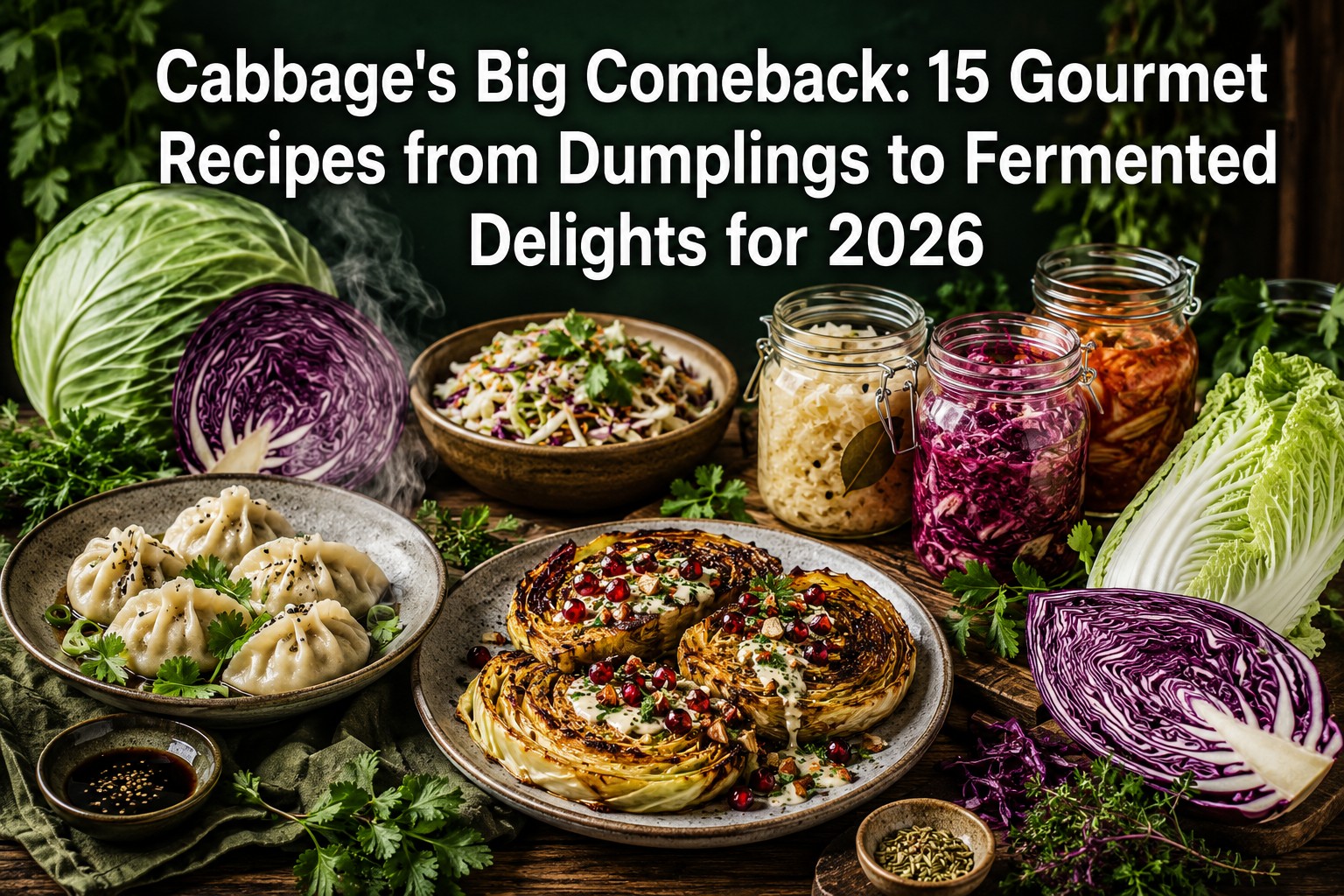
Cabbage’s Big Comeback: 15 Gourmet Recipes from Dumplings to Fermented Delights for 2026
Last updated: May 13, 2026
Quick Answer
Cabbage has officially become 2026’s breakout vegetable, with Pinterest declaring “Cabbage Crush” as the year’s top food trend and searches for cabbage dumplings up 110%, cabbage soup up 95%, and fermented cabbage up 35%[1][2]. This humble, budget-friendly vegetable is transforming from side dish to center-plate star through gourmet preparations like roasted cabbage steaks, Japanese-style pancakes, and artisan ferments that showcase its versatility, nutritional power, and year-round availability.
Key Takeaways
- Pinterest Predicts 2026 named cabbage the #1 food trend, with “Cabbage Crush” searches skyrocketing across dumplings, soups, and fermented preparations[1][3]
- Green Chef officially declared 2026 the “Year of the Cabbage”, marking its evolution from garnish to cultural icon[4]
- Cabbage delivers exceptional nutrition: high in fiber, vitamins C and K, antioxidants, and gut-healthy prebiotics that support the microbiome health movement[4][9]
- Budget-friendly and available year-round, making it perfect for cost-conscious home cooks seeking versatile ingredients
- Gourmet techniques elevate cabbage: roasted steaks with stems intact, Japanese pancakes, cabbage parmigiana, and artisan ferments showcase modern preparations
- 15 recipes span global cuisines: from Polish golumki rolls to Korean-inspired ferments, grilled hispi wedges to gluten-free pancakes
- “Cabbagecore” aesthetic has taken social media by storm, with Vogue calling it the “chicest vegetable of 2026″[2]
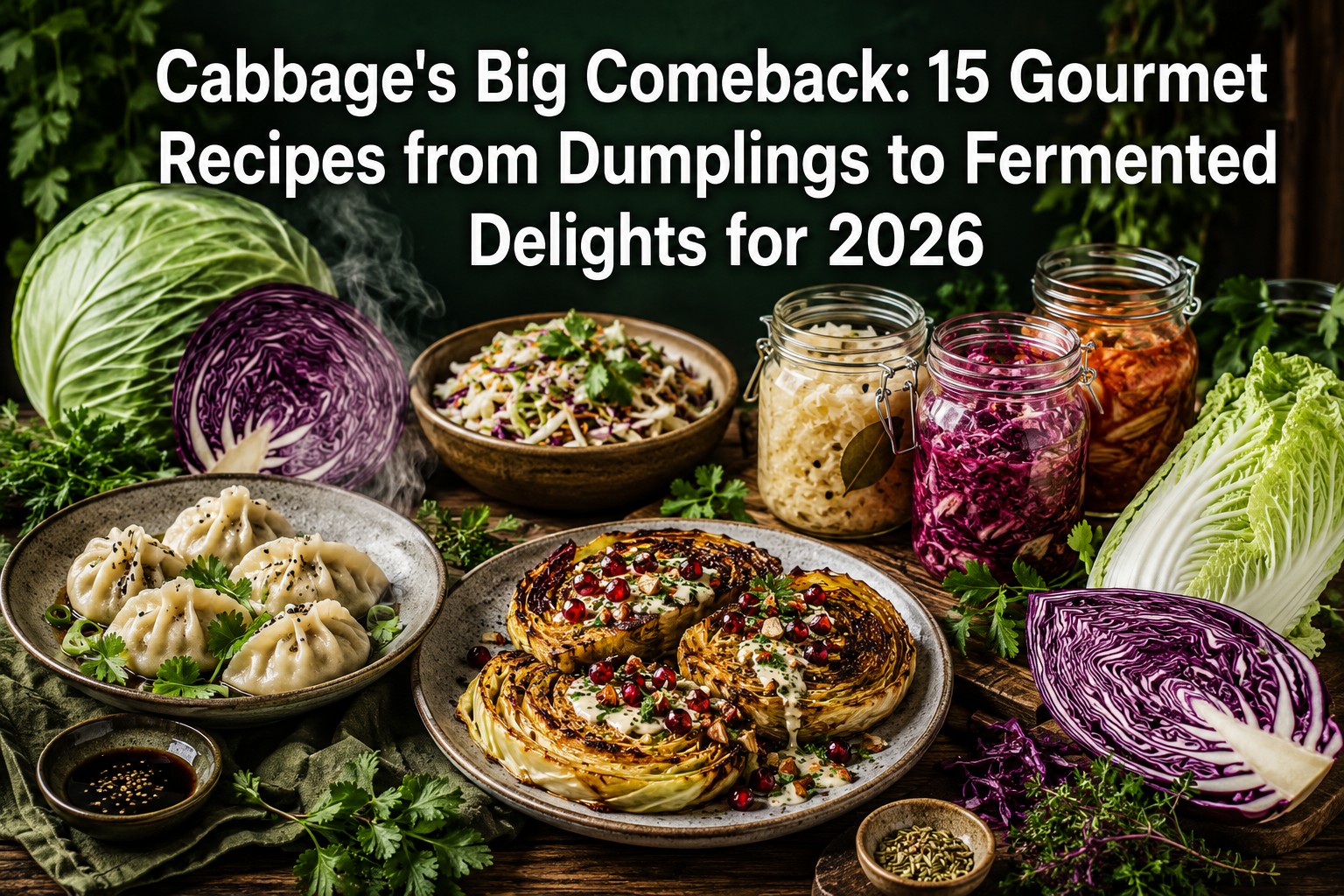
Why Is Cabbage Trending in 2026?
Cabbage has become 2026’s most talked-about vegetable because Pinterest Predicts 2026 crowned “Cabbage Crush” as the year’s top food trend, with searches for cabbage dumplings jumping 110%, cabbage soup climbing 95%, cabbage alfredo rising 45%, and fermented cabbage increasing 35%[1][2]. Green Chef reinforced this momentum by officially naming 2026 the “Year of the Cabbage,” citing its transformation from overlooked side dish to culinary centerpiece[4].
The trend reflects several converging factors:
- Microbiome health focus: Cabbage’s prebiotic fiber content aligns perfectly with 2026’s “fibermaxxing” movement, supporting gut health and digestive wellness[4]
- Budget consciousness: With food costs remaining high, cabbage offers exceptional nutrition at rock-bottom prices, typically under $1 per pound
- Sustainability appeal: Year-round availability, minimal waste (every part is edible), and long storage life make cabbage environmentally friendly
- Social media momentum: The “cabbagecore” aesthetic gained traction after Vogue declared cabbage the “chicest vegetable of 2026” in January[2]
- Culinary versatility: Chefs discovered cabbage works equally well raw, roasted, fermented, grilled, or steamed across global cuisines
Choose cabbage if you’re seeking affordable, nutrient-dense ingredients that work in both quick weeknight meals and impressive dinner party dishes.
What Makes Cabbage a Nutritional Powerhouse?
Cabbage delivers exceptional nutritional value as a cruciferous vegetable packed with vitamins C and K, fiber, antioxidants, and compounds that support heart health and reduce cholesterol[4][9]. One cup of raw cabbage contains only 22 calories but provides 54% of daily vitamin C needs and 85% of vitamin K requirements.
Key nutritional benefits:
- Gut health support: High prebiotic fiber feeds beneficial gut bacteria, supporting the microbiome health trend dominating 2026[4]
- Anti-inflammatory compounds: Glucosinolates and polyphenols help reduce inflammation and may lower disease risk
- Heart health: Soluble fiber and plant sterols help manage cholesterol levels naturally[4]
- Hydration: 92% water content supports hydration while adding volume to meals
- Low calorie density: Perfect for weight management without sacrificing satisfaction
Cabbage variety comparison:
| Cabbage Type | Best For | Flavor Profile | Nutrition Highlight |
|---|---|---|---|
| Green | Roasting, steaks, coleslaw | Mild, slightly sweet | High vitamin C |
| Purple/Red | Pickling, salads, ferments | Peppery, earthy | Extra antioxidants |
| Napa | Dumplings, stir-fries, kimchi | Delicate, sweet | Tender texture |
| Savoy | Stuffed rolls, braises | Mild, buttery | Crinkled leaves hold sauces |
| Hispi/Sweetheart | Grilling, roasting whole | Sweet, nutty | Quick-cooking |
Common mistake: Overcooking cabbage releases sulfur compounds that create unpleasant odors. Keep cooking times short or embrace long, slow fermentation instead.
How Do You Make Perfect Cabbage Dumplings?
Cabbage dumplings require finely chopped napa cabbage mixed with aromatics and protein, wrapped in thin dough, then steamed or pan-fried until the filling is tender and wrappers develop crispy bottoms. This technique drove the 110% search increase for cabbage dumplings in 2026[1].
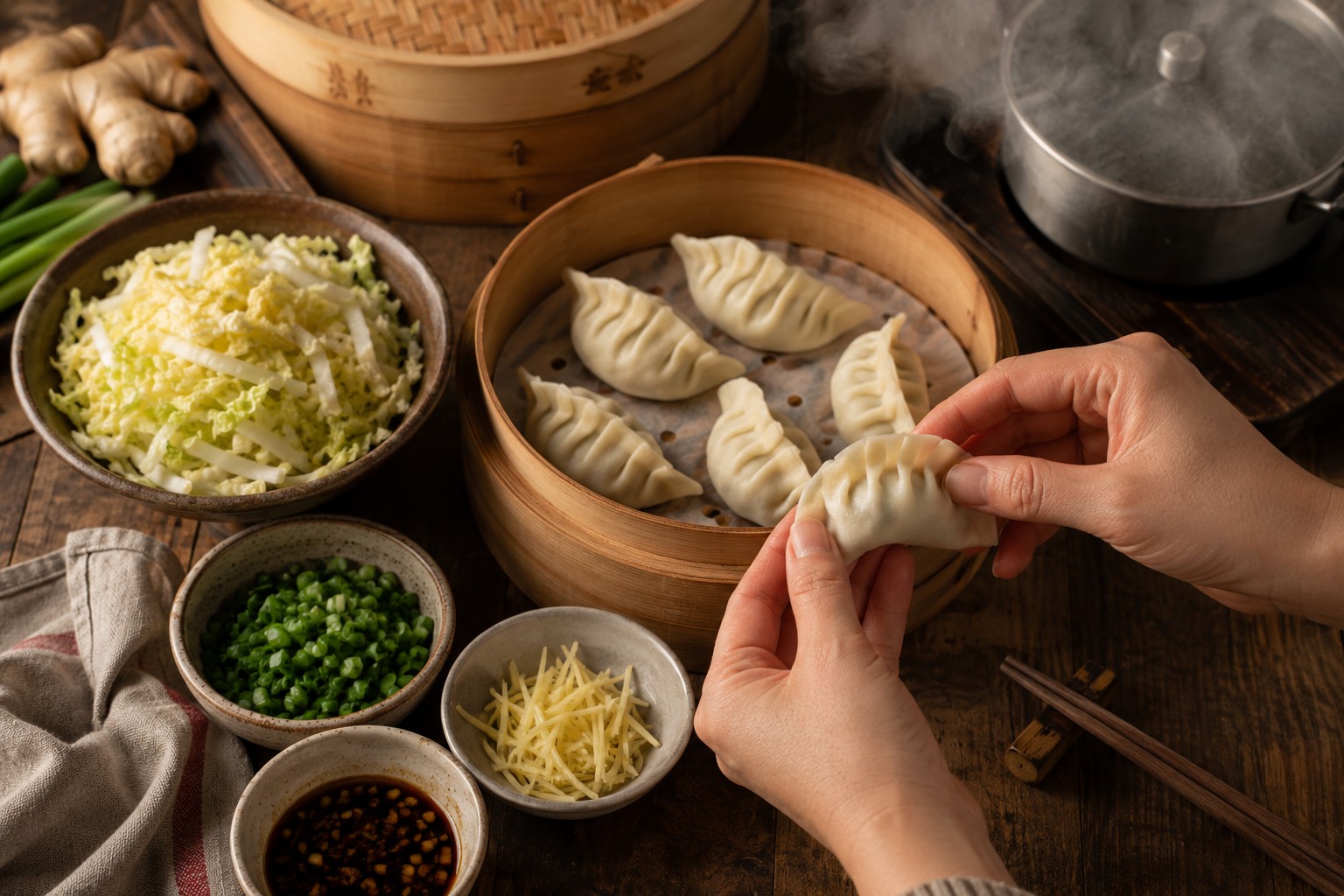
Classic cabbage dumpling method:
- Prepare filling: Finely chop 2 cups napa cabbage, salt lightly, let sit 10 minutes, then squeeze out excess moisture
- Mix aromatics: Combine cabbage with minced ginger, garlic, scallions, soy sauce, sesame oil, and optional ground pork or tofu
- Wrap dumplings: Place 1 tablespoon filling in center of round wrapper, wet edges, fold and pleat to seal
- Cook: Steam 8-10 minutes until translucent, or pan-fry in oil until bottoms are golden, then add water and steam-cover 5 minutes
- Serve: With soy-vinegar dipping sauce, chili oil, or ponzu
Dumpling variations for 2026:
- Polish golumki-inspired: Stuff whole cabbage leaves with rice, mushrooms, and herbs, then braise in tomato sauce
- Gluten-free wrappers: Use rice paper or make wrappers from rice flour and tapioca starch
- Vegan versions: Replace meat with finely chopped shiitake mushrooms, tofu, or tempeh
- Soup dumplings: Add gelatin-rich broth to filling for juicy, soup-filled bites
Choose napa cabbage for dumplings because its tender leaves and mild flavor work better than tougher green cabbage varieties.
What Are the Best Roasted Cabbage Recipes?
Roasted cabbage transforms this humble vegetable through caramelization, creating crispy edges and sweet, tender centers that make it worthy of center-plate status. The key technique involves slicing cabbage into thick steaks with stems intact to hold the structure together, then roasting at high heat until blistered[5][10].
Roasted cabbage parmigiana (2026 trending recipe):
- Slice green cabbage into 1-inch thick steaks, keeping stem attached
- Brush both sides with olive oil, season with salt and pepper
- Roast at 425°F for 20-25 minutes until edges are golden and crispy
- Top with marinara sauce, mozzarella, and Parmesan
- Return to oven 10 minutes until cheese melts and bubbles
- Garnish with fresh basil[5]
Additional roasted cabbage preparations:
- Cabbage Parmesan crisps: Layer seared cabbage wedges with egg wash and grated Parmesan-Asiago blend for crunchy, cheesy bites[7]
- Balsamic-glazed wedges: Roast cabbage quarters with balsamic vinegar and honey until caramelized
- Spiced roasted cabbage: Toss with curry powder, cumin, and turmeric before roasting for Indian-inspired flavors
- Miso-butter cabbage steaks: Brush with miso-butter mixture halfway through roasting for umami depth
Chef’s tip: Slice cabbage with the stem facing down on your cutting board. The stem acts as a natural anchor, preventing the layers from falling apart during cooking[5][10].
Common mistake: Cutting cabbage steaks too thin (under ¾ inch) causes them to fall apart. Aim for 1-1.5 inch thickness for structural integrity.
How Do You Make Fermented Cabbage at Home?
Fermented cabbage requires only cabbage, salt, and time to create probiotic-rich preparations like sauerkraut and kimchi that support gut health and align with 2026’s microbiome wellness trend. The 35% increase in fermented cabbage searches reflects growing interest in these traditional preservation methods[1][4].
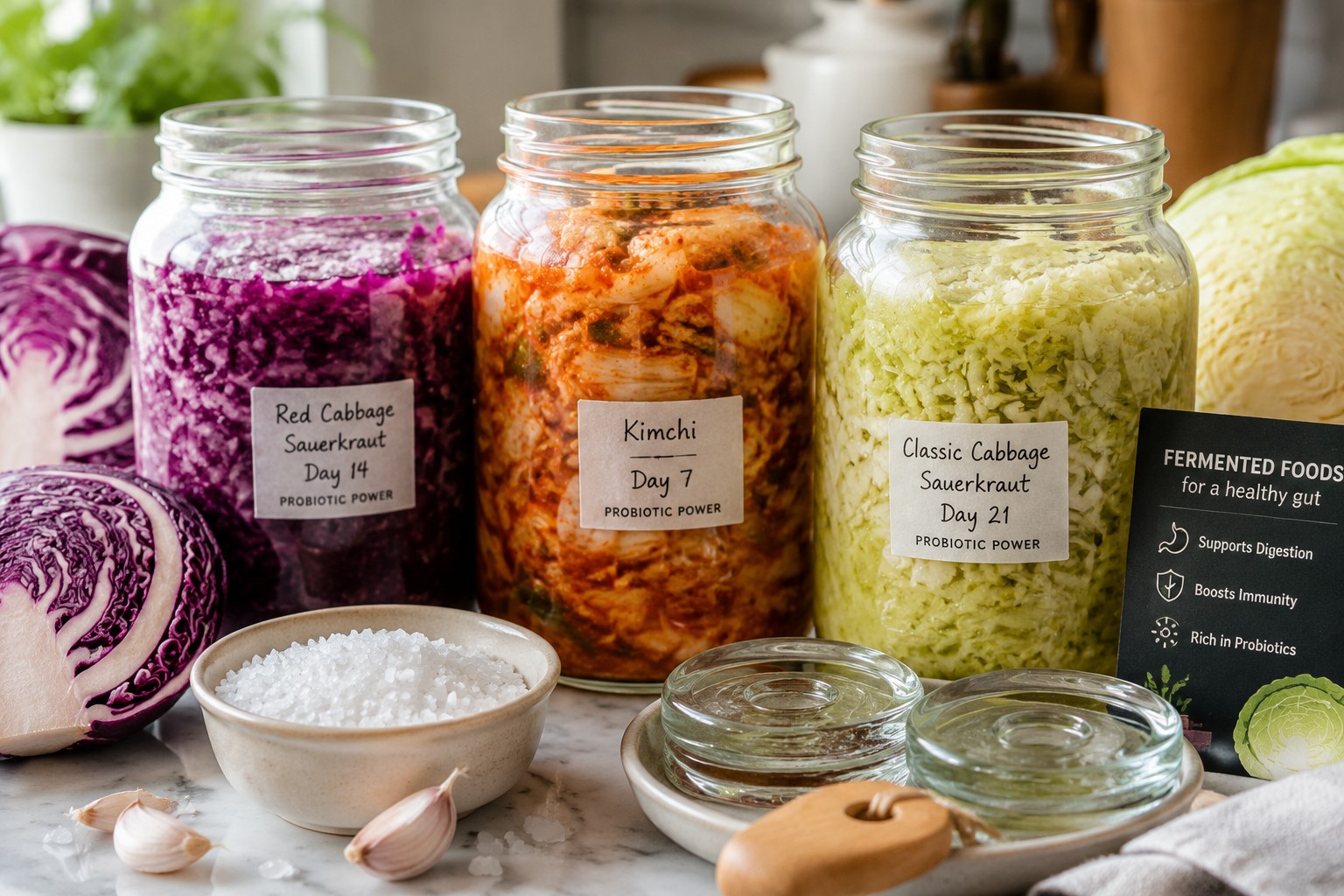
Basic sauerkraut method:
- Shred cabbage: Thinly slice 1 medium green or purple cabbage (about 2 pounds)
- Salt and massage: Sprinkle with 1-2 tablespoons sea salt, massage vigorously 5-10 minutes until cabbage releases liquid
- Pack tightly: Transfer to clean jar, pressing down firmly to submerge cabbage in its own brine
- Weight down: Use fermentation weight or small jar to keep cabbage submerged
- Ferment: Cover loosely, leave at room temperature 3-10 days, tasting daily until desired tanginess develops
- Store: Seal and refrigerate up to 6 months
Fermented cabbage variations:
- Purple cabbage quick pickle: Combine sliced purple cabbage and onion with red wine vinegar and salt for fast refrigerator pickles ready in 2 hours[8]
- Kimchi-style: Add gochugaru (Korean red pepper), garlic, ginger, fish sauce, and scallions to cabbage before fermenting
- Curtido (Salvadoran slaw): Mix cabbage with carrots, onions, oregano, and jalapeños for tangy, crunchy topping
- German-style with caraway: Add caraway seeds and juniper berries for traditional flavor
Fermentation troubleshooting:
- Mold on surface: Remove immediately and ensure cabbage stays submerged under brine
- Too salty: Rinse fermented cabbage before eating or use less salt next batch (aim for 2% salt by weight)
- Not bubbling: Fermentation may be slow in cold environments; move to warmer spot (65-75°F ideal)
Choose fermentation if you want maximum probiotic benefits and extended shelf life without canning equipment.
What Are the Best Cabbage Soup and Stew Recipes?
Cabbage soups and stews have seen a 95% search increase in 2026 because they deliver comfort, nutrition, and budget-friendly meals that feed crowds[1]. Cabbage’s ability to absorb flavors while maintaining texture makes it ideal for long-simmered preparations.
Trending cabbage soup recipes for 2026:
- Unstuffed cabbage soup: All the flavors of stuffed cabbage rolls (ground meat, rice, tomatoes, cabbage) in easy one-pot form
- Polish kapusniak: Sauerkraut-based soup with pork, potatoes, and mushrooms for tangy, hearty comfort
- Asian-inspired cabbage soup: Napa cabbage with ginger, garlic, miso, and tofu in clear broth
- Cabbage and white bean stew: Tuscan-style with cannellini beans, tomatoes, rosemary, and Parmesan rind
- Spicy cabbage detox soup: Green cabbage with turmeric, cayenne, lemon, and vegetables for wellness-focused meals
Soup-making tips:
- Add cabbage in stages: tough stems first, tender leaves in final 10 minutes
- Don’t overcook: Cabbage should be tender but not mushy (15-20 minutes max for most soups)
- Balance sweetness: Cabbage’s natural sugars intensify in soup; balance with acid (lemon, vinegar) or umami (soy sauce, miso)
- Make ahead: Cabbage soups taste better the next day as flavors meld
Choose cabbage soup if you’re meal prepping for the week, as most versions freeze well and improve with time.
How Do You Make Japanese-Style Cabbage Pancakes?
Japanese-style cabbage pancakes (okonomiyaki-inspired) feature finely chopped cabbage bound with minimal batter, creating light, crispy pancakes that showcase the vegetable rather than hiding it. The gluten-free version uses rice flour and Japanese seasonings for fluffy, flavorful results[5].
Gluten-free cabbage pancake recipe:
- Prep vegetables: Finely chop 2 cups green cabbage and 1 cup zucchini
- Make batter: Whisk together ½ cup rice flour, 2 eggs, ¼ cup water, 1 teaspoon Japanese seasoning (or dashi powder)
- Combine: Fold vegetables into batter until just coated
- Cook: Heat oil in skillet, form 4-inch pancakes, cook 3-4 minutes per side until golden
- Top: Drizzle with avocado-lime sauce, Greek yogurt-sriracha mix, and sliced scallions[5]
Pancake variations:
- Traditional okonomiyaki: Add boneless pork belly, top with okonomiyaki sauce, Japanese mayo, bonito flakes, and nori
- Korean pajeon-style: Mix cabbage with scallions, seafood, and Korean pancake mix
- Breakfast version: Add bacon bits and cheddar, serve with sour cream
- Vegan option: Replace eggs with flax eggs (1 tablespoon ground flax + 3 tablespoons water per egg)
Common mistake: Adding too much batter creates heavy, doughy pancakes. The ratio should be mostly vegetables with just enough batter to bind.
What Are the Best Grilled and Seared Cabbage Recipes?
Grilled cabbage develops smoky char and sweet caramelization that elevates it from side dish to showstopper, particularly with hispi (sweetheart) cabbage varieties that cook quickly and maintain structural integrity. High-heat cooking methods create the blistered edges that define 2026’s gourmet cabbage preparations[5][10].
Grilled hispi cabbage wedges:
- Quarter hispi cabbage lengthwise, keeping core attached
- Brush with olive oil, season generously with salt and pepper
- Grill over medium-high heat 4-5 minutes per side until charred
- Finish with lemon juice, flaky salt, and fresh herbs
- Optional: Drizzle with tahini sauce or romesco
Seared cabbage preparations:
- Pan-seared cabbage steaks: Sear thick green cabbage slices in cast iron until deeply browned, finish in oven
- Charred cabbage with XO sauce: Grill napa cabbage wedges, top with spicy XO sauce and crispy shallots
- Blackened cabbage: Coat wedges in Cajun spices, sear in hot skillet until blackened
- Grilled purple cabbage with blue cheese: Char purple cabbage, top with crumbled blue cheese and balsamic reduction
Grilling tips:
- Keep core intact: The stem holds wedges together during grilling
- Oil the grates: Prevents sticking and promotes even charring
- Don’t move too soon: Let cabbage develop crust before flipping (4-5 minutes)
- Finish with acid: Lemon, vinegar, or pickled elements balance cabbage’s sweetness
Choose grilling for summer entertaining when you want impressive vegetable dishes that rival any protein. For more techniques on keeping ingredients juicy during cooking, see our guide to preventing dry chicken breast.
What Are Creative Cabbage Salad and Slaw Recipes?
Raw cabbage salads showcase the vegetable’s crisp texture and ability to hold dressings without wilting, making them ideal for meal prep and potlucks. The 2026 trend emphasizes colorful, globally-inspired slaws that go beyond traditional mayonnaise-based versions.
Trending cabbage salad recipes:
- Red cabbage salad with edamame and miso dressing: Purple cabbage, shelled edamame, carrots, and sesame seeds with creamy miso-ginger dressing[5]
- Thai-inspired slaw: Green and purple cabbage with peanuts, cilantro, lime, and fish sauce dressing
- Apple-cabbage slaw: Shredded cabbage with julienned apples, dried cranberries, and cider vinaigrette
- Mexican street corn slaw: Cabbage with charred corn, cotija cheese, lime, and chili powder
- Asian peanut slaw: Napa cabbage with bell peppers, snap peas, and creamy peanut-lime dressing
Slaw-making secrets:
- Salt and drain: For crunchier slaw, salt shredded cabbage, let sit 30 minutes, rinse and drain before dressing
- Slice thin: Use mandoline or sharp knife for uniform, thin shreds that absorb dressing better
- Dress ahead: Most slaws improve after 2-4 hours as cabbage softens slightly and flavors meld
- Balance textures: Add nuts, seeds, or crispy elements for contrast
Cabbage salad benefits:
- Stays crisp for days in refrigerator (unlike lettuce-based salads)
- Improves with time as flavors develop
- Budget-friendly for feeding crowds
- Provides satisfying crunch and fiber
Choose raw cabbage preparations when you need make-ahead sides that won’t wilt or when seeking maximum vitamin C content (cooking reduces it).
How Do You Make Stuffed Cabbage Rolls?
Stuffed cabbage rolls (golumki, holishkes, or sarma depending on cultural tradition) involve wrapping seasoned filling in blanched cabbage leaves, then braising in sauce until tender. This traditional preparation has gained modern appeal through simplified techniques and creative filling variations.
Classic stuffed cabbage method:
- Prepare cabbage: Core whole cabbage, boil 8-10 minutes until leaves soften and separate easily
- Make filling: Combine ground meat (beef, pork, or turkey), cooked rice, onions, garlic, egg, and seasonings
- Assemble rolls: Place 2-3 tablespoons filling on each leaf, fold sides in, roll tightly
- Arrange in pot: Layer rolls seam-side down in Dutch oven or baking dish
- Add sauce: Pour tomato sauce mixed with broth over rolls
- Braise: Cover and simmer 1.5-2 hours until cabbage is very tender and flavors meld
Modern stuffed cabbage variations:
- Vegetarian quinoa rolls: Replace meat with quinoa, mushrooms, and walnuts
- Asian-inspired: Fill with pork, ginger, and water chestnuts, braise in soy-ginger broth
- Deconstructed cabbage bowl: Layer all ingredients in bowl for easier preparation
- Instant Pot version: Pressure cook 25 minutes for faster results
Troubleshooting stuffed cabbage:
- Leaves tearing: Choose savoy cabbage with flexible, crinkled leaves, or blanch longer
- Rolls falling apart: Secure with toothpicks or place seam-side down tightly in pot
- Bland filling: Season generously and add umami boosters (Worcestershire, soy sauce, tomato paste)
Choose stuffed cabbage rolls for special occasions or when you want impressive presentation that’s actually simple to execute.
What Are Quick Weeknight Cabbage Recipes?
Quick cabbage recipes deliver nutrition and flavor in under 30 minutes, perfect for busy weeknights when you need affordable, satisfying meals. These preparations emphasize simple techniques and minimal ingredients.
Fast cabbage recipes for 2026:
- Cabbage alfredo: Sautéed cabbage tossed with cream, Parmesan, and garlic for the 45% search increase dish[1]
- Stir-fried cabbage with ginger: Napa cabbage cooked with ginger, garlic, and soy sauce in 10 minutes
- Cabbage and sausage skillet: One-pan meal with sliced sausage, cabbage, onions, and potatoes
- Sesame cabbage noodles: Shredded cabbage sautéed with sesame oil, served over noodles
- Cabbage tacos: Sautéed cabbage with taco seasoning as vegetarian taco filling
Speed-cooking techniques:
- Shred thin: Thinner cuts cook faster and more evenly
- High heat: Quick sauté over high heat preserves crunch and nutrients
- Pre-cut: Buy pre-shredded coleslaw mix to save prep time
- Microwave shortcut: Microwave cabbage 3-4 minutes before sautéing to reduce cooking time
15-minute cabbage side dishes:
- Buttered cabbage: Sauté with butter, salt, pepper, and caraway seeds
- Lemon-garlic cabbage: Quick sauté with garlic, finish with lemon zest
- Spicy cabbage: Stir-fry with red pepper flakes and soy sauce
- Creamy cabbage: Sauté then add splash of cream and Dijon mustard
Choose quick cabbage preparations when you need vegetables on the table fast without sacrificing nutrition or flavor. For more quick dinner ideas, explore our easy weeknight chicken recipes.
How Do You Store and Prep Cabbage for Maximum Freshness?
Proper cabbage storage and prep techniques extend shelf life and reduce waste, making this already economical vegetable even more budget-friendly. Whole cabbage heads can last 2-3 months when stored correctly, while cut cabbage stays fresh 3-5 days.
Storage guidelines:
- Whole heads: Store unwashed in crisper drawer, wrapped loosely in plastic or in perforated bag
- Cut cabbage: Wrap tightly in plastic wrap or store in airtight container, use within 3-5 days
- Shredded cabbage: Store in sealed container with paper towel to absorb moisture, use within 2-3 days
- Cooked cabbage: Refrigerate in airtight container up to 4 days, freeze up to 3 months
Prep techniques:
- Remove outer leaves: Discard any wilted or damaged outer leaves
- Quarter and core: Cut cabbage into quarters, cut out tough core at an angle
- Slice or shred: Use sharp knife or mandoline for uniform pieces
- Rinse after cutting: Wash cut cabbage in cold water, drain well
Reducing waste:
- Use cores: Chop cores finely for slaws or soups (they’re edible, just tougher)
- Save outer leaves: Use for wrapping other foods or composting
- Freeze extras: Blanch and freeze cabbage for future soups and stews
- Make stock: Simmer cabbage scraps with other vegetables for flavorful broth
Signs of spoilage:
- Strong sulfur smell (beyond normal cabbage odor)
- Slimy texture or dark spots
- Yellowing or browning leaves
- Soft, mushy texture
Choose proper storage methods to maximize your cabbage investment and reduce food waste throughout the year.
What Are the Best Cabbage Recipes for Special Diets?
Cabbage naturally fits multiple dietary patterns, making it ideal for accommodating various nutritional needs and preferences. Its versatility allows for adaptations across vegan, gluten-free, keto, and paleo diets.
Diet-specific cabbage recipes:
Keto/Low-carb:
- Cabbage noodles (shredded cabbage as pasta substitute)
- Cabbage lasagna (layers replace pasta)
- Stuffed cabbage with cauliflower rice filling
- Roasted cabbage steaks with butter and Parmesan
Vegan:
- Vegan cabbage rolls with lentil-walnut filling
- Cabbage and chickpea curry
- Asian cabbage salad with peanut dressing
- Braised cabbage with white beans
Gluten-free:
- Rice flour cabbage pancakes[5]
- Naturally gluten-free fermented cabbage
- Cabbage soup with gluten-free grains
- Grilled cabbage with gluten-free sauces
Paleo:
- Cabbage wrapped fish or meat
- Fermented cabbage (probiotic-rich)
- Roasted cabbage with ghee
- Cabbage and grass-fed beef stir-fry
Nutritional benefits by diet:
| Diet Type | Cabbage Benefits | Best Preparations |
|---|---|---|
| Keto | Low carb (5g per cup), high fiber | Roasted, sautéed, raw |
| Vegan | Plant protein when paired with legumes | Stuffed, curried, fermented |
| Gluten-free | Naturally gluten-free, grain substitute | Noodles, wraps, pancakes |
| Paleo | Whole food, anti-inflammatory | Fermented, roasted, raw |
| FODMAP | Low FODMAP in small amounts | Cooked, not fermented |
Common mistake: Assuming all cabbage preparations work for all diets. Fermented cabbage may not suit low-FODMAP diets, and some sauces contain hidden gluten or dairy.
FAQ
Is cabbage really trending in 2026? Yes, Pinterest Predicts 2026 named “Cabbage Crush” the top food trend, with searches for cabbage dumplings up 110%, cabbage soup up 95%, and Green Chef officially declaring 2026 the “Year of the Cabbage”[1][2][4].
What’s the healthiest way to eat cabbage? Raw or lightly fermented cabbage preserves maximum vitamin C and beneficial enzymes, while light steaming or quick sautéing maintains nutrients better than long boiling. Fermented cabbage adds probiotic benefits for gut health[4][9].
How long does cabbage last in the refrigerator? Whole cabbage heads last 2-3 months in the crisper drawer, cut cabbage stays fresh 3-5 days when wrapped tightly, and cooked cabbage keeps 4 days in an airtight container.
Can you freeze cabbage? Yes, blanch cabbage 1-2 minutes, cool in ice water, drain well, and freeze in portions for up to 3 months. Frozen cabbage works best in cooked dishes like soups and stir-fries rather than raw applications.
What’s the difference between green and purple cabbage? Purple cabbage contains more antioxidants (anthocyanins) and has a slightly peppery flavor, while green cabbage is milder and sweeter. Both offer similar nutritional benefits and can be used interchangeably in most recipes.
Why does cabbage smell when cooking? Cabbage releases sulfur compounds (glucosinolates) when cooked, especially when overcooked. Minimize odor by cooking quickly at high heat or embracing long fermentation, which transforms these compounds.
Is cabbage good for weight loss? Yes, cabbage is extremely low in calories (22 per cup raw) but high in fiber and water content, promoting fullness and supporting weight management when part of a balanced diet[4][9].
What cabbage variety is best for dumplings? Napa cabbage works best for dumplings because its tender, delicate leaves and mild flavor create the authentic texture and taste that drove the 110% search increase[1].
Can you eat cabbage raw? Absolutely. Raw cabbage provides maximum vitamin C and enzymes, works perfectly in slaws and salads, and offers satisfying crunch. Slice thinly and massage with salt to soften if desired.
How do you cut cabbage for roasting? Slice cabbage into 1-1.5 inch thick steaks with the stem facing down on your cutting board, keeping the core attached to hold layers together during roasting[5][10].
What pairs well with cabbage? Cabbage pairs excellently with acidic ingredients (vinegar, lemon, tomatoes), rich fats (butter, olive oil, sesame oil), umami flavors (soy sauce, miso, Parmesan), and warming spices (caraway, cumin, ginger).
Is fermented cabbage the same as sauerkraut? Sauerkraut is one type of fermented cabbage (German-style with salt only), while other fermented cabbage preparations include kimchi (Korean with spices), curtido (Salvadoran with vegetables), and various pickled versions.
Conclusion
Cabbage’s big comeback in 2026 represents more than a passing trend—it’s a rediscovery of an affordable, nutritious, and incredibly versatile vegetable that deserves center-plate recognition. From the 110% surge in cabbage dumpling searches to Vogue declaring it the “chicest vegetable of 2026,” this humble cruciferous star has proven it can transform from simple side dish to gourmet centerpiece[1][2].
The 15 gourmet recipes explored here—spanning dumplings, fermented delights, roasted steaks, Japanese pancakes, and creative salads—demonstrate cabbage’s remarkable adaptability across global cuisines and dietary preferences. Whether you’re drawn to the probiotic benefits of fermentation, the caramelized edges of roasted cabbage steaks, or the comforting warmth of stuffed cabbage rolls, there’s a preparation method that fits your cooking style and nutritional goals.
Take action this week:
- Start simple: Try roasted cabbage steaks or a quick stir-fry to experience cabbage’s transformation through high-heat cooking
- Experiment with fermentation: Begin a basic sauerkraut batch to explore gut-healthy preparations
- Make dumplings: Gather friends or family for a dumpling-folding session using the trending cabbage filling
- Prep for the week: Shred cabbage for multiple uses—slaws, soups, and quick sautés throughout the week
- Try a new variety: If you always buy green cabbage, experiment with purple, napa, or hispi for different flavors and textures
The Year of the Cabbage offers budget-conscious home cooks an opportunity to embrace a vegetable that delivers exceptional nutrition, culinary versatility, and year-round availability. With these 15 gourmet recipes as your starting point, you’re equipped to join the “Cabbage Crush” movement and discover why this leafy vegetable has become 2026’s most exciting culinary trend.
For more inspiration on creating juicy, flavorful meals, explore our collection of easy dinner recipes and cooking technique guides.
References
[1] Popular Vegetable 2026 Cabbage – https://www.tastingtable.com/2075456/popular-vegetable-2026-cabbage/
[2] Cabbages Are Everywhere Heres Why Its More Than A Trend – https://www.salon.com/2026/02/21/cabbages-are-everywhere-heres-why-its-more-than-a-trend/
[3] Bye Cauliflower 2026 Cabbage Famous 181500937 – https://ca.style.yahoo.com/bye-cauliflower-2026-cabbage-famous-181500937.html
[4] Why Cabbage Is Trending 2026 – https://www.cravemag.co.uk/why-cabbage-is-trending-2026/
[5] Watch – https://www.youtube.com/watch?v=JPWKU5ls24o
[6] Cabbage Recipes 11885505 – https://www.southernliving.com/cabbage-recipes-11885505
[7] Watch – https://www.youtube.com/watch?v=mNKe-3lWYJw
[8] Watch – https://www.youtube.com/watch?v=QFbfOPPKDPY
[9] Cabbage Super Food Recipes – https://www.canyonranch.com/well-stated/post/cabbage-super-food-recipes
[10] Cabbage Food Trend 2026 23762917 – https://www.thekitchn.com/cabbage-food-trend-2026-23762917


