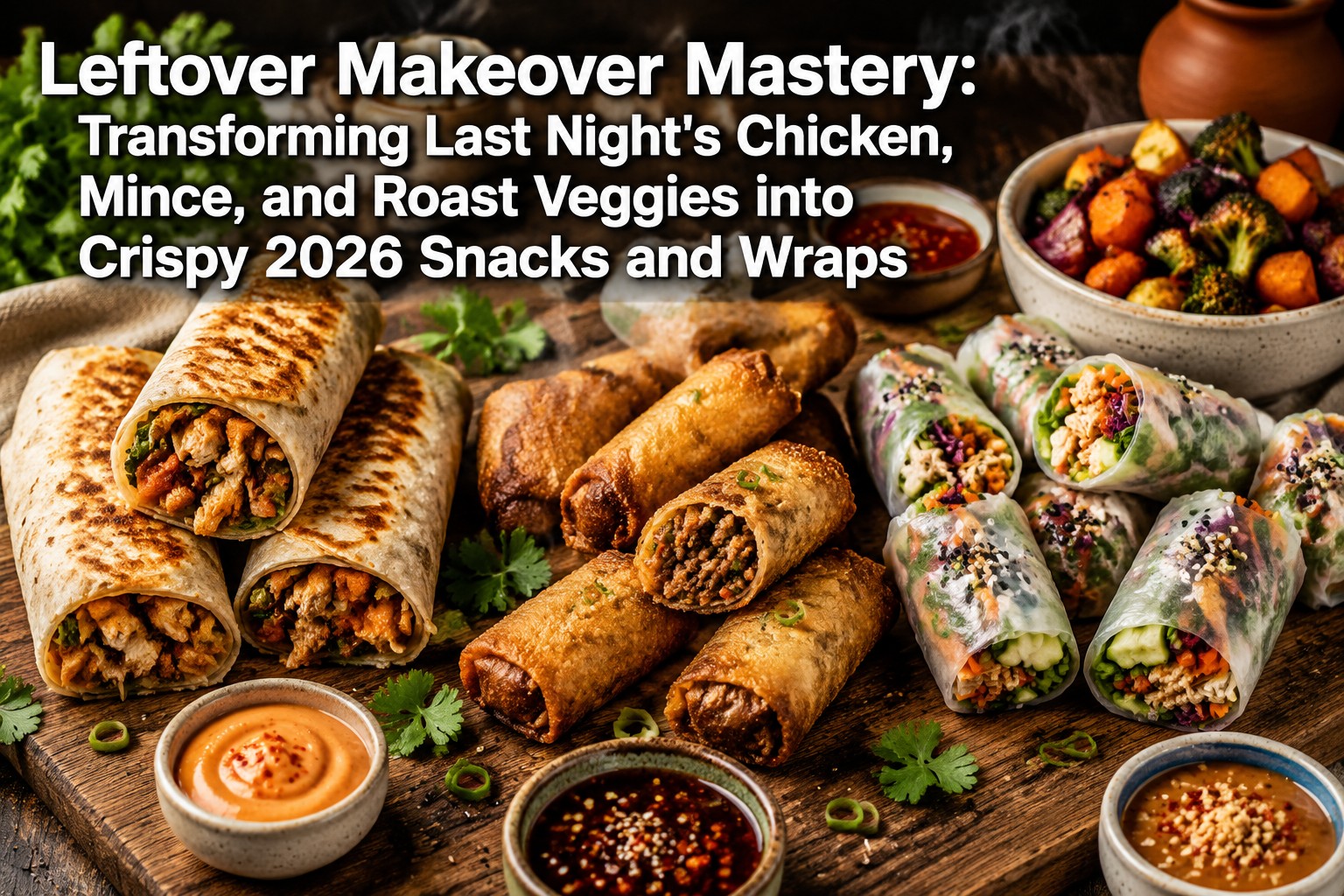
Leftover Makeover Mastery: Transforming Last Night’s Chicken, Mince, and Roast Veggies into Crispy 2026 Snacks and Wraps
Last updated: May 12, 2026
Quick Answer
Leftover Makeover Mastery: Transforming Last Night’s Chicken, Mince, and Roast Veggies into Crispy 2026 Snacks and Wraps turns yesterday’s dinner into exciting new textures using air fryers, rice paper, and dumpling wrappers. Shred leftover chicken, reheat mince with fresh seasonings, and wrap roasted vegetables into crispy parcels with upgraded sauces. These 12 zero-waste recipes eliminate leftover boredom while reducing food waste in 2026’s home kitchens.
Key Takeaways
- Texture transformation is the secret: air-frying, pan-crisping, and wrapping change how leftovers taste and feel
- Shredded chicken works best in rice paper rolls, tortilla wraps, and dumpling fillings when mixed with fresh herbs
- Leftover mince (beef, turkey, or lamb) reheats perfectly in spring roll wrappers or as taco filling with new spices
- Roasted vegetables become crispy fritters, quesadilla fillings, or samosa centers when combined with binding agents
- Sauce upgrades (spicy mayo, tahini-lime, sweet chili) make old proteins taste completely new
- Air fryers at 375-400°F create restaurant-quality crispiness without deep frying
- Rice paper technique: dip in warm water for 10 seconds, fill immediately, then pan-fry for crunch
- Batch prep on Sunday transforms 3-4 leftover containers into 12+ grab-and-go snacks for the week
- Zero-waste approach uses every protein scrap, vegetable end, and sauce drip
- 2026 trend alignment: home cooks prioritize texture variety and creative repurposing over traditional reheating
Why Does Leftover Makeover Mastery Work Better Than Simple Reheating?
Leftover Makeover Mastery: Transforming Last Night’s Chicken, Mince, and Roast Veggies into Crispy 2026 Snacks and Wraps works because it changes texture, not just temperature. Reheating makes proteins drier and vegetables soggier, but wrapping and crisping creates new surfaces that trap moisture inside while delivering crunch outside.
The science is simple: when you wrap leftover chicken in rice paper or a tortilla and then air-fry or pan-fry it, you’re creating a protective barrier. This barrier:
- Seals in remaining moisture from the original cooking
- Adds new fat from oil or spray coating
- Creates Maillard reaction (browning) on the wrapper surface
- Introduces contrasting textures that make your brain perceive it as a new dish
Choose this method if you’re tired of microwave-steamed leftovers that taste exactly like yesterday. Skip it if you genuinely enjoy traditional reheating or don’t have 15-20 minutes for assembly.
Common mistake: Overfilling wraps causes them to burst during cooking. Use 2-3 tablespoons of filling per wrapper maximum.
What Makes Leftover Chicken Perfect for Crispy 2026 Wraps?
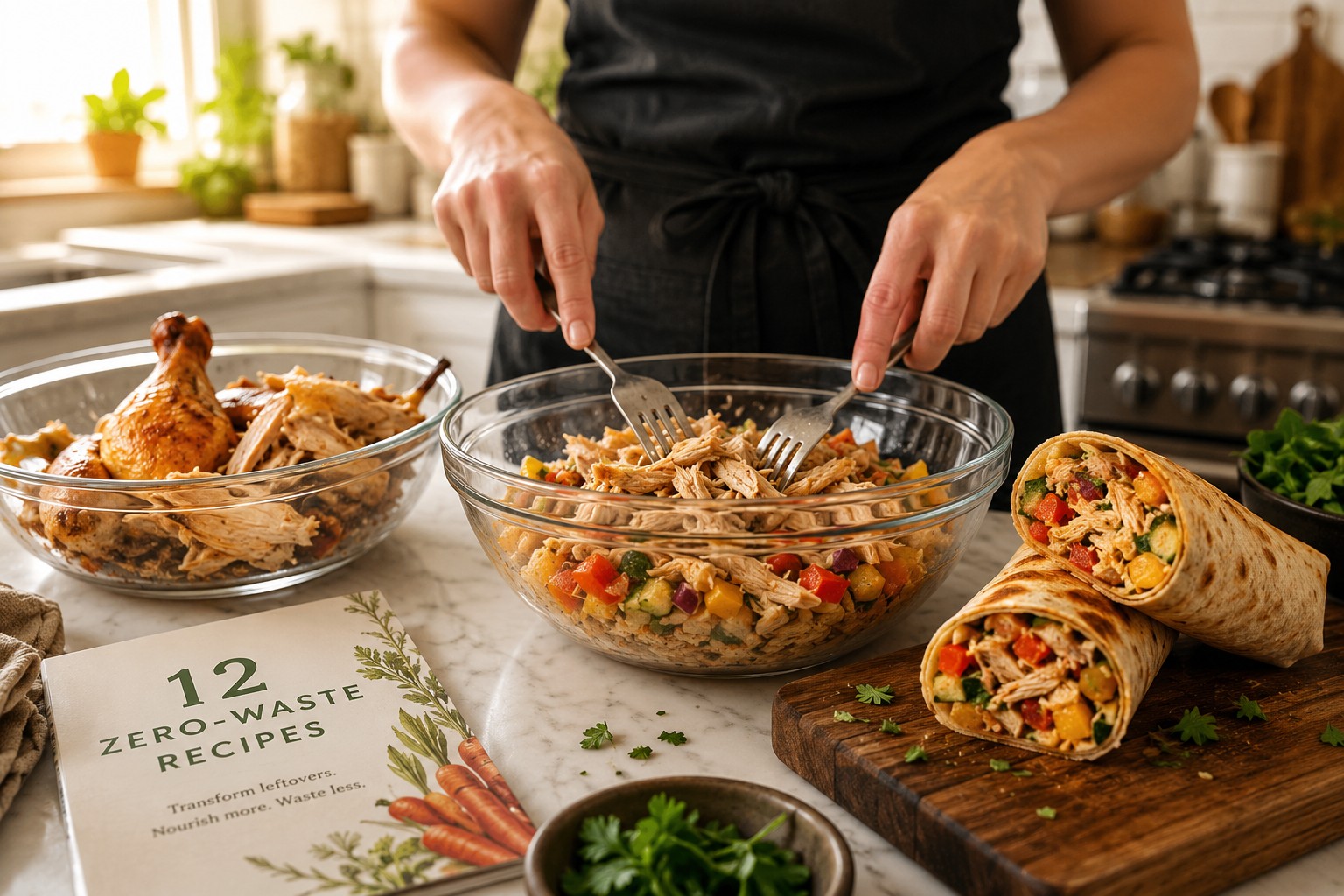
Leftover chicken (breast, thigh, or rotisserie) is already cooked and seasoned, making it the fastest protein to transform. Shred it with two forks or chop it into small pieces, then mix with fresh ingredients to mask any dryness.
Best chicken leftover transformations:
Rice paper spring rolls – Shred chicken, add julienned carrots, cucumber, mint, and vermicelli noodles. Roll tightly, then pan-fry in 1 tablespoon oil until golden (3 minutes per side).
Air-fried tortilla wraps – Mix chopped chicken with black beans, corn, and shredded cheese. Wrap in flour tortilla, spray with oil, air-fry at 380°F for 8 minutes, flipping halfway.
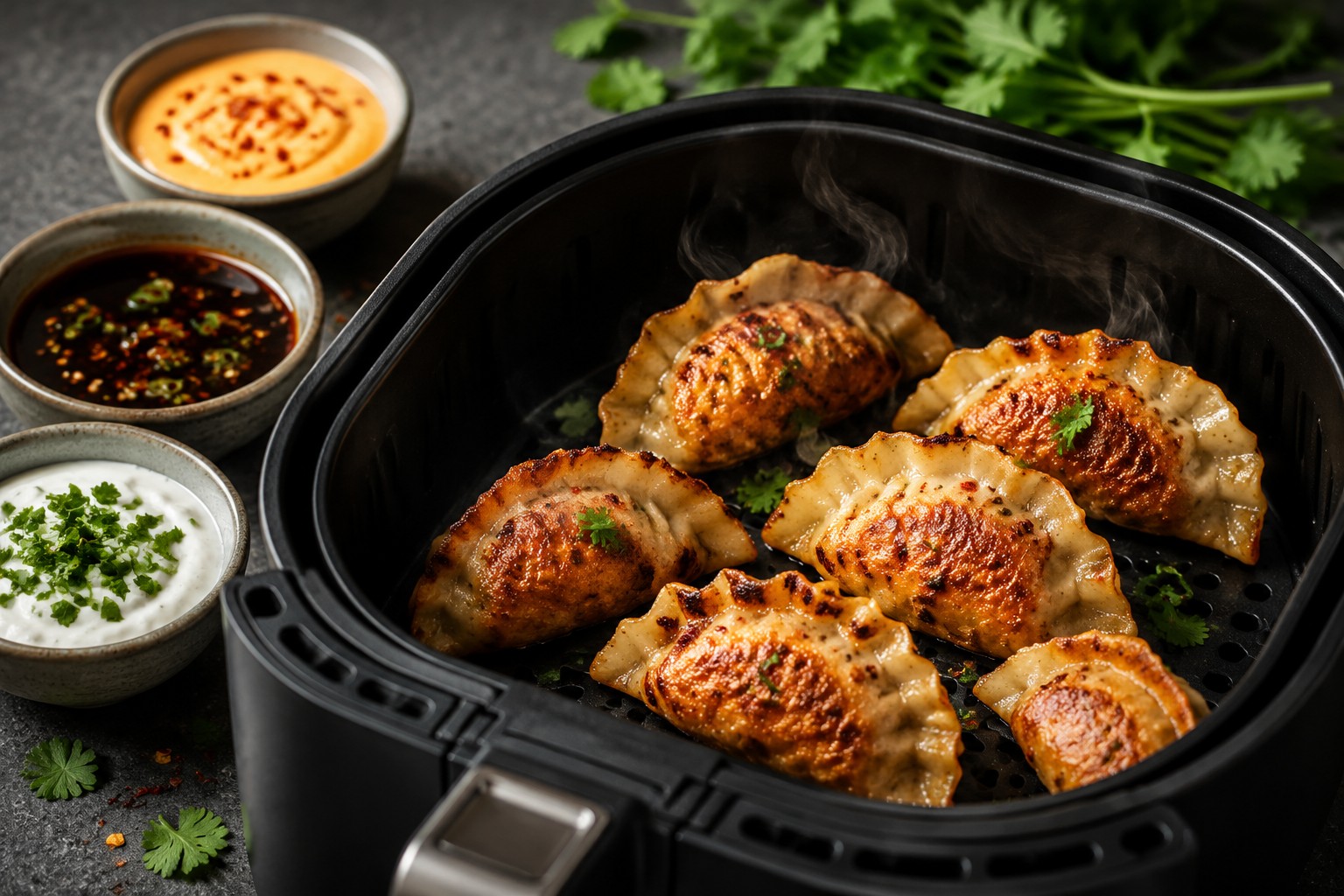
Crispy chicken dumplings – Combine minced chicken with cabbage, ginger, and soy sauce. Fill wonton wrappers, seal edges with water, pan-fry in oil until bottoms are golden, then add ¼ cup water and cover to steam (6 minutes total).
Buffalo chicken egg rolls – Toss shredded chicken in buffalo sauce, mix with cream cheese and celery. Roll in egg roll wrappers, air-fry at 400°F for 10 minutes.
Decision rule: If your leftover chicken is already dry, add 2 tablespoons of mayo, Greek yogurt, or cream cheese per cup of meat before wrapping. This adds back moisture and helps ingredients stick together.
Edge case: Rotisserie chicken skin can be chopped and added to fillings for extra flavor, or crisped separately in the air fryer as a topping.
How Do You Transform Leftover Mince Into Crispy Snacks?
Leftover mince (ground beef, turkey, lamb, or chicken) reheats beautifully when you add fresh aromatics and wrap it in crispy shells. The key is rehydrating the meat with a small amount of liquid and new seasonings.
Rehydration technique:
- Heat 1 tablespoon oil in a pan
- Add leftover mince and break it apart
- Add 2-3 tablespoons of liquid (broth, tomato sauce, or water)
- Stir in fresh spices (cumin, paprika, garlic powder)
- Cook for 3-4 minutes until heated through and slightly saucy
4 crispy mince makeovers:
Samosa triangles – Mix reheated mince with peas and curry powder. Fill spring roll wrappers cut in half diagonally, fold into triangles, brush with oil, bake at 400°F for 15 minutes.
Taco egg rolls – Season mince with taco spices, add shredded cheese and diced jalapeños. Roll in egg roll wrappers, fry or air-fry until golden.
Meat-stuffed rice paper parcels – Wrap seasoned mince with fresh herbs and lettuce in rice paper. Pan-fry until crispy on both sides (4 minutes total).
Mini mince pies – Press leftover mince into muffin tins lined with puff pastry, top with another pastry layer, bake at 375°F for 20 minutes.
Sauce upgrade: Mix equal parts sour cream and salsa with a squeeze of lime for an instant dipping sauce that makes any mince snack taste restaurant-quality.
Common mistake: Don’t skip the rehydration step. Dry mince creates dry snacks, no matter how crispy the wrapper.
What’s the Best Way to Use Roasted Vegetables in Wraps?
Roasted vegetables (carrots, zucchini, bell peppers, sweet potato, Brussels sprouts) need a binding agent to hold together in wraps. Without it, they’ll fall apart when you bite in.
Binding options:
- Hummus (2 tablespoons per cup of vegetables)
- Mashed chickpeas or white beans
- Cream cheese or goat cheese
- Beaten egg (for fritters and patties)
- Cooked quinoa or rice (½ cup per cup of vegetables)
5 roasted veggie transformations:
Veggie quesadillas – Spread hummus on tortilla, add chopped roasted vegetables and cheese, fold and pan-fry until crispy (3 minutes per side).
Vegetable fritters – Mash roasted vegetables, mix with 1 egg and 3 tablespoons flour per cup of vegetables. Form patties, pan-fry in oil until golden (4 minutes per side).
Crispy veggie spring rolls – Wrap roasted vegetables with rice noodles and fresh herbs in rice paper. Pan-fry or air-fry at 375°F for 8 minutes.
Stuffed pita pockets – Fill pita halves with roasted vegetables, feta cheese, and tahini sauce. Toast in oven at 350°F for 5 minutes.
Vegetable hand pies – Encase chopped roasted vegetables in store-bought pie dough, crimp edges, brush with egg wash, bake at 400°F for 18 minutes.
Choose this if: Your vegetables are still firm. If they’re mushy, turn them into fritters or patties instead of wraps.
How Does Leftover Makeover Mastery Fit 2026 Food Trends?
In 2026, home cooks are prioritizing texture variety and zero-waste cooking over traditional meal prep. The rise of air fryers (now in 65% of U.S. households) and the return of snack wraps to fast-food menus have made crispy, handheld foods the default comfort choice.
2026 trends driving leftover transformation:
- Texture-first eating – People want crunch, chew, and contrast in every meal
- Snackification – Smaller, frequent eating occasions replace three large meals
- Zero-waste pressure – Food costs remain high, making leftover use essential
- Air fryer dominance – This appliance makes crispy results accessible without deep frying
- Global wrapper adoption – Rice paper, wonton wrappers, and tortillas are now pantry staples
- Sauce culture – Upgraded dipping sauces (not ketchup) are expected with every snack
Example: McDonald’s reintroduced snack wraps in 2026, signaling that wrapped, handheld proteins are back in mainstream food culture. Home cooks are following this trend by creating their own versions from leftovers.
Decision rule: If you’re cooking dinner in 2026, plan for leftover transformation from the start. Make extra chicken, mince, or vegetables specifically to turn into next-day snacks.
What Are the 12 Essential Leftover Makeover Recipes?
These recipes cover the most common leftover scenarios and deliver maximum texture transformation with minimum effort. Each takes 15-25 minutes from leftover to crispy snack.
Chicken-Based Recipes
1. Crispy Chicken Spring Rolls
- Shred 1 cup leftover chicken
- Mix with julienned carrot, cucumber, mint, and cooked rice noodles
- Wrap in rice paper (dipped in warm water for 10 seconds)
- Pan-fry in 1 tablespoon oil until golden (3 minutes per side)
- Serve with sweet chili sauce
2. Buffalo Chicken Quesadillas
- Toss 1 cup chopped chicken with ¼ cup buffalo sauce
- Spread on tortilla with ½ cup shredded cheese and diced celery
- Top with second tortilla, pan-fry until crispy (3 minutes per side)
- Cut into wedges, serve with ranch dressing
3. Chicken and Veggie Dumplings
- Combine ¾ cup minced chicken with ¼ cup finely chopped cabbage
- Add 1 teaspoon grated ginger, 1 tablespoon soy sauce
- Fill wonton wrappers, seal with water
- Pan-fry in oil, add water and steam until cooked (6 minutes)
4. Air-Fried Chicken Taquitos
- Mix 1 cup shredded chicken with ½ cup refried beans and ½ cup cheese
- Roll tightly in small flour tortillas, secure with toothpicks
- Spray with oil, air-fry at 400°F for 8 minutes, turning once
- Remove toothpicks, serve with salsa and sour cream
Mince-Based Recipes
5. Beef Samosa Triangles
- Reheat 1 cup leftover beef mince with ½ cup peas and 1 teaspoon curry powder
- Cut spring roll wrappers in half diagonally
- Place filling at wide end, fold into triangles, seal with water
- Brush with oil, bake at 400°F for 15 minutes
6. Turkey Taco Egg Rolls
- Season 1 cup leftover turkey mince with taco seasoning
- Mix with ½ cup shredded cheese and diced jalapeños
- Roll in egg roll wrappers, seal edges with water
- Air-fry at 390°F for 10 minutes, flipping halfway
7. Lamb and Feta Parcels
- Combine 1 cup leftover lamb mince with ¼ cup crumbled feta and chopped mint
- Wrap in phyllo dough (3 sheets per parcel, brushed with butter between layers)
- Bake at 375°F for 18 minutes until golden
8. Mince-Stuffed Rice Paper Rolls
- Reheat ¾ cup mince with 2 tablespoons hoisin sauce
- Wrap with lettuce, cucumber, and fresh herbs in rice paper
- Pan-fry until crispy (2 minutes per side)
- Serve with peanut dipping sauce
Vegetable-Based Recipes
9. Roasted Veggie Fritters
- Mash 1½ cups roasted vegetables (any combination)
- Mix with 1 beaten egg, 3 tablespoons flour, salt, and pepper
- Form into patties, pan-fry in oil until golden (4 minutes per side)
- Top with yogurt-herb sauce
10. Sweet Potato and Black Bean Quesadillas
- Mash 1 cup roasted sweet potato with ½ cup black beans
- Spread on tortilla with cheese and cumin
- Fold and pan-fry until crispy (3 minutes per side)
- Serve with avocado and lime
11. Mixed Veggie Spring Rolls
- Chop 1 cup roasted vegetables into small pieces
- Mix with cooked rice noodles and fresh basil
- Wrap in rice paper, air-fry at 375°F for 8 minutes
- Serve with tahini-lime sauce
12. Vegetable Hand Pies
- Dice 1 cup roasted vegetables, mix with 2 tablespoons cream cheese
- Cut store-bought pie dough into 4-inch circles
- Fill, fold, crimp edges, brush with egg wash
- Bake at 400°F for 18 minutes
Pro tip: Double-wrap delicate fillings (like very soft vegetables) in rice paper to prevent tearing during cooking.
What Sauce Upgrades Make Leftovers Taste New?
Sauces are the fastest way to make leftover-based snacks taste completely different from the original meal. Mix these in 2 minutes or less.
6 essential sauce upgrades:
| Sauce Name | Ingredients | Best For | Flavor Profile |
|---|---|---|---|
| Spicy Mayo | ½ cup mayo + 2 tbsp sriracha + 1 tsp lime juice | Chicken wraps, egg rolls | Creamy, spicy, tangy |
| Tahini-Lime | ¼ cup tahini + 2 tbsp lime juice + 1 tbsp water + salt | Veggie fritters, falafel-style snacks | Nutty, bright, savory |
| Sweet Chili Glaze | ¼ cup sweet chili sauce + 1 tbsp soy sauce + 1 tsp sesame oil | Spring rolls, dumplings | Sweet, tangy, umami |
| Herb Yogurt | ½ cup Greek yogurt + 2 tbsp chopped herbs + garlic + lemon | Lamb parcels, veggie fritters | Cool, fresh, herbal |
| Peanut Dipping | 3 tbsp peanut butter + 2 tbsp soy sauce + 1 tbsp rice vinegar + 1 tsp honey + water to thin | Rice paper rolls, satay-style wraps | Rich, savory, slightly sweet |
| Chipotle Crema | ½ cup sour cream + 1 chipotle pepper (minced) + 1 tsp adobo sauce + lime | Taquitos, quesadillas | Smoky, creamy, spicy |
Sauce storage: All these sauces keep for 5-7 days in the fridge. Make a batch on Sunday to use throughout the week.
Common mistake: Don’t drown your crispy snacks in sauce. Serve sauce on the side for dipping to maintain crunch.
How Do You Prevent Leftover Wraps From Getting Soggy?
Sogginess happens when moisture from fillings seeps into wrappers before or during cooking. Prevent it with these techniques.
Anti-soggy strategies:
Pat fillings dry – Use paper towels to remove excess moisture from leftover chicken, mince, or vegetables before wrapping
Add a moisture barrier – Place a lettuce leaf or thin layer of cheese between wet fillings and the wrapper
Don’t overfill – Use 2-3 tablespoons of filling maximum per wrapper to prevent bursting and moisture buildup
Cook immediately – Don’t let assembled wraps sit for more than 10 minutes before cooking (moisture will transfer to wrapper)
Use high heat – Air-fry at 375-400°F or pan-fry in hot oil to quickly crisp the exterior before interior moisture spreads
Avoid watery vegetables – Tomatoes, cucumbers, and zucchini release water when heated. Use them in cold rolls only, or cook them separately first
Double-wrap delicate items – For very wet fillings, use two layers of rice paper or wrap in lettuce before wrapping in the outer shell
For make-ahead: Assemble wraps, place on parchment paper, freeze in single layer for 2 hours, then transfer to freezer bags. Cook from frozen, adding 3-4 minutes to cooking time.
Edge case: If you’re making rice paper rolls to eat cold (not fried), assemble them no more than 2 hours before serving and store covered with damp paper towels in the fridge.
What Equipment Makes Leftover Transformation Easier?
You don’t need specialized tools, but these items speed up the process and improve results.
Essential equipment:
Air fryer (3-5 quart capacity) – Creates crispy exteriors without deep frying. Set to 375-400°F for most wraps and snacks.
Non-stick pan (10-12 inch) – For pan-frying spring rolls, quesadillas, and dumplings with minimal oil.
Sharp knife and cutting board – Chopping leftover proteins and vegetables into small, uniform pieces ensures even cooking.
Mixing bowls (various sizes) – For combining fillings and keeping ingredients organized.
Pastry brush – For applying oil or egg wash to wraps before baking.
Kitchen shears – For cutting wonton wrappers, phyllo dough, and trimming excess wrapper edges.
Nice-to-have upgrades:
- Mandoline slicer – Creates uniform vegetable julienne for spring rolls in seconds
- Food processor – Quickly minces leftover chicken or vegetables for dumpling fillings
- Silicone basting brush – Easier to clean than traditional pastry brushes
- Wire cooling rack – Keeps fried items crispy by allowing air circulation underneath
Budget alternative: If you don’t have an air fryer, use your oven at 400°F with a wire rack placed on a baking sheet. Spray or brush items with oil and flip halfway through cooking.
How Long Do Leftover-Based Snacks Stay Fresh?
Properly stored, these transformed leftovers last as long as the original cooked protein or vegetables (3-4 days in the fridge for most items).
Storage guidelines:
Refrigerator (3-4 days):
- Store cooked wraps and snacks in airtight containers with paper towels to absorb moisture
- Keep sauces separate to maintain crispiness
- Reheat in air fryer at 350°F for 3-5 minutes or in oven at 375°F for 8-10 minutes (don’t microwave or they’ll get soggy)
Freezer (2-3 months):
- Freeze assembled but uncooked wraps on parchment-lined baking sheets until solid (2 hours)
- Transfer to freezer bags, removing as much air as possible
- Label with contents and date
- Cook from frozen, adding 3-5 minutes to original cooking time
Cooked and frozen (1-2 months):
- Cool completely before freezing
- Wrap individually in parchment paper, then place in freezer bags
- Reheat from frozen in air fryer at 350°F for 8-10 minutes
Don’t freeze:
- Rice paper rolls meant to be eaten cold (they become gummy)
- Wraps with fresh lettuce, cucumber, or tomato (water content ruins texture)
- Cream cheese-based fillings (they can separate when thawed)
Food safety note: If your original leftovers were already 2-3 days old when you transformed them, eat the new snacks within 1-2 days maximum. The clock doesn’t reset just because you changed the format.
What Common Mistakes Ruin Leftover Transformations?
Even experienced cooks make these errors when repurposing leftovers into crispy snacks.
Top 8 mistakes and fixes:
Overfilling wrappers → Use a tablespoon to measure filling (2-3 tablespoons maximum per wrapper)
Not sealing edges properly → Brush edges with water or beaten egg before folding, then press firmly to seal
Using cold fillings → Bring leftovers to room temperature before wrapping (cold fillings create condensation that makes wrappers soggy)
Skipping the oil → Even in an air fryer, spray or brush wrappers with oil for golden, crispy results
Crowding the pan or air fryer → Leave space between items for air circulation (cook in batches if needed)
Not adjusting seasonings → Leftovers lose flavor intensity when cold. Add fresh herbs, spices, or salt before wrapping.
Using the wrong wrapper → Thick fillings need sturdy wrappers (egg roll, tortilla). Delicate fillings work with rice paper or wonton wrappers.
Reheating in the microwave → This steams wrappers and makes them soggy. Always use dry heat (air fryer, oven, or pan-frying).
Pro tip: Taste your filling mixture before wrapping. If it tastes bland cold, it’ll taste bland wrapped. Add seasonings until the filling tastes slightly over-seasoned (cooking will mellow the flavors).
FAQ
Can you use leftover chicken that’s been frozen? Yes, but thaw it completely in the refrigerator first, then pat it very dry with paper towels. Frozen-then-thawed chicken releases more moisture than fresh leftovers, so you may need to add a binding agent like mayo or cream cheese to keep the filling cohesive.
What’s the best wrapper for beginners? Flour tortillas are the most forgiving. They’re sturdy, don’t require special preparation, and crisp up beautifully when pan-fried or air-fried. Start with quesadillas or simple wraps before moving to delicate rice paper or wonton wrappers.
How do you know when air-fried wraps are done? They should be golden brown and crispy to the touch. Internal temperature should reach 165°F if they contain chicken or other poultry. For vegetable-only wraps, cook until the wrapper is uniformly golden (usually 8-12 minutes at 375-400°F).
Can you make these recipes with raw ingredients instead of leftovers? Yes, but you’ll need to cook proteins and vegetables first. The advantage of using leftovers is that everything is already cooked and seasoned, cutting prep time in half. If using raw ingredients, cook them completely before wrapping.
What if you don’t have an air fryer? Pan-fry in 1-2 tablespoons of oil over medium-high heat (3-4 minutes per side) or bake on a wire rack at 400°F (12-18 minutes, flipping halfway). Both methods work well, though air frying uses less oil.
How do you prevent rice paper from tearing? Dip rice paper in warm (not hot) water for exactly 10 seconds, then lay it on a damp cutting board or plate. Work quickly while it’s still slightly firm—it will continue to soften as you fill it. Don’t soak it until it’s completely soft or it will tear.
Can you use leftover rotisserie chicken? Absolutely. Rotisserie chicken is ideal because it’s already well-seasoned and moist. Remove the skin (save it to crisp separately as a topping), then shred or chop the meat. The dark meat from thighs and legs works especially well in wraps because it stays moist.
What’s the best way to reheat leftover mince? Add 2-3 tablespoons of liquid (broth, tomato sauce, or water) and fresh spices to a pan with the mince. Heat over medium, stirring frequently, until warmed through and slightly saucy (3-4 minutes). This rehydrates the meat and makes it easier to work with.
How do you keep wraps crispy after cooking? Place them on a wire rack instead of a plate (this allows air circulation underneath). If you must stack them, place parchment paper between layers. Serve within 15-20 minutes for maximum crispiness, and keep sauces on the side for dipping.
Can you use store-bought rotisserie vegetables? Yes, any pre-roasted or cooked vegetables work. Just make sure to chop them into small, uniform pieces and add a binding agent (hummus, mashed beans, or cheese) so they hold together in wraps.
What if your leftovers are really dry? Mix in moisture-rich ingredients before wrapping: mayo, Greek yogurt, cream cheese, hummus, or mashed avocado. Use 2-3 tablespoons per cup of dry protein or vegetables. This not only adds moisture but also helps ingredients stick together.
How many wraps does one cup of leftover protein make? Approximately 4-6 wraps, depending on wrapper size and how much filling you use. For standard egg roll or spring roll wrappers, plan on 2-3 tablespoons of filling per wrap.
Conclusion
Leftover Makeover Mastery: Transforming Last Night’s Chicken, Mince, and Roast Veggies into Crispy 2026 Snacks and Wraps eliminates food waste while delivering the texture variety that modern home cooks crave. By shredding, wrapping, and crisping yesterday’s proteins and vegetables, you create snacks that taste completely new rather than reheated.
The 12 recipes in this guide cover the most common leftover scenarios, from dry chicken breast to roasted vegetables that need new life. Each transformation takes 15-25 minutes and uses equipment most kitchens already have.
Your next steps:
Audit your fridge – Identify leftover chicken, mince, or roasted vegetables that need transformation within the next 1-2 days
Choose 2-3 recipes – Start with simpler options like quesadillas or spring rolls before attempting dumplings or hand pies
Stock wrapper essentials – Keep flour tortillas, rice paper, and egg roll wrappers in your pantry for spontaneous leftover makeovers
Prep sauces in advance – Make a batch of spicy mayo and tahini-lime sauce on Sunday to use throughout the week
Plan for leftovers – When cooking dinner, intentionally make extra protein and vegetables to transform the next day
The key to success is changing texture, not just temperature. Wrap, crisp, and sauce your leftovers to create snacks that rival anything you’d buy at a restaurant—while reducing food waste and saving money in the process.
Start tonight with whatever leftovers are in your fridge. Shred that chicken, reheat that mince, chop those vegetables, and wrap them into something crispy and new. Your future self (and your wallet) will thank you.