Bitter and Umami Mastery: Recipes with Endive, Radicchio, Seaweed, and Koji Fermentation
Last updated: June 26, 2026
Michelin-starred restaurants have quietly shifted toward a new flavor paradigm: balancing sharp bitterness with deep umami to create complex dishes without relying on butter, cream, or heavy sauces. Bitter and Umami Mastery: Recipes with Endive, Radicchio, Seaweed, and Koji Fermentation brings this professional technique into home kitchens, teaching cooks how to transform challenging bitter greens and fermented ingredients into restaurant-quality mains that feel indulgent yet remain surprisingly light.
Key Takeaways
- Koji fermentation breaks down proteins into glutamates, creating natural umami that rivals aged cheese or soy sauce in 7-14 days
- Endive tastes milder and nuttier than radicchio; use endive raw in salads or lightly cooked, radicchio for grilling or braising
- Reducing bitterness requires salt, acid, heat, or fat—blanching radicchio for 30 seconds cuts bitterness by roughly 40%
- Nori, kombu, and wakame are the most accessible seaweeds for home umami cooking; kombu works best in broths, nori as garnish
- Koji starter (Aspergillus oryzae spores) is available online from specialty fermentation suppliers and some Asian grocers
- Common mistakes include over-salting bitter greens (which intensifies bitterness) and fermenting koji above 140°F (kills the mold)
- Miso can substitute for koji in recipes, but it adds saltiness and darker color—use half the amount and adjust seasoning
- Balancing bitter and umami works best when bitter ingredients are cooked (mellowing them) and umami is layered through multiple sources
- Low-sodium diets can use seaweed sparingly (rinse dried seaweed to remove surface salt) and choose low-sodium kombu varieties
What Is Koji Fermentation and How Does It Add Umami Flavor?
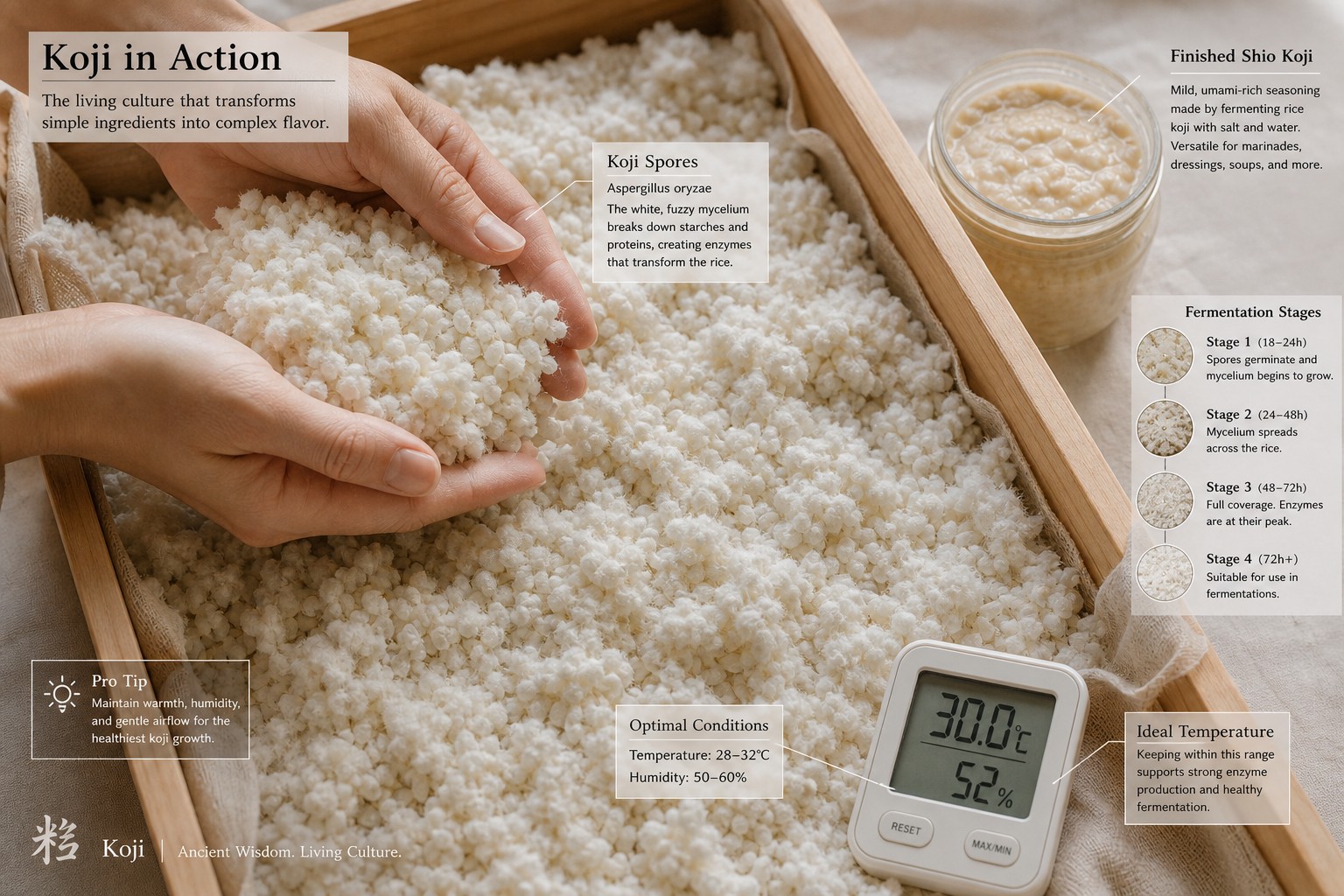
Koji fermentation uses Aspergillus oryzae, a beneficial mold, to break down starches and proteins in grains (usually rice or barley) into simple sugars and amino acids, especially glutamates. These glutamates deliver the savory, mouth-coating taste known as umami. The process takes 48 hours to grow the mold on cooked grains, then another 5-12 days to ferment those grains with salt and water into pastes like shio koji or amino pastes.
Why koji beats other umami sources:
- Creates umami without adding soy, fish, or meat (ideal for plant-forward cooking)
- Tenderizes proteins through natural enzymes, making it a marinade and flavor booster in one
- Adds subtle sweetness from broken-down starches, balancing bitter greens perfectly
Basic shio koji recipe:
- Mix 200g cooked white rice (cooled to 95°F) with 1g koji starter spores
- Spread in a shallow tray, cover loosely, keep at 86-95°F for 40-48 hours (mist daily)
- Blend koji rice with 60g sea salt and 200ml filtered water
- Ferment at room temperature 7-10 days, stirring daily, until creamy and fragrant
Choose koji if you want clean umami without the funk of miso or the fishiness of dashi. It pairs especially well with bitter vegetables because its mild sweetness and savory depth soften harsh edges.
How to Reduce Bitterness in Endive and Radicchio
Bitterness in chicory vegetables (endive, radicchio, escarole) comes from lactucin and lactucopicrin compounds. Blanching radicchio in boiling water for 30-45 seconds, then shocking in ice water, reduces bitterness by about 40% while keeping texture intact. For endive, soaking trimmed leaves in cold water with a pinch of salt for 15 minutes draws out some bitterness without cooking.
Four proven techniques:
- Heat: Grilling or roasting caramelizes sugars and breaks down bitter compounds—radicchio wedges grilled 3-4 minutes per side turn sweet and smoky
- Fat: Olive oil, butter, or tahini coats bitter receptors on the tongue; dress raw endive with 2 parts oil to 1 part acid
- Acid: Lemon juice, vinegar, or citrus zest brightens and distracts from bitterness (add after cooking to preserve vitamin C)
- Salt: A light sprinkle enhances sweetness perception, but too much intensifies bitterness—use sparingly
Common mistake: Oversalting bitter greens before cooking. Salt draws out moisture and concentrates bitter compounds. Instead, season lightly during cooking and adjust at the end.
Quick fix for people who dislike bitterness: Pair endive with sweet elements (roasted pears, honey, dried fruit) and creamy textures (goat cheese, avocado, koji mayo). The contrast makes bitterness feel intentional rather than unpleasant.
Best Seaweed Varieties for Umami Cooking at Home
Kombu, nori, and wakame are the most practical seaweeds for home cooks. Kombu (kelp) has the highest natural glutamate content and works best in broths and stocks—one 4-inch strip simmered for 20 minutes adds deep umami to 4 cups liquid. Nori (the seaweed in sushi) is mild and slightly sweet, perfect as a crispy garnish or blended into powders. Wakame rehydrates quickly and adds silky texture to salads and soups.
| Seaweed Type | Umami Level | Best Use | Prep Time |
|---|---|---|---|
| Kombu | Highest | Broths, stocks, beans | 20-30 min simmer |
| Nori | Medium | Garnish, wraps, powder | Ready to use |
| Wakame | Medium | Salads, miso soup | 5 min soak |
| Dulse | Medium-Low | Snacking, seasoning | Ready to use |
| Hijiki | Low | Side dishes, rice | 20 min soak |
Where to buy: Asian grocery stores stock all three varieties dried. Online, look for brands like Wel-Pac (kombu), Nagai (nori), or Emerald Cove (wakame). Choose organic when possible, as seaweed absorbs minerals from water.
Beginner-friendly recipe: Kombu dashi (umami broth)
- Wipe one 6-inch kombu strip with damp cloth (don’t rinse)
- Soak in 4 cups cold water for 30 minutes
- Heat slowly to just below simmer (180°F), remove kombu before boiling
- Use as base for soups, grains, or braising liquid
Avoid boiling kombu—it releases slimy compounds and bitter flavors. The goal is gentle extraction of glutamates.
Endive vs Radicchio: Taste Difference and When to Use Each
Endive tastes milder, nuttier, and slightly sweet with a crisp texture, while radicchio is intensely bitter, peppery, and becomes tender when cooked. Endive (Belgian endive or witloof) has pale yellow-white leaves and works best raw in salads, as a dipper, or lightly braised. Radicchio (especially Chioggia and Treviso varieties) has deep purple-red leaves and shines when grilled, roasted, or wilted into pasta.
Choose endive when:
- You want crunch and mild bitterness in raw preparations
- Serving guests who are sensitive to bitter flavors
- Making appetizers or crudité platters (the boat-shaped leaves hold dips perfectly)
- Cooking quickly (endive wilts in 3-4 minutes)
Choose radicchio when:
- You want bold, assertive flavor that stands up to grilling or roasting
- Pairing with rich ingredients (bacon, aged cheese, balsamic reduction)
- Making warm salads or pasta dishes where bitterness adds complexity
- You have time to cook—radicchio needs 8-12 minutes of heat to mellow
Hybrid approach: Combine both in a grilled salad. Char radicchio wedges for sweetness, toss with raw endive leaves for crunch, dress with shio koji vinaigrette for umami balance.
Where to Buy Koji Starter for Fermentation
Koji starter (koji-kin or tane-koji) is available from online fermentation suppliers, Japanese grocery stores, and some health food stores. Reputable brands include Miyako Koji (widely available), GEM Cultures, and Cultures for Health. Expect to pay $8-15 for 20-50g, enough for 10-20 batches.
Online sources:
- GEM Cultures (gemcultures.com) – organic koji spores, detailed instructions
- Cultures for Health – beginner-friendly kits with rice and starter
- Amazon – Miyako Koji brand, fast shipping but check freshness dates
- Japanese grocers (Mitsuwa, Nijiya, H Mart) – fresh koji rice (already inoculated) in refrigerated section
Fresh vs dried: Fresh koji rice (sold refrigerated) is ready to use immediately for shio koji or amazake—just blend with salt and water. Dried koji spores require you to inoculate cooked rice yourself but store for 12+ months in the freezer.
Storage tip: Keep dried koji spores in an airtight container in the freezer. They lose potency at room temperature within 6 months.
Can’t find koji? Look for “rice koji” or “malted rice” in Asian markets. Some stores label it as “koji rice” in the refrigerated section near miso and tofu.
Beginner Mistakes When Cooking With Bitter Greens
The most common mistake is cooking bitter greens too long, which concentrates bitterness and turns leaves mushy. Endive needs only 3-4 minutes of heat; radicchio 8-12 minutes maximum. Overcooking also destroys the vitamin C and folate that make these vegetables nutritious.
Five mistakes to avoid:
Skipping the blanch: Raw radicchio in hot dishes stays aggressively bitter. A 30-second blanch before grilling or sautéing makes a dramatic difference.
Using too much heat too fast: High heat chars the outside before the inside softens, leaving bitter, burnt flavors. Use medium heat for even cooking.
Forgetting acid: Bitter greens need brightness. Add lemon juice, vinegar, or citrus zest in the last 30 seconds of cooking.
Pairing with other bitter ingredients: Bitter greens + bitter coffee rub + bitter IPA = palate fatigue. Balance with sweet (caramelized onions), salty (parmesan), or umami (koji, seaweed).
Not removing the core: The white core in radicchio and endive is extra bitter and tough. Cut it out in a V-shape before cooking.
Recovery trick: If your dish turns out too bitter, stir in a small amount of honey, maple syrup, or mirin (1/2 teaspoon at a time) to balance flavors without making it sweet.
Can I Substitute Miso for Koji in Umami Recipes?
Yes, but use half the amount of miso compared to shio koji, and reduce added salt by 25-50%. Miso is fermented soybean paste (often made with koji) that’s saltier, darker, and funkier than pure koji preparations. White (shiro) miso is the closest substitute for shio koji—it’s mild, slightly sweet, and won’t overpower bitter greens.
Substitution guide:
- 2 tablespoons shio koji = 1 tablespoon white miso + 1 tablespoon water
- For marinades: miso works but won’t tenderize as effectively (koji enzymes are more active)
- For dressings: miso adds creaminess and deeper color
- For finishing sauces: miso can clump if added to hot liquids—whisk with a bit of cooking liquid first
When miso works better: In hearty dishes with robust flavors (braised radicchio with mushrooms, roasted root vegetables). The extra funk complements earthy ingredients.
When koji works better: In delicate preparations where you want clean umami (endive salad, light fish dishes, dressings for raw vegetables). Koji won’t muddy the flavors.
Can’t use either? Try nutritional yeast (2 tablespoons per tablespoon of koji) for umami, or a mix of soy sauce and a pinch of sugar.
How Long Does Koji Fermentation Take for Home Cooks?
Growing koji mold on rice takes 40-48 hours at 86-95°F, then fermenting that koji into shio koji paste takes another 7-10 days at room temperature. Total time from start to finished product: 9-12 days. The process is mostly hands-off—you’ll spend about 15 minutes per day checking temperature, misting, or stirring.
Timeline breakdown:
Days 1-2 (Koji cultivation):
- Hour 0: Inoculate cooled rice with spores
- Hours 12-24: White fuzz appears
- Hours 36-48: Full white coverage, sweet chestnut aroma
- Check temperature 2x daily, mist if surface looks dry
Days 3-12 (Shio koji fermentation):
- Day 3: Blend koji rice with salt and water
- Days 4-10: Stir once daily, taste for sweetness and umami
- Day 10-12: Paste is creamy, fragrant, slightly tangy—ready to use
Faster option: Buy fresh koji rice (already grown) and skip to the shio koji step. Ready in 7 days instead of 12.
Slower option: Ferment shio koji in the refrigerator for 3-4 weeks. Develops more complex, mellow flavors but takes longer.
Temperature matters: Below 80°F, fermentation stalls. Above 140°F, enzymes die and you get salty rice paste without umami. Ideal range is 68-75°F for shio koji fermentation.
Are Bitter Greens Like Radicchio Good for People With Sensitive Stomachs?
Bitter greens can trigger discomfort in people with acid reflux, IBS, or gastritis because bitter compounds stimulate stomach acid production. However, cooking reduces these compounds significantly—grilled or braised radicchio is gentler than raw. Start with small portions (1/4 cup cooked) and pair with soothing ingredients like olive oil, cooked grains, or starchy vegetables.
Who should be cautious:
- People with GERD or acid reflux (bitter foods increase gastric acid)
- Those with IBS-D (bitterness can speed digestion)
- Anyone taking blood thinners (chicory vegetables contain vitamin K)
Who may benefit:
- People with sluggish digestion (bitters stimulate digestive enzymes)
- Those with low stomach acid (bitters support natural acid production)
- Anyone looking to reduce bloating (bitter greens support bile flow)
Gentler preparation methods:
- Blanch radicchio 45 seconds before using
- Combine with starchy foods (potatoes, rice, bread) to buffer stomach
- Add fat (olive oil, avocado) to slow digestion
- Avoid eating bitter greens on an empty stomach
Alternative: If radicchio causes issues, try milder chicories like escarole or frisée, or switch to slightly bitter greens like arugula or watercress.
Easy Endive Recipes for People Who Don’t Like Bitter Foods
Pairing endive with sweet, creamy, or umami-rich ingredients masks bitterness while keeping the vegetable’s crisp texture. The key is balancing bitter with at least two other flavor elements—sweet + salty, creamy + acidic, or umami + fat.
Three beginner-friendly recipes:
1. Endive boats with koji cream cheese and honey
- Mix 4 oz cream cheese with 1 tablespoon shio koji and 1 teaspoon honey
- Pipe into endive leaves
- Top with toasted walnuts and a drizzle of balsamic glaze
- Bitterness level: Low (sweetness and fat dominate)
2. Braised endive with miso butter
- Halve 4 endives lengthwise, sear cut-side down 2 minutes
- Add 1/2 cup chicken stock, cover, simmer 8 minutes
- Finish with 2 tablespoons butter mixed with 1 teaspoon white miso
- Bitterness level: Medium-low (cooking + umami + fat)
3. Endive and pear salad with kombu dressing
- Slice 2 endives and 1 ripe pear thinly
- Toss with dressing: 3 tablespoons olive oil, 1 tablespoon lemon juice, 1 teaspoon kombu dashi, 1/2 teaspoon honey
- Top with shaved parmesan and toasted hazelnuts
- Bitterness level: Low (fruit sweetness + acid + umami)
Pro tip: Remove the bottom 1/2 inch of endive core before serving—it’s the most bitter part.
What Went Wrong If My Koji Fermentation Smells Bad?
Healthy koji smells sweet, nutty, and slightly fruity (like chestnuts or sake). Bad smells—ammonia, rotten eggs, or strong sourness—indicate contamination or dead koji. The most common causes are too-high temperature (killing the mold), contaminated equipment, or stalled fermentation from insufficient oxygen.
Smell diagnosis:
| Smell | Cause | Fix |
|---|---|---|
| Ammonia | Over-fermentation, too much protein breakdown | Fermentation went too long; use immediately or discard |
| Rotten eggs | Anaerobic bacteria (lack of oxygen) | Stir more frequently, use within 2 days |
| Vinegar/sour | Wild yeast contamination | Sanitize equipment better next time; discard batch |
| Musty/moldy | Wrong mold species or too much moisture | Discard; reduce humidity in next batch |
| No smell | Koji died (too hot or too cold) | Discard; check temperature control |
Prevention checklist:
- Sanitize all equipment with boiling water or food-safe sanitizer
- Keep fermentation temperature between 86-95°F for koji growth, 68-75°F for shio koji
- Stir shio koji daily to introduce oxygen
- Use filtered or boiled-then-cooled water (chlorine kills koji)
- Don’t seal containers airtight—koji needs to breathe
When in doubt, throw it out. Fermentation should smell pleasant. If it makes you hesitate, don’t risk it.
How to Balance Bitter and Umami Flavors in One Dish
The most effective technique is cooking bitter ingredients to reduce their intensity, then layering multiple umami sources (seaweed, koji, aged cheese) to create depth without heaviness. Aim for a 2:1 ratio of umami-to-bitter by volume—for example, 1 cup grilled radicchio paired with 2 tablespoons shio koji dressing and 1/4 cup parmesan.
Four-step balancing formula:
- Reduce bitterness first: Grill, roast, or blanch bitter greens to cut bitterness by 30-50%
- Add primary umami: Choose one strong source (shio koji, kombu dashi, aged cheese)
- Layer secondary umami: Add a second, subtler source (nori flakes, nutritional yeast, mushrooms)
- Finish with fat and acid: Olive oil carries flavors, lemon juice brightens and unifies
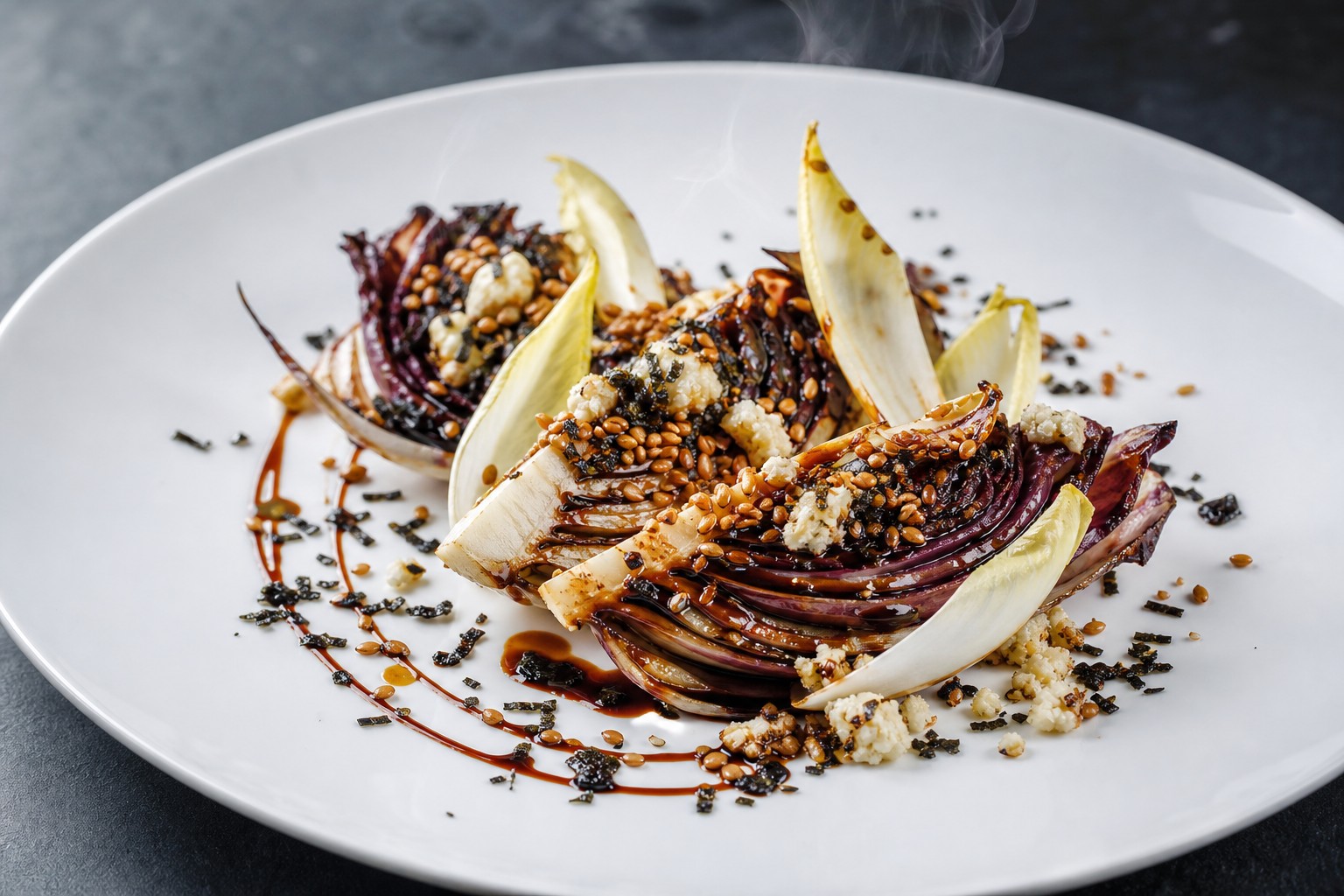
Example dish: Grilled radicchio with koji-seaweed glaze
- Grill radicchio wedges 4 minutes per side (reduces bitterness)
- Glaze with 2 tablespoons shio koji + 1 teaspoon kombu dashi + 1 tablespoon olive oil (double umami)
- Garnish with toasted nori strips and lemon zest (texture + brightness)
- Serve over creamy white beans (fat + starch to balance)
Common mistake: Adding too many umami sources creates a muddy, overly savory dish. Stick to 2-3 umami ingredients maximum and let each shine.
For protein mains: Marinate chicken or fish in shio koji 4-8 hours, then serve over bitter greens. The protein carries umami, the greens add contrast. For more ideas on preparing proteins, see our guide on cooking chicken breast to keep it tender.
Is Seaweed Cooking Suitable for Low Sodium Diets?
Seaweed naturally contains sodium, but rinsing dried seaweed under cold water for 30 seconds removes 20-40% of surface salt. Kombu has about 230mg sodium per 10g serving (before rinsing), wakame about 870mg per 10g, and nori about 50mg per sheet. For context, a teaspoon of table salt has 2,300mg sodium.
Low-sodium strategies:
- Choose nori over wakame: Nori has the lowest sodium content and adds umami without much salt
- Use kombu for flavor, then remove: Simmer kombu in broths for 20 minutes, then discard—you get umami without eating the seaweed itself
- Rinse thoroughly: Soak dried seaweed 5 minutes, rinse, squeeze dry—reduces sodium significantly
- Portion control: Use seaweed as a garnish (1-2g) rather than a main ingredient
- Skip added salt: If using seaweed, reduce or eliminate other salt in the recipe
Comparison to other umami sources:
- 1 tablespoon soy sauce: 900mg sodium
- 1 tablespoon shio koji: 400mg sodium
- 1 tablespoon white miso: 630mg sodium
- 10g rinsed kombu: 140-180mg sodium
Best choice for low-sodium: Homemade shio koji made with reduced salt (use 50g salt instead of 60g per 200g rice) or low-sodium kombu varieties labeled “reduced sodium” at Japanese grocers.
Medical note: If you’re on a strict sodium-restricted diet (under 1,500mg/day), consult a dietitian before adding seaweed regularly. The iodine content in seaweed can also affect thyroid function in sensitive individuals.
What Dishes Pair Well With Fermented Koji Paste?
Fermented koji paste (shio koji or amino paste) works best in dishes where you want umami depth without added richness—grilled vegetables, lean proteins, grain bowls, and light pasta. The paste acts as both seasoning and tenderizer, making it ideal for marinating chicken, fish, or tofu 4-8 hours before cooking.
Top pairings by category:
Proteins:
- Chicken breast or thighs (marinate 6 hours, grill or roast)
- White fish like cod or halibut (marinate 2-4 hours, pan-sear)
- Pork tenderloin (marinate overnight, roast)
- Tofu or tempeh (marinate 4 hours, stir-fry)
For chicken preparation tips, check our step-by-step chicken breast cooking guide.
Vegetables:
- Grilled radicchio, endive, or cabbage (brush with koji before grilling)
- Roasted root vegetables (toss with koji and olive oil)
- Sautéed mushrooms (add koji in last 2 minutes)
- Steamed broccoli or green beans (drizzle with koji butter)
Grains and bowls:
- Rice bowls with vegetables and protein
- Farro or barley salads with bitter greens
- Quinoa with roasted vegetables
- Congee or rice porridge (stir in 1 tablespoon per serving)
Dressings and sauces:
- Vinaigrettes (replace salt with koji)
- Creamy dressings (mix with mayo or yogurt)
- Dipping sauces for dumplings or spring rolls
- Finishing sauce for pasta (koji + butter + pasta water)
Avoid pairing with: Already-salty dishes (cured meats, pickles, soy-heavy sauces) or very sweet desserts (koji’s subtle sweetness gets lost).
Quick weeknight meal: Marinate chicken breast in 2 tablespoons shio koji for 6 hours, grill 6 minutes per side, serve over grilled radicchio with nori flakes and lemon. Total active time: 15 minutes.
Frequently Asked Questions
Can I use red endive instead of white endive in recipes? Yes, red endive (also called red Belgian endive) has the same mild bitterness and crisp texture as white endive. It adds visual appeal with its burgundy-tipped leaves. Use it interchangeably in any recipe calling for white endive.
How long does homemade shio koji last in the refrigerator? Shio koji keeps 3-6 months refrigerated in an airtight container. The high salt content preserves it. If it develops off-smells, dark spots, or mold, discard it. Stir before each use, as liquid may separate.
Can I make koji fermentation without special equipment? Yes. You need only a thermometer, a shallow tray, a clean towel, and a warm spot (86-95°F). Many home cooks use a cooler with a heating pad, a turned-off oven with the light on, or a spot near a radiator.
Is radicchio safe to eat raw? Completely safe. Raw radicchio is intensely bitter but nutritious, with high levels of antioxidants and vitamin K. If the bitterness is too strong, soak leaves in cold water for 10 minutes or pair with sweet and creamy ingredients.
What’s the difference between shio koji and amino paste? Shio koji is koji rice fermented with salt and water (20% salt by weight). Amino paste is koji fermented with soy sauce or tamari instead of salt water, creating a darker, more intensely savory paste. Both add umami; amino paste is saltier and more concentrated.
Can I freeze cooked endive or radicchio? Not recommended. Both vegetables have high water content and turn mushy when frozen and thawed. They’re best eaten fresh or stored cooked in the refrigerator for up to 3 days.
Do I need to wash seaweed before cooking? Dried seaweed should be rinsed briefly under cold water to remove surface salt and any debris. Don’t soak it unless the recipe specifies—most seaweed rehydrates quickly and can become slimy if over-soaked.
Can I use koji to ferment vegetables like sauerkraut? No. Koji is a mold that ferments grains and legumes. Vegetable fermentation (sauerkraut, kimchi) uses lactic acid bacteria, not koji. They’re different fermentation processes requiring different conditions.
Why does my radicchio taste more bitter in winter? Radicchio grown in cold weather develops more bitter compounds as a natural frost protection. This is actually prized in Italy—winter radicchio from Treviso is considered a delicacy. Blanch or grill it to reduce bitterness.
Can I substitute barley koji for rice koji? Yes, barley koji works the same way as rice koji and has a slightly nuttier, earthier flavor. Use it in equal amounts. Barley koji is traditional in some Japanese miso varieties and works beautifully with bitter greens.
Is it normal for shio koji to separate in the jar? Yes, liquid separation is normal. The rice solids settle and liquid rises to the top. Simply stir before using. If you prefer a smoother consistency, blend the entire batch in a food processor.
Can I use koji paste as a salt substitute? Partially. Koji paste contains salt but also adds umami, sweetness, and moisture. Use about 3 times the volume of koji paste as you would salt, and reduce other liquids slightly. It won’t work in baking or applications requiring dry salt.
Conclusion
Bitter and Umami Mastery: Recipes with Endive, Radicchio, Seaweed, and Koji Fermentation transforms challenging ingredients into sophisticated, restaurant-quality dishes by balancing sharp bitterness with deep, savory umami. The techniques are straightforward: blanch or grill bitter greens to reduce their intensity, layer multiple umami sources like koji paste and seaweed for complexity, and finish with fat and acid to unify flavors.
Start with one simple change: make a batch of shio koji this week (it takes 12 days but only 15 minutes of active work). While it ferments, practice grilling radicchio wedges and dressing them with olive oil and lemon. Once your koji is ready, combine both techniques in a single dish—grilled bitter greens with koji glaze and nori garnish.
The payoff is immediate: you’ll create mains with the depth and satisfaction of rich, heavy dishes but with a fraction of the calories and none of the sluggish feeling. These are flavors that keep you coming back, that make vegetables feel indulgent, and that prove bitterness and umami aren’t obstacles to overcome but tools to master.
Next steps:
- Order koji starter online or buy fresh koji rice from an Asian grocer
- Choose one bitter green (endive or radicchio) and one seaweed (nori or kombu) to experiment with this week
- Try the grilled radicchio with koji glaze recipe in the balancing section
- Taste your shio koji daily as it ferments to learn how flavors develop
- Keep notes on what works—bitter-umami balance is personal and improves with practice
SEO Meta Title: Bitter and Umami Mastery: Endive, Radicchio, Koji Recipes


