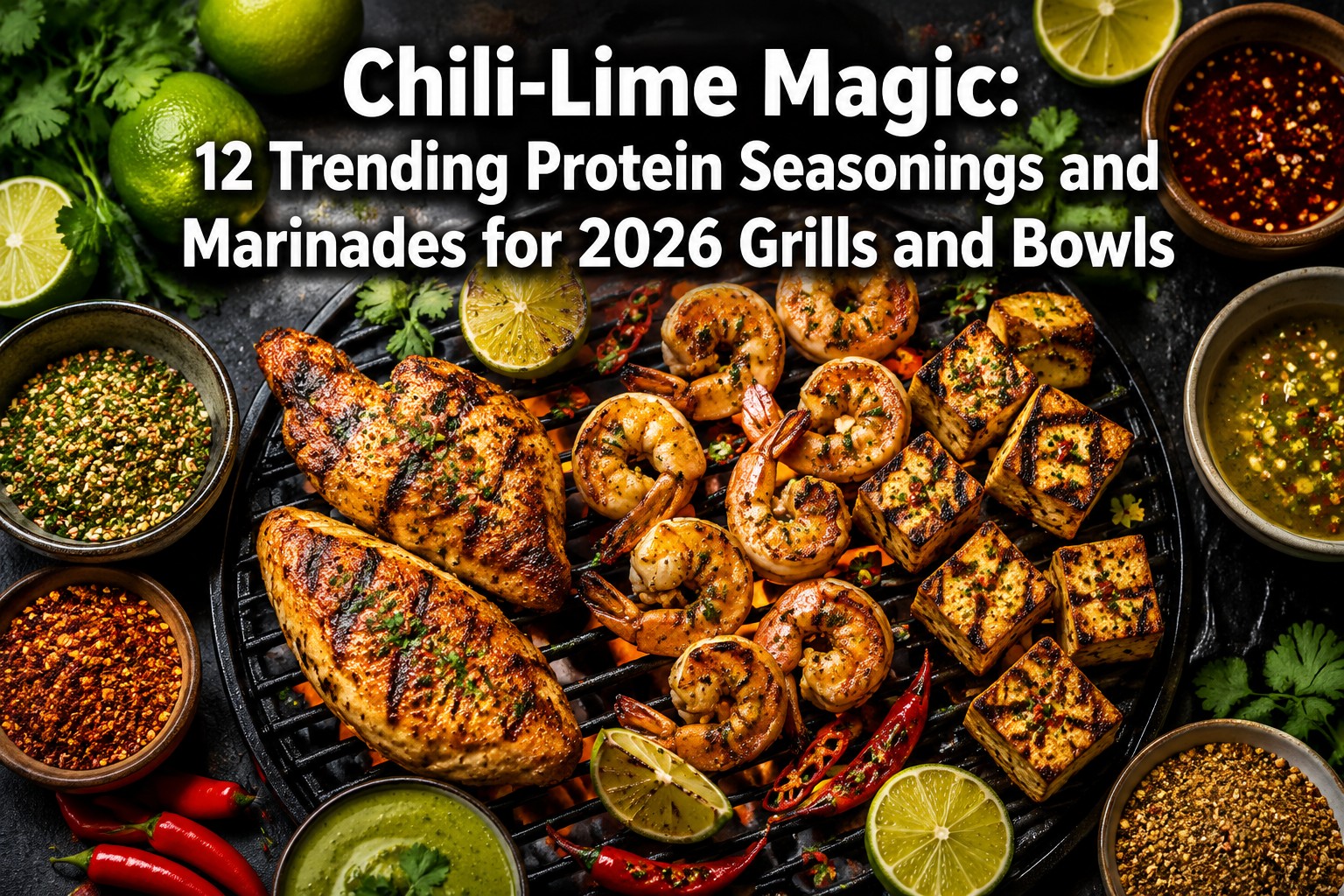
Chili-Lime Magic: 12 Trending Protein Seasonings and Marinades for 2026 Grills and Bowls
Last updated: June 6, 2026
Bold, citrus-forward chili-lime seasonings are dominating 2026 protein prep, with ghost pepper and smoky variants leading the charge. These trending blends deliver restaurant-quality flavor in minutes, making them essential for busy home cooks who want quick, bold upgrades without complicated recipes. The “Chili-Lime Magic: 12 Trending Protein Seasonings and Marinades for 2026 Grills and Bowls” movement reflects a shift toward convenient, high-impact flavors that work across grilling, air frying, and bowl-building.
Key Takeaways
- Chili-lime seasonings combine citric acid, chili powder, salt, and lime zest for a tangy, spicy flavor profile that works on all proteins
- Marination time ranges from 15 minutes for fish to 4-24 hours for chicken and beef, depending on protein density
- Cost typically runs $4-$12 per bottle or jar, with homemade versions costing under $3 for equivalent volume
- Plant proteins like tofu and tempeh absorb chili-lime marinades exceptionally well when pressed and scored first
- Common mistakes include over-marinating delicate fish, using too much salt, and not balancing acid with oil
- Keto-friendly options exist with zero-carb formulations using erythritol or monk fruit instead of sugar
- Bitterness usually comes from burnt citrus zest or over-charring on the grill; reduce heat and add sweetness to fix
- Tajín differs from standard chili-lime blends by including dehydrated lime juice and mild chili, not cayenne or ghost pepper
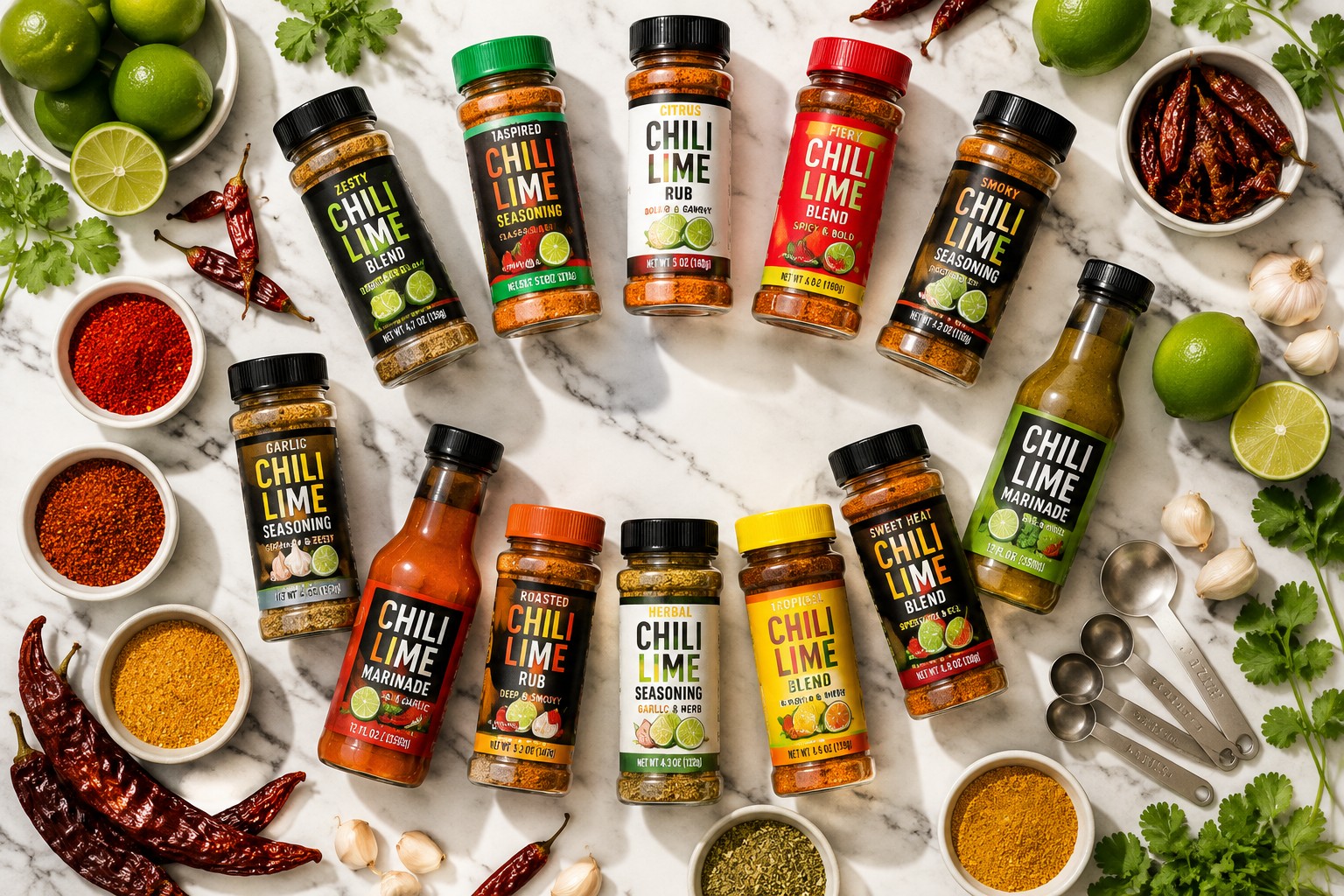
What Is Chili Lime Seasoning Made Of?
Chili-lime seasoning typically contains citric acid or dried lime powder, ground chili peppers (cayenne, ancho, or guajillo), salt, garlic powder, and sometimes sugar or cumin. The citric acid provides the tart lime punch, while chili peppers deliver heat ranging from mild to extreme depending on the blend.
Core ingredients in most chili-lime seasonings:
- Citric acid or lime zest powder – provides the sour, bright lime flavor without moisture
- Chili powder blend – cayenne, paprika, ancho, or ghost pepper for heat levels from 500 to 1,000,000+ Scoville units
- Salt – usually sea salt or kosher salt for seasoning and preservation
- Garlic and onion powder – adds savory depth
- Sugar or sweetener – balances acidity and heat (optional in keto versions)
- Cumin – earthy undertone common in Mexican-inspired blends
Choose a blend with visible spice particles if you want texture and authentic flavor. Avoid blends where salt is the first ingredient, as they’re often filler-heavy and less flavorful per teaspoon.
Best Chili Lime Marinade for Chicken vs Fish
Chicken benefits from oil-based marinades with 2-3 tablespoons of chili-lime seasoning per pound, marinated 2-24 hours for deep flavor penetration. Fish requires lighter, acid-forward marinades with just 1 tablespoon seasoning per pound and only 15-30 minutes of marination to prevent the texture from breaking down.
Chicken marinade formula:
- 1/4 cup olive oil or avocado oil
- 3 tablespoons chili-lime seasoning
- 2 tablespoons fresh lime juice
- 1 pound chicken breast or thighs
- Marinate 2-24 hours refrigerated
Fish marinade formula:
- 2 tablespoons olive oil
- 1 tablespoon chili-lime seasoning
- 1 tablespoon lime juice
- 1 pound white fish (tilapia, cod, mahi-mahi)
- Marinate 15-30 minutes maximum
Common mistake: Marinating fish longer than 30 minutes causes the acid to “cook” the protein, resulting in mushy texture. For best results when preparing chicken breast, use the longer marination window to tenderize and infuse flavor.
Where to Buy Chili Lime Protein Seasoning
Chili-lime seasonings are widely available at grocery stores (spice aisle), warehouse clubs like Costco, specialty spice shops, and online retailers including Amazon, Thrive Market, and brand websites. Prices range from $4 for store brands to $12 for artisan or organic blends.
Top retail sources in 2026:
- Costco – Kirkland Signature and name brands in bulk sizes (often best value per ounce)
- Trader Joe’s – Chile Lime Seasoning Blend ($2-3 for 2.9 oz)
- Amazon – Wide selection including ghost pepper and low-sodium variants
- Whole Foods – Organic and specialty blends ($8-12)
- Local spice shops – Custom blends and bulk options
If you’re already shopping for affordable chicken breast at Costco, grab a large container of chili-lime seasoning in the same trip for maximum convenience and value.
How Much Does Chili Lime Marinade Cost?
Pre-made chili-lime marinades cost $5-$8 per 12-16 oz bottle, while dry seasonings run $4-$12 per 4-8 oz jar. Making your own marinade from scratch costs approximately $2-3 per batch using basic pantry ingredients and fresh limes.
Cost breakdown for homemade marinade (serves 4):
- Olive oil (1/4 cup): $0.50
- Fresh limes (2): $1.00
- Chili powder (2 tbsp): $0.30
- Garlic powder (1 tsp): $0.10
- Salt and cumin: $0.10
- Total: ~$2.00
Choose homemade if you cook frequently and want to control sodium and heat levels. Buy pre-made bottles if convenience matters more than cost and you only season proteins occasionally.
Why Does My Chili Lime Marinade Taste Bitter?
Bitterness in chili-lime marinades usually comes from burnt lime zest, over-charred spices on the grill, or too much citrus pith. The white pith beneath lime skin contains bitter compounds that intensify when heated or left in contact with protein too long.
Three main causes and fixes:
- Burnt citrus zest – Use only the green outer layer of lime peel, never the white pith. Zest before juicing.
- Over-charring on grill – Reduce heat to medium and oil the grates. Wipe excess marinade before grilling to prevent burning.
- Too much acid – Balance with 1-2 teaspoons honey, agave, or brown sugar per 1/4 cup marinade.
Quick fix: Add a pinch of sugar or honey to the marinade and let it sit 5 minutes before using. This neutralizes bitterness without making the blend sweet.
Chili Lime Seasoning Alternatives If I Don’t Like Spicy
Mild chili-lime alternatives include Tajín Clásico (mild heat), lime-pepper blends, citrus herb seasonings, or custom mixes using paprika instead of cayenne. These deliver the tangy citrus punch without significant heat, making them suitable for heat-sensitive palates.
Low-heat substitutes:
- Tajín Clásico – mild chili, lime, and salt (minimal heat, kid-friendly)
- Lemon-pepper seasoning – swap lime for lemon if citrus is the priority
- Paprika-lime blend – use smoked paprika for flavor without heat
- Citrus herb mix – lime zest, oregano, thyme, garlic (no chili)
DIY mild version: Mix 2 tablespoons paprika, 1 tablespoon lime zest powder, 1 teaspoon garlic powder, 1 teaspoon salt, and 1/2 teaspoon cumin. This gives you the citrus-forward profile without any capsaicin burn.
Is Chili Lime Seasoning Good for Meal Prep Bowls?
Chili-lime seasoning is excellent for meal prep bowls because it adds bold flavor to batch-cooked proteins, stays fresh for 4-5 days refrigerated, and pairs well with grains, beans, and vegetables. The seasoning’s versatility means one protein batch can work in multiple bowl combinations throughout the week.
Meal prep advantages:
- Flavor holds – chili-lime proteins taste fresh even after 4 days in the fridge
- Versatile pairing – works with rice, quinoa, cauliflower rice, black beans, corn, and greens
- Quick assembly – pre-seasoned protein cuts meal prep time by 10-15 minutes per serving
- Reheats well – maintains flavor and texture when reheated in microwave or air fryer
Best proteins for meal prep bowls: Chicken thighs (stay moist), shrimp (quick cook), tofu (absorbs flavor), and flank steak (slices thin). Learn proper chicken breast cooking times to ensure food safety in batch cooking.
Can Beginners Use Chili Lime Marinades on the Grill?
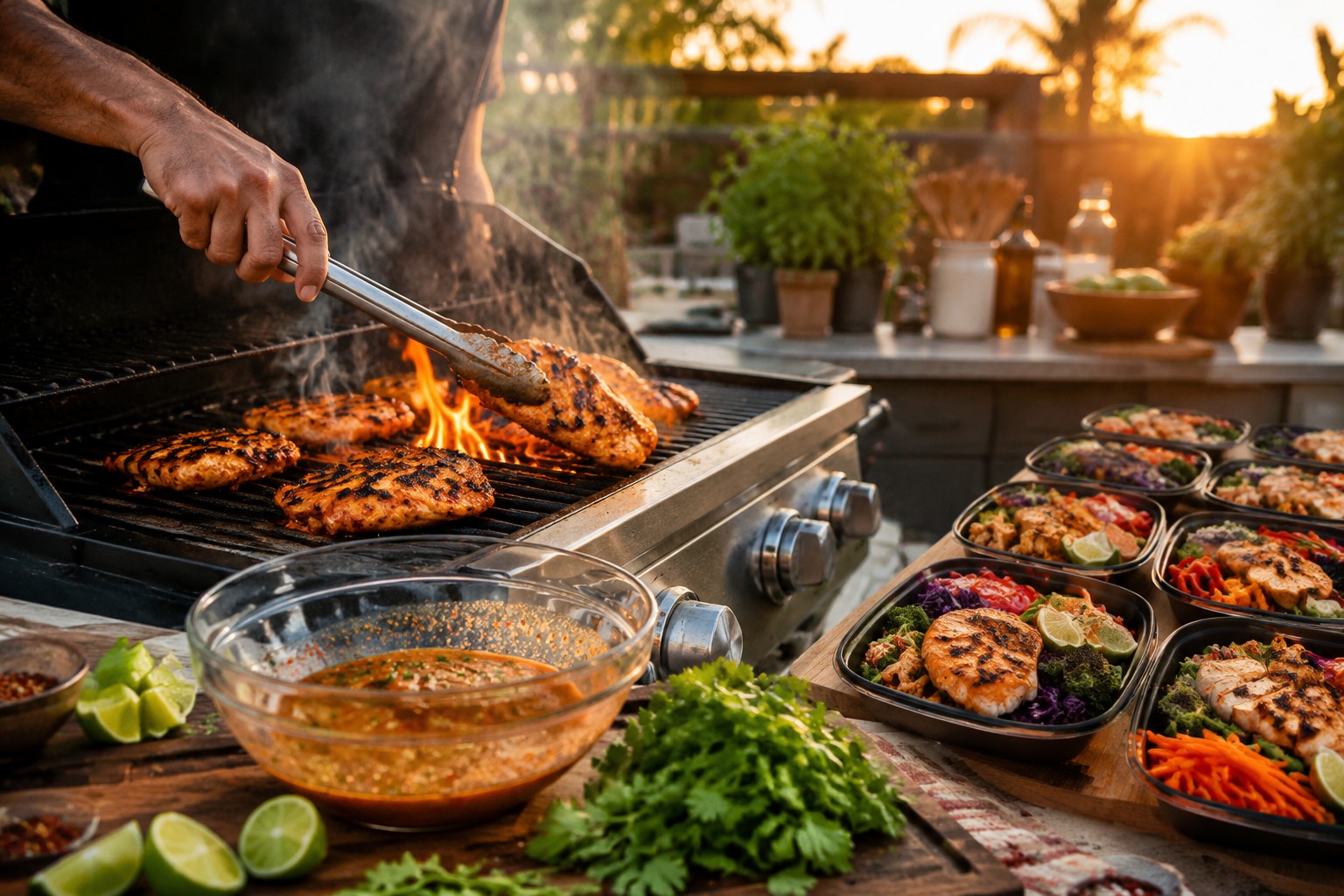
Beginners can successfully use chili-lime marinades on the grill by following three simple rules: pat protein dry before grilling, use medium heat (350-400°F), and oil the grates to prevent sticking. The marinade’s sugar content can burn quickly, so monitoring and flipping every 4-5 minutes is essential.
Beginner-friendly grilling steps:
- Marinate protein 2-4 hours (chicken) or 15-30 minutes (fish)
- Remove from marinade and pat completely dry with paper towels
- Preheat grill to medium (350-400°F) and oil grates with tongs and paper towel
- Place protein on grill and close lid
- Flip every 4-5 minutes until internal temp reaches 165°F (chicken) or 145°F (fish)
- Rest 5 minutes before slicing
Common beginner mistake: Leaving too much marinade on the protein causes flare-ups and burnt exterior. Always pat dry and brush with fresh oil before grilling. For foolproof results, try cooking chicken breast in an air fryer first to build confidence before moving to the grill.
Chili Lime Seasoning for Keto and Low Carb Diets
Most chili-lime seasonings are keto-friendly with 0-2g net carbs per teaspoon, but check labels for added sugar. Keto-specific versions use erythritol or monk fruit sweetener instead of cane sugar, keeping carbs at zero while maintaining the sweet-heat balance.
Keto-friendly chili-lime brands:
- Primal Palate – Organic, no sugar added (0g carbs)
- Flavor God – Multiple keto blends including chili-lime (0g carbs)
- Homemade version – Use erythritol or skip sweetener entirely
Carb counts to watch:
- Standard chili-lime seasoning: 1-2g carbs per teaspoon
- Sugar-added marinades: 3-8g carbs per tablespoon
- Keto versions: 0g net carbs
Choose dry seasonings over bottled marinades for keto diets, as liquid marinades often contain hidden sugars, cornstarch, or other thickeners that add carbs. Mix your own marinade using the dry seasoning, oil, and fresh lime juice for complete control.
Common Mistakes When Marinating With Chili Lime
The three most common mistakes are over-marinating delicate proteins, using too much salt, and failing to balance acid with fat. Over-marination breaks down protein structure, excess salt draws out moisture, and unbalanced acid creates mushy texture or overpowering sourness.
Top mistakes and fixes:
- Over-marinating fish – Limit to 30 minutes maximum; acid “cooks” the protein
- Too much salt – Use low-sodium versions or reduce added salt in recipes
- No oil in marinade – Always include oil to carry fat-soluble flavors and prevent drying
- Marinating at room temperature – Always refrigerate to prevent bacterial growth
- Not patting dry before cooking – Excess moisture prevents browning and causes steaming
Pro tip: For chicken that stays moist, use a 3:1 ratio of oil to acid in your marinade and never exceed 24 hours of marination time.
How Long Should I Marinate Protein in Chili Lime?
Marination time depends on protein density: fish needs 15-30 minutes, chicken and pork require 2-24 hours, and beef benefits from 4-24 hours. Longer marination allows deeper flavor penetration but can break down delicate proteins if acid levels are high.
Optimal marination times:
| Protein Type | Minimum Time | Maximum Time | Best Results |
|---|---|---|---|
| White fish | 15 minutes | 30 minutes | 20-25 minutes |
| Shrimp | 15 minutes | 45 minutes | 30 minutes |
| Chicken breast | 2 hours | 24 hours | 4-8 hours |
| Chicken thighs | 2 hours | 24 hours | 8-12 hours |
| Pork chops | 2 hours | 12 hours | 4-6 hours |
| Beef steak | 4 hours | 24 hours | 8-12 hours |
| Tofu (pressed) | 1 hour | 8 hours | 2-4 hours |
Quick marination hack: Score or pound proteins to 1/2-inch thickness to reduce marination time by 50%. This increases surface area and allows faster flavor absorption. Check how long chicken can safely marinate to avoid food safety issues.
Does Chili Lime Seasoning Work on Tofu and Plant Protein?
Chili-lime seasoning works exceptionally well on tofu, tempeh, and plant-based proteins because these ingredients readily absorb marinades when properly prepared. Press tofu for 15-30 minutes to remove excess water, then score or cube it before marinating 2-4 hours for maximum flavor penetration.
Best plant proteins for chili-lime:
- Extra-firm tofu – Press, cube, marinate 2-4 hours, then bake or air fry at 400°F
- Tempeh – Steam 10 minutes first to reduce bitterness, then marinate 1-2 hours
- Seitan – Absorbs marinade quickly; 30 minutes to 2 hours is sufficient
- Chickpeas – Toss with dry seasoning and roast for crispy protein topping
- Plant-based chicken – Follow package directions; usually 30 minutes to 2 hours
Preparation tip: Score tofu in a crosshatch pattern before marinating to create more surface area for flavor absorption. This technique increases marinade penetration by approximately 40% compared to whole blocks.
Chili Lime vs Tajín Seasoning: What’s the Difference?
Tajín contains dehydrated lime juice, mild chili peppers, and sea salt with minimal heat (around 1,000 Scoville units), while standard chili-lime seasonings use citric acid, cayenne or ghost pepper, and often include garlic and cumin for more complex flavor. Tajín is milder and more citrus-forward, making it better for fruit and light applications.
Key differences:
| Feature | Tajín Clásico | Standard Chili-Lime | Ghost Pepper Chili-Lime |
|---|---|---|---|
| Heat level | Mild (1,000 SHU) | Medium (5,000-30,000 SHU) | Extreme (200,000+ SHU) |
| Citrus source | Dehydrated lime juice | Citric acid or lime powder | Citric acid |
| Primary use | Fruit, drinks, light snacks | Grilled proteins, bowls | Bold proteins, marinades |
| Flavor profile | Bright, tangy, salty | Savory, tangy, spicy | Intense heat, smoky |
| Sugar content | None | Sometimes added | Rarely added |
Choose Tajín for mild, fruit-friendly applications and kid-friendly meals. Choose standard chili-lime for grilling and bowl proteins. Choose ghost pepper versions for extreme heat and bold flavor statements.
Can I Use Chili Lime Marinade on Vegetables Too?
Chili-lime marinades work excellently on vegetables, especially dense varieties like bell peppers, zucchini, mushrooms, cauliflower, and Brussels sprouts. Marinate vegetables 30 minutes to 2 hours, then grill, roast, or air fry at 400-425°F until caramelized and tender.
Best vegetables for chili-lime:
- Bell peppers – Quarter and marinate 30-60 minutes, grill until charred
- Zucchini and summer squash – Slice lengthwise, marinate 30 minutes, grill 3-4 minutes per side
- Mushrooms – Whole or halved, marinate 1 hour, roast at 425°F for 20 minutes
- Cauliflower – Florets marinated 1-2 hours, roast at 425°F until crispy
- Brussels sprouts – Halved, marinated 1 hour, roast at 400°F for 25-30 minutes
- Corn on the cob – Brush with marinade, grill 10-12 minutes turning frequently
Cooking tip: Vegetables need less marination time than proteins because they don’t have dense muscle fibers. Thirty minutes is often sufficient for full flavor absorption. Toss with extra dry seasoning after cooking for an additional flavor boost.
12 Trending Chili-Lime Seasonings and Marinades for 2026
The following twelve blends represent the hottest chili-lime trends for 2026, ranging from classic citrus-forward options to extreme ghost pepper variants. Each offers unique flavor profiles suited to different proteins and cooking methods.
1. Classic Citrus Chili-Lime
Traditional blend with cayenne, lime zest, garlic, and sea salt. Medium heat (5,000-8,000 SHU), versatile for all proteins. Best for: chicken, shrimp, fish tacos.
2. Ghost Pepper Chili-Lime
Extreme heat (200,000+ SHU) with ghost pepper, citric acid, and smoked paprika. For heat enthusiasts only. Best for: beef, pork, hearty proteins that can handle intense spice.
3. Smoky Chipotle-Lime
Chipotle peppers, lime, cumin, and brown sugar create a sweet-smoky profile. Medium heat (2,500-5,000 SHU). Best for: chicken thighs, pork chops, grilled vegetables.
4. Honey Chili-Lime
Sweetened with honey powder or coconut sugar, balanced heat from ancho chili. Mild-medium (1,000-3,000 SHU). Best for: salmon, chicken breast, meal prep bowls.
5. Garlic-Herb Chili-Lime
Heavy on garlic, oregano, and cilantro with mild chili. Low heat (500-1,000 SHU). Best for: white fish, tofu, vegetables, family-friendly meals.
6. Habanero-Lime Fury
Habanero peppers deliver serious heat (100,000-350,000 SHU) with bright lime and minimal other spices. Best for: beef steak, pork tenderloin, bold flavor seekers.
7. Coconut Chili-Lime
Coconut sugar, lime, and mild chili create a tropical twist. Low-medium heat (1,000-2,000 SHU). Best for: shrimp, fish, tropical-inspired bowls.
8. Keto Zero-Carb Chili-Lime
Erythritol-sweetened, no added sugar, pure spice blend. Medium heat (5,000-10,000 SHU). Best for: keto dieters, low-carb meal prep, all proteins.
9. Tajín-Style Mild Chili-Lime
Dehydrated lime juice, mild chili, sea salt. Very mild (500-1,000 SHU). Best for: fruit, light fish, kid-friendly chicken, snacks.
10. Ancho-Lime with Cinnamon
Ancho chili, lime, cinnamon, and cocoa powder create complex depth. Medium heat (1,500-2,500 SHU). Best for: pork, beef, mole-inspired dishes.
11. Jalapeño-Lime Fresh Blend
Fresh jalapeño, lime juice, cilantro in wet marinade form. Medium heat (2,500-8,000 SHU). Best for: quick marinades, fresh applications, ceviche-style preparations.
12. Serrano-Lime with Ginger
Serrano peppers and fresh ginger add Asian-inspired heat. Medium-high heat (10,000-25,000 SHU). Best for: stir-fry proteins, Asian fusion bowls, shrimp.
Conclusion
The “Chili-Lime Magic: 12 Trending Protein Seasonings and Marinades for 2026 Grills and Bowls” movement delivers bold, convenient flavor upgrades for busy home cooks. Whether you prefer mild Tajín-style blends or extreme ghost pepper heat, these seasonings transform basic proteins into restaurant-quality meals in minutes.
Action steps to get started:
- Choose your heat level – Start with mild or medium blends if you’re new to chili-lime seasonings
- Stock your pantry – Buy one dry seasoning and one bottled marinade for versatility
- Master marination times – Remember 15-30 minutes for fish, 2-24 hours for chicken and beef
- Experiment with proteins – Try the same seasoning on chicken, tofu, and vegetables to find your favorites
- Batch cook for meal prep – Season 2-3 pounds of protein weekly for quick bowl assembly
Start with a classic citrus chili-lime blend on properly cooked chicken breast, then expand to bolder flavors as your confidence grows. The right seasoning turns ordinary weeknight proteins into crave-worthy meals that rival your favorite restaurants.
FAQ
What is the main ingredient in chili-lime seasoning? The main ingredients are citric acid or lime powder for tartness, ground chili peppers for heat, and salt for seasoning. Most blends also include garlic powder and sometimes cumin or sugar.
Can I make chili-lime seasoning at home? Yes, mix 2 tablespoons chili powder, 1 tablespoon lime zest powder or citric acid, 1 teaspoon garlic powder, 1 teaspoon salt, and 1/2 teaspoon cumin. Adjust heat by using cayenne or paprika.
How long does chili-lime seasoning last? Dry seasonings last 1-2 years stored in an airtight container away from heat and light. Wet marinades last 5-7 days refrigerated or follow the bottle’s expiration date.
Is chili-lime seasoning spicy? Heat levels vary widely from mild (Tajín at 1,000 SHU) to extreme (ghost pepper at 200,000+ SHU). Check the label or ingredient list for chili pepper types to gauge heat.
Can I use chili-lime seasoning on raw vegetables? Yes, sprinkle dry seasoning on raw vegetables like cucumber, jicama, watermelon, and mango for a tangy, spicy snack. This is a common Mexican street food preparation.
What proteins work best with chili-lime marinades? Chicken, shrimp, white fish, pork, tofu, and tempeh all work excellently. Beef and lamb can handle bolder, spicier versions with longer marination times.
Do I need to refrigerate protein while marinating? Always refrigerate protein during marination to prevent bacterial growth. Never marinate at room temperature for more than 30 minutes.
Can I reuse chili-lime marinade after marinating raw meat? Never reuse marinade that touched raw meat unless you boil it for at least 5 minutes to kill bacteria. Make extra marinade if you want sauce for serving.
What’s the difference between dry seasoning and wet marinade? Dry seasonings coat the surface and create a crust when cooked. Wet marinades penetrate deeper and tenderize protein through acid and oil.
Is chili-lime seasoning gluten-free? Most pure chili-lime seasonings are gluten-free, but always check labels as some blends may contain maltodextrin or other additives derived from wheat.
Can I use chili-lime seasoning in an air fryer? Yes, chili-lime works perfectly in air fryers. Pat protein dry after marinating, then air fry at 375-400°F. The dry heat creates excellent caramelization.
What should I do if my chili-lime marinade is too salty? Dilute with more oil and lime juice, or add a pinch of sugar to balance. For already-marinated protein, rinse briefly and pat dry before cooking.
SEO Meta Title: Chili-Lime Magic: 12 Trending Protein Seasonings 2026