
When Should I Eat Chicken Breast? Best Times and Uses
Your goal, schedule, and how your body feels after meals influence when you should eat chicken breast. Many people in the U.S. use chicken breast as a simple source of lean protein at lunch, dinner, or around exercise.
If you want steady energy, better fullness, or muscle support, pair chicken breast with vegetables, fiber-rich carbs, and enough total calories for your needs. The timing matters less than the overall meal pattern.
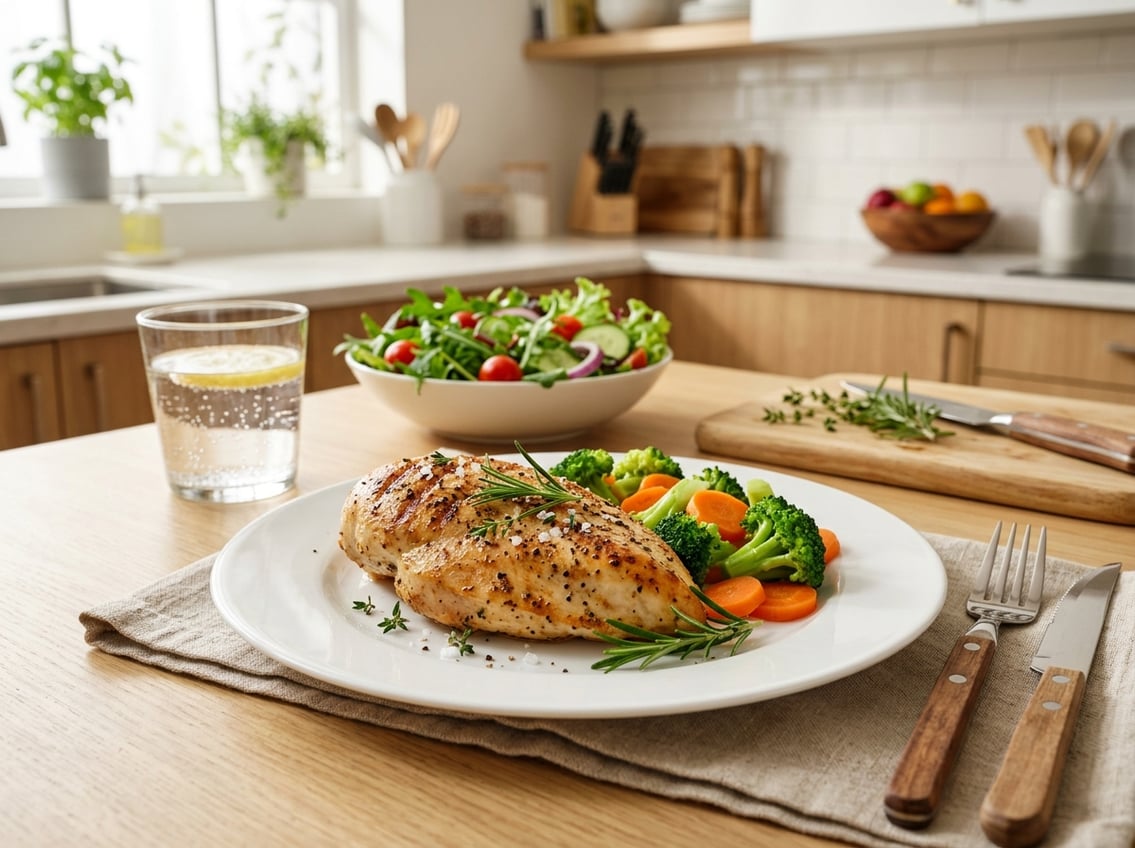
Chicken breast is mild, easy to cook, and high in protein. The best time to eat it depends on whether you want workout fuel, recovery support, weight control, or a balanced everyday meal.
Best Times of Day to Eat Chicken Breast
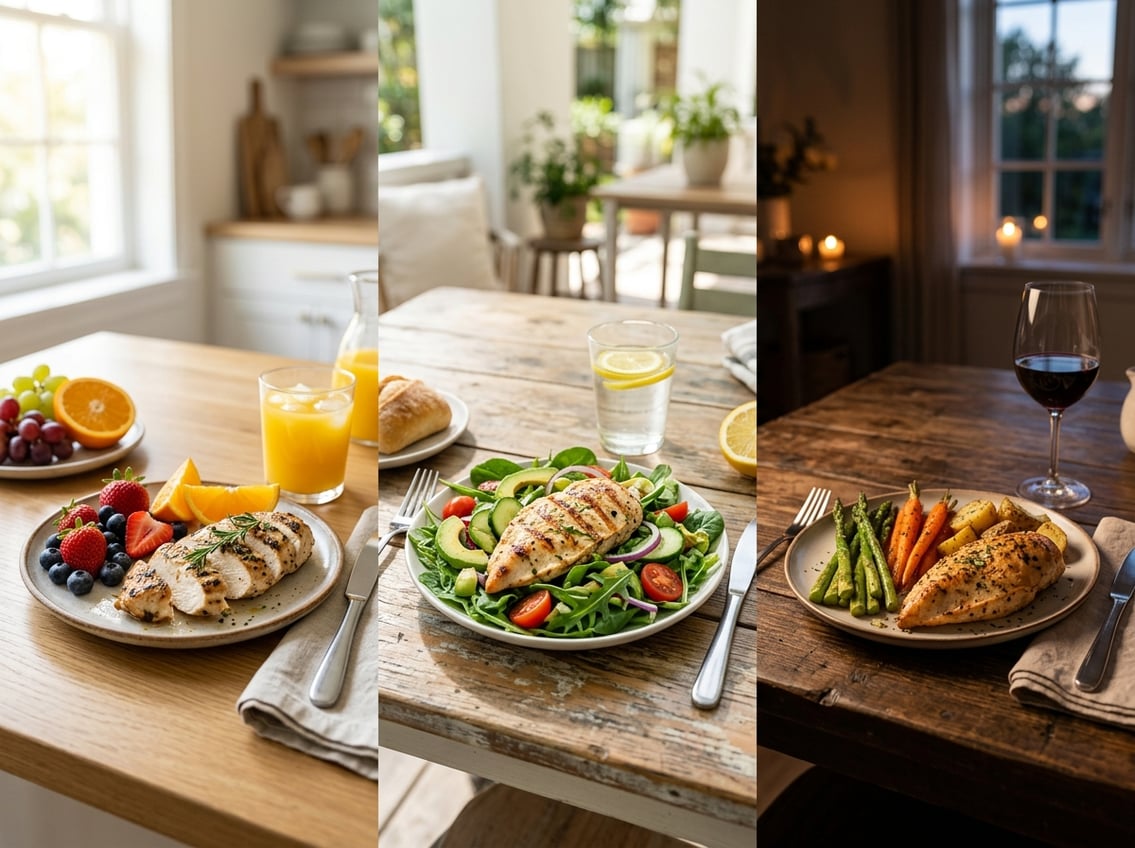
You can fit chicken breast into almost any meal. The timing depends on what you want from it.
Since chicken breast is a lean protein, it works well when you want a filling meal without a lot of extra fat.
Before a Workout for Light, Steady Fuel
Eat chicken breast before exercise if you give yourself enough time to digest it. A smaller portion with rice, toast, or fruit works better than a large, heavy meal right before training.
Many people choose chicken breast as a pre-workout meal about 2 to 3 hours before exercise. It gives you protein without a lot of added fat, which may feel easier than richer meats.
After Exercise for Recovery and Muscle Support
People often use chicken breast as a post-workout food because it provides a strong protein base for muscle repair. Pairing it with carbs after training helps refill energy stores and makes the meal more complete.
If you lift weights or do hard endurance work, eat a chicken breast meal after exercise to help you hit your daily protein target. A simple plate with chicken, potatoes, rice, or beans works well.
At Lunch or Dinner for Satiety and Balanced Meals
Lunch and dinner are practical times to add chicken breast to a balanced meal. It fits well with vegetables, grains, and healthy fats, helping you stay full longer.
If you eat chicken every day, rotating it into lunch and dinner can make planning easier without making every meal feel the same.
How Timing Changes Based on Your Health Goal
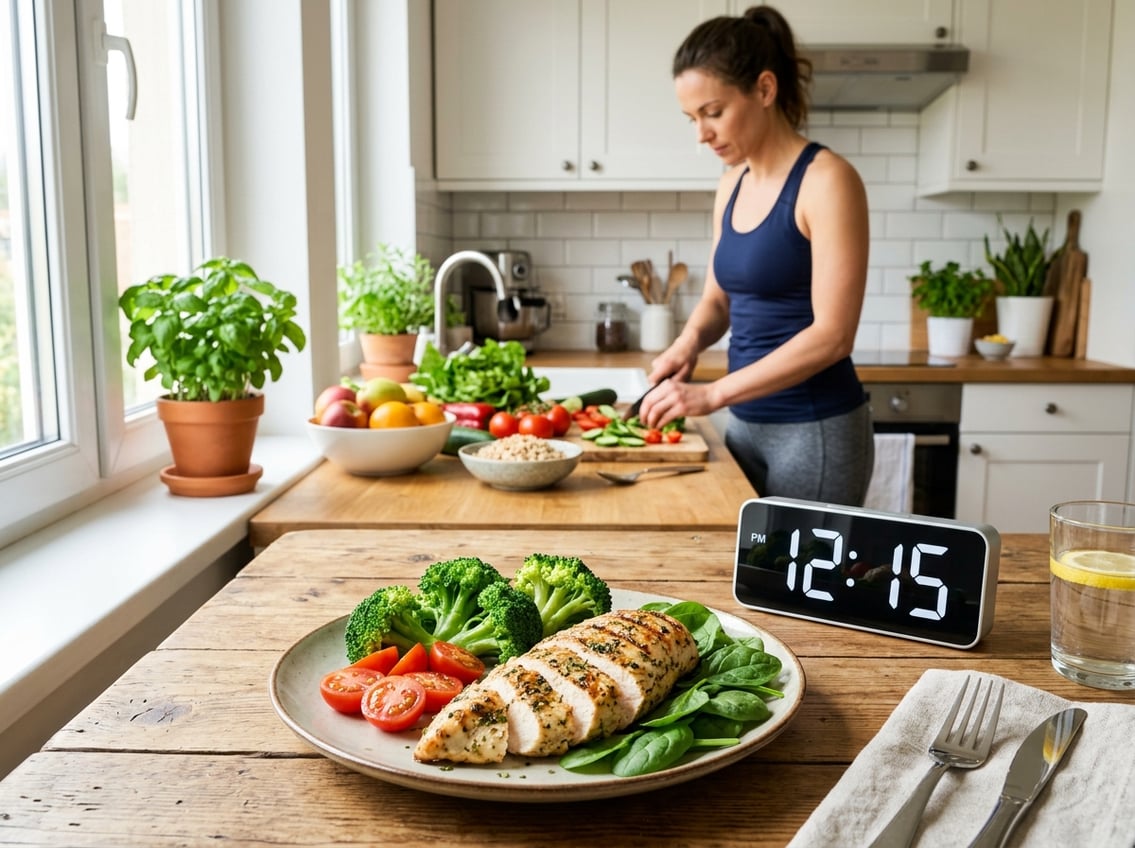
Your goal matters more than the clock when deciding the best time to eat chicken breast. Chicken breast is useful for weight control, muscle gain, and healthy eating, but the best timing depends on how you use it.
For many people, the bigger question is how to fit chicken breast into a full day of eating. A regular meal pattern with protein at steady intervals often works better than waiting too long between meals, as noted by Johns Hopkins Wellness.
For Weight Loss and Appetite Control
If your goal is weight loss, try eating chicken breast at the meal when you are most likely to overeat. Many people choose lunch or dinner because protein helps with fullness and can reduce mindless snacking later.
A skinless chicken breast is usually the leanest option, which can help you keep calories lower while still getting enough protein. According to Chicken Check In, the Dietary Guidelines for Americans suggest about 26 ounces of poultry per week on average, which gives you a useful baseline if you are building a weekly plan.
For Muscle Gain and High-Protein Meal Planning
If you want muscle gain, eat chicken breast around training and spread protein through the day. Use it in one meal after exercise, then again in another meal later if your total protein target is still not met.
Chicken breast fits well in a high-protein plan because it is easy to measure and easy to repeat. If you train hard, eat chicken at lunch after a morning session, or at dinner after an evening workout.
For Everyday Healthy Eating Without Overrelying on One Food
If you want simple healthy eating, keep chicken breast in rotation, not at every meal. Using the same food too often can crowd out fish, beans, eggs, tofu, and other protein sources.
A varied diet gives you a wider mix of nutrients and keeps meals more interesting.
How Much to Eat and What to Pair It With
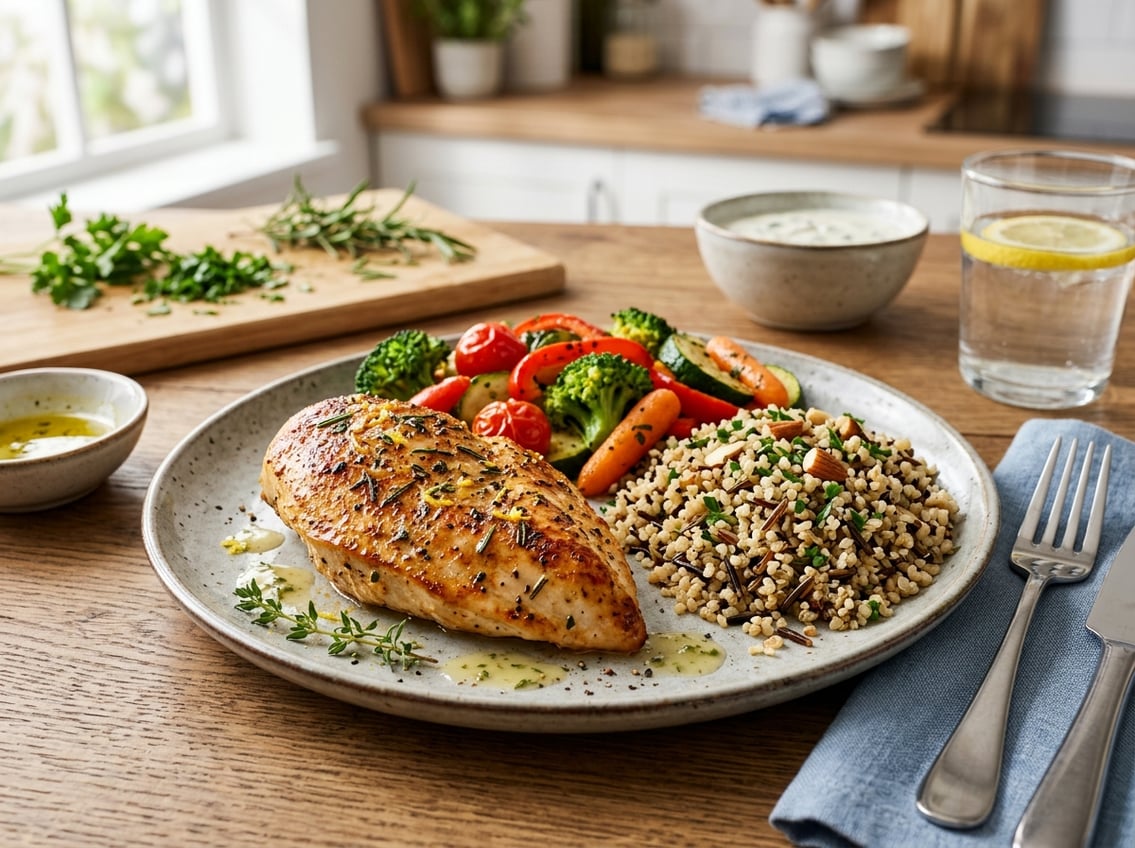
Portion size matters as much as timing. Chicken breast works best when you build the rest of the plate with balance in mind.
Smart Portion Sizes for Most Adults
A typical serving of chicken breast is about 3 to 4 ounces cooked, close to a palm-sized portion. Bigger portions may make sense if you are larger, more active, or trying to gain muscle.
If you use chicken breasts for meal prep, aim for consistency instead of oversized servings. This makes it easier to track your intake and avoid turning a lean food into an overly large meal.
What to Add for a More Complete Meal
Chicken breast alone is not a complete meal. Pair it with vegetables for fiber, whole grains or starchy vegetables for energy, and a source of healthy fat if you need more staying power.
Good examples include:
- Chicken breast with brown rice and broccoli
- Chicken breast with roasted sweet potato and green beans
- Chicken breast with quinoa, salad, and olive oil dressing
This approach helps you get more satisfaction from the meal without relying on extra sauce or breading.
When Daily Intake May Need More Variety
If you eat chicken breasts often, variety becomes important. Eating only one protein source day after day can make your diet less balanced and less enjoyable.
Keep chicken in your routine while rotating in salmon, tuna, beans, lentils, Greek yogurt, eggs, or tofu. This helps you cover more nutrients and reduces boredom.
Cooking Methods That Support Better Results
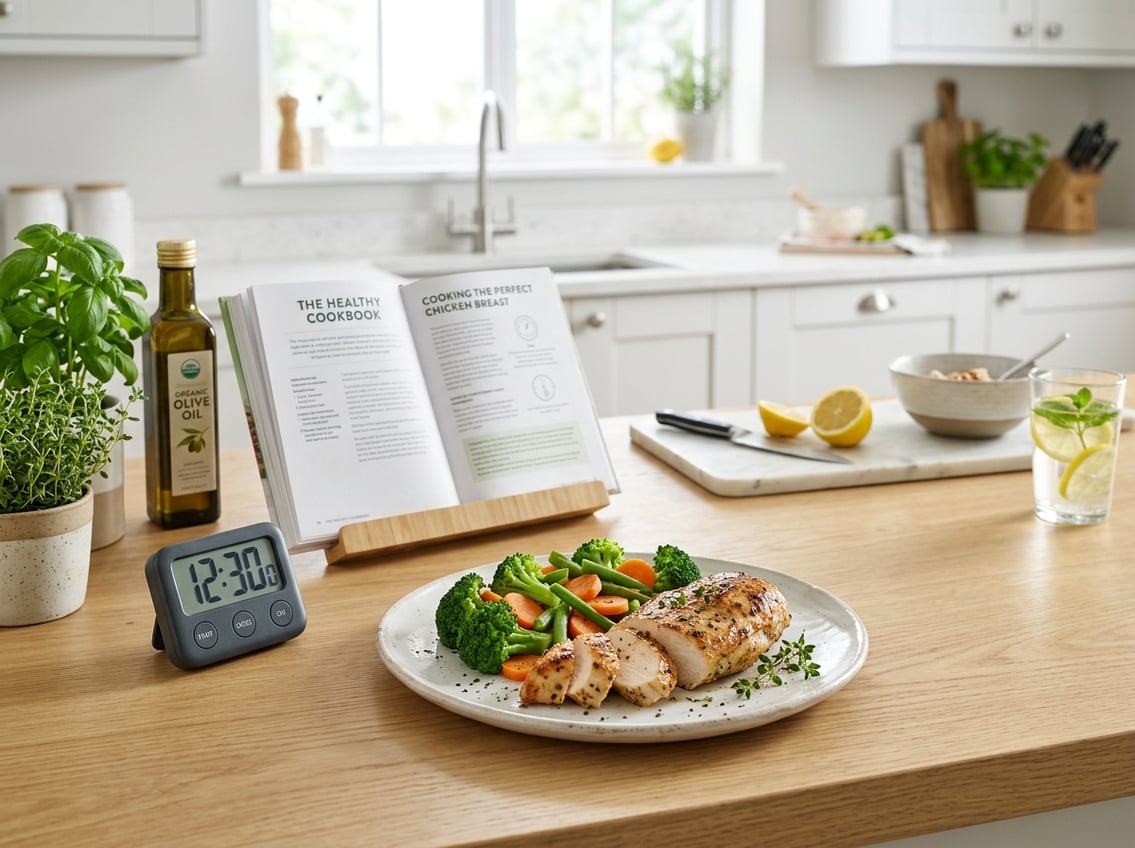
The way you cook chicken changes how it feels in your body and how useful it is in your meal plan. Lean cuts work best when you keep added fat under control and avoid drying them out.
Why Skinless Cuts Are Often the Leaner Choice
Choose skinless chicken breast when you want a lean protein with fewer calories from fat. Removing the skin keeps the meal lighter, which can matter if you are watching your intake.
As noted by The Healthy, choosing white meat like the breast and removing the skin can reduce saturated fat. Skinless chicken is a strong option for everyday meals.
How to Marinate Chicken Breast Without Adding Excess Calories
Marinate chicken breast with acid, herbs, garlic, mustard, yogurt, or a small amount of oil. The goal is flavor, not a thick sugary coating.
A simple mix of lemon juice, olive oil, garlic, pepper, and herbs works well. This keeps the meal satisfying while avoiding heavy sauces that can add extra calories fast.
When Grilled Chicken Works Well and When Gentler Methods May Be Better
Grilled chicken can be a good choice when you want a fast, flavorful meal. It works especially well for lunch, meal prep, and warm-weather cooking.
Gentler methods such as baking, poaching, steaming, or simmering help keep chicken breast moist. Health.com lists poaching, steaming, and boiling as some of the healthiest ways to cook chicken.
These methods often help lean cuts stay tender. If grilling dries out your chicken breast, lower-heat methods may give you better results.


