
What’s the Best Way to Make Chicken Breast? Juicy Methods
What’s the best way to make chicken breast? Start with prep, use even thickness, and cook to temperature instead of time alone.
When you do that, you can cook chicken breasts that stay moist, slice cleanly, and work in many different meals.
The best way to cook chicken breast is the method that protects moisture before cooking and stops at the right internal temperature. Brining or marinating, cooking with steady heat, and resting the meat before slicing all help.
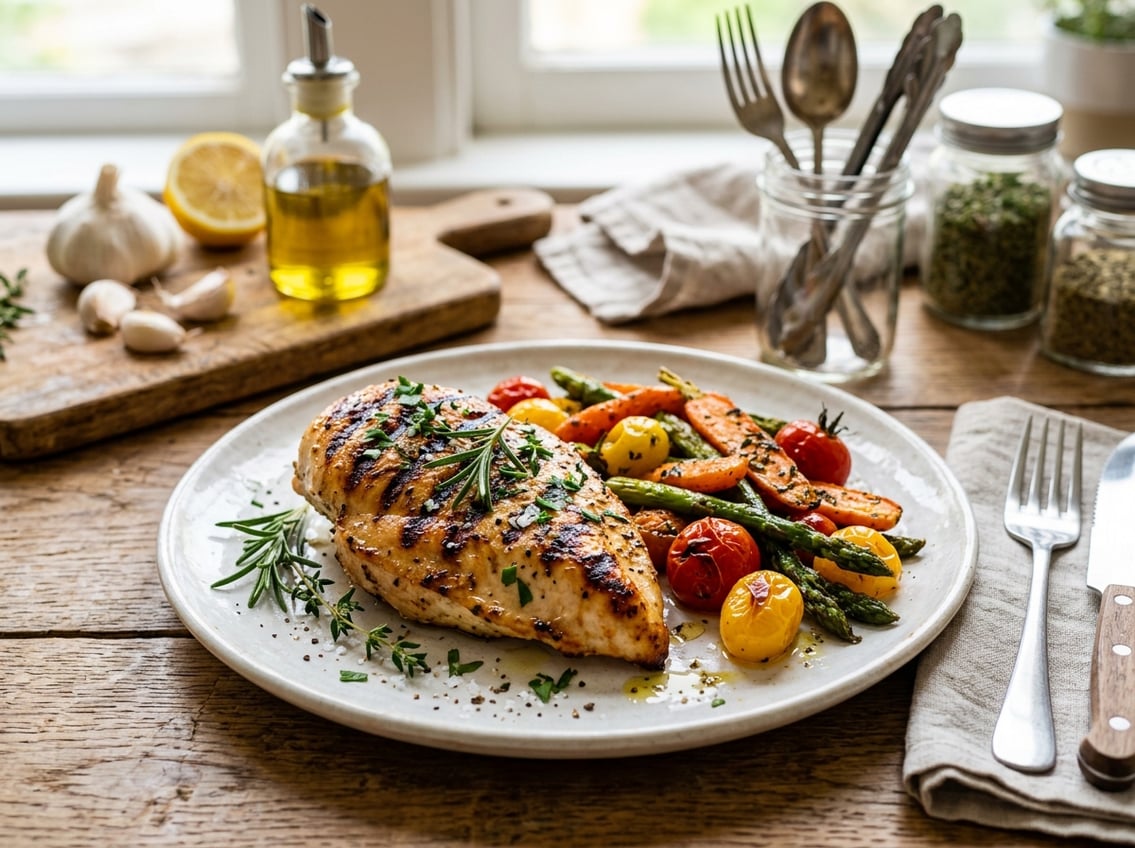
You do not need a complicated chicken breast recipe to get good results. A repeatable process helps you avoid dry meat, which is the main problem with lean chicken breasts.
The Core Method for Juicy Results
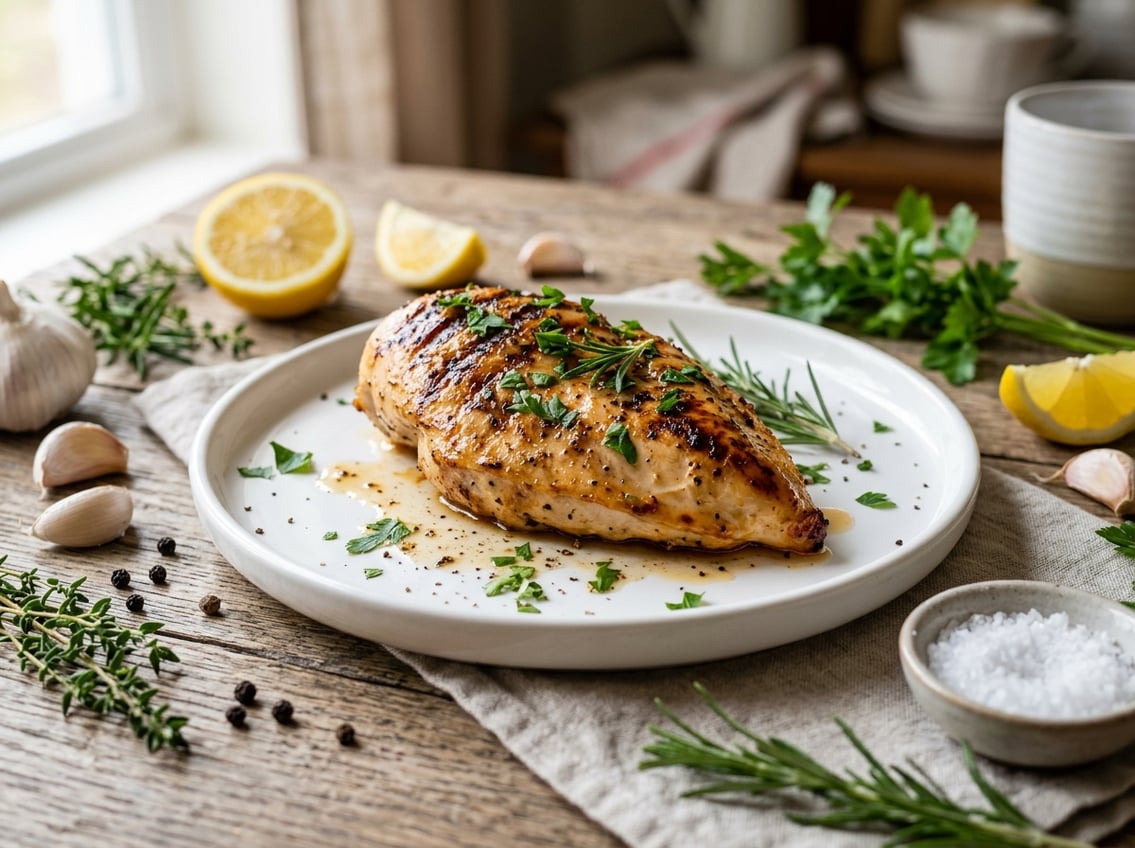
This core method works for skinless chicken breast, boneless chicken breast, and most boneless skinless chicken breasts. Season the meat, cook it evenly, and stop before it dries out.
A Simply Recipes guide based on chef advice points to the same basics: prep matters, brining helps, and pan-searing with a thermometer gives strong control.
Why Brining or Marinating Matters
Brining adds salt and moisture, helping the meat stay juicy during cooking. A quick dry brine works well when you have less time, while a wet brine or marinade gives you more flavor and a little more protection from overcooking.
Even a short rest in salt can improve tender chicken breasts.
Flattening for Even Cooking
Chicken breasts often have a thick end and a thin end. When you pound them to an even thickness, the whole piece cooks at the same rate.
That step helps you avoid dry edges and undercooked centers. This is especially useful for boneless skinless chicken breasts.
How to Use a Meat Thermometer Correctly
A meat thermometer removes the guesswork. Insert it into the thickest part of the breast, away from the pan or bone, and check the temperature near the end of cooking.
Chicken is safe at 165°F. If you pull it a little early, around 150°F to 155°F, carryover heat can finish the job while the meat rests.
When to Pull and Rest the Chicken
Pull the chicken from the heat as soon as it reaches the right range, then let it rest for several minutes. Resting lets the juices settle back into the meat instead of running onto the cutting board.
If you skip this step, even well-cooked chicken breast can seem dry.
Best Cooking Methods by Situation
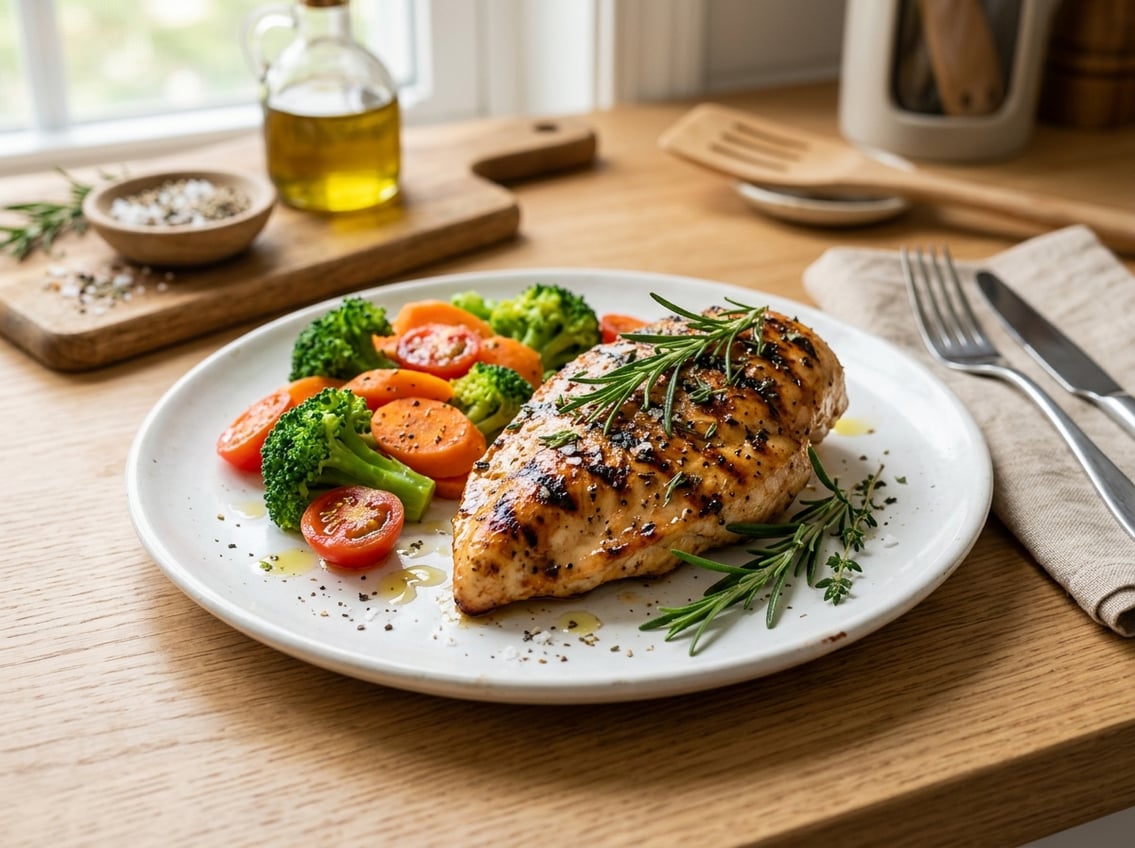
The best method depends on your schedule and how you plan to use the chicken. Some methods are better for weeknights, while others work better for meal prep, salads, or flavor from the grill.
Pan-Searing for the Most Reliable Weeknight Option
Pan-searing gives you the best control over browning and doneness. Start with dry, seasoned chicken breasts in a hot skillet, then cook until the outside is golden and the inside reaches the proper temperature.
Many chefs favor this method because it is fast and consistent.
Bake Chicken Breast for Hands-Off Cooking
Bake chicken breast when you want less attention at the stove. It works well for larger batches and for meals where you want a steady oven finish.
Bake at a moderate temperature and use a thermometer, since oven time changes with thickness.
Poach Chicken Breast for Salads and Shredding
If you want mild chicken for salads, soups, or tacos, poach chicken breast. Gentle simmering keeps the texture soft and makes shredding easy.
This works well when the chicken will be mixed with dressing, broth, or sauce.
Grill Chicken Breast for Smoky Flavor
Grilled chicken breast gives you char and smoky flavor. Pound the meat to even thickness and use a hot grill to sear without drying the surface.
A grilled chicken breast is a strong choice for summer meals, sandwiches, and bowls. Keep a close eye on the temperature, since grill heat can change fast.
Choosing the Right Cut and Avoiding Dry Chicken
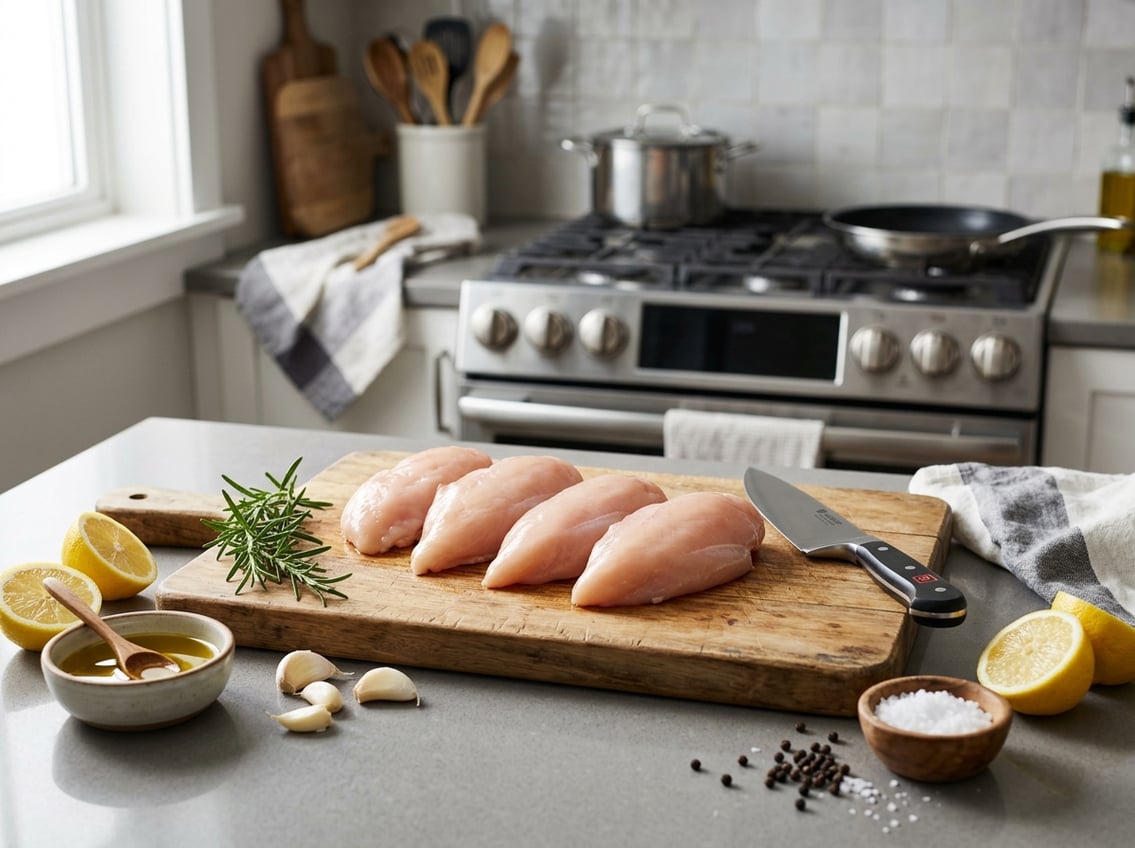
The cut you choose changes both flavor and moisture. Bone, skin, and fat all help protect the meat, while boneless and skinless cuts need more care.
Boneless vs. Bone-In: What Changes
Bone-in chicken breast usually stays juicier because the bone slows heat transfer and helps protect the meat. Boneless chicken breast cooks faster, which makes it easier to overcook if you are not watching the temperature.
If you want the most forgiving option, bone-in chicken breast is often a smart pick. For speed and easy slicing, boneless skinless chicken breast is more practical.
Skin-On vs. Skinless: Flavor and Moisture Trade-Offs
Skinless chicken breast is lean and versatile, but it dries faster. Skin-on chicken breast keeps more moisture and adds flavor, especially when roasted or pan-seared.
When you want a juicy chicken breast with less risk, skin helps. When you want a cleaner flavor and simpler prep, skinless is still a good choice if you brine and watch the heat.
Common Mistakes That Make Chicken Tough
The biggest mistakes are cooking too hot for too long, skipping rest time, and cutting too soon. Pressing the meat in the pan also squeezes out juices.
Uneven thickness is another common problem. If one end is much thicker, you often overcook the thin end before the thick part is done.
Best Uses After Cooking
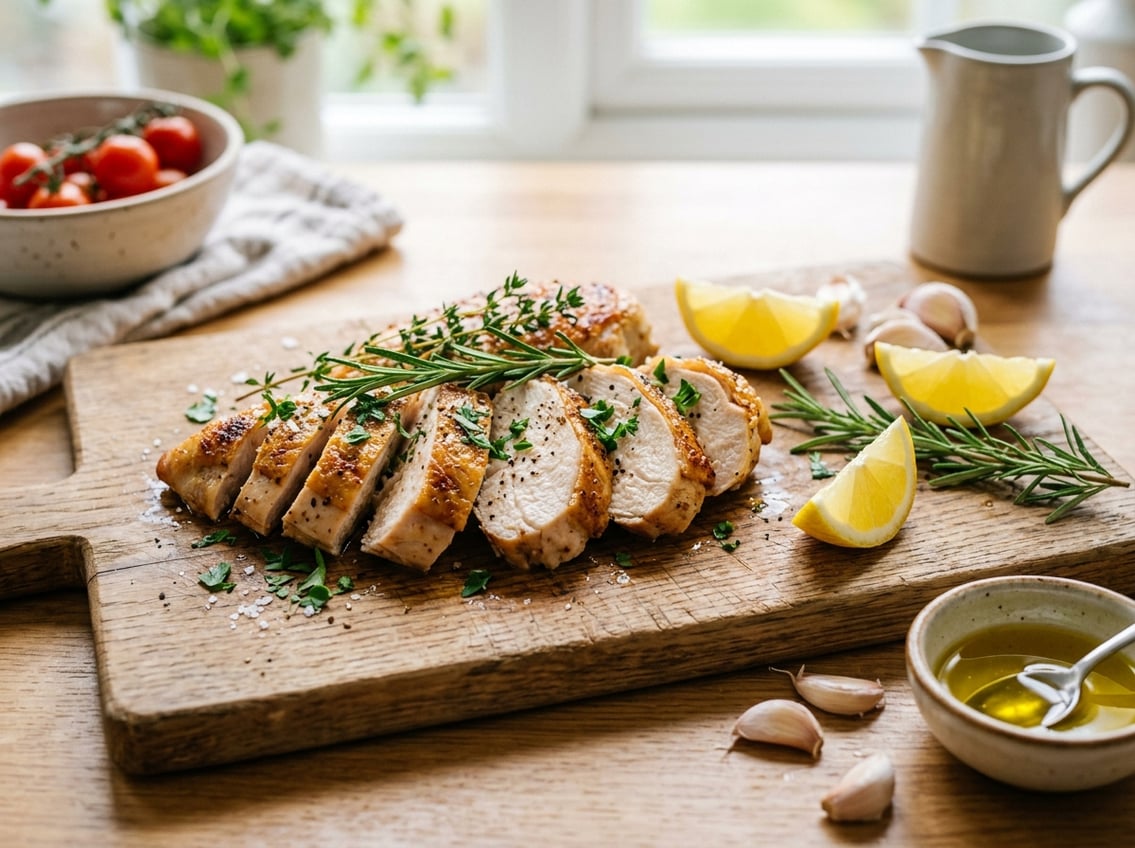
Once you cook chicken breasts well, you can use them in many different meals. The right finish depends on whether you want slices, cutlets, shredded meat, or bite-size pieces.
Best Styles for Saucy Cutlets and Skillet Dishes
A cooked chicken breast works especially well in saucy dishes because the sauce adds back moisture. That makes it a good base for chicken parmesan, chicken marsala, and chicken cordon bleu.
Thin cutlets also cook fast and stay tender in a skillet. For a restaurant-style plate, slice the chicken across the grain after resting.
Best Styles for Shredded or Chopped Chicken
Poached or gently baked chicken breast is a strong fit for shredded uses. You can mix it into chicken pot pie soup, buffalo chicken sliders, and chicken tacos.
Once the meat is cooked and cooled, it is easy to chop for salads, wraps, and soups.
Recipe Ideas Readers Can Make Next
If you want a simple next meal, start with grilled chicken breast. Serve it with rice, vegetables, or a salad.
You can turn cooked chicken into pasta, quesadillas, or a grain bowl.
For more flavor, coat slices in sauce after cooking instead of before. That keeps the meat from drying out and gives you more control over the final taste.


