
What Is the Healthiest Way to Make Chicken Breast? Best Methods
Use gentle heat, limit added fat, and cook chicken breast to a safe internal temperature without drying it out for the healthiest results. Most people find poaching to be the best all-around choice.
Baking and grilling can also work for healthy chicken breast recipes if you watch time, temperature, and added ingredients.
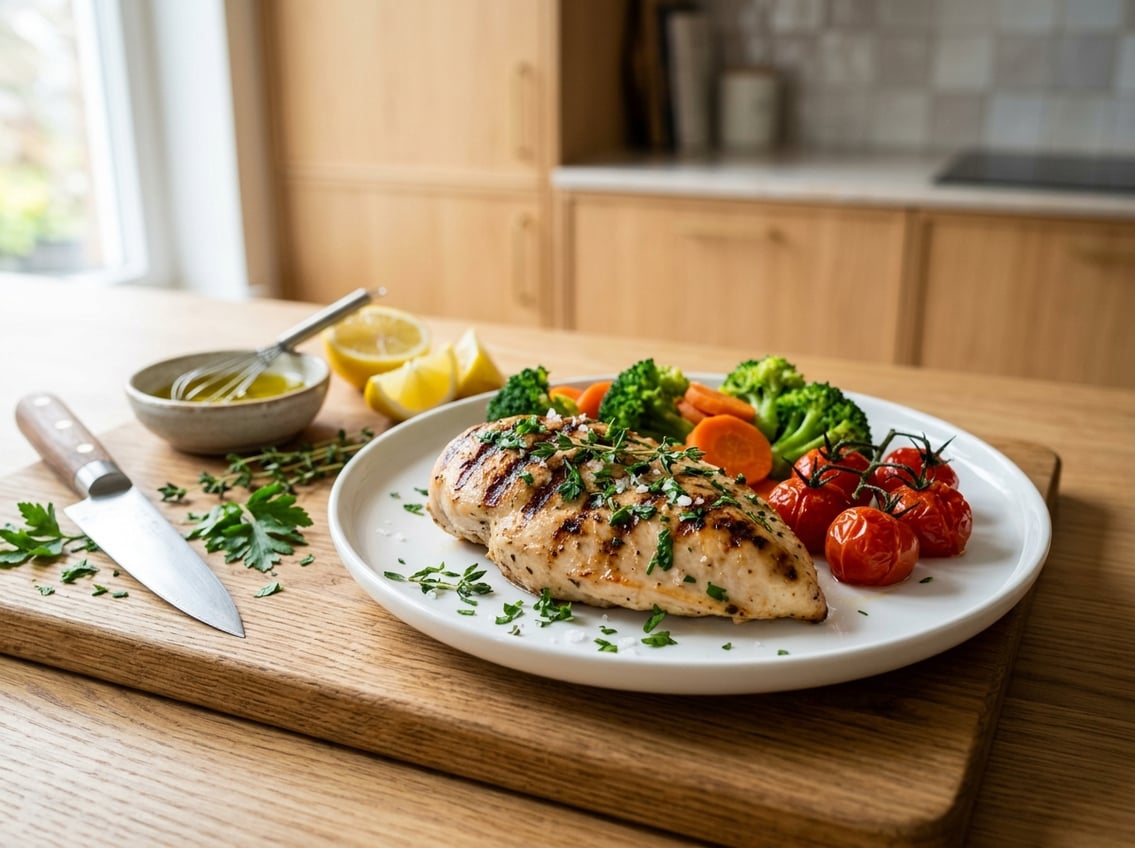
Chicken breast is a lean protein, so your cooking method matters. Using less direct heat keeps the meat more tender and lower in added fat.
If you want a simple answer, start with poaching. Baking and grilling are also good options based on your schedule and taste.
Choose a method that keeps the chicken juicy, safe, and easy to pair with vegetables, grains, or salads.
Best Cooking Methods for a Healthier Chicken Breast
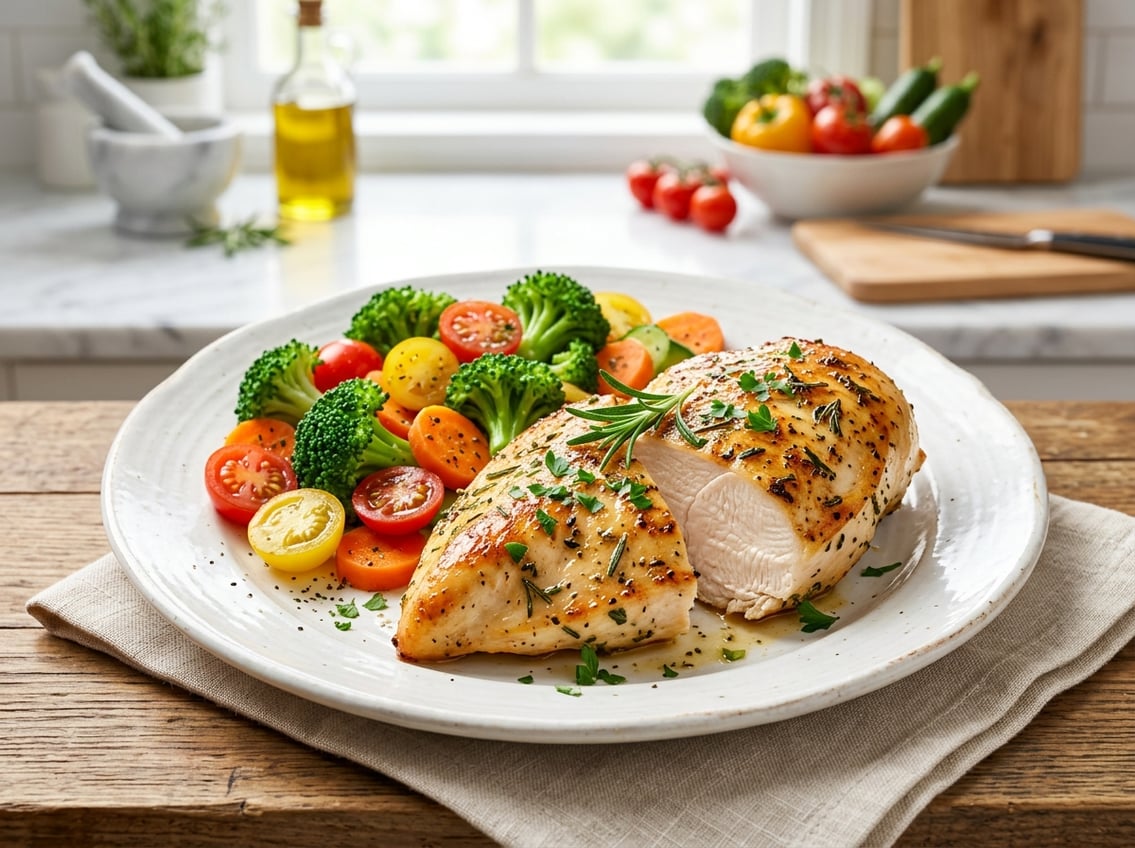
The healthiest cooking methods keep chicken breast moist without adding much oil, breading, or sugar. They also avoid heavy charring from high heat.
Why Poaching Is Often the Healthiest Choice
Poaching cooks chicken in gently simmering liquid, such as broth or water. Health.com notes that poaching uses indirect heat and helps the meat stay juicy and tender.
This method works well for salads, wraps, bowls, or meal prep. Add salt, herbs, pepper, garlic, or onion to the liquid for more flavor with little fat.
How Baking Compares for Everyday Cooking
Baking chicken breast is easy and needs little attention. You can season boneless chicken breast and roast it on a sheet pan or in a dish with vegetables.
Baking is a good choice when you want a hands-off method that keeps calories lower than frying. Use a moderate oven temperature and avoid heavy coatings for a lighter meal.
When Grilling Can Still Be a Healthy Option
Grilling chicken breast can be healthy when you avoid burning the outside and keep portions reasonable. Grilling adds good flavor and works well with simple marinades, herbs, and citrus.
Keep the flame from touching the chicken directly and flip it often to avoid charring. Trim any charred edges before serving.
Other Lower-Fat Cooking Methods Worth Considering
Steaming, boiling, and pressure cooking also work well for boneless chicken breast. Health.com explains that steaming and boiling use low temperatures and no added fat, while pressure cooking is quick and efficient.
These methods are good when you want shredded chicken for tacos, soups, or grain bowls.
How to Keep Chicken Breast Nutritious, Juicy, and Safe
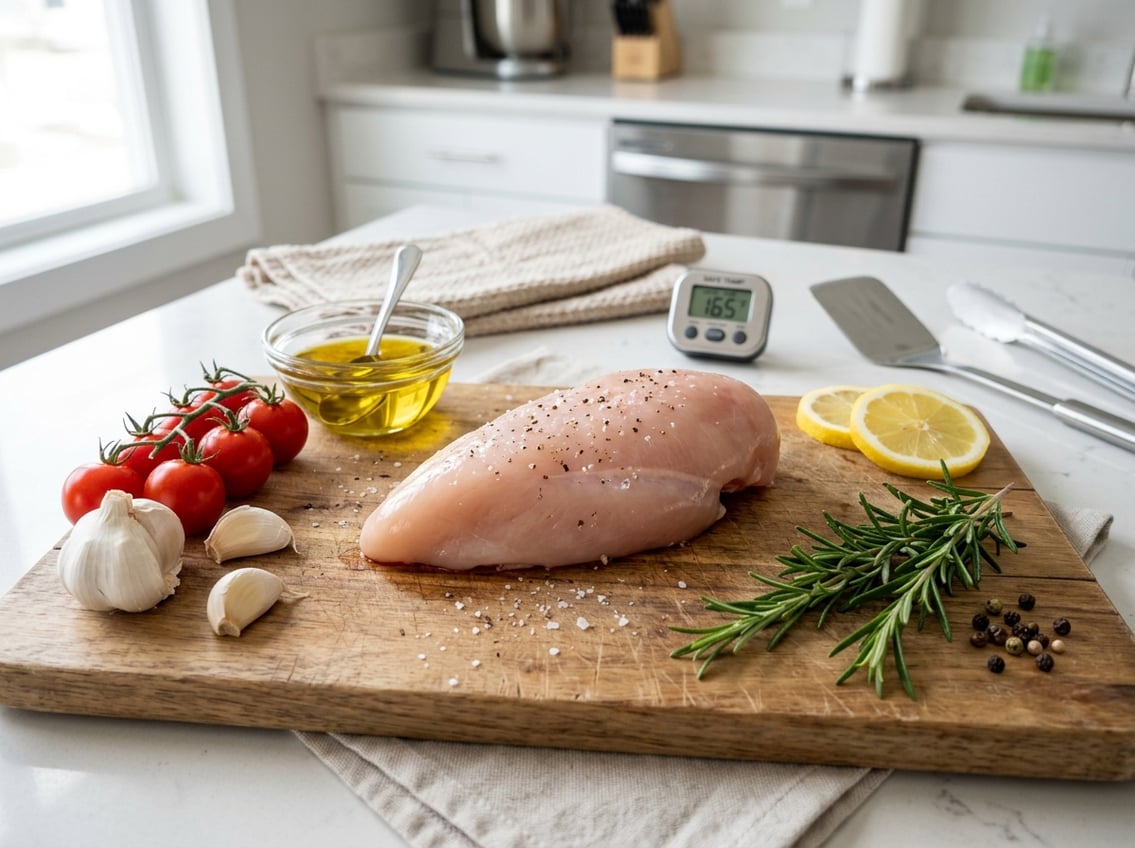
Choose the right cut, season wisely, and cook chicken breast to the proper temperature for a healthy meal. These steps help keep the chicken both safe and pleasant to eat.
Choosing Boneless Skinless Cuts and Trimming Excess Fat
Boneless chicken breast is a smart base for lighter meals because it is lean and easy to portion. Choose skinless pieces and trim off visible fat before cooking.
If the pieces are thick, pound them to an even thickness so they cook evenly. This helps prevent dry edges and undercooked centers.
Using Brines, Marinades, and Seasonings Wisely
A simple brine or marinade helps chicken stay moist without many extra calories. Use broth, lemon juice, vinegar, herbs, garlic, pepper, or a small amount of olive oil.
Keep sugar-heavy sauces and creamy coatings to a minimum for a lighter result. Well-seasoned chicken can taste rich with just salt, acid, and herbs.
Cooking to 165°F Without Overcooking
Cook chicken breast to 165°F at the thickest point for food safety. Remove it from the heat once it reaches that temperature and let it rest so the juices settle.
Check early, especially if your pieces are thin or uneven, to avoid overcooking.
Why an Instant-Read Thermometer Matters
An instant-read thermometer helps you cook chicken breast safely and avoid overcooking. Rely on temperature instead of color alone.
Health.com recommends a digital food thermometer as a reliable tool for cooking chicken breast.
Healthy Recipe Styles That Work Well With Chicken Breast
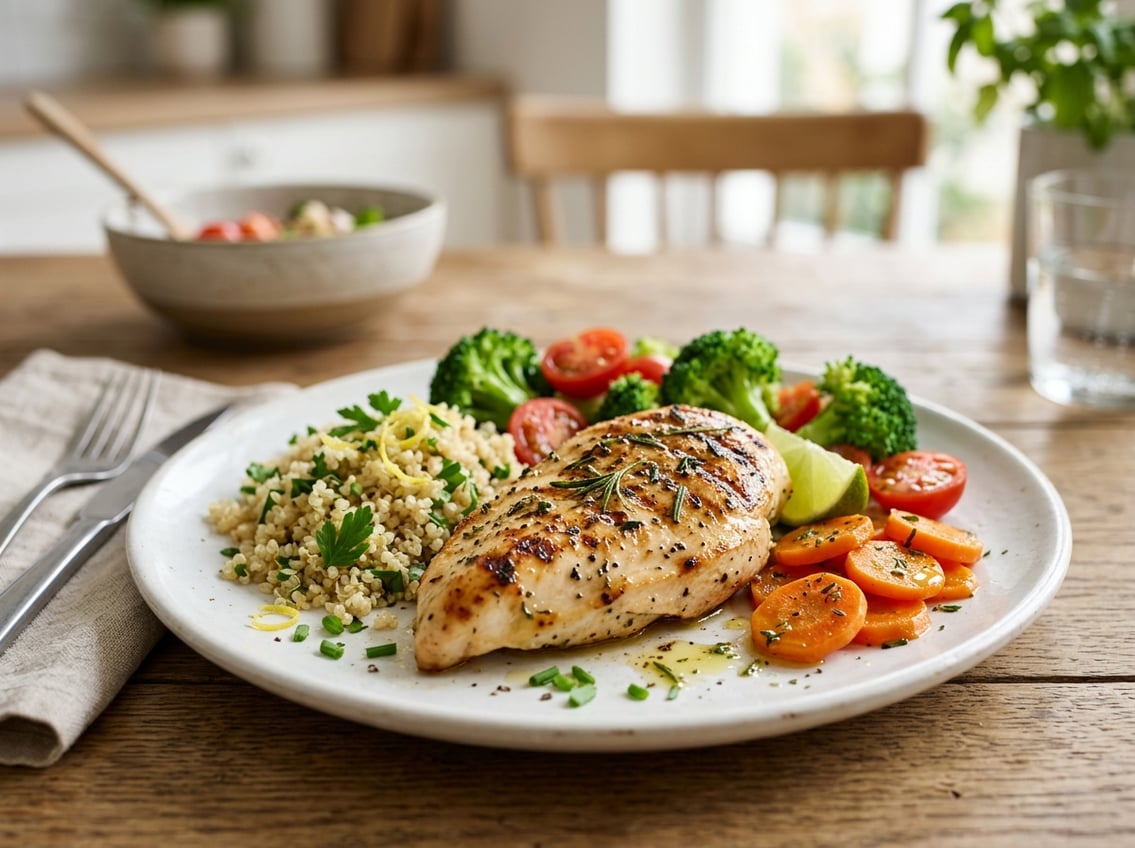
Healthy chicken breast recipes can be flavorful and simple. Use fresh ingredients, balanced sides, and straightforward cooking methods.
Simple Poached Chicken for Meal Prep
Poached chicken is a neutral base for several meals. Shred it for salads, grain bowls, soups, or sandwiches throughout the week.
Add herbs, peppercorns, garlic, or onions to the poaching liquid for more flavor. Prepare a batch to save time and support healthy eating.
Healthy Baked Chicken Breast Variations
Keep baked chicken breast light by using olive oil sparingly and building flavor with spices. Try paprika, Italian seasoning, cumin, lemon zest, or a small amount of mustard.
Baked chicken breasts pair well with roasted vegetables, brown rice, or a simple salad. This makes them an easy option for everyday dinners.
Lemon Garlic Chicken for Quick Dinners
Lemon garlic chicken uses acid, garlic, and herbs for flavor without much fat. Bake or pan-roast the chicken, then serve it with vegetables or whole grains.
This style works well for fast meals that still feel fresh. It fits easily into a weekly dinner rotation.
Stuffed Options Like Spinach Stuffed Chicken
You can keep stuffed chicken breast healthy by using a light filling. Spinach stuffed chicken often includes greens, herbs, and a modest amount of cheese for flavor without a heavy sauce.
Keep the stuffing portion small to maintain balance. Pair stuffed chicken breast with vegetables instead of rich sides.


