
What Is the Best Way to Make Chicken Thighs: Expert Tips & Methods
You want juicy, flavorful chicken thighs with crisp skin. Pan-sear skin-side down to render fat and create a golden crust.
Finish in the oven until the internal temperature reaches your preferred level for tenderness. This combination gives a great balance of texture and moisture for most chicken thighs.
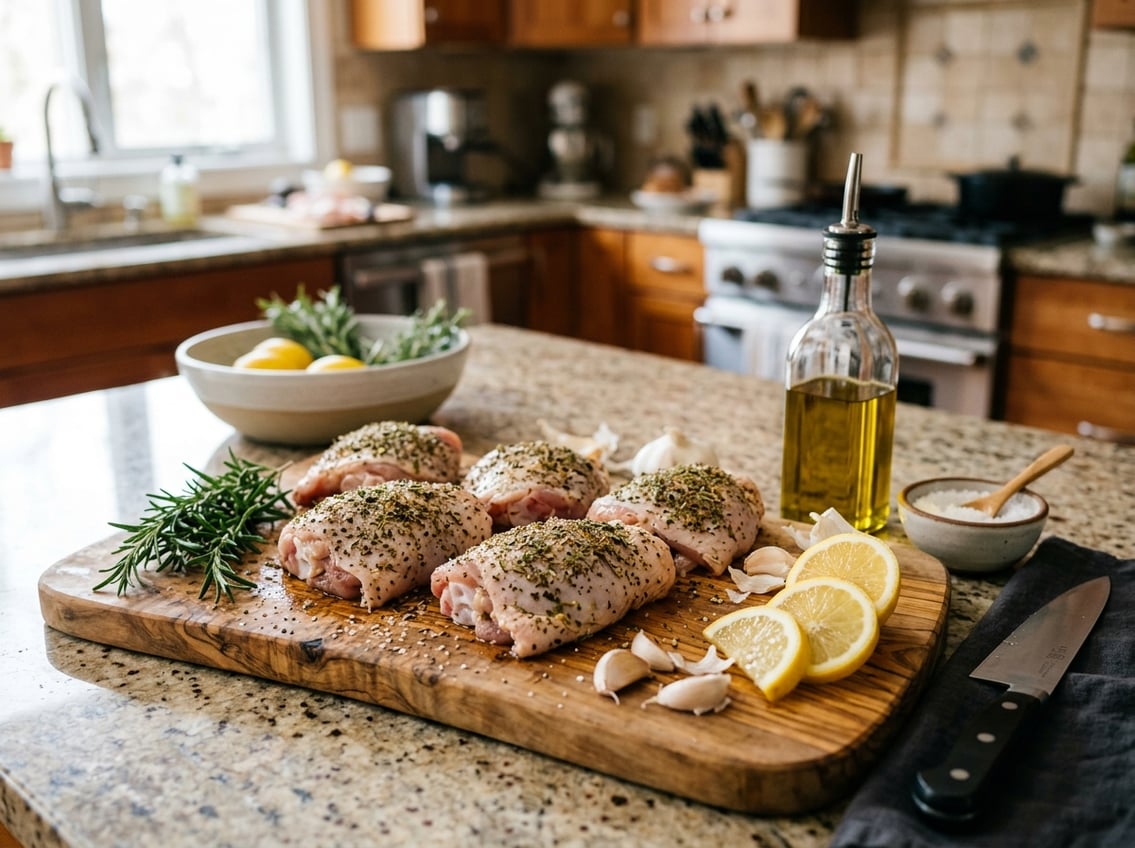
You’ll learn how different thigh types, simple prep steps, oven techniques, and other methods like grilling or braising change the outcome. Get practical seasoning ideas and expert tips so your next chicken thighs turn out reliably juicy and delicious.
Types of Chicken Thighs and Their Cooking Benefits
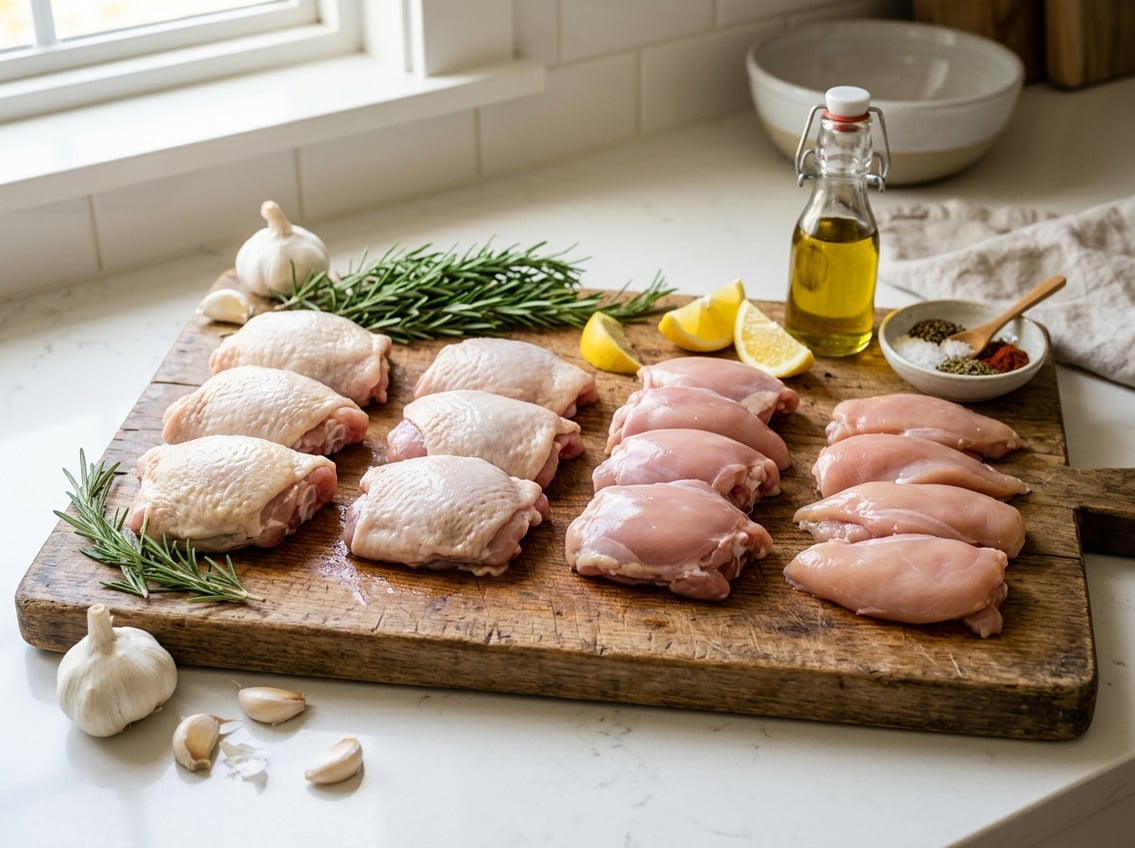
Different thigh cuts affect seasoning, cook time, and final texture. Choose bone-in for moisture and flavor, boneless for quick, even cooking, and skin options for crispiness or leaner results.
Bone-In, Skin-On
Bone-in, skin-on chicken thighs give juicy, flavorful meat. The bone conducts heat more slowly and keeps the dark meat moist during longer cooking.
The skin renders fat and crisps when you sear or roast, adding texture and flavor. Use a hot pan to render the skin first, then finish in a 350–425°F oven depending on size.
Target internal temperatures between 175–185°F for tenderness. These thighs work well for pan-sear-then-roast methods, braises, and sheet-pan dinners.
Boneless, Skinless
Boneless, skinless chicken thighs cook faster and give leaner results. They’re ideal for stir-fries, curries, and quick sautés.
Because they lack skin and bone, avoid overcooking to prevent dryness. Pull them at 165–170°F and let them rest briefly.
Trim excess fat and use high-heat or moist-heat techniques to keep them tender. Boneless thighs also make shredding and slicing easier for tacos or meal prep.
Bone-In, Skinless
Bone-in, skinless thighs give you the bone’s moisture and flavor without extra fat from skin. They perform well in slow-cooked dishes, braises, and oven-roasted recipes.
Expect slightly longer cook times than boneless pieces. Aim for 175–185°F for tenderness.
They’re a good choice when you want depth of flavor from the bone but less surface fat. Use braising liquid, sauces, or glazes to add exterior flavor and moisture.
Skin-On, Skinless Comparison
Skin-on thighs deliver a crispy exterior and more rendered fat. Use them for roasting, pan-searing, or grilling when you want brown, flavorful skin.
Skinless thighs reduce surface fat and cook faster, suiting quick sautés or stews. Bone presence influences internal juiciness and timing more than skin does.
Pick boneless skinless for speed and easy portioning. Pick bone-in skin-on for flavor and forgiving cooking.
Adjust temperature targets and resting time based on whether bone and skin are present to preserve juiciness and texture.
Prepping Chicken Thighs for Maximum Flavor
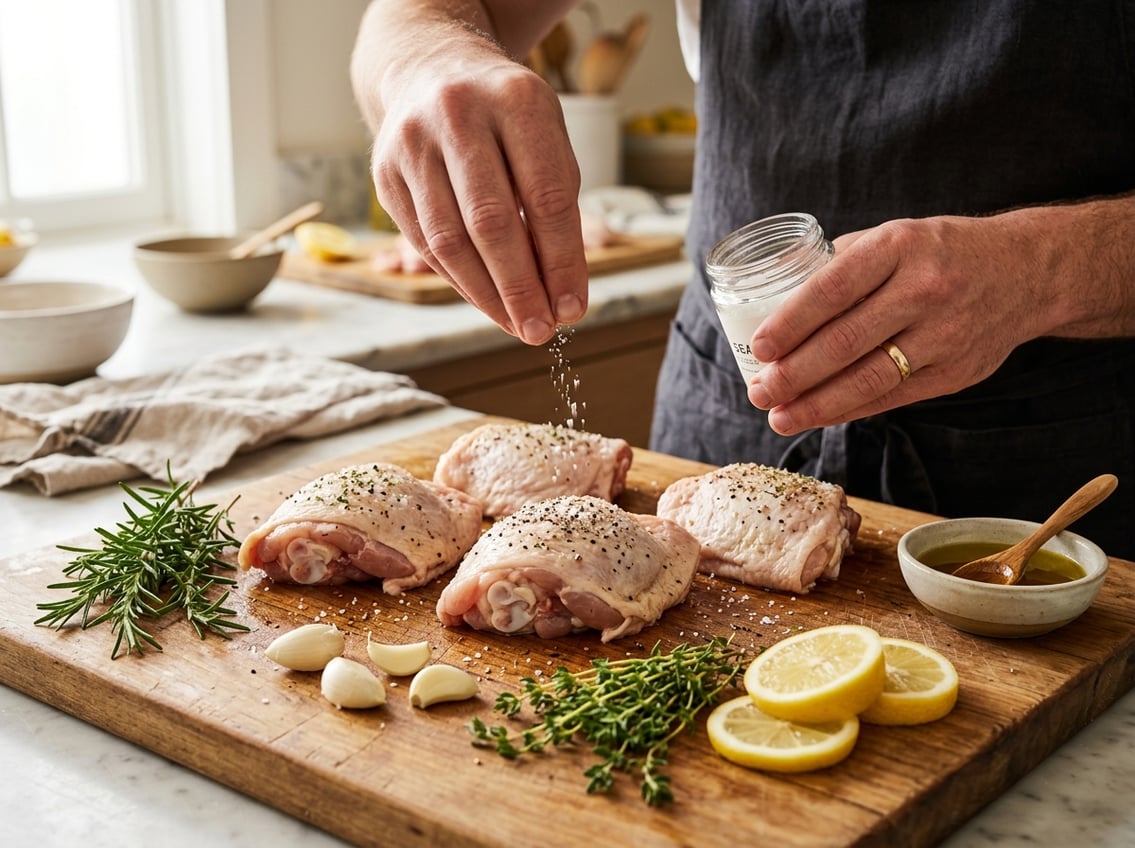
Pat the thighs dry, trim excess fat, and choose whether to brine, marinate, or simply season. Each choice changes texture and how well the seasoning sticks.
Marinating Techniques
Choose a marinade that balances acid, oil, and aromatics to tenderize and flavor. For a basic marinade, mix 2 tablespoons olive oil, 1 tablespoon soy sauce, 1 tablespoon lemon juice or vinegar, 1 teaspoon garlic powder, 1 teaspoon paprika, ½ teaspoon black pepper, and 1 teaspoon salt per pound of chicken.
Reserve some marinade before adding chicken if you want to brush it on during cooking. Discard any marinade that contacted raw chicken unless you boil it first.
Marinate bone-in skin-on thighs 6–12 hours for deeper flavor. Boneless skinless pieces need only 30 minutes–2 hours.
For a dry-rub alternative, combine salt, black pepper, garlic powder, onion powder, and smoked paprika. Rub evenly and let sit refrigerated for 1–24 hours.
Brining Steps
Use a wet brine to increase juiciness and help seasoning stick. Dissolve ¼ cup kosher salt and ¼ cup sugar in 4 cups warm water, then add 2 cups cold water or ice to cool.
Submerge thighs fully in the brine in the refrigerator for 30 minutes to 4 hours. Rinse briefly after brining and pat dry thoroughly.
For a quicker option, apply a dry brine of 1 teaspoon kosher salt per pound and refrigerate uncovered for at least 1 hour or overnight.
Both wet and dry brines improve internal seasoning and help your chicken thighs stay juicy.
Essential Trimming and Seasoning
Trim visible excess fat and loose skin with kitchen shears. If you leave skin on, score it lightly or pat very dry to promote crisping.
Season with salt and freshly ground black pepper as the base. Add garlic powder, onion powder, and paprika for depth.
For skin-on bone-in thighs, apply more seasoning to the skin surface and under the skin if possible. Let seasoned thighs rest at room temperature 15–20 minutes before cooking.
Oven Methods for Juicy and Crispy Chicken Thighs
Use a hot oven and simple seasoning. Start skin-side up and monitor internal temperature with an instant-read thermometer.
Trim loose skin, pat thighs dry, and arrange them so air circulates around each piece.
How to Bake Chicken Thighs
Preheat your oven to 400–425°F (204–218°C). Lay bone-in, skin-on thighs on a rimmed baking sheet or in an ovenproof skillet, skin-side up, spaced at least 1 inch apart.
Use a wire rack on the sheet pan for maximum air circulation. Season simply with salt, pepper, and a little oil or a light spice rub.
For boneless thighs, reduce temperature to 375°F and check earlier. For skin-on bone-in, the higher range renders fat and crisps the skin.
Achieving Crispy Skin
Start with very dry skin and pat thighs thoroughly with paper towels. A light coating of oil helps browning without making the skin greasy.
Salt the skin at least 15–30 minutes before cooking to draw out moisture. For extra crisp, sear skin-side down in a cold skillet on medium for 8–10 minutes, then transfer to a 425°F oven.
Alternatively, roast straight in a preheated oven and finish with 2–3 minutes under the broiler. Avoid covering the pan to prevent steam from softening the skin.
How Long to Bake Chicken Thighs
Bake bone-in, skin-on thighs at 400–425°F for about 25–35 minutes, depending on size. Smaller thighs finish closer to 25 minutes; large, thick thighs may need up to 35 minutes.
Boneless thighs usually take 20–25 minutes at 375–400°F. If you seared first and then oven-finished, plan on 15–25 minutes in the oven after searing.
Use visual cues: juices running clear and the skin deeply browned indicate near-doneness. Rely on temperature rather than time alone.
Checking for Doneness
Use an instant-read thermometer to check doneness. Insert it into the thickest part of the thigh without touching bone.
Pull the thigh at 165°F (74°C) for safety. For juicier results, you can remove at 160–162°F and rest 5–10 minutes.
Look for clear juices and meat that pulls easily from the bone on bone-in thighs. Rest cooked thighs on a plate tented loosely with foil for at least 5 minutes before serving.
Alternative Cooking Techniques
These methods offer different textures, speeds, and levels of hands-on time. Choose based on the result you want: crispy skin, smoky flavor, or deeply tender meat.
Air Fryer Chicken Thighs
Air fryer chicken thighs crisp quickly because hot air circulates close to the skin. Pat thighs dry and season.
Cook skin-side up at 400°F (200°C) for about 20–25 minutes, flipping once halfway. Use an instant-read thermometer and remove at 165°F (74°C).
Avoid overcrowding the basket. Leave space for airflow so skin crisps.
If you want extra color, brush a little oil on the skin before cooking. Expect faster cooks and easy cleanup.
Grilling Chicken Thighs
Grilling gives you direct char and a smoky flavor. Use bone-in, skin-on thighs for more forgiving results.
Set up two-zone heat: direct high and indirect medium-low. Sear skin over direct heat 4–8 minutes until deeply browned.
Move to indirect heat to finish to 165°F. Keep the lid closed to maintain temperature.
Let thighs rest 5–7 minutes before serving. Grilling rewards you with crisp skin and pronounced grill flavor.
How to Grill Chicken Thighs
Start with room-temperature thighs and pat them dry. Season simply with salt and pepper or use a marinade.
Preheat your grill to medium-high for searing, and create a cooler zone for indirect finishing.
Sear skin-side down 4–8 minutes until golden and crisp. Transfer to indirect heat, close lid, and cook 10–18 more minutes depending on size.
Target internal temp 165°F and check at the thickest point. Rest 5–7 minutes before slicing.
Use tongs, not a fork, to avoid piercing and losing juices. For more color, finish briefly over direct heat just before resting.
Slow Cooking and Braising
Slow methods emphasize tenderness over crisp skin. Brown thighs first in a hot skillet to build flavor.
Transfer to a slow cooker or Dutch oven with aromatics and 1–2 cups of liquid. Cook low for 3–4 hours (slow cooker low) or 1.5–2 hours in a 325°F oven for braising.
The long, moist cook keeps meat succulent. Skin will soften in the liquid; to re-crisp, remove thighs and briefly broil or pan-sear skin-side up after cooking.
Season toward the end if using salty stock. This method works well when you want fork-tender meat for stews, shredded recipes, or dishes with rich sauces.
Seasoning and Recipe Ideas
Choose seasonings that build crisp skin and clear flavor. Focus on salt, an acid or oil for adhesion, and one bold element—smoky, herby, or bright—to define the dish.
Classic Spice Rubs
Create a seasoned chicken thighs base with a simple dry rub. Start with kosher salt and black pepper.
Add paprika for color and mild sweetness, garlic powder for savory depth, and onion powder for umami. For heat, mix in crushed red pepper or cayenne.
Rub the mix under and over the skin so the flavors penetrate and the skin crisps. Rest the thighs at room temperature for 15–30 minutes or refrigerate overnight for stronger seasoning.
Sear skin-side down, then oven-roast to keep the spice crust intact.
Variation ideas:
- BBQ-style: smoked paprika, brown sugar, and mustard powder.
- Herb-lemon: lemon zest, dried thyme, and garlic powder.
These variations highlight the chicken without overpowering it.
Global Flavors
Choose distinct spice blends for different cuisines. For Mediterranean thighs, combine oregano, rosemary, lemon zest, and olive oil.
Marinate for 1–2 hours for fresh herb flavor. For Middle Eastern flavors, use ground cumin, coriander, smoked paprika, and a touch of cinnamon; add yogurt for a tenderizing marinade.
For an Asian-inspired option, mix soy sauce, grated ginger, garlic, and rice vinegar. Marinate for 30–60 minutes.
Adjust salt if using salty marinades like soy or miso. Bone-in, skin-on thighs can handle longer cooking and bold marinades.
Keep acid moderate to avoid a “cooked” texture in shorter marinades.
Pairing with Sides
Pair starch and vegetable sides to match the chicken’s flavor. For classic spice rubs, serve with creamy mashed potatoes and steamed green beans.
For lemon-herb or Mediterranean thighs, choose herbed couscous or roasted vegetables for a lighter meal. Bold, spiced thighs go well with buttered rice or tabbouleh.
For Asian-marinated thighs, serve jasmine rice and sautéed bok choy or snap peas. Reserve pan drippings or deglaze with stock or wine to make a sauce for the sides.
Expert Tips for Tender and Flavorful Results
Control heat, manage moisture, and use an instant-read thermometer for precise doneness. Sear for browned skin and finish in the oven or on indirect heat for even cooking.
Best Practices for Moisture
Pat thighs dry with paper towels before seasoning. Dry skin sears and crisps faster, reducing steaming.
Use bone-in, skin-on thighs to help retain moisture during cooking. When roasting, place thighs on a rack or rimmed sheet to let fat collect beneath and allow airflow.
For braises or slow cooking, sear the skin first for color, then finish covered in liquid to keep the meat tender. Brine for 30–90 minutes in a 5% salt solution to add moisture and improve seasoning.
Don’t over-brine, as too much salt or time makes the texture mushy. Rest cooked thighs for 5–10 minutes before slicing to let juices redistribute.
Internal Temperature Guidelines
Check doneness with an instant-read thermometer in the thickest part, avoiding the bone. Remove thighs at 160–163°F (71–73°C); carryover heat will bring them to a safe 165°F (74°C).
For very tender meat from slow methods, cook to 175–185°F (79–85°C) to break down collagen. For quick skillet-to-oven or grill methods, use the lower removal range to prevent drying.
Calibrate your thermometer regularly and check multiple thighs when cooking a batch. Spot-check the thickest pieces for consistent results.
Common Cooking Mistakes
Crowding the pan or baking sheet traps steam and prevents both browning and crisp skin. Leave at least 1 inch (2.5 cm) between thighs or use a larger skillet to keep good surface contact for searing.
If you skip the thermometer and rely on time alone, you might undercook or overcook the meat. Visual cues like bubbling juices do not give accurate results; always check with an instant-read thermometer in the thickest part.
Placing meat straight from a very cold refrigerator into high heat increases cook time and causes uneven doneness. Let thighs sit 15–20 minutes at room temperature when possible.
If you over-salt after brining or use too much sugar in marinades, you can create off flavors or burn the exterior before the interior cooks.


