
What Is the Best Way to Cook Chicken Breast? Methods Compared
The best way to cook chicken breast is to use a method that controls heat, keeps the meat even in thickness, and stops cooking at the right temperature. For most people, that means a quick sear followed by gentle cooking until the center reaches 165°F.
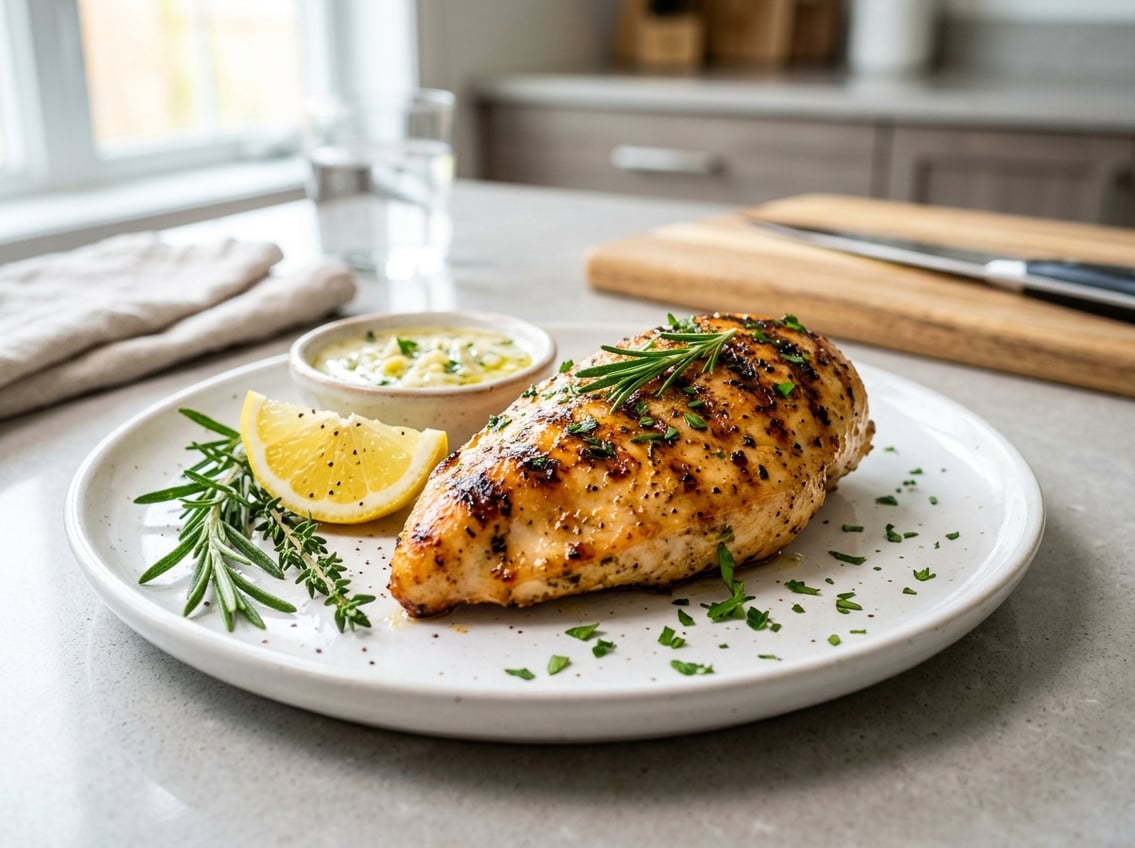
If you want juicy chicken breast, choose a method that limits overcooking, gives you even heat, and allows the meat to rest before you slice. This works for simple dinners or when you use cooked chicken in salads, sandwiches, and bowls.
There are several good ways to cook chicken breast, and the right choice depends on your goal. Some methods are best for speed, some for browning, and some for maximum tenderness.
Best Overall Method for Juicy Results
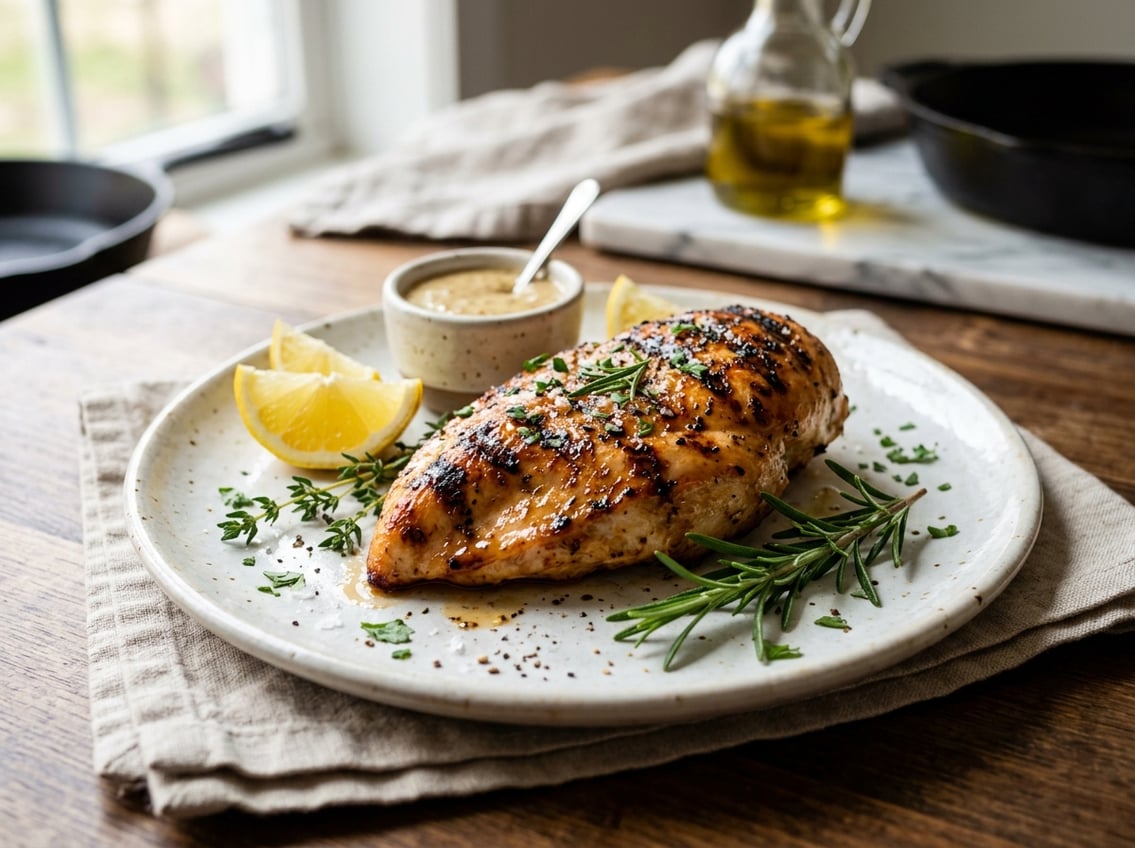
For juicy chicken breast with good flavor and reliable texture, sear it quickly and then finish gently. This gives you browning on the outside while protecting the inside from drying out.
You can depend on this method at home.
Why Sear and Finish Gently Works Best
A short sear builds flavor without keeping the meat over high heat. After that, lower heat or covered cooking finishes the chicken breasts more evenly and helps avoid dryness.
This method works especially well for boneless skinless chicken breasts, since they cook fast and can dry out quickly.
You can use the same idea when you want juicy chicken breasts for slicing, salads, or meal prep.
A trusted skillet method from The Kitchn starts on the stovetop, then uses covered cooking and resting to produce tender chicken breasts.
When Boneless Breasts Are the Smartest Choice
Boneless chicken breast is the easiest cut for weekday cooking. It cooks quickly, portions well, and is easy to season.
Choose boneless skinless chicken breasts when you want speed, clean slicing, or a blank slate for sauces and spice blends.
They are also the best pick when you want a simple method without extra steps.
When Bone-In Breasts Can Be Better
Bone-in chicken breast gives you more protection from heat, which helps it stay moist. The bone slows cooking, so the center comes up gently.
Bone-in chicken breast is a good choice when you want a more forgiving result or plan to roast it. It can take longer than boneless, yet it often gives you a juicier texture.
How to Get Tender Meat Every Time
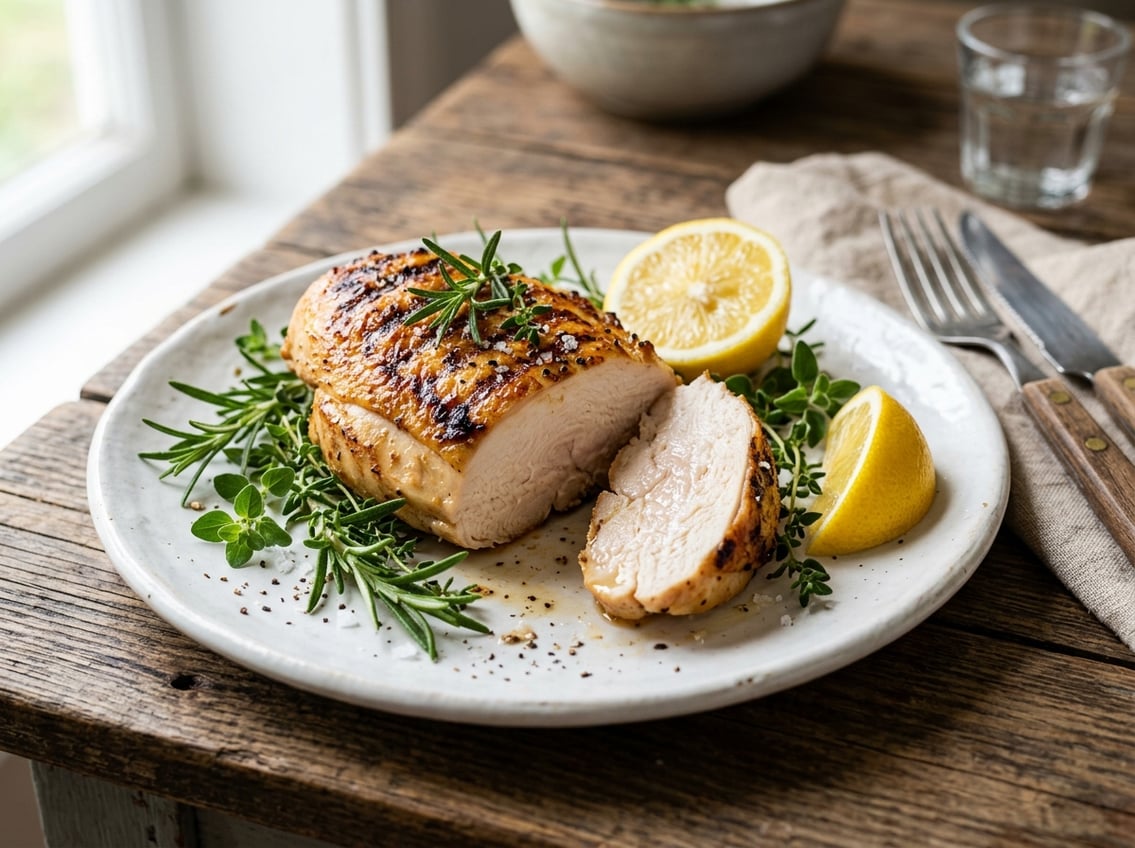
Tender chicken breasts come from preparation as much as cooking time. Even thickness, proper seasoning, and careful temperature control help you avoid dryness.
Pounding and Portioning for Even Cooking
Pound each skinless chicken breast to an even thickness before cooking. This keeps the thinner end from drying out before the thicker end is done.
If the chicken breasts are very large, split them into smaller portions. Even pieces make it easier to cook them at the same rate.
Brining, Salting, and Marinating
A short brine makes boneless skinless chicken breasts juicier and more flavorful. Even a brief saltwater soak helps the meat hold onto moisture, as noted in the Kitchn method.
Dry salt works too. Salt ahead of time when you can, or marinate if you want extra flavor from herbs, citrus, yogurt, or spices.
Temperature, Resting, and Carryover Cooking
Use an instant-read thermometer and remove the chicken when it reaches 165°F in the thickest part. Let it rest after cooking so the juices settle back into the meat.
Carryover cooking matters, especially with boneless and skin-on chicken breasts. A short rest keeps juicy chicken breast from turning dry when you cut it.
Method-by-Method Cooking Guide
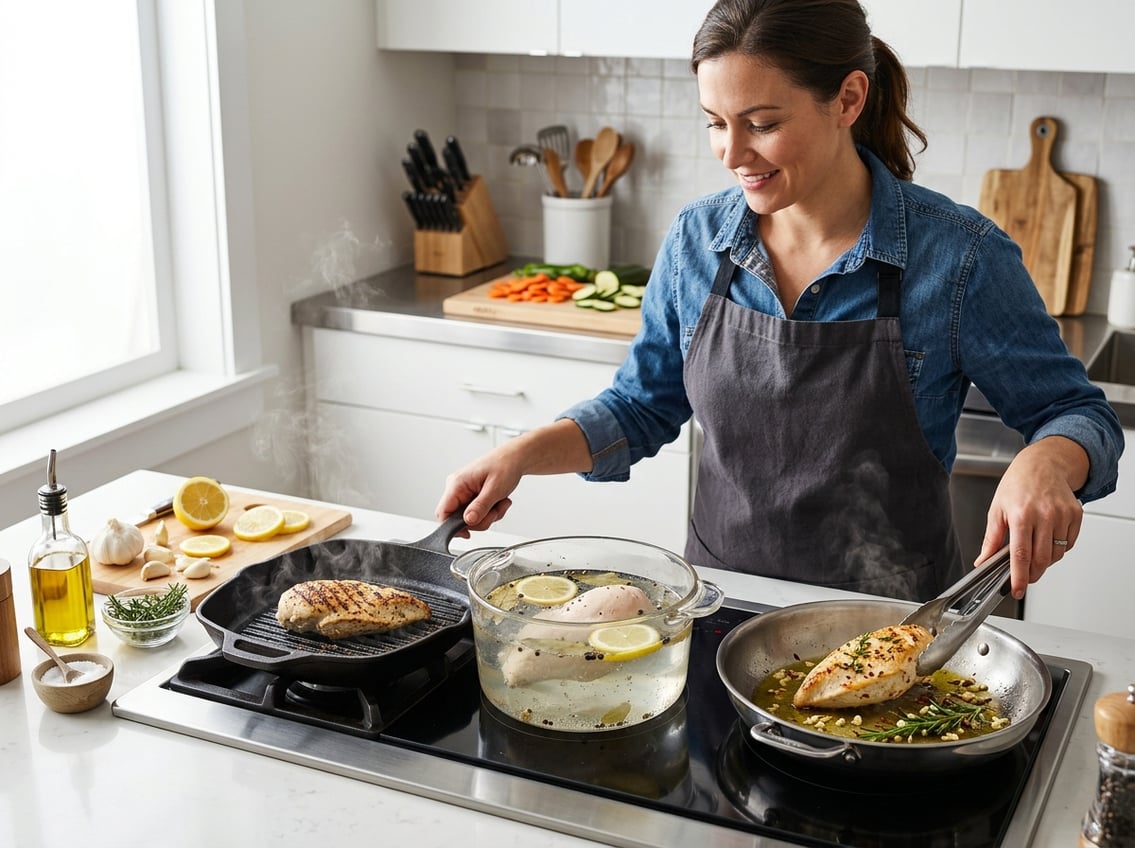
Different cooking methods make different results. When you know how to bake, grill, broil, and poach chicken, you can match the method to the meal you want.
How to Bake Chicken Breast
To bake chicken breast, season it well, place it in a hot oven, and cook until it reaches 165°F. Baking works well for larger batches and is one of the easiest ways to cook chicken breasts evenly.
For moist results, avoid overbaking and let it rest before slicing. If you want less browning, use a lower oven temperature and a covered dish for part of the time.
How to Grill Chicken
To grill chicken breast, start with even pieces and preheat the grill well. Cook over direct heat first for grill marks, then move to a cooler part of the grill if needed.
Grilling gives you smoky flavor and good browning, but it can dry out lean meat fast. Watch doneness closely and use a thermometer.
How to Broil Chicken
Broil chicken breasts when you want fast browning from high heat. Place the rack near the broiler, watch carefully, and turn the chicken if needed for even color.
Broiling is quick, which makes it useful for thin pieces or when you need dinner fast. It can also add color without heating up the whole kitchen.
How to Poach Chicken
To poach chicken breast, simmer it gently in liquid until cooked through. This keeps chicken very moist, especially when you plan to shred or slice it for salads.
Poached chicken has a mild flavor, so add sauce, herbs, or seasoning after cooking. It works well for meal prep and recipes that need soft, even texture.
Choosing the Right Method for Your Meal
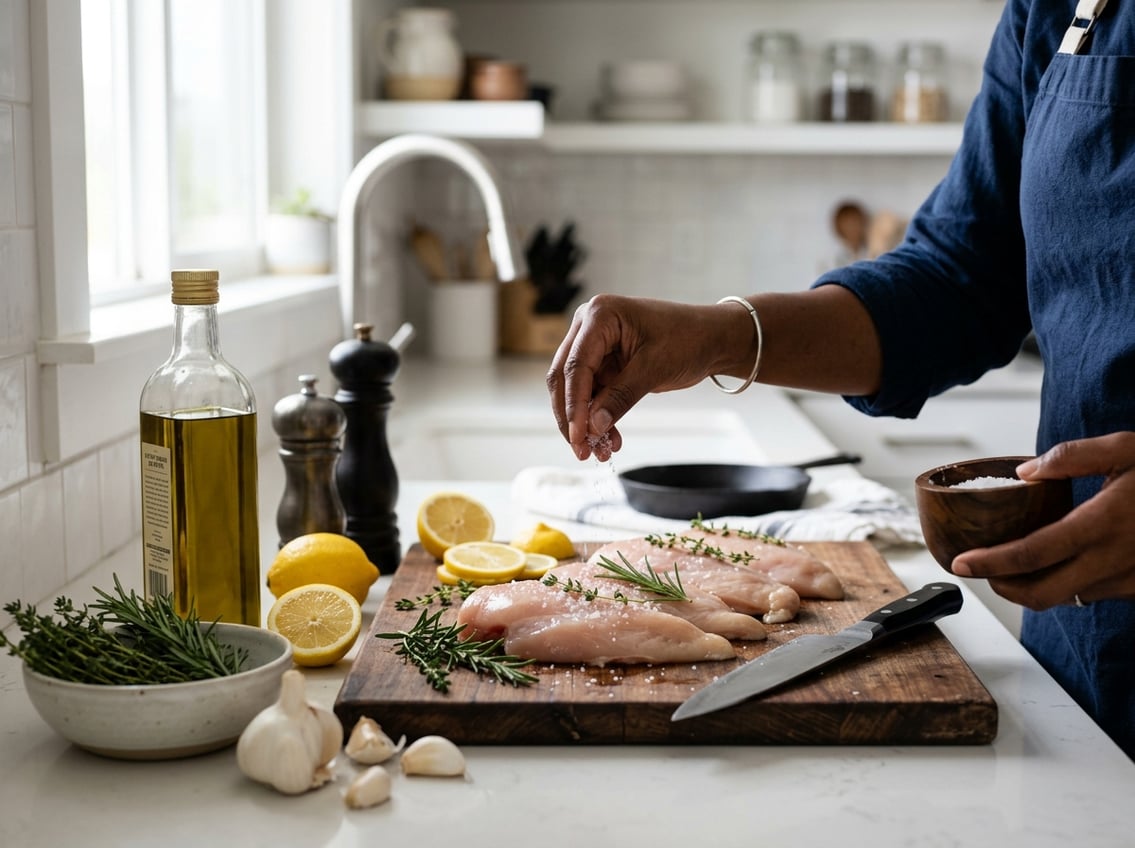
The best method depends on how you plan to use the chicken. A chicken breast for salads does not need the same finish as a blackened chicken breast or a weeknight skillet dinner.
Best Option for Meal Prep and Salads
For meal prep, poach chicken breast or use a gentle skillet method to keep the meat moist and easy to slice. These methods give you juicy chicken breasts that stay useful for several days in the fridge.
For salads, sandwiches, and wraps, a simple baked chicken breast also works well. It stays neutral enough to pair with many dressings and sauces.
Best Option for Fast Weeknight Dinners
For fast dinners, a pan-seared method is hard to beat. It is quick, gives you color, and works well with boneless skinless chicken breast.
If you want a reliable dinner with little cleanup, choose a skillet recipe and serve it with vegetables or rice. This is one of the most practical options for busy nights.
Best Option for Maximum Browning and Bold Flavor
If you want the most browning, choose a grill chicken breast method or use a broiler. These high-heat options create stronger flavor on the surface.
A blackened chicken breast also works well when you want bold seasoning and a darker crust. Use this method when flavor matters more than a very soft, neutral finish.


