
What Does It Mean When Chicken Breast Has Rib Meat? Explained
You may see the phrase what does it mean when chicken breast has rib meat on a package and wonder if the chicken is mixed with bones or lower-grade scraps. In most cases, it means a small amount of meat from near the chicken’s shoulder area remains attached to the breast cut.
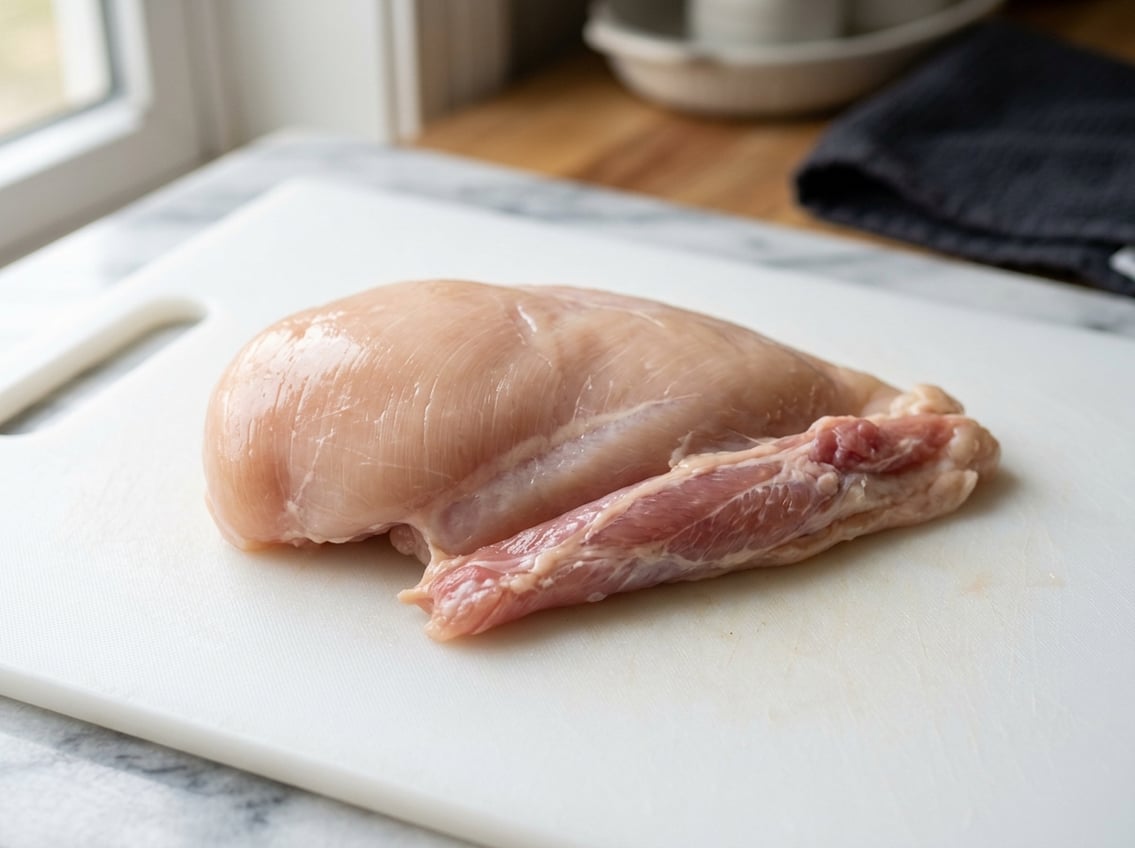
This is still real chicken breast, and the rib meat is part of the bird, not a filler ingredient or a sign that the product is unsafe. Processors often leave that small section attached because it is faster and easier, making the product a little cheaper.
If you know what the label means, you can choose whether you want a cleaner-looking breast, a better price, or a cut that may have a little more flavor. This helps you shop with more confidence and cook it the right way.
What the Label Is Telling You
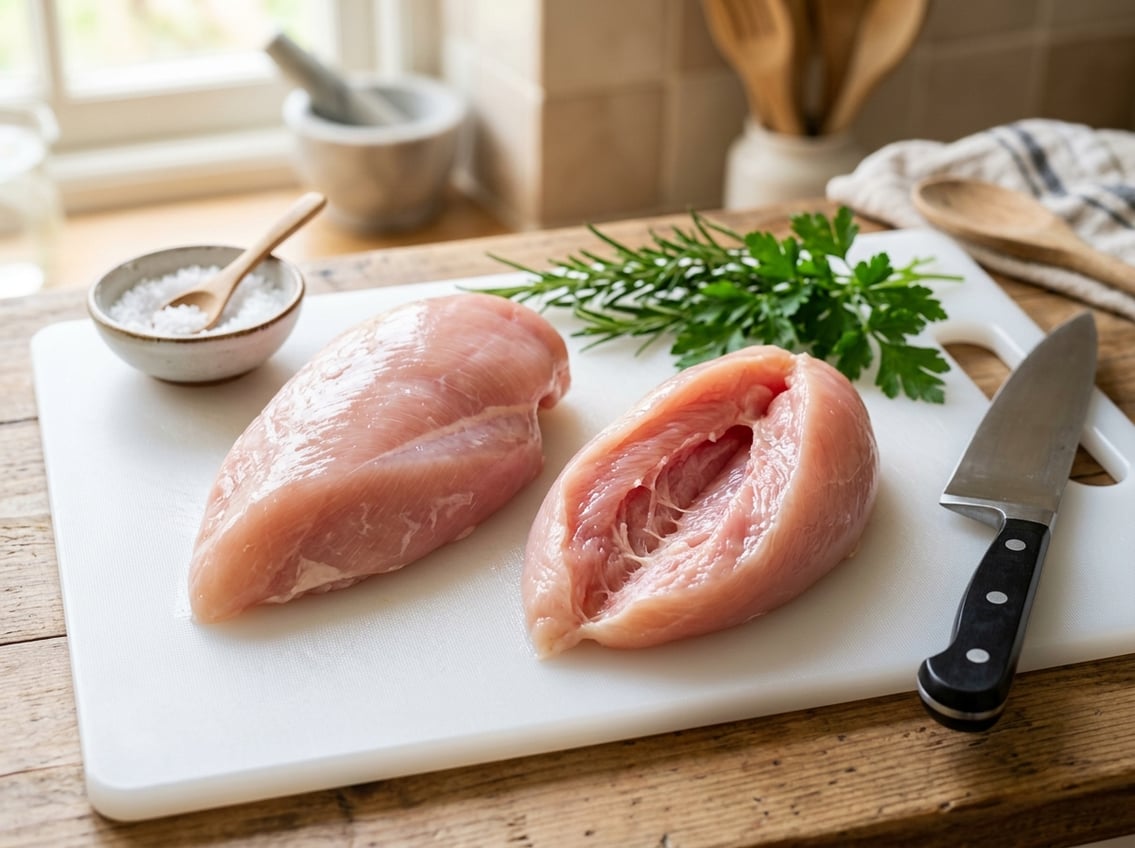
A label that says with rib meat tells you the breast is not trimmed down to only the main breast muscle. It still includes a small attached portion from the area near the ribs and shoulder side of the bird.
Chicken breast is usually sold as white meat, while darker meat comes from the legs and thighs. Rib meat can look a little darker than the rest of the breast, so it may stand out on the package.
Where Rib Meat Comes From on the Bird
Rib meat in chicken refers to meat left near the scapula, which is part of the shoulder area. This meat can cling to the breast during processing, according to BBQ Host’s explanation of rib meat in chicken.
Because the breast sits close to the carcass, trimming it perfectly takes extra time. Some processors cut close and leave the rib meat attached on purpose, while other times it happens because the cut is made less precisely.
How It Differs From Plain Breast Meat
Plain breast meat is the main pectoral muscle and is usually pale, lean, and mild in flavor. Rib meat sits closer to the bone and may look a little darker, with a slightly richer taste.
It is still chicken breast with a small attached section. The difference is mostly in trimming, appearance, and texture.
Why Processors Leave It Attached
Processors leave rib meat attached to save time during trimming. This lowers labor costs and makes the breast cheaper for you to buy.
It can also reduce waste because the processor uses more of the bird in one cut. For many shoppers, that tradeoff is worth it when price matters more than appearance.
How It Affects Nutrition and Product Quality
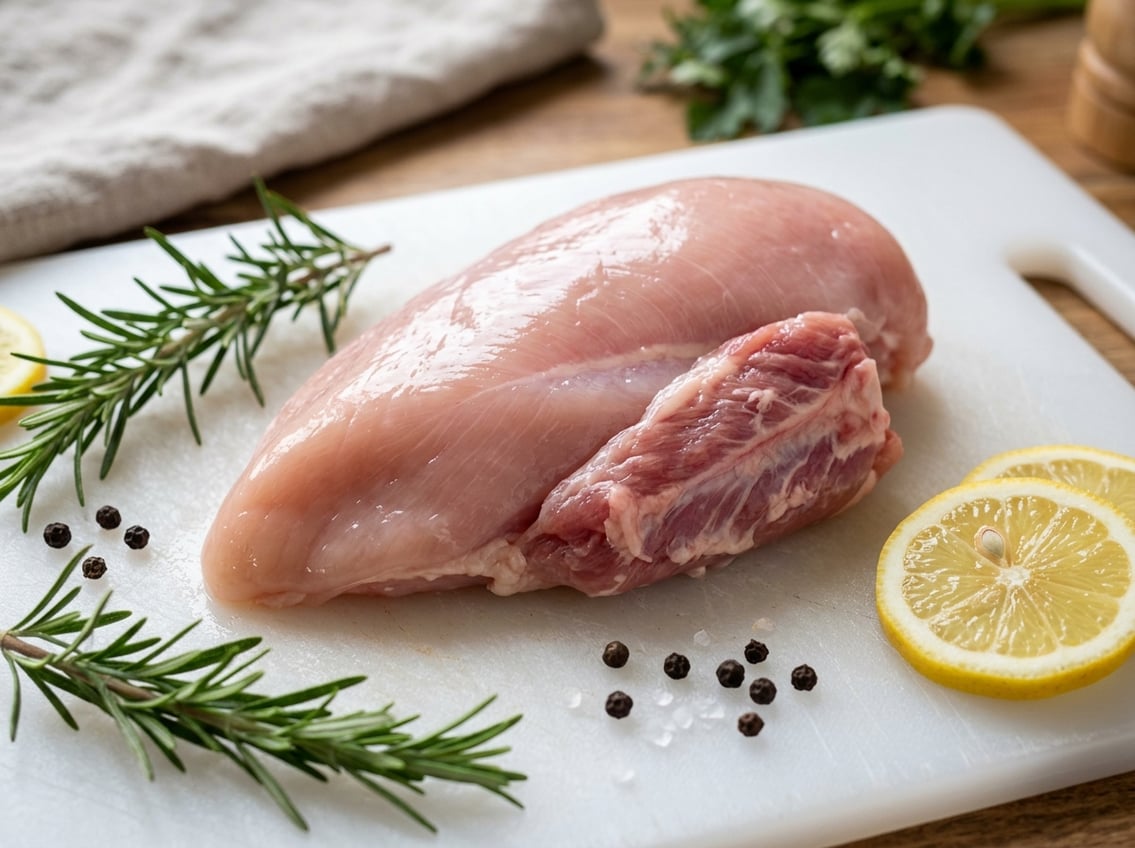
The nutrition change from rib meat is usually small. The cut still gives you lean protein, with a little more fat, a little more flavor, and a slightly less uniform look.
Chicken breast remains a high-protein food even with a small amount of rib meat attached. The added portion may shift the numbers slightly, so the nutrition label matters.
Protein, Fat Content, and Calories
Chicken breast is known as white meat because it is leaner than dark meat from the legs and thighs. Rib meat may contain a bit more fat and calories than a plain breast, since it comes from a different area of the bird and can have more connective tissue.
It is still much closer to breast meat than to dark meat in most cases.
How to Read the Nutrition Label
Check the serving size first, then look at protein, total fat, and calories. If a package says chicken breast with rib meat, the label may show a slightly different fat number than a fully trimmed breast.
Look at sodium too, especially if the package is seasoned, injected, or pre-marinated. Even a lean product can be high in sodium if it has added flavoring.
Is It Lower Quality or Just Different
Rib meat does not signal poor quality. It is simply a less trimmed cut, and many shoppers do not notice much difference after cooking.
According to BBQ Host, the rib portion can even add a little more flavor. If you want the leanest, most uniform breast possible, you may prefer a fully trimmed product, but rib meat is not a problem for most uses.
Where You’ll See It in Stores and on Ingredient Lists
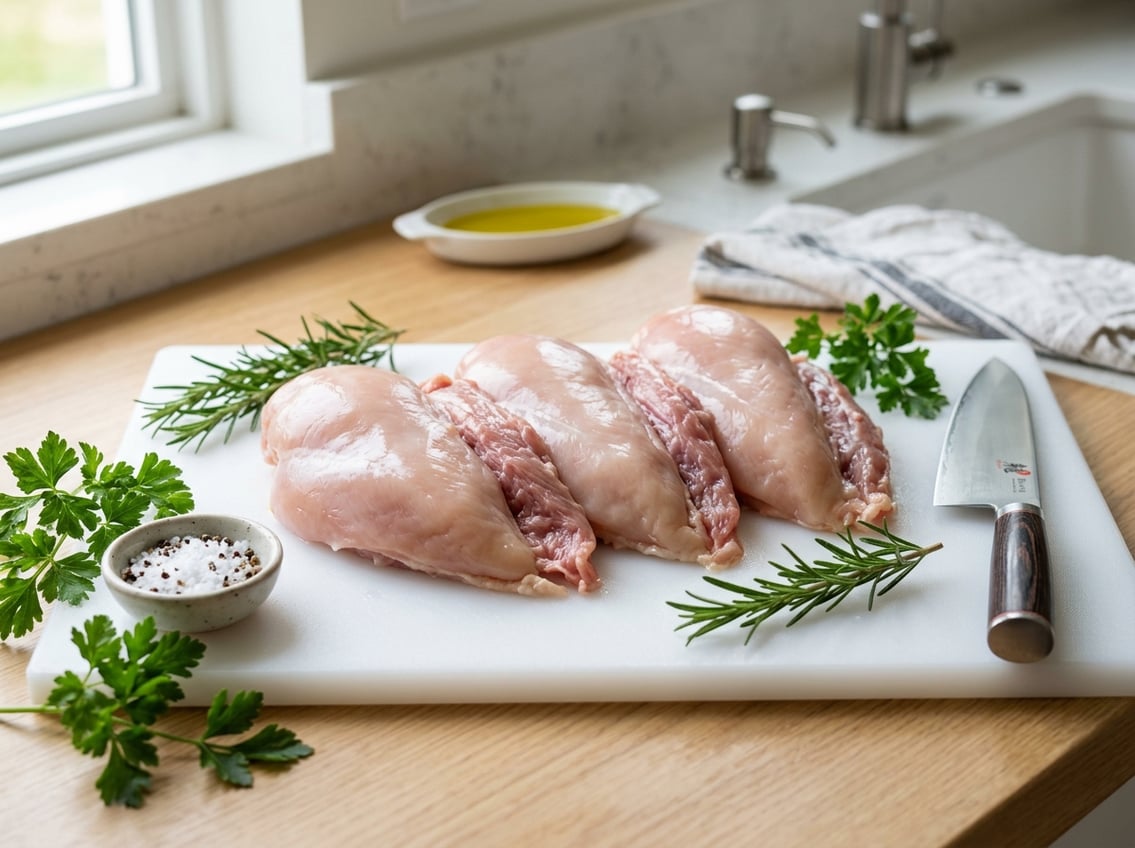
You will most likely see this wording on packaged chicken breasts and on processed chicken products. Grocery stores use it to describe the cut more accurately.
You may also see it on ingredient lists when chicken is used in nuggets, patties, or other formed products. The phrase usually means the meat comes from chicken breast with that attached portion still included.
Fresh Packs Versus Processed Chicken Products
In fresh meat cases, with rib meat describes how the breast was trimmed. It is still a whole cut, just not a perfectly cleaned one.
In processed chicken, the label can show up in a different way. A product may contain chicken breast meat with rib meat, which means the processor used breast meat and left that small attached section in the mix.
Chicken Nuggets, Patties, and Formed Meats
You may see the phrase on nuggets, strips, or patties that use chopped chicken breast. This does not automatically mean the product is mechanically separated meat or a low-grade filler product.
It simply tells you the cut included breast meat with the rib section attached. The final product may still contain breading, salt, starches, or other ingredients that change the nutrition profile.
Preservatives and Other Common Additions
If the chicken is processed, check the ingredient list for preservatives, flavorings, and added sodium. These additions matter more to your nutrition than the rib meat itself.
Some frozen or packaged chicken products use preservatives or seasoning blends to help with shelf life and taste. The meat label tells you what part of the bird was used, while the ingredient list tells you what else was added.
Buying and Cooking Tips
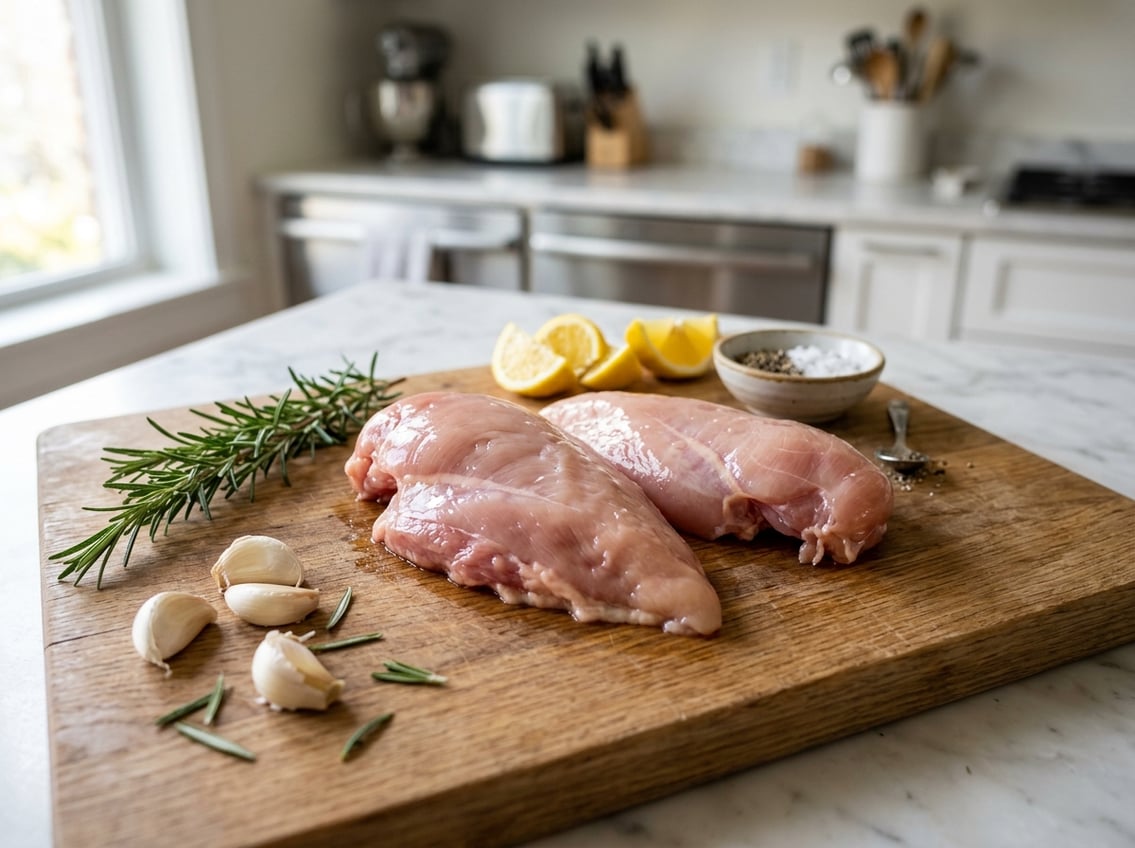
If you want a lower price and do not mind a little extra trimming, chicken breast with rib meat can be a good buy. If you want a cleaner presentation or very even portions, a fully trimmed breast may be worth the extra cost.
Cooking method matters too. The small rib section should not change your approach much, but you still want to avoid drying out the breast.
When Rib Meat May Be a Better Value
You get better value when the package is priced lower than fully trimmed breast. Since the difference is mostly in trimming, you often pay less for a product that is still useful for everyday cooking.
If you plan to dice, shred, or slice the chicken, the shape difference usually does not matter. It can be a practical choice for stir-fries, casseroles, soups, and meal prep.
How to Cook It Without Drying Out the Breast
Cook the chicken based on the breast meat, not the darker-looking rib portion. Chicken is safe at 165 degrees Fahrenheit, and overcooking the breast can make it dry.
Use gentle heat when possible, and avoid leaving it on the stove or grill longer just to change the rib meat’s texture. For a simple guide on safe cooking, the USDA Food Safety and Inspection Service explains core food safety steps for handling and cooking poultry.
Food Safety Checks Before and After Cooking
Before cooking, keep raw chicken cold and separate from other foods.
Wash hands, cutting boards, and knives after you touch raw poultry, since you cannot see harmful bacteria.
After you cook the chicken, check that the thickest part reaches 165 degrees Fahrenheit with a food thermometer.
The CDC notes that undercooked meat is more likely to cause foodborne illness in its safer food choices guidance.


