
What Does It Mean When Chicken Breast Is Yellow? Safety Guide
When you notice chicken breast is yellow, it often means the chicken’s flesh picked up a natural tint from its diet, breed, age, or processing. The meat remains safe to cook if it smells normal and feels firm.
A yellow color alone does not prove spoilage. You should check texture, smell, and storage time before deciding to cook it.
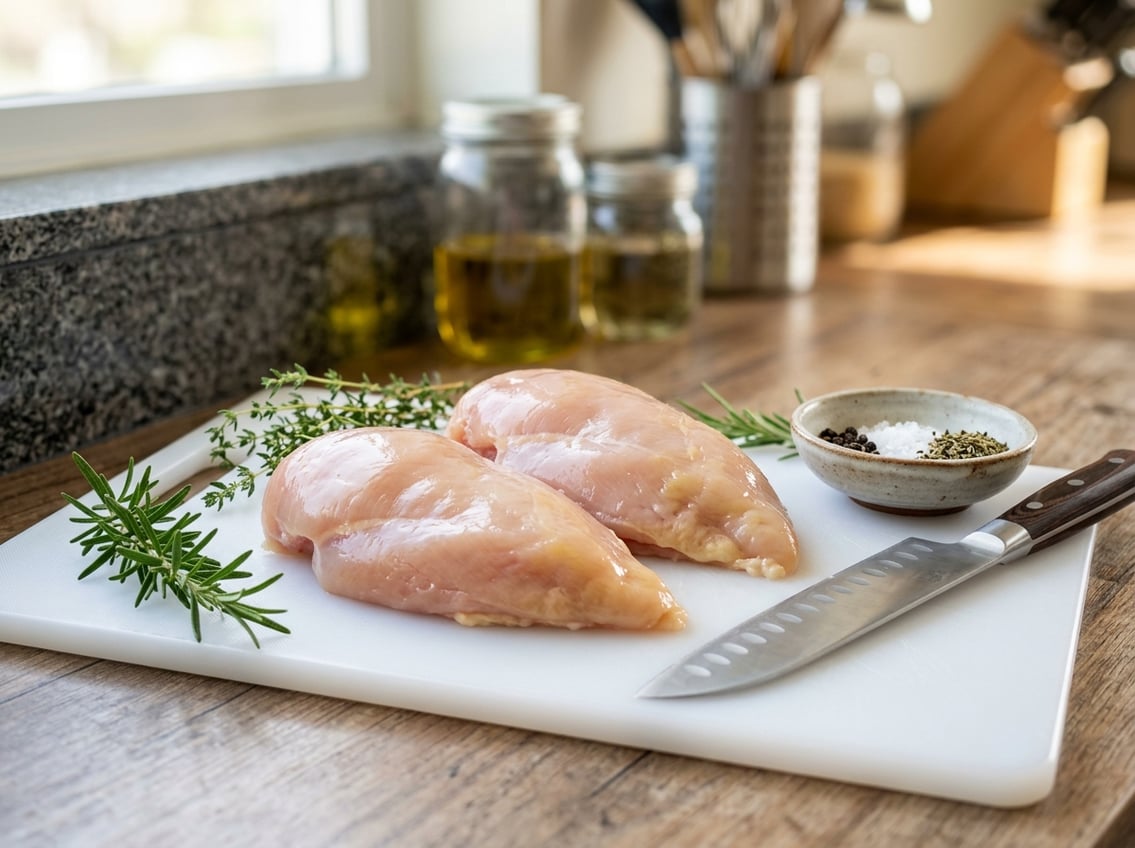
A yellow color can also signal a problem if the fat looks yellow, the chicken feels slimy, or the package smells sour. In those cases, you should treat the chicken as unsafe and throw it out.
What Yellow Color Usually Means
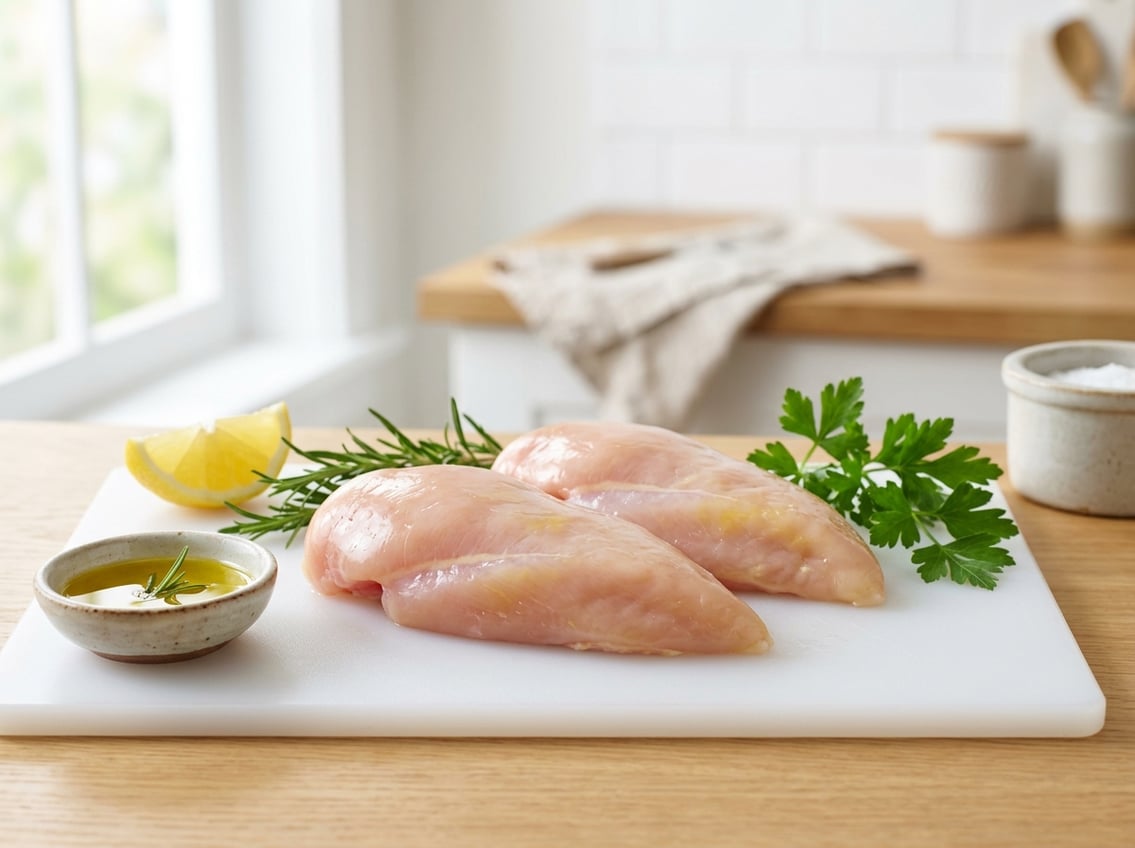
Chicken color can vary more than many people expect. Raw chicken can look pale pink, bluish-white, or slightly yellow without being spoiled, especially when the yellowing is limited to the flesh.
A small color change in the meat often comes from the bird’s diet, breed, and how it was raised. You need to separate a normal flesh color from a warning sign in the fat, skin, or smell.
When a Yellow Tint Is Normal
A light yellow tint in the flesh can be normal in raw chicken. According to Tasting Table’s explanation of yellow raw chicken, the flesh can range from bluish-white to yellow and still be acceptable.
If the chicken is firm, smells neutral, and has been stored correctly, the yellow hue may just be part of the bird’s natural color.
The Difference Between Yellow Flesh, Fat, and Skin
You should judge flesh, fat, and skin differently. Yellow flesh can be normal, but yellow fat is a warning sign and may point to spoilage.
Skin can look yellow because of the bird’s diet or natural pigmentation. Fat that looks unusually yellow, especially if the rest of the package also looks off, is a stronger reason to discard the chicken.
Why Some Chicken Looks More Yellow Than White
Diet and genetics make some chicken look more yellow. Birds fed pigments from plants can develop more color in the meat, and some breeds and older birds can show more yellowing than others.
Free-range chicken may also look darker or more golden than standard white chicken. That does not make it unsafe by itself if the meat passes the smell and texture checks.
When Yellow Chicken Is Not Safe
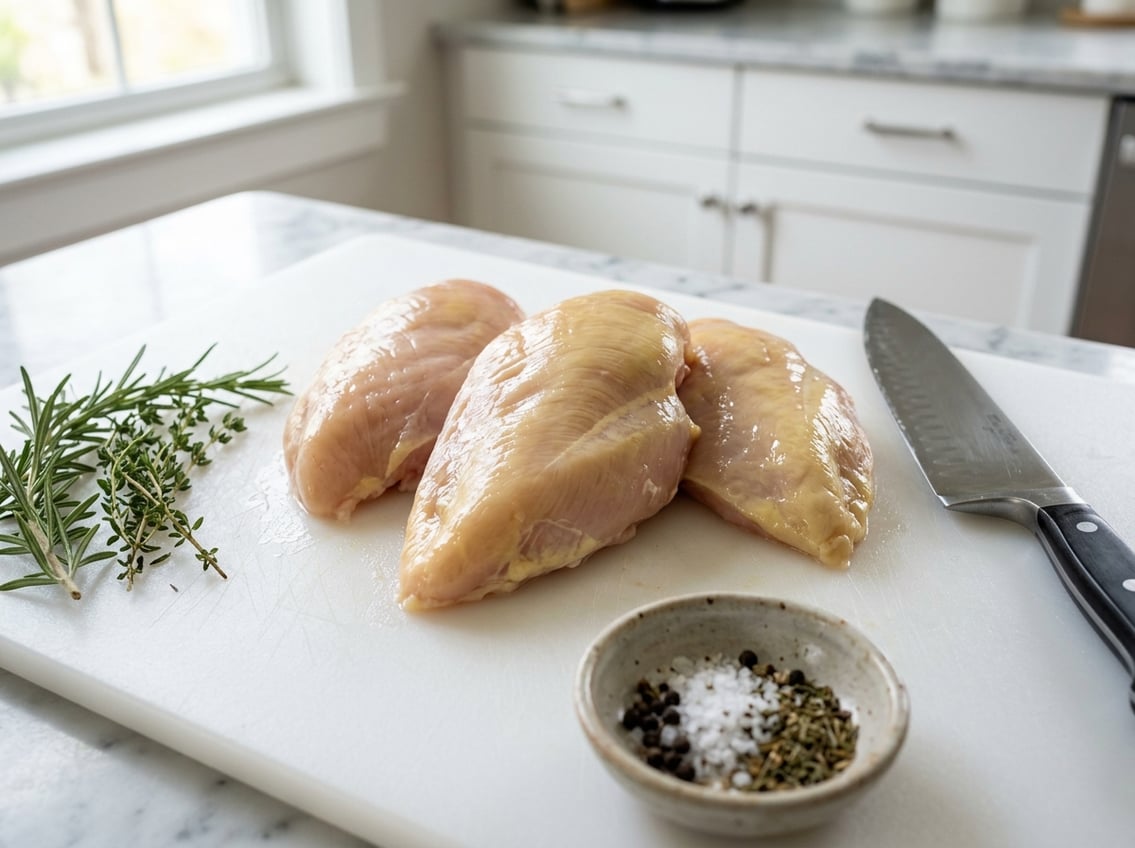
Color is only one part of the safety check. If yellow chicken comes with a bad smell, strange texture, or mold, you should not cook it.
You should also think about time and storage. Even chicken that looks only a little off can be unsafe if it sat too long in the fridge or warmed up during transport.
Spoilage Signs Beyond Color
Do not rely on color alone when deciding if yellow chicken is safe to eat. Look for a sour, rotten, or strong odor, gray or green patches, mold, and liquid that seems cloudy or sticky.
The USDA and FDA both stress using smell, texture, and temperature along with appearance when checking poultry safety. If a package smells wrong or looks discolored in multiple ways, throw it out.
How Slimy Texture Changes the Risk
Slimy chicken signals a problem. Fresh chicken should feel moist, not tacky, sticky, or slick.
A slimy surface means bacteria have multiplied on the meat. At that point, the texture already points to spoilage.
Red Flags That Mean You Should Throw It Out
Throw the chicken away if you notice any of these:
- sour, rotten, or ammonia-like smell
- slimy or sticky surface
- gray, green, or moldy spots
- yellow fat along with odd odor or texture
- package swelling or leaking
- chicken kept in the fridge too long
If you are unsure, discard it. Food poisoning is not worth the risk.
Why Chicken Breast Can Turn Yellow
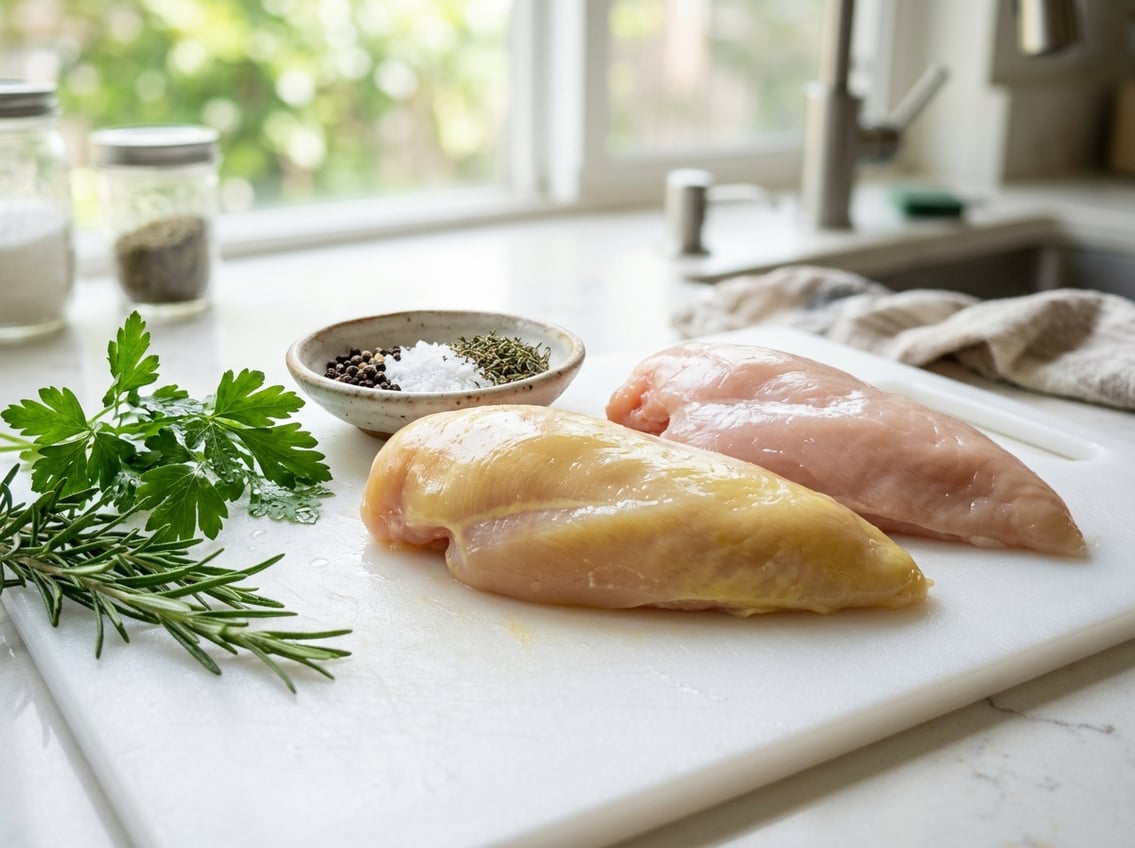
Natural pigments, bird genetics, or handling after processing can make chicken look yellow. Feed ingredients explain most cases, though storage and oxidation can also change the appearance.
Some poultry systems produce yellow breasts, especially when the bird ate plant-based pigments or had more fat under the skin and around the muscle.
Diet, Corn Feed, and Xanthophylls
Pigments called xanthophylls can give chicken a more yellow look. These natural plant pigments are found in foods like corn, alfalfa, and marigolds, which can tint the flesh.
Some yellow chicken breast comes from feed rather than spoilage. Free-range chicken may eat a wider mix of plants, which can influence the final color.
Breed, Age, and Fat Distribution
Breed and age affect chicken color. Older birds and birds with more body fat can show more yellow in the skin and surrounding tissue.
A bird with more fat distribution around the breast can make the meat look more golden even when it is fresh.
Processing, Storage, and Oxidation Effects
Processing can change how raw chicken breast looks, especially after chilling, packaging, and exposure to air. Oxygen can affect the surface color and make the meat look duller or more yellow over time.
If chicken sits too long or is repeatedly warmed and cooled, the surface color can shift even before the smell changes. You should combine visual checks with date and temperature checks, not color alone.
How to Check, Store, and Cook It Safely
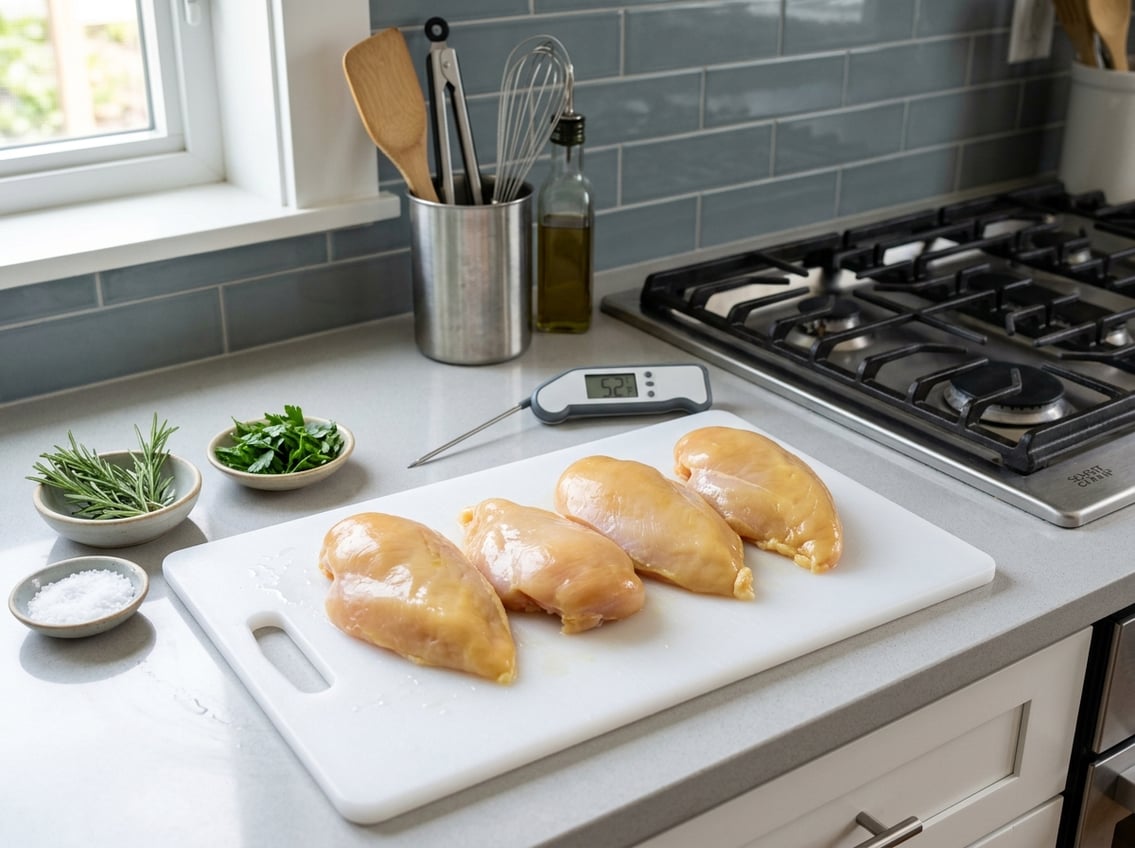
Safe handling matters more than the exact shade of the meat. If your chicken breast is yellow, you need to check the smell, feel, package condition, and storage time before cooking.
Proper refrigeration and cooking also matter for all types of chicken. A thermometer gives you the clearest answer for food safety.
What to Look for Before Cooking
Check that the chicken smells neutral, feels firm, and looks moist rather than sticky. If the yellow chicken breast is only lightly tinted and the rest of the signs look normal, it may still be fine to cook.
If you see slimy chicken, odd odor, or yellow fat, throw it out. Texture and smell are more reliable than color alone.
Safe Fridge and Freezer Storage Times
Keep raw chicken in the fridge at 40 F or below and use it within 1 to 2 days. The USDA recommends a food thermometer and safe handling for poultry, and the FDA also notes that temperature control is key to food safety.
If you need to store it longer, freeze it at 0 F or below. Frozen chicken pieces can stay usable for months, while whole birds last longer, but quality can still drop over time.
When Cooking Makes Yellow Chicken Acceptable
Cooking makes safe chicken safe to eat, but it cannot fix spoiled meat.
If the chicken was already rotten, cooking does not remove all risk.
Use a food thermometer and cook poultry to 165 F in the thickest part of the breast.
If the meat was only yellow from diet or natural variation, proper cooking makes it fine to serve.


